The best walks and hikes around Schwanebeck
4.6
(2242)
8,596
hikers
446
hikes
Hiking around Schwanebeck offers diverse terrain at the foot of the Huy ridge and on the edge of the northern Harz Mountains. The region features dense forests, rolling hills, and the Limbach river, providing varied landscapes for outdoor activities. Hikers can explore elevated areas with scenic views, including potential glimpses of the Brocken mountain. This area is characterized by its natural beauty and proximity to a larger network of trails within the Harz region.
Best hiking trails around Schwanebeck
- The…
Last updated: May 14, 2026
4.0
(2)
6
hikers
Moderate hike. Good fitness required. Easily-accessible paths. Suitable for all skill levels.
5
hikers
Moderate hike. Good fitness required. Easily-accessible paths. Suitable for all skill levels.

Sign up for free
3.0
(1)
5
hikers
Easy hike. Great for any fitness level. Easily-accessible paths. Suitable for all skill levels.
4
hikers
10.00km
02:45
170m
170m
Moderate hike. Good fitness required. Easily-accessible paths. Suitable for all skill levels.
3
hikers
8.59km
02:19
110m
110m
Moderate hike. Good fitness required. Easily-accessible paths. Suitable for all skill levels.
Get access to more routes and recommendations from other explorers.
Sign up for free
Already have an account?
Our route recommendations are based on thousands of hikes, rides, and runs completed by other people on komoot.
Start today with a free account
Your next adventure awaits.
Login or Signup
Tips from the Community

It was built in 1345 and first documented. Lightning nearly destroyed the nave in 1674. It was re-consecrated in 1683. It is the actual parish church of Schwanebeck (the older church is St. John's, which is no longer in use).
6
0
Nothing is known about the origins of St. Martini Church. It became dilapidated and collapsed at the beginning of the 19th century. The current church was rebuilt between 1817 and 1819. Some of the stones came from Gröningen Castle.
5
0

Krottorf Castle is a lowland castle that was secured by the Bode and the moats fed by it. After the original castle was destroyed in 1363, a fortified complex with buildings in the Renaissance style was not built until the 16th century and expanded by the then owner around 1890; parts of the rampart and moats are still preserved. The castle's enclosed courtyard is open to visitors. Source: Wikipedia
7
0
The village church of St. Severus, which is only a little older than the castle, dates back to a late Gothic quarry stone building from the 15th/16th century. The current square west tower dates from 1704 and replaced the bell tower that burned down in 1693. In 1713 the vault of the church was also renewed with beams and floorboards. In the period after 1732 the church received a new altar and a new pulpit in the Baroque style. In 1751 "everything" including the sky was "painted brightly" and in 1766 a new organ was installed. The Krottorf church received its current appearance through a renovation in 1836. The structural remodeling carried out in the course of the renovation of the church roof included raising the surrounding walls by 5½ feet and enlarging the windows, which were given high pointed arches in keeping with the character of the building. The current interior of the church was completely redesigned in 1888/89 by Gustav Kuntzsch, Institute for Church Art, Wernigerode, and replaced the baroque furnishings. In the interior of the Krottorf church there are gravestones from the 16th and 17th centuries. Source: Wikipedia
8
0
Neither the church nor the grounds can be entered.
6
0
The predecessor of the current building was built in 1345 and was badly damaged by fire in 1674. The rectangular church tower to the west of the nave with its sound openings in the form of pointed arches probably dates back to this previous church. In place of the destroyed church, a hall church with a rectangular floor plan was built in the Baroque style and consecrated in 1683. The old church tower was given a Baroque spire in this context. Source: Wikipedia
2
0
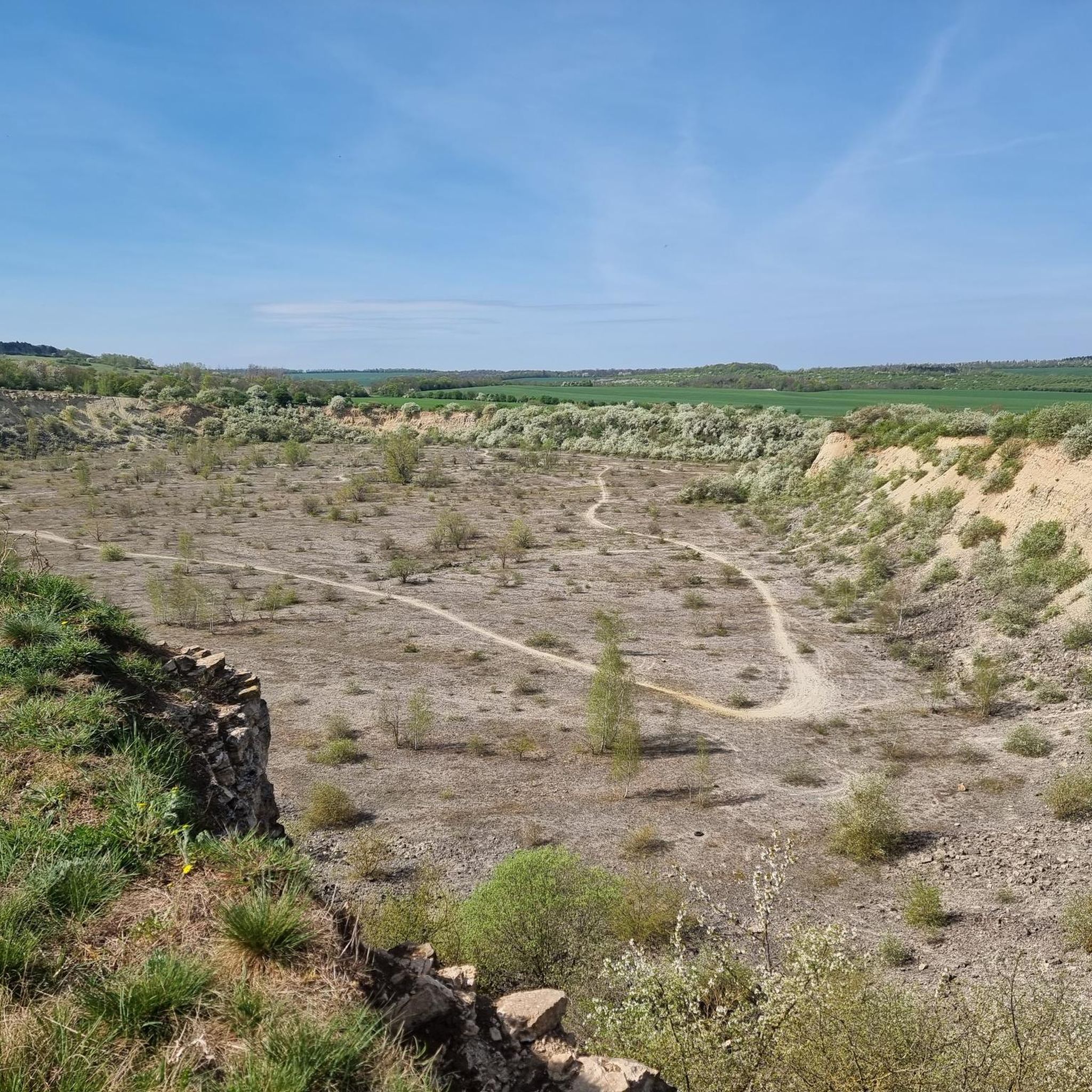
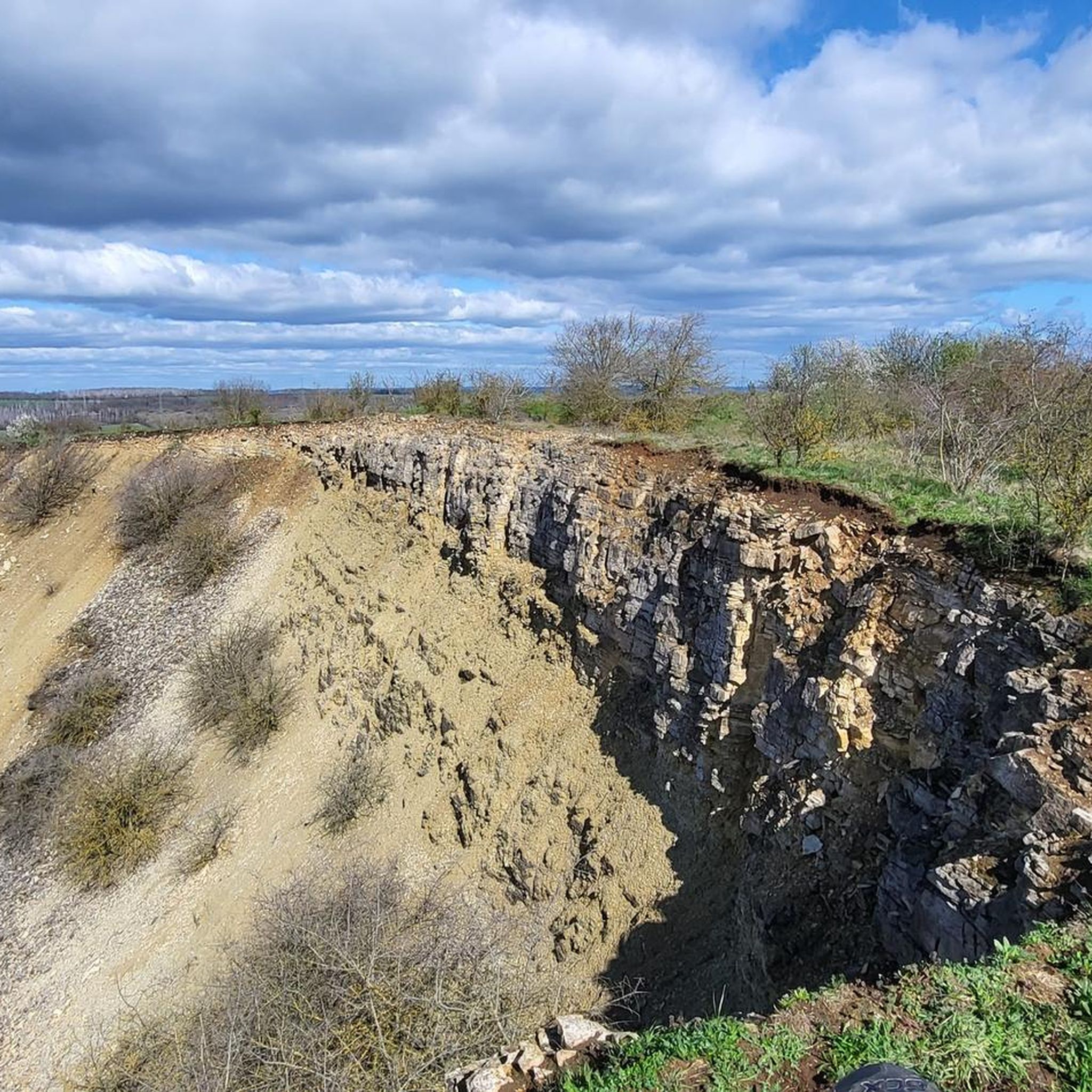
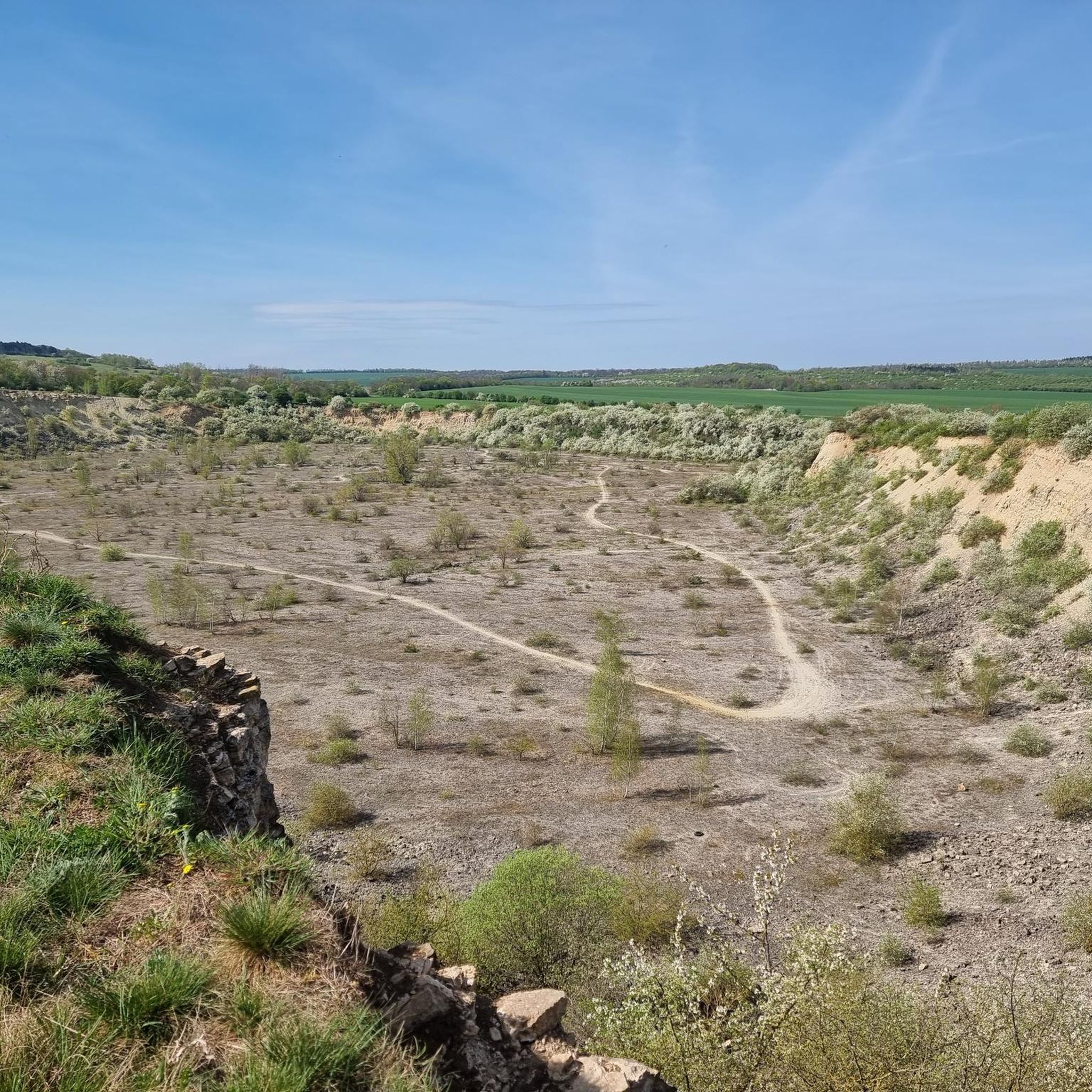
Now the quarry is flooded with water.
1
0
Apart from a few tracks and concrete slabs, there is nothing to see here.
6
0
Frequently Asked Questions
How many hiking trails are available around Schwanebeck?
Schwanebeck offers a wide variety of hiking opportunities, with over 440 routes available. These range from easy strolls to more challenging treks, ensuring options for all skill levels.
What kind of terrain can I expect on hikes around Schwanebeck?
The region around Schwanebeck is characterized by diverse terrain. You'll find dense forests, rolling hills, and paths along the Limbach river. Being at the foot of the Huy ridge and on the edge of the northern Harz Mountains, many routes feature varied elevations and scenic viewpoints.
Are there easy hiking options suitable for beginners or families?
Yes, Schwanebeck has plenty of easy hiking options. Over 260 routes are classified as easy, making them perfect for beginners or families. An example is the Church of Schwanebeck – Swan Relief of Schwanebeck loop from Schwanebeck, which is a gentle 1.7-mile (2.7 km) trail exploring historical points within the town.
Can I bring my dog on the hiking trails in Schwanebeck?
Many trails in the Schwanebeck area are suitable for dogs, especially those through the dense forests and rolling hills. It's always recommended to keep your dog on a leash and check specific trail regulations, particularly in nature reserve areas like the Angelbruch.
Are there any circular hiking routes available?
Yes, many of the hiking routes around Schwanebeck are circular, allowing you to start and end at the same point. For instance, the Pond at Schloss Krottorf – Burg Krottorf loop from Nienhagen (Halberst) is a popular moderate circular trail that explores the area around Schloss Krottorf.
What natural landmarks or viewpoints can I discover while hiking?
The region offers several natural landmarks and viewpoints. You can explore formations like the Five-Finger Rock and Devil’s Chair near Halberstadt or the Klus Rocks. The Eastern Huy ridge also provides fantastic views, potentially including the distant Brocken mountain.
Are there historical sites or cultural attractions accessible via hiking trails?
Absolutely. Schwanebeck is part of the 'Straße der Romanik' (Romanesque Road), and you can find historical sites like the proud Benedictine monastery Huysburg. The Cherry Tree Avenue – View of Huysburg loop from Haus Nienburg is a moderate hike that offers views of this significant landmark.
Is parking available near the trailheads in Schwanebeck?
Yes, parking is generally available near many of the trailheads, especially in and around Schwanebeck itself or at popular starting points for routes. Specific parking information can often be found on individual route descriptions.
What is the best time of year to go hiking in Schwanebeck?
Schwanebeck offers enjoyable hiking experiences throughout much of the year. Spring brings blooming nature, summer provides shaded forest paths, and autumn showcases vibrant foliage. The varied terrain and dense forests make it appealing across seasons, though checking local weather is always advisable.
What do other hikers say about the trails in Schwanebeck?
The hiking trails in Schwanebeck are highly regarded by the komoot community, holding an average rating of 4.5 stars from over 1850 reviews. Hikers often praise the varied natural scenery, the peaceful forest paths, and the well-maintained routes that cater to different fitness levels.
Are there any hikes that pass by water features like lakes or rivers?
Yes, the region includes water features that can be incorporated into your hikes. The Limbach river flows through the area, and you can find routes near lakes such as Röderhöfer Pond or the larger Halberstädter See, offering picturesque views and tranquil settings.
Are there any longer or more challenging routes for experienced hikers?
While many routes are easy to moderate, there are 12 more difficult trails for experienced hikers seeking a challenge. These routes often feature greater elevation changes and longer distances, taking advantage of the hilly terrain and the proximity to the Harz Mountains. An example of a moderate route with notable elevation is the Schwanebecker Canyon – Schwanebeck Quarry loop from Schwanebeck.
Most popular routes around Schwanebeck
Most popular attractions around Schwanebeck

Get inspired with the komoot mobile app


Explore more
Browse the best Hikes in other regions.
