Attractions and Places To See around Santa Croce Del Sannio - Top 18
Attractions and places to see around Santa Croce Del Sannio offer a blend of historical sites and natural landscapes in the Province of Benevento, Campania. This municipality is situated in the Sannio region, known for its ancient ruins and natural oases. The area features archaeological zones indicating a rich history, alongside the ancient Pescasseroli-Candela sheep track. Visitors can explore local traditions and the surrounding natural beauty.
Best attractions and places to see around Santa Croce Del Sannio
- The most popular…
Last updated: May 27, 2026
Ancient Saepinum
Highlight • Historical Site
Translated by Google •
Tip by

Altilia–Saepinum Cycle Path
Highlight (Segment) • Cycleway
Translated by Google •
Tip by

Sign up now to discover places like this
Get recommendations on the best single tracks, peaks, & plenty of other exciting outdoor places.
Sign up for free
Lake Campolattaro - WWF Oasis
Highlight • Lake
Translated by Google •
Tip by

Lake Campolattaro
Highlight • Lake
Translated by Google •
Tip by

Sepino
Highlight • Settlement
Translated by Google •
Tip by

Sign up for free to discover even more attractions around Santa Croce Del Sannio.
Sign up for free
Already have an account?
Start today with a free account
Your next adventure awaits.
Login or Signup

Tips from the Community

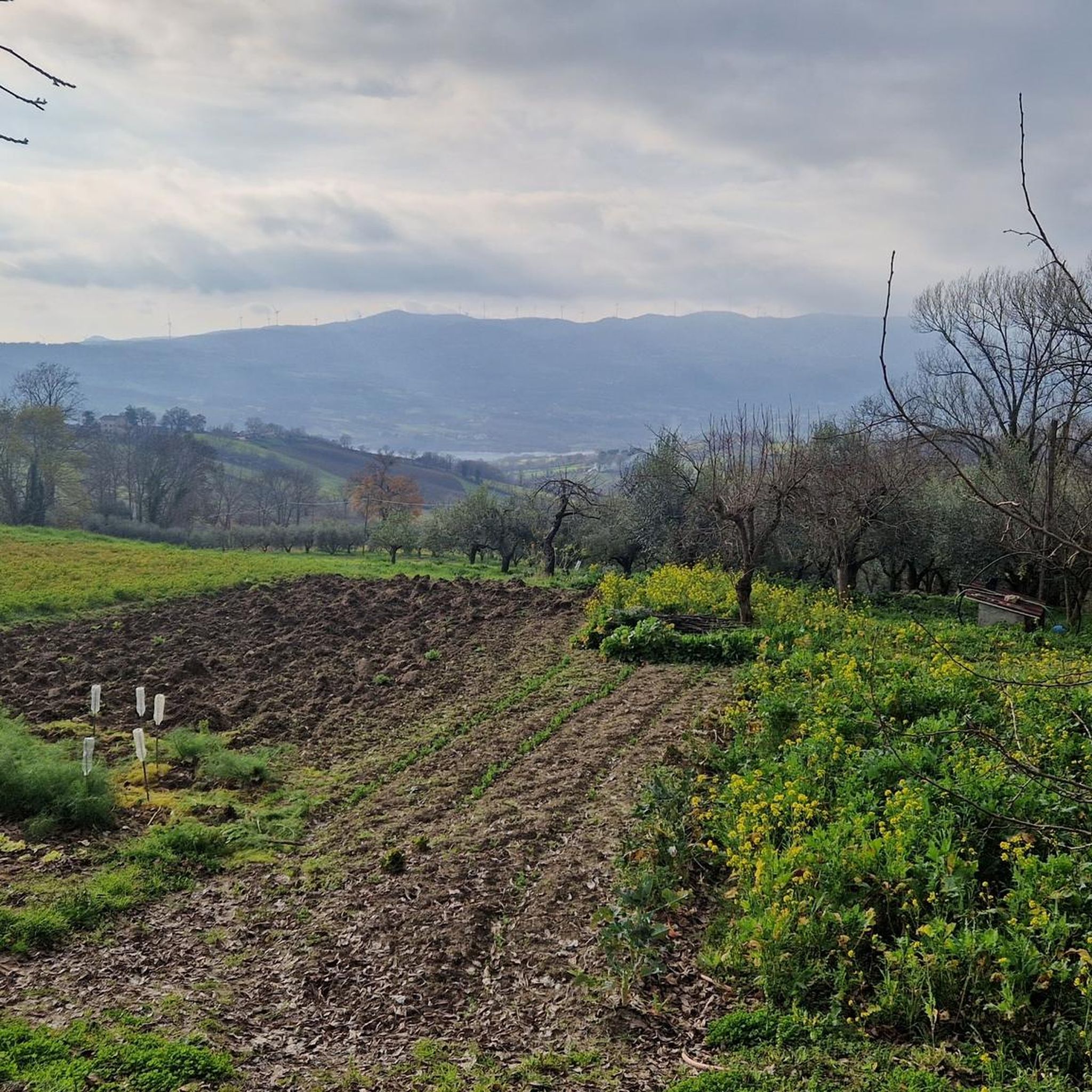
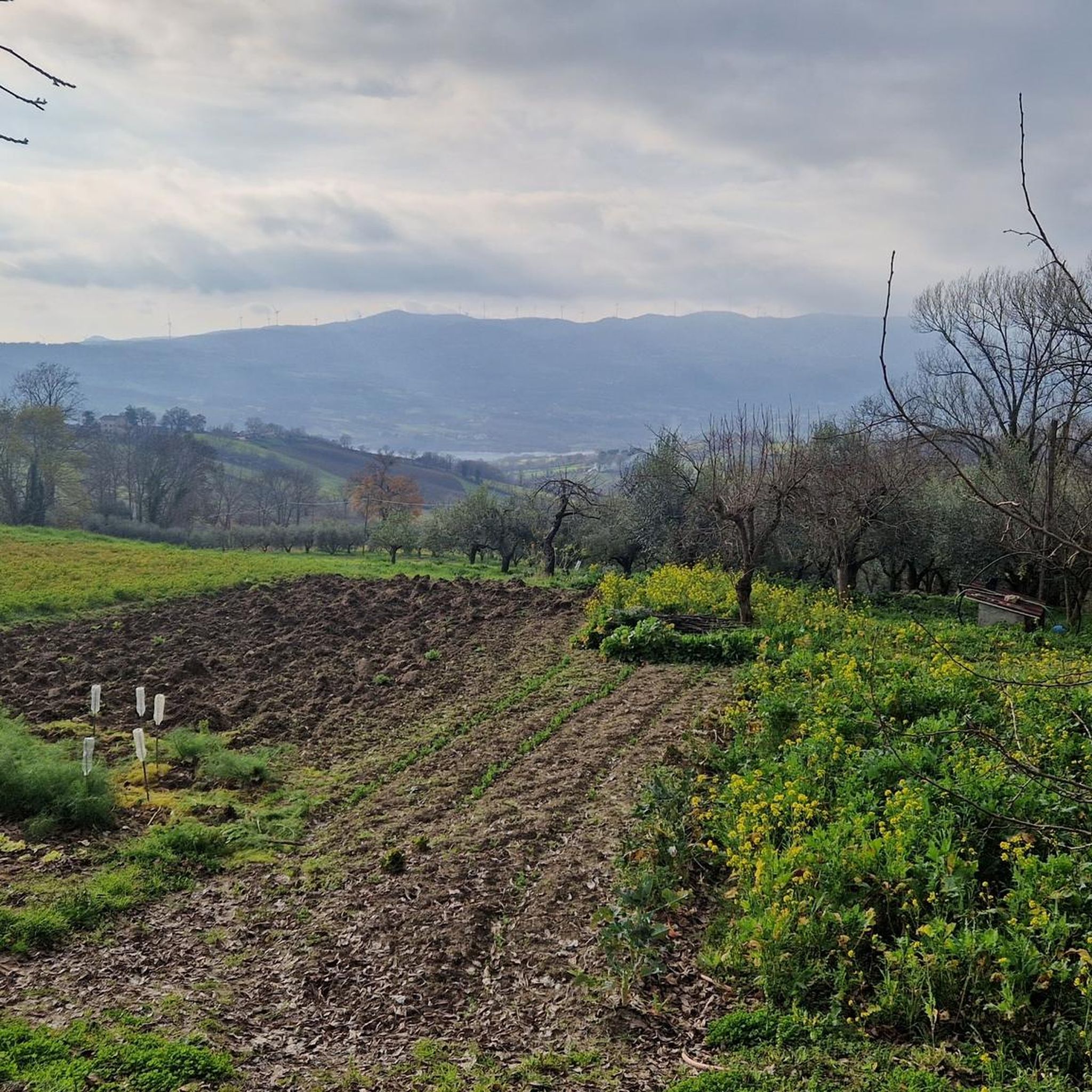
The Campolattaro Lake Oasis is one of the most important natural areas in Sannio, managed by the WWF and characterized by a large artificial lake surrounded by woods, pastures, and wetlands. It is an ideal habitat for wildlife observation: herons, night herons, birds of prey, and many migratory species find a resting place here during the transit seasons. The scenic viewpoints along the shore offer expansive views of the lake and the Tammaro hills.
1
0

The name Saepinum derives from the Latin and means to fence and therefore refers to the breeding activities practiced here at the time. It was conquered by the Romans in the Third Samnite War in 293 BC.
0
0

The dam dates back to 1980 and gives rise to a 7km square lake. The waters of the basin are used for irrigation and drinking purposes.
1
0

Sepino is a small town in Molise which is part of the circuit of the most beautiful villages in Italy. The medieval historic center is well preserved and it is possible to visit the church of Santa Cristina and the ducal palace. On the hills of the Tammaro valley there are several archaeological sites testifying to the ancient Samnite and Roman settlements.
1
0

Saepinum is an ancient Roman city. The name derives from the Latin "saepire", or fence. Originally, in fact, it is thought that there was a fence for the flocks here. There is currently an interesting archaeological museum and an impressive Roman theater which seated around 3,000 is still visible. Access to the site is free, only the museum is subject to payment.
2
0
It is not a simple lake but an important oasis of a thousand hectares protected by the WWF created by the damming of the Tammaro river. Many species of birds can find refuge here.
2
0

On the ancient Tratturo Pescasseroli-Candela you can visit the ruins of the Roman town with theater, forum, baths, basilica and much more.
0
0

Frequently Asked Questions
What historical sites can I visit near Santa Croce Del Sannio?
The region is rich in history. You can explore the ancient Roman city of Ancient Saepinum, which features an archaeological museum and an impressive Roman theater. Another notable historical site is the well-preserved medieval village of Morcone, with its narrow streets and remains of a Norman castle. Santa Croce del Sannio itself has archaeological zones and the historic Chiesa Madre di Santa Maria Assunta.
Are there any natural attractions or oases to explore?
Yes, the Lake Campolattaro - WWF Oasis is a significant natural area. This large artificial lake, surrounded by woods and wetlands, is an ideal habitat for observing diverse wildlife, including various bird species. Scenic viewpoints offer expansive views of the lake and the Tammaro hills. You can also find the Lake of San Giorgio la Molara, described as a 'cool oasis'.
What outdoor activities are available around Santa Croce Del Sannio?
The area offers various outdoor activities, particularly cycling and mountain biking. You can enjoy the Altilia–Saepinum Cycle Path, a well-maintained route near the archaeological area of Saepinum. For more extensive cycling, explore the MTB Trails around Santa Croce Del Sannio or Road Cycling Routes around Santa Croce Del Sannio, which include routes like the 'Lake Campolattaro WWF Oasis Loop' and 'Ancient Saepinum – Tratturo Pescasseroli-Candela loop'.
Are there family-friendly attractions in the area?
Absolutely. The Lake Campolattaro - WWF Oasis is considered family-friendly, offering opportunities for wildlife observation in a natural setting. The ancient Roman city of Ancient Saepinum is also suitable for families, allowing children to explore historical ruins and an impressive theater.
Can I find hiking or walking trails near Santa Croce Del Sannio?
While specific hiking trails are not detailed in the highlights, the region's natural areas like the Lake Campolattaro - WWF Oasis provide opportunities for walks and wildlife observation. The ancient Pescasseroli-Candela sheep track, a historical transhumance route, also traverses the municipal territory, offering a unique path to explore. For more structured routes, consider the cycling guides which often follow scenic paths.
What is the best time to visit Santa Croce Del Sannio and its attractions?
The Sannio region generally enjoys pleasant weather from spring through early autumn, making these seasons ideal for exploring outdoor attractions and historical sites. Visiting during local festivals, such as 'La Pace' or various Saint Day celebrations in Santa Croce del Sannio, can also offer a unique cultural experience.
What cultural experiences can I find in the Sannio region?
Beyond historical sites, the Sannio region offers rich cultural experiences. You can visit the Museo del Sannio in Benevento, housed within the UNESCO World Heritage site of the Church of Santa Sofia, which covers history from prehistory to the contemporary age. Local villages like Cerreto Sannita are known for ceramics, and Guardia Sanframondi for its Falanghina wine production. Jelsi hosts 'The Wheat Festival and its Museum', providing insight into local traditions.
Are there any unique or 'hidden gem' villages to visit?
Yes, the broader Sannio region is dotted with charming villages. Morcone, with its medieval character and Norman castle remains, is a well-preserved example. Cusano Mutri is described as an 'authentic village,' offering a glimpse into traditional Italian life. San Marco dei Cavoti is known as a 'very sweet village,' each offering a unique local atmosphere.
What is the significance of the ancient Pescasseroli-Candela sheep track?
The ancient Pescasseroli-Candela sheep track is a historical transhumance route that crosses the municipal territory of Santa Croce del Sannio. This route was formalized by the Romans and was historically used for the seasonal movement of livestock. It represents a significant piece of the region's agricultural and cultural heritage.
What do visitors enjoy most about the attractions around Santa Croce Del Sannio?
Visitors particularly appreciate the blend of historical depth and natural beauty. The ancient Roman city of Ancient Saepinum is highly regarded for its well-preserved ruins and impressive theater. The Lake Campolattaro - WWF Oasis is loved for its tranquil environment and opportunities for wildlife observation. The scenic cycling routes, such as the Altilia–Saepinum Cycle Path, are also popular for their beautiful surroundings and good conditions.
Are there any specific tips for visiting Ancient Saepinum?
When visiting Ancient Saepinum, note that access to the archaeological site itself is free. There is a fee only for entry to the archaeological museum. The site includes an impressive Roman theater that once seated around 3,000 people, and you can explore ruins of the Roman town with its forum, baths, and basilica.
Where can I find information about local history and culture in Santa Croce Del Sannio?
For those interested in local history and culture, the GM Galanti Historical Institute and the G. Vitelli Municipal Library in Santa Croce del Sannio are dedicated to preserving and studying the region's heritage. These institutions can offer deeper insights into the area's past and traditions.
Most popular routes around Santa Croce Del Sannio

Get inspired with the komoot mobile app


Explore more
Still not found the Highlight you’re looking for? See guides of the top attractions in other regions:
