The best road cycling routes around Foiano Di Val Fortore
5.0
(7)
214
riders
22
rides
Road cycling around Foiano Di Val Fortore features routes through an undulating landscape characterized by rolling hills and valleys. The region includes diverse terrain, from routes skirting lakes to those passing through traditional villages. Road cyclists can expect varying elevation changes, offering both moderate climbs and more challenging ascents.
Best road cycling routes around Foiano Di Val Fortore
- The most popular road cycling route is Lago di Decorata – Lake San Giorgio loop from Foiano di Val Fortore, a…
Last updated: July 2, 2026
12
riders
Moderate road ride. Good fitness required. Mostly well-paved surfaces and easy to ride.
5.0
(4)
12
riders
Hard road ride. Very good fitness required. Mostly well-paved surfaces and easy to ride.

Sign up for free
9
riders
108km
05:27
1,590m
1,590m
Hard road ride. Very good fitness required. Mostly well-paved surfaces and easy to ride.
7
riders
29.3km
01:27
450m
450m
Moderate road ride. Good fitness required. Mostly well-paved surfaces and easy to ride.
4
riders
46.3km
02:55
1,060m
1,060m
Hard road ride. Very good fitness required. Some segments of this route may be unpaved and difficult to ride.
Get access to more routes and recommendations from other explorers.
Sign up for free
Already have an account?
Our route recommendations are based on thousands of hikes, rides, and runs completed by other people on komoot.
Start today with a free account
Your next adventure awaits.
Login or Signup

Tips from the Community

The Sanctuary of the Madonna Incoronata, built in 1761, stands in a rural area linked to the historic wheat festival, one of the most characteristic rituals of the Fortore area. Every April, farmers and young people of the village dig furrows in the fields and carry the "verghe" (long poles decorated with wheat and flowers) in procession. In ancient times, this was followed by the release of a dove as a propitiatory gesture for the harvest. This tradition combines ancient agricultural symbols with Marian devotion, making the sanctuary a deeply rooted place for San Bartolomeo in Galdo.
1
0

San Bartolomeo in Galdo is an Italian town in the province of Benevento, located in Campania, near the border with Puglia and Molise. It has ancient origins, dating back to the Roman and medieval periods, and has numerous historic buildings and churches, including the Church of San Bartolomeo Apostolo. The town is located in the hilly area of Val Fortore, surrounded by an agricultural landscape. Among the local traditions, there are religious celebrations and cultural events that involve the community.
0
0
Article from Sanbartolomeo.info Chapel built in 1761 by the priest Don Nicola Reino. The celebrations in honor of the Crowned Madonna are particularly interesting for their union between the sacred and the profane. This festival is celebrated on the last Sunday of April in the rural village of the same name. Here, the statue of the Virgin is carried in procession, watched over with songs and prayers. In the days leading up to the festival, the farmers dig furrows in the land that reach from the horizon to the small church, putting all their effort into making them as straight as possible, both for competition between the various groups and out of devotion and thanksgiving for the harvest. During the ritual, the farmers raised tall poles made of wheat, grass, and flowers. At the top was placed a representation of the sanctuary—a box containing a dove that will be released at the end of the ceremony. This ritual is kept alive today thanks to the many groups of young people who, throughout the year, prepare the poles covered in colorful crepe paper flowers, which they carry on their shoulders following the procession and then raise in front of the church in honor of the Madonna. The festival is characterized by vigils, prayers, and quick breakfasts consumed on the grass surrounding the church or at the various kiosks set up for the occasion. The historical sources of the wheat festival are helpful in trying to trace all the stages of a phenomenon that over the years has acquired new meanings and adapted to new religious dictates. The origins of the ritual of offering grain to the deities are lost in the mists of time and date back to cults associated with agricultural life in pagan times and the sense of fear and insecurity associated with the precarious return of the lost seed. Indeed, the success of the harvest depends on superior forces beyond human control, such as adverse weather, so it is these forces that must be thanked for the abundant harvest and encouraged to be generous the following year with donations and devotion. The first historical records of the grain festival in Campania date back to the times of the Roman Empire. During the month of August, agricultural work was halted and Ceres, goddess of the harvest, was thanked with offerings and dances in the threshing floors, and propitiatory rites were performed for the coming harvest. Later, with the advent of Christianity, cartloads of grain were carried as offerings to a saint as a sign of devotion and gratitude for the harvest. This ritual perhaps conceals the questionable custom of the clergy, who during the feudal era forced farmers to donate part of their harvest. It was during this period that the first attempts to weave straw into decorations emerged. Even today, thanksgiving for the harvest is dedicated to the saints and Madonnas to whom the inhabitants of various Campanian towns still attached to agricultural traditions are devoted: the Madonna del Carmine in San Marco dei Cavoti, the Madonna Incoronata in San Bartolomeo in Galdo, the Assunta in Fontanarosa, and the Addolorata in Mirabella Eclano, towns where the female deities of the fields have been revived in the Christian figure of the Madonna.
0
0

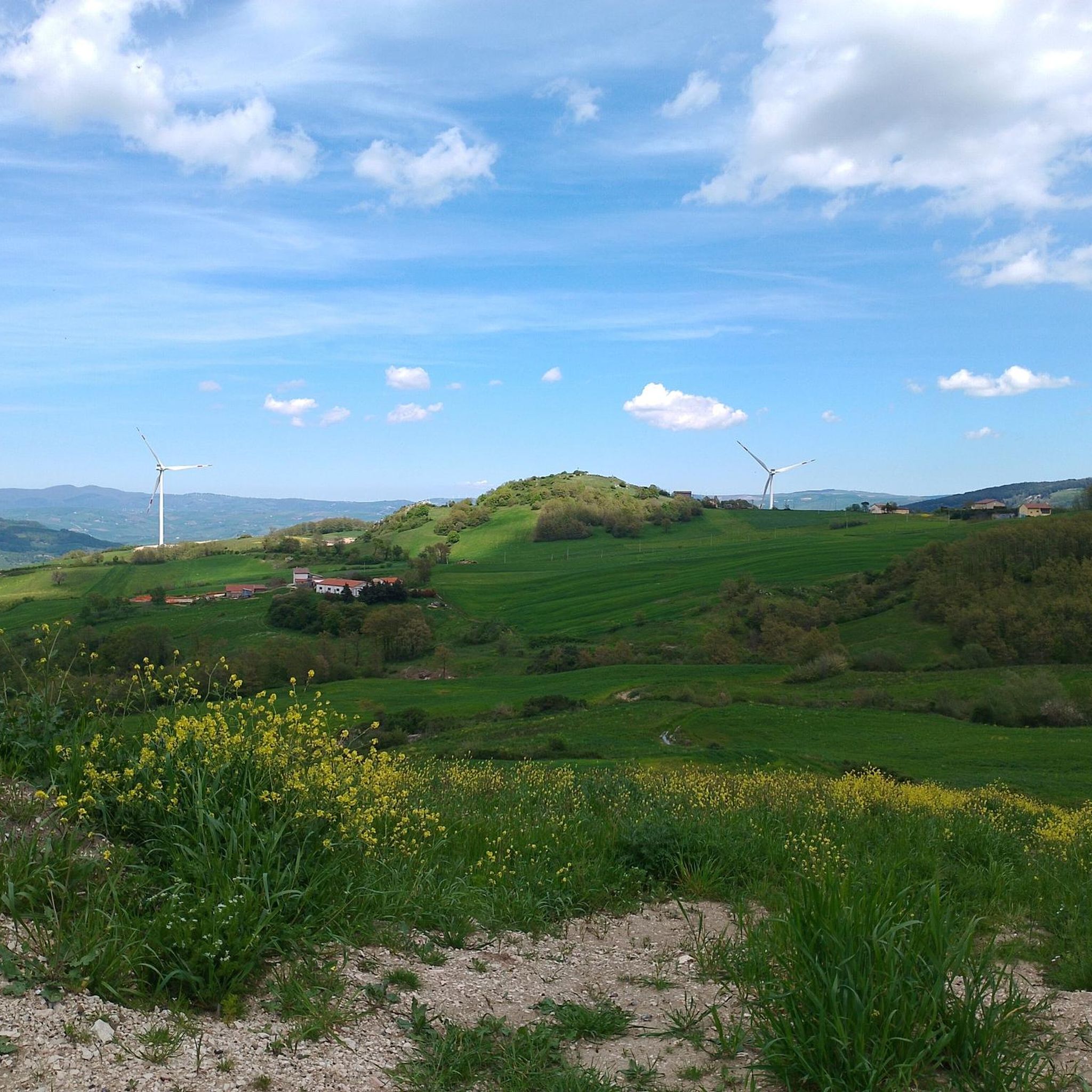
Hills and cultivated fields, the typical characteristic landscape of Molise. Gildone can be reached easily from Campobasso by tackling easy slopes.
0
0

You have to have curious eyes to look into every corner and discover wonders like this beautiful mural, hidden in the alley in front of the Gianni bar and then get lost in what is written!
1
0
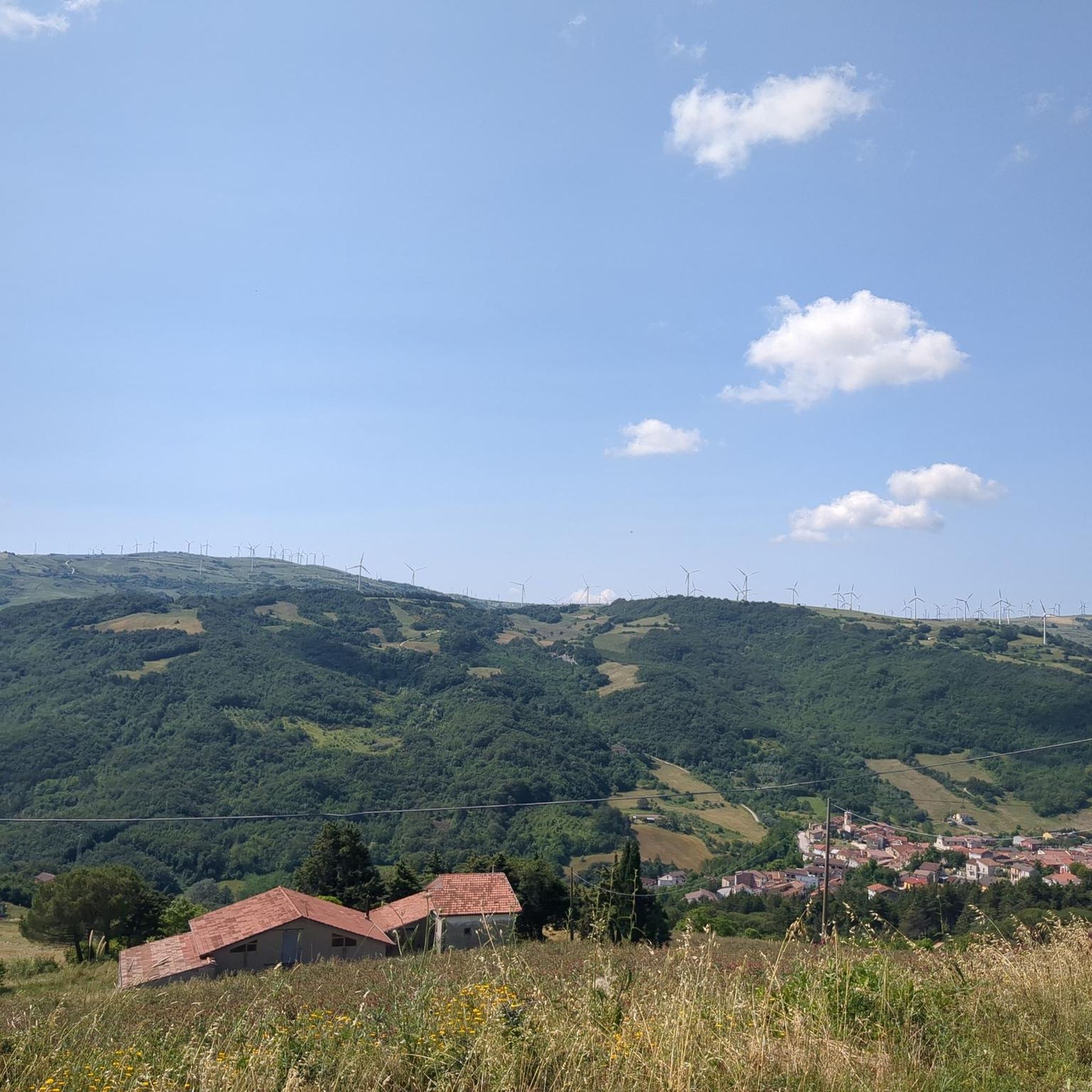
Jelsi is a village to be discovered. Famous for the grain festival.
0
0
Frequently Asked Questions
How many road cycling routes are available in Foiano Di Val Fortore?
There are over 20 road cycling routes around Foiano Di Val Fortore, offering diverse options for various skill levels.
What kind of terrain can I expect when road cycling around Foiano Di Val Fortore?
The region features an undulating landscape with rolling hills and valleys. You'll encounter diverse terrain, from routes skirting lakes to those passing through traditional villages, offering both moderate climbs and more challenging ascents.
Are there easy road cycling routes suitable for beginners in Foiano Di Val Fortore?
The road cycling routes in Foiano Di Val Fortore are generally suited for experienced cyclists, with options ranging from moderate to difficult. There are no routes specifically classified as easy for beginners in this guide.
Where can I find challenging road bike climbs in the Foiano Di Val Fortore area?
Many routes in the area feature significant elevation gain. For a challenging ride, consider the Lago di Decorata – Lake San Giorgio loop from Foiano di Val Fortore, which includes over 1200 meters of ascent over 71.8 km.
Are there any long-distance road cycling routes in Foiano Di Val Fortore?
Yes, for those seeking longer distances, the Cercemaggiore – Gildone Village loop from San Marco dei Cavoti covers 103.7 km with over 1500 meters of elevation gain, connecting multiple villages through the countryside.
Can I find circular road cycling routes around Foiano Di Val Fortore?
Most of the road cycling routes in the area are designed as loops, allowing you to start and finish in the same location. Examples include the Varco Aia delle Forche – Castello di Circello loop from San Marco dei Cavoti and the Palazzo Campanella loop from Foiano di Val Fortore.
What scenic viewpoints can I discover along road cycling routes in Foiano Di Val Fortore?
The region offers several scenic viewpoints. You might encounter the Gazebo with a View of the Daunia Mountains or the Giant Bench with View of Tavoliere delle Puglie, providing stunning panoramas of the surrounding landscape.
Are there any lakes I can cycle past in the Foiano Di Val Fortore region?
Yes, several routes pass by beautiful lakes. The Lago di Decorata – Lake San Giorgio loop from Foiano di Val Fortore, for instance, takes you past Lago di Decorata and Lago Mignatta (Lake of San Giorgio).
What historical or cultural points of interest can I explore while road cycling?
Many routes lead through rural landscapes and past historical points. You could cycle near the Monument to the Fallen of the First World War of Roseto Valfortore or explore villages with traditional architecture.
What do other road cyclists enjoy the most about road cycling in Foiano Di Val Fortore?
The area is highly rated by the komoot community, with an average score of 5.0 stars. Reviewers often praise the diverse terrain, the rolling hills, and the scenic valleys that connect local villages, offering a rewarding experience for experienced road cyclists.
What is the best time of year for road cycling in Foiano Di Val Fortore?
Spring and autumn generally offer the most pleasant conditions for road cycling in Foiano Di Val Fortore, with milder temperatures and beautiful landscapes. Summers can be hot, while winters may bring cooler, wetter weather.
Are there road bike routes that pass through villages with cafes or places to stop for refreshments?
Many routes connect local villages, providing opportunities to stop for refreshments. For example, the Cercemaggiore – Gildone Village loop from San Marco dei Cavoti passes through multiple villages where you can find local cafes and shops.
Most popular routes around Foiano Di Val Fortore
Most popular attractions around Foiano Di Val Fortore

Get inspired with the komoot mobile app


Explore more
Browse the best Road cycling routes in other regions.
