Attractions and Places To See around Pescopagano - Top 20
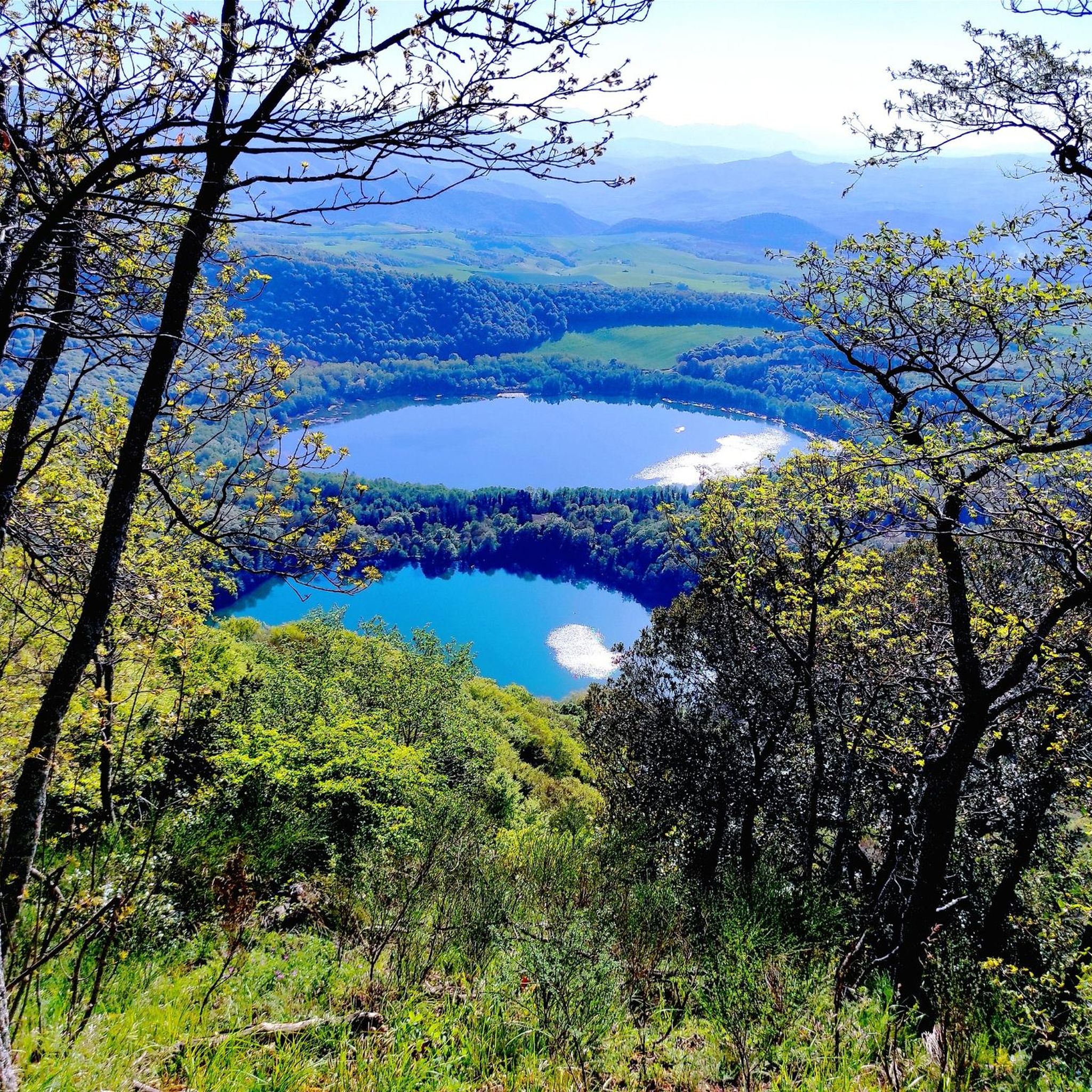
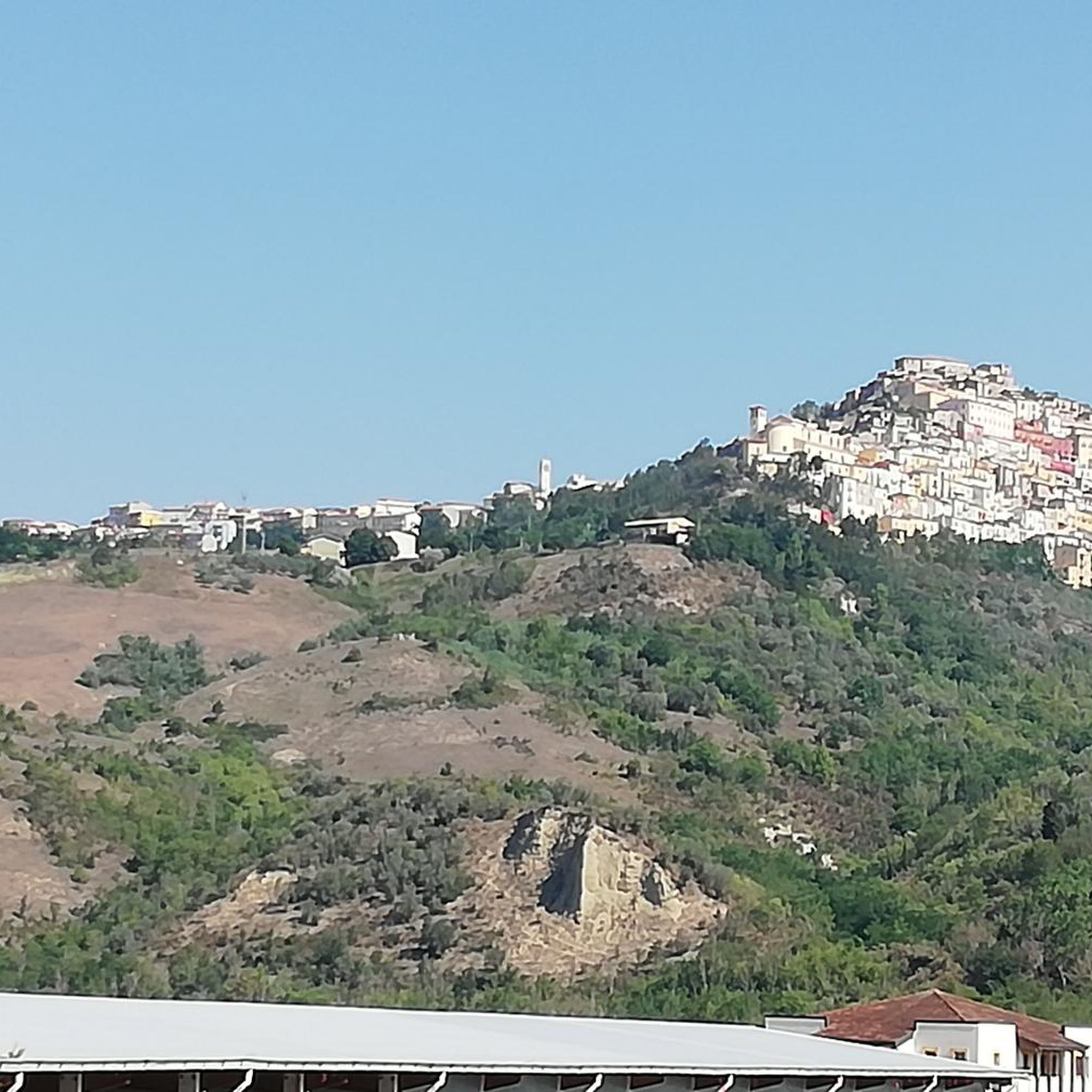
Best attractions and places to see around Pescopagano include historical sites and natural landscapes. This town in Italy's Basilicata region is situated on a cliff overlooking the Ofanto Valley, offering extensive panoramic views. Its mountainous terrain contributes to its scenic beauty, alongside ancient structures and religious sites. Visitors can explore a rich cultural heritage.
Best attractions and places to see around Pescopagano
- The most popular attractions is Lovers' Waterfall, a waterfall that can be reached with a simple walk.…
Last updated: July 1, 2026
Lovers' Waterfall
Highlight • Waterfall
Translated by Google •
Tip by

Vertone Waterfall
Highlight • Waterfall
Translated by Google •
Tip by
Sign up now to discover places like this
Get recommendations on the best single tracks, peaks, & plenty of other exciting outdoor places.
Sign up for free
Angelo Gabriele Giorgio Cultural Center (Former Malanga and Clemente Brickworks)
Highlight • Monument
Translated by Google •
Tip by

Church of Maria Santissima Incoronata
Highlight • Religious Site
Translated by Google •
Tip by
Piede Mill (Ruins of the Old Mill)
Highlight • Historical Site
Translated by Google •
Tip by
Sign up for free to discover even more attractions around Pescopagano.
Sign up for free
Already have an account?
Start today with a free account
Your next adventure awaits.
Login or Signup


Tips from the Community

The first signs of this church date back to 1760, as shown by a notarial deed conserved in the state archives of Avellino (see Notarial deeds, file 2323). On 10 August of that year, "Mr. Doctor Potito Cianci" donated a part of his fund (four bushels) in the place called Piano di Campo for the construction of a chapel dedicated to "Maria Santissima Incoronata" On the majestic carved stone portal, the date 1767 confirms that the construction of the church was completed on that date. Inside we can admire a sober altar in local red stone located at the end of the presbytery and a second stone altar, donated by Archbishop Lupoli in the 1900s, located along the single wide nave of the church. In this century the church underwent a further restoration due to the interest of the priest Bellini, as evidenced by an inscription on the side door of the same (year 1916) Sources: [1] The recovery of the historic center of Sant'Andrea di Conza, Superintendency of the B.A.A.A.S. of Salerno and Avellino and municipal administration of S. Andrea di Conza, year 1989
1
0
It was the third in the Archbishop's canteen. It is the one that has been best preserved, but it seems to be about to collapse. It worked until the early 1950s of the century that has just ended. A photo of this mill is attached, taken in the 80s of the last century, in which you can also clearly see the tower of the "D'Angola" mill located just above. The so-called "dolce" was located near this mill, i.e. a squared stone (about one cubic metre) on which the peasants leaned while waiting to be able to divert the water downstream from the mill to the various districts (Forma, S. Antonio , Fiego). Until August 2002, this stone was located on the edge of the rest area adjacent to the ruins of the mill. In August 2005 it then disappeared. Sources: [1] https://santandreaconza.altervista.org/index.php/merav/mulini
0
0
The Malanga and Clemente furnace, located in via Monacacchio, has been in business since 1920. The building covers an area of around 1400 square meters and at full capacity it produced around 4000 pieces every year, mainly roof tiles and perforated bricks. In operation until 1982 it was equipped with a Hoffman oven (https://it.wikipedia.org/wiki/Forno_Hoffmann) buried with a chimney and used manual technologies that have now become rare. At the beginning of the 90s of the last century, a consolidation and recovery project transformed the furnace into a multifunctional center for cultural, recreational and social gathering activities.
0
0

A beautiful waterfall that can be reached with a simple walk, a perfect place to spend time with your sweetheart, it is no coincidence that it is called the "Lovers' waterfall".
2
0
Beautiful waterfall immersed in a wild environment and easily reachable with a simple walk.
1
0
Frequently Asked Questions
What natural attractions can I explore around Pescopagano?
Pescopagano is nestled on a cliff overlooking the verdant Ofanto Valley, offering extensive panoramic views. You can also discover beautiful waterfalls like Lovers' Waterfall, known for its serene environment, and Vertone Waterfall, immersed in a wild setting and easily accessible by foot.
Are there any historical sites or cultural centers to visit in Pescopagano?
Yes, Pescopagano boasts a rich history. You can visit the Angelo Gabriele Giorgio Cultural Center (Former Malanga and Clemente Brickworks), a former furnace transformed into a multifunctional cultural hub. Other historical landmarks include the Torre dell'Orologio, built on the ancient Porta Sibilla, and the ruins of Il Castello, offering commanding views. The Piede Mill (Ruins of the Old Mill) also offers a glimpse into the area's past.
What religious sites are notable in Pescopagano?
Pescopagano is home to several historic churches. Among them is the Church of Maria Santissima Incoronata, dating back to 1767. Other significant churches include San Giovanni Battista (from 970), Montemauro, San Leonardo, SS. Annunziata, San Lorenzo in Tufara, and Madonna delle Grazie. The Parish Museum of Sacred Art also preserves a rich collection of historical and artistic religious works.
What outdoor activities can I do near Pescopagano?
The area around Pescopagano offers various outdoor activities. You can find numerous hiking routes, including easy and moderate trails like 'The waterfalls of San Fele' and loops connecting Lovers' Waterfall and Vertone Waterfall. For more details on hiking, cycling, and road cycling routes, explore the guides for Hiking around Pescopagano, Cycling around Pescopagano, and Road Cycling Routes around Pescopagano.
Are there family-friendly attractions in Pescopagano?
Yes, several attractions are suitable for families. Both Lovers' Waterfall and Vertone Waterfall are considered family-friendly natural monuments, easily reachable with simple walks. Exploring the historic streets and Piazza della Vittoria also offers a pleasant experience for all ages.
What is the best way to experience the local culture and traditions of Pescopagano?
To immerse yourself in local culture, take a walk through the historic streets to admire ancient noble buildings. Pescopagano is also known for traditional events like the 'Volo dell'Angelo' and the 'Passata' ritual. You can also learn about Transhumance, a UNESCO Intangible Cultural Heritage, which highlights the deep connection between humans and nature in the region.
Where can I find panoramic views of the region?
Pescopagano itself is dramatically situated atop a cliff, offering extensive panoramic views of the Ofanto Valley that stretch for over 25 kilometers. The mountainous terrain surrounding the town provides numerous scenic viewpoints.
What kind of local gastronomy can I experience in Pescopagano?
Pescopagano offers opportunities for food and wine tastings, featuring local olive oils, cured meats, and cheeses. The renowned Aglianico del Vulture wine is a must-try. You can also participate in cooking classes to learn how to prepare traditional Basilicata dishes.
Is there a museum in Pescopagano?
Yes, the Parish Museum of Sacred Art in Pescopagano preserves a rich collection of historical and artistic works. These include sixteenth-century sculptures like a Crucified Christ and the Madonna della Neve, many of which were recovered and restored after the 1980 earthquake.
What is Piazza della Vittoria like?
Piazza della Vittoria is a green square in Pescopagano that features a Carrara marble statue of the Madonna. It also houses the municipal palace and other significant monuments, providing a welcoming and central point for visitors to the town.
Are there any monuments dedicated to the town's history or people?
Yes, Pescopagano has a Monument to the Emigrant, which is dedicated to all Pescopaganesi who sought work and a better life away from their hometown, reflecting an important aspect of the town's social history.
Most popular routes around Pescopagano

Get inspired with the komoot mobile app


Explore more
Still not found the Highlight you’re looking for? See guides of the top attractions in other regions:
