Attractions and Places To See around Conza Della Campania - Top 20
Attractions and places to see around Conza Della Campania offer a blend of historical depth and natural beauty in the province of Avellino, Italy. The region is characterized by its ancient Roman past, significant archaeological remains, and serene natural landscapes. Despite being largely rebuilt after the 1980 earthquake, Conza Della Campania uniquely combines its history with a vibrant natural environment, particularly around the Ofanto River valley. This area provides opportunities to explore historical sites and enjoy natural features.
Best attractions…
Last updated: May 21, 2026
Angelo Gabriele Giorgio Cultural Center (Former Malanga and Clemente Brickworks)
Highlight • Monument
Translated by Google •
Tip by

Church of Maria Santissima Incoronata
Highlight • Religious Site
Translated by Google •
Tip by
Sign up now to discover places like this
Get recommendations on the best single tracks, peaks, & plenty of other exciting outdoor places.
Sign up for free
Piede Mill (Ruins of the Old Mill)
Highlight • Historical Site
Translated by Google •
Tip by
Mulino La Fonte (18th Century Mill)
Highlight • Monument
Quite detailed information on this mill is provided by the notarial deed of …
Translated by Google •
Tip by
Sant'Andrea di Conza Historic Center
Highlight • Historical Site
Translated by Google •
Tip by

Sign up for free to discover even more attractions around Conza Della Campania.
Sign up for free
Already have an account?
Start today with a free account
Your next adventure awaits.
Login or Signup
Tips from the Community

Following the course of the water of the "Forma" it turns out to be the first mill. Quite detailed information on this mill is provided by the notarial deed of 10 June 1825 stipulated to put an end to the "various disputes" caused by the servitude to which the Monastery had been subjected by the owners of the Mill at the source. From this deed it is noted that this mill was built in the early 1800s but in a notarial deed dated 4 November 1802 of the sale of a vineyard at the Fonte, it reserves the right to modify the conditions of the same sale if a mill were built in the area. In the Provisional Land Registry the "alla Fonte" mill appears to belong to the heirs of Don Carlo De Laurentiis and partners. Donated by the heirs of Prof. Pasqualino Bellisario to the Municipality of S. Andrea, it was restored and returned to the community as evidence of the ancient past of the town. Currently used as a backdrop for cultural events. Sources: [1] https://santandreaconza.altervista.org/index.php/merav/mulini
1
0
The first signs of this church date back to 1760, as shown by a notarial deed conserved in the state archives of Avellino (see Notarial deeds, file 2323). On 10 August of that year, "Mr. Doctor Potito Cianci" donated a part of his fund (four bushels) in the place called Piano di Campo for the construction of a chapel dedicated to "Maria Santissima Incoronata" On the majestic carved stone portal, the date 1767 confirms that the construction of the church was completed on that date. Inside we can admire a sober altar in local red stone located at the end of the presbytery and a second stone altar, donated by Archbishop Lupoli in the 1900s, located along the single wide nave of the church. In this century the church underwent a further restoration due to the interest of the priest Bellini, as evidenced by an inscription on the side door of the same (year 1916) Sources: [1] The recovery of the historic center of Sant'Andrea di Conza, Superintendency of the B.A.A.A.S. of Salerno and Avellino and municipal administration of S. Andrea di Conza, year 1989
1
0
It was the third in the Archbishop's canteen. It is the one that has been best preserved, but it seems to be about to collapse. It worked until the early 1950s of the century that has just ended. A photo of this mill is attached, taken in the 80s of the last century, in which you can also clearly see the tower of the "D'Angola" mill located just above. The so-called "dolce" was located near this mill, i.e. a squared stone (about one cubic metre) on which the peasants leaned while waiting to be able to divert the water downstream from the mill to the various districts (Forma, S. Antonio , Fiego). Until August 2002, this stone was located on the edge of the rest area adjacent to the ruins of the mill. In August 2005 it then disappeared. Sources: [1] https://santandreaconza.altervista.org/index.php/merav/mulini
0
0
The Malanga and Clemente furnace, located in via Monacacchio, has been in business since 1920. The building covers an area of around 1400 square meters and at full capacity it produced around 4000 pieces every year, mainly roof tiles and perforated bricks. In operation until 1982 it was equipped with a Hoffman oven (https://it.wikipedia.org/wiki/Forno_Hoffmann) buried with a chimney and used manual technologies that have now become rare. At the beginning of the 90s of the last century, a consolidation and recovery project transformed the furnace into a multifunctional center for cultural, recreational and social gathering activities.
0
0

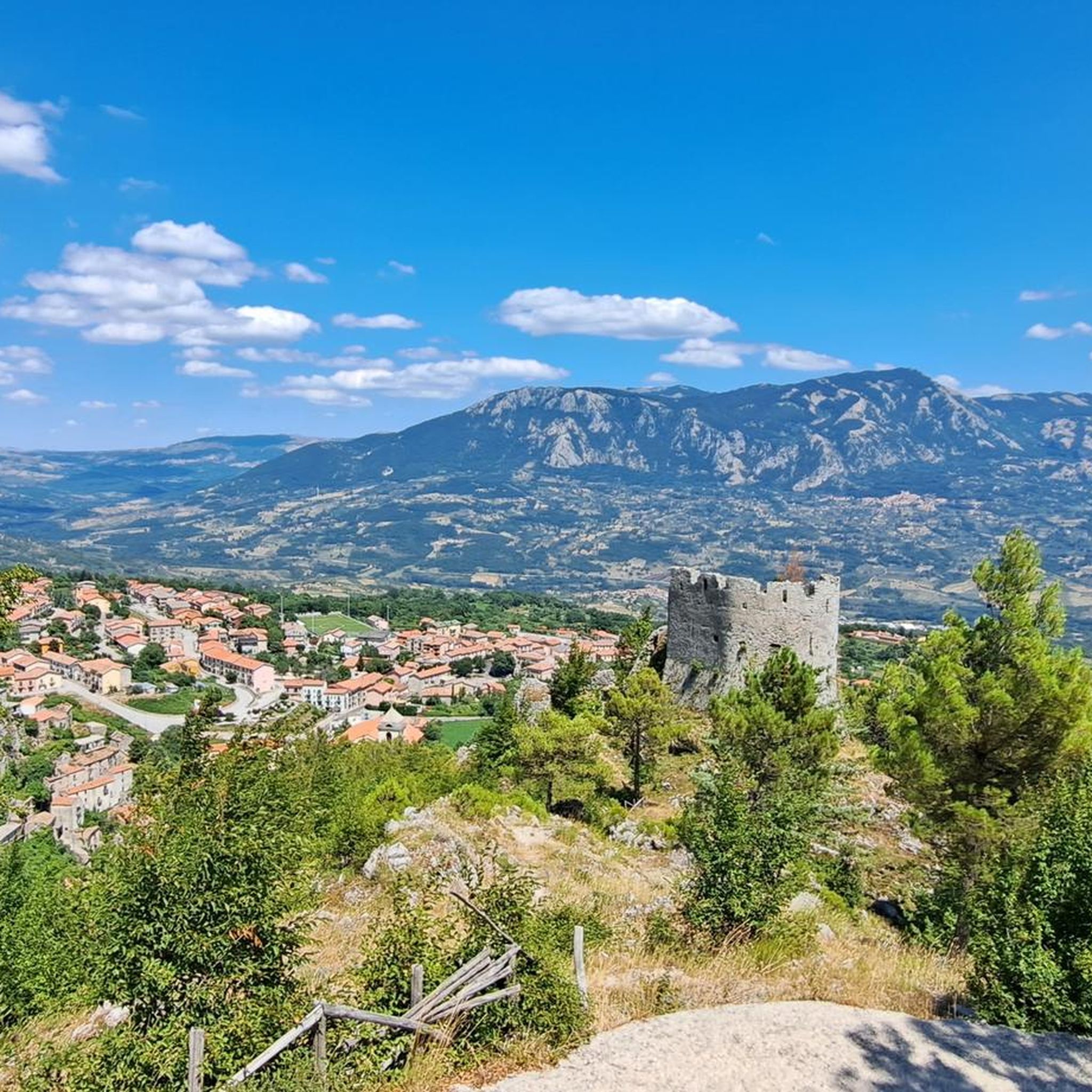
A small town in the province of Avellino, Sant'Andrea di Conza rises along the valley of the Ofanto river and is part of the Alta Irpinia mountain community and of the Union of Alto Ofanto municipalities. It stands on a panoramic hill from which you can enjoy an excellent view.
1
0
Frequently Asked Questions
What historical sites can I visit in Conza Della Campania?
Conza Della Campania is rich in history. You can explore the Compsa Archaeological Park, which contains the remains of the ancient Roman city of Compsa, including a Roman Forum, amphitheater, and ancient baths. Other notable historical sites include the Piede Mill (Ruins of the Old Mill) and the Mulino La Fonte (18th Century Mill), both offering a glimpse into the region's past.
What natural features can I explore in Conza Della Campania?
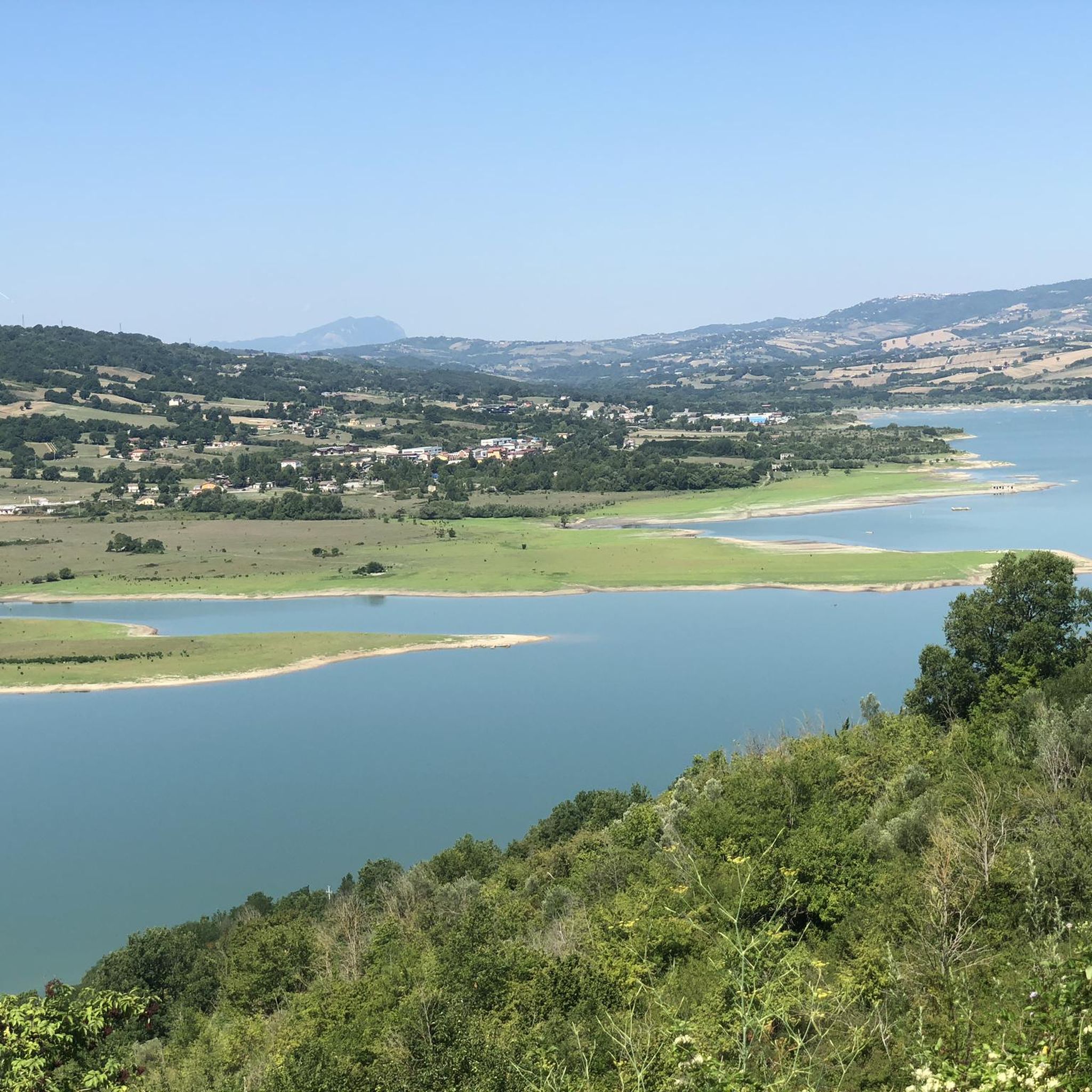
The most prominent natural attraction is the WWF Oasis Lake Conza. This immense green area features a large artificial lake, natural meadows, and dedicated wildlife areas, making it an important wetland for migratory birds. The Ofanto River, which forms Lake Conza, also plays a significant role in the region's natural landscape.
Are there family-friendly activities around Conza Della Campania?
Yes, the WWF Oasis Lake Conza is an excellent option for families. It provides paths for walking and cycling, a picnic area, and a visitor center. The oasis regularly hosts nature-themed activities and excursions, especially on Sundays in June, and events like the 'Autumn Festival' and 'On the trail of animals' are also offered.
What is the Compsa Archaeological Park, and what can I see there?
The Compsa Archaeological Park is a significant historical site in Conza Della Campania, preserving the unearthed remains of the ancient Roman city of Compsa. Visitors can explore remnants of the Roman Forum, an amphitheater, ancient baths, and the ruins of a cathedral. An early Christian funerary stele and a distinctive Column-Emblem are also present within the park.
Are there opportunities for hiking near Conza Della Campania?
Absolutely. The area around Conza Della Campania offers various hiking opportunities. You can find detailed routes and information on the Hiking around Conza Della Campania guide page, which includes trails like the 'Madonna del Fiume Trail' and the 'Tuorno Waterfall Trail'.
Can I go cycling around Conza Della Campania?
Yes, cycling is a popular activity here. The Strada Statale del Formicoso is a cycle way offering scenic views, though the asphalt quality can vary. For more cycling routes, including road cycling and touring, you can explore the Road Cycling Routes around Conza Della Campania and Cycling around Conza Della Campania guide pages.
What is the Angelo Gabriele Giorgio Cultural Center?
The Angelo Gabriele Giorgio Cultural Center (Former Malanga and Clemente Brickworks) is a unique man-made monument. Originally a brickworks operating until 1982, it has been transformed into a multifunctional center that hosts cultural, recreational, and social gathering activities, preserving its industrial heritage.
What is the best time to visit Conza Della Campania?
The best time to visit depends on your interests. August is ideal if you wish to experience the historical re-enactment of the Siege of Compsa at the Archaeological Park. June offers special excursions and events at the WWF Oasis Lake Conza, perfect for nature enthusiasts. Generally, spring and early autumn provide pleasant weather for exploring both historical sites and natural landscapes.
Are there any unique cultural experiences or events in Conza Della Campania?
Conza Della Campania hosts several unique cultural events. In August, the Archaeological Park comes alive with a historical re-enactment of the Siege of Compsa from the Second Punic War. Additionally, events like the 'Autumn Festival' and 'Irpine Invasions' offer opportunities to discover the local culture and history.
Where can I find parking for the main attractions?
Parking facilities are available at key attractions. For the Compsa Archaeological Park, parking is typically accessible near the old town area. The WWF Oasis Lake Conza also provides dedicated parking for visitors, making it convenient to access its natural trails and amenities.
Is Conza Della Campania suitable for dog-friendly walks?
While specific dog-friendly trails are not detailed, natural areas like the WWF Oasis Lake Conza often welcome dogs on leashes, especially on walking paths. It's always advisable to check local regulations or signage upon arrival for the most current information regarding pet access.
Are there any viewpoints or scenic spots in the Conza Della Campania area?
Yes, the Strada Statale del Formicoso offers scenic views, particularly with its numerous wind turbines along the route. The WWF Oasis Lake Conza also provides picturesque vistas of the artificial lake nestled among rolling hills, perfect for enjoying the natural beauty of the region.
Most popular routes around Conza Della Campania

Get inspired with the komoot mobile app


Explore more
Still not found the Highlight you’re looking for? See guides of the top attractions in other regions:
