The best walks and hikes around Schönewalde
4.5
(198)
729
hikers
27
hikes
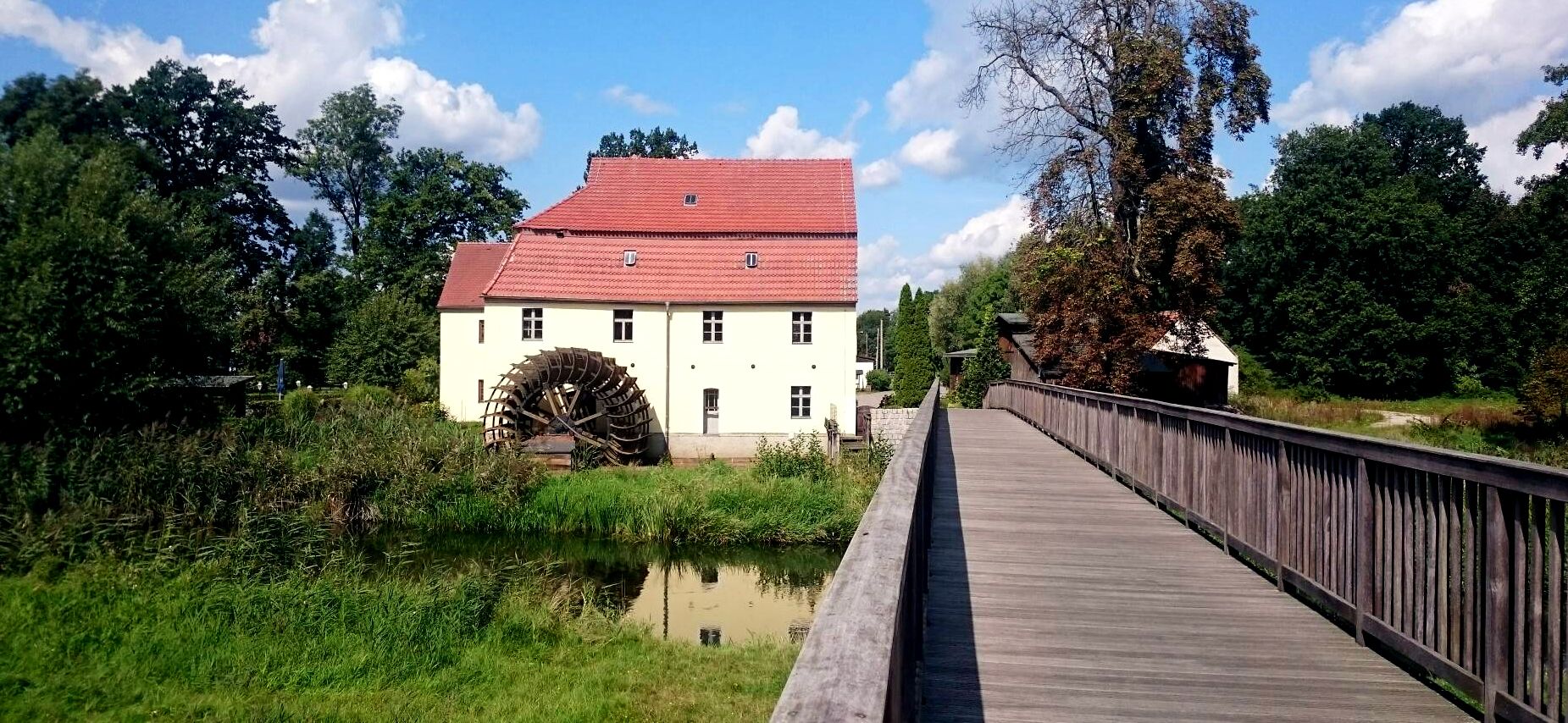
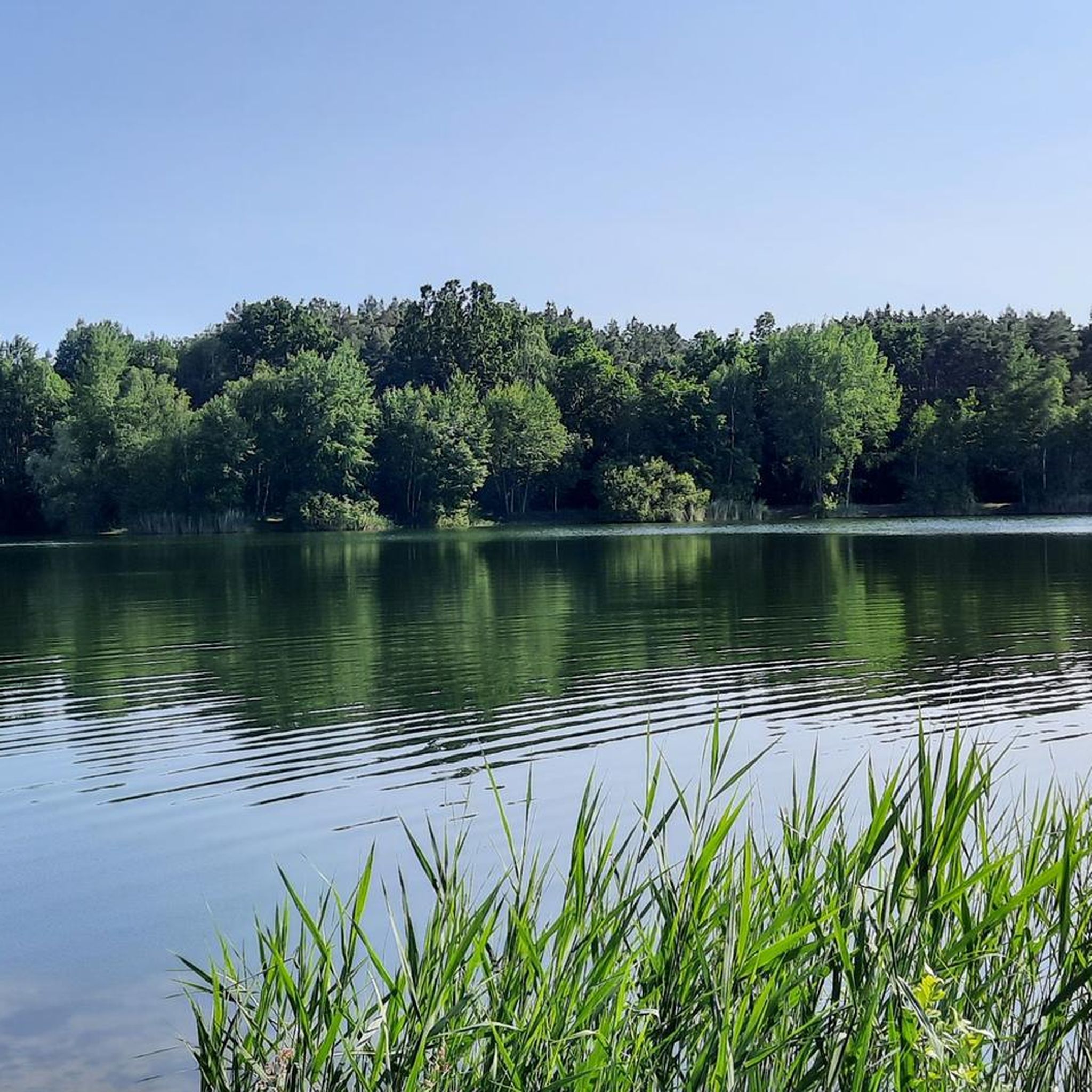
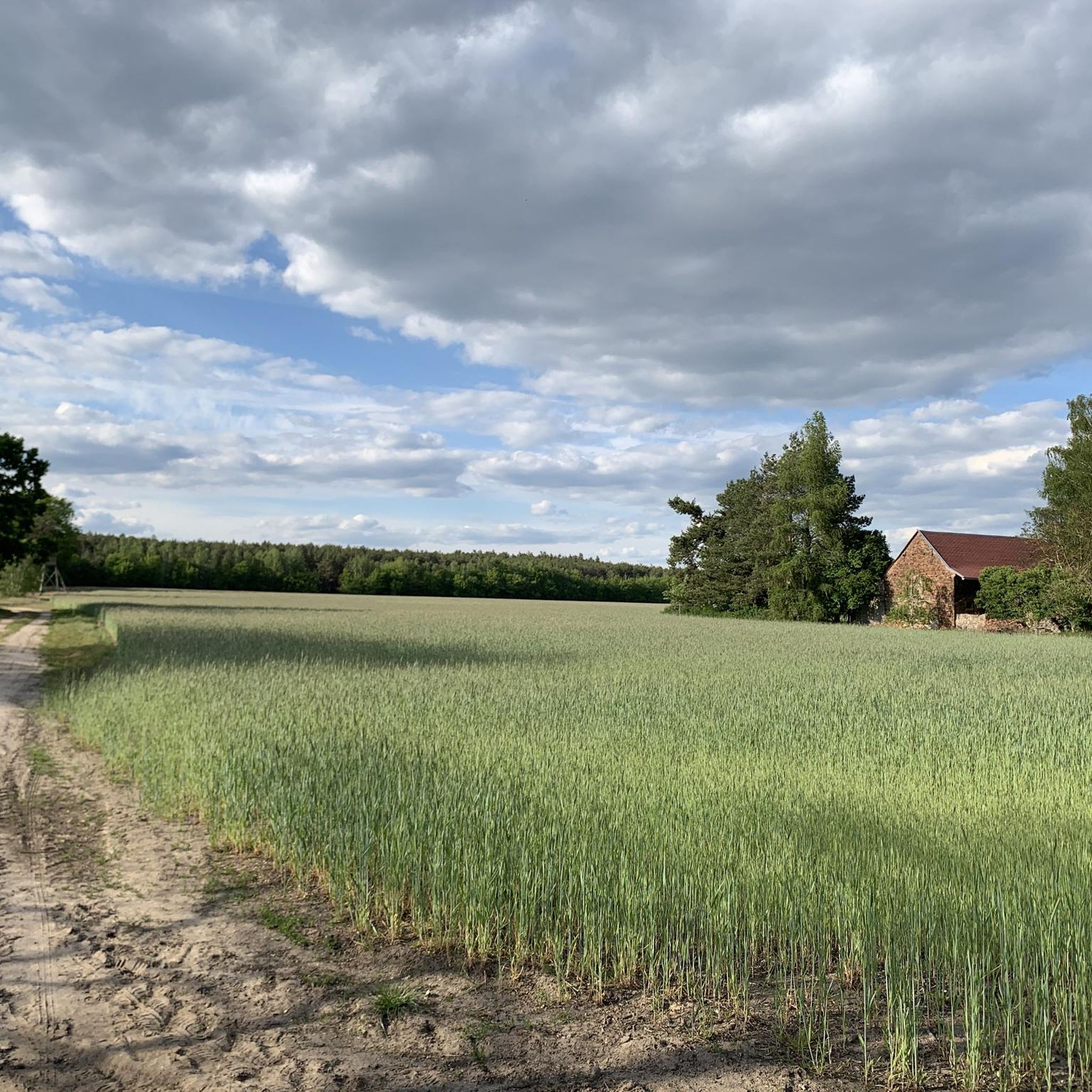
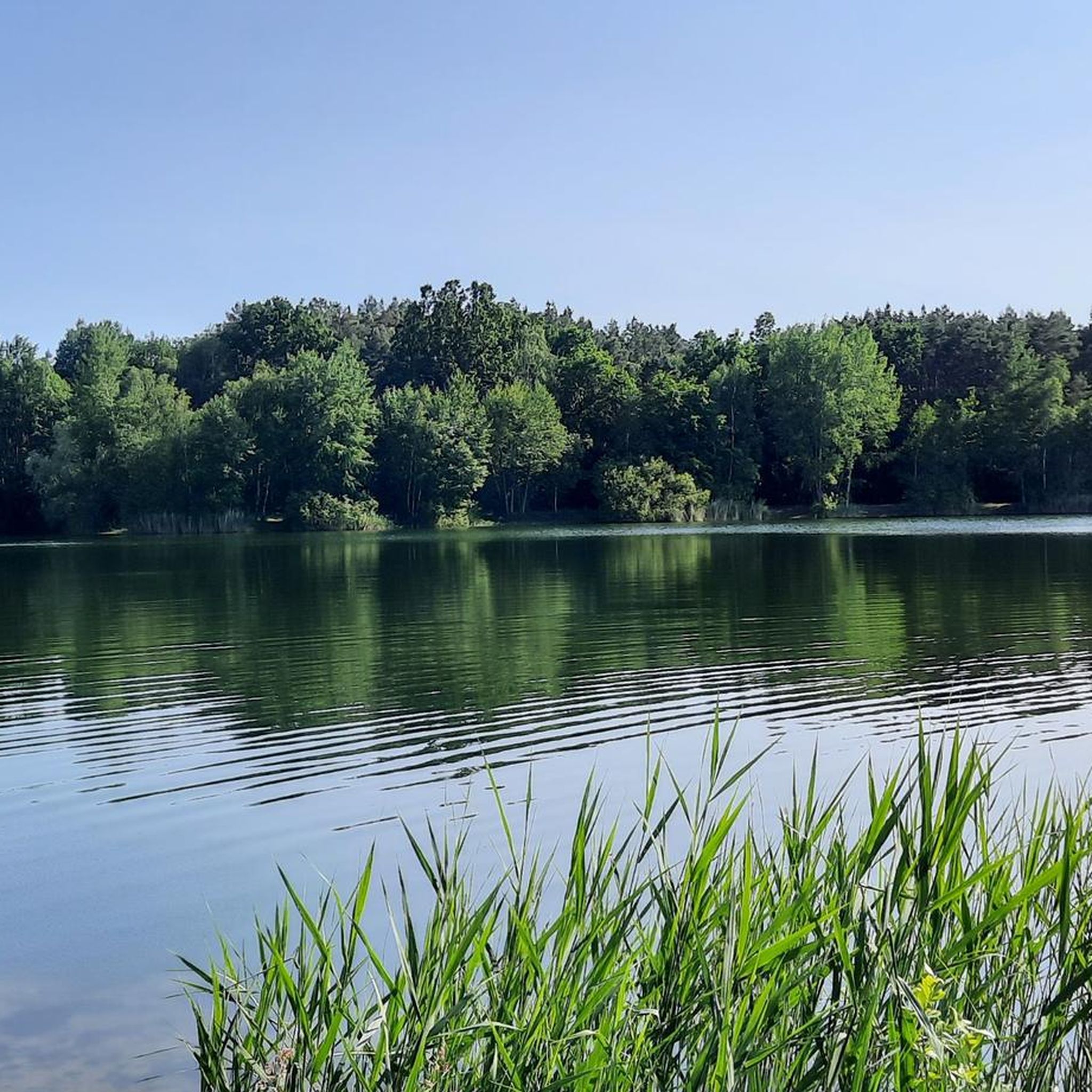
Hiking around Schönewalde offers diverse natural landscapes within the Elbe-Elster district of Brandenburg. The region is characterized by a lowland terrain featuring subtle elevations, such as the Weinberg and Hörning hills. Hikers can explore extensive pine forests, open fields, and lush meadows, often alongside small flowing rivers like the Schweinitzer Fließ. These varied environments provide a range of experiences for outdoor enthusiasts.
Best hiking trails around Schönewalde
- The most popular hiking route is View of Air-Force Beach loop from Holzdorf-Ost…
Last updated: June 27, 2026
11
hikers
Easy hike. Great for any fitness level. Easily-accessible paths. Suitable for all skill levels.
5.0
(2)
5
hikers
12.6km
03:10
20m
20m
Moderate hike. Good fitness required. Easily-accessible paths. Suitable for all skill levels.

Sign up for free
5.0
(2)
4
hikers
12.7km
03:12
20m
20m
Moderate hike. Good fitness required. Easily-accessible paths. Suitable for all skill levels.
3.0
(2)
3
hikers
Moderate hike. Good fitness required. Easily-accessible paths. Suitable for all skill levels.
4.0
(3)
8
hikers
Easy hike. Great for any fitness level. Easily-accessible paths. Suitable for all skill levels.
Get access to more routes and recommendations from other explorers.
Sign up for free
Already have an account?
Our route recommendations are based on thousands of hikes, rides, and runs completed by other people on komoot.
Start today with a free account
Your next adventure awaits.
Login or Signup
Other adventures around Schönewalde

Tips from the Community

The pulpit altar was built around 1805/1806. It is primarily made of wood, as is the pulpit framed by columns; above it is a straight entablature. Above it is a life-size image of Jesus Christ rising from the coffin, accompanied by two angels. The right-hand angel holds a chalice and a cross, while the left-hand angel stands on a skull and holds the Bible and a palm branch. The octagonal fifth was built during the same period and features flat, fluted coffered panels. The interior of the building features a plastered hollow vault, while the tower hall has a flat roof. On the north and south sides are two two-story galleries on round supports, accessible via stairs in the transepts. To the west is the organ gallery. It houses an instrument from the late 18th century, which the organ builder Carl Friedrich Kühnzack converted for the Schönwald church. The instrument was previously located in Halle (Saale), but was no longer needed there after the German and French Reformed congregations merged. The facade is in the Rococo style. On the south wall of the chancel are two 18th-century epitaphs. One tombstone features an inscription above a sarcophagus, while the second also features an inscription and putti. Source: https://de.wikipedia.org/wiki/St._Nikolai_(Sch%C3%B6newalde)
1
0
The building was constructed primarily from bricks that were subsequently plastered. The chancel is straight and not recessed. On the east wall are two large round-arched windows, whose jambs are further emphasized by a wide plaster frame. The same applies to the keystone. This window type was also used in the nave. Between the two transepts, there are two round-arched windows on each side, as well as on the north and south sides of each transept. A sacristy is located between the northern transept and the chancel. On the south side of the southern transept is a rectangular doorway, above which is a transverse rectangular blind window followed by a bull's-eye window. The gable above is visually separated from the building by a cornice. There is another bull's-eye window in the center. The nave and transepts support a simple gable roof that is hipped towards the chancel. The church tower has a square floor plan and is significantly recessed compared to the nave. It can be entered from the west through a round-arched portal. Above this is a circular blind. On the north and south sides, there is a smaller round-arched window, each with a bull's-eye window above it. Approximately at the height of the nave's eaves, the tower tapers to an octagonal top. On the three accessible sides, there is a square opening; above this, in the four visible windows, there is a round-arched blind with a centrally mounted square arcade of sounds. Above the blind, there is a clock tower at each cardinal point. Above this, there is a slate-covered hood and an open lantern, topped with a turret ball, weather vane, and star. Source: https://de.wikipedia.org/wiki/St._Nikolai_(Sch%C3%B6newalde)
1
0
According to the Brandenburg State Office for Monument Preservation and the State Archaeological Museum (BLDAM), the church had at least two predecessor buildings on the same site. The existence of the medieval building is documented by a city map created by Wilhelm Dilich in 1626. The building received a tower in 1598; the church itself was destroyed in a fire in 1669. Just one year later, a successor building was built, which received a wooden tower in 1715, which in turn was extensively renovated in 1768. During repairs to the organ, a fire broke out on June 7/8, 1803, which also destroyed this church. Another year later, the parish had the building constructed, which still stands in the 21st century. It was once surrounded by a church cemetery, which has since been abandoned. The consecration took place in 1806. In its monument database, the BLDAM praises the building's clear floor plan and "restrained interior design," calling it a "sophisticated example of Protestant church architecture of this period."[1] Source: https://de.wikipedia.org/wiki/St._Nikolai_(Sch%C3%B6newalde)
1
0
Landstraße 71, a market street, runs west-east through the town. In the elliptical town center, Landstraße 72 branches off to the south as Herzberger Straße, and Kirchstraße to the north. Another street with the same name runs parallel to this street a few meters further east. Between these two streets, and thus north of Landstraße 71, the church stands behind a residential development on an unfenced plot. Source: https://de.wikipedia.org/wiki/St._Nikolai_(Sch%C3%B6newalde)
1
0
Frequently Asked Questions
How many hiking trails are available around Schönewalde?
Schönewalde offers a good selection of hiking opportunities, with over 25 trails to explore. These range from easy strolls to more moderate and challenging routes, catering to various fitness levels.
Are there easy hiking options suitable for beginners or families?
Yes, Schönewalde has plenty of easy hiking options. About half of the trails are classified as easy, perfect for beginners or families. An example is the View of Air-Force Beach loop from Holzdorf-Ost, which is a short and accessible walk.
What kind of terrain can I expect on hikes in Schönewalde?
The terrain around Schönewalde is diverse, characteristic of the Fläming region. You can expect to hike through extensive pine forests, open agricultural fields, and lush meadows. There are also subtle elevations like the Weinberg and Hörning hills, and picturesque routes along small flowing rivers such as the Schweinitzer Fließ.
Are there any circular hiking routes in Schönewalde?
Yes, many of the hiking routes in Schönewalde are designed as loops, allowing you to start and end at the same point. For instance, the Teehaus Ahlsdorf – Bärwalde Castle Ruins loop from Ahlsdorf is a popular moderate circular path that connects historical points of interest.
What natural features or landmarks can I see while hiking?
While hiking in Schönewalde, you can encounter a variety of natural and historical landmarks. The region is known for its serene pine forests, open fields, and meadows. You might also discover the tranquil Natursee Bernsdorf or explore the revitalized Schlosspark Ahlsdorf, which features a nearly 200-year-old tree population and renatured pond. For historical interest, the Schweinert Bronze Age Burial Mounds are also nearby.
Is Schönewalde suitable for hiking with dogs?
The natural landscapes of Schönewalde, with its extensive forests and open fields, are generally very welcoming for hikers with dogs. Most trails are unpaved and offer plenty of space for your canine companion to enjoy the outdoors. Always remember to keep your dog on a leash where required and clean up after them.
How can I get to the hiking trails, and is parking available?
Schönewalde is accessible by car, and many trailheads, especially those starting from villages like Ahlsdorf or Stolzenhain/Hartmannsdorf, typically offer parking options. While public transport might be limited to certain areas, driving provides the most flexibility to reach various starting points for your hikes.
What is the best time of year to go hiking in Schönewalde?
Schönewalde offers pleasant hiking experiences throughout much of the year. Spring brings blooming meadows, while autumn showcases vibrant forest colors. Summer is ideal for enjoying the natural lakes and cooling off at Waldbad Stolzenhain after a hike. Even in winter, the quiet, snow-dusted forests can offer a unique and peaceful experience.
What do other hikers say about the trails in Schönewalde?
The hiking trails in Schönewalde are highly rated by the komoot community, with an average score of 4.6 stars from over 170 reviews. Hikers often praise the region's peaceful and varied natural scenery, from the extensive pine forests to the open fields and small rivers, making for enjoyable and immersive outdoor experiences.
Are there longer or more challenging hikes for experienced hikers?
While Schönewalde is known for its accessible trails, there are also options for more experienced hikers seeking longer or moderately challenging routes. For example, the Teehaus Ahlsdorf – Bärwalde Castle Ruins loop from Schönewalde is a moderate 12.7 km (7.9 mi) path that takes around 3 hours 10 minutes to complete, offering a good workout through varied landscapes.
Can I find places to cool off after a hike in Schönewalde?
Yes, during warmer months, you can cool off at Waldbad Stolzenhain, a forest swimming area that provides a refreshing break after exploring the trails. Additionally, the Natursee Bernsdorf offers another natural highlight for those seeking tranquil waterscapes.
Are there any specific parks or green spaces worth visiting in Schönewalde?
Absolutely. Schlosspark Ahlsdorf is a significant green space covering 16 hectares, featuring nearly 200-year-old trees and ongoing restoration efforts to enhance its ecological value. It's a great place to enjoy historical structures, a renatured pond, and future additions like a nature trail.
Most popular routes around Schönewalde
Most popular attractions around Schönewalde

Get inspired with the komoot mobile app


Explore more
Browse the best Hikes in other regions.
