Attractions and Places To See around Castelvetere Sul Calore - Top 20
Attractions and places to see around Castelvetere Sul Calore include a blend of historical landmarks, cultural sites, and natural beauty in Italy's Irpinia region. Situated at 750 meters above sea level on the slopes of Mount Tuoro, the village offers panoramic views and is crossed by the Calore Irpino river. The area features ancient castles, medieval villages, and significant religious sites. This region provides diverse opportunities for exploration, from historical architecture to natural landscapes.
Best attractions and places to see…
Last updated: July 2, 2026
Sanctuary of the Most Holy Savior of Serino
Highlight • Religious Site
Translated by Google •
Tip by

Church of Saint Mary of the Snow
Highlight • Religious Site
Translated by Google •
Tip by
Sign up now to discover places like this
Get recommendations on the best single tracks, peaks, & plenty of other exciting outdoor places.
Sign up for free
Monumental Complex of the Mount (Church, Monastery, and Castle of Montella)
Highlight • Historical Site
Translated by Google •
Tip by
Dragon Plain
Highlight • Natural Monument
Translated by Google •
Tip by

Piano di Verteglia
Highlight • Natural
Translated by Google •
Tip by

Sign up for free to discover even more attractions around Castelvetere Sul Calore.
Sign up for free
Already have an account?
Start today with a free account
Your next adventure awaits.
Login or Signup

Tips from the Community

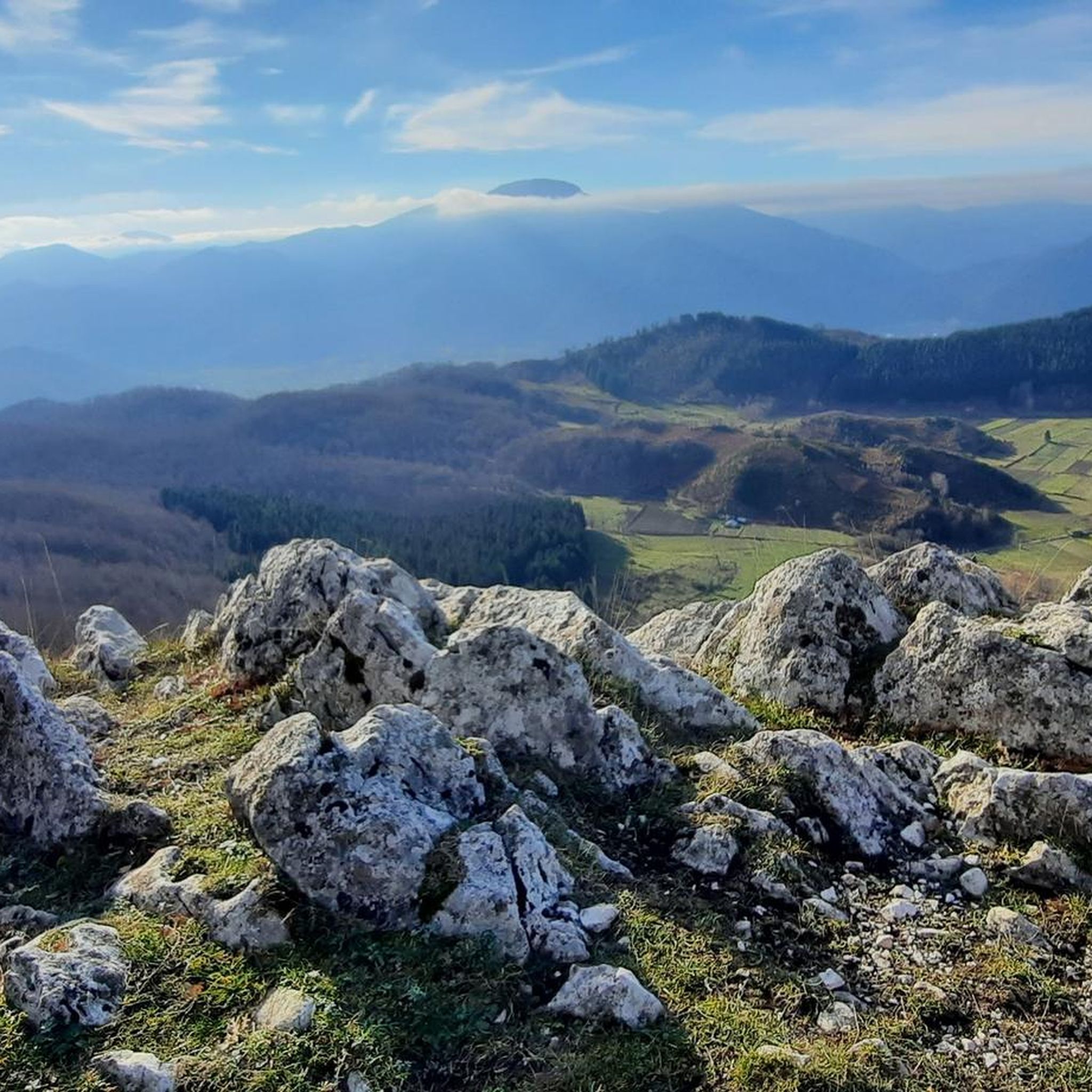
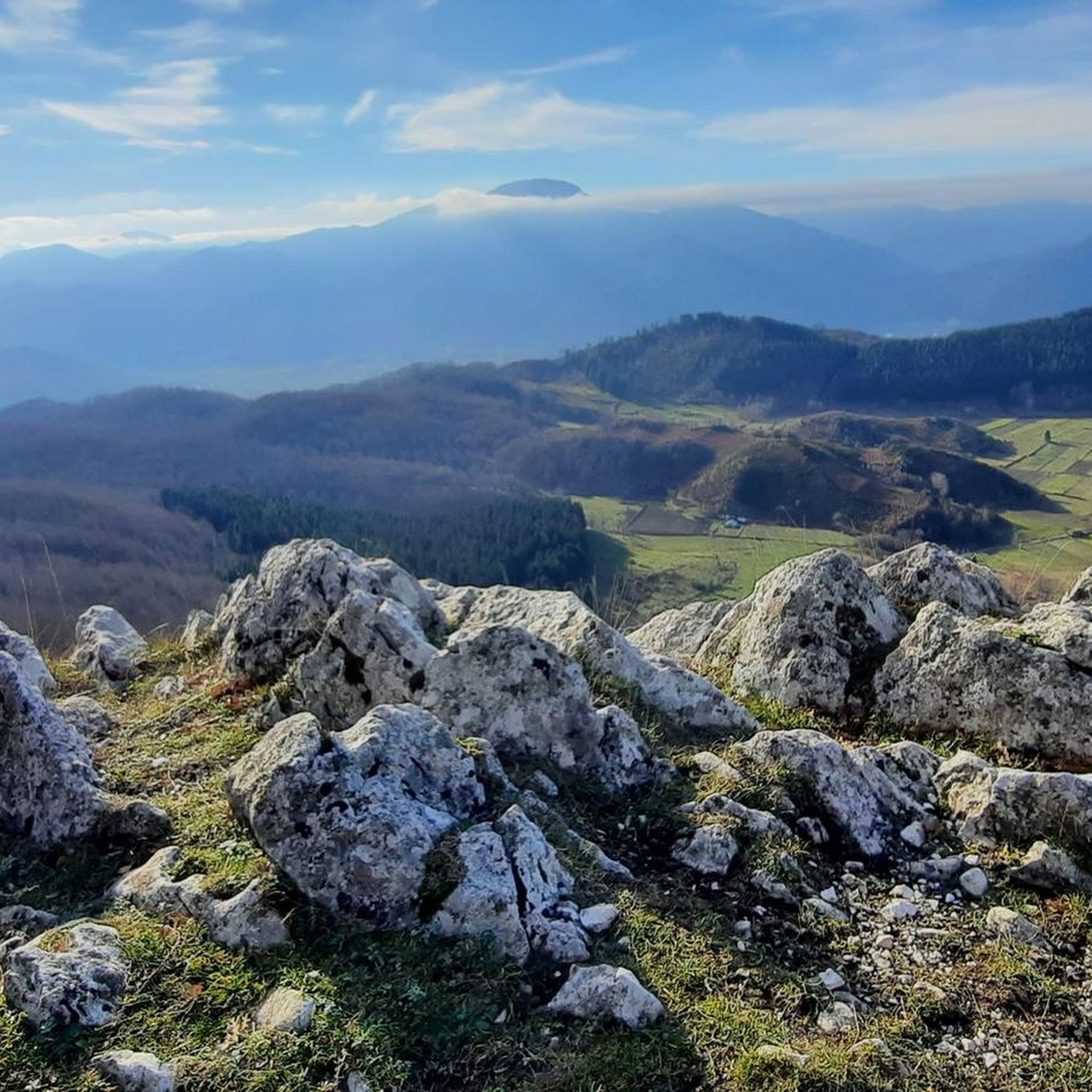
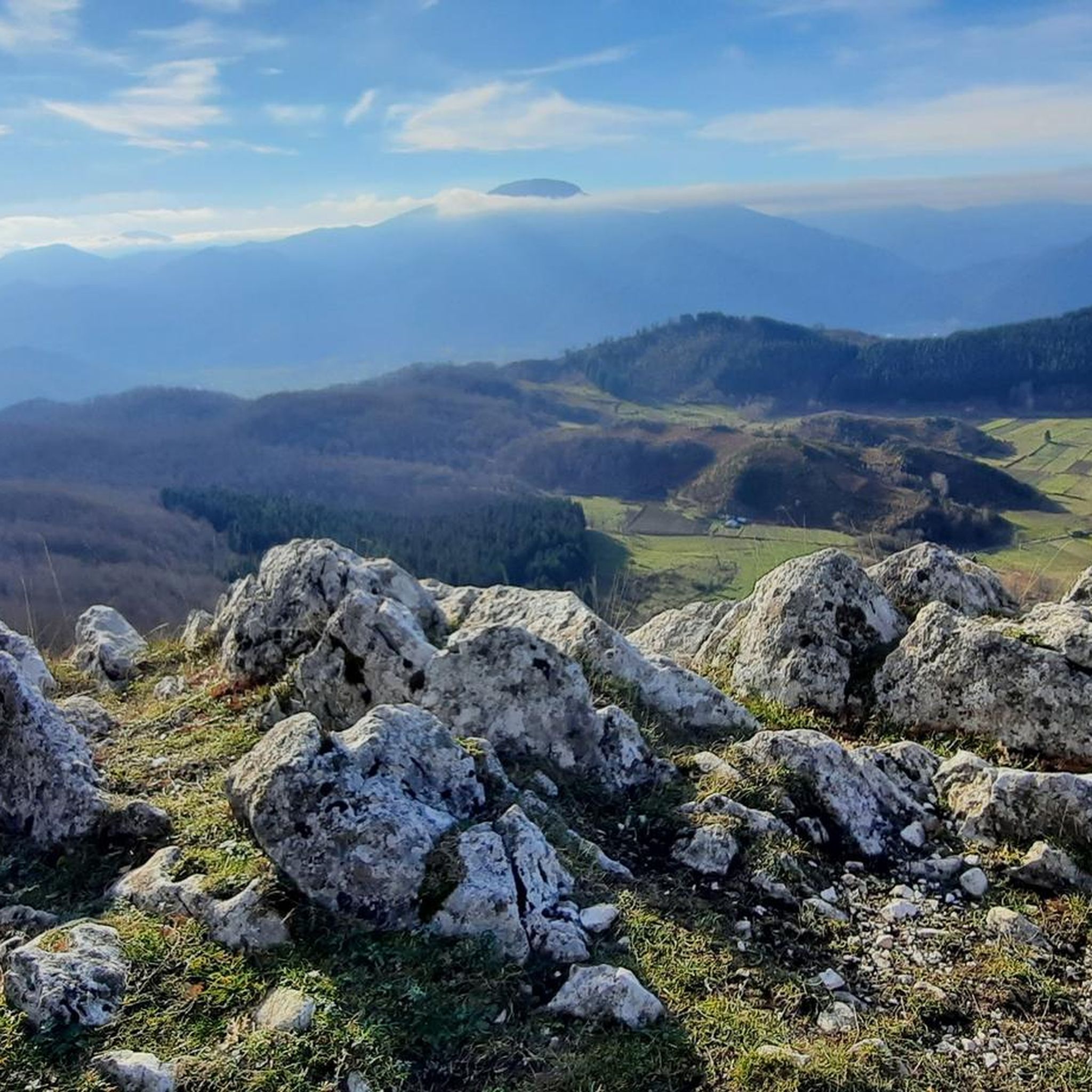
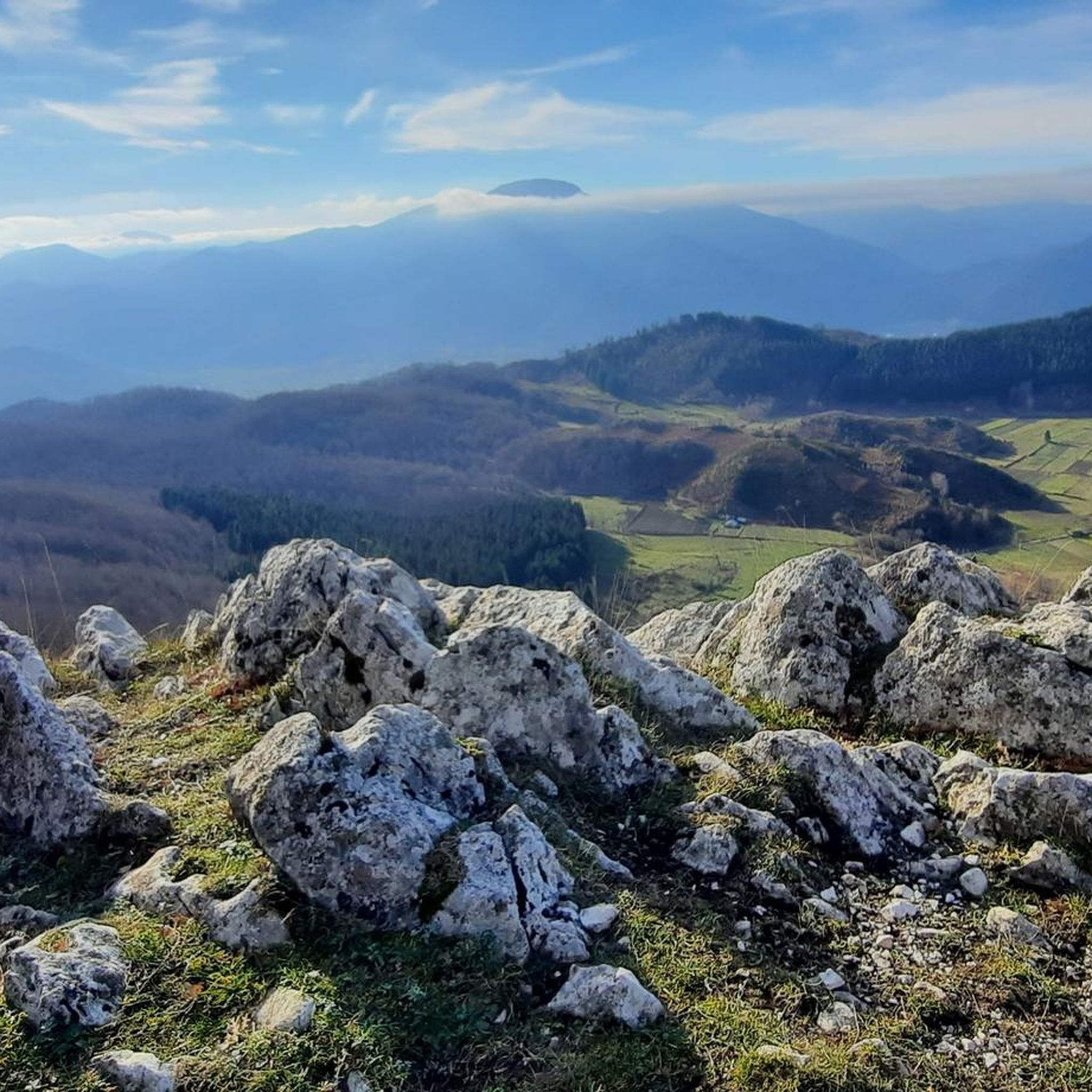
This wonderful plateau is located near the Verteglia refuge. In summer it is the grazing place for numerous herds.
0
0

Really suggestive place that deserves to be visited.
4
0
It can be visited by reservation only.
5
0

The monumental complex of the Monte, consisting of a church, monastery, archaeological garden and castle, rises just above Montella, a small town in the heart of the green Irpinia. Of great historical interest is the site of the 10th century Lombard castle with the adjacent settlement dating back to the 6th-7th century. Excavations conducted in the 1980s have brought to light finds from the Lombard and early medieval times, including coins and fragments of frescoes, as well as burials dating back to the same period. Today the central body (tower or donjon), the surrounding walls and the ruins of the rooms of the nobility are visible. In 1293 Charles II of Anjou confiscated the castle to make it a place for recreation. King Charles II was responsible for the construction of the cistern and the water channeling system. In the fourteenth century, at the behest of the d'Aquino, feudal lords of Montella, the twelfth-century tower was renovated and works to improve the building were carried out, with the creation of pictorial decorations. The castle was inhabited by the Cavaniglia counts in the 15th century, and during their lordship it hosted a memorable hunting expedition in 1445 in which King Alfonso the Magnanimous took part. The church has a single nave with side chapels. The wooden altars are of great value. In one of the side chapels there is an important thirteenth-century wooden altarpiece depicting the "Madonna dell'umiltà". The monastery was built between 1554 and 1586 on the pre-existing church at Monte di Pietà, by the Monte di Pietà di Montella, founded and administered by the Congrega del SS. Sacrament of Montella. It was entrusted to the Minimi Reformed Conventuals of S. Francesco replaced in 1603 by the reformed Observants. In 1613 a community of 12 fathers and several lay brothers lived in the convent. The feudal lord Antonio Grimaldi, in 1642, donated the garden adjacent to the convent, former dependence of the castle, to the Monte di Pietà. It has undergone several changes over the centuries: the structure has a square plan and the typical cloister with cross vaults frescoed in the seventeenth century by Michele Ricciardi. Completely recovered and made usable, the upper floors could be used for spiritual retreats, while it is still possible to visit the cells. The lower rooms, where the life of the friars took place, can be visited in full by taking advantage of the routes prepared also by means of illustrative panels present in each area. The convent garden is located in the open space adjacent to the castle; it has been recovered and the same crops from the Middle Ages that gave sustenance to the monks have been planted there. The entire monumental complex of the Monte, restored and open to visitors, is the property of the Santissimo Sacramento di Montella Archconfraternity
17
0

Beautiful sanctuary carved into the rock! Stunning panoramic view
3
0
On the slopes of Mount Terminio, in the territory of Serino, there is the ancient sanctuary of the Santissimo Salvatore, entirely dug into the rock and adapted for liturgical and residential use for a small hermit community. The cave seems to have been excavated around the end of 1300 by a Benedictine religious community that resided at the time in the Abbey of Cerreto. Inside are the statues of the Holy Savior and of San Michele Arcangelo. The Grotta del SS. Salvatore was formerly called the cave of the Angel or of San Michele. It is located, together with other caves, on what is called the path of the Angel. It is flanked by a hermitage that served as a refuge for pilgrims and all visitors who took the arduous path that led to the cave, reachable in about 3 hours of walking.
23
0
Chapel built entirely in the rock in 1300 ..
5
0
Sanctuary of the Most Holy Savior, excavated around the end of 1300 by a Benedictine religious community, adapted for liturgical and residential use for a small hermit community.
3
0
Frequently Asked Questions
What historical sites can I explore in Castelvetere Sul Calore?
Castelvetere Sul Calore is rich in history. You can visit The Castle (Castrum vetere), which gave the village its name and has been transformed into a noble residence. Explore La Ripa, the historic center with its medieval alleys and exposed stone buildings. Don't miss the ancient Roman Bridge over the Calore, a testament to ancient engineering. The village also features several historic palaces from the 18th to 20th centuries, such as De Beaumont Palace and Saggese Palace.
Are there any significant religious sites in the area?
Yes, Castelvetere Sul Calore has several important religious sites. The Sanctuary of Santa Maria delle Grazie is a highly visited place of worship, housing a 15th-century triptych. You can also visit the Church of San Lorenzo, known for its patronal feast, and the ancient Parish Church. Further afield, the Sanctuary of the Most Holy Savior of Serino is unique, being entirely dug into the rock.
What natural attractions are there around Castelvetere Sul Calore?
The region offers beautiful natural features. Castelvetere Sul Calore is situated on the slopes of Mount Tuoro, providing panoramic views. The Calore River flows through the valley, contributing to the scenic landscape. You can also visit Piano di Verteglia, a plateau known for grazing herds and views over Avellino and the Gulf of Salerno. Another interesting natural spot is the Dragon Plain, a karst sinkhole with a local legend.
Can I explore caves near Castelvetere Sul Calore?
Yes, there are fascinating caves to explore. The Grotta dei Candraloni is a natural sinkhole hidden in the Verteglia plateau, featuring a main branch extending for 400 meters. Please note that exploring this cave requires suitable equipment and knowledge. Additionally, the Sanctuary of the Most Holy Savior of Serino is located within a cave system, offering a unique blend of natural and religious exploration.
What kind of views can I expect in Castelvetere Sul Calore?
Castelvetere Sul Calore, perched at 750 meters above sea level, offers stunning panoramic views. From the historic center of La Ripa and the ancient castle, you can see 28 other villages. The Church of San Michele, due to its high elevation, also provides extensive vistas. For broader natural landscapes, Piano di Verteglia offers sweeping views over Avellino and the Gulf of Salerno.
Are there hiking opportunities near Castelvetere Sul Calore?
Absolutely! The region around Castelvetere Sul Calore, including the Regional Park of Monti Picentini, offers diverse hiking trails. Popular routes include the loop around Monte Terminio, Acqua delle Logge, and Rifugio Acqua degli Uccelli, or the Grotta del SS Salvatore loop. You can find more details and routes in the Hiking around Castelvetere Sul Calore guide.
Can I go cycling around Castelvetere Sul Calore?
Yes, the area is suitable for cycling. There are various road cycling and touring bicycle routes available. For road cycling, consider routes like the Strada Statale del Formicoso loop or the Carro di Fontanarosa loop. For touring, options include the Parco Santo Spirito loop or the Convent of San Giacomo loop. Explore detailed routes in the Road Cycling Routes around Castelvetere Sul Calore and Cycling around Castelvetere Sul Calore guides.
Are there family-friendly activities or attractions in Castelvetere Sul Calore?
For families, Piano di Verteglia is a great option. This natural plateau is ideal for leisurely walks and observing grazing herds in a beautiful setting. The historic center of Castelvetere Sul Calore, La Ripa, with its charming alleys, can also be an engaging place for families to explore together.
What cultural experiences does Castelvetere Sul Calore offer?
Beyond historical sites, Castelvetere Sul Calore offers unique cultural experiences. Visit the Carnival Museum at the entrance to the historic center to learn about the village's long-standing carnival tradition, celebrated annually since 1683. You can also experience the local hospitality by staying at the Albergo Diffuso Borgo di Castelvetere, a 'scattered hotel' concept integrated within the historic center. The region is also known for its wineries, offering tastings of local Irpinia wines like Taurasi DOCG.
What is the best time to visit Castelvetere Sul Calore for outdoor activities?
The best time for outdoor activities, including hiking and cycling, is generally during the spring (April to June) and autumn (September to October) months. During these seasons, the weather is typically mild and pleasant, making it ideal for exploring the natural landscapes and historical sites without the intense heat of summer or the colder conditions of winter. The chestnut groves are particularly beautiful in autumn.
Where can I find accommodation in Castelvetere Sul Calore?
Castelvetere Sul Calore offers unique accommodation options, notably the Albergo Diffuso Borgo di Castelvetere. This 'scattered hotel' concept provides seventeen accommodations, a restaurant, and a conference room integrated within the historic center, allowing visitors to experience the traditional village setting firsthand. There are also various other guesthouses and B&Bs in the village and surrounding areas.
Are there any local traditions or events in Castelvetere Sul Calore?
Yes, Castelvetere Sul Calore is known for its vibrant traditions. The Castelvetere Carnival is a significant annual event, celebrated since 1683. Another important local event is the Feast of Our Lady of Grace, associated with the Sanctuary of Santa Maria delle Grazie and the Church of San Lorenzo, where the scent of blessed bread fills the air during the patronal feast.
Most popular routes around Castelvetere Sul Calore
Most popular attractions around Castelvetere Sul Calore

Get inspired with the komoot mobile app


Explore more
Still not found the Highlight you’re looking for? See guides of the top attractions in other regions:
