Attractions and Places To See around Torre Le Nocelle - Top 17
Best attractions and places to see around Torre Le Nocelle include a blend of historical landmarks and natural features. This village in the province of Avellino, Italy, is situated in the picturesque Calore Valley, traversed by the Calore River. The area offers a glimpse into its rich history and cultural heritage, with ancient origins and traditional agricultural practices. Visitors can explore historical sites, cultural buildings, and natural landscapes.
Best attractions and places to see around Torre Le Nocelle
- The most…
Last updated: June 23, 2026
Ancient Sulphur Mine of Tufo
Highlight • Historical Site
Translated by Google •
Tip by

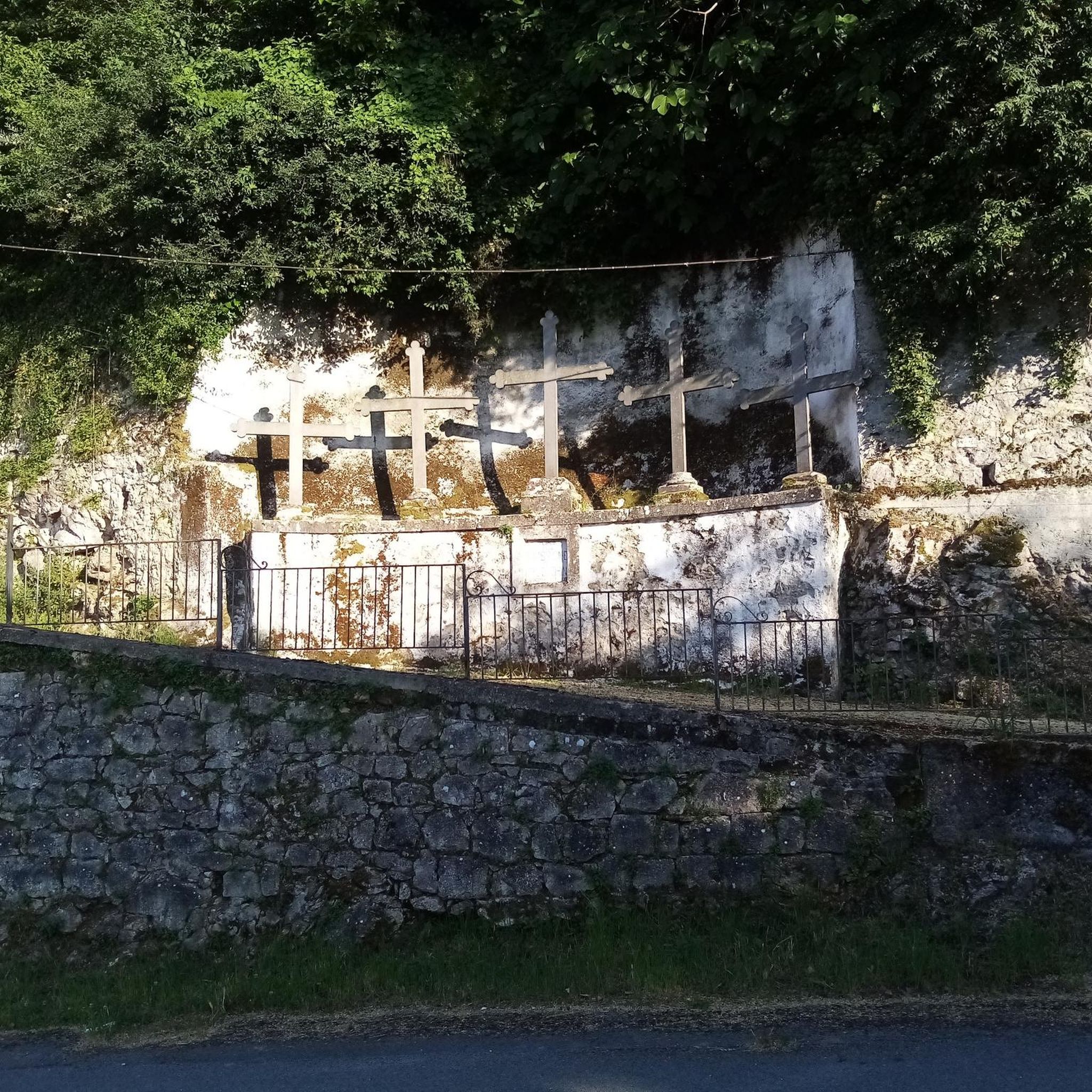
Fountain of the Duke of San Donato
Highlight • Monument
It is fully functional and the water is fresh
Translated by Google •
Tip by
Sign up now to discover places like this
Get recommendations on the best single tracks, peaks, & plenty of other exciting outdoor places.
Sign up for free
Castello di Tufo
Highlight • Castle
Translated by Google •
Tip by
Ponte Principe
Highlight • Bridge
Translated by Google •
Tip by

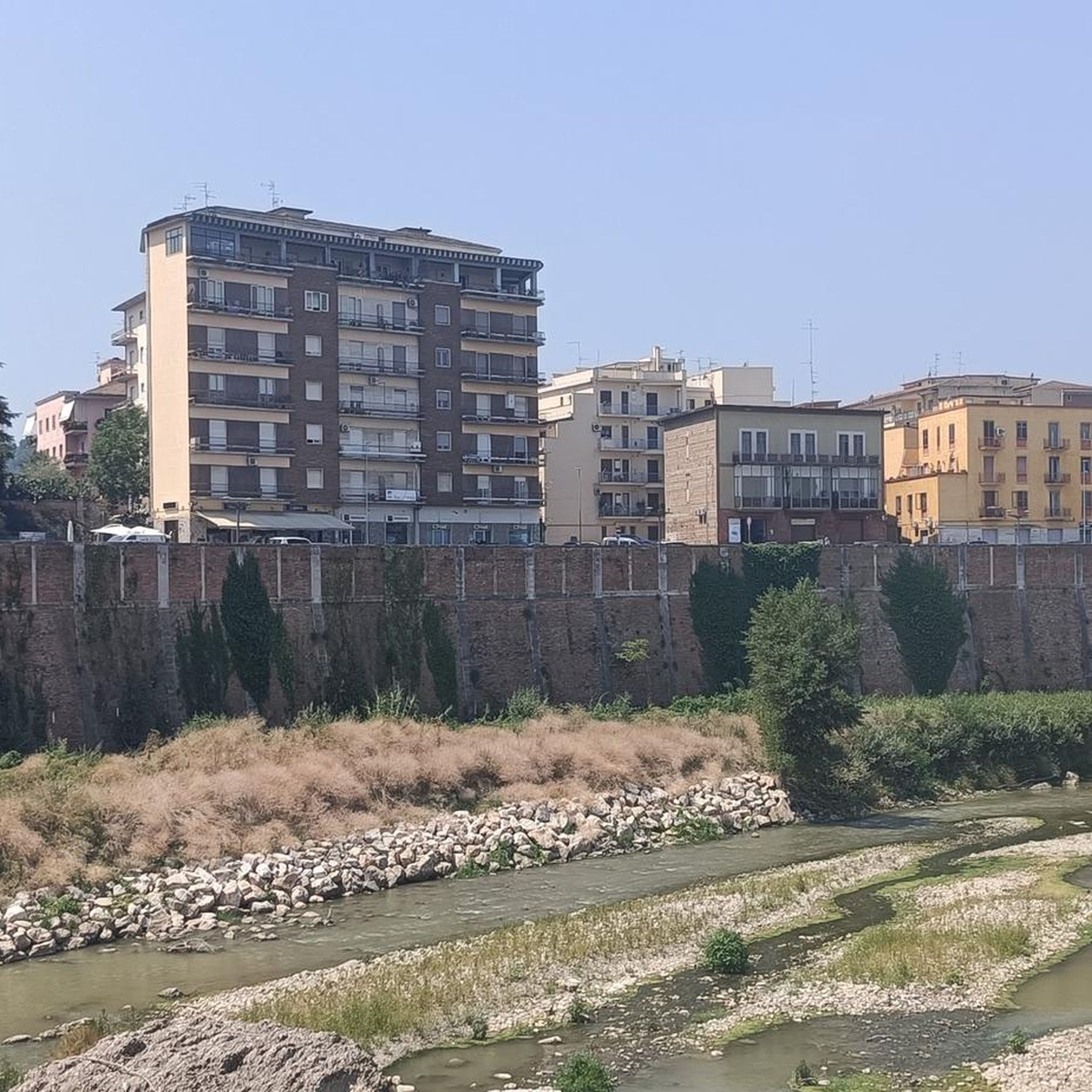
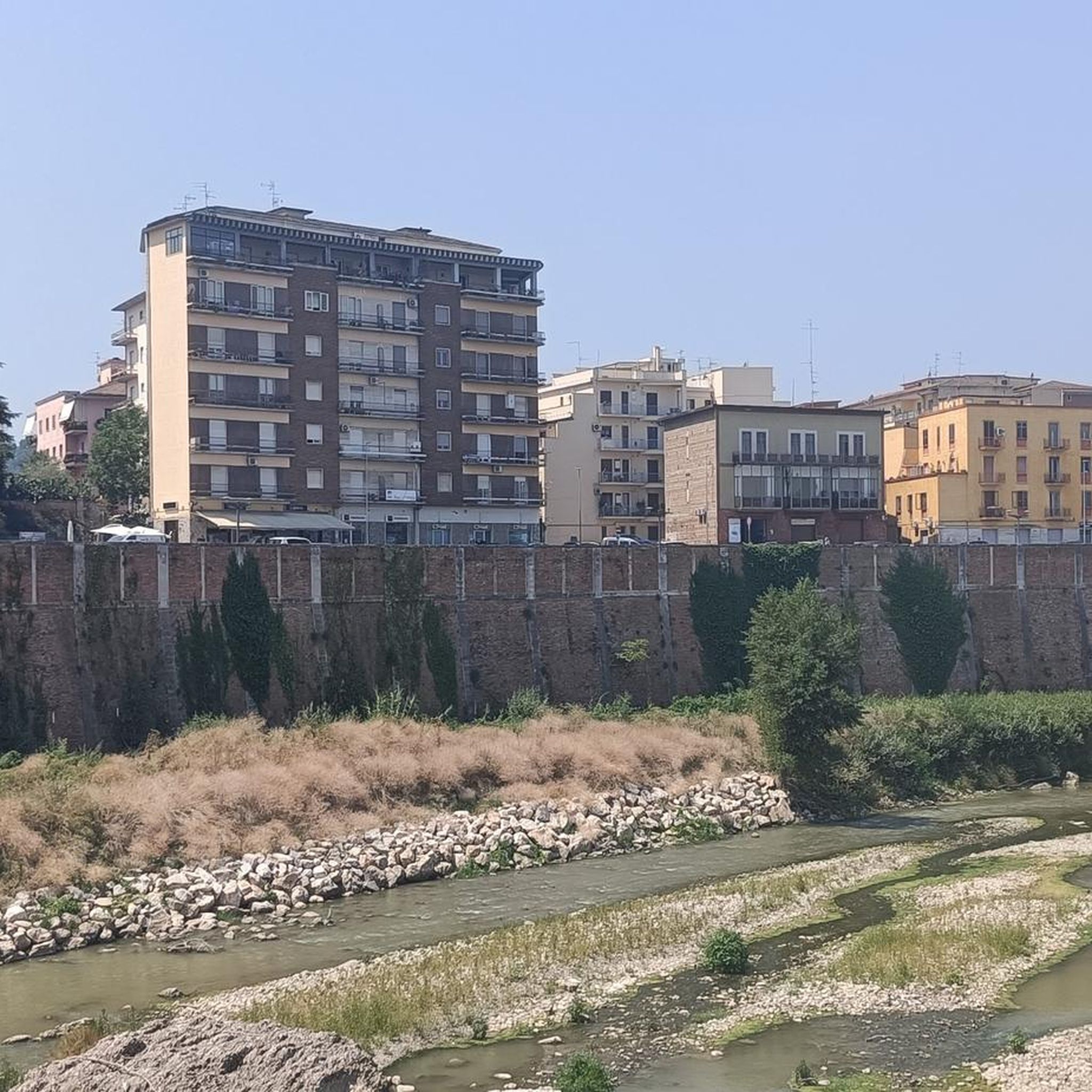
Calore River Between Lapio and Taurasi
Highlight • River
Translated by Google •
Tip by
Sign up for free to discover even more attractions around Torre Le Nocelle.
Sign up for free
Already have an account?
Start today with a free account
Your next adventure awaits.
Login or Signup
Popular around Torre Le Nocelle
Tips from the Community

between Lapio and Taurasi, near the Principe bridge, a majestic iron railway bridge surrounded by greenery, there is this bridge that separates the descent from Taurasi (2km) from the climb to Lapio (about 5km), surrounded by woods and with a bumpy road surface. A somewhat wild but beautiful route.
1
0

The roots and history of Greco di Tufo one of the most famous white wines in the world
1
0

At the end of the climb it unlocks at Castello di Tufo
0
0
Fountain dedicated to the Duke of San Donato built in 1891 by Cavalier Cecere. It is fully functional and the water is fresh
3
0
An excellent route, a bit wild, in the nature of Irpinia
5
0
The sulfur mine of Di Marzo, near the Tufo station, partially restored. Is worth
6
0

One of the most beautiful and longest bridges of the Avellino - Rocchetta Sant'Antonio line is the so-called Ponte Principe, located between the Lapio stop and the Taurasi station, in the province of Avellino. The bridge, suspended on the banks of the Calore river, was built in 1893 at the time of the construction of the line by the Italian Industrial Metal Construction Company. It was considered an exceptional work that constituted the triumph of progress. In fact, the whole viaduct is about 300 meters long and the truss rests on two arches so that each light is about 98 meters. The valley below is about 35 meters. Precisely because of its magnificence it was called "Ponte Principe". The testing of the bridge took place on September 20, 1893 between the general enthusiasm of the population of Lapio and the neighboring countries, who flocked en masse for the occasion. On 27 October of the same year the bridge was inaugurated to coincide with the opening of the first section of the railway between Avellino and Paternopoli. The bridge suffered some damage during the Second World War and for this reason the first span encountered when coming from Lapio was modified, building an intermediate masonry pile on which a new metal girder of about 17 meters was mounted.
1
0
Frequently Asked Questions
What historical and cultural sites can I explore within Torre Le Nocelle itself?
Within Torre Le Nocelle, you can visit the Sanctuary of San Ciriaco, an 18th-century religious building with a detached bell tower believed to be built on an ancient watchtower. Explore the charming Medieval Center with its narrow streets and historic architecture, and see Penna Palace, which incorporates 2nd-century A.D. Latin epigraphs into its walls. Other notable religious sites include the Churches of Madonna di Montevergine and the ancient Church of Maria delle Grazie, built in 1580.
Are there any ancient Roman remnants or origins in the area?
Yes, Torre Le Nocelle has ancient origins dating back to pre-Roman times. Evidence includes remnants of a Roman aqueduct along the Calore River and three marble columns from a pagan temple now located in the Church of San Ciriaco, highlighting the area's deep historical roots.
What natural attractions can I find around Torre Le Nocelle?
The region is characterized by the picturesque Calore Valley and the Calore River, which traverses the municipality. You can experience the river's natural beauty along the Calore River Between Lapio and Taurasi, an excellent route through the nature of Irpinia, featuring a majestic iron railway bridge surrounded by woods.
Can I go hiking or cycling near Torre Le Nocelle?
Absolutely! The area offers various routes for outdoor enthusiasts. For road cycling, you can find routes like the 'Fountain of Bellerophon – Liberty Square, Avellino loop from Montemiletto'. Mountain biking options include the 'Castello marchionale loop from Laghetto articifiale Calore'. You can find more details on these and other routes in the Road Cycling Routes around Torre Le Nocelle, Cycling around Torre Le Nocelle, and MTB Trails around Torre Le Nocelle guides.
Are there any unique historical industrial sites to visit?
Yes, you can visit the Ancient Sulphur Mine of Tufo. This historical site, located near the Tufo station, has been partially restored and offers a glimpse into the region's industrial past.
What is the significance of the Ponte Principe?
The Ponte Principe is one of the most beautiful and longest bridges on the historic Avellino - Rocchetta Sant'Antonio railway line. Built in 1893, this magnificent iron railway bridge spans approximately 300 meters over the Calore River between Lapio and Taurasi, and was considered an exceptional engineering feat of its time.
Are there any castles or defensive structures nearby?
Yes, you can explore the Castello di Tufo, a castle built during the Lombard era that played a significant role in many medieval battles. Additionally, the Torre Aragonese in Pietradefusi, built in 1431, stands as a defensive tower in the highest part of the village.
Are there family-friendly attractions around Torre Le Nocelle?
Many of the natural and historical sites can be enjoyed by families. For example, the Fountain of the Duke of San Donato is a fully functional monument providing fresh water, which can be a pleasant stop. Exploring the natural trails along the Calore River also offers family-friendly outdoor experiences.
What local products or traditions is Torre Le Nocelle known for?
Torre Le Nocelle is situated in a region with ancient agricultural traditions. The area is particularly noted for producing hazelnuts, high-quality extra virgin olive oil, and the renowned Taurasi wine. The Feast of Saint Cyriacus is also an important local tradition, celebrated on March 16th and August 8th.
Where can I find local art or cultural exhibitions?
Nearby in Atripalda, you can visit Dogana d'Arte. This building, restored after the 1980 earthquake, hosts a permanent collection of artifacts from ancient settlements and churches, as well as temporary exhibitions and cultural events, offering a deeper dive into the region's heritage.
What is the best time to visit Torre Le Nocelle for outdoor activities?
The Calore Valley region generally offers pleasant weather for outdoor activities during spring and autumn. These seasons provide comfortable temperatures for exploring historical sites, hiking, and cycling, allowing visitors to fully enjoy the natural landscapes without extreme heat or cold.

Get inspired with the komoot mobile app


Explore more
Still not found the Highlight you’re looking for? See guides of the top attractions in other regions:
