The 20 Most Amazing Peaks around Torrebelvicino
Best mountain peaks around Torrebelvicino are found within the Vicenza Pre-Alps, offering access to the Pasubio massif and its surrounding areas. This region is characterized by its natural beauty, panoramic views, and significant role during World War I. The landscape features a mix of high peaks and historical sites, providing diverse exploration opportunities. These mountains offer a blend of natural features and historical resonance for visitors.
Best mountain peaks around Torrebelvicino
- The most popular mountain peaks is Mount Palon,…
Last updated: May 27, 2026
Summano Summit Cross
Highlight • Summit
The ideal place for a nice trekking in the name of relaxation and fun.
Translated by Google •
Tip by

Mount Palon
Highlight • Summit
Translated by Google •
Tip by

Sign up now to discover places like this
Get recommendations on the best single tracks, peaks, & plenty of other exciting outdoor places.
Sign up for free
Italian Tooth
Highlight • Summit
Translated by Google •
Tip by

Cornetto Peak summit cross
Highlight • Summit
Translated by Google •
Tip by

Ossuary of Monte Cimone WW1
Highlight • Monument
Translated by Google •
Tip by

Sign up for free to discover even more peaks around Torrebelvicino.
Sign up for free
Already have an account?
Start today with a free account
Your next adventure awaits.
Login or Signup
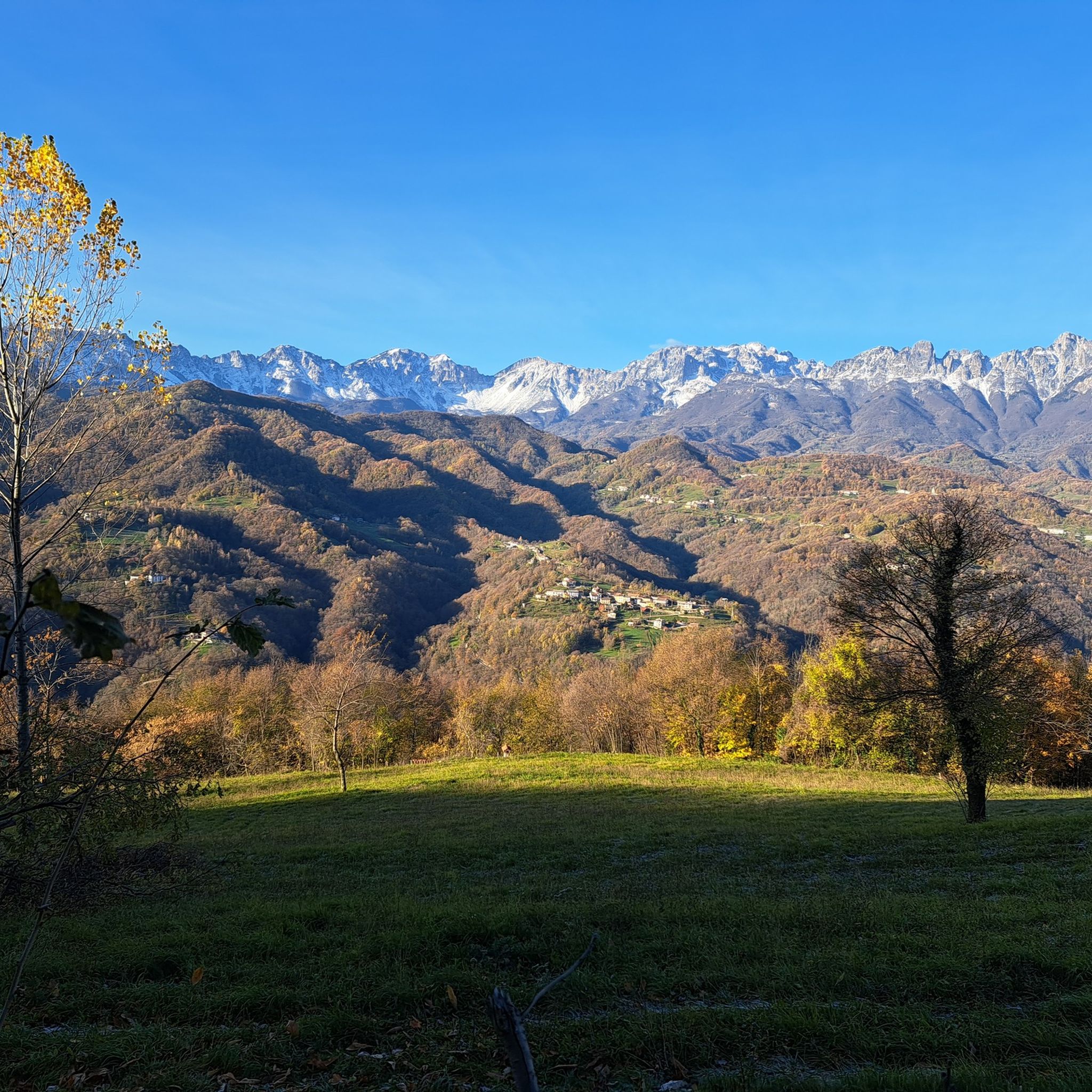
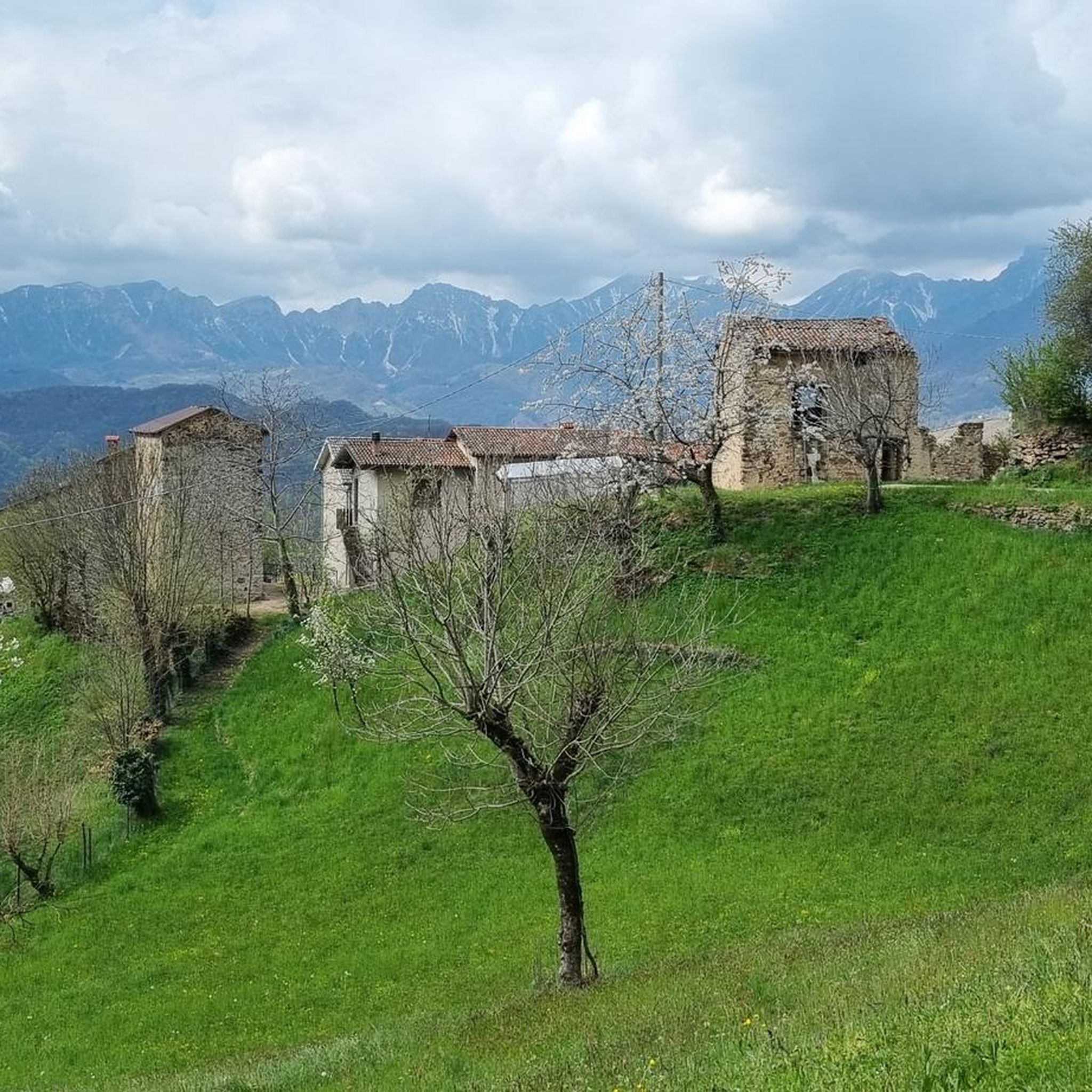
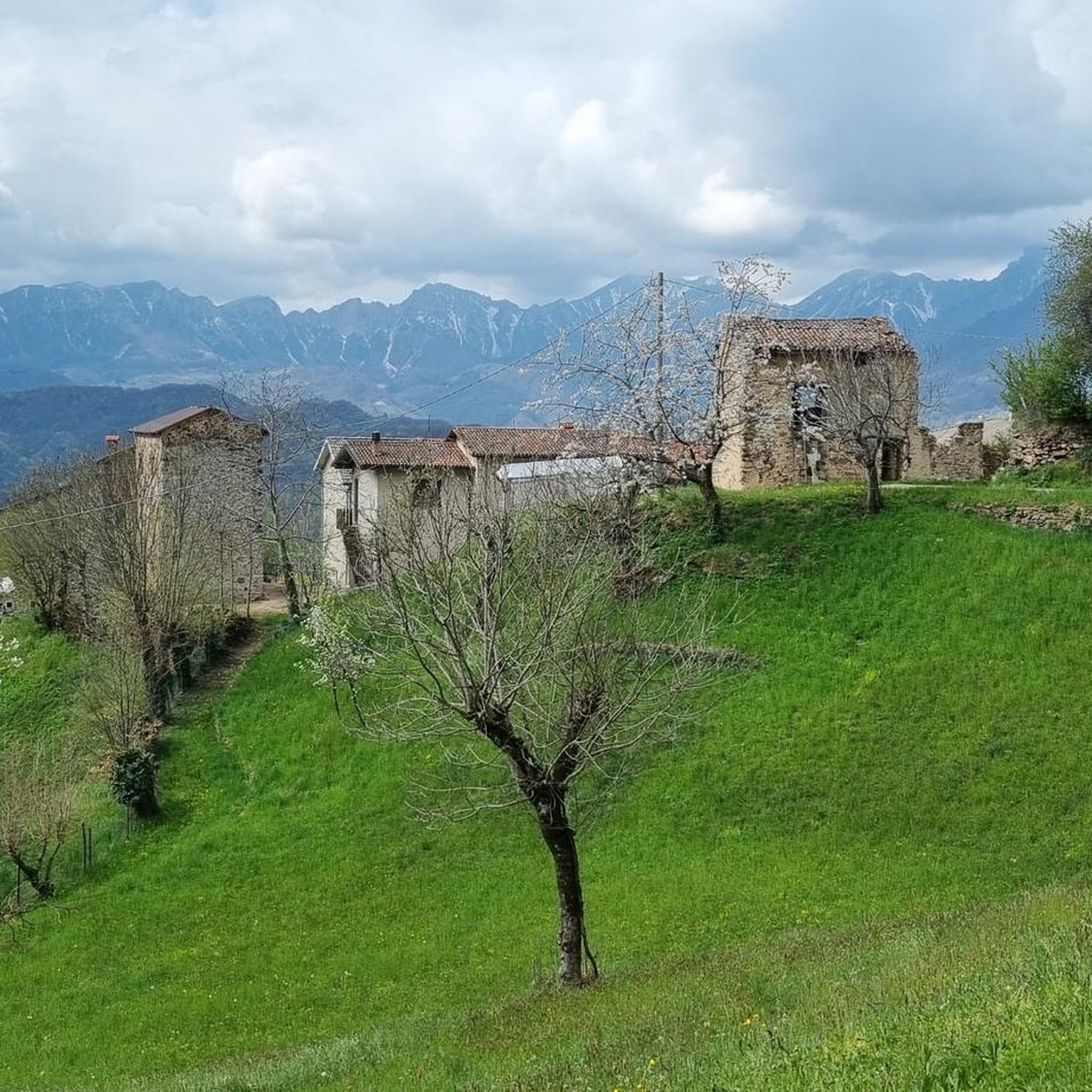
Tips from the Community

Be very careful if you want to enter the underground tunnels.
0
0

Dente Italiano, immersed in the history of our country.
0
0

The sad events of the Great War. A very painful chapter has been written here
1
0
In Fritz Weber's book, The Stages of Defeat, the preparatory work and the explosion of the Austro-Hungarian mine, with the sad consequences, are described very well.
0
0

The ancient history of this beautiful panoramic peak.
0
0


The Dente Italiano and the Dente Austriaco are two rocky towers of equal altitude facing each other, separated by a saddle but sadly united by history: during the First World War, they were the point on Pasubio where enemy lines were closest. With the Strafexpedition of 1916, the imperial army reached the Dente Austriaco, but was blocked by royal troops who had arrived on the Dente Italiano. A grueling and bloody standoff began, with several attempts to break through, all in vain. The impending winter prevented further fighting, and both sides began to fortify their positions and make them more livable... In the Dente Italiano, the Army Corps of Engineers created a veritable underground citadel. It could accommodate 500 men, with all the necessary means of subsistence: shelters, storage facilities, a cistern for drinking water, a generator for lighting, dressing stations, and command posts. The armament consisted of five machine guns, two cannons, and one flamethrower, supported by artillery from the nearby Palon and Cogolo Alto peaks. In contrast, the Austrian Tooth was transformed into an impregnable fortress, thanks to its elongated, square shape, with fire on three sides. There were 10 machine gun emplacements and six artillery emplacements in the cave, complemented by the armament arrayed along the trenches at the summit: 18 grenade launchers, 12 grenade launchers, four flamethrowers, five cannons, and 10 machine guns. Here, too, the bowels of the mountain housed the troops with all the logistical and survival equipment: shelters, storage facilities, lighting, ventilation, a cistern, a telephone exchange, searchlights, etc. Faced with the impossibility of advancing, both commands believed the only solution was to blow up the enemy stronghold from the ground up: thus began the war of mines and countermines, with a dense network of underground tunnels. Between the autumn of 1917 and the spring of 1918, there were 10 explosions, five Austrian and five Italian, until the gigantic 50-ton Austrian dynamite charge on March 13, 1918, which shattered the northern slope of the Dente Italiano, altering its morphology and causing casualties on both sides. After years of war and thousands of deaths, the great war on Pasubio ended with the front line virtually unchanged! To pass between the two Denti, one passes through the chasm created by the mine, amidst enormous boulders and debris: impressive.
0
0
Cima Palon (the highest peak in the Pasubio massif, at 2,232 meters) offers a spectacular 360° panorama, from the Veneto Plain to the Adamello glaciers, all the way to the peaks of Alto Adige. During the Great War, it became the main fulcrum of the entire Italian defensive line on Pasubio. However, exposure to enemy artillery fire forced troops to burrow into tunnels that, over the months, became increasingly larger and more complex. The Galleria Papa, named after the general who ordered its construction, was dug deep within Cima Palon. Its levels and branches formed a veritable underground fortress. The main tunnel, still accessible today, allowed access to the Dente Italiano, the tip of the front line, sheltered from enemy fire. In the various branches there were 4 field guns, 7 machine guns, 2 flamethrowers, ammunition reserves, an observatory, a generator for lighting, a telephone exchange, shelters for approximately 250 men, a dressing station, a command post and a large cistern for drinking water.
0
0
Frequently Asked Questions
What are some of the most historically significant mountain peaks around Torrebelvicino?
The region is rich in World War I history. Beyond the well-known Mount Palon and Italian Tooth, you can explore Monte Cimone, which was a crucial defensive bastion for the Italians. The Pasubio massif also features the famous "Strada delle 52 Gallerie" (Road of 52 Tunnels), a remarkable military road built during WWI.
Which mountain peaks offer the best panoramic views?
Mount Palon, the highest peak in the Pasubio massif, provides a spectacular 360-degree panorama extending from the Veneto Plain to the Adamello glaciers and even to the peaks of Alto Adige. Summano Summit Cross also offers a wonderful view over the entire valley and surrounding peaks.
Are there family-friendly hiking options near Torrebelvicino's mountain peaks?
While many trails in the Pasubio massif can be challenging, there are options for families. For instance, the trail to Monte Enna, leading to Fort Enna, is a well-marked path (number 33) that offers splendid views and historical interest. Always check specific route details for difficulty and suitability for children.
What kind of natural features can I expect to see in the Vicenza Pre-Alps?
The Vicenza Pre-Alps offer diverse natural beauty, including high peaks, deep valleys, and unique flora. Mount Summano, for example, boasts a rare floral biodiversity. You'll encounter rugged mountain terrain, woodlands, and stunning viewpoints across the Po Valley and the Astico Valley.
What outdoor activities are available near the mountain peaks of Torrebelvicino?
Beyond hiking, the area offers excellent opportunities for cycling. You can find various routes for touring bicycles and road cycling. For detailed routes, explore the Cycling around Torrebelvicino guide and the Road Cycling Routes around Torrebelvicino guide.
Are there challenging mountain climbs for experienced hikers?
Yes, for experienced hikers seeking a challenge, the region offers demanding ascents. The climb to Cornetto Peak, for instance, requires a good level of preparation and features an exposed final stretch and a short via ferrata. The Pasubio massif itself has many difficult trails.
What is the best time of year to hike the mountain peaks around Torrebelvicino?
The best time to hike is generally from late spring to early autumn (May to October) when the weather is more stable and trails are clear of snow. Mount Summano, being exposed to the south, can be hiked practically all year round. Always check local weather conditions before heading out.
Can I find accommodation or places to eat near the mountain trails?
Yes, the area around Torrebelvicino and the Pasubio massif has options for accommodation and dining. The Rifugio Generale Achille Papa, for example, serves as a significant landmark and starting point for many excursions, offering refuge services. Torrebelvicino itself has cafes, pubs, and restaurants.
Are there easy mountain trails suitable for beginners?
For beginners, trails like the Monte Enna Trail (6 km, moderate difficulty) offer a good introduction to the area's beauty without extreme challenges. Look for routes categorized as 'easy' or 'moderate' in the Hiking around Torrebelvicino guide.
What do visitors enjoy most about the mountain peaks near Torrebelvicino?
Visitors frequently appreciate the unique blend of natural beauty and profound historical resonance. The stunning panoramic views, especially from peaks like Mount Palon, and the tangible connection to World War I history, such as at Italian Tooth, are highly valued. The community has shared 84 photos and given 158 upvotes across various highlights.
Is it possible to reach the mountain peaks by public transport from Torrebelvicino?
While direct public transport to all trailheads can be limited, some areas of the Pasubio massif might be accessible via bus services from larger towns like Schio or even Torrebelvicino to key points like Bocchetta Campiglia. It's advisable to check local bus schedules and routes in advance, as many trailheads require private vehicle access.
Are dogs allowed on the hiking trails around Torrebelvicino's mountain peaks?
Many trails in the Vicenza Pre-Alps are dog-friendly, but it's always best to check specific regulations for individual parks or protected areas. Ensure your dog is on a leash and that you carry waste bags. Some areas, especially those with historical structures or sensitive wildlife, might have restrictions.
Most popular routes around Torrebelvicino
Most popular attractions around Torrebelvicino

Get inspired with the komoot mobile app


Explore more
See even more amazing summits around Torrebelvicino with these guides:
