Attractions and Places To See around Esperia - Top 20
Best attractions and places to see around Esperia, a town situated on the slopes of Mount Cecubo in the province of Frosinone, Italy. The area is part of the Parco Naturale dei Monti Aurunci, offering diverse landscapes. It features a rich tapestry of historical, cultural, and natural attractions, including ancient ruins and unique geological sites. Visitors can explore mountainous and forested terrain alongside significant historical landmarks.
Best attractions and places to see around Esperia
- The most popular attractions is Hermitage of St. Michael the Archangel, a religious building built into the rock. This church from 830 is dedicated to St. Michael the Archangel and is a unique historical site.
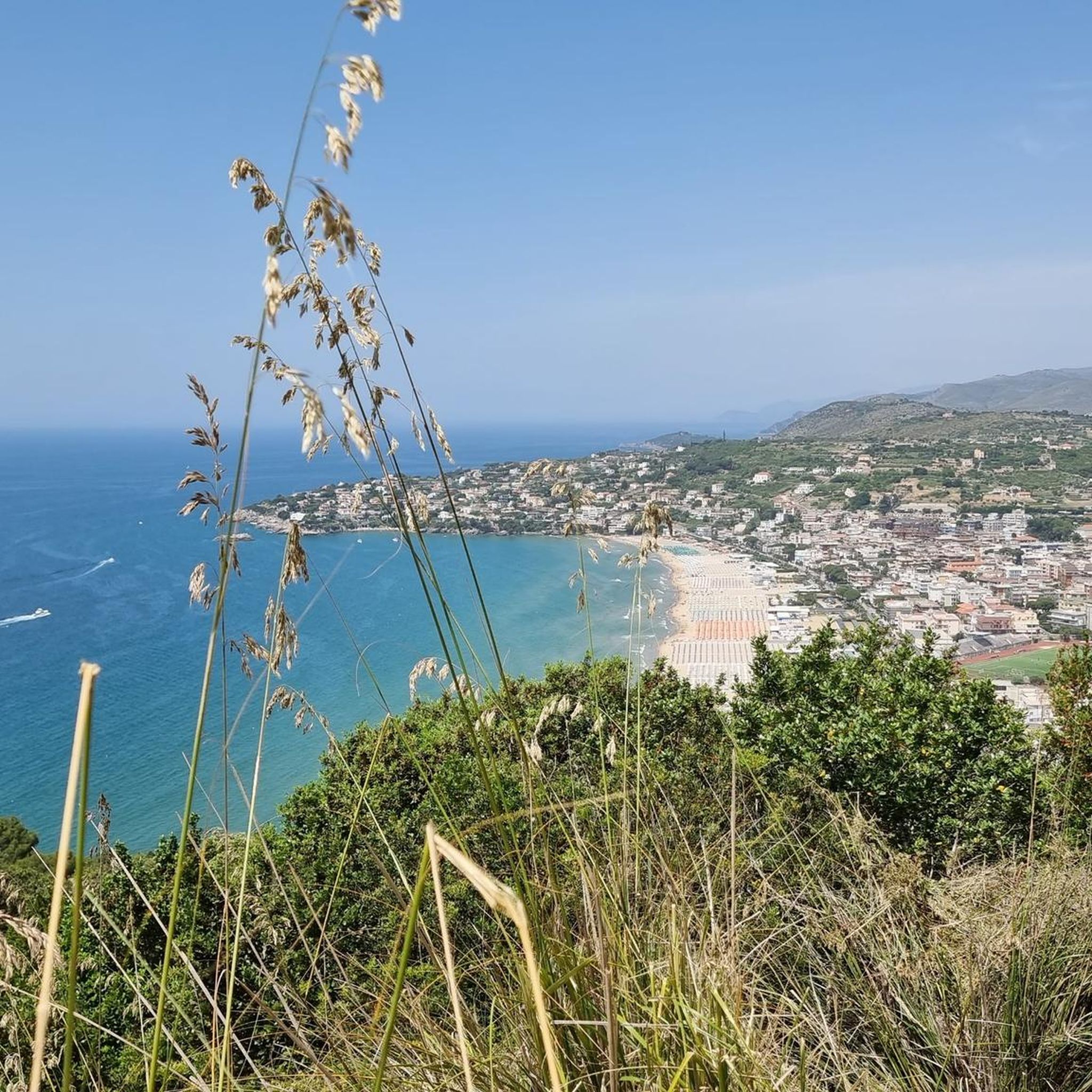
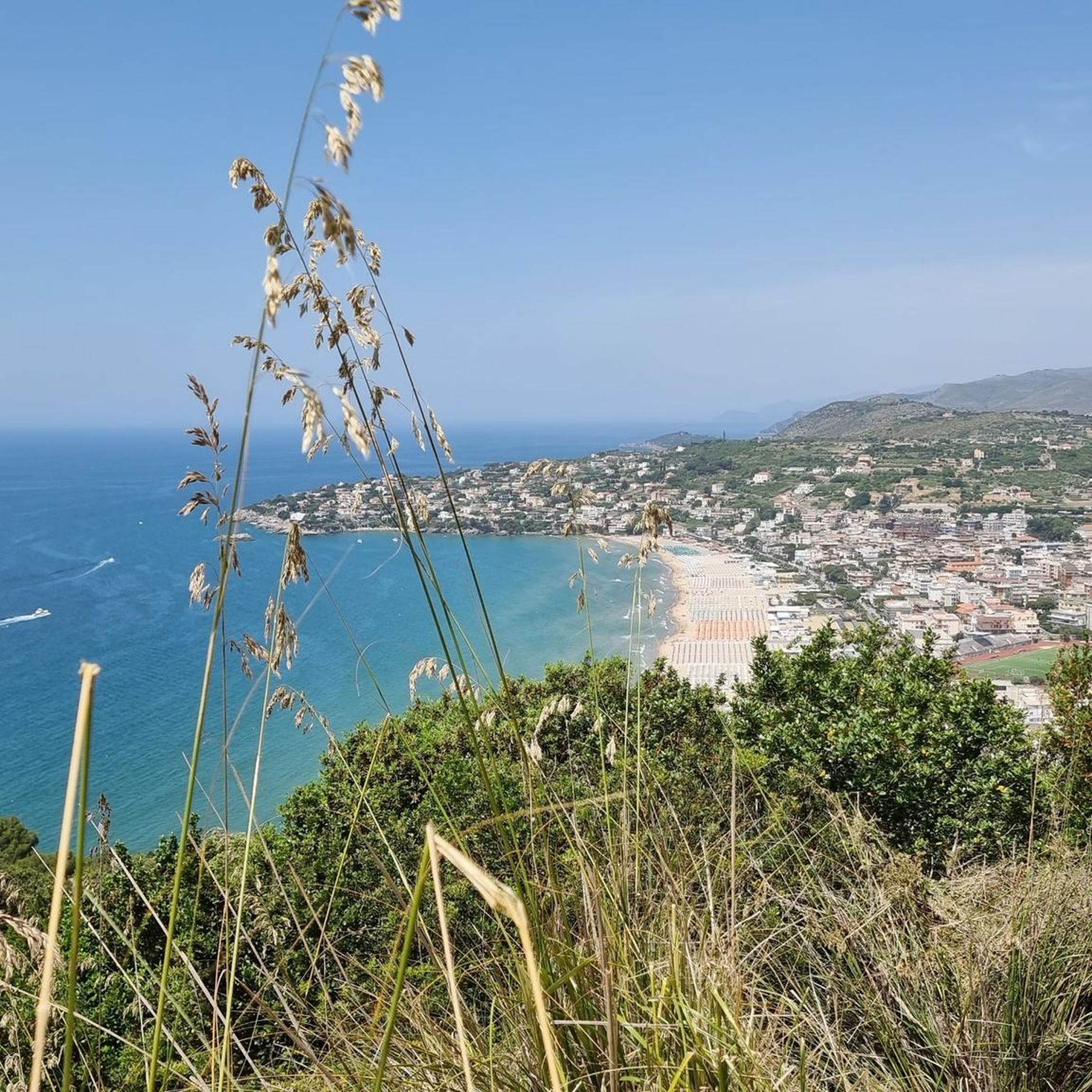
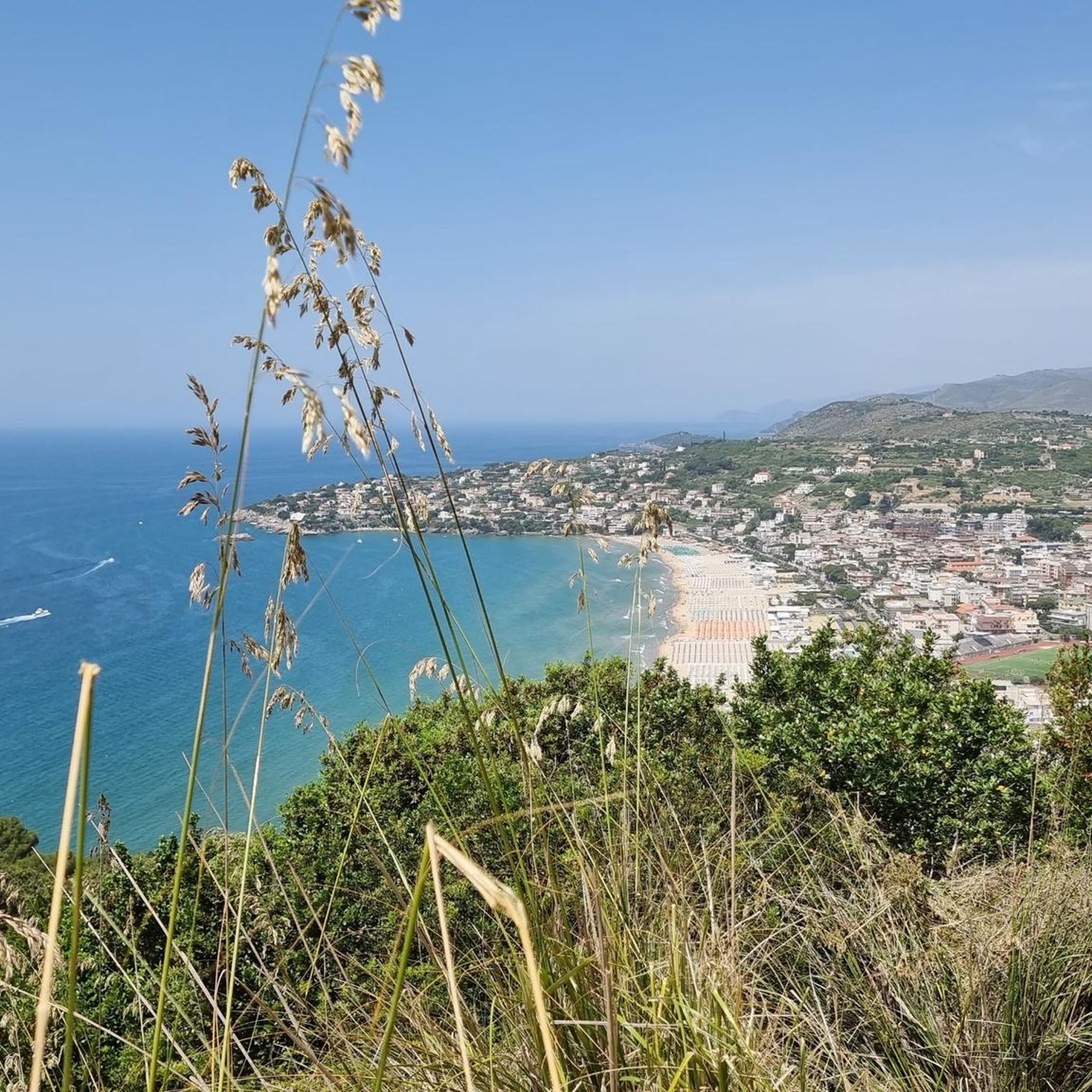
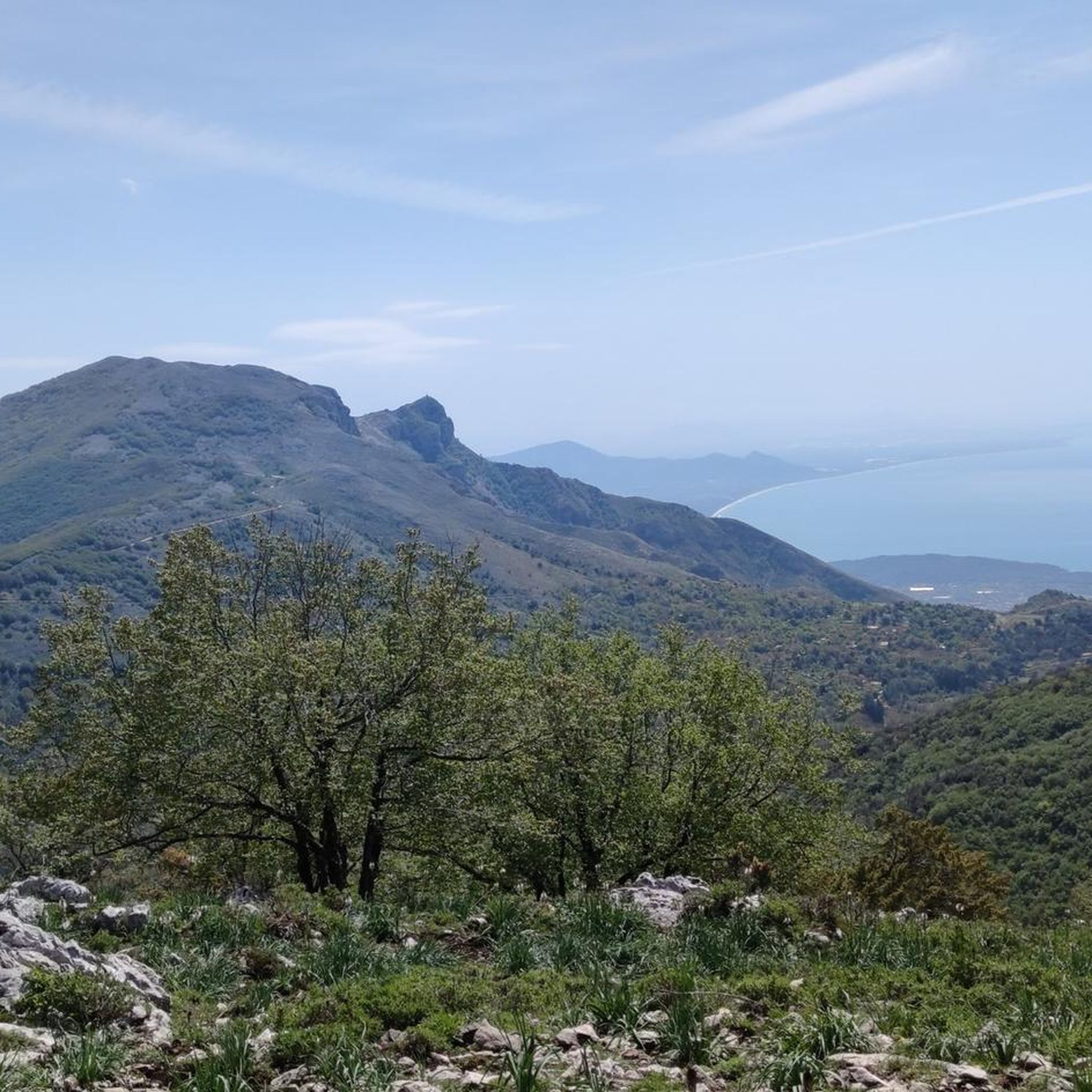
- Another must-see spot is Cima del Redentore (Monte Altino), a summit featuring a large statue of the Redeemer. It offers panoramic views towards the Gulf of Gaeta from its elevation.
- Visitors also love Itri Castle, a medieval fortress. Its strategic position provided territorial control and views from the Via Appia to the sea.
- Esperia is known for its historical sites, natural features, and cultural attractions. Visitors can explore ancient castles, religious buildings, and unique geological formations like dinosaur footprints.
- The attractions around Esperia are appreciated by the komoot community, with over 110 upvotes and 63 photos shared.
Last updated: August 30, 2026
Hermitage of St. Michael the Archangel
Highlight • Religious Site
Translated by Google •
Tip by

Cima del Redentore (Monte Altino)
Highlight • Summit
Translated by Google •
Tip by

Sign up now to discover places like this
Get recommendations on the best single tracks, peaks, & plenty of other exciting outdoor places.
Sign up for free
Itri Castle
Highlight • Castle
Tip by

Temple of Apollo and Fortino di Sant'Andrea
Highlight • Historical Site
Translated by Google •
Tip by

Tomb of Cicero
Highlight • Historical Site
Translated by Google •
Tip by

Sign up for free to discover even more attractions around Esperia.
Sign up for free
Already have an account?
Start today with a free account
Your next adventure awaits.
Login or Signup
Tips from the Community

Mystical place for contemplation where everything flows slowly amidst the beauty of a church nestled in the rock.
0
0
The climb to the Redentore rewards with a breathtaking panorama of the Gulf of Gaeta
0
0

It's the real reward for all the climbing. The ramps that lead up to the monument are technically challenging. Lower the saddle, put a hard gear and push all the way to the top.
2
0

I rushed by, but I was still curious to visit it!
0
0

Very suggestive place, it is absolutely worth taking a short break to stop and admire the hermitage and the view below. A visit is recommended in the afternoon hours when it is illuminated by the sun.
1
0

It can only be visited a couple of Sundays a month.
1
0

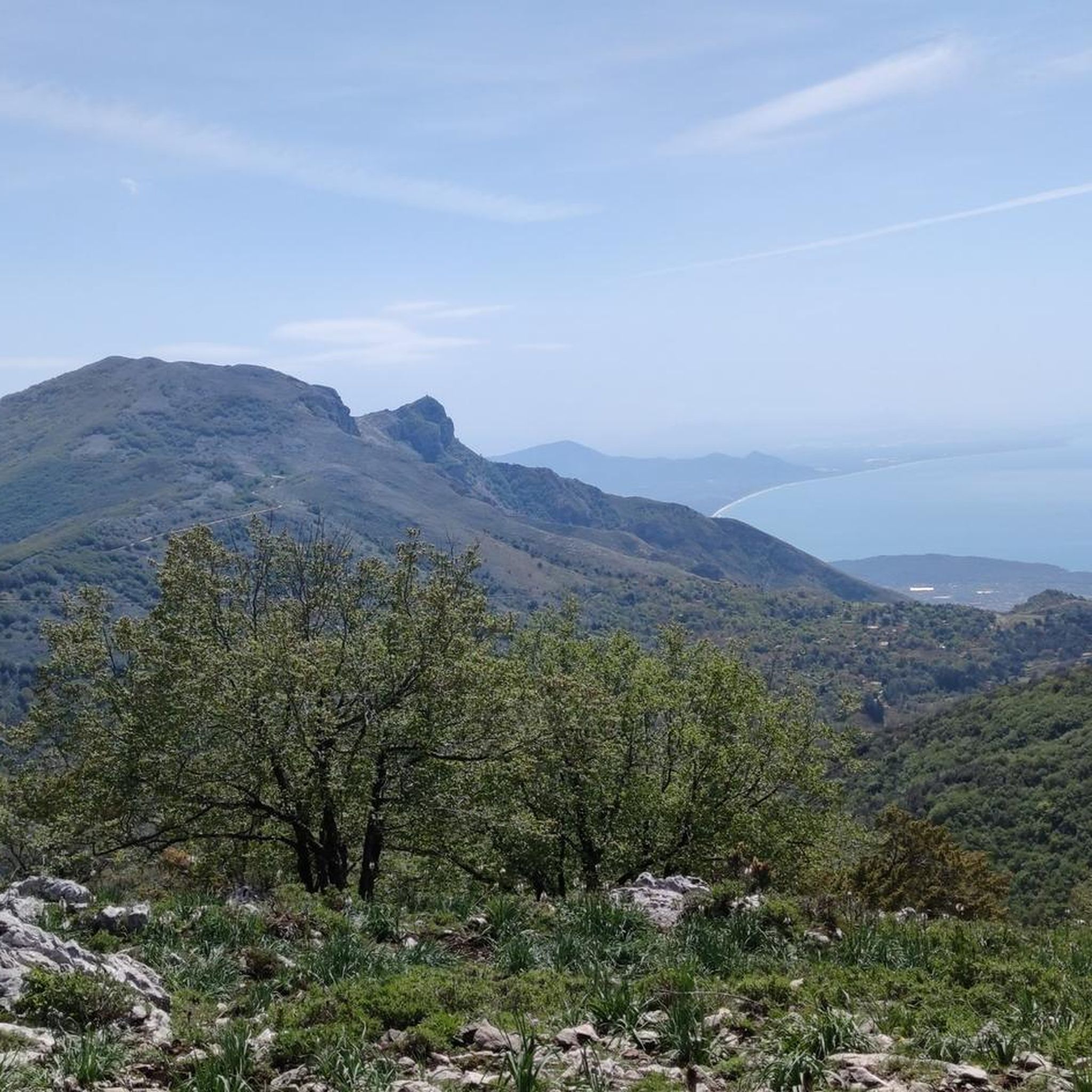
Breathtaking view on a beautiful day
0
0

At km 139 of the Appian Way, municipality of Formia, the mausoleum known as "Cicero's Tomb"
0
0
Frequently Asked Questions
What historical landmarks can I explore in Esperia?
Esperia is rich in history. You can visit the ruins of the Norman Roccaguglielma Castle, built around 1103, which offers strategic views. Another significant site is the Temple of Apollo and Fortino di Sant'Andrea, located along the ancient Appia Antica, which has witnessed numerous battles since Roman times. Don't miss the Tomb of Cicero, a grand mausoleum from the Augustan age, though its attribution to Cicero is still debated.
Are there any unique natural features to see in Esperia?
Yes, Esperia is part of the Parco Naturale dei Monti Aurunci, offering diverse landscapes. A truly unique natural feature is the discovery of dinosaur footprints in San Martino di Esperia, dating back 120–140 million years. Casts of these footprints are displayed at the Museo del Carsismo in Palazzo Spinelli.
What cultural and religious sites are worth visiting?
Esperia boasts several notable cultural and religious sites. The Hermitage of St. Michael the Archangel is a fascinating church from 830 AD, built directly into the rock. Other significant churches include the Church of Santa Maria Maggiore and San Filippo Neri, the Baroque Lauretana Chapel, and the Sanctuary of Santissima Madonna delle Grazie.
What kind of outdoor activities can I do around Esperia?
The mountainous and forested terrain of the Parco Naturale dei Monti Aurunci provides excellent opportunities for outdoor activities. You can find various running trails, cycling routes, and gravel biking adventures. Horse riding is also popular, especially with the renowned Ciociaria ponies native to the region.
Are there any family-friendly attractions in Esperia?
Families can enjoy exploring the Temple of Apollo and Fortino di Sant'Andrea, which is listed as family-friendly. The Museo del Carsismo, with its interactive installations and dinosaur footprint casts, also offers an engaging experience for all ages. Additionally, the natural park provides opportunities for gentle walks and discovering local wildlife.
Where can I find panoramic views in Esperia?
For breathtaking panoramic views, head to Cima del Redentore (Monte Altino). This summit features a large statue of the Redeemer and offers expansive vistas towards the Gulf of Gaeta. The Itri Castle also provides 360-degree views from the Via Appia to the sea.
What local products and culinary specialties is Esperia known for?
Esperia is celebrated for its gourmet products. Be sure to try the local olives in salmoia (olives in brine) and the distinctive Marzolina goat's cheese, which is a Slow Food Presidium. The Pontecorvo Pepper DOP is another regional specialty. A festival dedicated to Marzolina cheese is held in mid-August.
Is there a museum in Esperia, and what does it feature?
Yes, the Museo del Carsismo (Karst Museum) is located within the historic Palazzo Baronale Spinelli in Esperia Superiore. It features explanatory panels and interactive installations about the karst geology of the Aurunci Mountains, including paleontological finds and casts of the local dinosaur footprints. The museum is free and accessible to disabled visitors.
What is the best time of year to visit Esperia?
The region can be visited year-round, but for hiking and outdoor activities, spring and autumn offer pleasant temperatures. The summer months can be hot, though higher elevations like Cima del Redentore are generally suitable, except on the hottest days. Winter can bring snow to the mountains, offering a different kind of beauty.
Can I explore a historic medieval center in Esperia?
Absolutely. The historic medieval center of Rocca Guglielma in Esperia Superiore invites exploration. You can walk through the ancient city gate and along the long, narrow Via dei Cavalieri, where knights once resided. An ancient Jewish quarter, Borgo S. Bonifacio, is also situated just outside the old walls.
Are there any challenging hikes or climbs in the area?
For those seeking a challenge, the climb to Cima del Redentore (Monte Altino) is considered technically demanding but offers a rewarding experience with incredible views. The area within the Parco Naturale dei Monti Aurunci also features various trails with differing difficulty levels, including some challenging routes for experienced hikers and cyclists.
Most popular attractions around Esperia

Get inspired with the komoot mobile app


Explore more
Still not found the Highlight you’re looking for? See guides of the top attractions in other regions:
