Attractions and Places To See around Vallerotonda - Top 20
Best attractions and places to see around Vallerotonda include a blend of historical significance and natural beauty. Nestled on the eastern side of Mount Castello in the province of Frosinone, this village offers insights into ancient Roman habitation and medieval history. The surrounding landscape features pristine natural areas like the Gola del Fiume Rapido and trails extending into the Abruzzo National Park, alongside numerous water springs.
Best attractions and places to see around Vallerotonda
- The most popular attractions is Montecassino Abbey, a religious building that is the oldest monastery in Italy and considered the cradle of Western monasticism. It is the main monastery of the Benedictines, founded in 529.
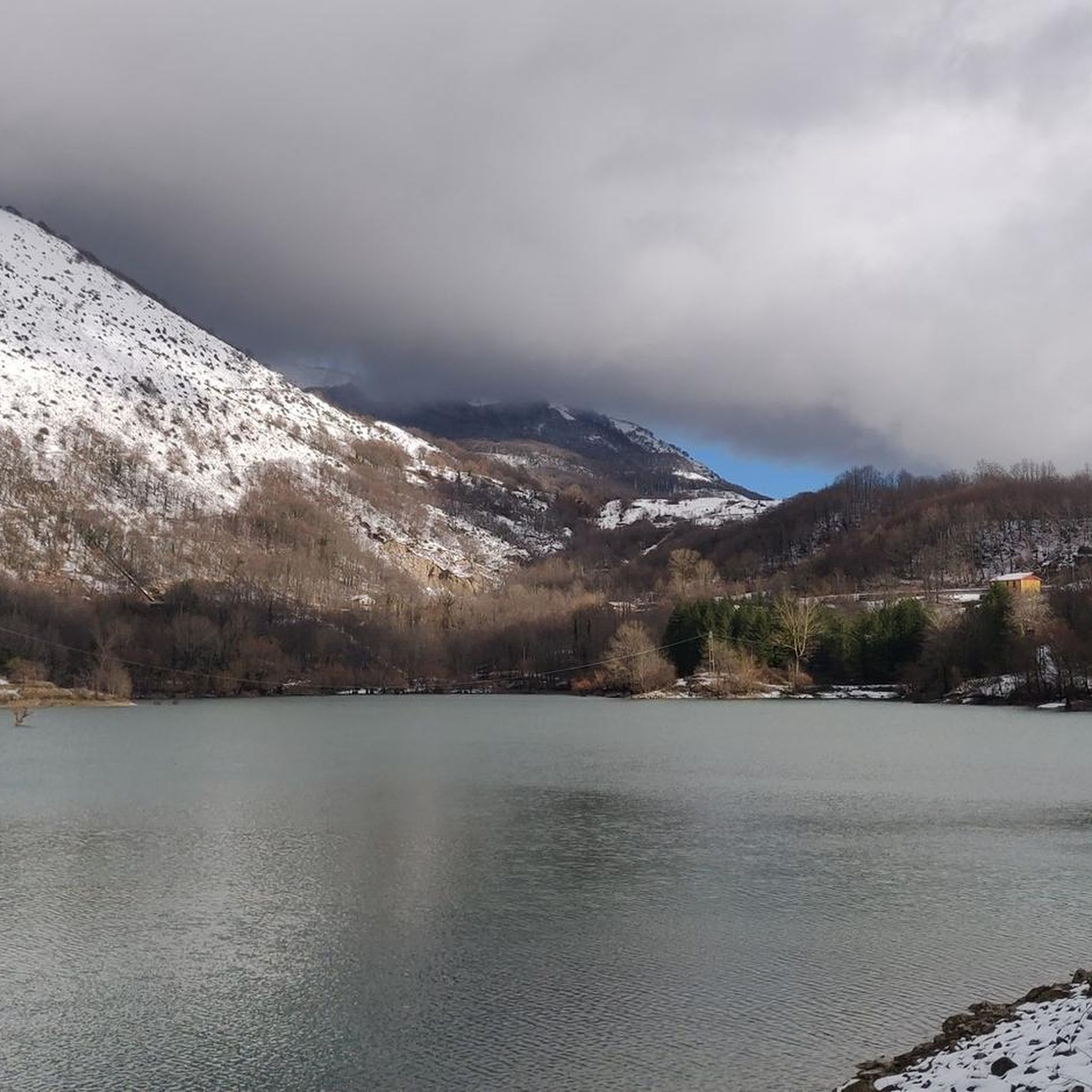
- Another must-see spot is Monte Marrone, a summit in the National Park of Abruzzo, Lazio and Molise. From its summit, visitors can enjoy an excellent view of Lago di Castel San Vincenzo.
- Visitors also love Atina Historic Center, a historical site with ancient polygonal walls dating back to the IV - V century BC. It features architectural elements such as the Doge's Palace and the eighteenth-century cathedral of S. Maria Assunta.
- Vallerotonda is known for its historical sites, natural features, and cultural attractions. The area offers a variety of places to see, from ancient Roman habitation and medieval centers to pristine natural areas and traditional Ciociara cuisine.
- The attractions around Vallerotonda are appreciated by the komoot community, with more than 60 upvotes and over 100 photos shared.
Last updated: August 17, 2026
Montecassino Abbey
Highlight • Religious Site
Translated by Google •
Tip by

Polish War Cemetery at Monte Cassino
Highlight • Historical Site
Translated by Google •
Tip by

Sign up now to discover places like this
Get recommendations on the best single tracks, peaks, & plenty of other exciting outdoor places.
Sign up for free
Monte Marrone
Highlight • Summit
Translated by Google •
Tip by

Monks' Pass
Highlight • Mountain Pass
The monks used to place a stone when they reached the pass. Over the years, piles of a couple of meters high have formed, clearly visible in the center of the plateau, making it a characteristic sign of recognition.
The name of the Monaci Pass comes from a legend: three monks died during a storm while trying to cross the pass. The story is plausible, given the difficulty in identifying it if you come from the west and there is fog, and considering that historically the mule track that passes it connected the territories of the important abbeys of S. Vincenzo al Volturno and Montecassino.
This very particular territory is the kingdom of a historic herd of Apennine chamois, which performs acrobatics between leaps, cliffs and steep meadows, grazing on grass or resting comfortably on sheer walls.
Translated by Google •
Tip by

Abbey Complex of San Vincenzo al Volturno
Highlight • Religious Site
Translated by Google •
Tip by
Sign up for free to discover even more attractions around Vallerotonda.
Sign up for free
Already have an account?
Start today with a free account
Your next adventure awaits.
Login or Signup
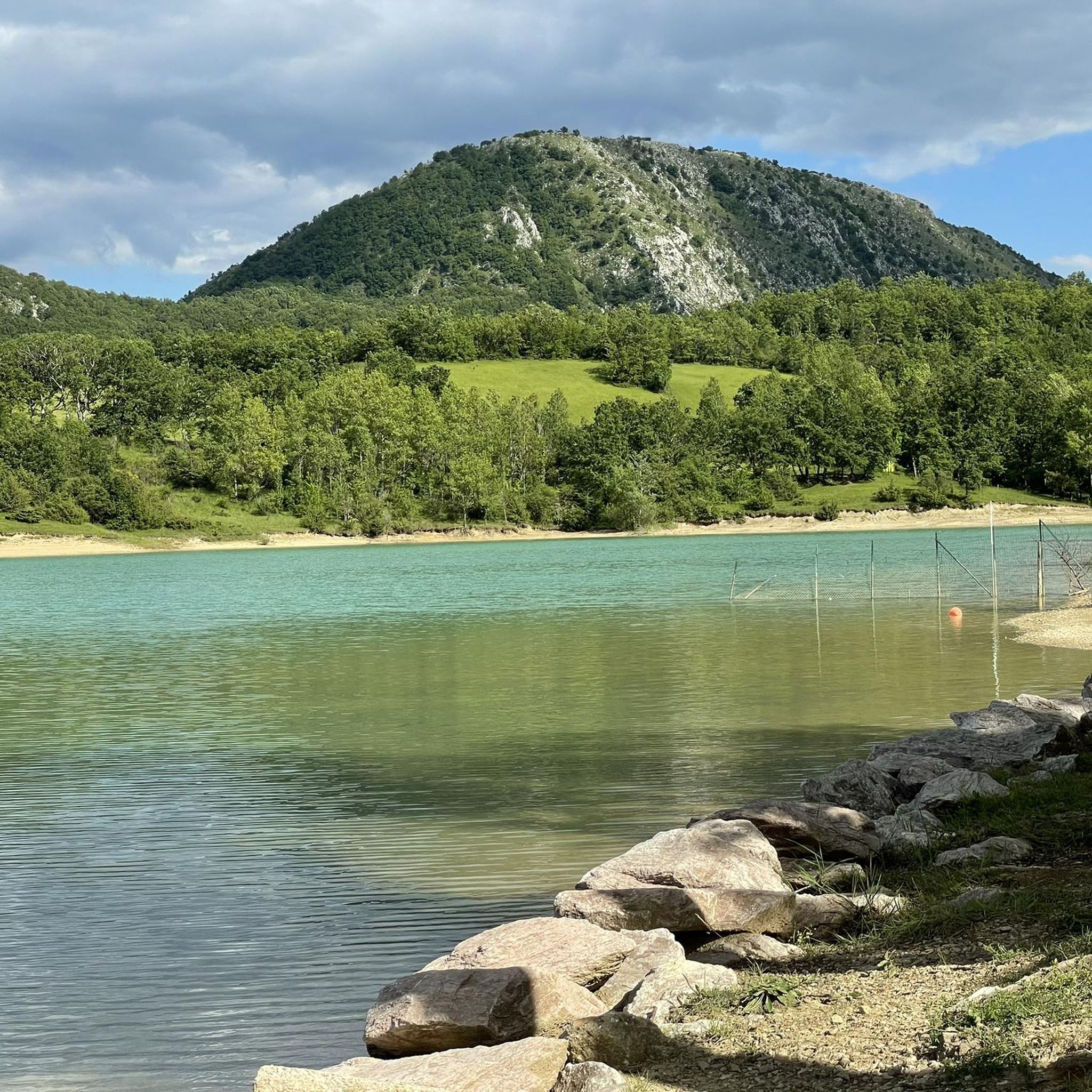
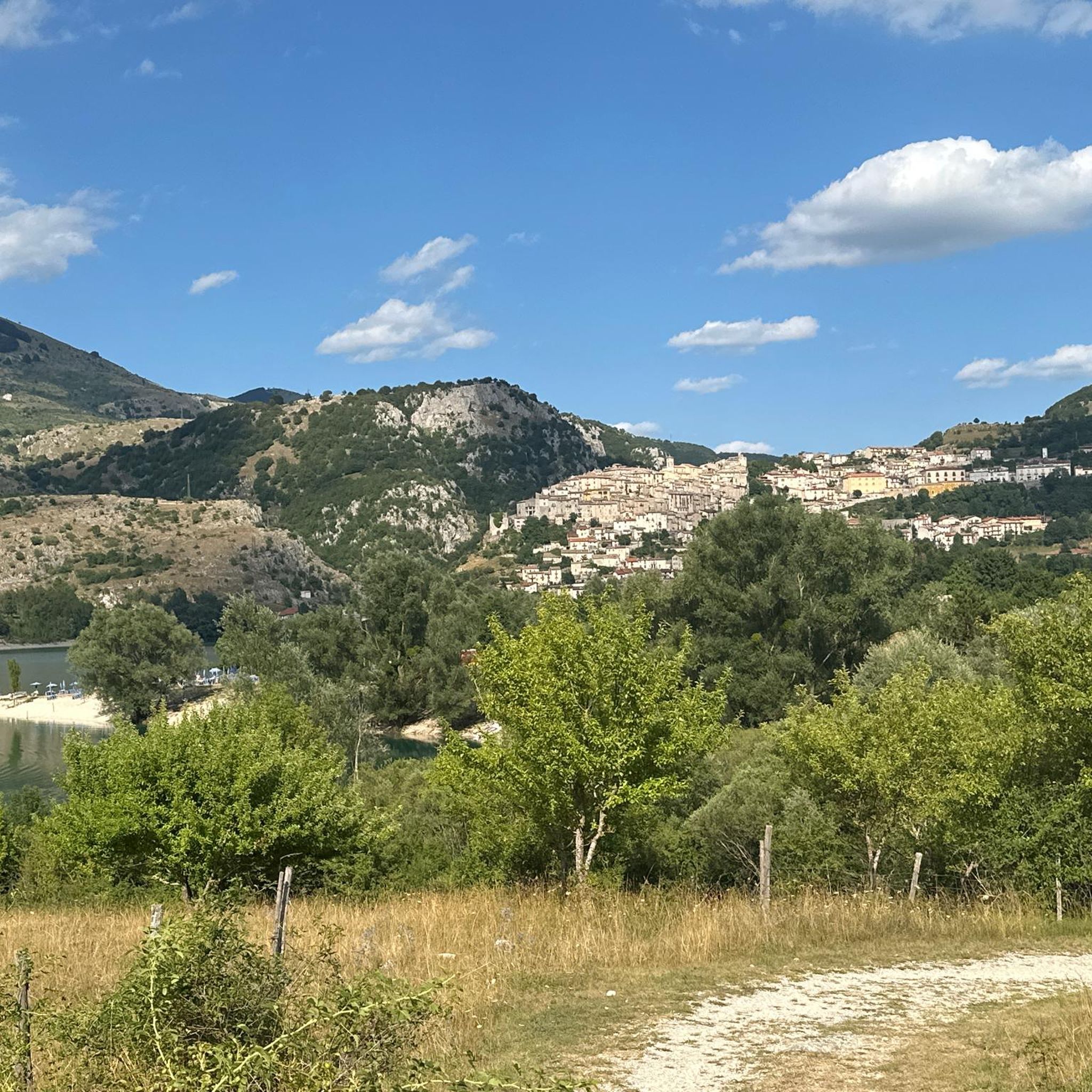
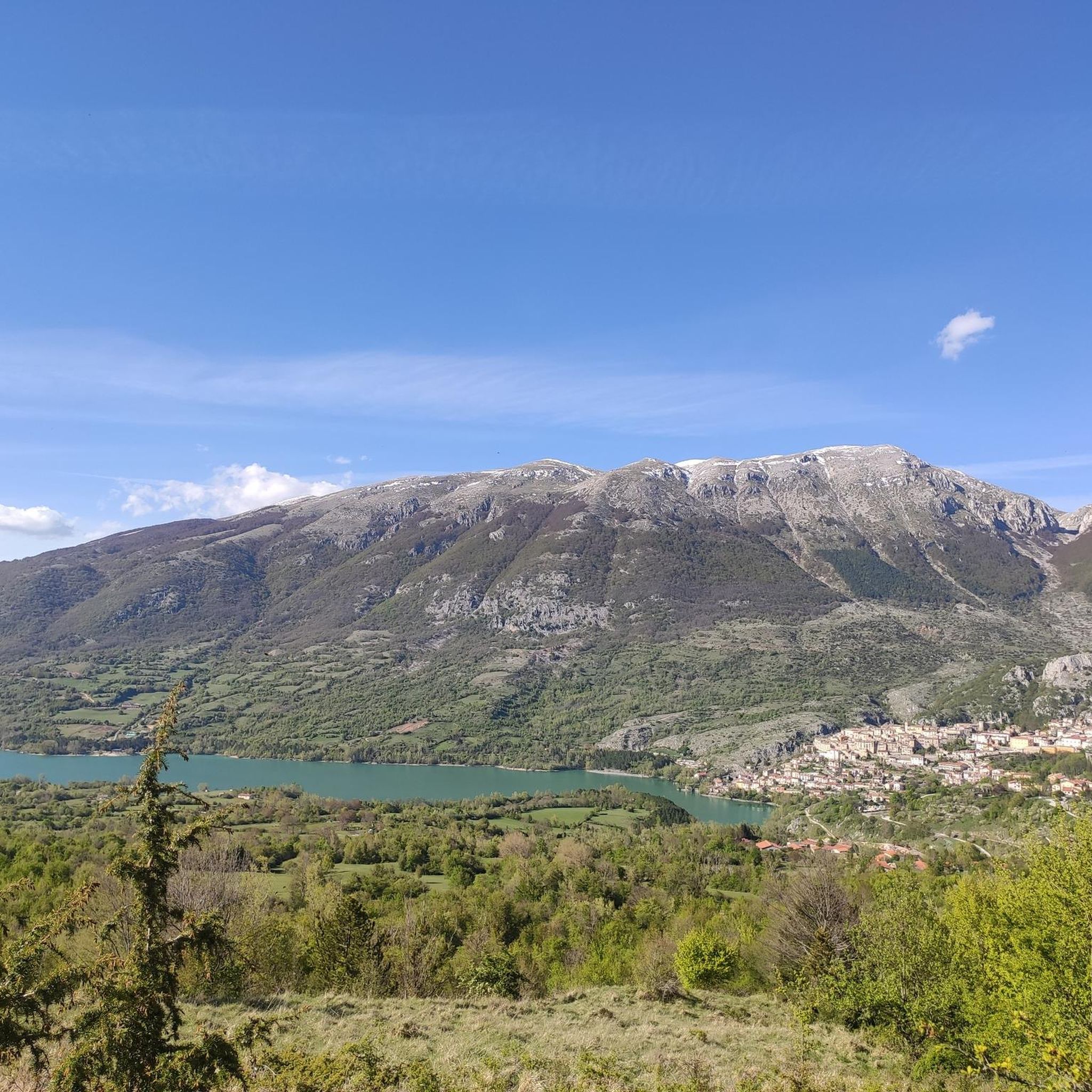
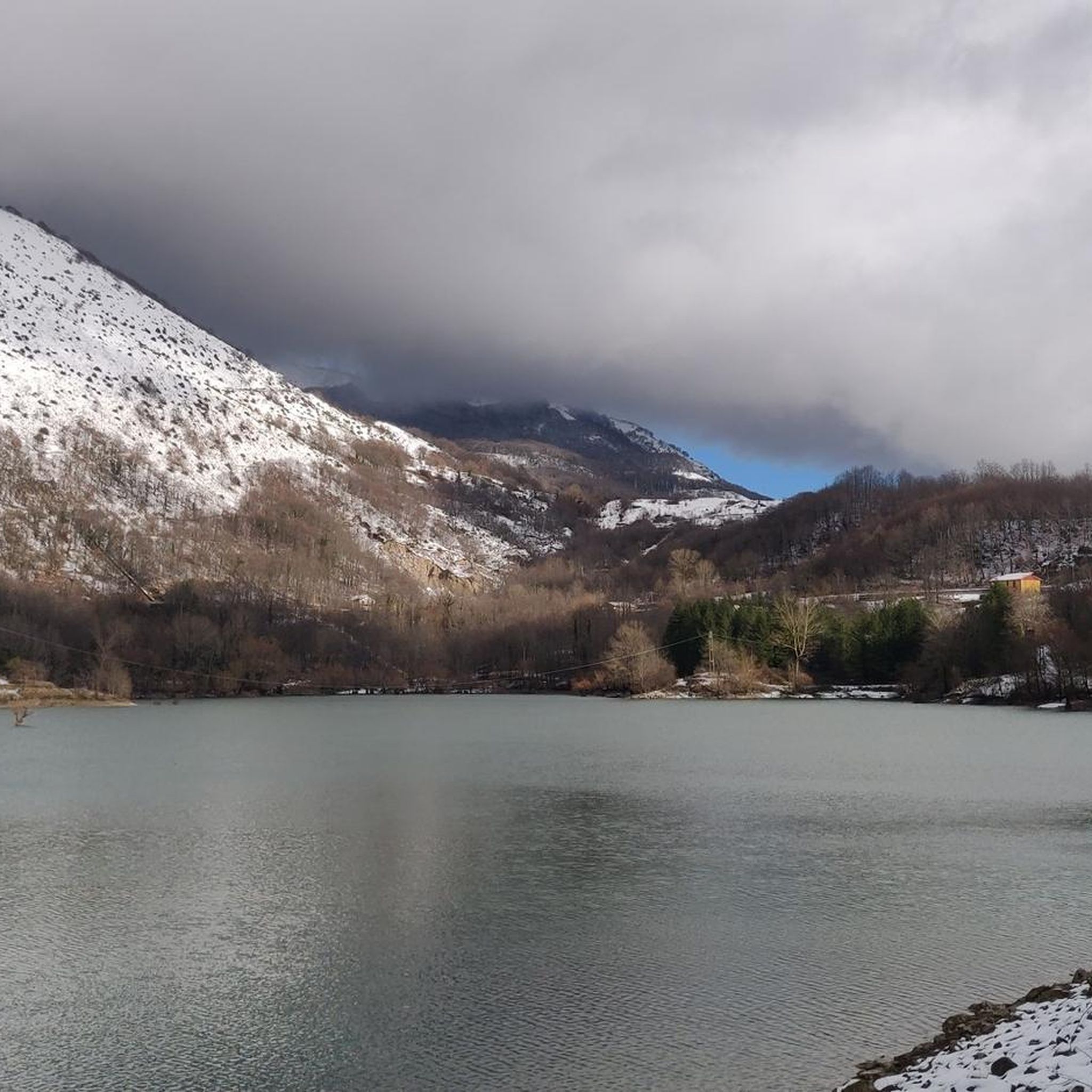
Tips from the Community

"Death is not the end, but only a very specific end: namely, the end of a first, provisional period of life and the beginning of a never-ending new epoch. Jesus said, 'My kingdom is not of this world.' Therefore, there is another world. Not only his disciples, but also his opponents believed in this other world. The doctor of the law, for example, asks him what he must do 'to gain eternal life.' (...) Precisely because it lasts forever, this life is so precious that everything... of the present world pales in comparison." (Text by Albino Luciani / Pope John Paul I)
0
0

It is the destination of the evocative Cammino di San Benedetto which leads from his hometown of Norcia to the abbey of Montecassino which houses his tomb, passing through Subiaco where the Saint lived for a long time and where the monastery of Santa Scolastica and that of the Sacro Speco are located.
2
0

Passage point for the Meta and other paths
0
0

Climb that requires training, about 9km at 5/6% average gradient, but the view you see during the climb is worth the effort. Unfortunately they do not allow bikes in and currently there are no parking spaces for bikes, but you can take some photos.
0
0


(1967mt) The Monaci Pass is located on the border between Abruzzo, Lazio and Molise, crossed since ancient times by pilgrims, traders and bandits. The monks used to place a stone when they reached the pass. Over the years, piles of a couple of meters high have formed, clearly visible in the center of the plateau, making it a characteristic sign of recognition. The name of the Monaci Pass comes from a legend: three monks died during a storm while trying to cross the pass. The story is plausible, given the difficulty in identifying it if you come from the west and there is fog, and considering that historically the mule track that passes it connected the territories of the important abbeys of S. Vincenzo al Volturno and Montecassino. This very particular territory is the kingdom of a historic herd of Apennine chamois, which performs acrobatics between leaps, cliffs and steep meadows, grazing on grass or resting comfortably on sheer walls.
0
0

The monumental complex of the abbey of San Vincenzo al Volturno is a little-known evocative place. It is made up of the new church, which can be reached by following the dirt road between the cypress trees, and the archaeological area where the remains of the ancient monastery are preserved. The arches are part of the new complex. Visits to the park are by reservation and for information you can write to the following email: info@criptadiepifanio.it.
2
0

The Abbey of Montecassino, founded by San Benedetto da Norcia in 529 AD, is one of the oldest monasteries in Italy and the cradle of Western monasticism. Located in Cassino, between Rome and Naples, it was a spiritual and cultural center of great importance in the Middle Ages. Destroyed in 1944 during the battle of Monte Cassino, it was then faithfully rebuilt according to the original plans.
1
0
Frequently Asked Questions
What historical sites can I visit around Vallerotonda?
Vallerotonda and its surroundings are rich in history. You can explore the ancient Roman Era Bridge on a historic mule track, the medieval historic center with remains of a powerful castle, and the Porta "Archiacuto". Further afield, visit the Montecassino Abbey, Italy's oldest monastery, or the Atina Historic Center with its ancient polygonal walls and the Doge's Palace. Don't miss the Polish War Cemetery at Monte Cassino, a significant historical monument.
Are there natural attractions or viewpoints near Vallerotonda?
Absolutely. The area boasts beautiful natural features. You can visit Lake Selva (or Lake Cardito), explore the picturesque trails in Valle dell'Inferno and its pine wood, or discover the pristine Gola del Fiume Rapido (Rapido River Canyon Wilderness Area) with its unique karstic springs. For panoramic views, head to Monte Marrone, which offers excellent vistas of Lago di Castel San Vincenzo and, on clear days, even the sea.
What kind of outdoor activities can I do around Vallerotonda?
The region around Vallerotonda is ideal for outdoor enthusiasts. You can enjoy hiking on scenic trails that extend into the Abruzzo National Park, offering opportunities to spot diverse wildlife. There are also dedicated guides for various activities: explore hiking routes, discover running trails, or embark on road cycling adventures.
Are there any family-friendly attractions in the Vallerotonda area?
Yes, several attractions are suitable for families. The Montecassino Abbey is considered family-friendly, offering a rich historical and cultural experience. The Atina Historic Center also provides an engaging historical exploration for all ages. Additionally, the natural areas like Lake Selva and the pine woods offer pleasant settings for family walks and picnics.
Where can I experience local culture and cuisine in Vallerotonda?
Vallerotonda is known for its traditional Ciociara cuisine. You can savor local wines, cured meats, sweets, and extra virgin olive oil. Must-try dishes include sagne pasta and beans, green polenta and beans, and tripe with potatoes. To delve deeper into local heritage, visit the Museo Inter. del Folklore e Civiltà Contadina, an ethnographic center dedicated to promoting local customs and folklore.
What are the significant religious sites in the vicinity?
The region is home to several important religious sites. The Montecassino Abbey is a primary destination, being the oldest monastery in Italy and a cradle of Western monasticism. You can also visit the Church of Santa Maria dell'Assunzione in Vallerotonda, which houses a large painting of the Assumption of Mary and a historic bell. Another notable site is the Abbey Complex of San Vincenzo al Volturno, a monumental Benedictine abbey with an archaeological area.
Can I find archaeological discoveries or ancient ruins around Vallerotonda?
Yes, Vallerotonda has a history dating back to the Roman period. Significant archaeological finds, such as Roman-era vases and lamps, have been discovered in the area. You can also see the Roman Era Bridge and the ancient polygonal walls of the Atina Historic Center, which date back to the 4th-5th century BC. The Abbey Complex of San Vincenzo al Volturno also features an archaeological site with remains of an ancient monastery.
What kind of wildlife can I expect to see when hiking near Vallerotonda?
When exploring the trails that extend into the Abruzzo National Park from Vallerotonda, you might encounter diverse wildlife. Common sightings include partridges, quails, and wild boars. In the higher mountainous areas, there's a possibility of spotting larger animals such as bears, wolves, and chamois.
Are there any challenging hikes or summits to conquer?
For those seeking a challenge, Monte Marrone offers a challenging summit experience within the National Park of Abruzzo, Lazio and Molise. It's a 1,800-meter high mountain known for its historical significance and rewarding views. Several difficult hiking routes are available, such as the "From Rocchetta a Volturno to Monte Ferruccia" or the "Loop tour in the Mainarde, Monte Marrone and Monte Ferruccia" which can be found in the hiking guide.
What are some unique natural features of the Vallerotonda area?
Beyond its general beauty, Vallerotonda is characterized by numerous water springs, contributing to its lush landscape. The Gola del Fiume Rapido is particularly notable for its pristine environment and the unique karstic phenomenon where the Rapido River's springs emerge, making it a site of great naturalistic interest.
What is the best time to visit Vallerotonda for outdoor activities?
The region's diverse natural landscape, including trails into the Abruzzo National Park and numerous water springs, suggests that spring and autumn would be ideal. These seasons offer pleasant temperatures for hiking, cycling, and exploring the natural features without the intense heat of summer or the potential snow of winter in higher elevations.
Are there any specific historical events associated with the attractions?
Yes, several attractions have significant historical ties. The village of Vallerotonda itself was rebuilt multiple times after destructive earthquakes in 1349 and 1915. Monte Marrone was the scene of a battle between the Alpini and Germans during World War II. The Montecassino Abbey has a long history of destruction and rebuilding, notably during WWII, and is considered the cradle of Western monasticism. The Atina Historic Center was also razed by the 1349 earthquake and subsequently rebuilt.
Most popular attractions around Vallerotonda

Get inspired with the komoot mobile app


Explore more
Still not found the Highlight you’re looking for? See guides of the top attractions in other regions:
