Attractions and Places To See around Gorga - Top 20
Best attractions and places to see around Gorga include historical sites and natural features. This region, with roots stretching back to the Bronze Age and once traversed by an ancient Roman road, holds significant historical importance. Visitors can explore medieval landmarks and discover interesting karst phenomena, such as deep caves, alongside prominent peaks like Mount Saint Martin. The area offers a blend of cultural heritage and natural landscapes for exploration.
Best attractions and places to see around Gorga
- The most…
Last updated: May 10, 2026
Anagni — The City of Popes
Highlight • Settlement
Translated by Google •
Tip by

Monte Semprevisa (Daniele Nardi Peak)
Highlight • Summit
Translated by Google •
Tip by

Sign up now to discover places like this
Get recommendations on the best single tracks, peaks, & plenty of other exciting outdoor places.
Sign up for free
Ouso di Passo Pratiglio Cave
Highlight • Cave
Translated by Google •
Tip by

Sant'Erasmo Hermitage
Highlight • Religious Site
Translated by Google •
Tip by
Monte Erdigheta
Highlight • Summit
Translated by Google •
Tip by
Sign up for free to discover even more attractions around Gorga.
Sign up for free
Already have an account?
Start today with a free account
Your next adventure awaits.
Login or Signup
Other adventures around Gorga

Tips from the Community

Beautiful made on Saturday 13th September by Bassiano 🤙
0
0

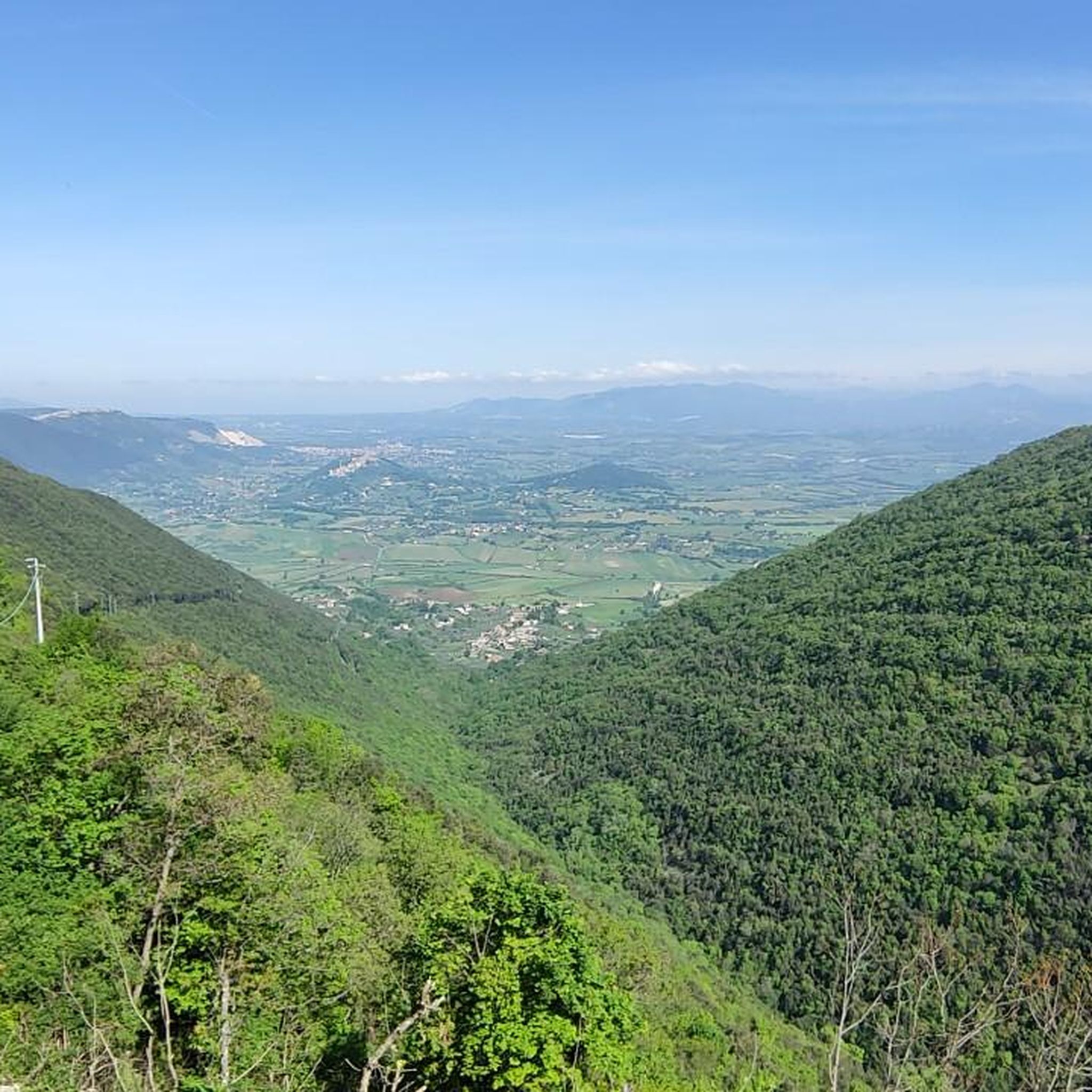
The Ouso di Passo Pratiglio is a cave that opens at an altitude of 1,360 meters on the south-east side of Mount Malaina. Discovered in 1976, it was explored in 1996 to a depth of -299 meters. Today it is the deepest cave in Lazio, with a depth of about 840 meters. ⚠️ Be very careful when approaching!
0
0

One of the peaks of the Lepini
0
0
Highest peak of the Lepini.
0
0

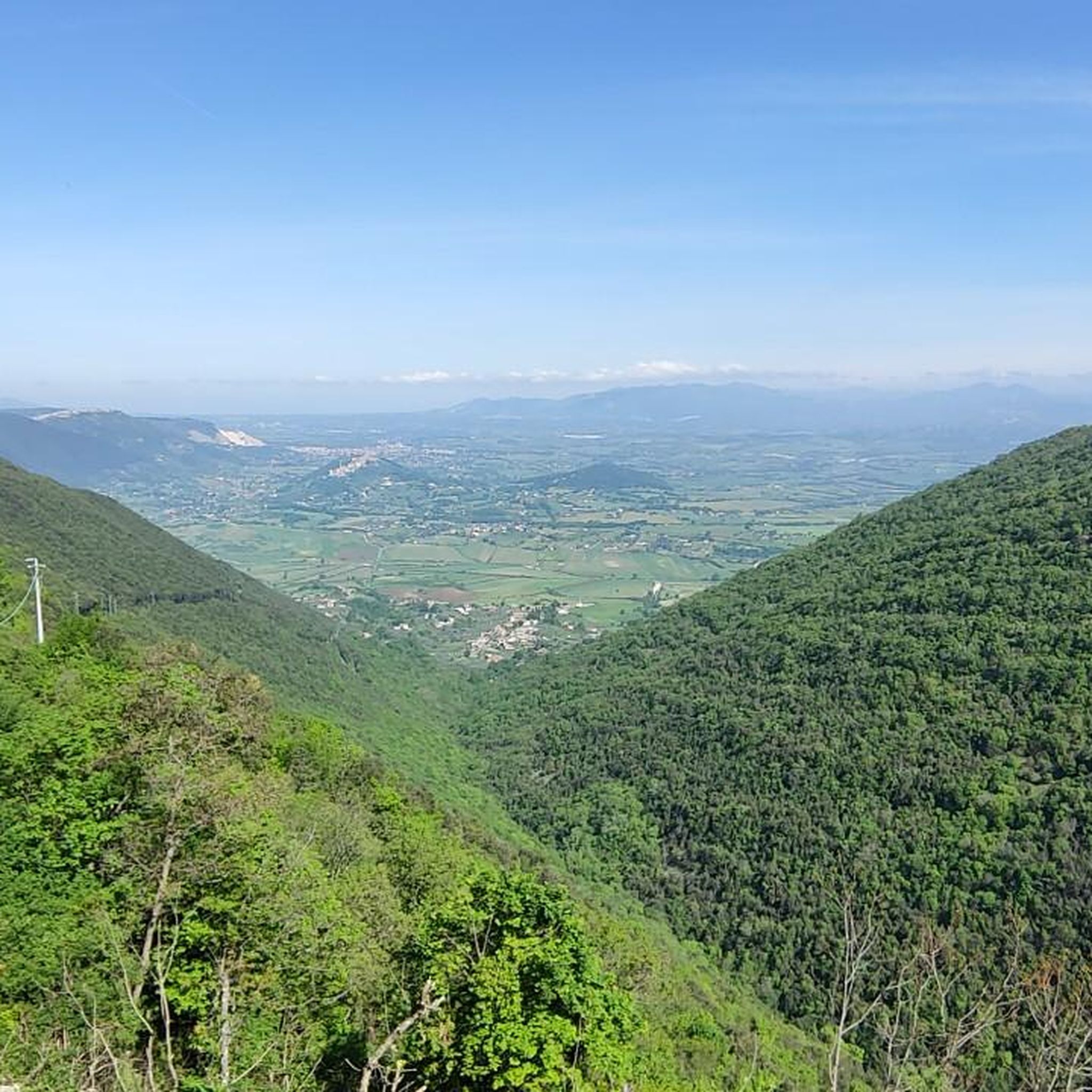
Also reachable by car, the hermitage of Sant'Erasmo represents a very interesting passage to go towards Mount Erdigheta and the Alwaysvisa starting from Roccagorga. The difference in altitude is also very demanding in the stretch following the hermitage up to the main peaks at 1300 and 1500 meters above sea level.
0
0

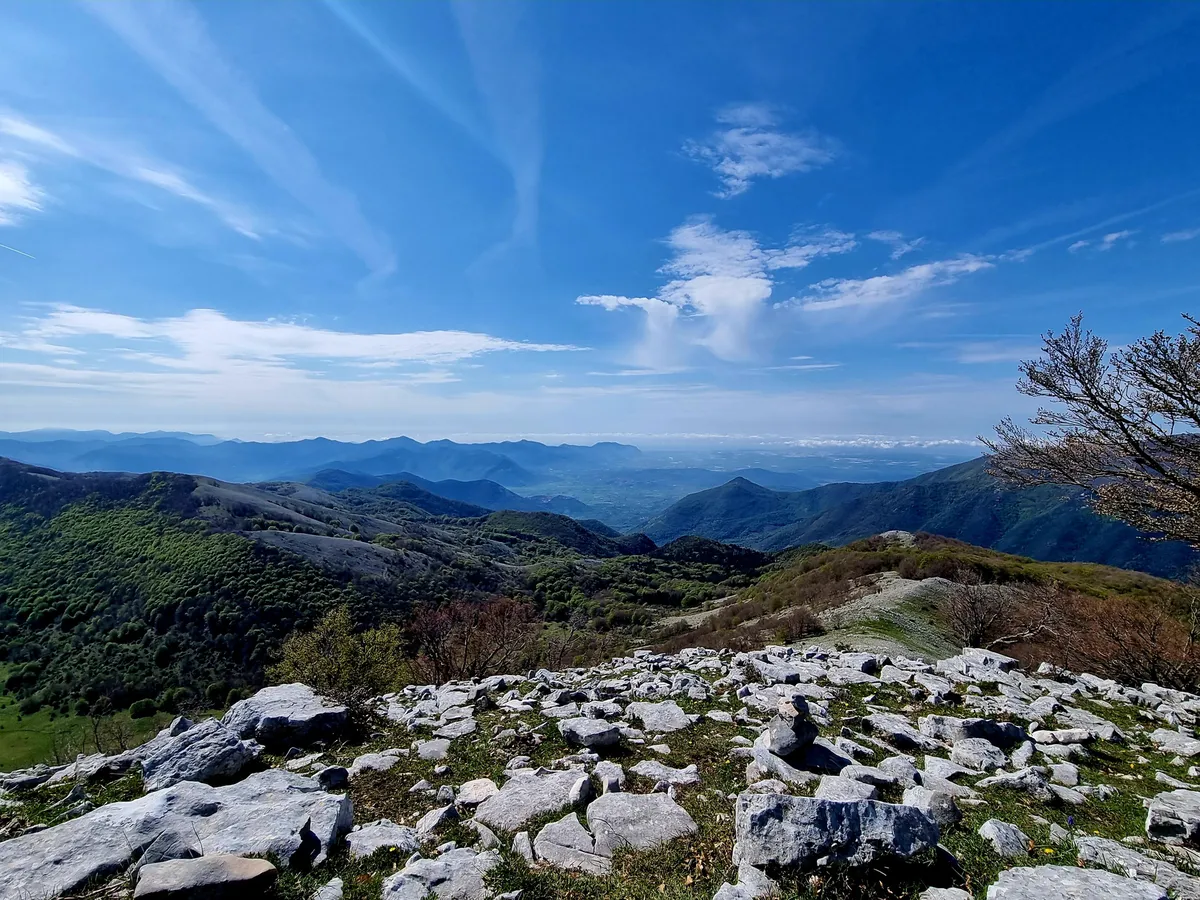
Mount Ervigheta. Very panoramic point that deserves a detour from the classic Sempervisa ring.
1
0

Mount Sempervisa is the highest peak of the Lepini mountains. Since 2019 it has been dedicated to the great local mountaineer Daniele Nardi, who trained here before making his expeditions to the Himalayas. This mountain has a unique view of the sea and the nearby Mount Circeo.
6
0
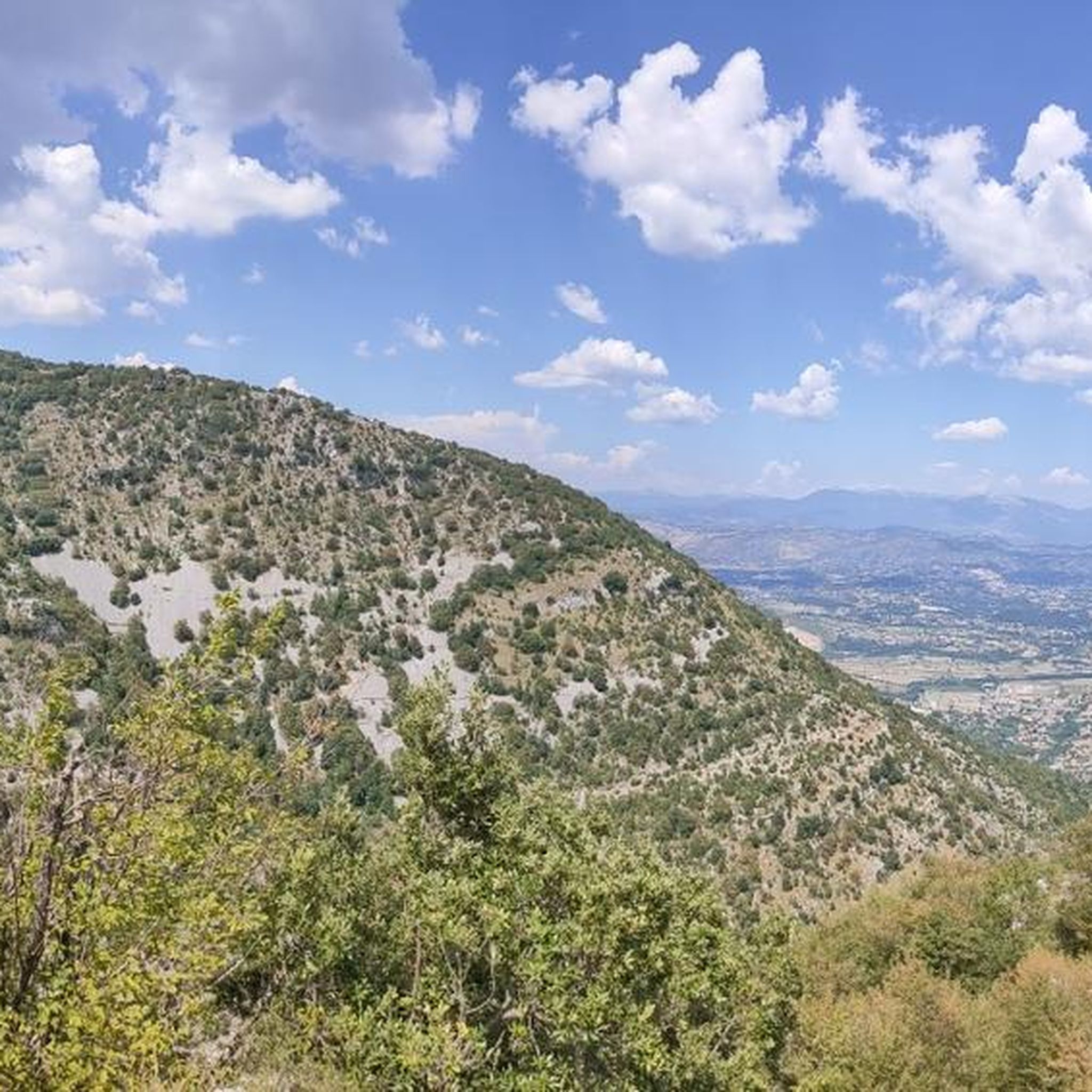
Mount Erdigheta, or Erdicheta, is one of the less frequented peaks of the Lepini mountains given its more secluded position to the south of the mountain range. It can be reached from various paths, the most amusing and adventurous is via delle Roccette (with sections that can be circumvented in grade III) from the Sezze side.
3
0
Frequently Asked Questions
What historical sites can I explore around Gorga?
Gorga boasts a rich history, evident in its ancient Roman road traces and medieval past. A significant historical site nearby is Anagni — The City of Popes, known for its beautiful medieval architecture, including the Cathedral with its frescoed crypt. You can also find the Sant'Erasmo Hermitage, a historical religious building that once served as a retreat.
Are there any notable natural features or viewpoints near Gorga?
Yes, the region around Gorga is rich in natural beauty and offers several viewpoints. You can visit Monte Semprevisa (Daniele Nardi Peak), the highest peak of the Lepini mountains, which provides unique views of the sea and Mount Circeo. Another panoramic point is Monte Erdigheta, one of the less frequented peaks offering a detour from the classic Sempervisa ring. The area also features interesting karst phenomena, such as the Campo di Caccia cave and the Ouso di Passo Pratiglio, and the picturesque plateau of Mount Saint Martin.
What outdoor activities can I do near Gorga?
The area around Gorga is excellent for outdoor activities. You can find various cycling routes, including challenging options like the Paliano–Fiuggi Cycle Path loop or more moderate ones like the Fontanella Meo loop from Montelanico. For runners, there are trails such as the Pian della Faggeta loop from Monte Semprevisa. Explore these and more on the Cycling around Gorga, Running Trails around Gorga, and Road Cycling Routes around Gorga guide pages.
Are there family-friendly attractions or activities in the Gorga area?
For families, Campo di Segni is an excellent choice. This large grassy plateau, characteristic of the Lepini mountains, features small lakes used for livestock and is ideal for a family picnic surrounded by nature. It's often possible to observe grazing animals here.
What is the best time of year to visit Gorga?
While specific seasonal data isn't provided, the presence of mountain peaks like Monte Semprevisa and Monte Erdigheta suggests that spring and autumn would be ideal for hiking and outdoor exploration, offering pleasant temperatures. Summer could be warm, while winter might offer opportunities for different types of mountain activities, depending on snow conditions.
Can I find places to eat or stay near the attractions?
Yes, the Sant'Erasmo Hermitage, located 800 meters above sea level, not only offers historical significance but also provides hospitality and excellent food, making it a great stop after an excursion in the Lepini mountains. Its sea views are particularly remarkable.
What are the unique natural phenomena in the Gorga region?
The Gorga region is known for its interesting karst phenomena. These include deep caves like the Campo di Caccia cave, reaching a depth of 610 meters, and the Ouso di Passo Pratiglio, which is 840 meters deep (though located in the municipality of Supino). The Campo di Segni also showcases the karst landscape with its distinctive grassy plateau and small lakes.
Are there any ancient Roman traces in Gorga?
Yes, Gorga's historical significance is underscored by traces of an ancient Roman road that once traversed the area. This highlights its past importance as a strategic observation point.
What is the significance of the Fountain in Gorga?
The Fountain is a symbolic landmark in Gorga. It was the final component of an aqueduct system that supplied water to the homes within the historic center, playing a vital role in the village's daily life.
What kind of traditional architecture can be seen around Gorga?
Outside the town walls of Gorga, you could historically find traditional circular-based masonry huts with wooden and straw roofs. These structures, known as 'stazzi,' were typical of the Lepini Mountains and reflect the region's peasant heritage.
What is the highest point in the Lepini mountains near Gorga?
The highest point in the Lepini mountains is Monte Semprevisa (Daniele Nardi Peak), standing at 1,536 meters. It offers expansive views that include the Ausoni Mountains, the Circeo crest, and the Pontine Islands.
Are there any challenging hiking trails in the area?
Yes, for experienced hikers, trails leading to peaks like Monte Erdigheta can be challenging. Some routes, such as via delle Roccette from the Sezze side, include sections with grade III difficulty, though these can often be circumvented.
Most popular attractions around Gorga

Get inspired with the komoot mobile app


Explore more
Still not found the Highlight you’re looking for? See guides of the top attractions in other regions:
