Top 20 Castles around Urbino
Best castles around Urbino include a variety of fortified structures and historical residences that reflect the region's rich past. Urbino, a UNESCO World Heritage site, is situated on a hill, offering views of the surrounding Marche region. The city's historical center, enclosed by terracotta walls, showcases Renaissance architecture and defensive elements. This area provides opportunities to explore significant cultural landmarks and the natural landscape of the Metauro and Foglia valleys.
Best castles around Urbino
- The most popular castles is Ducal…
Last updated: August 25, 2026
Tavoleto Castle
Highlight • Castle
Translated by Google •
Tip by

Ducal Palace
Highlight • Castle
Tip by

Sign up now to discover places like this
Get recommendations on the best single tracks, peaks, & plenty of other exciting outdoor places.
Sign up for free
Montefiore Conca
Highlight • Castle
Translated by Google •
Tip by

Ducal Palace, Urbino
Highlight • Historical Site
Translated by Google •
Tip by

Urbino
Highlight • Historical Site
Translated by Google •
Tip by

Sign up for free to discover even more castles around Urbino.
Sign up for free
Already have an account?
Start today with a free account
Your next adventure awaits.
Login or Signup
Popular around Urbino



Tips from the Community

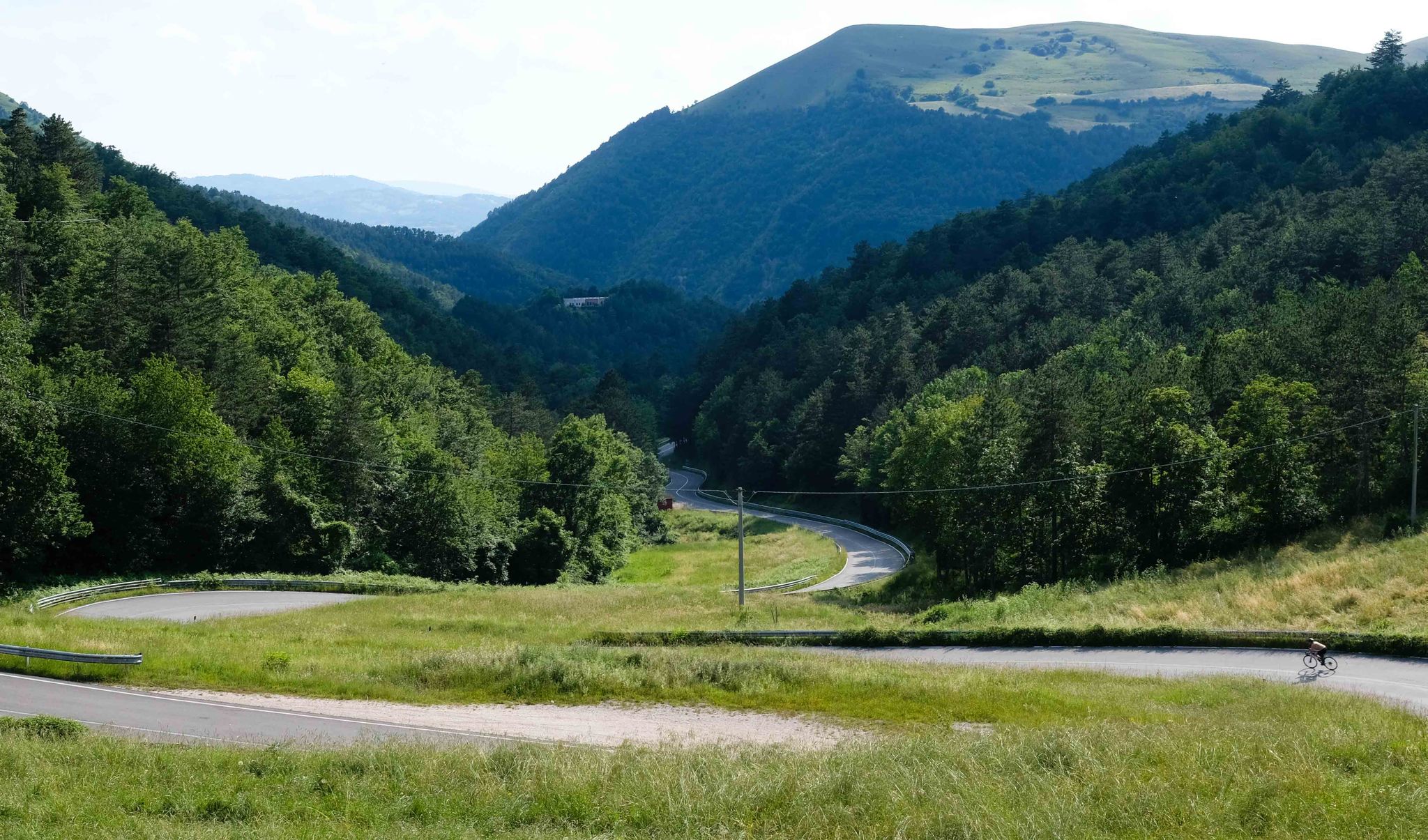
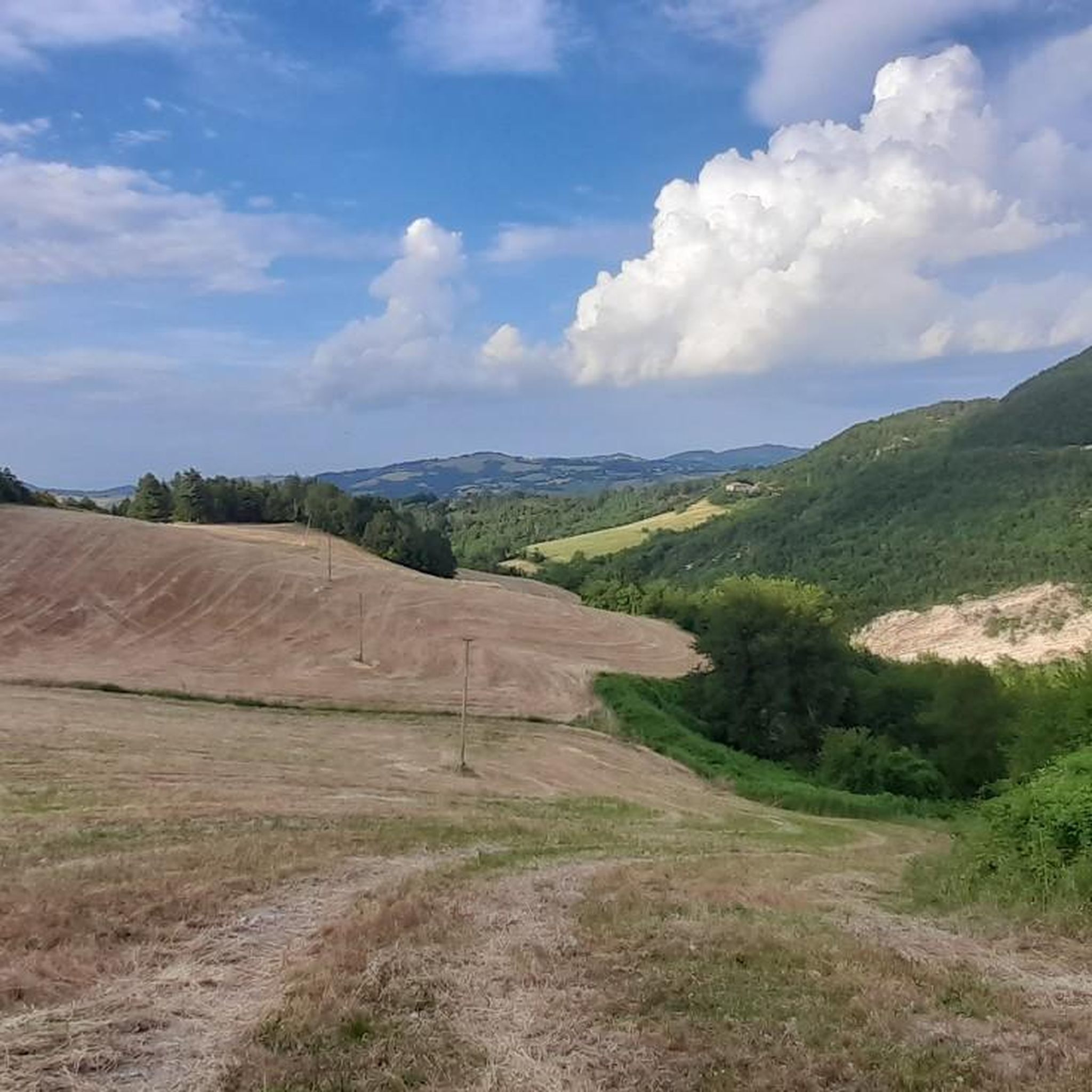
suggestive passage. I recommend the ascent from Morciano, The descent from the other side is - at times - steep but safely doable.
0
0

Urbino is a city in the Marche region, recognized as a UNESCO World Heritage site for its Renaissance-era historic center. It is located in a hilly area and is characterized by uphill streets, squares, and brick buildings. Among the main sites is the Ducal Palace of Urbino, home to the National Gallery of the Marche. Urbino is also the birthplace of Raffaello Sanzio, with a house-museum that can be visited. The city is home to the University of Urbino Carlo Bo, which contributes to the presence of students throughout the year.
0
0

The Palazzo Ducale is a Renaissance ducal palace built primarily on the orders of Count Federico da Montefeltro between 1463 and 1472. It is now a UNESCO World Heritage Site.
1
0
The Palazzo Ducale in Urbino is a Renaissance palace and houses the famous Renaissance picture gallery of the Marche.
2
0

..... all I would add is that the toilets are clean and free for public use. An impressive inner courtyard and part of it is free to enter.
0
0

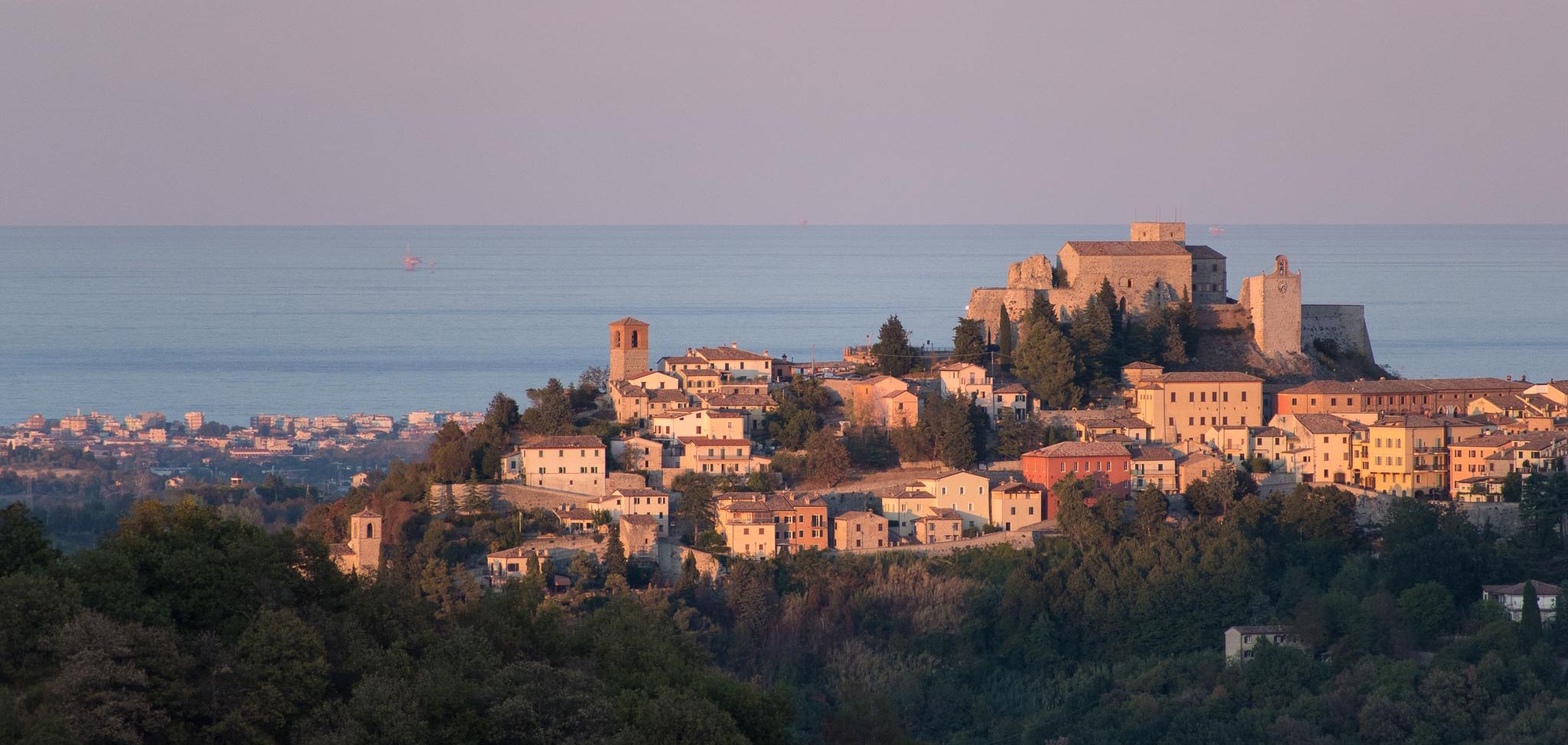
The city of Urbino is located on the highest part of a hill which, seen from afar, takes your breath away with such beauty.
2
0

The Palazzo Ducale is the main monument of the city of Urbino and one of the most interesting artistic-architectural examples of the Italian Renaissance. It is home to the National Gallery of the Marche and the Archaeological Lapidary Museum.
1
0

Palazzo Ducale is the main monument of the city of Urbino and one of the most interesting artistic-architectural examples of the Italian Renaissance. It is home to the National Gallery of the Marche and the Lapidary Archaeological Museum. The palace, owned by the Italian State, is located in the center of the ancient city of Urbino, flanked by other monuments such as the Cathedral and the Sanzio Theater. It is one of the most visited monuments in the region and is a place for museum, musical and artistic events. It was Federico da Montefeltro's most ambitious project, which starting from 1454 saw the Florentine architect Maso di Bartolomeo, the Dalmatian Luciano Laurana and Francesco di Giorgio alternate, who worked until the duke's death (1482).
1
0
Frequently Asked Questions
What are the most historically significant fortified sites in Urbino?
Urbino is rich in historical fortifications. The Ducal Palace, a UNESCO World Heritage Site, is a masterpiece of Renaissance architecture, though it incorporates earlier defensive elements. Another key site is the Fortezza Albornoz, which stands on the highest point of Monte di S. Sergio, offering commanding views and housing the "Bella Gerit" Museum. Outside the city, Tavoleto Castle has origins in the early 1300s and was rebuilt by Francesco di Giorgio Martini.
Are there family-friendly castles or historical sites to visit around Urbino?
Yes, several sites are suitable for families. The Ducal Palace in Urbino, also known as Ducal Palace, Urbino, is listed as family-friendly and offers a fascinating journey through Renaissance art and history. Tavoleto Castle and Saludecio are also categorized as family-friendly, providing historical exploration in engaging settings.
What kind of outdoor activities can I do near the castles around Urbino?
The area around Urbino offers diverse outdoor activities. You can find numerous hiking routes, including moderate trails like the 'Sentiero Fosso del Tasso di Fermignano – loop trail' or longer options like 'Urbino and Monte della Cesana Loop'. For cyclists, there are road cycling routes and MTB trails, such as the 'Cesane Bike Park Loop'.
What is the best time of year to visit the castles and explore the Urbino region?
The spring and autumn months are generally ideal for visiting the castles and exploring the Urbino region. The weather is pleasant for walking and outdoor activities, and the landscapes are particularly beautiful. Summer can be warm, but still enjoyable, especially in the mornings or late afternoons. Winter visits are possible, but some outdoor trails might be less accessible, and certain attractions may have reduced hours.
Are there hiking trails that connect different castles or historical sites near Urbino?
While there isn't a single named 'Sentiero dei Castelli' directly connecting multiple castles in a dedicated trail, many hiking routes in the region pass by or offer views of historical sites. For example, some cycling routes mentioned in visitor tips for the Ducal Palace suggest crossing through villages with well-preserved medieval castles like Montefiore and Tavoleto Castle on the way to Urbino.
What can I expect to see at the Fortezza Albornoz in Urbino?
The Fortezza Albornoz, also known as Rocca Albornoz, offers breathtaking panoramic views of Urbino and the surrounding landscape from its position on Monte di S. Sergio. This brick fortress, with its rectangular layout and semi-circular towers, is primarily a defensive structure from the 14th century. Beyond the views, you can explore the public park dedicated to the Resistance and visit the "Bella Gerit" Museum, which displays archaeological finds and reproductions of 14th-16th century war equipment.
What makes the Ducal Palace in Urbino a UNESCO World Heritage Site?
The Ducal Palace is recognized as a UNESCO World Heritage Site for its exceptional representation of Renaissance architecture and its role as a center of culture and art during the 15th century. Commissioned by Federico da Montefeltro, it embodies humanistic ideals with its harmonious design, grand staircase, and significant art collection housed in the Galleria Nazionale delle Marche, including works by Piero della Francesca and Raphael. Its design, by architects like Luciano Laurana and Francesco di Giorgio Martini, showcases a blend of military prowess and refined living.
Are there any less crowded or 'hidden gem' castles to explore near Urbino?
While the Ducal Palace and Fortezza Albornoz are central attractions, exploring smaller fortified settlements like Saludecio can offer a less crowded experience. Saludecio, a former Malatesta stronghold, retains its medieval structure with defensive walls and monumental gates, providing a glimpse into the region's historical conflicts between the Malatesta and Montefeltro families.
What are the options for parking when visiting castles around Urbino?
For Urbino itself, parking is available outside the historic center, often in designated parking lots from where you can walk or take a shuttle into the city. When visiting castles or historical sites in smaller towns like Tavoleto Castle or Saludecio, you can typically find parking within or just outside the village centers. It's advisable to check local signage upon arrival for specific parking regulations.
What are some notable art pieces or collections housed within the castles or palaces?
The Ducal Palace in Urbino is home to the Galleria Nazionale delle Marche, which features an outstanding collection of artworks from the 14th to the 17th centuries. Highlights include masterpieces such as Piero della Francesca's "Flagellation" and "Madonna of Senigallia," and Raphael's "Portrait of a Gentlewoman (La Muta)." The palace also boasts the extraordinary Studiolo, adorned with intricate wood inlays.
Can I find cafes, restaurants, or accommodation near the castles and hiking routes?
Yes, Urbino itself offers a wide range of cafes, restaurants, and accommodation options within and around its historic center. In smaller towns and villages near other castles, such as Tavoleto Castle or Saludecio, you will typically find local eateries and sometimes guesthouses or agriturismos. Along popular hiking and cycling routes, you might encounter small cafes or trattorias in villages along the way.
What are the typical visiting hours and entry fees for the main castles in Urbino?
For the Ducal Palace (which houses the Galleria Nazionale delle Marche), there is an entry fee, which visitors find justified by the quality of the collections. The Fortezza Albornoz also houses a museum with an entry fee. Visiting hours can vary by season and day of the week. It is recommended to check the official websites for the most current information on opening times and ticket prices. For example, you can find information about the Ducal Palace on Wikipedia or Italia.it, and for Fortezza Albornoz on Italia.it.
Most popular attractions around Urbino

Get inspired with the komoot mobile app


Explore more
Looking for the best castles somewhere else? Discover other guides around Urbino:
