Attractions and Places To See around Urbania - Top 20
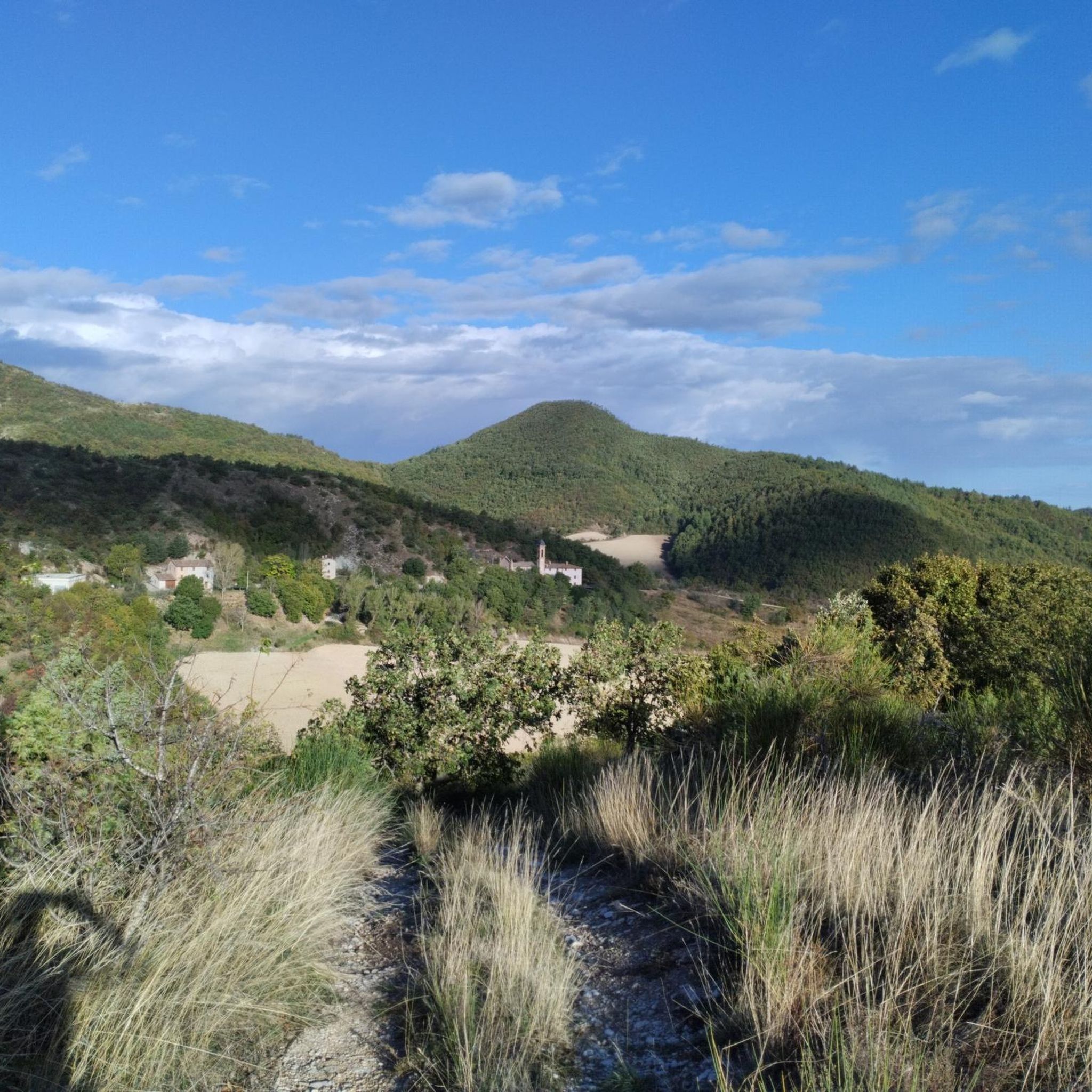
Attractions and places to see around Urbania include historical sites and natural monuments. The region, located in the Marche area, features a landscape of rolling hills and river valleys. Urbania itself is situated near the Metauro and Foglia valleys, offering a setting for exploring both cultural heritage and natural formations. The area is known for its Renaissance architecture and geological features.
Best attractions and places to see around Urbania
- The most popular attractions is Ducal Palace, a castle that…
Last updated: October 23, 2026
Ducal Palace
Highlight • Castle
Translated by Google •
Tip by

Furlo Gorge (Gola del Furlo)
Highlight • Gorge
Translated by Google •
Tip by

Sign up now to discover places like this
Get recommendations on the best single tracks, peaks, & plenty of other exciting outdoor places.
Fortezza Albornoz
Highlight • Historical Site
Translated by Google •
Tip by

Fondarca Arch
Highlight • Natural Monument
The entrance to path no. 20 is found at the entrance to …
Translated by Google •
Tip by

Rocca Torrione of Cagli
Highlight • Castle
Translated by Google •
Tip by

Sign up for free to discover even more attractions around Urbania.
Already have an account?
Start today with a free account
Your next adventure awaits.
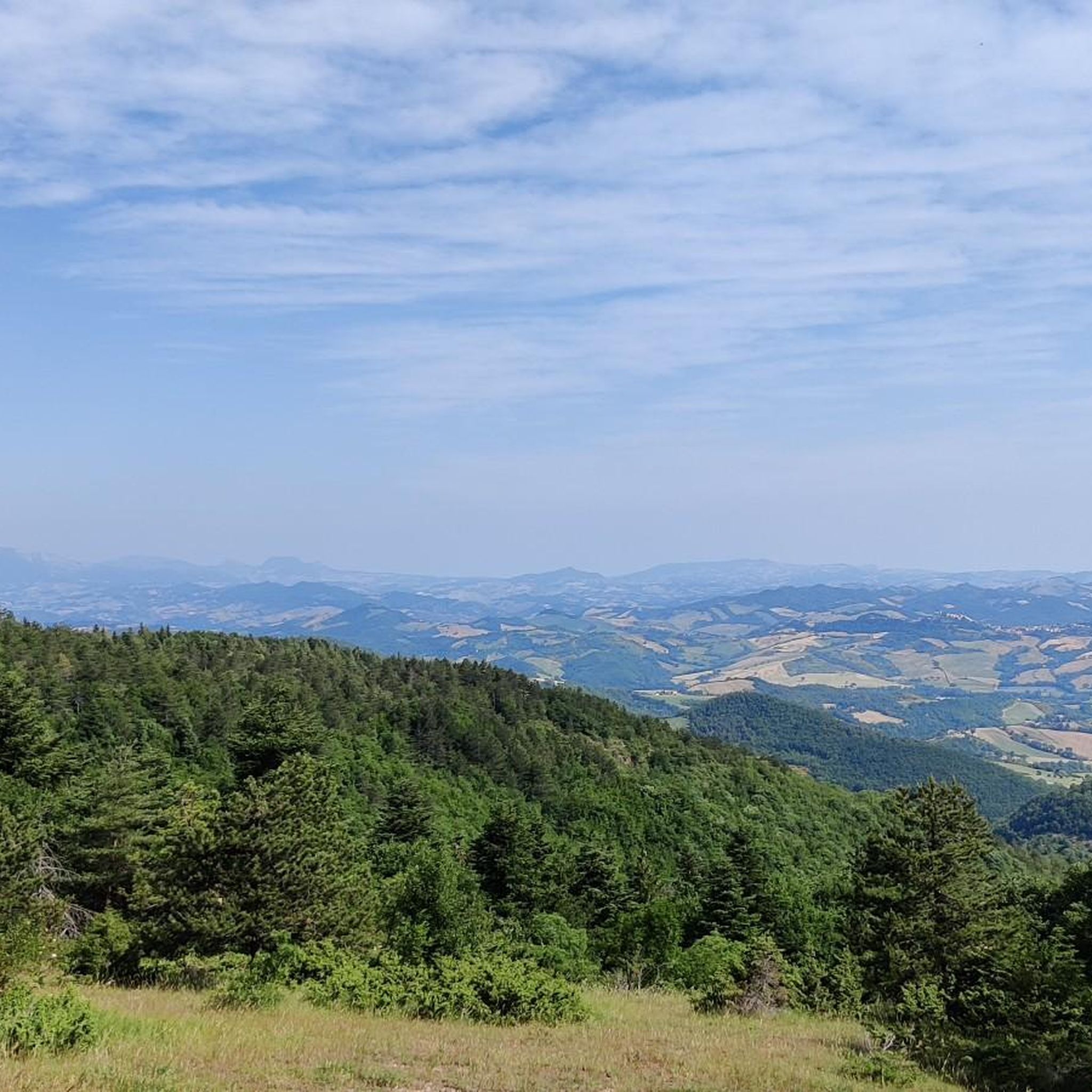
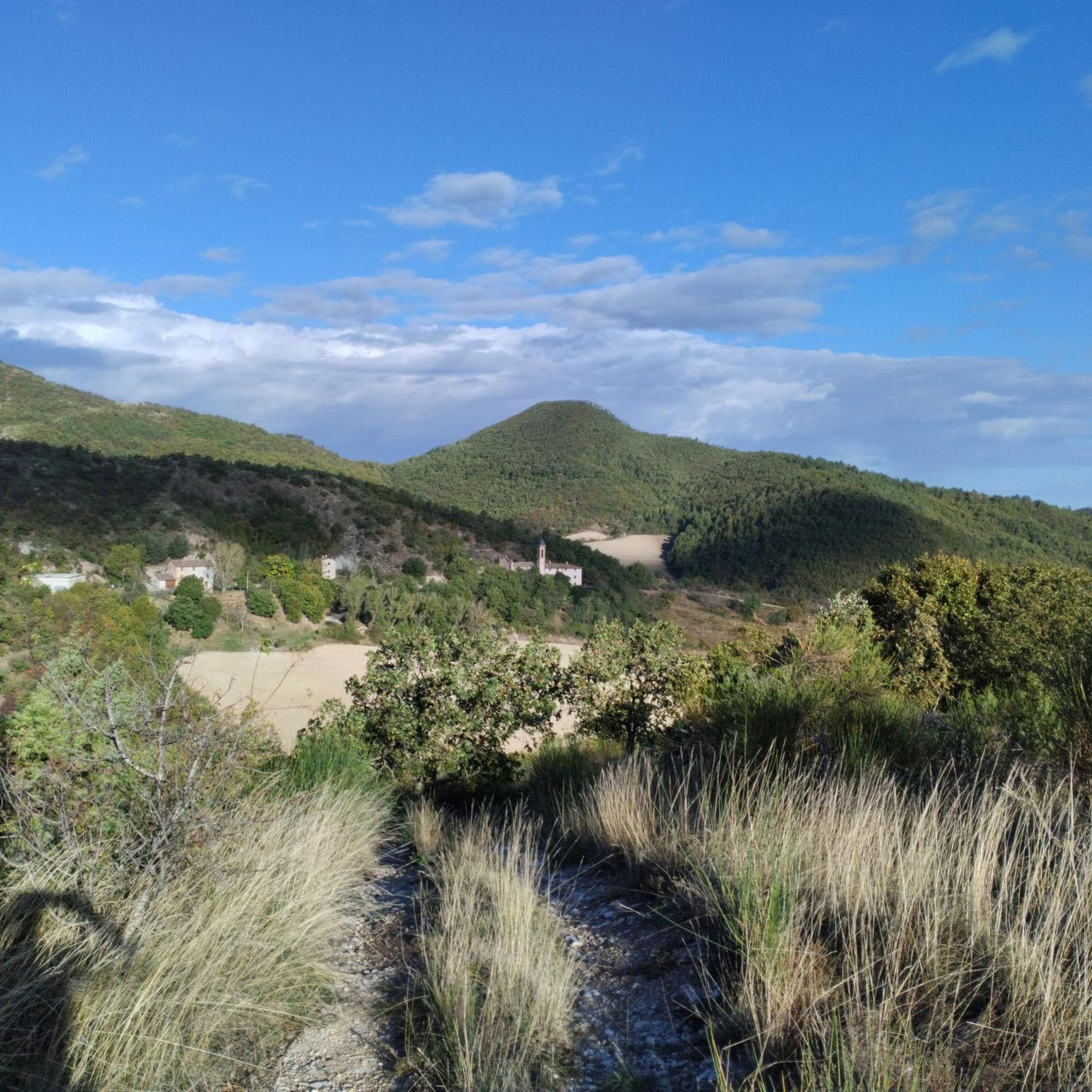
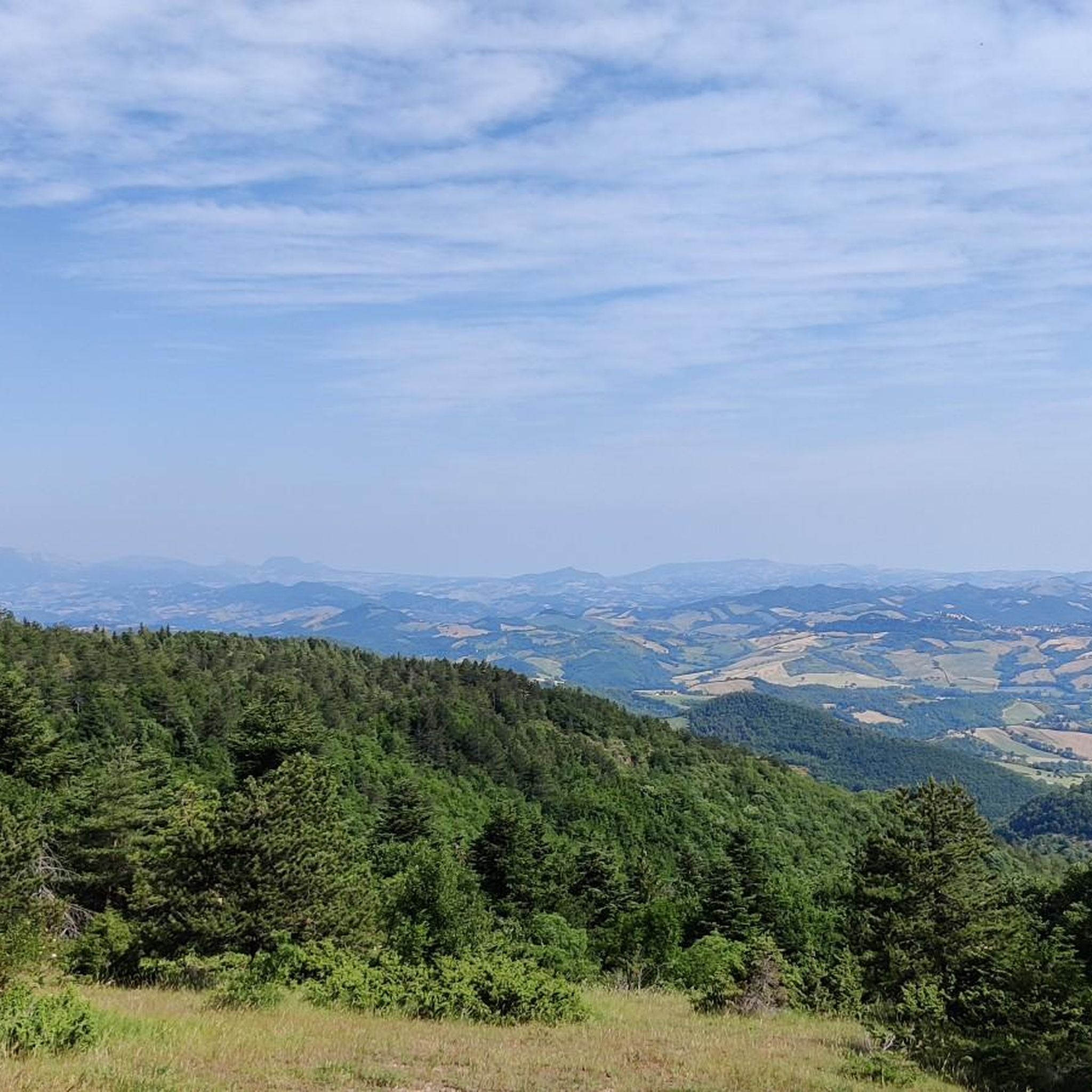
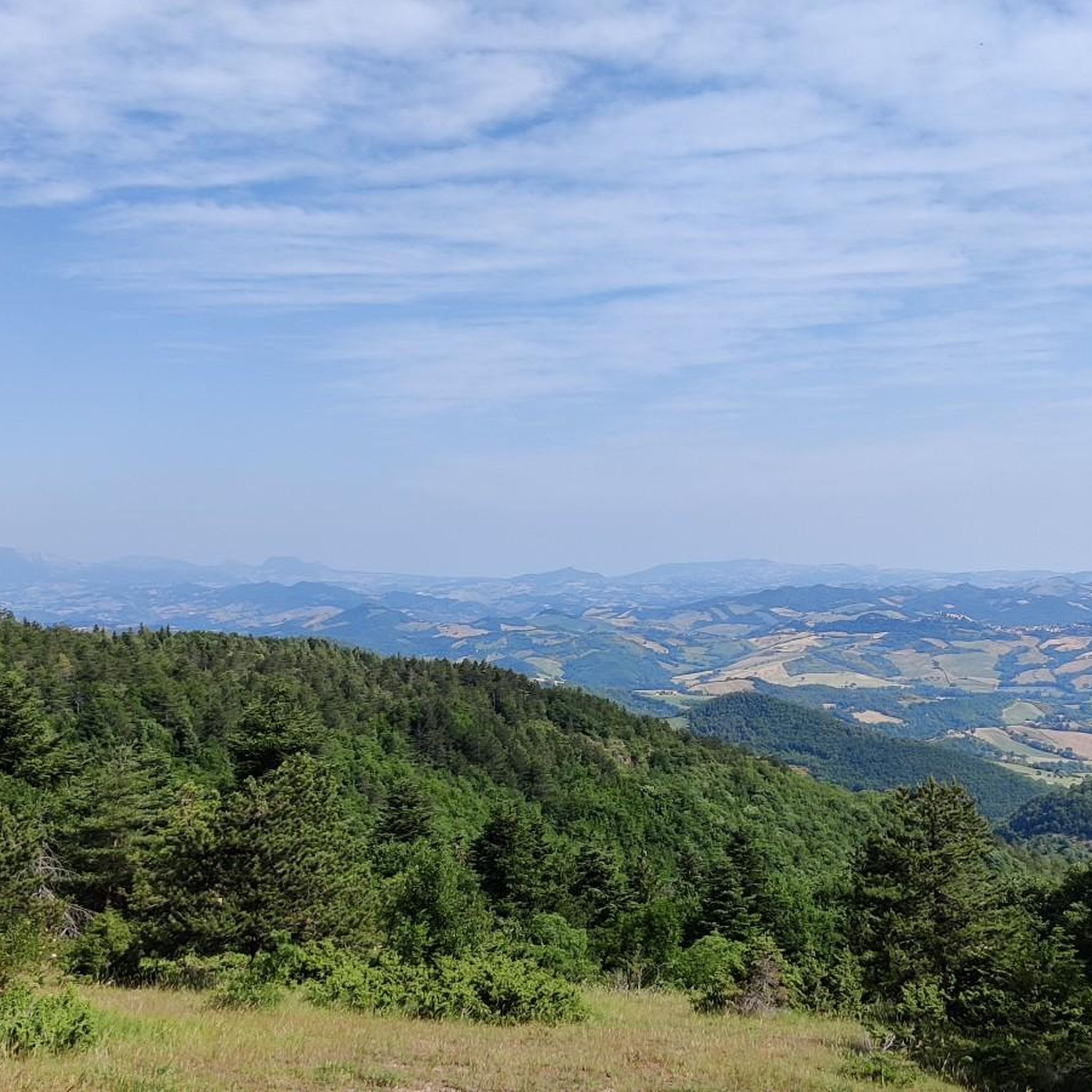

Tips from the Community

Urbino is a city in the Marche region, recognized as a UNESCO World Heritage site for its Renaissance-era historic center. It is located in a hilly area and is characterized by uphill streets, squares, and brick buildings. Among the main sites is the Ducal Palace of Urbino, home to the National Gallery of the Marche. Urbino is also the birthplace of Raffaello Sanzio, with a house-museum that can be visited. The city is home to the University of Urbino Carlo Bo, which contributes to the presence of students throughout the year.
0
0

The Palazzo Ducale in Urbino is a Renaissance palace and houses the famous Renaissance picture gallery of the Marche.
2
0

Beautiful town, worth taking a break
0
0

The city of Urbino is located on the highest part of a hill which, seen from afar, takes your breath away with such beauty.
2
0

The church of Santa Maria Assunta is the main Catholic place of worship in Urbino and cathedral of the archdiocese of Urbino-Urbania-Sant'Angelo in Vado.
2
0


The Furlo pass, or Furlo gorge, is a gorge located between Mount Pietralata (889 m) and Mount Paganuccio (976 m), created by the erosive force of the Candigliano river, a tributary of the Metauro.
2
0
Frequently Asked Questions
What kind of attractions can I find around Urbania?
The area around Urbania offers a mix of historical sites, such as Renaissance palaces, and natural monuments. You can explore significant cultural heritage and unique geological formations within the rolling hills and river valleys of the Marche region.
Are there any natural wonders to explore near Urbania?
Yes, a notable natural wonder is the Fondarca Arch. This impressive natural rock arch features high, steep walls and is believed to be the entrance to a collapsed ancient cave. The surrounding area is rich with cracks, rock shelters, and smaller caves formed by natural processes.
What historical sites are prominent in the Urbania region?
The region is rich in history, particularly Renaissance architecture. You can visit the Ducal Palace, a UNESCO World Heritage Site built between 1463 and 1472. Another significant historical site is the Ducal Palace, Urbino, which houses the Marche picture gallery with works by artists like Raphael and Piero della Francesca.
What is Urbino, and why is it significant to the area?
Urbino is a historically rich city often called the 'Cradle of the Renaissance' and is a UNESCO World Heritage Site. It's home to the Ducal Palace, Urbino, and offers a captivating atmosphere with its narrow, steep streets and views of the surrounding hills. It's an excellent starting point for exploring the Metauro and Foglia valleys.
Are there family-friendly attractions around Urbania?
Yes, the Ducal Palace, Urbino is considered family-friendly. Additionally, the Rocca Torrione of Cagli, a historic castle, is also suitable for families.
What outdoor activities can I do near these attractions?
The area around Urbania is excellent for various outdoor activities. You can find numerous routes for gravel biking, cycling, and road cycling. For example, there are challenging gravel biking routes like the 'Ducal Palace, Urbino – Ducal Palace loop from Urbino' and road cycling tours such as 'Urbania – Piobbico loop from Urbania'. You can explore more options on the Gravel biking around Urbania, Cycling around Urbania, and Road Cycling Routes around Urbania guide pages.
Are there cycling routes that pass by historical sites?
Absolutely. Many cycling routes in the region incorporate historical landmarks. For instance, the 'Ducal Palace – Borgo Mercatale - Details loop from Urbania' is a cycling route that starts from Urbania and passes by the Ducal Palace. The area around Urbino is also ideal for cycling, with routes like the 'Ducal Palace, Urbino – Ducal Palace loop from Urbino'.
What is the best time to visit Urbania attractions?
The region's landscape of rolling hills and river valleys, combined with its historical sites, makes it enjoyable across various seasons. Spring and autumn generally offer pleasant weather for exploring both outdoor natural monuments and historical palaces without extreme heat or cold.
What do visitors enjoy most about the attractions around Urbania?
Visitors particularly appreciate the blend of historical richness and natural beauty. The Renaissance architecture, especially the UNESCO-listed palaces, and the unique geological formations like the Fondarca Arch, are highly valued. The scenic views from places like Urbino and the opportunity for outdoor activities in the surrounding valleys also receive positive feedback.
Can I find castles or fortresses in the Urbania area?
Yes, the area is home to several impressive castles and fortresses. Besides the Ducal Palace and the Ducal Palace, Urbino, you can also visit the Rocca Torrione of Cagli. This town, with Roman origins, is situated on a plateau surrounded by mountains and features a significant fortress.
Are there any challenging outdoor activities for experienced adventurers?
Yes, many of the cycling and gravel biking routes around Urbania are rated as 'difficult'. For example, the 'To the meadows of Pietralata – View of the Furlo Gorge loop from Acqualagna' is a challenging gravel biking route. Road cyclists can tackle demanding routes like 'Urbania – Piobbico loop from Urbania', which covers a significant distance and elevation.
Most popular routes around Urbania
Most popular attractions around Urbania

Get inspired with the komoot mobile app


Explore more
Still not found the Highlight you’re looking for? See guides of the top attractions in other regions:
