Attractions and Places To See around Macerata Feltria - Top 20
Best attractions and places to see around Macerata Feltria are found in the Montefeltro region, situated between Marche, Romagna, and Tuscany. This Italian village is recognized for its historical and cultural heritage, set amidst picturesque natural surroundings. The town is divided into an ancient hilltop "Castello" and the newer "Borgo," offering a blend of medieval architecture and natural landscapes.
Best attractions and places to see around Macerata Feltria
- The most popular attractions is Passo Marco Pantani (Cippo di Carpegna),…
Last updated: July 7, 2026
Montale Tower
Highlight • Monument
Translated by Google •
Tip by

Passo Marco Pantani (Cippo di Carpegna)
Highlight (Segment) • Mountain Pass
Translated by Google •
Tip by

Sign up now to discover places like this
Get recommendations on the best single tracks, peaks, & plenty of other exciting outdoor places.
Sign up for free
Tavoleto Castle
Highlight • Castle
Translated by Google •
Tip by

San Leo Fortress and Historic Village
Highlight • Castle
Translated by Google •
Tip by

Fortress of San Leo
Highlight • Castle
Translated by Google •
Tip by

Sign up for free to discover even more attractions around Macerata Feltria.
Sign up for free
Already have an account?
Start today with a free account
Your next adventure awaits.
Login or Signup
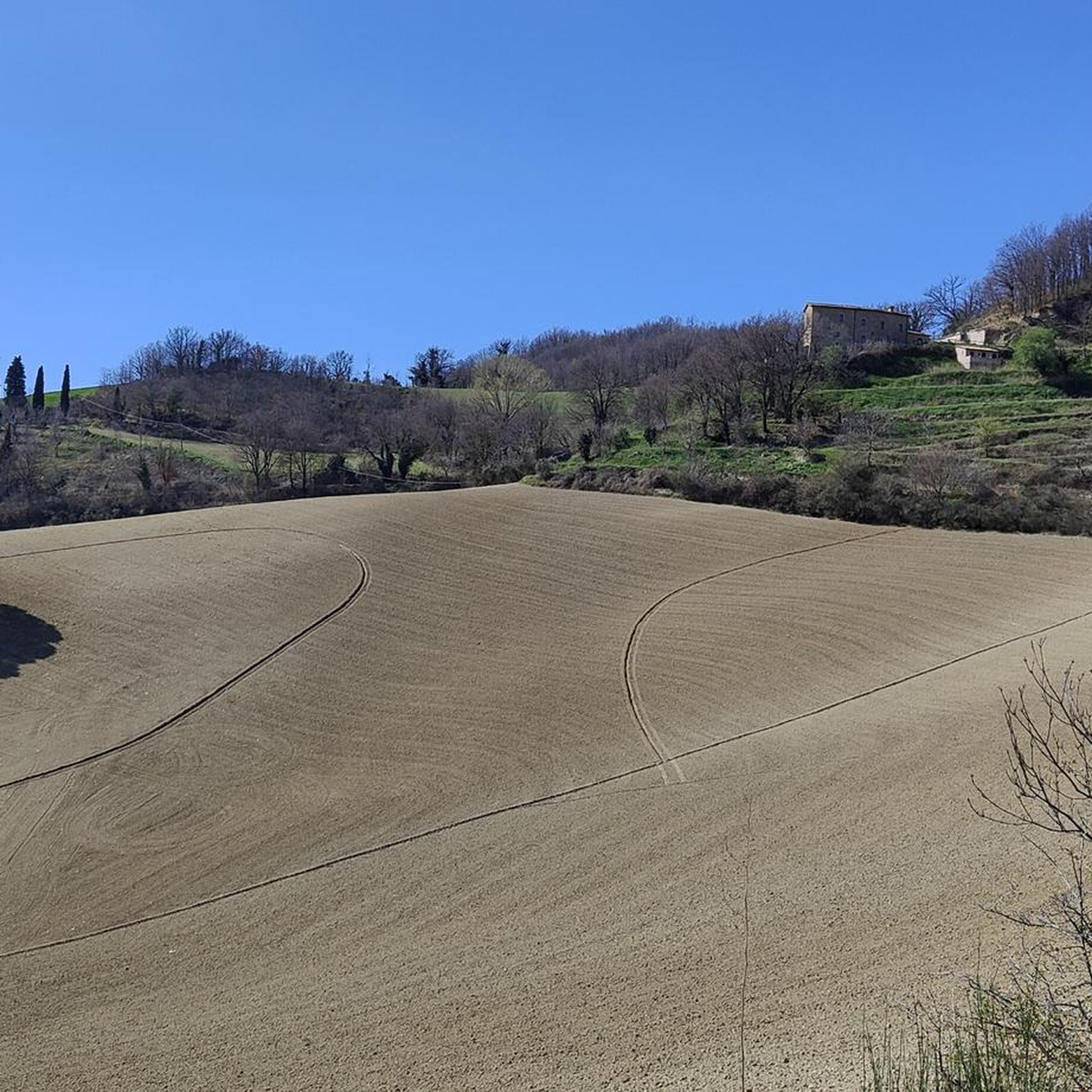
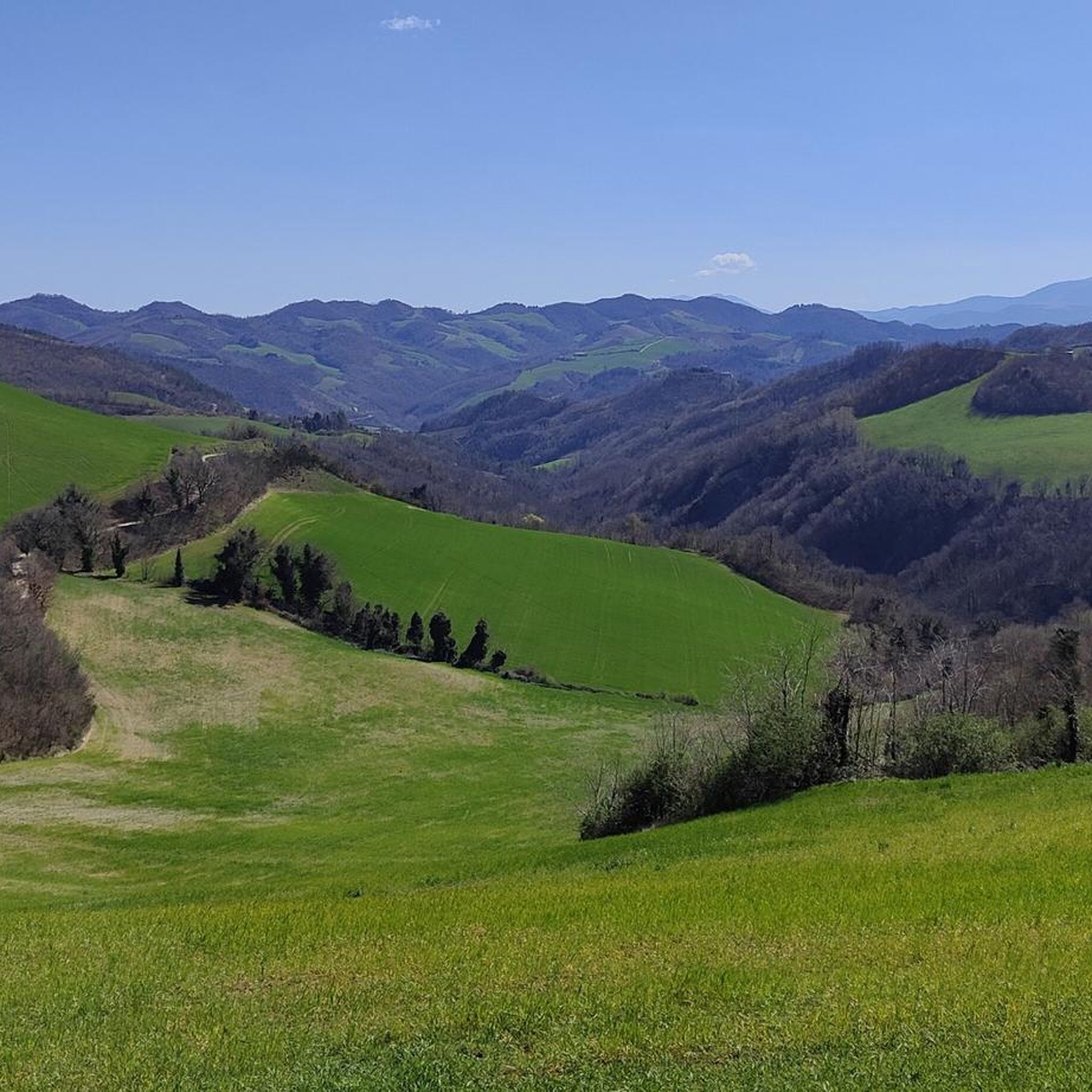
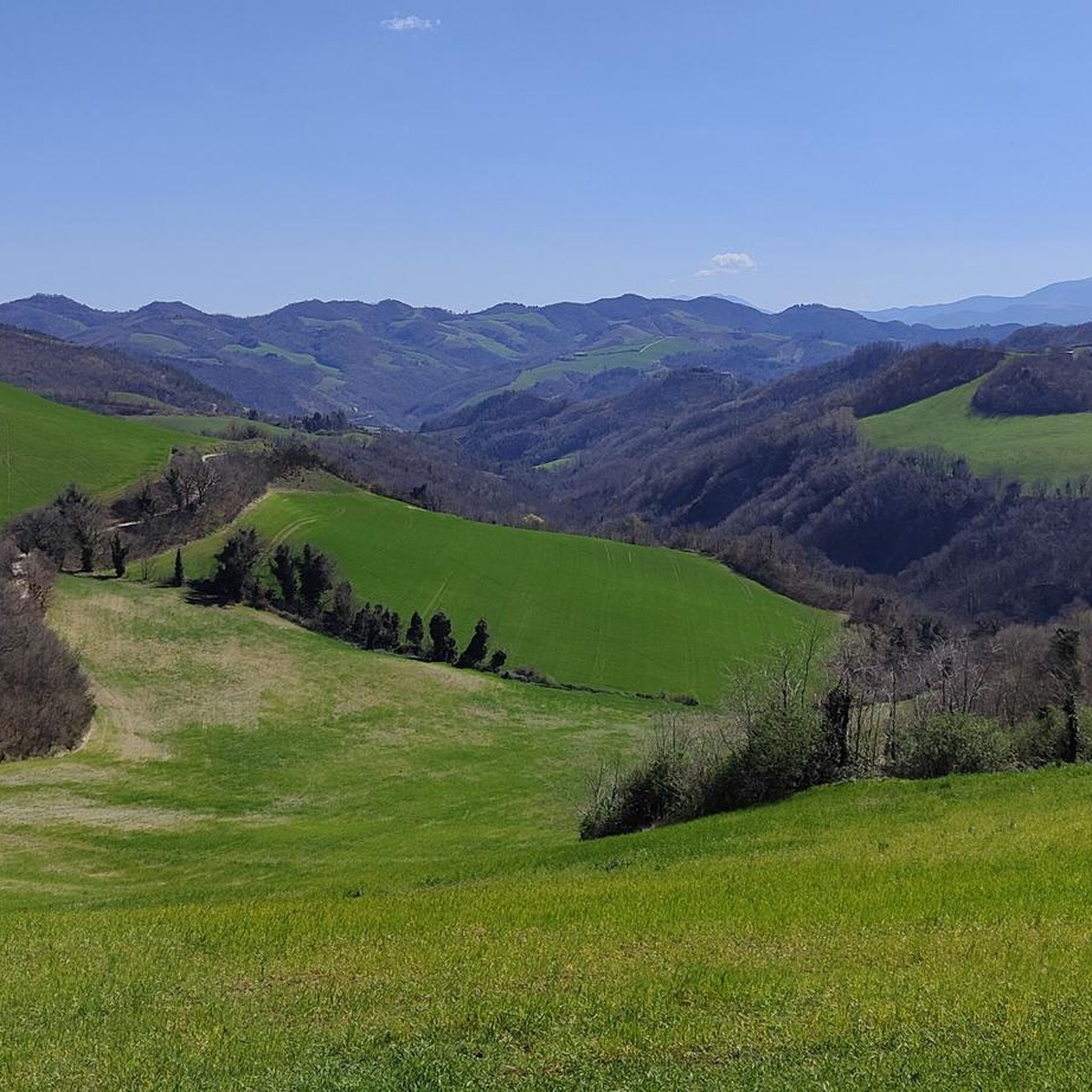
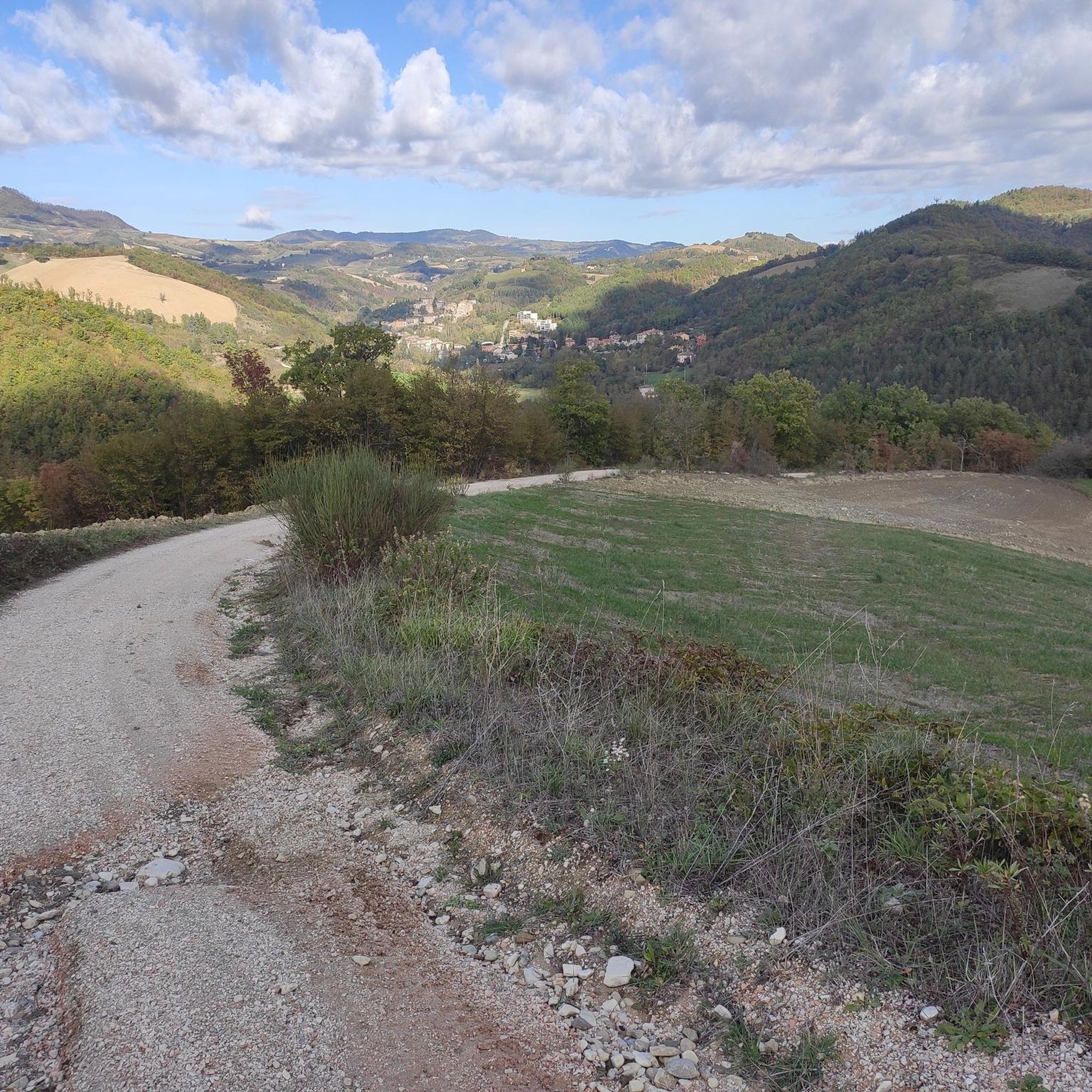
Tips from the Community

No comments needed, it has to be done... It is worth it for what it represents and also because it is quiet, without traffic.
1
1

last fortification tower of the complex, with a great view of the valley, from there you can go back to the castle or a small narrow path leads towards the valley
0
0

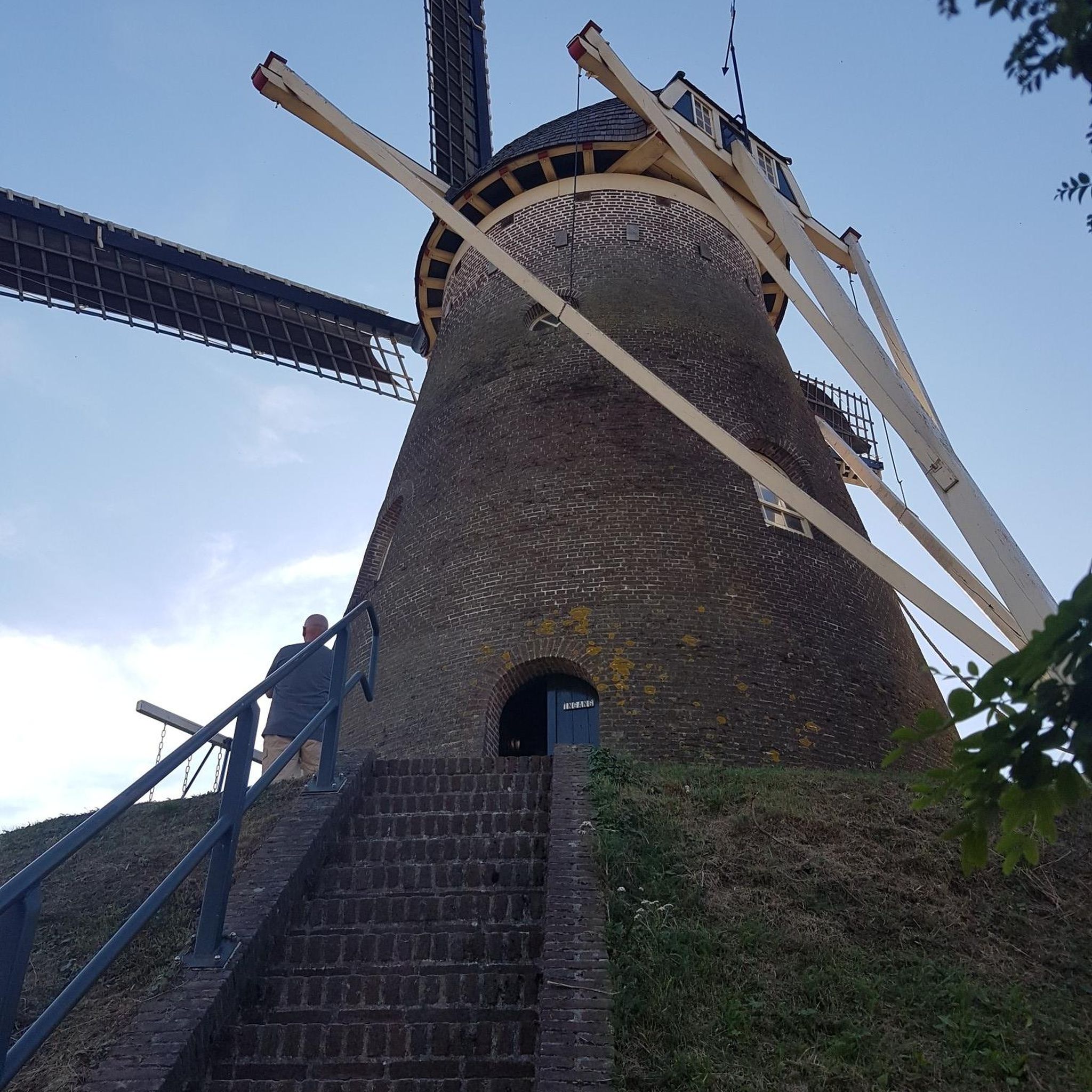
The Third Tower known as the Montale Tower dates back to the late 13th century. It is the “smallest” in size, but it played a strategic role in defense: in fact, it is placed in the best position for lookout. It is a fortress with a pentagonal plan, restored several times over the centuries, most recently in 1935. The interior contains an 8-meter-deep dungeon known as the “bottom of the tower.” Around the Montale can be seen very old large boulders of rock, stacked in a primitive manner in the guise of walls. The section of wall leading from the Second Tower to the parking lot of the ancient quarry belongs to the remains of the second city wall built in the 13th century. The city of San Marino, in fact, was fortified by three sets of walls built at three different times and largely torn down to allow the city to expand. This tower is not open to the public for visits and can only be admired from the outside.
1
0

There is a great one here, but I didn't see a door on the tower.
2
0

Everything is reminiscent of Marco Pantani
0
0

The fort of San Leo thus took on an emblematic meaning, so much so that Bembo defined them as "a very strong fort and admirable tool of war", an admirable meeting point between nature and art.
1
0

The third tower, known as the Montale Tower, dates back to the late 13th century. Although it is the "smallest" tower, it played a strategic role in defense: it is located in the best observation position. It is a fortress with a pentagonal plan, which has been restored several times over the centuries, most recently in 1935. Inside there is an 8-meter-deep dungeon called the "floor of the tower". Around the Montale you can see very old large boulders stacked in a primitive way in the shape of walls. This tower can only be visited from the outside.
0
0

You can walk between the towers with beautiful views of the valley
0
0
Frequently Asked Questions
What historical sites can I explore in Macerata Feltria?
Macerata Feltria is rich in history. You can explore the ancient hilltop "Castello" with its medieval walls and towers, reflecting its Longobard origins. Don't miss the 13th-14th century Palazzo del Podestà, which now houses the Archaeological Museum, and the adjacent Civic Tower. The Chiesa di San Michele Arcangelo, with its Romanesque features and a 1396 Crucifix by Carlo da Camerino, is also a significant historical landmark.
Are there any natural attractions or scenic viewpoints near Macerata Feltria?
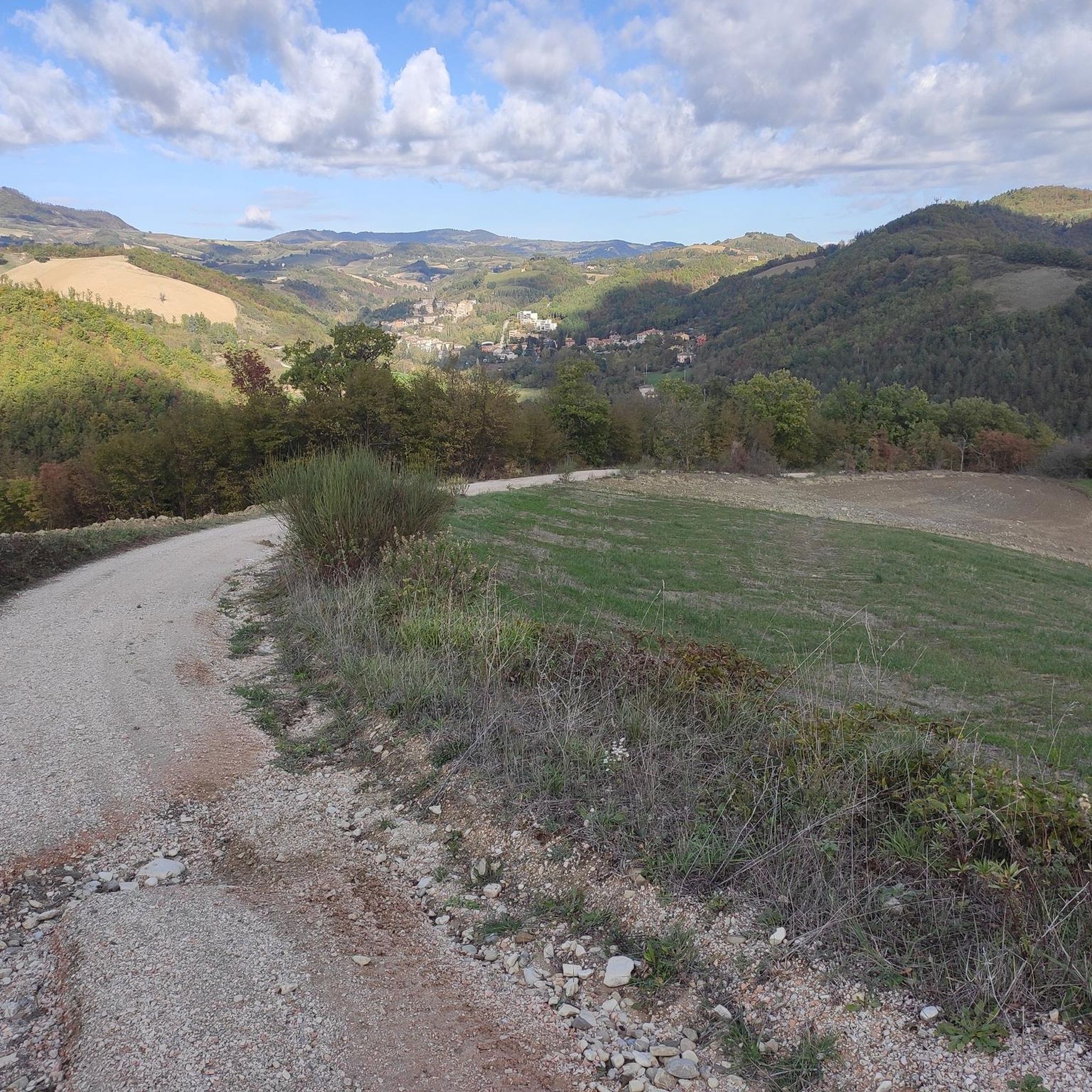
Yes, Macerata Feltria is surrounded by picturesque natural landscapes. The town is nestled amidst wooded hills and gentle mountains, offering scenic views, especially in the Upper Valley of the River Foglia. You can also find a small artificial lake with a developed path leading from the village, perfect for a nature walk. For a challenging climb with panoramic views, consider visiting Passo Marco Pantani (Cippo di Carpegna), a mountain pass renowned for its cycling history and vistas.
What outdoor activities are available around Macerata Feltria?
The area around Macerata Feltria is ideal for various outdoor activities. You can enjoy walking, cycling, and nordic walking through the surrounding hills and mountains. For more structured routes, there are numerous options for hiking, cycling, and gravel biking. Explore routes like the 'Conca Cascades – Conca Waterfalls loop' for hiking or the 'View of San Leo – Rocca di San Leo loop' for cycling. Find more details on these activities in the dedicated guides for hiking, cycling, and gravel biking around Macerata Feltria.
Are there any family-friendly attractions in the Macerata Feltria area?
Absolutely. Many historical sites are suitable for families, offering an educational and engaging experience. The Tavoleto Castle is a family-friendly historical site with a rich past. The San Leo Fortress and Historic Village also welcomes families, providing a fascinating glimpse into medieval life. Additionally, the natural surroundings, including the artificial lake, offer pleasant walks for all ages.
Where can I learn about the local culture and archaeology?
To delve into the local culture and archaeology, visit the Archaeological Museum located within the Palazzo del Podestà. It showcases findings from the Montefeltro region, including artifacts from the ancient Roman municipium 'Pitinum Pisaurense'. You can also explore the Pieve di San Cassiano in Pitino, an 11th-century Romanesque church with early medieval architectural fragments and visible Roman building walls beneath it. For a unique cultural experience, the Museo della Radio d'Epoca (Vintage Radio Museum) displays a collection of restored vintage radios.
What is the significance of the Thermal Baths of Pitinum Thermae?
The Thermal Baths of Pitinum Thermae are a significant natural attraction, utilizing natural springs like Certalto and Apsa. These springs are known for their beneficial sulphurous waters and therapeutic properties, making them a popular destination for relaxation and wellness.
What is the best time to visit Macerata Feltria for outdoor activities?
Macerata Feltria's location amidst wooded hills and gentle mountains makes it enjoyable for outdoor activities throughout much of the year. Spring and autumn generally offer pleasant temperatures for walking, cycling, and exploring historical sites. Summer can be warm but is still suitable, especially in the mornings and evenings. Winter activities are also possible, though some higher elevation routes might be more challenging.
Are there any unique or hidden gems to discover in Macerata Feltria?
Beyond the main attractions, Macerata Feltria holds several unique spots. The Borgo Antico Fortificato, the medieval fortified village, offers a deep dive into the town's origins. The Palazzo Gentili Belli, an 19th-century industrial architecture example that once housed a silk spinning mill, provides a glimpse into the region's industrial past. Exploring the narrow streets of the 'Castello' part of town can also reveal charming, less-trafficked corners.
What is the Montale Tower and its historical importance?
The Montale Tower is a 14th-century watchtower, one of the three towers of San Marino. It played a crucial role during wars against the Malatesta family, who ruled the surrounding area. Located on Monte Titano, it's the smallest of San Marino's three towers and offers historical significance as part of the city's defense system.
What do visitors enjoy most about Macerata Feltria?
Visitors frequently appreciate Macerata Feltria's captivating blend of historical depth, architectural beauty, and natural tranquility. The opportunity to explore ancient fortified villages, visit significant churches, and immerse oneself in the Montefeltro region's cultural heritage is highly valued. Many also enjoy the scenic beauty of the surrounding hills and the various outdoor activities available, from challenging climbs like Passo Marco Pantani to leisurely walks around the artificial lake.
Can I visit other notable villages or fortresses nearby?
Yes, Macerata Feltria serves as an excellent base for exploring other beautiful villages and fortresses in the Montefeltro area. Nearby places of interest include Sassocorvaro, Monte Cerignone, and Frontino. A particularly noteworthy site is the Fortress of San Leo, an imposing structure located on a prominent rock formation, known for its artistic and architectural significance.
Is Macerata Feltria recognized for its beauty?
Yes, Macerata Feltria is officially recognized as one of 'Italy's Most Beautiful Villages' ('Borghi più belli d'Italia'). This designation highlights its charm, historical significance, and picturesque setting, making it a truly authentic Italian destination.
Most popular routes around Macerata Feltria
Most popular attractions around Macerata Feltria

Get inspired with the komoot mobile app


Explore more
Still not found the Highlight you’re looking for? See guides of the top attractions in other regions:
