Attractions and Places To See around Lenola - Top 20
Best attractions and places to see around Lenola include a variety of historical sites, cultural landmarks, and natural features within this hill town in the province of Latina, Italy. Lenola is situated within the Ausoni Mountains, offering a landscape of rocky mountains and Mediterranean habitats. Visitors can explore ancient structures, significant cultural sites, and picturesque natural points of interest both within the town and its immediate surroundings. The area provides opportunities to discover its rich history and natural beauty.
Best…
Last updated: August 30, 2026
Birdwatching on Lake Fondi
Highlight • Viewpoint
Translated by Google •
Tip by

Temple of Apollo and Fortino di Sant'Andrea
Highlight • Historical Site
Translated by Google •
Tip by

Sign up now to discover places like this
Get recommendations on the best single tracks, peaks, & plenty of other exciting outdoor places.
Sign up for free
Renaissance Bridge and the Epitaffio Monument
Highlight • Bridge
Translated by Google •
Tip by
Via Appia Antica between Fondi and Itri
Highlight (Segment) • Historical Site
The route is set up with didactic panels that describe the …
Translated by Google •
Tip by

Sette Acque Spring
Highlight • Natural Monument
Translated by Google •
Tip by
Sign up for free to discover even more attractions around Lenola.
Sign up for free
Already have an account?
Start today with a free account
Your next adventure awaits.
Login or Signup
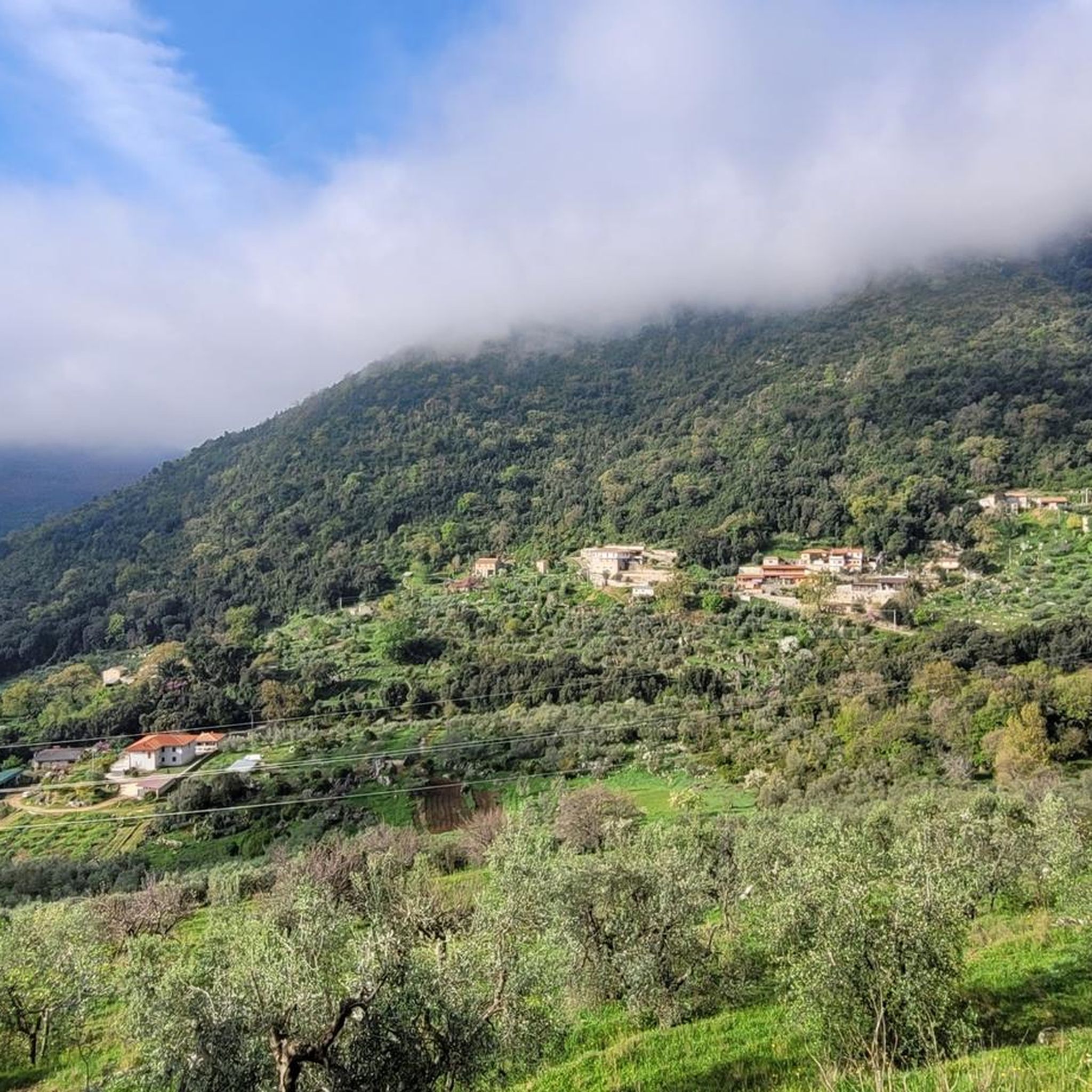
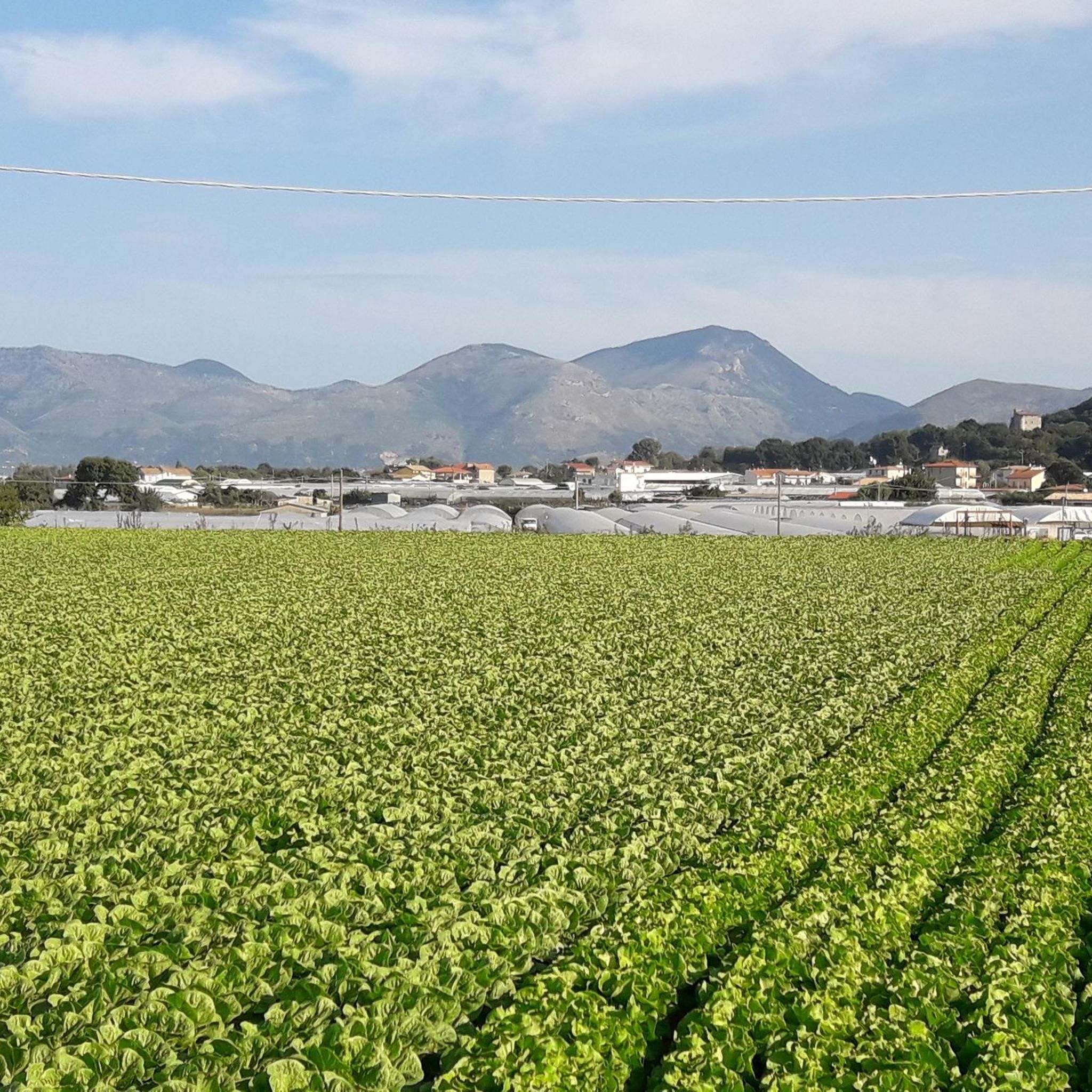
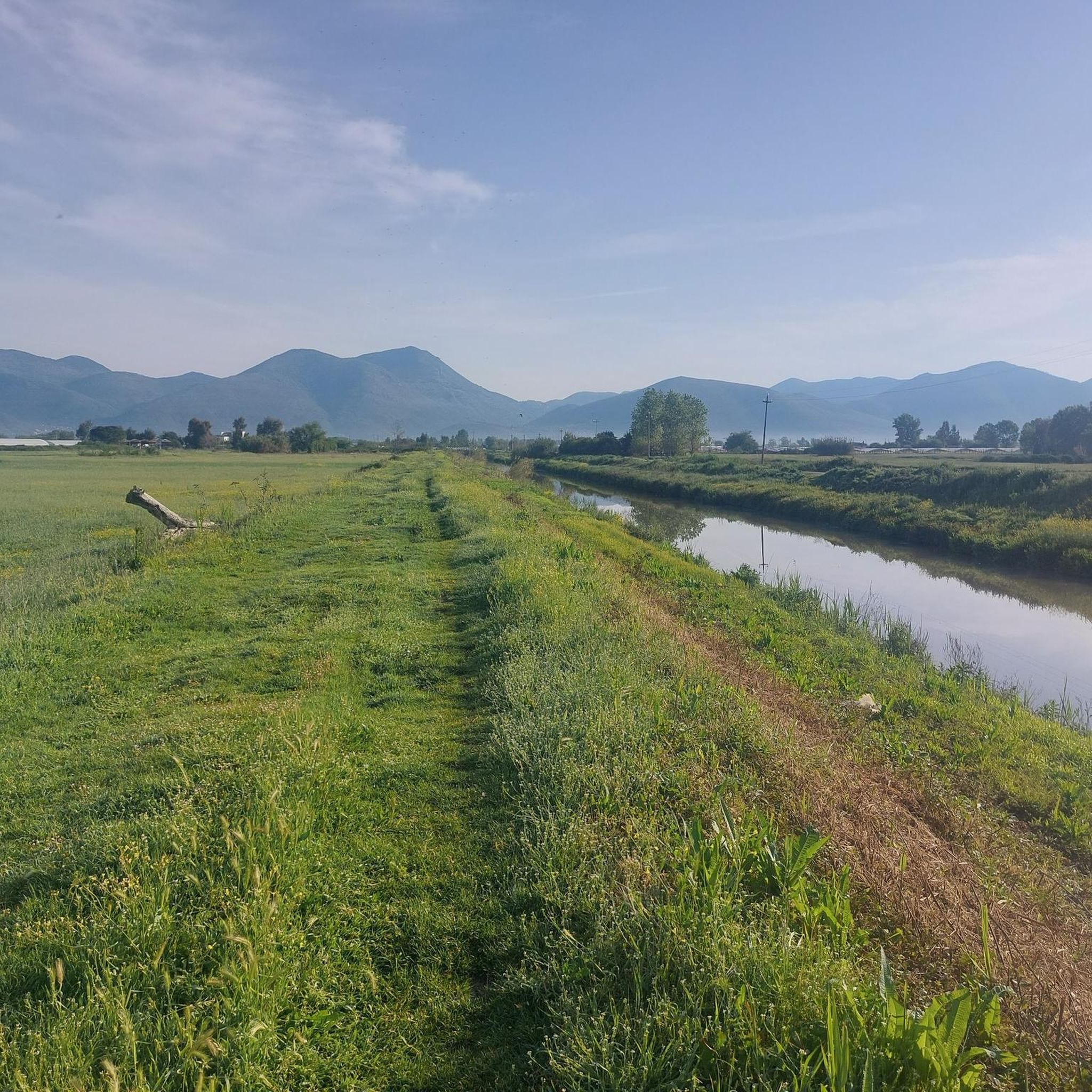
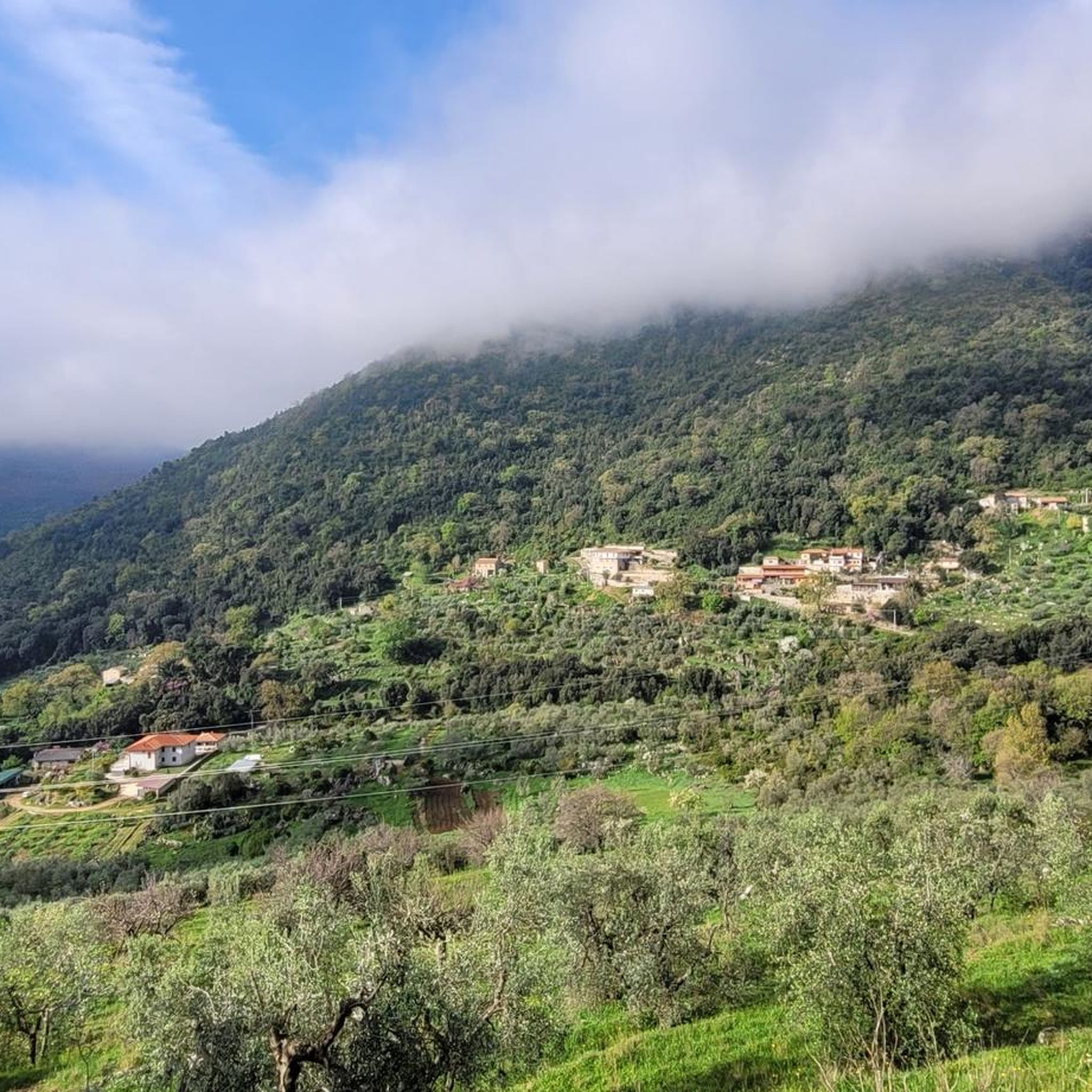

Tips from the Community

Located on the route of the ancient Appian Way and the Via Francigena, on the Fondi-Itri stretch.
0
0
Appia Antica stretch from Fondi to Itri, it is not very long, but absolutely worth visiting.
0
0

Crossing the impervious gorge of Sant'Andrea on the stretch of the Appia Antica that connects Fondi to Itri, you come across an enchanting Renaissance bridge. Next to it, a historical epitaph tells stories of the past, embellishing this journey with a unique charm and rich historical context.
1
0
The remains of the Temple of Apollo stand majestically along the route of the Appia Antica which connects Fondi to Itri. Located in the evocative and impervious Sant'Andrea Gorge, this historic site offers a fascinating blast from the past, enriching the journey between these two cities with a touch of mystery and ancient beauty.
1
0

Section of the ancient old Appian Way on the route of the southern Via Francigena, it is located between Fondi and Itri. Best traversed by mountain bike, sections to be done on foot.
0
0

Wonderful observation point of Lake Fondi
1
0

Around the fjords of the lake of Fondi you must always cycle the canonical tour of 57km dafare. In spring or autumn.
2
0

The Via Appia Antica goes from Porta Capanea, near the Circus Maximus, in Rome, up to toast. Its construction represented for antiquity a work of extraordinary importance both from an engineering point of view and for the numerous historical implications that occurred during its construction. The initial project, commissioned by the Consul Appius Claudius in 312 BC, provided for its interruption in the city of Capua (now Santa Maria Capua Vetere) and was only subsequently lengthened during the Roman expansion in the South, until it reached Brindisi, in 191 BC. With the annexation of the latter city, the road officially became the main commercial artery of the South, indispensable not only for land trade but also for overseas trade. Appio Claudio's project involved the construction of a rapid route connecting the "Caput Mundi", Rome, with Capua, then the third largest city in Italy in terms of importance and size, second only to Rome and Taranto. Before this project, the only way to reach the city was to use a winding and adverse route, not designed for a quick connection and therefore formed by the intersection of several independent streets. The work, as mentioned, represented an epochal challenge for the time, since, in order to achieve the purpose of a safe and easy-to-cross connection, natural obstacles on the path, such as hills, mountains or rivers, were not taken into account. The idea therefore envisaged the creation of a single route that pointed straight to Capua, ignoring other nearby cities, which could then be reached via secondary roads as is the case, to make a parallel, with our modern highways.
0
0
Frequently Asked Questions
What historical landmarks can I explore within Lenola itself?
Lenola offers several significant historical sites. You can visit the Madonna del Colle Basilica, a 17th-century church reached by the 110-step 'Scalinata della Pace' with peace-themed mosaics. The basilica also features an 18th-century painting and a panoramic view. Another notable site is the Palazzo Baronale, a medieval castle built on the highest point of the village, which served as a defensive post.
Are there any ancient ruins or archaeological sites near Lenola?
Yes, beyond the town, you can find the Castrum di Ambrifi, ruins of a medieval suburb including a church and a surviving castle tower. Additionally, along the Appia Antica route connecting Fondi to Itri, you can explore the remains of the Temple of Apollo and Fortino di Sant'Andrea, a historic site in the Sant'Andrea Gorge that has seen numerous battles.
What natural attractions are there to see around Lenola?
Lenola is nestled within the Monti Aurunci Nature Reserve, offering a landscape of rocky mountains and Mediterranean habitats. You can also visit Acquaviva Hill for magnificent views of the Ausoni Mountains, Fondi Lake, and the Circeo Promontory. For a unique natural feature, the Sette Acque Spring gushes out on contact with limestones and offers a beautiful, tranquil setting.
Can I go birdwatching near Lenola?
Absolutely. Birdwatching on Lake Fondi is a popular activity. Along via Canale San Biagio, numerous piers provide opportunities to observe the local lake ecosystem up close, with a shed available for discreet observation.
Are there any historical roads or bridges to explore?
Yes, the Appia Antica route between Fondi and Itri is rich in history. You can discover the Renaissance Bridge and the Epitaffio Monument, which features an enchanting Renaissance bridge and a historical epitaph. This section of the ancient Appian Way is also a historical site in itself, well-preserved and equipped with didactic panels.
What kind of outdoor activities can I do near Lenola?
The area around Lenola is excellent for outdoor activities. You can find various hiking trails, including routes to Monte Faggeto within the Parco Regionale dei Monti Aurunci. There are also MTB trails and gravel biking routes that explore the scenic landscapes.
Are there family-friendly attractions or activities in the Lenola area?
Many attractions around Lenola are suitable for families. The Temple of Apollo and Fortino di Sant'Andrea is listed as family-friendly, offering an engaging historical experience. Birdwatching on Lake Fondi is also a calm and educational activity for all ages. Easy hiking trails, such as the 'Hermitage of Santa Maria Romana' loop, are available for family walks.
What is the best time of year to visit Lenola for outdoor activities?
Spring and autumn are generally ideal for outdoor activities around Lenola. The weather is milder, making it comfortable for hiking, cycling, and exploring historical sites. During these seasons, the natural landscapes are particularly vibrant, and the temperatures are pleasant for extended periods outdoors.
Are there any churches in Lenola with unique historical or cultural significance?
Yes, Lenola has several churches with rich histories. The Madonna del Latte Church, built in the 7th century on a pagan temple site, has an ancient tradition linked to a fresco aiding breastfeeding. The Santa Maria Maggiore Church, dating from the 15th century, has undergone numerous architectural changes, while the San Giovanni Evangelista Church is noted as one of Lenola's oldest. The Chiesa della Madonna delle Benigne Grazie is a typical 10th-century country church featuring a 'Madonna and Child' fresco.
What views can I expect from the viewpoints around Lenola?
From various viewpoints, you can enjoy breathtaking vistas. Mount Appiolo, within the Monti Aurunci Nature Reserve, offers panoramic views of Lenola, the Fondi Plain, the Pontine Islands, and the Mountains of Abruzzo. Acquaviva Hill also provides magnificent views of the Ausoni Mountains, Fondi Lake, and the Circeo Promontory.
What is the 'Valle di Annibale' and its historical importance?
The 'Valle di Annibale' (Hannibal's Valley) is a historically significant area where Hannibal's army reportedly clashed during its march along the Appian Way towards Rome around 217 BC. Remains of armor have been found here, underscoring its role in ancient history.
Are there any day trip options from Lenola to nearby towns or attractions?
Yes, a notable day trip option is to Sperlonga, home to the Villa of Tiberius. This large Roman villa, belonging to Emperor Tiberius, utilized a natural cave on the coast as a party hall and featured huge marble statues, offering a fascinating glimpse into Roman imperial life.
Most popular attractions around Lenola

Get inspired with the komoot mobile app


Explore more
Still not found the Highlight you’re looking for? See guides of the top attractions in other regions:
