Attractions and Places To See around Tuili - Top 20
Best attractions and places to see around Tuili, a village in Sardinia, Italy, offer a blend of natural beauty and historical significance. Situated at the foot of the Giara plateau in the Marmilla region, the area is characterized by its unique natural features and rich cultural heritage. Visitors can explore ancient sites, traditional architecture, and diverse ecosystems. The region provides opportunities to experience Sardinia's history and natural landscape.
Best attractions and places to see around Tuili
- The most popular attractions…
Last updated: October 5, 2026
Pinnettas Shepherd Huts
Highlight • Mountain Hut
Translated by Google •
Tip by

Su Nuraxi Archaeological Site
Highlight • Historical Site
P.S. In addition to the area, with the same ticket (€15) you can also visit the Casa Zappata museum
Showing Translation
Tip by

Sign up now to discover places like this
Get recommendations on the best single tracks, peaks, & plenty of other exciting outdoor places.
Bruncu Madugui village and nuraghe
Highlight • Historical Site
The main building is of considerable architectural importance, …
Translated by Google •
Tip by

Pauli Maiori Wetland
Highlight • Lake
Tip by

Giara Plateau Park
Highlight • Natural Monument
Translated by Google •
Tip by

Sign up for free to discover even more attractions around Tuili.
Already have an account?
Start today with a free account
Your next adventure awaits.

Tips from the Community

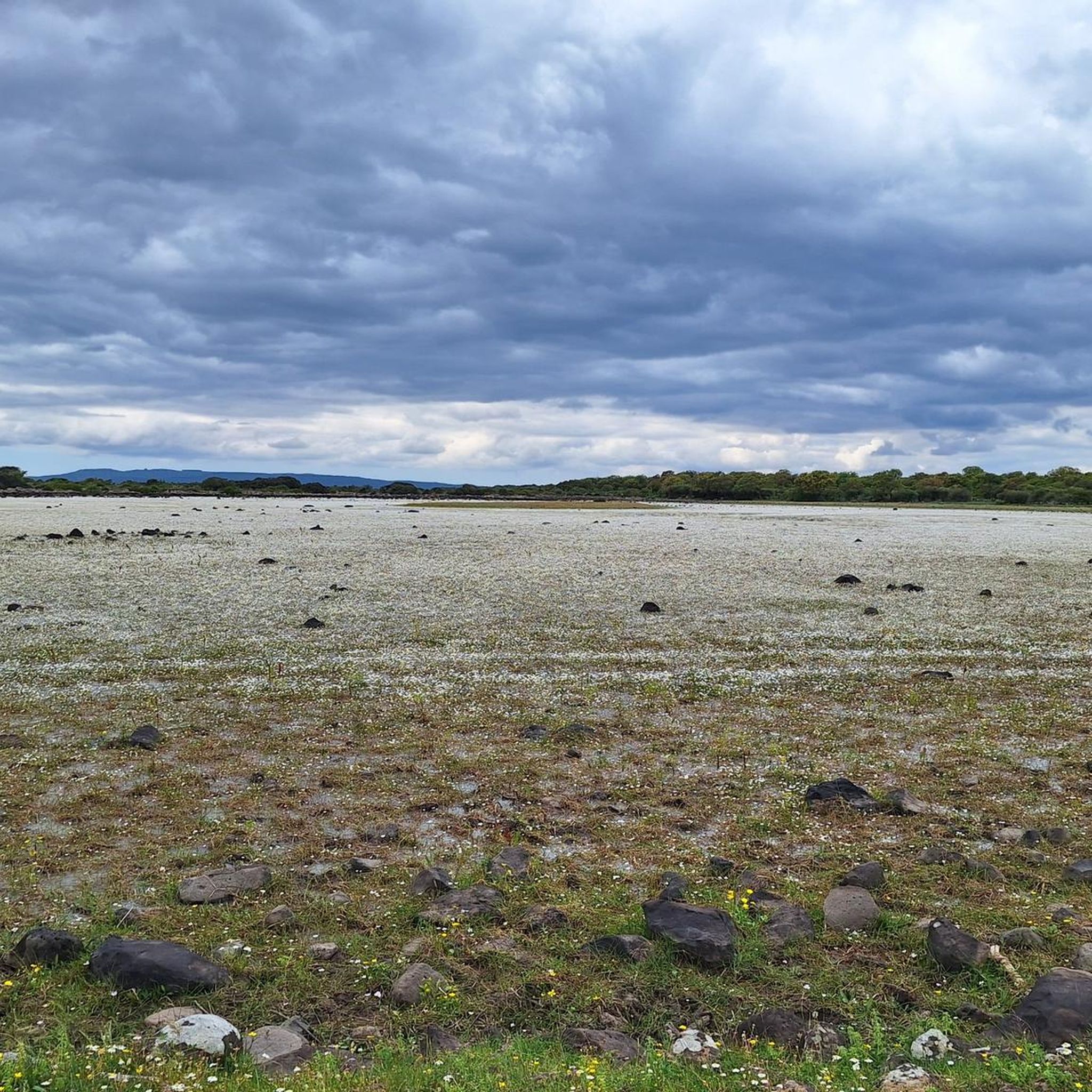
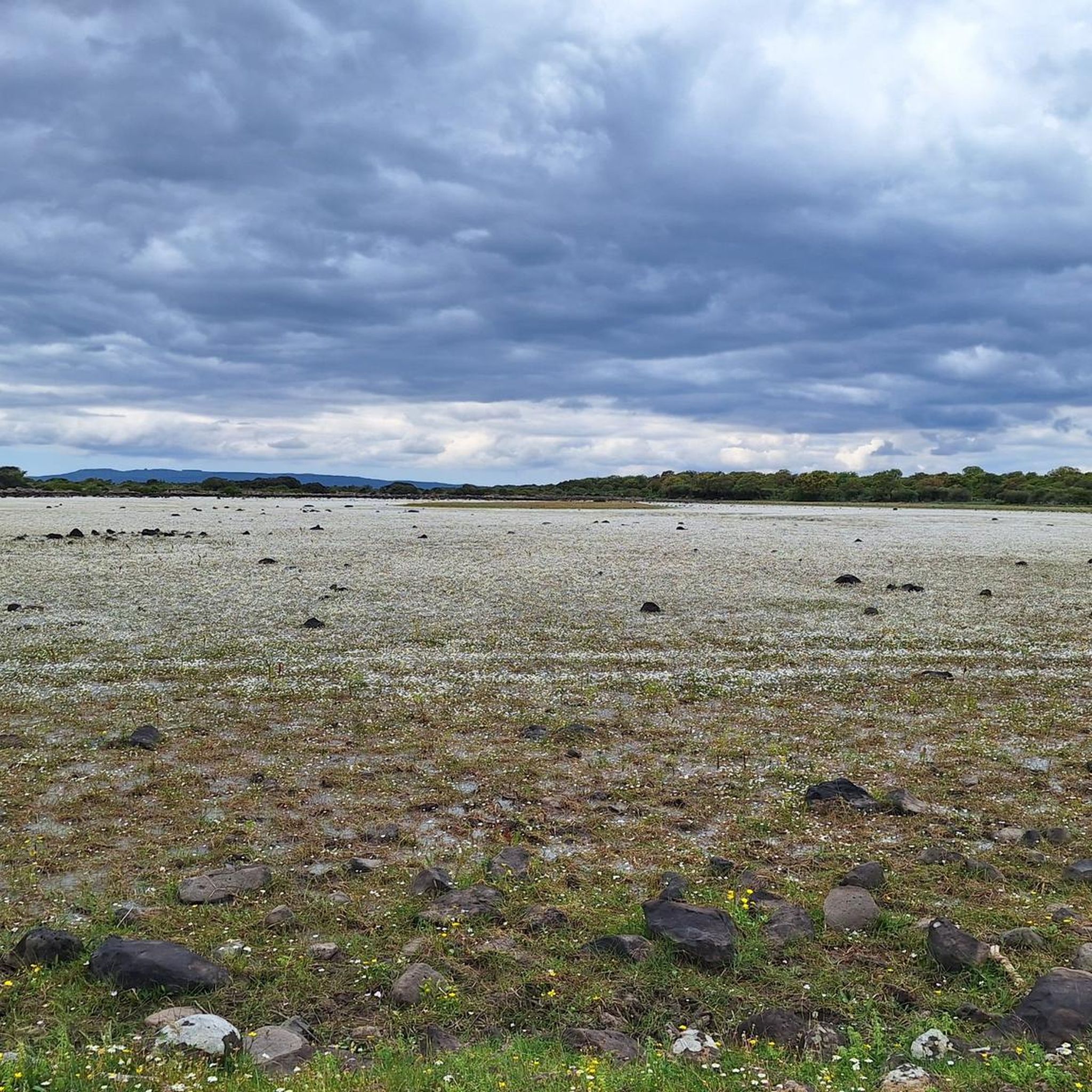
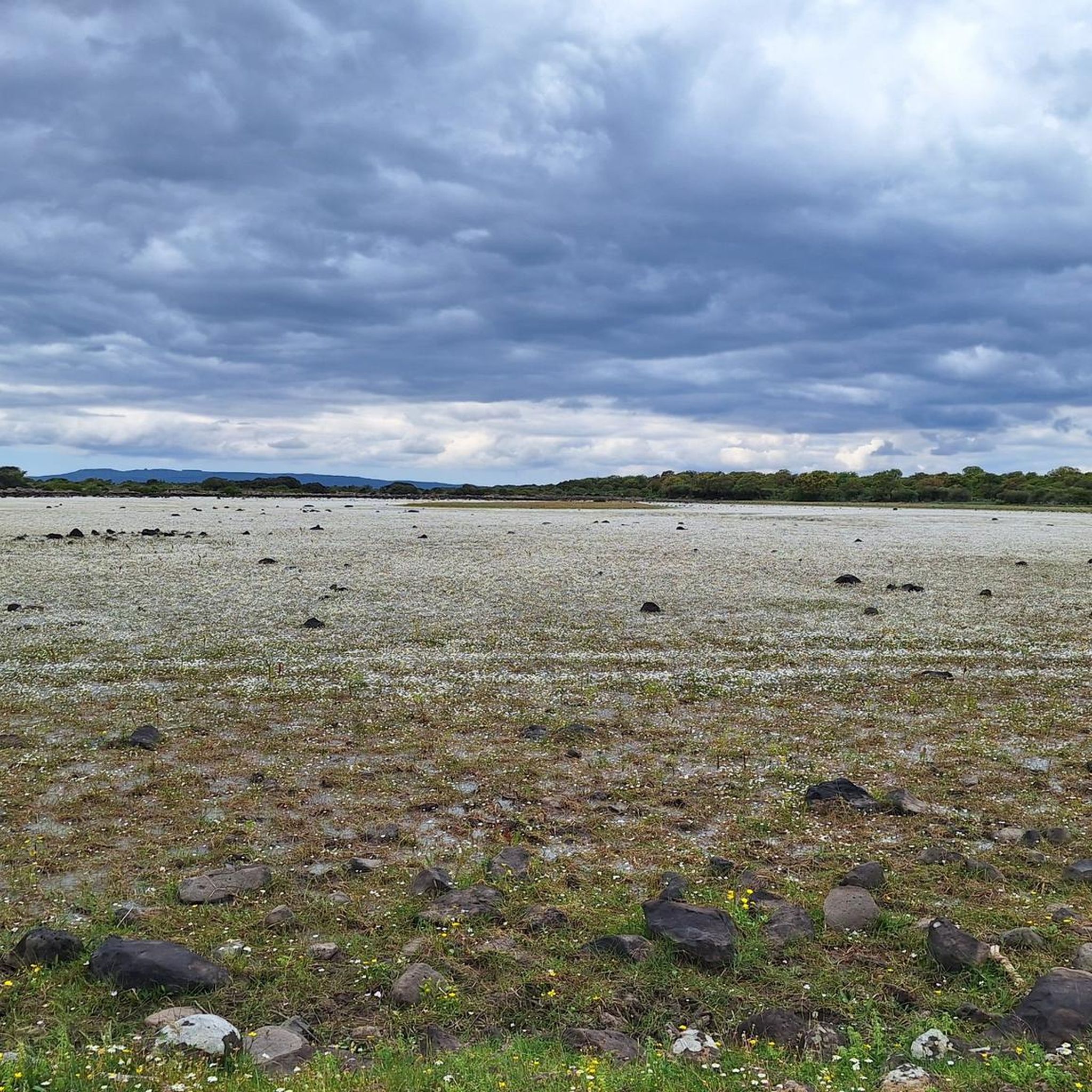
In summer the lake is dry, but there is a good chance of seeing wild horses at the nearby springs.
0
0

The German-language television series “Treasures of the World – Heritage of Humanity” – which I can recommend without reservation – devotes a quarter-hour report to the UNESCO World Heritage Site of the “NURAGHI” in Sardinia and the traditional shepherds’ song known there as “Canto a Tenore”. The accompanying text to the programme states: “Over seven thousand round towers made of stone blocks weighing several tons are scattered all over Sardinia. Often only the stumps of these megalithic buildings, called nuraghi, remain. The first were built around 1400 BC. Small stones were placed between the mighty blocks, a construction method that made the stone towers safe from collapse." This article (episode 413 of the series) can be accessed in the ARD media library at the following link => https://www.ardmediathek.de/video/schaetze-der-welt/sardinien/3sat/Y3JpZDovL3N3ci5kZS8xNTg4MzM5MA
1
0

Here you can see wild horses and lots of insects. We saw the horses at the lake, it was really magical 🤩
1
0
There is a documentary about the model for this modern, but reminiscent of ancient models, documentation - which in my opinion is fully recommended: The German-language television series "Treasures of the World - Heritage of Humanity" is dedicated to the UNESCO world cultural heritage of the "NURAGHI" in Sardinia and a fifteen-minute contribution to the traditional shepherd's song known there as “Canto a Tenore”. The text accompanying the program says “Over seven thousand round towers made of stone pieces weighing tons are scattered all over Sardinia. Often only the stumps of these megalithic buildings, called nuraghi, remain. The first were around 1400 BC. Built. Small stones were placed between the mighty blocks, a construction method that made the stone towers collapse-proof.” This article (episode 413 of the series) is available in the ARD media library under the following link: https://www.ardmediathek.de/video/schaetze-der-welt/sardinien/3sat/Y3JpZDovL3N3ci5kZS8xNTg4MzM5MA
3
0

Detailed information about this archaeological highlight can be found at: https://virtualarchaeology.sardegnacultura.it/index.php/de/archaeologischer-fundplatz/periodo-nuragico/villaggio-nuragico-di-su-nuraxi Very impressive. The 15 EUR should be invested.
0
0
Detailed information about this archaeological highlight can be found at: https://virtualarchaeology.sardegnacultura.it/index.php/de/archaeologischer-fundplatz/periodo-nuragico/villaggio-nuragico-di-su-nuraxi Brochure with 3D reconstruction: https://virtualarchaeology.sardegnacultura.it/images/guide/Campidano/Medio-Campidano_Tedesco.pdf Already very impressive. The 15 EUR should be invested.
1
0

The complex overlooks the edge of the Giara, a basaltic plateau on the border between the regions of Marmilla, Sarcidano and Arborea. The main building is of considerable architectural importance, as it belongs to the type of protonuraghi or "corridor" nuraghi. It is a mighty construction in the Cyclopean work of irregular blocks of basalt. source Sardinia Culture
1
0

Near the Giara plateau in the central-southern part of Sardinia, stands the ultimate symbol of Nuragic culture, the only Sardinian cultural site that is a UNESCO World Heritage site. Barumini has a very special atmosphere: since prehistoric times, the present-day location was a center of power and an important reference point for a rich, fertile region, the Marmilla. As a testament to this, Su Nuraxi stands here, the most impressive (and best-preserved of thirty Nuragic sites in the area around Barumini, as well as the most important legacy left to us by the Torre culture. The archaeological area includes a Nuragic complex and a vast village of huts, a unique site that UNESCO declared a World Heritage site in 1997. The impressive site came to light during excavations led by Giovanni Lilliu in the mid-20th century. The cultural center, located just a few steps from the Nuraghe, is named after the "father" of Sardinian archaeology. Su Nuraxi is built of basalt, a volcanic rock originating from the nearby Giara Natural Park. It shows a superposition of material over two thousand years, from the 16th century BC to the 7th century AD. Source: https://www.sardegnaturismo.it/de/entdecken/su-nuraxi The site can only be visited as part of a guided tour. Tours are offered in Italian and English. Further information can be found here: http://www.fondazionebarumini.it/it/area-archelogica-su-nuraxi/
0
1
Frequently Asked Questions
What natural attractions can I explore around Tuili?
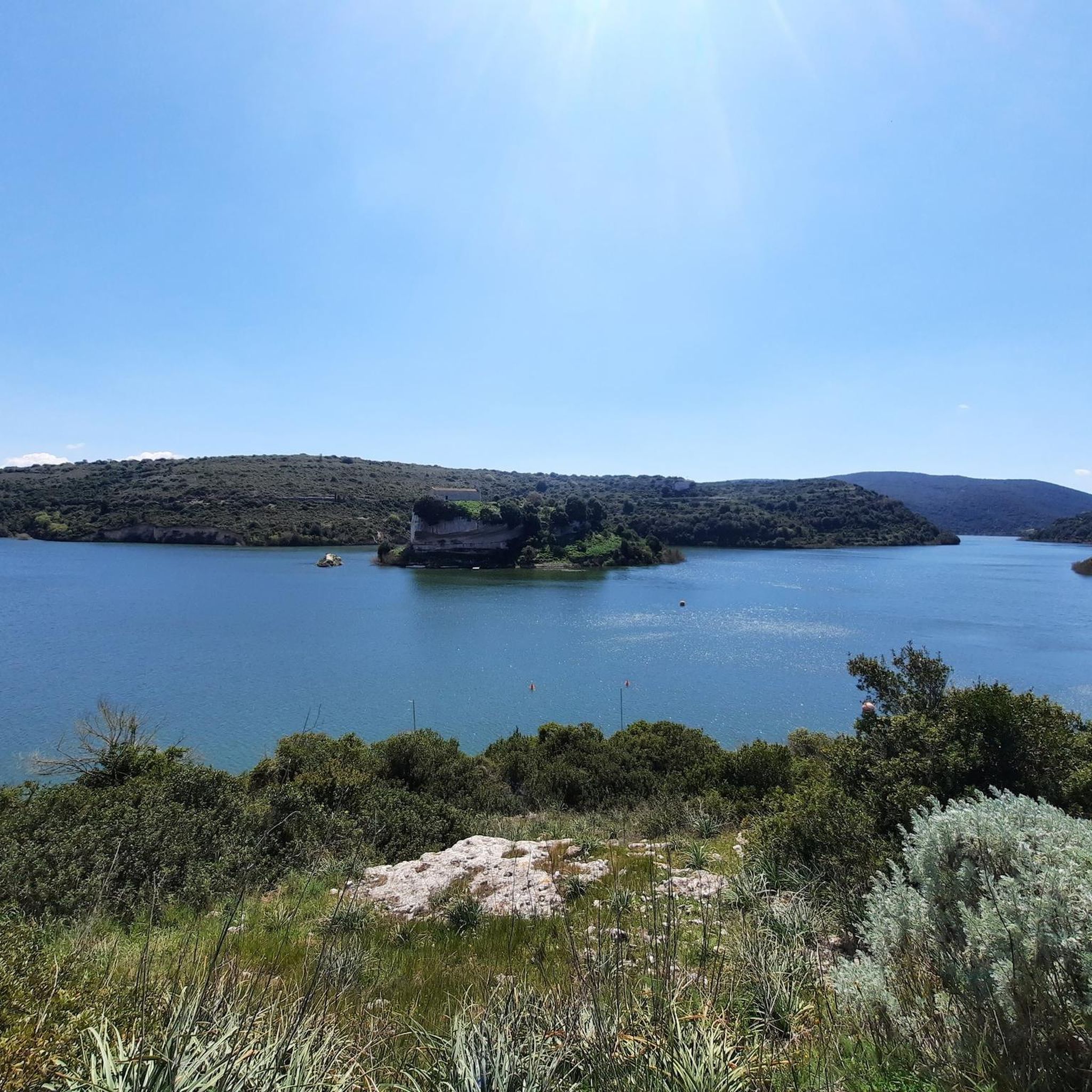
The region around Tuili is rich in natural beauty. You can visit the Giara Plateau Park, famous for its unique ecosystem and the wild horses known as "Cavallini della Giara." Another significant natural area is the Pauli Maiori Wetland, a lake known for its incredible views and the chance to spot these rare wild horses.
What historical sites are there to visit near Tuili?
Tuili and its surroundings offer a deep dive into history. The most prominent is the Su Nuraxi Archaeological Site, a UNESCO World Heritage site showcasing Sardinia's prehistoric Nuragic civilization. You can also explore the Bruncu Madugui village and nuraghe, an archaeological site featuring a unique "corridor" nuraghe. For a glimpse into more recent history, the Pinnettas Shepherd Huts represent traditional shepherd dwellings from the 1960s, built with ancient methods.
Are there family-friendly attractions in Tuili?
Yes, several attractions are suitable for families. The Giara Plateau Park and Pauli Maiori Wetland are great for wildlife spotting, especially the wild horses. Nearby, the Sardegna in Miniatura Park offers a fun and educational experience with scale reproductions of Nuraghe and dinosaurs, providing a unique way to learn about the island's history.
What unique cultural or architectural features can I find in Tuili?
Tuili's historic center is characterized by well-preserved Campidanese-style houses and manor houses with distinctive portals and coats of arms. You can also visit noble villas like Villa Pitzalis and Villa Asquer, the latter housing the Olive and Oil Museum and the Museum of Sardinian Musical Instruments. The village also features two distinct churches: the Spanish colonial-style Church of Sant'Antonio and the Catalan Gothic Parish Church of San Pietro, which contains a famous altarpiece by the "Maestro di Castelsardo" from 1500.
What kind of wildlife can I expect to see on the Giara Plateau?
The Giara Plateau is most famous for its wild horses, the "Cavallini della Giara." Beyond these rare horses, the plateau is home to diverse wildlife including weasels, hares, martens, foxes, and various birds of prey such as goshawks and peregrine falcons. The seasonal ponds, known as "paulis," also attract different species.
Are there hiking opportunities around Tuili?
Absolutely. The area around Tuili, particularly the Giara Plateau, offers excellent hiking. You can find trails like the "Pauli Piccia Wild Horses – Pinnettas Shepherd Huts loop" or the "Ancient Cork Oak – Pauli Piccia Wild Horses loop." For more detailed routes and options, explore the Hiking around Tuili guide.
Can I go cycling near Tuili's attractions?
Yes, cycling is a popular way to explore the region. There are various routes, such as the "Giara ponies – Giara di Gesturi Plateau loop" or the "Su Nuraxi Archaeological Site – Giara di Gesturi Plateau loop." You can find more cycling routes and details in the Cycling around Tuili guide.
What is the Olive and Oil Museum in Tuili?
Located within Villa Asquer, the Olive and Oil Museum illustrates the rich olive tradition of Sardinia. It showcases ancient pictures, stories, agricultural tools, and 19th-century oil machinery, providing insight into the historical process of olive oil production in the region.
What is the significance of the altarpiece in the Parish Church of San Pietro?
The Parish Church of San Pietro houses a renowned altarpiece created in 1500 by the "Maestro di Castelsardo." This artwork is considered one of Sardinia's most significant expressions of Renaissance art, making it a key cultural highlight within the church.
Are there running trails available around Tuili?
Yes, if you enjoy running, there are several trails around Tuili. Options include a "Running loop from Tuili" which is an easy route, or more challenging loops from nearby villages like Gèsturi/Gesturi or Nureci. Discover more routes in the Running Trails around Tuili guide.
What are 'paulis' on the Giara Plateau?
Paulis are seasonal ponds found on the Giara Plateau. These temporary bodies of water are crucial to the plateau's ecosystem, providing water for the wild horses and other wildlife, and supporting diverse plant life, especially during the wetter seasons.
Most popular attractions around Tuili

Get inspired with the komoot mobile app


Explore more
Still not found the Highlight you’re looking for? See guides of the top attractions in other regions:
