Attractions and Places To See around Trecastagni - Top 20
Attractions and places to see around Trecastagni include a variety of historical, cultural, and natural sites. Situated on the slopes of Mount Etna, the town offers views of the volcano and the coastline. The area is characterized by its volcanic landscape, featuring both active and extinct cones. Trecastagni also contains numerous historic buildings and religious sites reflecting its past.
Best attractions and places to see around Trecastagni
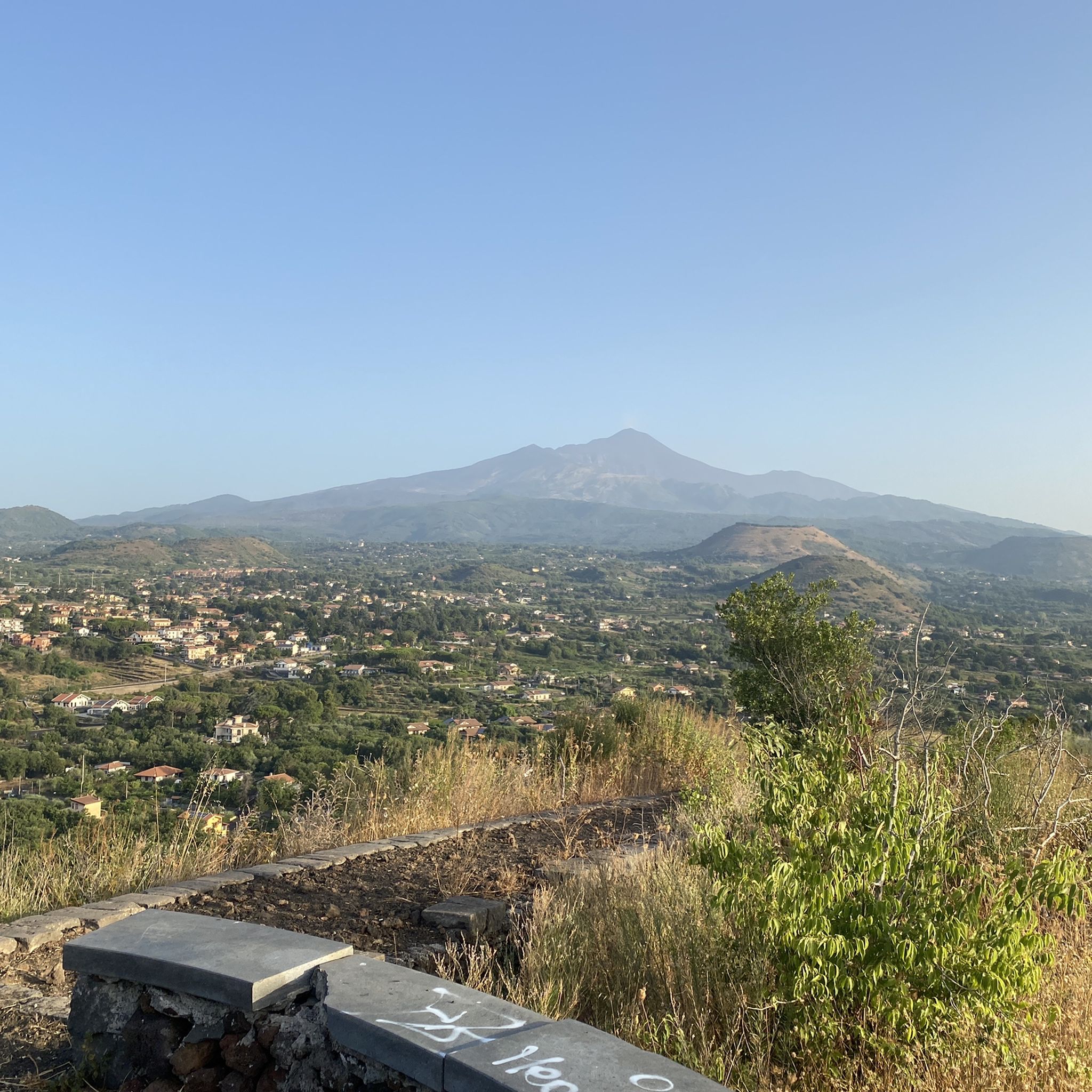
- The most popular attractions is Summit Craters of Mount Etna, a volcano that offers a unique, wild landscape. As Europe's largest active volcano, it provides extensive views from its summit.
- Another must-see spot is Laghetto Crater, a volcano and natural monument. This site allows for hikes to upper craters, offering a majestic and impressive view of the volcanic landscape.
- Visitors also love Silvestri Inferior Craters, a volcano formed by the 1892 eruption. These craters are easily accessible from the road and are known for the interplay of colors between the ground and emerging vegetation.
- Trecastagni is known for its volcanic landscapes, historical buildings, and cultural sites. The region offers a diverse range of attractions, from active volcanoes to ancient churches and extinct cones.
- The attractions around Trecastagni are appreciated by the komoot community, with more than 240 upvotes and 75 photos shared.
Last updated: July 6, 2026
Summit Craters of Mount Etna
Highlight • Volcano
Translated by Google •
Tip by

Piccolo Rifugio (Etna South)
Highlight • Volcano
The jeep tour oh up is highly recommended.
Attention: If it is 25 ° C on the beach, it is about 4 ° C at the top. So wear warm!
Translated by Google •
Tip by

Sign up now to discover places like this
Get recommendations on the best single tracks, peaks, & plenty of other exciting outdoor places.
Sign up for free
Silvestri Inferior Craters
Highlight • Volcano
Not quite the raw, pristine experience of the steaming summit region, but with a wonderful interplay of colors between the ground and the emerging vegetation.
Translated by Google •
Tip by

Laghetto Crater
Highlight • Volcano
Translated by Google •
Tip by

Barbagallo Craters
Highlight (Segment) • Volcano
Whenever you visit, keep in mind that even in the summer months, winter can be cold up here.
Translated by Google •
Tip by
Sign up for free to discover even more attractions around Trecastagni.
Sign up for free
Already have an account?
Start today with a free account
Your next adventure awaits.
Login or Signup
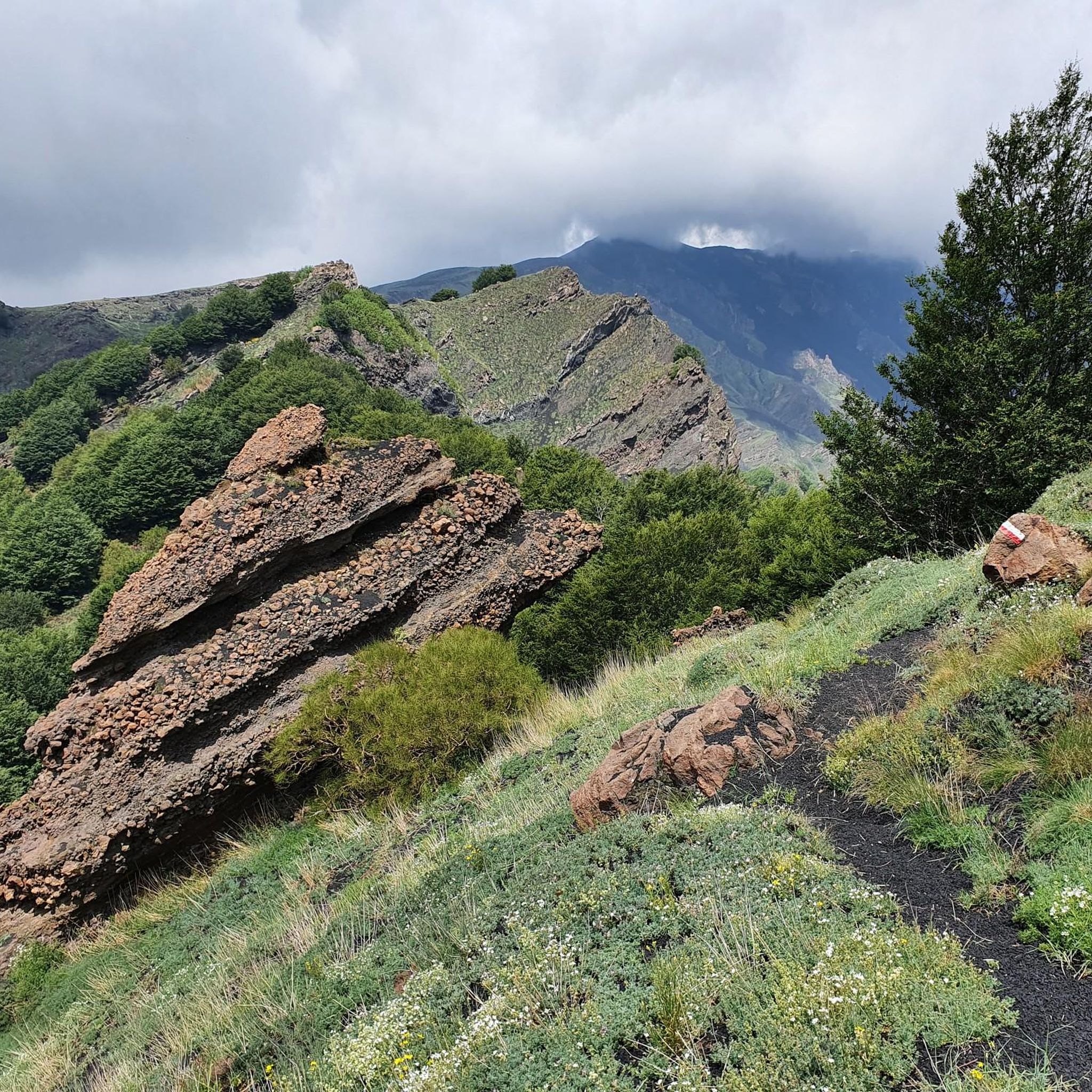
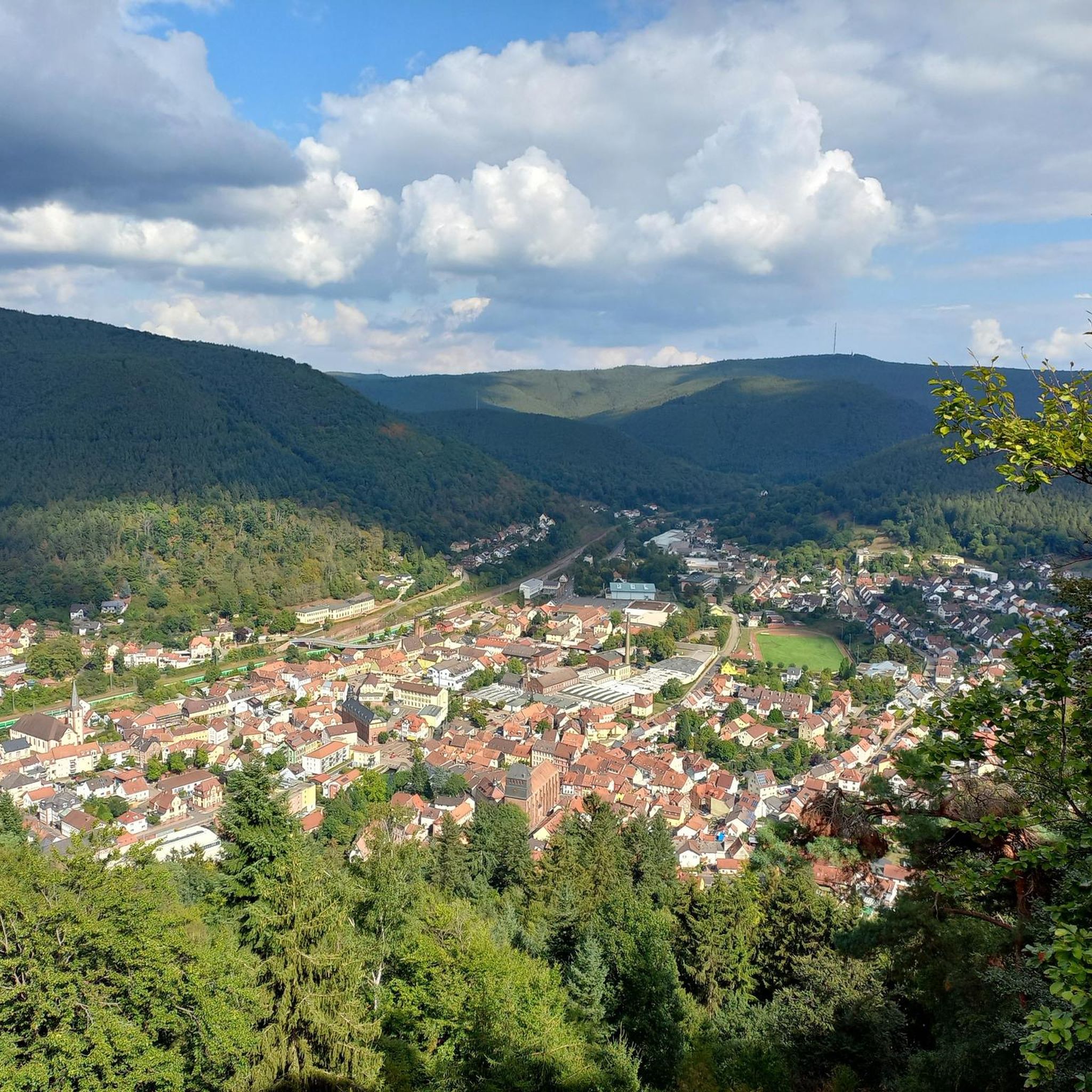

Tips from the Community

Sensational scenery and a sensational view. A must-see.
4
0

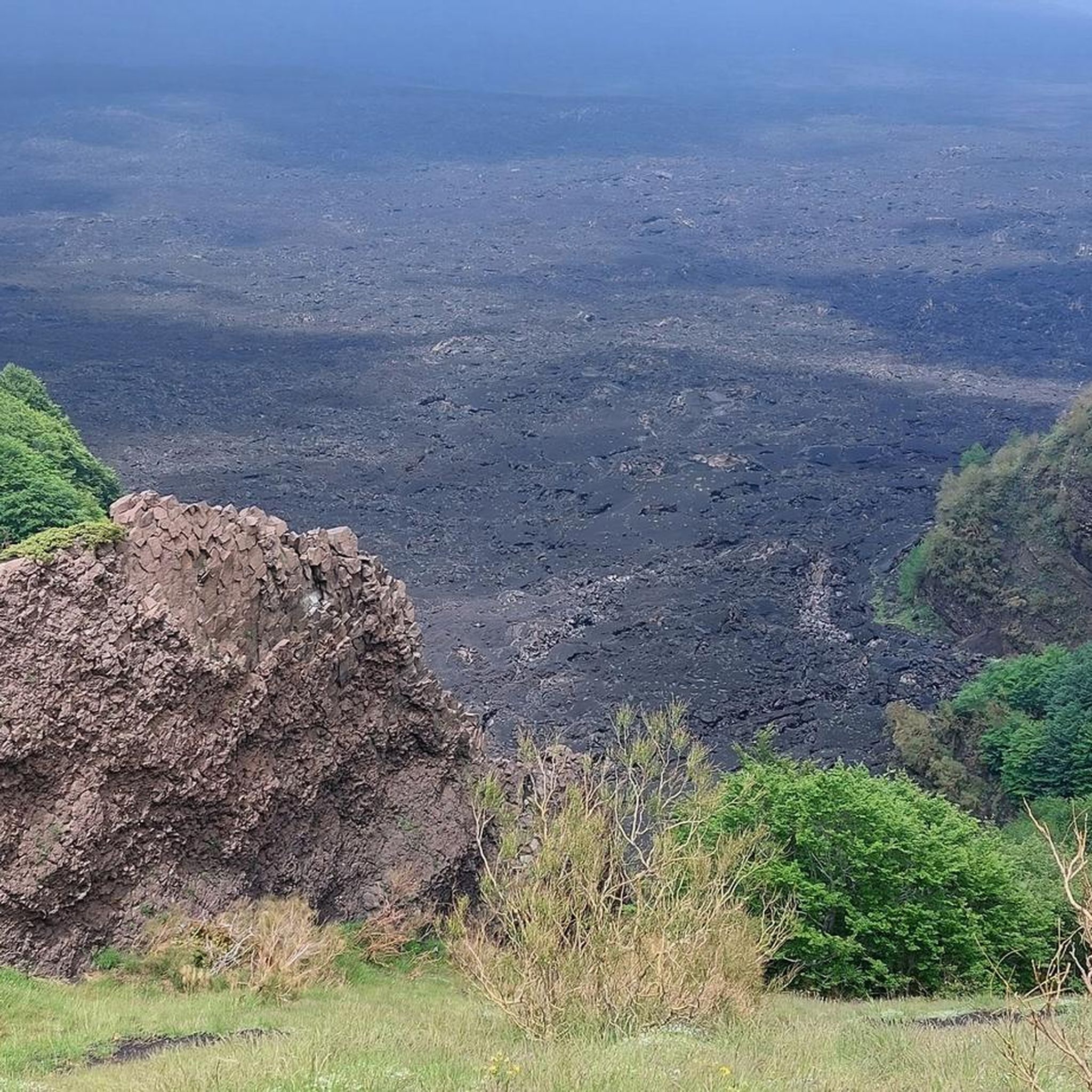
What is crazy is that the ground is still warm to hot 23 years after the eruption in 2001.
1
0


From here you have a great view of the surrounding area.
16
4
Beautiful! It's great that you can go there on your own initiative, without a guide or tour.
4
0

A must. Expensive, but worth it. Very impressive. Only with a mountain guide.
2
0
This is where the snowcats and Unimogs leave from.
2
0

Does anyone know how expensive a guide from Torre Filosofo to the crater is?
1
0
Frequently Asked Questions
What natural attractions can I explore around Trecastagni?
Trecastagni is ideally situated for exploring the natural wonders of Mount Etna. You can visit the Summit Craters of Mount Etna for a unique, wild landscape, or explore the Laghetto Crater and Silvestri Inferior Craters, which are easily accessible and showcase the interplay of colors between the ground and vegetation. Beyond the active volcano, the area features numerous ancient, extinct volcanic cones like Mount Ilice and Mount Gorna, and the broader Parco dell'Etna offers diverse landscapes.
Are there historical or cultural sites to visit in Trecastagni?
Yes, Trecastagni boasts a rich history reflected in its cultural sites. Key attractions include the 17th-century Sanctuary of Saints Alfio, Cirino, and Filadelfo, a significant religious hub. The Church of San Nicola di Bari, with its impressive lava stone architecture and spectacular staircase, is another highlight. Don't miss 'Il Mulino,' a distinctive 16th-century lava stone tower, originally a defensive watchtower, or the historic Palace of the Princes Di Giovanni.
Are there family-friendly attractions around Trecastagni?
Yes, the Silvestri Inferior Craters are noted as family-friendly. They are easily accessible from the road, making them a good option for families to experience the volcanic landscape without strenuous hiking. The town itself, with its historic buildings and charming squares, offers a pleasant environment for family strolls.
What outdoor activities can I do near Trecastagni's attractions?
The region around Trecastagni is excellent for various outdoor activities. You can find numerous routes for mountain hikes, cycling, and running. For example, there are challenging mountain hikes around Mount Etna, such as the 'Viewpoint Etna – Summit Craters of Mount Etna loop'. Cyclists can explore routes like the 'Monte Grosso Shelter loop', and runners can enjoy trails like the 'Grotta Comune loop'. You can find more details on these activities in the dedicated guides for Mountain Hikes around Trecastagni, Cycling around Trecastagni, and Running Trails around Trecastagni.
When is the best time to visit Trecastagni and its attractions?
Trecastagni hosts a vibrant calendar of festivals throughout the year, with major religious festivities in May and the Trecastagni International Music Festival in July. The Chestnut Festival in October and the Feast of San Nicola in December also offer cultural experiences. For exploring Mount Etna, it's important to note that even in summer, temperatures at the summit can be cold, so warm clothing is advisable. The shoulder seasons (spring and autumn) generally offer pleasant weather for both cultural exploration and outdoor activities.
What do visitors enjoy most about the attractions around Trecastagni?
Visitors frequently express awe at the unique, wild, and almost otherworldly landscape of Mount Etna. Many describe the experience as feeling 'infinitely small and humble towards nature.' The breathtaking panoramic views from the summit and other viewpoints are consistently praised. The interplay of colors at craters like Silvestri Inferior Craters and the special experience of being on an active volcano are also highly valued.
Can I visit extinct volcanoes near Trecastagni?
Yes, the landscape around Trecastagni is dotted with numerous ancient, extinct volcanic cones. Notable examples include Mount Ilice, which is covered with oak trees and holds literary significance, and Mount Gorna, another ancient crater offering opportunities for easy treks and panoramic views. You can also find the Grotta Comune, a lava cave nestled between Mount Ilice and Mount Gorna.
Is it necessary to have a guide to explore Mount Etna?
While some areas of Mount Etna, like the Silvestri Inferior Craters, are easily accessible without a guide, exploring the Summit Craters of Mount Etna is highly recommended with a mountain guide due to the active nature of the volcano and the challenging terrain. For less experienced hikers, an ascent from the cable car's end station to upper craters is possible, and some visitors opt for jeep tours.
What are some lesser-known historical points of interest in Trecastagni?
Beyond the main churches, Trecastagni has several other historic buildings and sites that contribute to its rich architectural heritage. These include churches like Santa Caterina, San Benedetto, San Vincenzo, Purgatory, Misericordia, and Sant'Antonio di Padova. Other points of interest include Piazza Marconi, the Municipal Theater, the Arch of the Selva del Collegio, and the Calvary, each offering a glimpse into the town's past.
Are there any specific viewpoints for Mount Etna near Trecastagni?
Trecastagni's elevated position on Mount Etna's slopes provides excellent opportunities to admire the volcano. The town itself offers various viewpoints where Etna dramatically appears between alleys or behind ancient towers. Additionally, many of the volcanic highlights, such as the Laghetto Crater and Barbagallo Craters, are noted for offering majestic and impressive views of the volcanic landscape and surrounding areas.
What should I keep in mind when visiting Mount Etna?
When visiting Mount Etna, it's crucial to be prepared. Always bring enough water, as the volcanic landscape can be dehydrating. Even in summer, temperatures at higher altitudes can be significantly colder (e.g., 4°C when it's 25°C at the beach), so wear warm clothing. The terrain can be challenging, especially walking in lava ash, and there is often no shade. For exploring the summit, consider hiring a mountain guide for safety.
Most popular routes around Trecastagni
Most popular attractions around Trecastagni

Get inspired with the komoot mobile app


Explore more
Still not found the Highlight you’re looking for? See guides of the top attractions in other regions:
