Attractions and Places To See around Castrofilippo - Top 20
Best attractions and places to see around Castrofilippo include historical sites and natural landscapes in the Agrigento hinterland of Sicily. This small village offers insights into local history, culture, and religious devotion through its landmarks. The surrounding countryside features fruit orchards and agricultural products. The area's ancient history is evident through various archaeological sites.
Best attractions and places to see around Castrofilippo
- The most popular attractions is Petra di Calathansuderj, a historical site that hides a unique stronghold. This…
Last updated: May 11, 2026
Deli Sulphur Railway Station (Disused)
Highlight • Historical Site
Translated by Google •
Tip by

Old Favara Railway Station
Highlight • Historical Site
Translated by Google •
Tip by
Sign up now to discover places like this
Get recommendations on the best single tracks, peaks, & plenty of other exciting outdoor places.
Sign up for free
Route Around the Naro Dam
Highlight • Trail
Translated by Google •
Tip by

Petra di Calathansuderj
Highlight • Historical Site
Translated by Google •
Tip by

Ascent towards Serradifalco
Highlight • Climb
Translated by Google •
Tip by

Sign up for free to discover even more attractions around Castrofilippo.
Sign up for free
Already have an account?
Start today with a free account
Your next adventure awaits.
Login or Signup
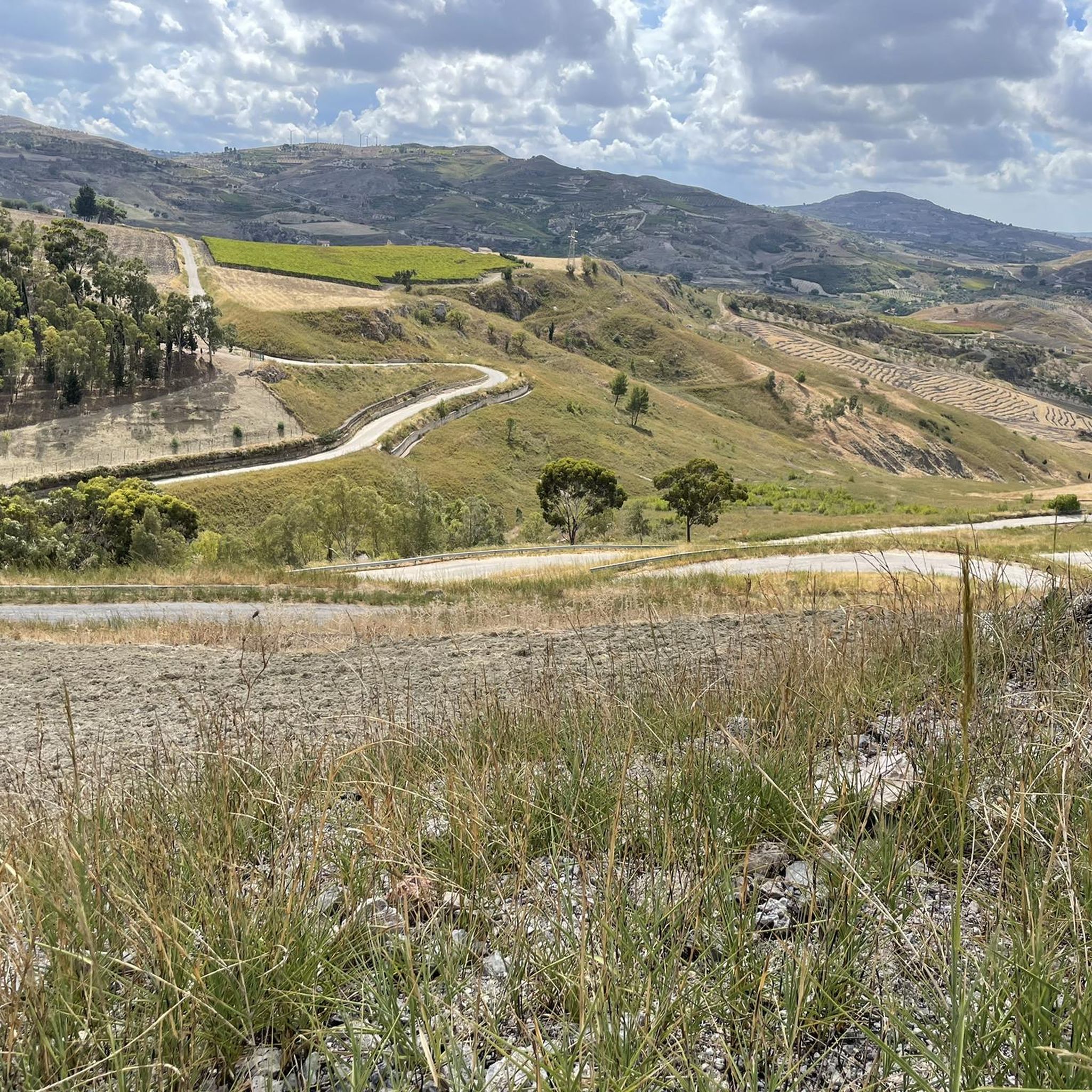
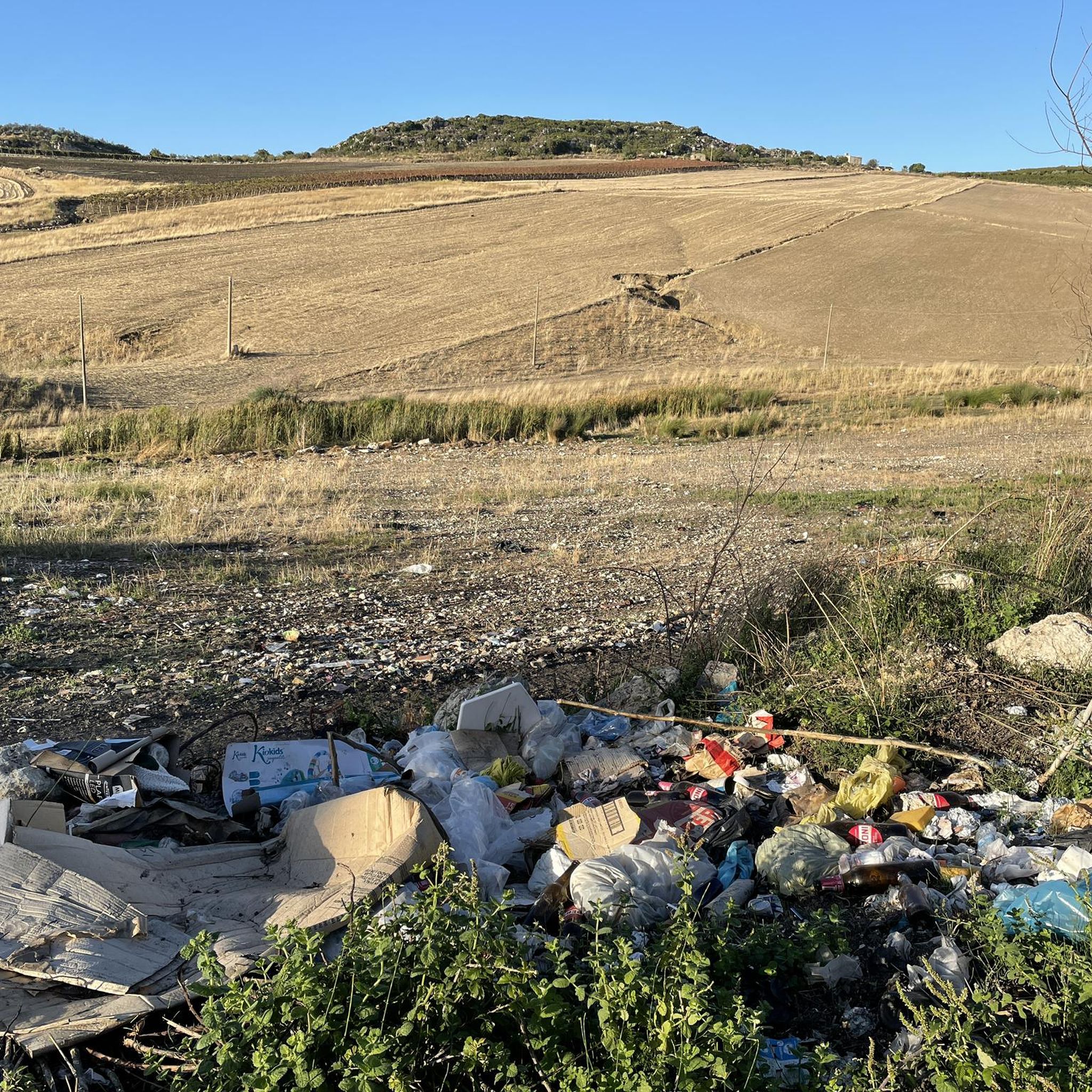


Tips from the Community

The forest of the Naro dam or Lake S.Giovanni and my route. For more than 20 years it has been looked after by me to make it a safe and fun route to traverse. The paths make a complete circuit around the immense lake and the woods
0
0
Deli station former railway
0
0

The archaeological area of Petra of Calathansuderj hides a unique stronghold, testimony to the Byzantine-Arab-Norman influence, with an imposing structure 30 meters high and 40 meters wide, full of tunnels dug for the defense and control of the roads communication. The discovery of numerous ceramic finds, dated between the 2nd and 14th centuries AD, reveals the strategic importance of this site through the centuries.
4
0

be careful in case of rain it is an area that becomes really difficult to cross
0
0
rushed by during the Sicily Divide, it is worth a careful visit
0
0
Up and up and up…. But what a beauty
0
0

The line was opened in two periods: between 1911 and 1915 the Naro - Licata section was activated as a continuation of the Canicattì - Naro connection opened on 28/02/1911; in 1921 the connection between Margonia and Agrigento was made. The line had 6 rack and pinion sections with a gradient of 75 ‰ for a total of 10.26 km: from km 3 + 300 to km 5 + 195; from km 11.307 to km 12.798; from km 14.374 to km 15.406; from km 16.568 to km 18.031; from km 38.608 to km 40.618; from km 40.938 to km 43.271 (progressive referring to the station of Agrigento Bassa). Current state: The railway site, no longer armed, can only be traced in parts as a dirt country road. Long stretches of former grounds have been incorporated into cultivated fields or transformed into ordinary roads. The works of art are generally still visible, although some are in poor condition. Most of the buildings of the former stations and the toll booths have been abandoned and dilapidated. The Agrigento Centrale - Agrigento Bassa section was common to the Palermo - Agrigento Centrale ordinary gauge line and the Castelvetrano - Agrigento Centrale narrow gauge line. The trains coming from Licata could reach Agrigento Centrale thanks to a narrow gauge track placed between the ordinary gauge track. The narrow gauge track between Agrigento Bassa and Agrigento Centrale remained in operation even after the closure of the line, used by the Castelvetrano - Agrigento Centrale railway.
0
0
The line was opened in two periods: between 1911 and 1915 the Naro - Licata section was activated as a continuation of the Canicattì - Naro connection opened on 28/02/1911; in 1921 the connection between Margonia and Agrigento was made. The line had 6 rack and pinion sections with a gradient of 75 ‰ for a total of 10.26 km: from km 3 + 300 to km 5 + 195; from km 11.307 to km 12.798; from km 14.374 to km 15.406; from km 16.568 to km 18.031; from km 38.608 to km 40.618; from km 40.938 to km 43.271 (progressive referring to the station of Agrigento Bassa). Current state: The railway site, no longer armed, can only be traced in parts as a dirt country road. Long stretches of former grounds have been incorporated into cultivated fields or transformed into ordinary roads. The works of art are generally still visible, although some are in poor condition. Most of the buildings of the former stations and the toll booths have been abandoned and dilapidated. The Agrigento Centrale - Agrigento Bassa section was common to the Palermo - Agrigento Centrale ordinary gauge line and the Castelvetrano - Agrigento Centrale narrow gauge line. The trains coming from Licata could reach Agrigento Centrale thanks to a narrow gauge track placed between the ordinary gauge track. The narrow gauge track between Agrigento Bassa and Agrigento Centrale remained in operation even after the closure of the line, used by the Castelvetrano - Agrigento Centrale railway.
2
0
Frequently Asked Questions
What historical and cultural sites can I explore within Castrofilippo?
Within Castrofilippo, you can discover several historical and cultural sites that reflect the village's heritage. These include the Mother Church, the Sacred Heart of Jesus Church, the Sant'Antonio Abate Sanctuary, and the Church of Sant'Agnese. The Church of Maria SS. del Rosario, dating back to the 18th century, is also notable. Explore the old Cannatone Neighborhood for a glimpse into historical architecture, visit the religious site of Calvary, or see the Monument to Padre Pio. The Baronial Palace, built by the village's founder, Stefano Monreale, is a central landmark. Additionally, the Vito Soldano Archaeological Site offers insights into the region's ancient past.
Are there any significant archaeological sites near Castrofilippo?
Yes, the broader Agrigento area, a short distance from Castrofilippo, is home to world-renowned archaeological sites. The most famous is the Valley of the Temples (Valle dei Templi), a UNESCO World Heritage site located approximately 13 miles northeast. It features some of the best-preserved ancient Greek ruins outside of Greece. You can also visit the Regional Archaeological Museum of Agrigento and the Antiquarium Iconografico della Collina dei Tempi "Casa Barbadoro", both situated within the Valley of the Temples area.
What natural features or landscapes can I find around Castrofilippo?
While Castrofilippo is a small village, its surrounding countryside offers natural beauty. The area is characterized by fruit orchards and groves, particularly known for fig and almond trees. A notable natural attraction is the Route Around the Naro Dam, which offers a splendid path through nature with views of the Naro castle and church, providing an 11 km circuit among trees and birds around the lake.
What outdoor activities, like hiking or cycling, are available near Castrofilippo?
The region around Castrofilippo offers various outdoor activities. For hiking, you can explore routes like the 'Lago San Giovanni loop from Contrada Grotticelli' or the 'Petra di Calathansuderj – Aragona loop from Aragona Caldare'. Mountain biking enthusiasts can try routes such as 'Naro e il Castello di Montechiaro da Canicattì' or 'Old Favara Railway Station – Lago San Giovanni di Naro loop from Favara'. For running, there are options like the 'Running loop from Acquanova'. You can find more details and routes on the dedicated guides for Hiking around Castrofilippo, MTB Trails around Castrofilippo, and Running Trails around Castrofilippo.
Are there any unique historical landmarks related to transportation in the area?
Yes, the area features remnants of its railway history. You can visit the Deli Sulphur Railway Station (Disused) and the Old Favara Railway Station. These sites are part of a former rack and pinion railway line that operated between 1911 and 1921, connecting Naro, Licata, and Agrigento. While the railway sites are no longer armed and some parts have been incorporated into cultivated fields, the works of art and station buildings are generally still visible, offering a glimpse into the region's industrial past.
What is Petra di Calathansuderj and why is it significant?
Petra di Calathansuderj is an archaeological area that hides a unique stronghold, showcasing Byzantine-Arab-Norman influence. This imposing structure, 30 meters high and 40 meters wide, is notable for its tunnels dug for defense and communication control. The discovery of numerous ceramic finds, dating between the 2nd and 14th centuries AD, highlights the strategic importance of this site throughout centuries.
What local agricultural products is Castrofilippo known for?
Castrofilippo and its surrounding area are recognized for several agricultural products. The region is particularly known for its fruit orchards and groves, especially fig and almond trees. A local gastronomic excellence is the "Paglina Onion," and the area also produces excellent table grapes.
What is the 'Ascent towards Serradifalco' and what does it offer?
The Ascent towards Serradifalco is a climb that offers scenic views of the surrounding landscape. It is appreciated for its beauty and provides a notable point of interest for those exploring the region, particularly for cyclists or hikers seeking a challenging route with rewarding vistas.
Are there any family-friendly activities or attractions in the Castrofilippo area?
While Castrofilippo itself is a small village focused on historical and religious sites, the natural surroundings offer opportunities for family-friendly outings. The Route Around the Naro Dam provides a pleasant, relatively easy path through nature, suitable for walks with children, where you can enjoy the lake, trees, and birdwatching. Exploring the historical churches within the village can also be an educational experience for families.
What is the best time of year to visit Castrofilippo and its attractions?
The best time to visit Castrofilippo and its surrounding attractions is generally during the spring (April to June) and early autumn (September to October). During these periods, the weather in Sicily is typically mild and pleasant, making it ideal for exploring historical sites, enjoying outdoor activities like hiking around the Naro Dam, and experiencing the natural beauty of the orchards without the intense heat of the summer months.
What do visitors enjoy most about the attractions around Castrofilippo?
Visitors particularly enjoy the blend of historical significance and natural beauty. The unique stronghold of Petra di Calathansuderj is highly appreciated for its historical depth and impressive structure. The Route Around the Naro Dam is loved for its 'splendid path in the middle of nature' and the opportunity to ride or walk 'among trees and birds'. The Ascent towards Serradifalco is noted for its 'beauty' and rewarding views after a climb.
Most popular attractions around Castrofilippo

Get inspired with the komoot mobile app


Explore more
Still not found the Highlight you’re looking for? See guides of the top attractions in other regions:
