Attractions and Places To See around Alessandria Della Rocca - Top 20
Best attractions and places to see around Alessandria Della Rocca include historical sites, religious buildings, and natural features nestled within the Monti Sicani. This Sicilian town offers a blend of cultural heritage and scenic landscapes. Visitors can explore ancient churches, archaeological sites, and the surrounding countryside. The area provides opportunities to experience local traditions and discover the region's agricultural history.
Best attractions and places to see around Alessandria Della Rocca
- The most popular attractions is Saint Rosalia Hermitage at Quisquina…
Last updated: October 9, 2026
Lake Magazzolo and Castello Dam
Highlight (Segment) • Lake
Translated by Google •
Tip by

Fountain of Santo Stefano Quisquina
Highlight • Settlement
Translated by Google •
Tip by

Sign up now to discover places like this
Get recommendations on the best single tracks, peaks, & plenty of other exciting outdoor places.
Lucca Sicula
Highlight • Settlement
Translated by Google •
Tip by
Swallow Peak
Highlight • Summit
Translated by Google •
Tip by

Saint Rosalia Hermitage at Quisquina
Highlight • Religious Site
Translated by Google •
Tip by
Sign up for free to discover even more attractions around Alessandria Della Rocca.
Already have an account?
Start today with a free account
Your next adventure awaits.
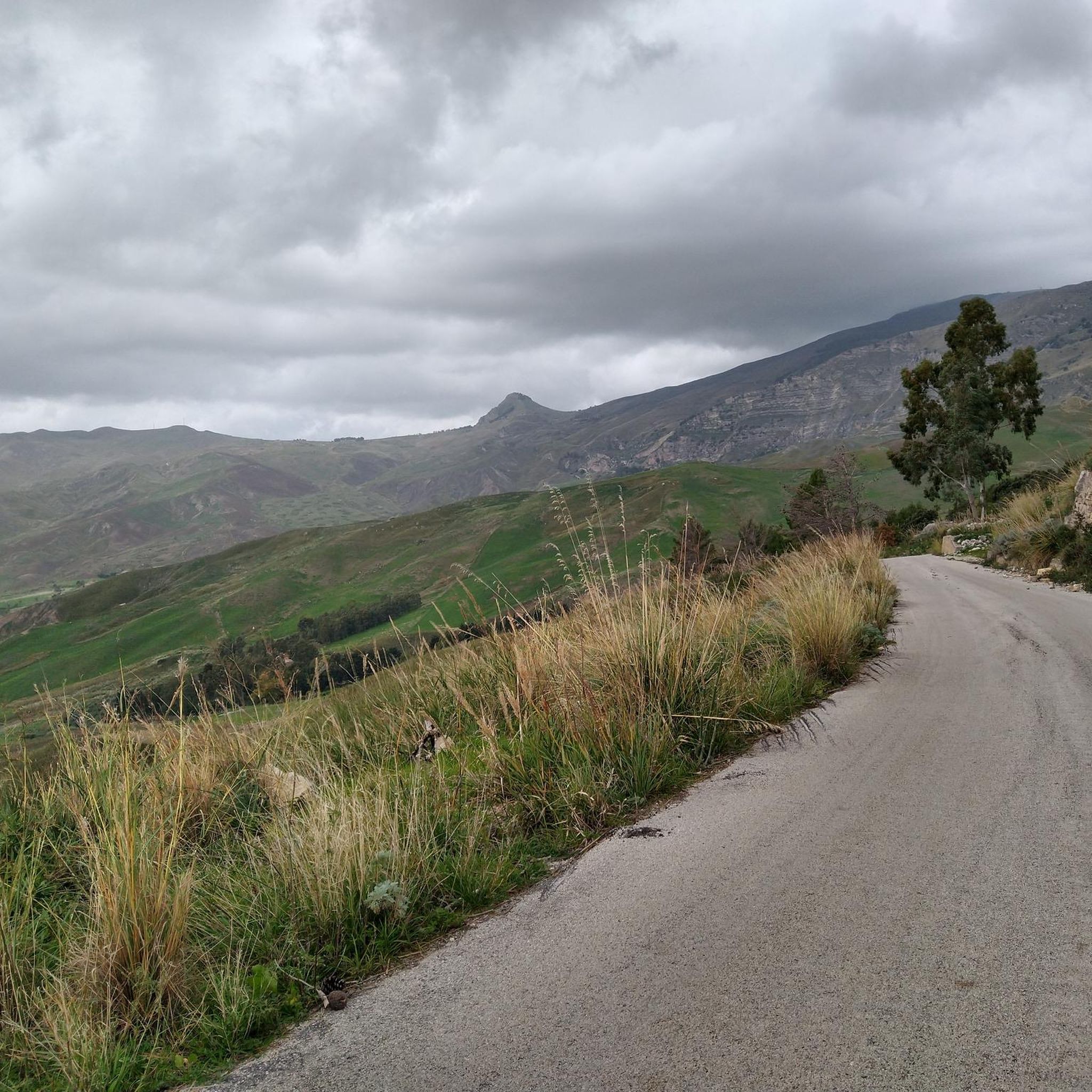
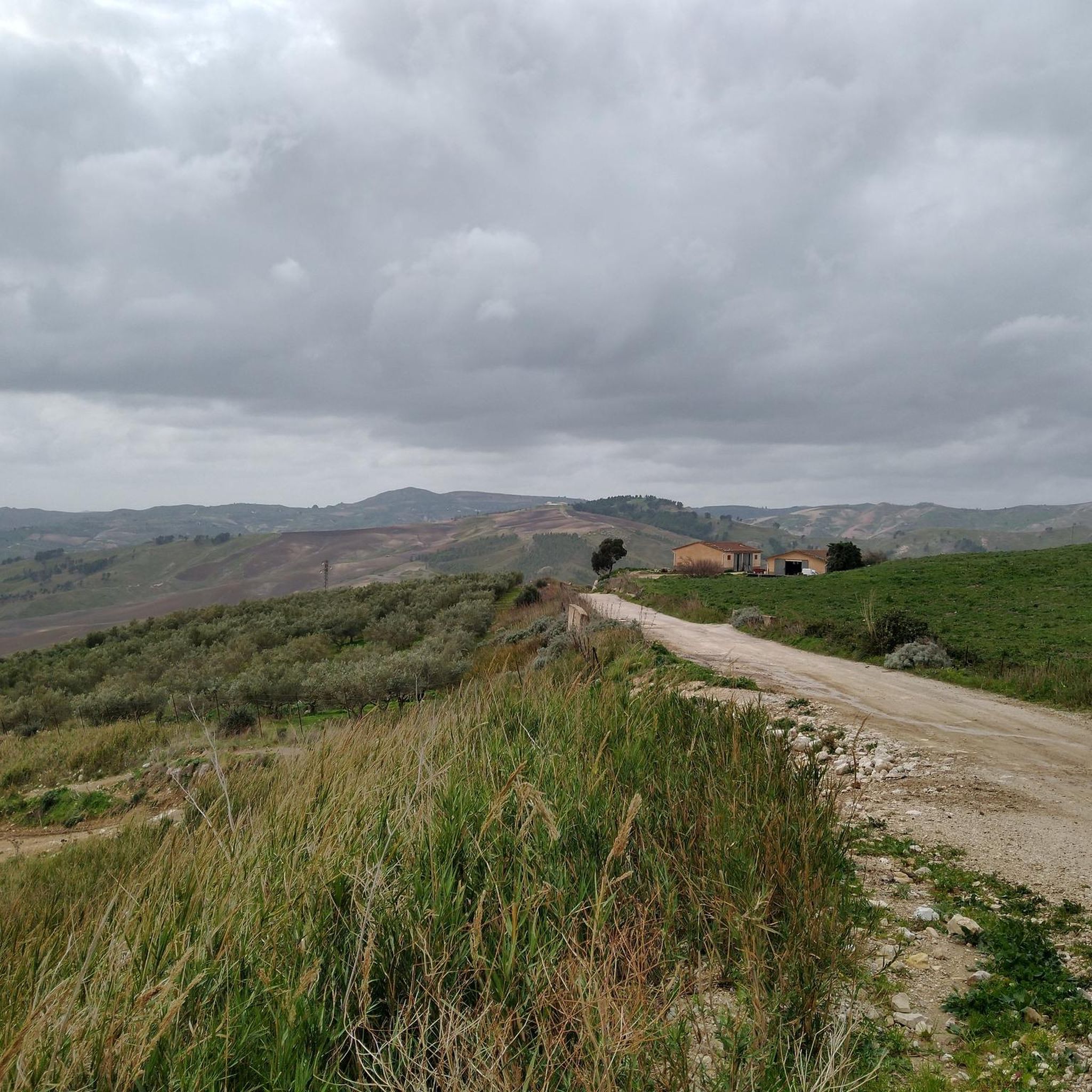
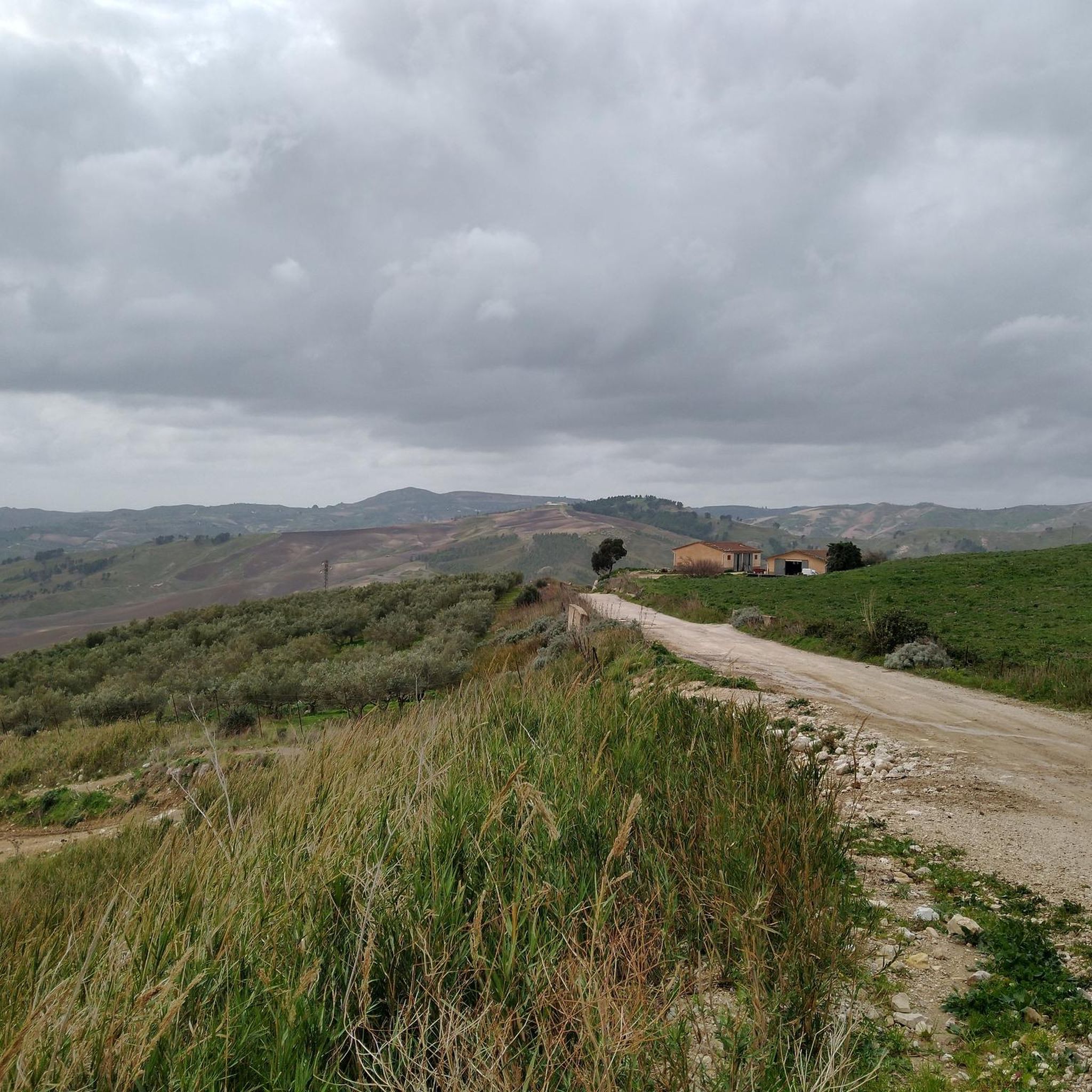
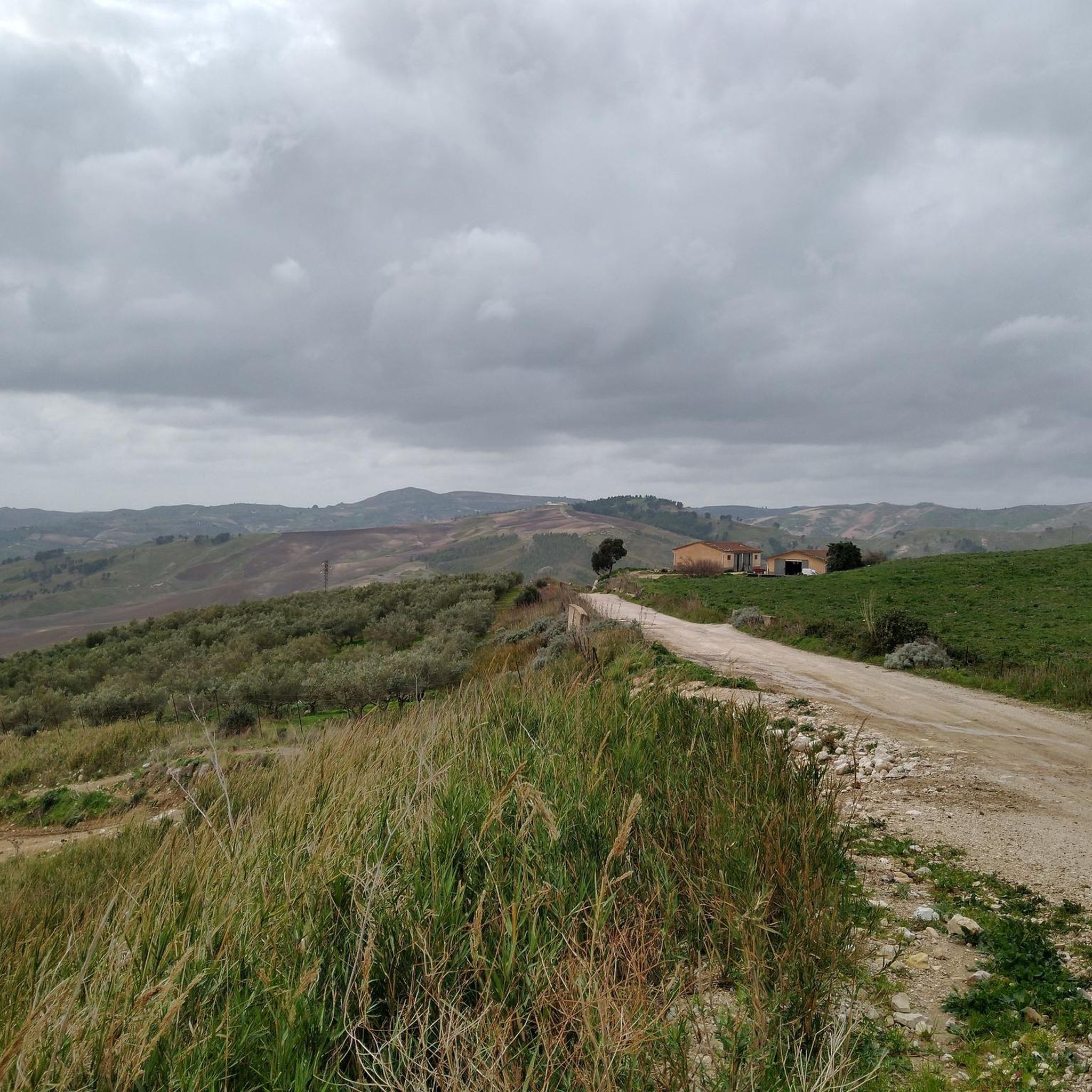
Tips from the Community

very nice town, but how much climbing to get there!!!
0
0

Formerly known as Santo Stefano di Melia and then Santo Stefano di Bivona, Santo Stefano Quisquina assumed its current name in 1863. Surrounded by the Sicani mountains, it boasts important monuments such as the hermitage of Santa Rosalia and the Mother Church. With rich natural and architectural resources, it represents a significant piece of Sicilian heritage.
1
0
The Hermitage of Santa Rosalia alla Quisquina, located on the slopes of Mount Quisquina in Santo Stefano Quisquina in Sicily, is near the cave where Santa Rosalia spent much of her life.
7
0

Near the ancient remains of the Greek city of Camico, among the reliefs of the Sicani Park, rises the Pizzo della Rondine, in a hilly-mountainous environment not poor in rivers and streams, dry in summer, luxuriant in spring, humid in winter.
0
0

The Magazzolo Lake is an artificial lake formed by the damming of the Magazzolo river through the Castello dam. The project dates back to the late sixties but it took ten years to build this dam between 1975 and 1985. The waters of this lake are used for civil and agricultural use and serve various municipalities in the province of Agrigento.
2
0
Lucca Sicula has a history similar to many other Sicilian towns of the seventeenth century. At that time, in fact, to sit in the Sicilian parliament it was necessary to be the owner of a populated fiefdom. Thus it was that Francesco Lucchesi Palli favored the creation of this town, to which he gave the name of Lucca, being a native of Lucca which is located in Tuscany. To attract the population, settlers were offered a plot of land that they could exploit as they pleased, but paid a fee to the property. The town was called Lucca Sicula only in 1863 after the unification of Italy. The urban layout is the typical seventeenth-century checkerboard one. From the same period is the Mother Church, always built in the interest of Baron Lucchesi Palli to give the village the status of a populated fief.
1
0

Along the third stage of the Sicily Divide you cross the Magazzolo lake before arriving in Bivona. The artificial lake is a leisure place for the locals and a panoramic point that every Divider will want to photograph. On the official website you can find more info on the Sicily Divide itinerary for gravel bikes from Trapani to Catania and from Palermo to Catania: https://sicilydivide.it/
1
1
Frequently Asked Questions
What historical and cultural sites can I explore in Alessandria Della Rocca?
The region is rich in history. You can visit the remains of the 14th-century Pietra d'Amico Castle, explore ancient rock tombs from Sican populations between Cozzo Grotticelle and Mount Lurdichella, and discover historic palaces like Genuardi-Inglese Palace (16th century) and Guggino Palace (17th-18th century). The town of Fountain of Santo Stefano Quisquina also boasts significant historical monuments.
Are there any significant religious buildings to visit in the area?
Yes, Alessandria Della Rocca features several notable religious sites. The Mother Church of Santa Maria del Pilar, rebuilt in the 17th century, is a prominent example. Other churches include the Church of Carmine (1589) and the Church of Saint Francis (1610). A significant religious site is the Saint Rosalia Hermitage at Quisquina, located near the cave where Santa Rosalia spent much of her life.
Where can I find natural beauty and outdoor activities near Alessandria Della Rocca?
The town is surrounded by beautiful Sicilian countryside and nestled among the Monti Sicani, offering opportunities for hiking, cycling, and birdwatching. A key natural feature is Lake Magazzolo and Castello Dam, an artificial lake perfect for excursions and picnics. The area also has scenic viewpoints and offers a tranquil escape into nature.
Are there family-friendly attractions suitable for children?
Yes, several attractions are suitable for families. Lake Magazzolo and Castello Dam is a great spot for family picnics and enjoying the outdoors. The settlement of Fountain of Santo Stefano Quisquina is also considered family-friendly, offering a chance to explore historical monuments in a charming setting. The Fountain of Piazza Castello provides a relaxing spot with benches and trees.
What kind of hiking trails are available around Alessandria Della Rocca?
The Monti Sicani region offers a variety of hiking trails. You can find routes like the 'Pizzo della Rondine – loop hike in the Parco dei Monti Sicani' or the 'Eremo di Santa Rosalia alla Quisquina – loop in the Parco dei Monti Sicani'. For more options, including routes of varying difficulties, explore the hiking guide for Alessandria Della Rocca.
Can I go cycling or mountain biking in the region?
Absolutely! The area around Alessandria Della Rocca is excellent for cycling and mountain biking. You can find challenging MTB trails such as 'Cammarata da Santo Stefano Quisquina – giro ad anello' or more moderate cycling routes like 'Lago Pian del Leone and Santo Stefano Quisquina Loop'. Check out the dedicated guides for MTB trails and cycling routes in the area.
What archaeological sites are there to see?
The area around Alessandria Della Rocca has a rich archaeological heritage from the Sican populations. You can discover rock tombs with semi-circular or rectangular openings between Cozzo Grotticelle and Mount Lurdichella. The Necropolis Sicana 'Gruttiddri' and 'Lurdicheddra' also contain finds from Roman, Greek, and Medieval periods, offering a glimpse into ancient history.
What is the best time of year to visit Alessandria Della Rocca for outdoor activities?
The Sicilian climate generally makes spring (April-May) and autumn (September-October) ideal for outdoor activities. During these seasons, the weather is pleasant for hiking, cycling, and exploring historical sites without the intense heat of summer. Summer months can be very warm, but local festivals often take place then.
Are there any accessible attractions for visitors with mobility needs?
The Fountain of Piazza Castello in Santo Stefano Quisquina is noted as wheelchair accessible, offering a pleasant and relaxing spot in the town center. While the rugged natural terrain and historic sites may present challenges, some areas within the towns are designed to be more inclusive.
What local traditions or festivals can I experience?
Visitors can immerse themselves in authentic Sicilian traditions by attending local festivals, especially during the summer. Notable events include the festival of San Giuseppe and the Sagra del Grano, which celebrate the town's agricultural roots and religious devotion, offering a vibrant cultural experience.
Are there any nearby towns or settlements worth visiting?
Yes, the charming settlement of Fountain of Santo Stefano Quisquina is surrounded by the Sicani mountains and features important monuments. Another historical town is Lucca Sicula, which has a similar history to many 17th-century Sicilian towns and an urban layout from that period.
Where can I find good viewpoints in the area?
The scenic countryside around Alessandria Della Rocca and the Monti Sicani offers numerous picturesque spots. Lake Magazzolo and Castello Dam is a panoramic point that provides beautiful views of the artificial lake and surrounding landscape. Exploring the narrow streets of the town itself can also lead to charming vistas.
Can I find places to eat or drink near the attractions?
Yes, in settlements like Santo Stefano Quisquina, you can find options. For instance, near the Fountain of Piazza Castello, there's a ristopub called '1900' where you can spend a pleasant evening. The town of Alessandria Della Rocca also has local establishments to enjoy Sicilian cuisine and refreshments.
Most popular routes around Alessandria Della Rocca
Most popular attractions around Alessandria Della Rocca

Get inspired with the komoot mobile app


Explore more
Still not found the Highlight you’re looking for? See guides of the top attractions in other regions:
