The best road cycling routes around Fosciandora
4.3
(117)
3,356
riders
72
rides
Road cycling routes around Fosciandora are characterized by the mountainous terrain of the Garfagnana region, situated between the Apuan Alps and the Apennines. The area features significant elevation changes, offering challenging climbs and descents. Cyclists encounter diverse landscapes, including alpine pastures, ancient chestnut groves, and mountain passes. This varied topography provides a range of road cycling experiences.
Best road cycling routes around Fosciandora
- The most popular road cycling route is Lago di Vagli, Rifugio Campocatino, Lago di Gramolazzo — Parco…
Last updated: June 30, 2026
4.1
(11)
207
riders
Hard road ride. Very good fitness required. You may need to push your bike for some segments of this route.
4.8
(4)
188
riders
48.1km
03:17
1,610m
1,610m
This difficult 29.9-mile road cycling loop from Castelnuovo di Garfagnana climbs to San Pellegrino in Alpe with stunning Apennine views.

Sign up for free
5.0
(1)
30
riders
36.5km
02:16
1,030m
1,040m
Hard road ride. Very good fitness required. Some segments of this route may be unpaved and difficult to ride.
18
riders
Hard road ride. Very good fitness required. Mostly well-paved surfaces and easy to ride.
4.3
(3)
366
riders
115km
06:35
2,640m
2,640m
Hard road ride. Very good fitness required. Mostly well-paved surfaces and easy to ride.
Get access to more routes and recommendations from other explorers.
Sign up for free
Already have an account?
Our route recommendations are based on thousands of hikes, rides, and runs completed by other people on komoot.
Start today with a free account
Your next adventure awaits.
Login or Signup
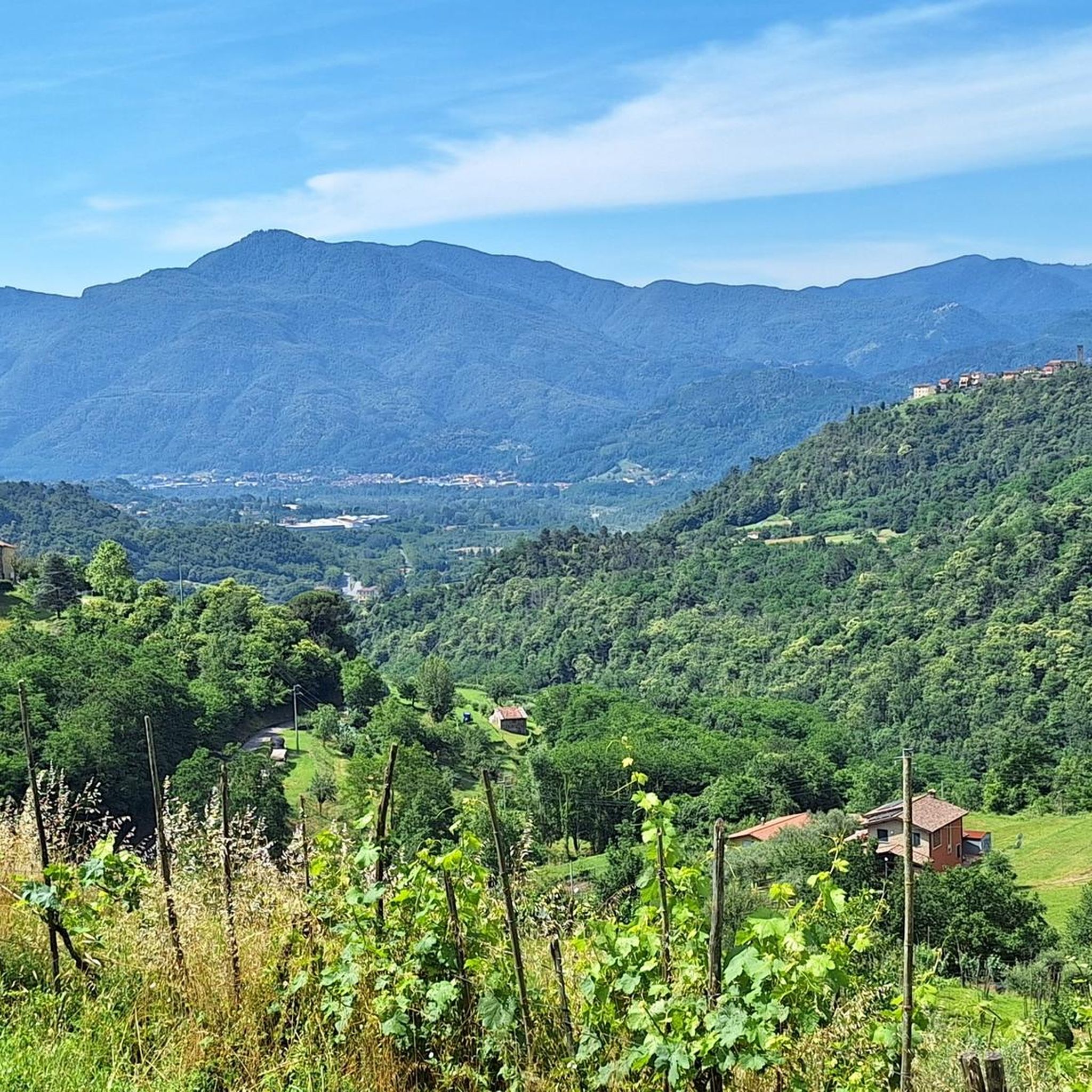
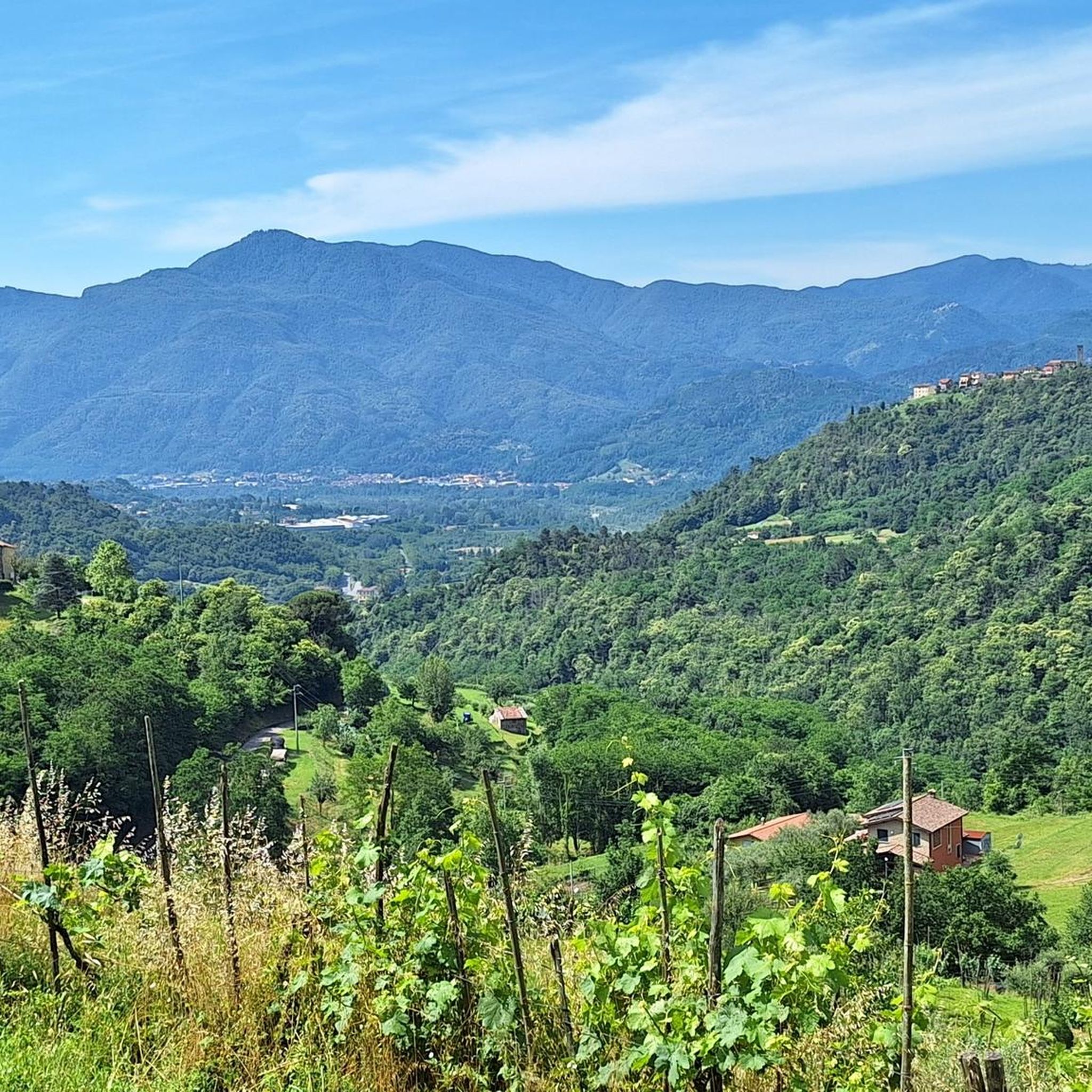
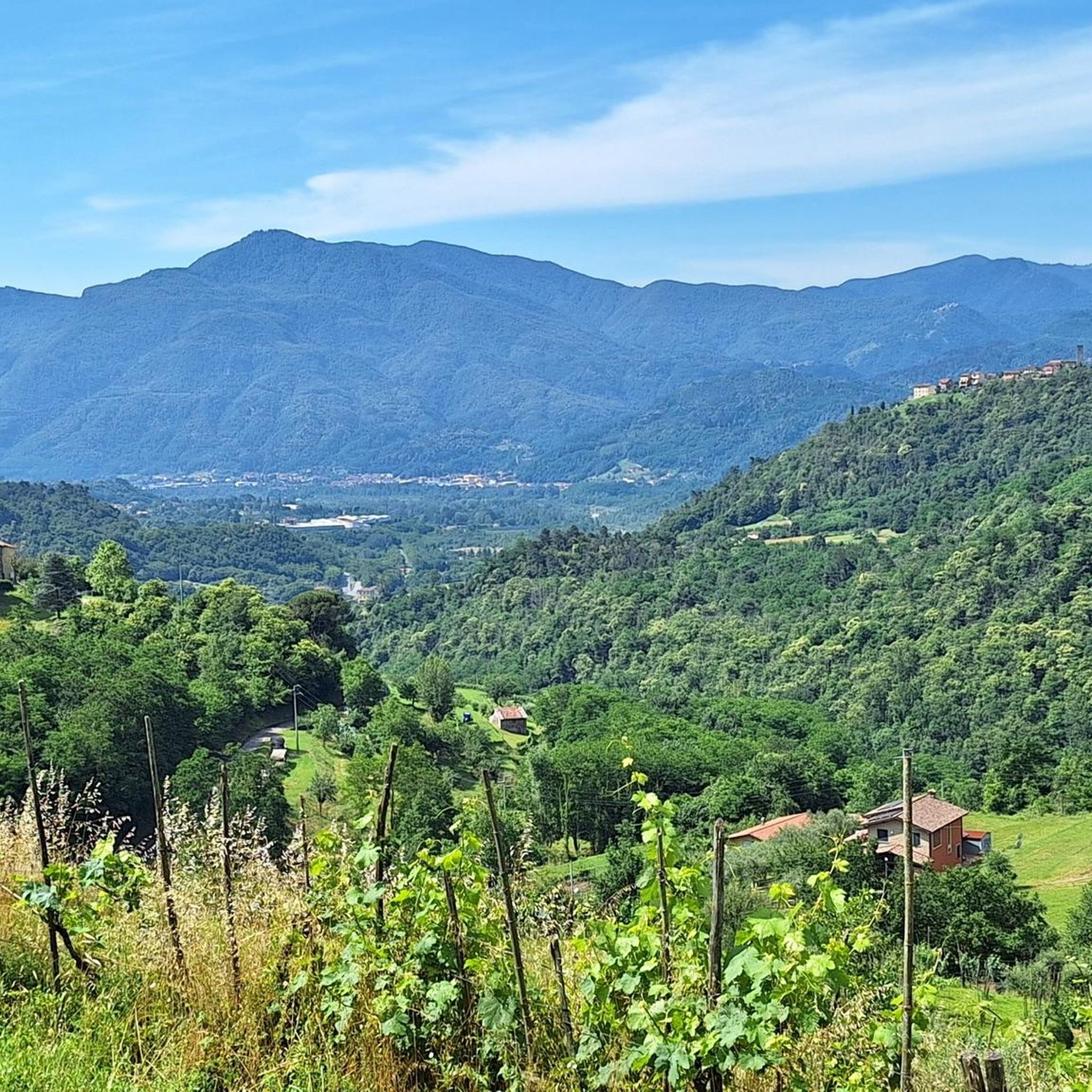
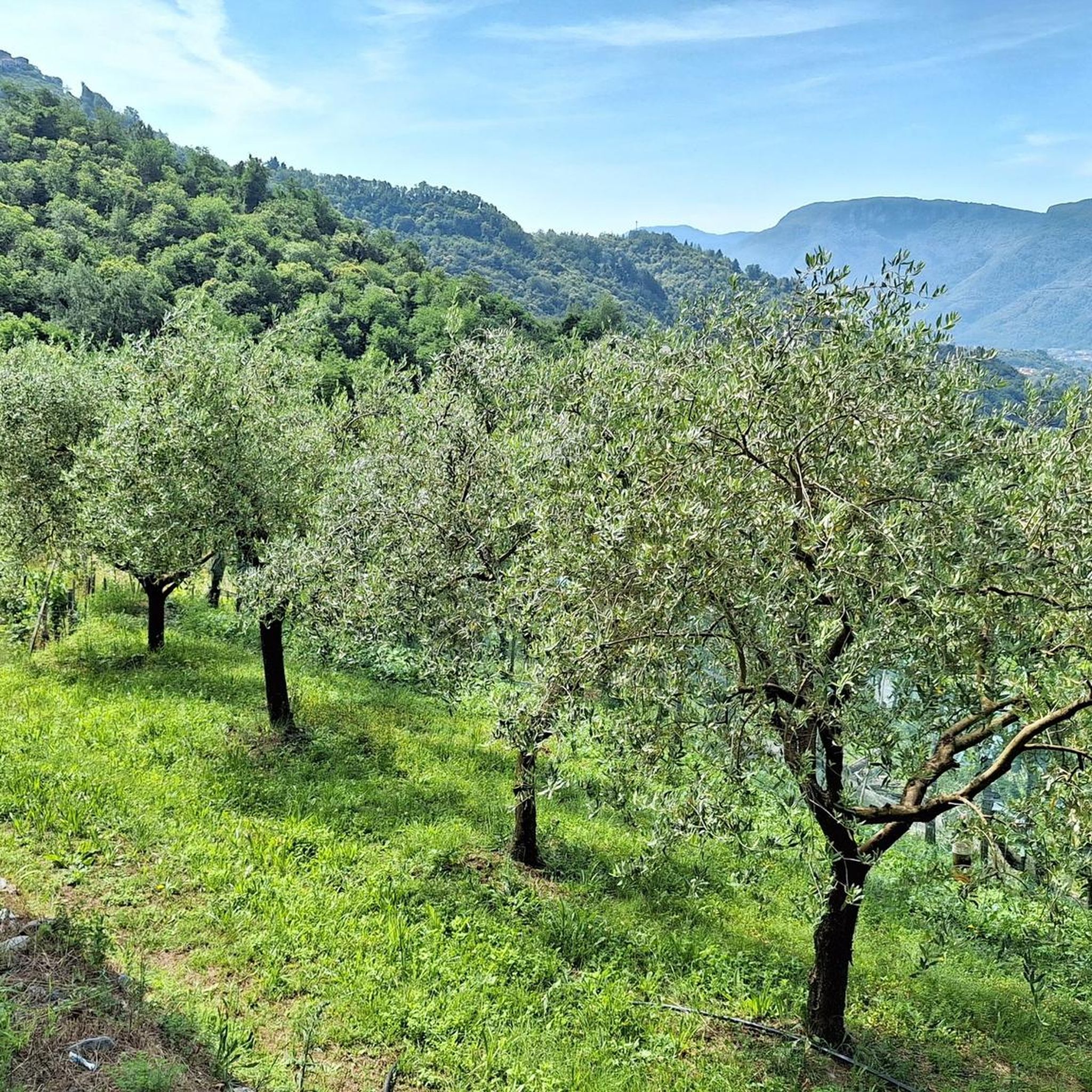


Tips from the Community

Pietra di Bismantova is an extraordinary and imposing rocky monolith located in the municipality of Castelnovo ne' Monti, in the heart of the Reggio Apennines. Set within the splendid context of the Tuscan-Emilian Apennine National Park, this unique geological formation stands out for its unmistakable ship-like profile, with vertical walls of calcareous sandstone soaring up to 1041 meters in altitude and culminating in a vast grassy plateau of about 12 hectares. Famous for having inspired Dante Alighieri in the description of Mount Purgatory in the Divine Comedy, it is today one of the most frequented destinations in Emilia-Romagna for hiking, climbing, and spiritual tourism.
0
0

The lake of Gramolazzo is a lake in the Apuan Alps located near the homonymous village in the municipality of Minucciano. Of artificial origin, it was created in the second half of the 1900s, together with the lake of Vagli by SELT Valdarno for the hydroelectric use of the Serchio river and its tributaries. The lake, which has a surface area of one square kilometer and a volume of 3.8 million cubic meters, has both the Serchio di Gramolazzo as its inflow and outflow, one of the two branches that, joining near Piazza al Serchio, form the Tuscan river. Another important stream that flows into the lake is the Acqua Bianca stream, which coming from Mount Pisanino crosses the village of Gorfigliano. A large part of the water, however, is fed through a channel on the left bank, near the dam, which with a maximum flow rate of 20 cubic meters per second discharges the waters captured from the Serchio into the Sillano valley. The waters of the lake of Gramolazzo feed the Fabbriche power plant which in turn discharges them into the lake of Vagli.
0
0
The Oasis of Campocatino is a mountain locality in the Apuan Alps, in the municipality of Vagli di Sotto, located at 1000 m above sea level, beneath the imposing wall of Monte Roccandagia. It includes a large basin of glacial origin, a testament to the extent of Quaternary glaciation in the Apennine area. Inside, we find the typical pastoral buildings called "caselli," which have been preserved with their ancient construction characteristics. Since 1991, it has become a "LIPU Natural Oasis." The coexistence of different environments and the natural integrity of the area have allowed the acclimatization of various bird species that reproduce there. Along the rocky walls, the Alpine chough and the Wallcreeper nest; in the high-altitude meadows and pastures, the Skylark, the Rufous-tailed Rock Thrush, the Wheatear, and the Greater Short-toed Lark are observed, while the woods below are populated by the Blackcap, the Goldfinch, the Chaffinch, the Brambling, the Firecrest, the Dartford Warbler, the Robin, the Eurasian Nuthatch, the Song Thrush, the Mistle Thrush, the Wren, and four species of tits: Great Tit, Blue Tit, Coal Tit, and Marsh Tit. Biodiversity is also present among the birds of prey that inhabit the area: the Tawny Owl, the Kestrel, the Eagle Owl, the Common Buzzard, the Sparrowhawk, and sometimes the Eagle soars over the area in search of prey. A little curiosity: in 1998 Campocatino was the film set for the movie "il mio west" directed by Giovanni Veronesi, starring Leonardo Pieraccioni, Harvey Keitel, David Bowie, and Alessia Marcuzzi. In memory of David Bowie's presence, a statue has been placed near the stone houses to commemorate his time there.
0
0
La Pietra di Bismantova is an imposing and characteristic sandstone rock massif located in the Apennines of Reggio Emilia, in the municipality of Castelnovo ne' Monti (province of Reggio Emilia). It reaches an altitude of 1,047 meters above sea level and is famous for its unmistakable hoof or "isolated ship" shape that dominates the surrounding landscape. This majestic calcarenite monolith is protected within the Tuscan-Emilian Apennine National Park and is even mentioned by Dante Alighieri in the IV canto of Purgatory.
0
0

From whichever side, a very beautiful, lonely ascent or descent. However, it is quite neglected due to the abandoned hotel ruin, at least as of May 2026.
1
0

panoramic point
0
0

The place is cool and quiet during the week. Canoe rentals are available for lake excursions.
0
0

Frequently Asked Questions
How many road cycling routes are available around Fosciandora?
Fosciandora offers a wide selection of road cycling routes, with over 70 options available. These routes cater to various skill levels, including 4 easy, 30 moderate, and 38 difficult trails, ensuring there's a suitable ride for almost every cyclist.
What kind of terrain can I expect on road cycling routes in Fosciandora?
The terrain around Fosciandora is predominantly mountainous, nestled between the Apuan Alps and the Apennines. Cyclists can expect significant elevation changes, offering challenging climbs and exhilarating descents. Routes often traverse picturesque alpine pastures, ancient chestnut groves, and notable mountain passes, providing diverse and scenic landscapes.
Are there road cycling routes suitable for beginners or those looking for an easier ride?
While Fosciandora is known for its challenging mountainous terrain, there are a few easier road cycling routes available. These paths often lead through enchanting landscapes, including forests and along streams, providing a less strenuous experience. You can find 4 routes classified as easy, perfect for a more relaxed ride.
Are there any notable mountain passes to cycle in the Fosciandora region?
Yes, the Fosciandora region is home to several significant mountain passes. One prominent example is Passo delle Forbici, situated at 1,573 meters above sea level, which offers challenging climbs and historical interest. Other routes like the San Pellegrino in Alpe and Passo delle Radici Loop and the Radici Pass – Abetone Pass loop from Castelnuovo Garfagnana also feature impressive passes.
What are some scenic viewpoints or natural features I might encounter on a road cycling route?
Road cycling routes in Fosciandora offer spectacular panoramic views, especially of the Apuan Alps. You might cycle along paths that run near peaks like Pania della Croce. On clear days, views can stretch from the Tyrrhenian Sea to the Apuan Alps, and even the Po Valley. Routes also often pass through serene alpine pastures and ancient chestnut groves.
Are there any circular road cycling routes in Fosciandora?
Yes, Fosciandora offers several excellent circular road cycling routes. For example, the Lago di Vagli, Rifugio Campocatino, Lago di Gramolazzo — Parco delle Alpi Apuane — Ring tour is a difficult 32.4-mile loop through the Apuan Alps. Another popular option is the Passo della Foce and Lago di Isola Santa in Garfagnana — Ring tour, a 22.7-mile loop.
What do other road cyclists enjoy most about road cycling in Fosciandora?
The road cycling routes in Fosciandora are highly rated by the komoot community, with an average score of 4.0 stars from over 120 reviews. Cyclists often praise the diverse and challenging mountainous terrain, the stunning panoramic views of the Apuan Alps, and the opportunity to combine physical activity with cultural and historical exploration amidst beautiful natural surroundings.
Can I find any waterfalls along the road cycling routes in Fosciandora?
While road cycling routes primarily focus on paved roads, the region around Fosciandora is rich in natural beauty, including waterfalls. You might find opportunities to visit nearby waterfalls like Sassorso Waterfall or Bandita Waterfall, which are popular highlights in the area and could be combined with a cycling trip.
Are there any historical sites or picturesque villages to explore near the cycling routes?
Absolutely. The Garfagnana region, where Fosciandora is located, is rich in history and charming villages. Cyclists can explore ancient water mills and picturesque villages like Barga, known for its cultural sites, or Castelnuovo di Garfagnana. The sanctuary of San Pellegrino in Alpe is another historical place of worship that can be found along routes such as the San Pellegrino in Alpe and Passo delle Radici Loop.
What is the best time of year for road cycling in Fosciandora?
Given the mountainous terrain, the best time for road cycling in Fosciandora is typically during the warmer months, from late spring through early autumn. This period offers more favorable weather conditions for tackling the significant elevation changes and enjoying the panoramic views without the challenges of winter snow or ice on higher passes.
Are there any lakes that can be seen or visited along the road cycling routes?
Yes, several road cycling routes in Fosciandora pass by beautiful lakes. For instance, the Lago di Vagli, Rifugio Campocatino, Lago di Gramolazzo — Parco delle Alpi Apuane — Ring tour offers views of Lago di Vagli and Lago di Gramolazzo. Another route, the Passo della Foce and Lago di Isola Santa in Garfagnana — Ring tour, leads past the picturesque Lago di Isola Santa. Additionally, Lago Santo Modenese is a notable nearby highlight.
Are there any very long or challenging road cycling routes for experienced cyclists?
Fosciandora is ideal for experienced cyclists seeking a challenge. Many routes feature significant elevation gains and long distances. For example, the From Castelnuovo Garfagnana to Pietra di Bismantova through the Riserva del Monte Cusna – loop tour is a very difficult 94.6-mile (152.3 km) route with over 4,000 meters of elevation gain, offering an epic ride.
Most popular routes around Fosciandora
Most popular attractions around Fosciandora

Get inspired with the komoot mobile app


Explore more
Browse the best Road cycling routes in other regions.
