The best walks and hikes around Gessate
4.4
(851)
6,739
hikers
334
hikes
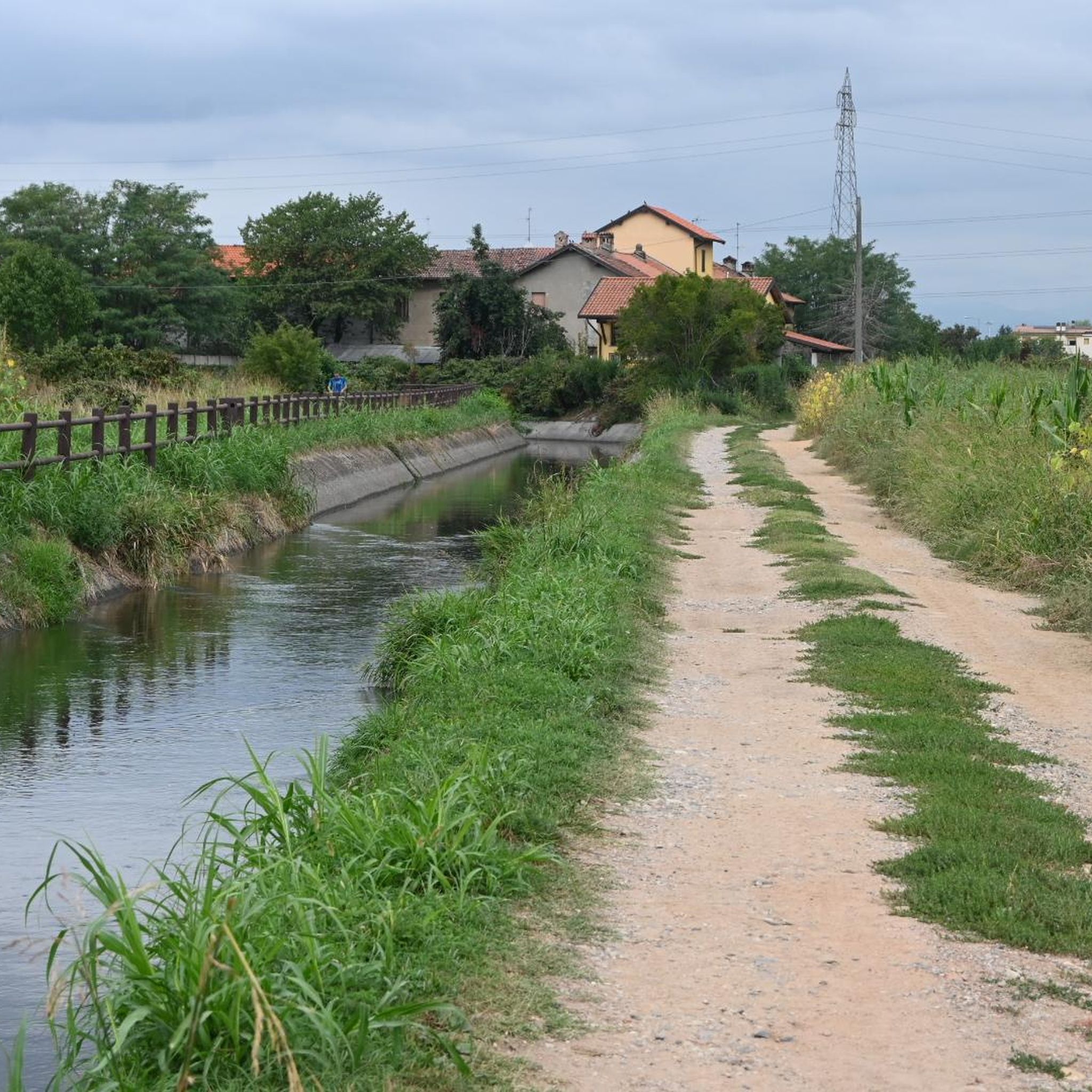
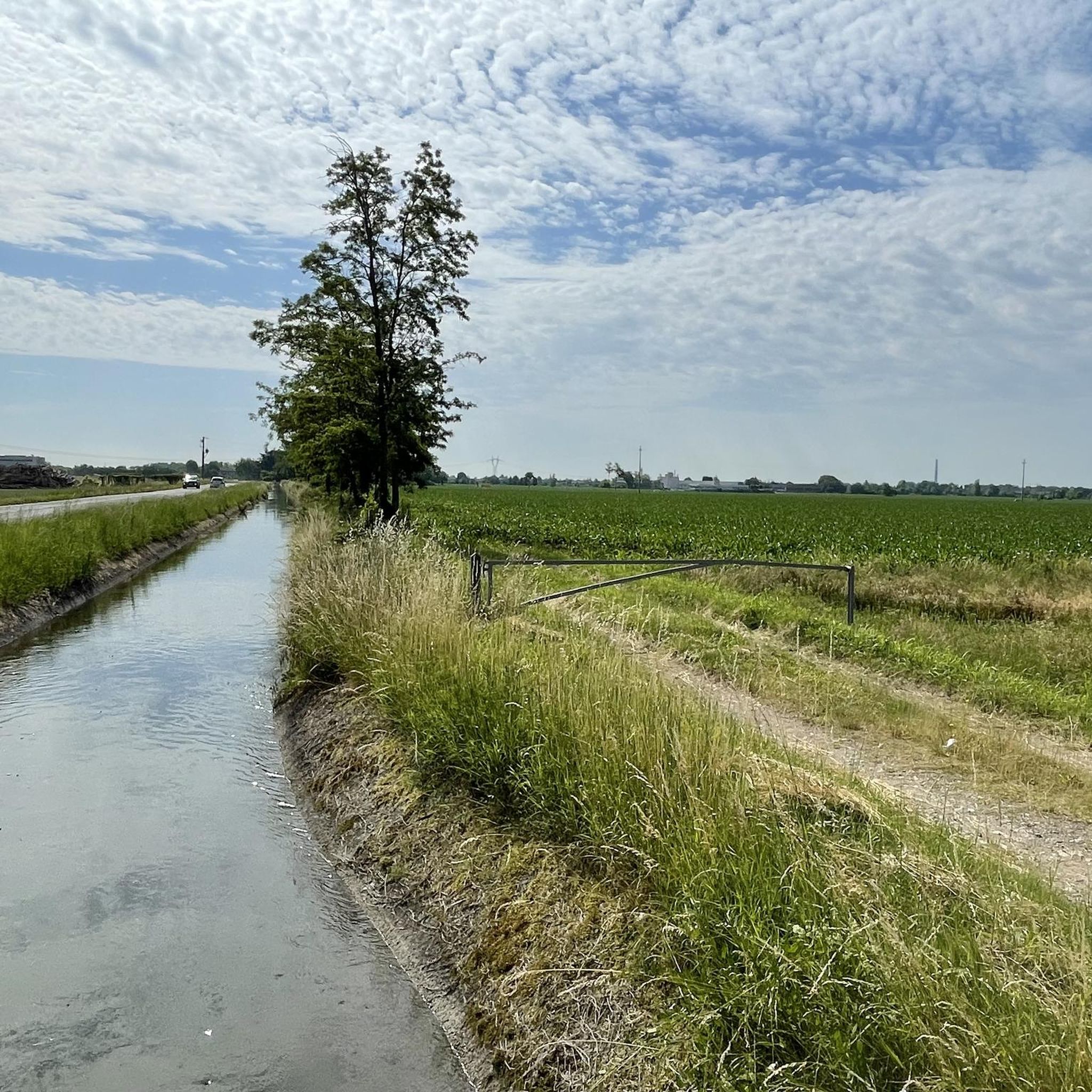
Hiking around Gessate offers opportunities for outdoor activities along its network of canals and green spaces. The terrain is predominantly flat, characterized by the historic Martesana Canal and the Villoresi Canal, which provide accessible towpaths. Nearby natural features include the Adda River and local parks such as Parco del Pignone, offering forested areas and tranquil spots. The region's landscape is suitable for relaxed walks and longer, less strenuous hikes.
Best hiking trails around Gessate
- The most popular hiking route is…
Last updated: October 1, 2026
4.2
(5)
7
hikers
11.6km
02:58
50m
50m
Canal-side trail through Lombardy's largest lowland forest with ancient oaks and historic bird-catching ruins.
4.5
(4)
58
hikers
9.78km
02:28
10m
10m
Moderate hike. Good fitness required. Easily-accessible paths. Suitable for all skill levels.

5.0
(1)
51
hikers
5.82km
01:28
10m
10m
Easy hike. Great for any fitness level. Easily-accessible paths. Suitable for all skill levels.
5.0
(1)
25
hikers
13.6km
03:27
20m
20m
Moderate hike. Good fitness required. Easily-accessible paths. Suitable for all skill levels.
5.0
(2)
21
hikers
Easy hike. Great for any fitness level. Easily-accessible paths. Suitable for all skill levels.
Get access to more routes and recommendations from other explorers.
Already have an account?
Our route recommendations are based on thousands of hikes, rides, and runs completed by other people on komoot.
Start today with a free account
Your next adventure awaits.
Other adventures around Gessate

Tips from the Community

In Gorgonzola, the most famous historic bridges crossing the Naviglio Martesana are the monumental Ponte di Milano (in pink granite with a lower walkway for towing barges) and the iconic wooden pedestrian Ponte di Legno. These bridges are landmarks on the flat route of the Martesana cycle path, very popular for trips and walks.
1
0

The Locks of Bellinzago Lombardo are an important historical hydraulic engineering work located along the course of the Naviglio della Martesana. They represent one of the best-known stopping and points of interest for cyclists and hikers who frequent the canal bank. These historical hydraulic systems (locks or sluices) originally served to regulate the flow of water and allow commercial navigation between the Adda and Milan.
0
0
Naviglio della Martesana is perhaps the least known of the ancient artificial canals connecting Milan to the great Lombard rivers. It originates from the Adda in Concesa, a hamlet of Trezzo d’Adda, crosses the Martesana sub-region, northeast of the provincial capital, and once in the city, it plunges underground beneath Via Melchiorre Gioia, at the height of Cassina de’ Pomm. It measures approximately 38 km in length, with a width varying from 9 to 18 meters. However, once upon a time, the Naviglio della Martesana continued in the open air all the way to the center, where a lock system centered on the Conca dell’Incoronata connected it to the short Naviglio di S. Marco and the urban network of the Navigli. The lock was inaugurated in 1496, utilizing lock gates designed by Leonardo da Vinci. The canal had been opened in 1471, under Francesco Sforza. By connecting it to the other Navigli, Leonardo laid the foundations for realizing a dream of the Sforzas: to travel by water from the Ticino, and therefore from Lake Maggiore, all the way to the Adda.
1
0
The Naviglio della Martesana, initially known as Naviglio Piccolo, is one of the Milanese canals that connects Milan with the course of the Adda river through the municipalities of Martesana. Commissioned in the 15th century by Francesco Sforza, it was used for irrigating the countryside but also represented the ambitious project of connecting Milan with Lake Como and thus with the Alps and Ticino. The Naviglio della Martesana is a place rich in history and beauty, a heritage for everyone that, however, today is still little known and protected. Along the Naviglio runs a rather busy cycle path, which allows you to admire the landscape and cultural beauties, such as the rich flora, fauna, or the numerous historic villas, including the Renaissance Villa Melzi d’Eril in Vaprio d’Adda.
1
0
Leonardo's locks on the Naviglio della Martesana, particularly the Conca dell'Incoronata and the Conca di San Marco in Milan, are 15th-16th century engineering systems designed to overcome water level differences and connect the Martesana to the inner network of canals. Designed by Leonardo da Vinci, these locks used wooden leaf gates, designed to facilitate the passage of barges loaded with goods.
0
0
The covered wooden bridge over the Naviglio Martesana in Gorgonzola is a historic and characteristic pedestrian crossing from the 15th century, renovated over time, which connects the two banks of the canal. A local symbol, it unites historic buildings and offers a suggestive view, representing one of the most iconic structures in the town along the canal.
0
0
Completed in 1471, the Naviglio Martesana was a huge hydraulic work of its time. Used for the transport of things and people, on both banks there was the road that was used by horses pulling barges along this important waterway that connected the villages with Milan, the big city. Now the use of the canal as a transport route has fallen into disuse after the mass arrival of rubber-wheeled transport and the route has been transformed into a beautiful cycle path, it is on this route that the Martesana cycle path is described, 36 kilometers on its own protected route and almost not at all trafficked by motor vehicles.
0
0
The Ciclovia dell'alzaia del Canale Villoresi is a flat, almost entirely dedicated cycle-pedestrian path of about 85-90 km, connecting the Ticino river (Panperduto dams, Somma Lombardo) to the Adda river (Groppello). It crosses Brianza and the northern area of Milan, ideal for cycle touring, gravel/MTB bikes, and walks.
0
0
Frequently Asked Questions
How many hiking trails are available around Gessate?
Gessate offers a selection of 13 hiking and walking routes. These include 6 easy trails perfect for a relaxed stroll and 7 moderate routes for those seeking a slightly longer or more engaging walk.
What is the best time of year to go hiking in Gessate?
The Gessate area, with its flat terrain and canal paths, is enjoyable for hiking throughout much of the year. Spring and autumn offer pleasant temperatures and beautiful scenery, while summer can be warm but still suitable for early morning or late afternoon walks, especially along shaded canal sections. Winter walks are also possible, though some paths might be damp.
Are there easy hiking options suitable for beginners or casual walkers in Gessate?
Yes, Gessate is well-suited for beginners and casual walkers. There are 6 easy trails available, many of which follow the flat towpaths of the Martesana and Villoresi Canals. An example is the Towpath of the Villoresi Canal loop from Gessate, which is 4.2 miles (6.7 km) long and generally takes less than two hours to complete.
Can I find circular hiking routes around Gessate?
Yes, many of the routes around Gessate are circular, allowing you to start and end at the same point. For instance, the Farmhouse – Martesana Canal loop from Gessate is a popular moderate circular route, and the Farmhouse – Martesana Canal loop from Bellinzago Lombardo offers an easy circular option.
Is Gessate suitable for family-friendly walks?
Absolutely. The predominantly flat terrain and well-maintained canal paths make Gessate ideal for family-friendly walks. Local parks like Parco '8 Marzo' also provide green spaces for leisurely outdoor activities. The easy routes are particularly suitable for families with children.
Are dogs allowed on the hiking trails in Gessate?
Generally, dogs are welcome on leash along the canal paths and in many of the natural areas around Gessate, provided they are kept under control and owners clean up after them. It's always a good idea to check specific park regulations if venturing into designated natural reserves.
What natural attractions or landmarks can I see while hiking near Gessate?
While hiking near Gessate, you can explore several natural and historical attractions. The Martesana Canal Cycle Path itself is a significant feature, offering scenic views. You might also encounter the Rudun Water Wheel in Groppello d'Adda, a historical landmark. For a tranquil spot, consider visiting the Oasi Le Foppe di Cavenago Brianza, a peaceful lake area, or the Madonna Spring, a natural monument.
Are there any waterfalls near Gessate that I can hike to?
Yes, near Gessate, you can find the Parco del Pignone, which features a waterfall on the Adda River. This park offers a pleasant setting for walks and relaxation amidst nature, providing a lovely destination for a hike.
Can I hike along the Martesana Canal?
Yes, hiking along the Martesana Canal is one of the primary outdoor activities in the Gessate area. The canal's towpaths offer flat, accessible routes, perfect for walking. Many routes, such as the Farmhouse – Martesana Canal loop from Gessate, incorporate sections of this historic waterway, allowing you to enjoy its unique charm and surrounding green spaces.
What do other hikers say about the trails around Gessate?
The hiking trails around Gessate are highly regarded by the komoot community, holding an average rating of 4.4 stars from over 400 reviews. Hikers often praise the peaceful canal paths, the flat and accessible terrain, and the opportunity to enjoy nature and historical features like the Martesana Canal.
Where can I find parking for hiking trails in Gessate?
Parking is generally available in and around Gessate, particularly near the starting points of popular trails or in town centers. For routes along the canals, look for public parking areas in nearby villages or designated spots close to canal access points. Specific parking details can often be found on individual route descriptions on komoot.
How can I reach the hiking trails around Gessate using public transport?
Gessate is accessible by public transport, primarily via the Milan Metro (M2 line), which has a station in Gessate. From the station, many trails are within walking distance or a short bus ride. The canal paths are often easily reached from various points along the M2 line, making it convenient to access routes without a car.
Most popular attractions around Gessate

Get inspired with the komoot mobile app


Explore more
Browse the best Hikes in other regions.
