Top 12 Lakes around Breno
Best lakes around Breno are found in the Val Camonica region of Lombardy, Italy, offering access to diverse aquatic environments. This area provides a gateway to both renowned large Italian lakes and more secluded alpine gems. Visitors can experience a range of activities, from water sports and exploring lakeside towns to tranquil natural retreats. The region's geography supports a variety of lake types, making it a destination for different outdoor interests.
Best lakes around Breno
- The most popular lakes is Lake della Vacca, a lake located in the Caffaro valley within the Adamello Natural Park. It is notable for its cattle-shaped rock and for being dammed in 1927 to power a hydroelectric station.
- Another must-see spot is Lova Lake, an alpine lake of glacial origin situated at nearly 1,300 meters above sea level. Visitors can expect a recreation area with benches, barbecue, and picnic facilities, along with a small chapel and tavern.
- Visitors also love Bruffione Lakes, a group of lakes renowned for their natural beauty. They are surrounded by majestic mountains and are an ideal place for hiking, fishing, or enjoying nature's tranquility.
- Breno is known for large Italian lakes like Lake Iseo and Lake Garda, as well as smaller alpine lakes such as Lake Moro and Lake Lova. This variety offers options for bustling lakeside towns, water sports, and peaceful natural retreats.
- The lakes around Breno are appreciated by the komoot community, with more than 180 upvotes and 70 photos shared across various highlights.
Last updated: October 4, 2026
Lova Lake
Highlight • Lake
Translated by Google •
Tip by

Tita Secchi Hut
Highlight • Mountain Hut
Translated by Google •
Tip by

Sign up now to discover places like this
Get recommendations on the best single tracks, peaks, & plenty of other exciting outdoor places.
Conca dei Campelli
Highlight • Viewpoint
Translated by Google •
Tip by

Lake della Vacca
Highlight • Lake
Translated by Google •
Tip by

Malga Bissina Dam
Highlight • Monument
A path for bikers leads from the dam wall to the “Rifugio Val di Fumo” refuge, where you can also spend the night.
On the way you can expect a picturesque heathland and an ascent of around 200 meters (if the hiking trail is too strenuous for you by bike, I recommend you complete your bike at Malga Breguzzo and walk to the hut.)
Translated by Google •
Tip by

Sign up for free to discover even more lakes around Breno.
Already have an account?
Start today with a free account
Your next adventure awaits.
Popular around Breno
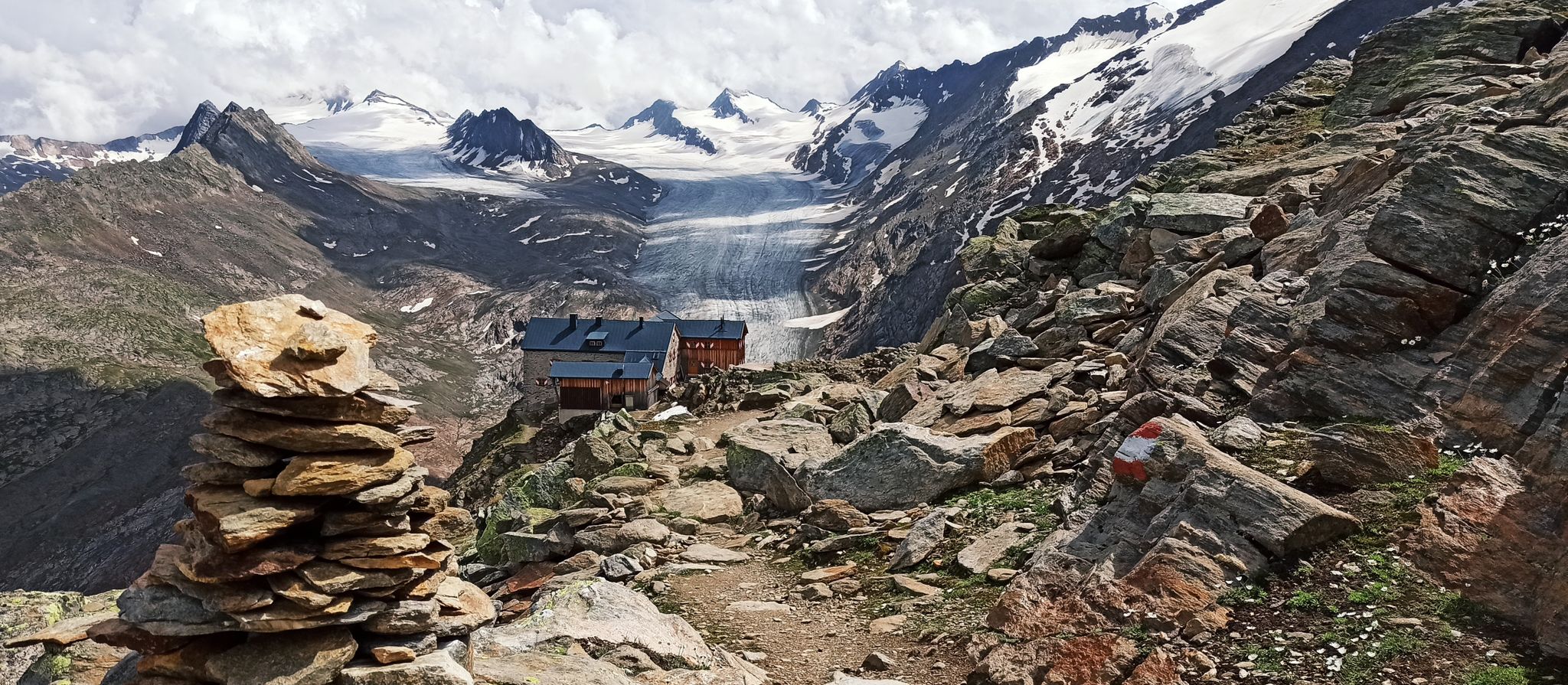
L1 from Garmisch to Brescia – Far from the classic Alpine crossings
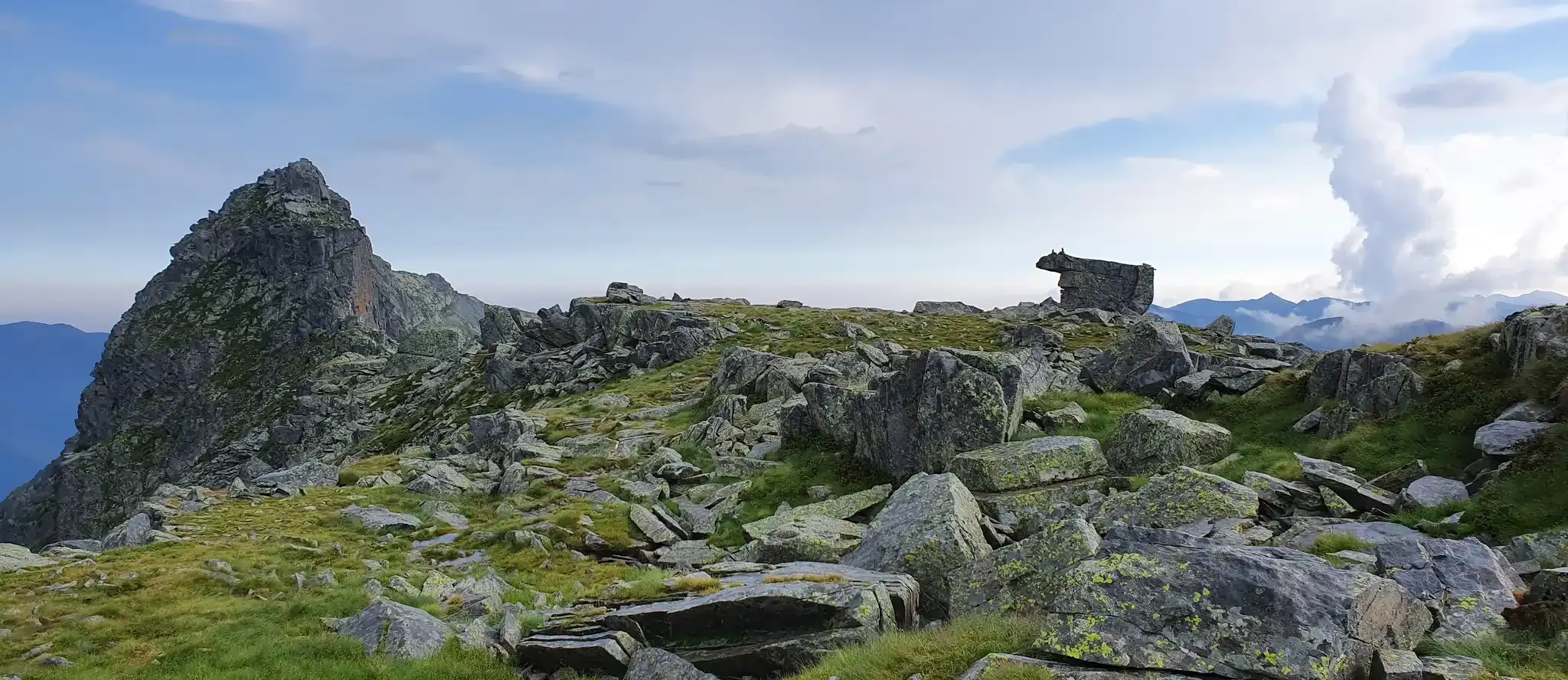
Exploring Italy’s Val Sabbia – at the foot of Cornone di Blumone
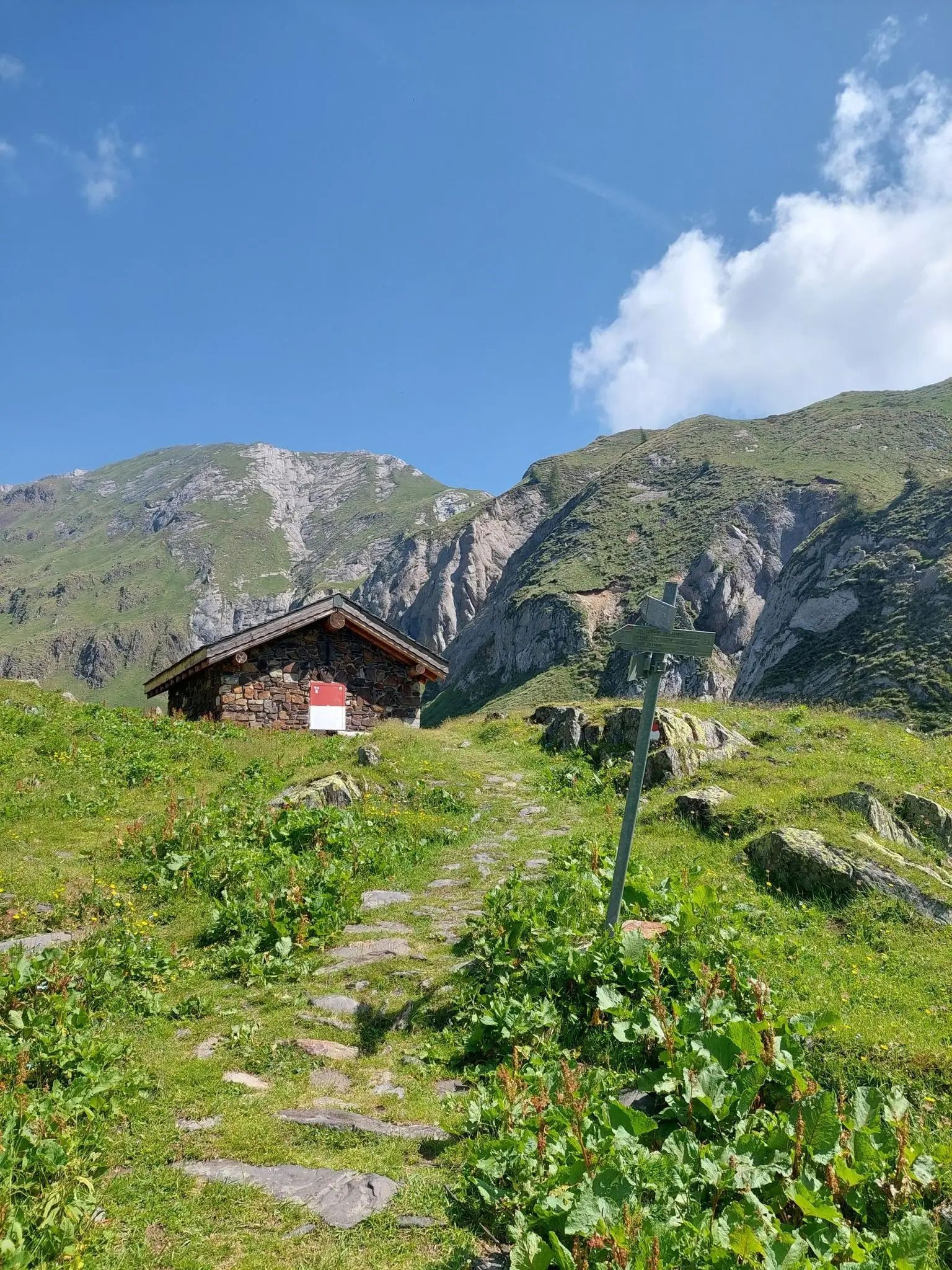
Along the ancient Italian-Austrian border – Alta Via del Caffaro
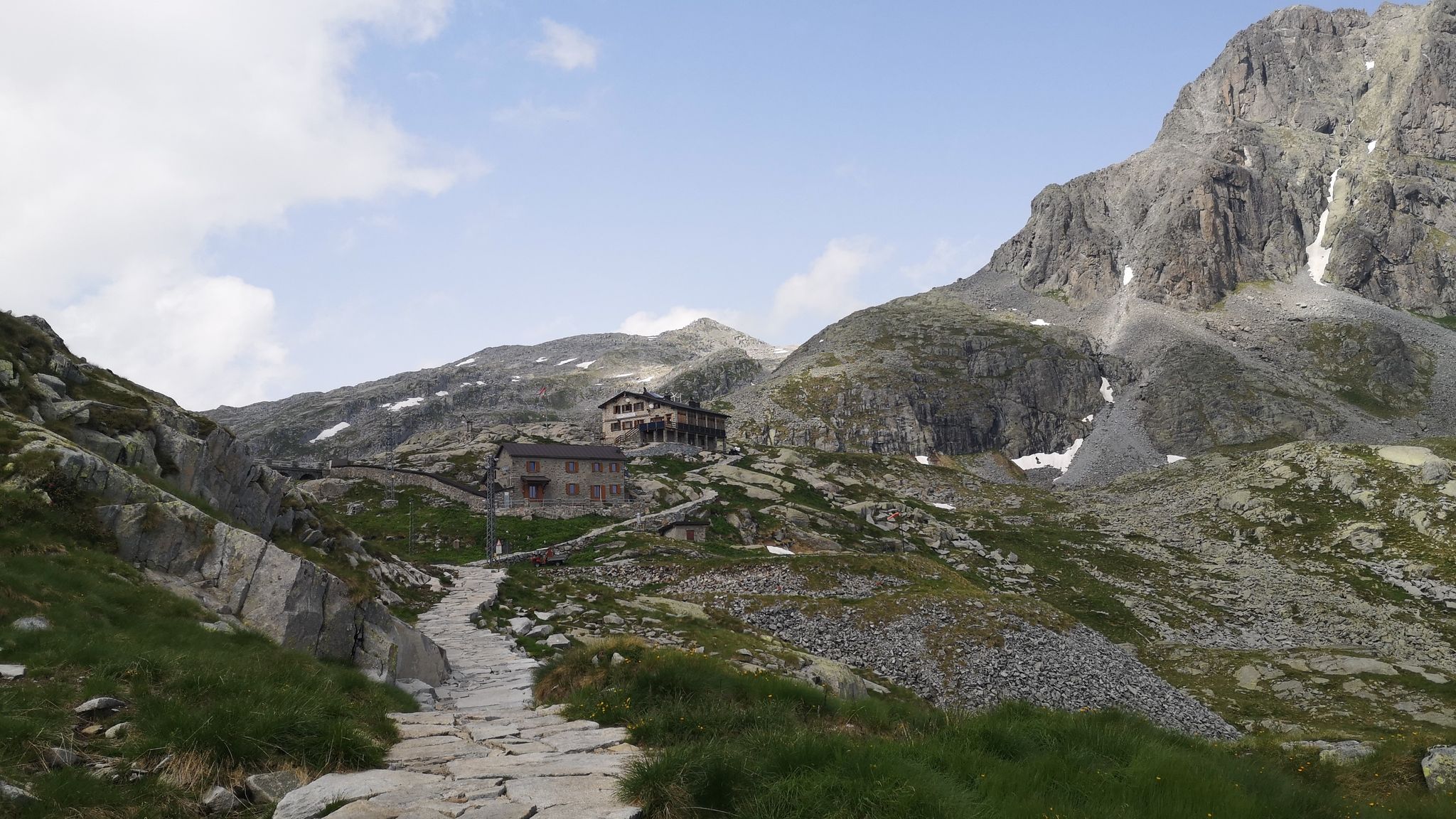
Along Path no. 1 – Alta Via dell'Adamello
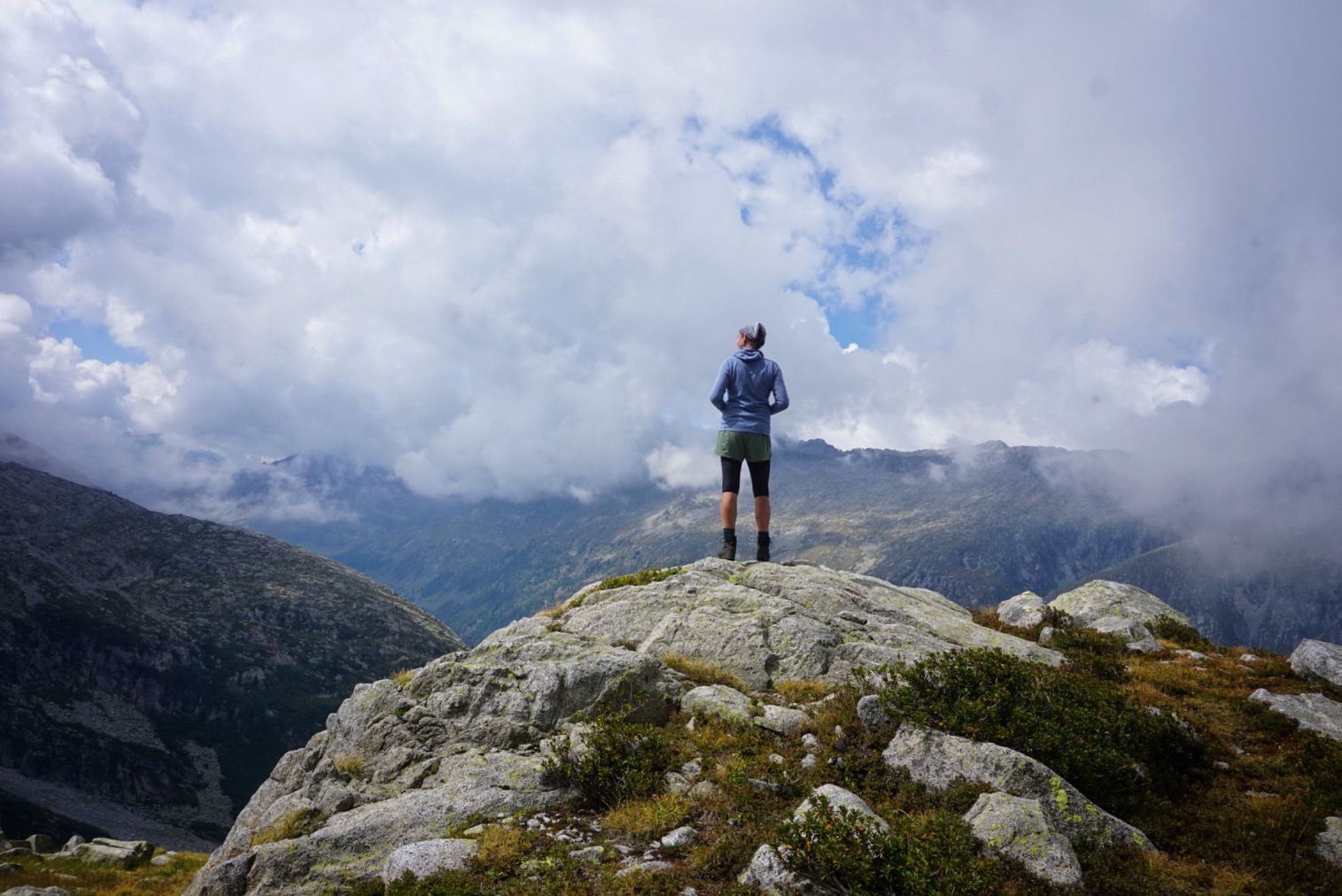
Adventure Adamello — trekking through an isolated Alpine region
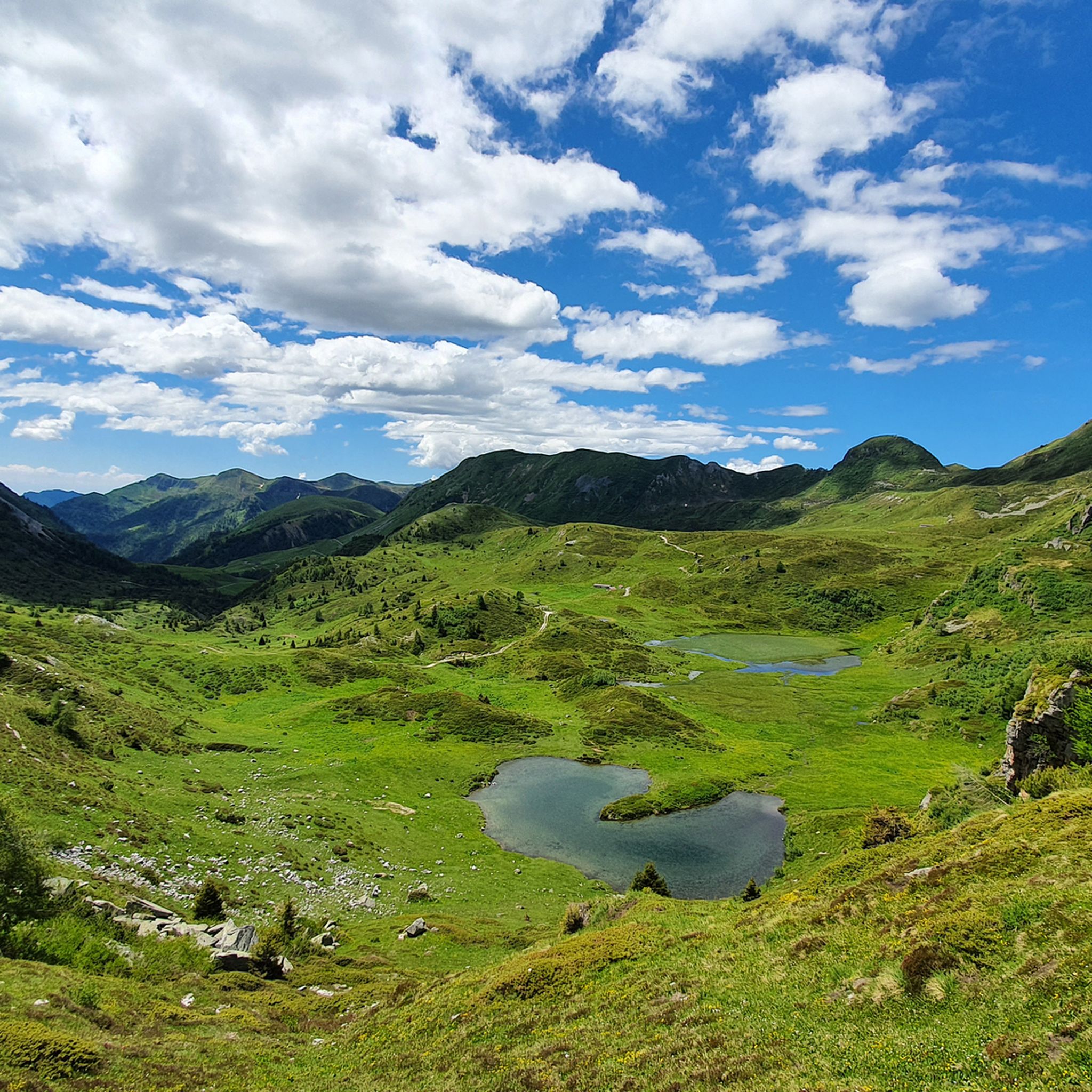
Hiking around Breno
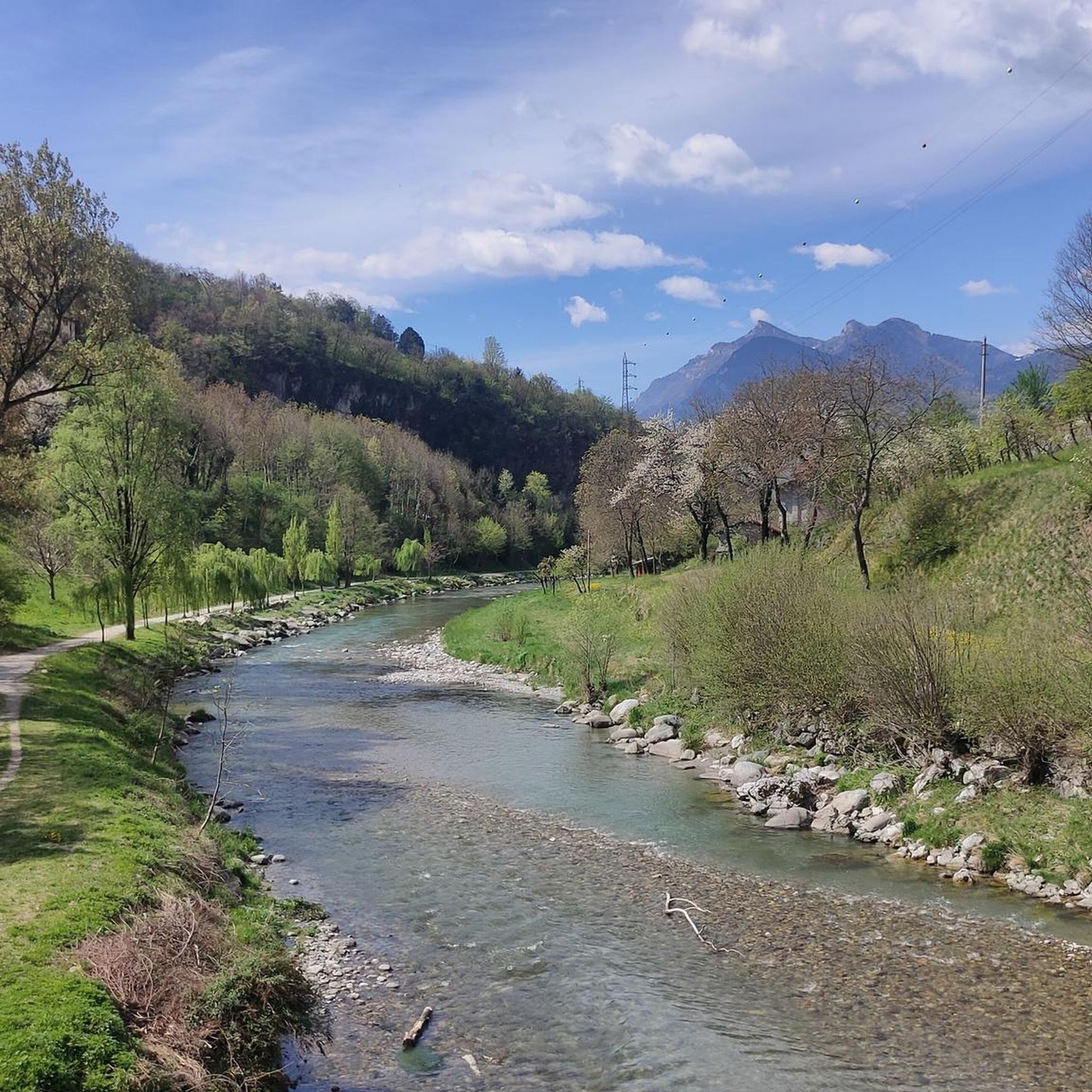
Road Cycling Routes around Breno
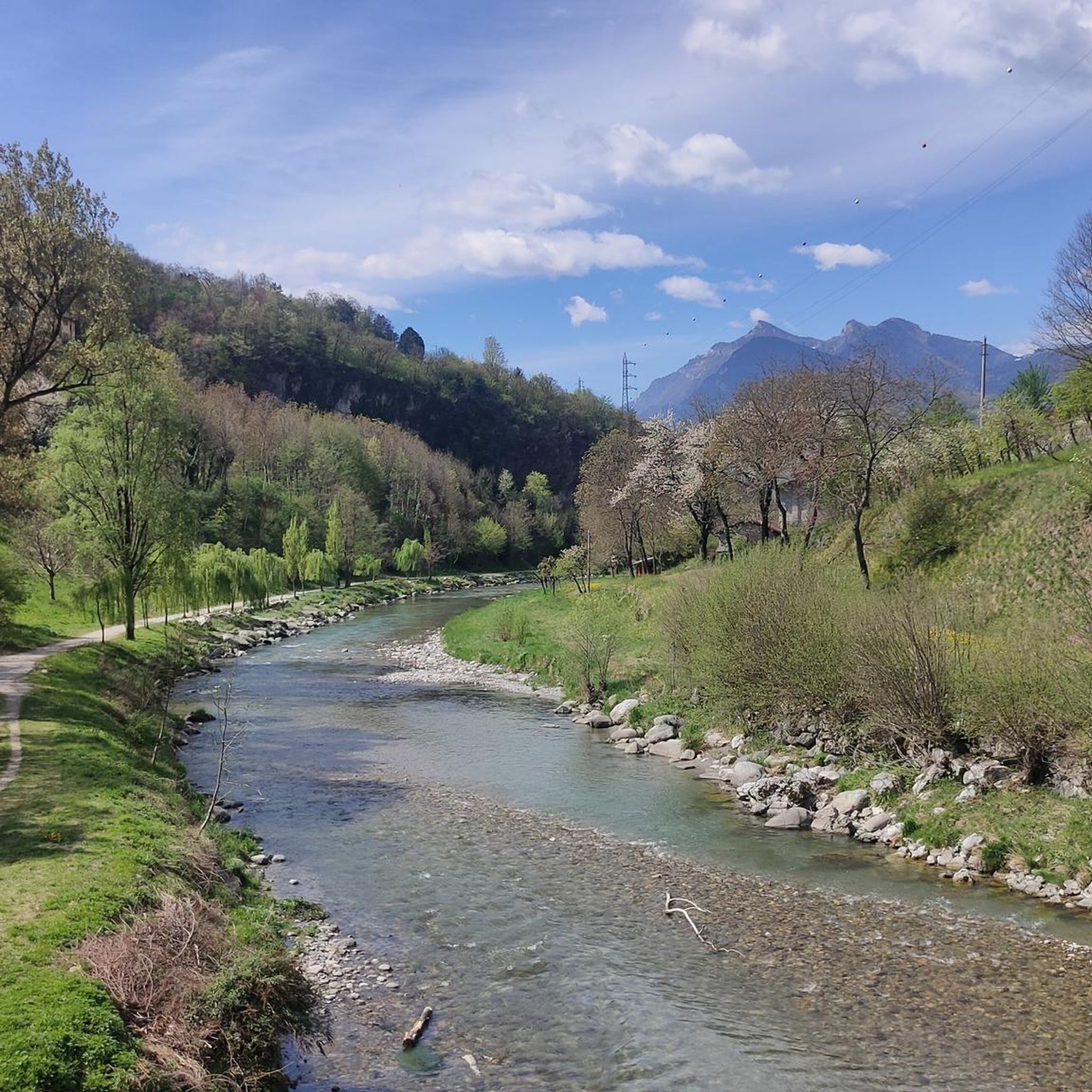
MTB Trails around Breno
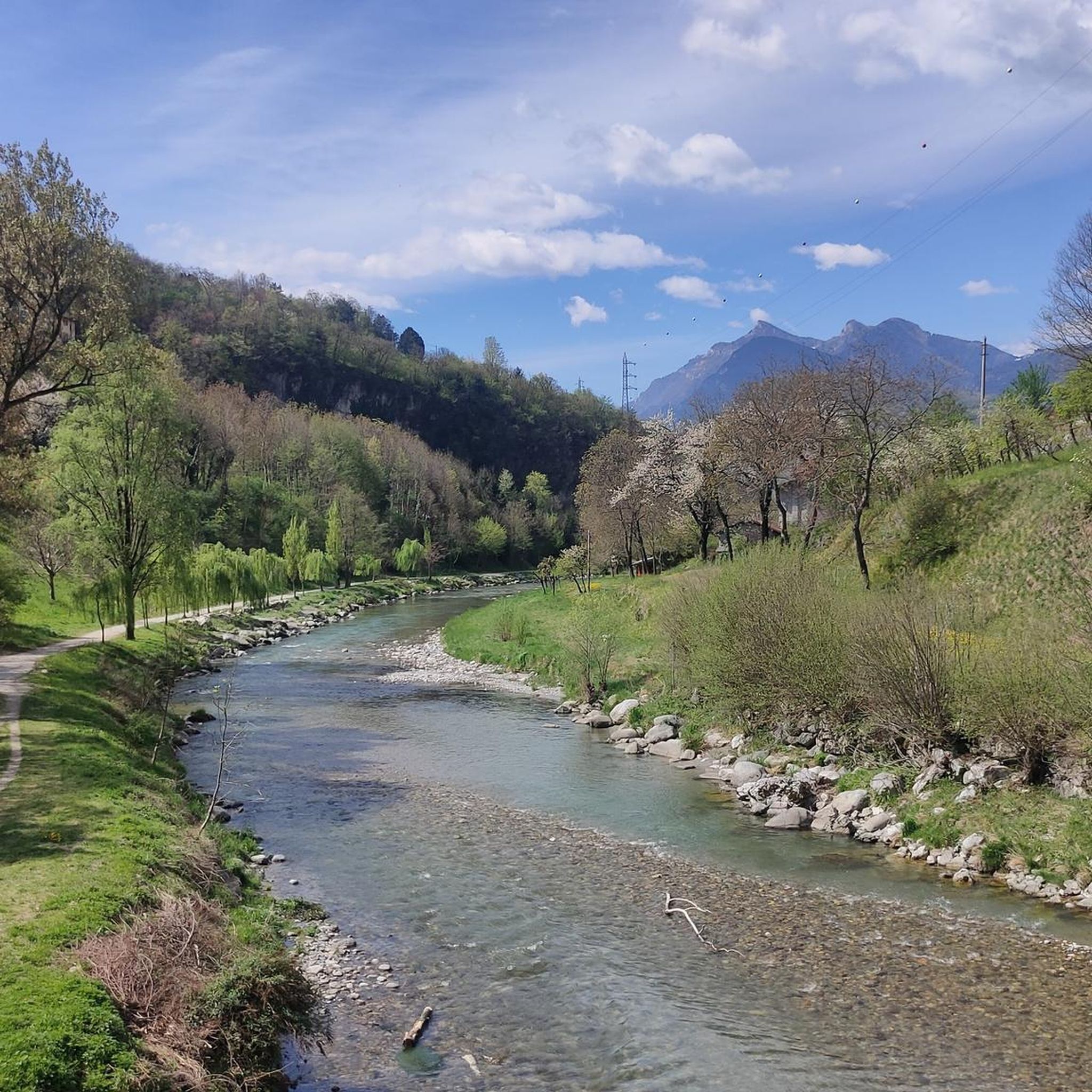
Cycling around Breno
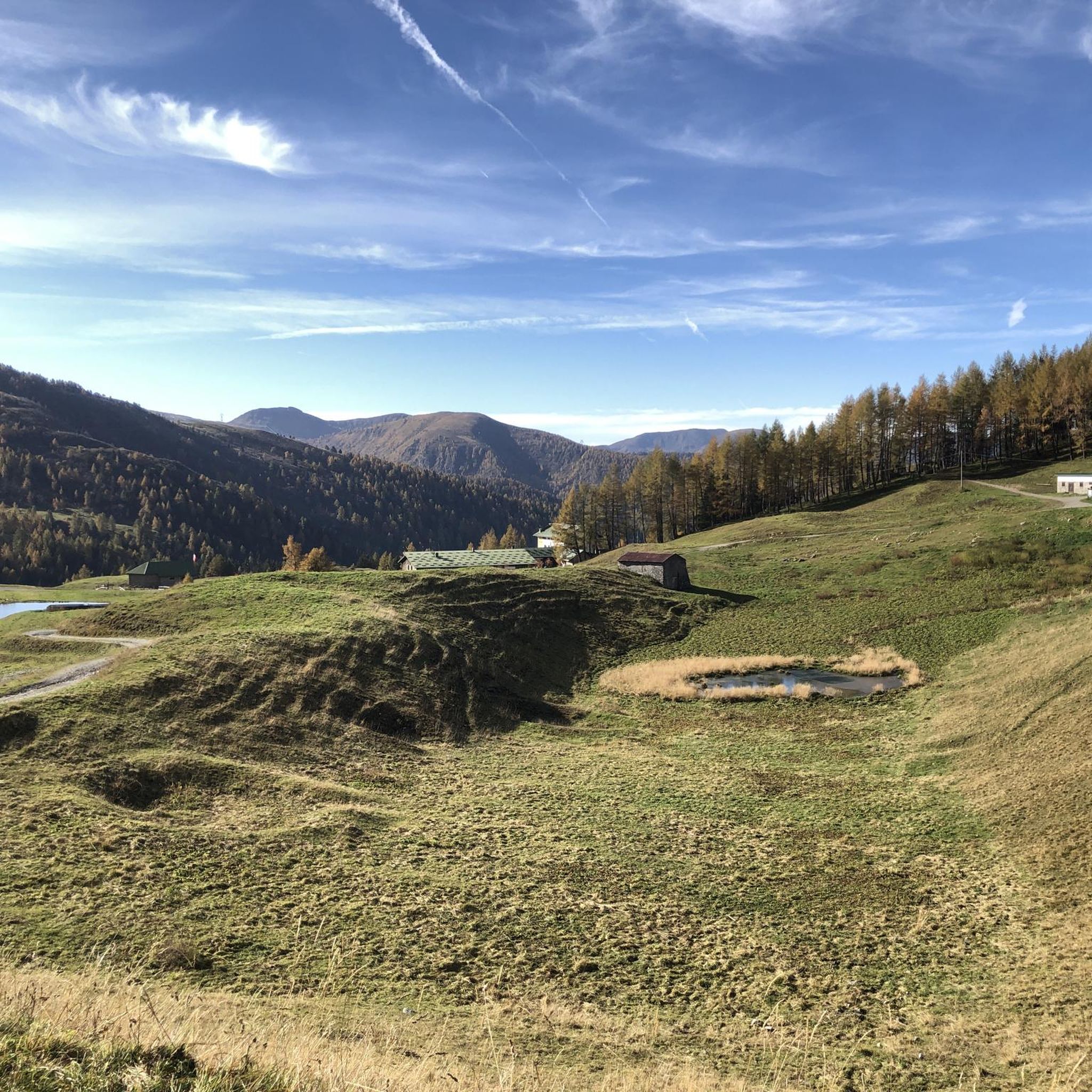
Running Trails around Breno


Tips from the Community

The Rifugio Tita Secchi is one of the most spectacular refuges in the Adamello, directly overlooking the Lago della Vacca and at the foot of the south face of the Cornone di Blumone. 🏔️ Refuge identity Altitude: 2367 m a.s.l. Municipality: Breno (Val Camonica) Location: Lago della Vacca locality, 25043 Breno BS Coordinates: 45.9526805 N, 10.4427384 E Phone: 0365 903001 (active June–September) Management: Alessandra Serina Beds: 60; winter room: 6 beds
0
0
Lago della Vacca is one of the most iconic places in the Adamello: an artificial basin at 2358 m nestled in a glacial cirque, dominated by the Cornone di Blumone and flanked by the Rifugio Tita Secchi. It is an absolute classic for those who love high altitudes. 🏔️ Identity and main characteristics Altitude: 2358 m a.s.l. Origin: artificial lake, dammed by a gravity dam completed in 1927 (17.5 m high, 87 m at the crest). Surface area: 0.256 km². Environment: glacial cirque at the southern end of the Adamello massif, surrounded by peaks over 2500 m. Name: probably linked to a cow-shaped rock at Passo della Vacca (2355 m).
0
0
Lake Lova is a picturesque hiking destination located above Borno, on the Altopiano del Sole plateau in Val Camonica. It is appreciated for its alpine landscape, tranquility, and the variety of surrounding trails. The lake is located at approximately 1,392 meters above sea level and can be reached via several hiking trails, including the Sentiero della Memoria (Path of Remembrance) that starts from the church of San Fiorino in Borno. After a short paved stretch to the Trattoria Navertino, you take a dirt path that winds through larch and fir trees, with steep sections and slippery cobblestones. The hike is immersed in a natural environment typical of the Lombard Prealps, with natural fountains and good cell phone coverage. A longer alternative is the Monte Mignone – Lake Lova circular hike, approximately 11.1 km long with an elevation gain of 837 meters, to be done counterclockwise. This route offers spectacular views and passes through pastures and woods, with the lake as its focal point. Lake Lova is also a hub for other trails: from here, you can continue towards the San Fermo Refuge or the Laeng Refuge, following CAI trails 106 and 182. Parking is available near the lake, making it accessible even for less experienced hikers. Scenically, the lake is nestled in a green valley surrounded by woods and pastures, with calm waters reflecting the sky and surrounding mountains. It's an ideal destination in all seasons, but particularly captivating in autumn due to the colorful foliage.
0
0
The Conca dei Campelli is a splendid alpine area located in the Scalve Valley, in the province of Bergamo, bordering the Camonica Valley. It is a true natural jewel, perfect for hiking, snowshoeing, and relaxing days immersed in nature. 🏞️ Characteristics of the Conca dei Campelli Altitude: approximately 1,800–1,900 m Main access: from Schilpario, following the signs for the Vivione Pass and then the Campelli Pass View: surrounded by the Piccole Dolomiti Scalvine, with views of Cimon della Bagozza Points of interest: Rifugio Campione: excellent refreshment point and base for hikes Laghetto dei Campelli: small alpine lake, ideal for a break Madonnina dei Campelli: panoramic and spiritual point 🌿 Recommended activities Summer hiking: trails also suitable for families and children Winter snowshoeing: breathtaking snow-covered landscapes, ideal for snow lovers
0
0

The entire left bank of Lake Bissina can be cycled along up to the Breguzzo mountain hut, then you have to leave your bike and continue on foot to reach the Val Di Fumo refuge because there is a traffic ban.
1
0

I recommend stopping at the Tita Secchi refuge, Alessandra and Piero and their staff were fantastic, delicious lunch and a family and relaxing atmosphere!!
1
1


A place with a wonderful panorama, with a fantastic view of the Concarena massif. In autumn, since the sun is low and hides behind the mountain massif, it creates enchanting plays of light and shadow. Easy to reach, it is in fact just a few meters from the Cimon Bagozza refuge, reachable by car. Suitable for everyone, including children and the elderly
0
0
Frequently Asked Questions
Which lakes near Breno are best for hiking and enjoying nature's tranquility?
For hiking and tranquil natural beauty, the Bruffione Lakes are an excellent choice, surrounded by majestic mountains. Lova Lake, an alpine lake of glacial origin, also offers picturesque scenery and is popular for hikers and mountain bikers. Additionally, Lake Moro, nestled in a glacial basin in Val Camonica, provides a serene environment perfect for relaxing walks.
Are there any family-friendly lakes around Breno?
Yes, Lova Lake is very family-friendly, featuring a recreation area with benches, barbecue facilities, and picnic tables. Lake Moro also offers a peaceful setting for families, with pedal boat rentals and swimming opportunities in summer. For a wider range of family activities, Lake Garda, though further, has theme parks like Gardaland.
What kind of outdoor activities can I do near the lakes around Breno?
The lakes around Breno offer a variety of outdoor activities. You can enjoy hiking and mountain biking around Lova Lake and the Bruffione Lakes. Lake Iseo is ideal for cycling, kayaking, canoeing, sailing, and swimming. Lake Garda is a hub for water sports including sailing, windsurfing, kitesurfing, and swimming. For more specific routes, you can explore options for gravel biking, cycling, and running trails in the Breno area.
Which lakes are easily accessible from Breno by public transport?
Lake Iseo is the most accessible of the major Italian lakes from Breno, with direct train services available to towns like Pisogne. Lake Moro is also very close and easily accessible within the Val Camonica itself. For other alpine lakes like Lova Lake, access is typically by foot or mountain bike, with motorized vehicles requiring off-road capability.
What is the best time of year to visit the lakes near Breno?
The best time to visit the lakes near Breno largely depends on your preferred activities. Summer is ideal for water sports and swimming, especially at Lake Moro, which becomes a lively spot. For hiking and mountain biking, late spring to early autumn offers pleasant weather. The region's diverse climate means you can find enjoyable experiences across different seasons.
Are there any unique natural features to see at the lakes?
Yes, Lake della Vacca is notable for its cattle-shaped rock. Lake Moro is set in a glacial basin and boasts high biodiversity. Lova Lake, also of glacial origin, is framed by the Pizzo Camino and Mount Mignone groups, offering typical Lombardy Pre-Alps scenery with spruce forests and pastures.
Can I find accommodation or places to eat near the lakes?
Yes, around Lova Lake, you'll find a tavern (Chalet Lova). Near Lake della Vacca, the Tita Secchi Hut offers accommodation and meals. Lakeside towns on Lake Iseo, such as Iseo, Lovere, and Pisogne, have numerous historic centers, promenades, and dining options. Lake Moro also has bars during the summer season.
What makes Lake Iseo a popular destination from Breno?
Lake Iseo is popular due to its proximity to Breno and its reputation as a more tranquil and authentic Italian lake experience compared to its larger neighbors. It's home to Monte Isola, Europe's largest inhabited car-free lake island, and charming towns like Lovere. It also offers excellent opportunities for cycling, hiking, and water sports, and is close to the Franciacorta wine region.
Are there any historical or cultural sites near the lakes?
Lake Iseo's charming lakeside towns like Iseo, Lovere, and Pisogne boast historic centers and medieval buildings. Lake Garda is dotted with historic towns such as Sirmione, known for its Scaliger Castle and Roman ruins, and Malcesine with its medieval castle. The Tita Secchi Hut near Lake della Vacca also has historical significance related to a partisan from WWII.
What are the parking options for visiting lakes near Breno?
While specific parking details for every lake vary, generally, larger lakes like Iseo and Garda have designated parking areas in their lakeside towns. For smaller alpine lakes like Lova Lake, access might be limited, often requiring parking further away and continuing on foot or by mountain bike. It's advisable to check local information for specific parking availability at your chosen lake.
Can I go wild swimming in the lakes around Breno?
Yes, swimming is possible in several lakes. Lake Iseo and Lake Garda are popular for swimming and various water sports. Lake Moro also offers opportunities for swimming, especially during the warmer summer months. Always be mindful of local regulations and safety guidelines when considering wild swimming.
Are there any viewpoints offering scenic panoramas of the lakes?
Many of the lakes offer stunning viewpoints. The Bruffione Lakes are renowned for their natural beauty and majestic mountain surroundings, providing excellent panoramic views, especially from the Bruffione Pass. Lova Lake also offers evocative scenery of the Lombardy Pre-Alps. The diverse landscapes of Lake Garda, stretching from the Alps to the Po plain, also provide numerous scenic vistas.
Most popular routes around Breno
Most popular attractions around Breno

Get inspired with the komoot mobile app


Explore more
Still not found your perfect lake around Breno? Check out the guides of these regions to see even more beautiful places.
