Top 8 Castles around Sarmato
Best castles around Sarmato are situated in a region with a rich history, strategically located near the Po and Tidone rivers. This area served as a crucial outpost for Piacenza, defending vital medieval roads. The landscape is characterized by its historical significance and proximity to important waterways, offering a blend of cultural heritage and natural surroundings.
Best castles around Sarmato
- The most popular castles is Chignolo Po Castle, a castle with an ancient history, with its main tower dating…
Last updated: July 1, 2026
Chignolo Po Castle
Highlight • Castle
Via Stazione, 27013 Chignolo Po PV
castellodichignolopo.it
3201198899
Translated by Google •
Tip by

San Colombano Castle
Highlight • Castle
Translated by Google •
Tip by

Sign up now to discover places like this
Get recommendations on the best single tracks, peaks, & plenty of other exciting outdoor places.
Sign up for free
Rocca of Borgonovo Val Tidone
Highlight • Castle
Piazza Giuseppe Garibaldi, 18, 29011 Borgonovo Val Tidone PC
Translated by Google •
Tip by
Boffalora Castle and Tidone Trail
Highlight • Castle
Translated by Google •
Tip by

Ramp on Via Collada, San Colombano Castle
Highlight (Segment) • Castle
Translated by Google •
Tip by

Sign up for free to discover even more castles around Sarmato.
Sign up for free
Already have an account?
Start today with a free account
Your next adventure awaits.
Login or Signup

Tips from the Community

The Castello di San Colombano (or Castello Belgioioso) stands in the medieval village famous for its vineyards and for being an exclave in the province of Milan. Dating back to the 6th century and rebuilt by Barbarossa in 1164, it is divided between a private area (the keep) and a communal one (the fortified village).
0
0
The Ramp on Via Collada in San Colombano al Lambro (MI) is a climb of about 700-1160 meters that starts right by the castle walls. It is known for its challenging average gradient of ~17% and peaks exceeding 20%] Length: Approximately 1.16 km (with a steep initial section of ~ 500 meters). Elevation gain: ~ 199 meters. Average gradient: 17.12%. Maximum gradient: Very steep, suitable for intense training (MTB/road bike climb category).
0
0

This palace is called the "Versailles" of Lombardy. Everything is locked. According to the sign, it can be visited by appointment. The grounds are vast.
1
0


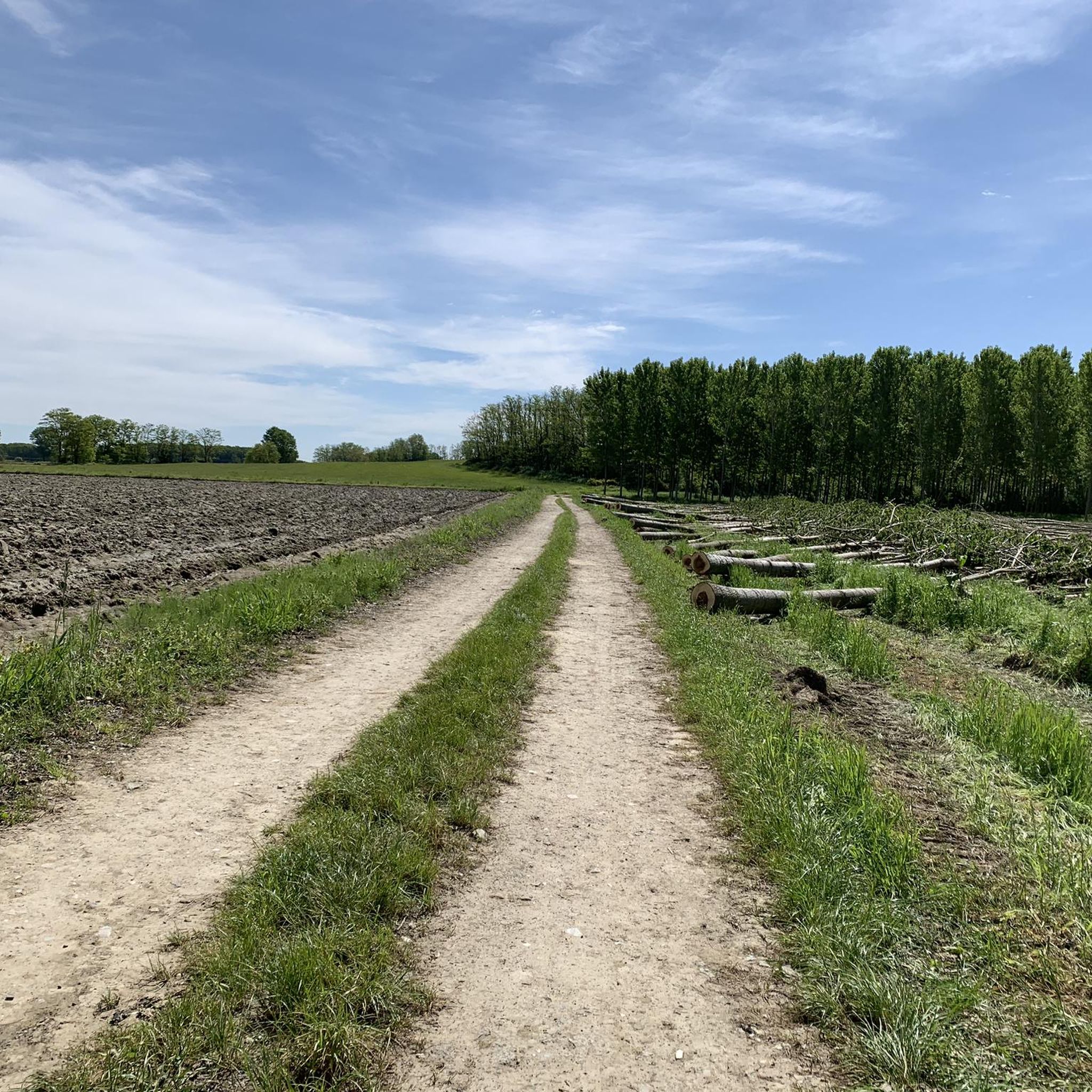
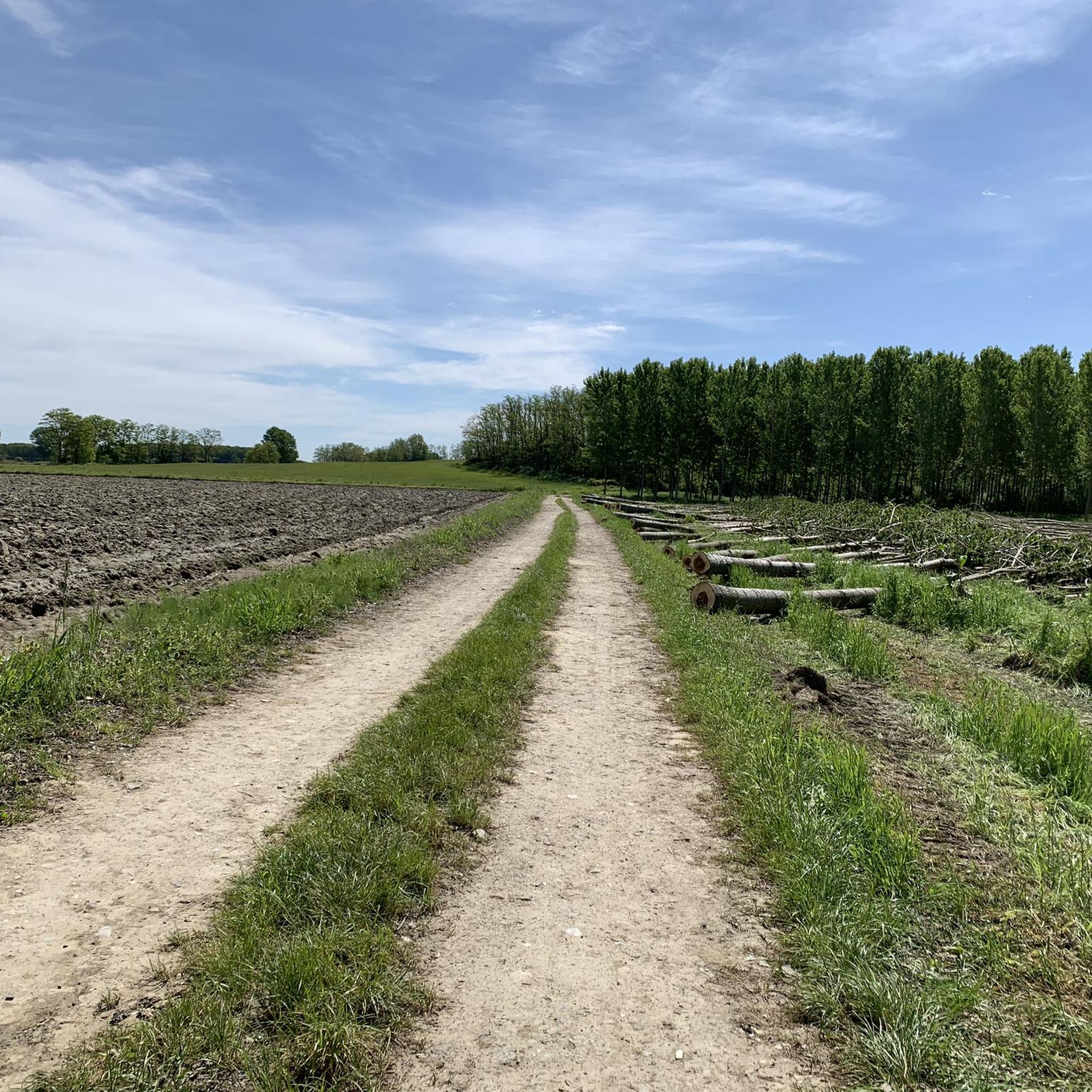
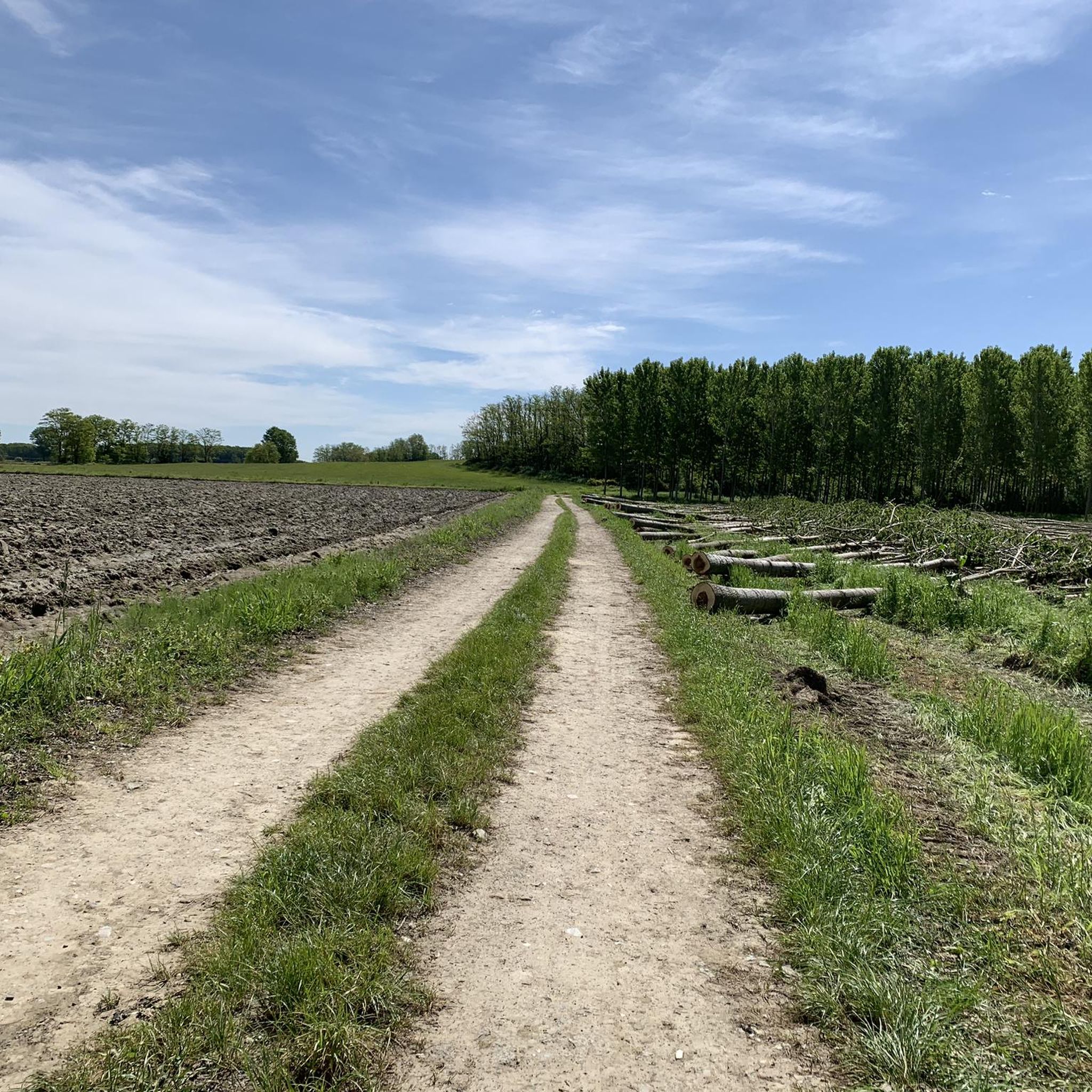
On gravel we followed dirt roads along waterways and cycle paths as much as possible, but you can get there faster with a road bike.
0
0
We left Gorgonzola in the direction of the Chignolo Po Castle, one of the sumptuous country residences of Lombardy, and after about three hours we arrived at our destination... discovering that the Castle was closed... no big deal we took pictures from the outside. Its oldest part is the tower, built as a garrison on the Po and on the connecting routes between northern Europe and Italy. The Castle, built in the thirteenth century, was transformed into a princely palace in the eighteenth century, through an imaginative stylistic reworking of the building. It appears as a majestic terracotta construction, surmounted by a protruding gallery supported by stone brackets. Each window is framed in white. The most spectacular element is the central tower, square and with battlements, embellished with a small loggia. Inside you can admire the apartments in which Pope Clement XI, Napoleon Bonaparte and Francis I of Austria were hosted, as well as the sumptuous ballroom on whose ceiling the glory of the four seasons is painted. The Castle is also home to the Museum of the History of Lombard Agricultural Civilization, created with the intent of bringing together the many historical realities that have formed the foundation of the agricultural activities of the lower Po Valley and the Lombard Wine Museum. The visit route aims to admire the monumental complex of the Castle of Chignolo Po and to enhance the history of its centuries-old royal fiefdom and its position along the Via Francigena. The visits are only guided as the Castle is a private residence. Nice trip!
0
0

Place of historical, cultural, architectural and tourist interest Via Galdino, Via Stazione, Via Aglieri, 1, 27013 Chignolo Po PV http://www.castellodichignolopo.it/ 3201198899
2
0

Also known as the 'Versailles of Lombardy'
3
0
Frequently Asked Questions
What are some notable castles to visit around Sarmato?
Beyond the historic Castello di Sarmato, you can explore several other significant castles. Consider visiting Chignolo Po Castle, known as the 'Versailles of Lombardy' with its ancient Lombard origins. Another must-see is San Colombano Castle, which has undergone numerous transformations since its 6th-century beginnings. Also, Castello di Luzzano, an elegant residence transformed by the Marquises Malvicini Fontana, offers a blend of history and modern hospitality.
What is special about Castello di Sarmato?
The Castello di Sarmato is a well-preserved medieval fortress, built around the year 1000, that served as a strategic outpost for Piacenza. It features impressive defensive architecture, including square perimeter walls, a moat, and two corner towers. Inside, you can find wide vaulted halls, period furnishings, and significant frescoed rooms like the 'Sala dei filosofi'. Uniquely, it is still inhabited by the Zanardi Landi counts, who actively preserve its heritage. You can find more details about its history and features on Visit Piacenza.
Are there guided tours available at Castello di Sarmato?
Yes, visitors can explore Castello di Sarmato through guided tours. These are typically available on Sundays, with varying times depending on the season. The tours often cover the garden, facades, frescoed and furnished rooms, the archive, the ballroom, bedrooms, and the 'Sala dei filosofi'. Private visits can also be arranged by appointment. Check the official website or local tourism resources for current schedules and booking information.
What kind of historical architecture can I expect to see in the castles around Sarmato?
The castles in the Sarmato region showcase a rich variety of medieval and Renaissance architecture. You'll find imposing defensive structures like the Castello di Sarmato with its crenellations, moats, and robust towers. Other castles, like Castello di Luzzano, have been transformed into elegant residences, blending military origins with refined domestic features. The Rocca of Borgonovo Val Tidone, for instance, exhibits typical fourteenth-century Po Valley castle elements such as the sawtooth motif and fortified entrances.
Are there family-friendly castles in the Sarmato area?
Many castles in the Sarmato area offer an engaging experience for families. The historical significance and architectural grandeur can captivate visitors of all ages. For example, Chignolo Po Castle and Rocca of Borgonovo Val Tidone are listed as family-friendly. Guided tours, especially at Castello di Sarmato, can bring history to life for younger visitors.
Can I find places to eat near the castles?
Yes, the towns and villages surrounding the castles, including Sarmato itself, offer various cafes, restaurants, and pubs where you can enjoy local cuisine. It's advisable to check local listings or inquire upon arrival for options closest to the specific castle you are visiting.
What outdoor activities can I do near the castles around Sarmato?
The region around Sarmato is excellent for outdoor activities. You can find numerous hiking and cycling routes. For hiking, consider trails like the 'Via Francigena - San Rocco al Porto Variant' or the 'Tidone Trail - Dam – Church of Saint Hilary the Bishop loop'. If you prefer cycling, there are road cycling routes such as the 'Little Stelvio of Oltrepò – Diga del Molato loop' and touring bicycle routes like the 'Castello di Luzzano – Rocca of Borgonovo Val Tidone loop'. You can find more details and routes in the Hiking around Sarmato guide, the Road Cycling Routes around Sarmato guide, and the Cycling around Sarmato guide.
Are there hiking trails near Sarmato's castles?
Yes, there are several hiking trails in the vicinity of Sarmato's castles. The 'St. Roch Trail' is a pedestrian path directly connected to the Castello di Sarmato, allowing visitors to explore sacred sites linked to Saint Roch. Additionally, the broader area offers trails like the 'Tidone Trail - Dam – Church of Saint Hilary the Bishop loop' and the 'Castello di Castelnovo loop'. These trails vary in difficulty from easy to difficult. For more options, refer to the Hiking around Sarmato guide.
What is the best time of year to visit the castles around Sarmato?
The best time to visit the castles around Sarmato is generally during spring (April-June) and autumn (September-October). During these seasons, the weather is typically mild and pleasant for exploring both the castle interiors and the surrounding landscapes. Summer can be warm, while winter might have more limited opening hours for some attractions.
How long should I plan for a castle visit?
The duration of a castle visit can vary. For a comprehensive guided tour of a major castle like Castello di Sarmato, you should plan for at least 1.5 to 2 hours. If you're exploring the grounds and nearby areas, or visiting multiple castles, you might need a full day or more. Shorter visits to smaller fortresses or exterior views might take less than an hour.
Is there parking available at the castles?
Parking availability varies by castle. Larger, more popular sites like Castello di Sarmato typically have designated parking areas nearby. For smaller or less frequented castles, parking might be available in the nearest village or a short walk away. It's always a good idea to check specific castle websites or local tourism information for detailed parking instructions before your visit.
How can I reach the castles around Sarmato by public transport?
Public transportation options to reach castles around Sarmato can be limited, especially for those located in more rural areas. Sarmato itself is accessible by local bus services. For specific castles, you might need to combine bus travel with a taxi or a walk from the nearest town. Planning your route in advance using local transport schedules is recommended.
What makes Chignolo Po Castle a significant historical site?
Chignolo Po Castle is significant due to its ancient history, with its main tower dating back to the Lombards, indicating over 1300 years of continuous history. It's often referred to as the 'Versailles of Lombardy' due to its grandeur and historical importance. The castle offers both medieval and Renaissance routes for visitors, showcasing its long and varied past.
What are the origins of San Colombano Castle?
San Colombano Castle has origins that date back to the 6th century. Over time, it underwent numerous transformations and rearrangements by various owners, including Frederick I (Barbarossa), the Visconti-Sforzas, and the Belgioioso family. Its structure is notably divided into two parts: a shelter for daily life and a fortress with military functions, reflecting its evolving role throughout history.
Most popular routes around Sarmato
Most popular attractions around Sarmato

Get inspired with the komoot mobile app


Explore more
Looking for the best castles somewhere else? Discover other guides around Sarmato:
