Attractions and Places To See around Rovescala - Top 20
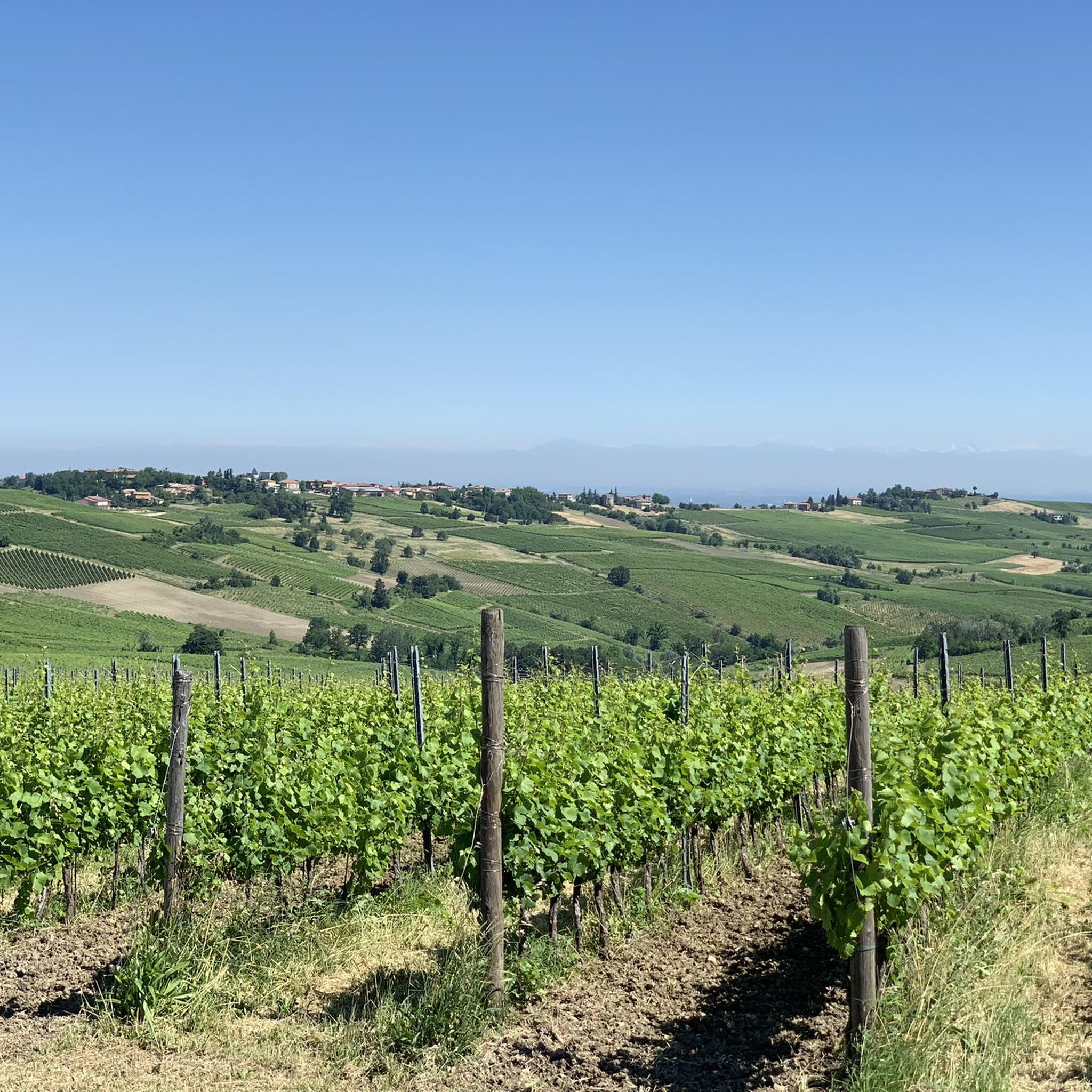
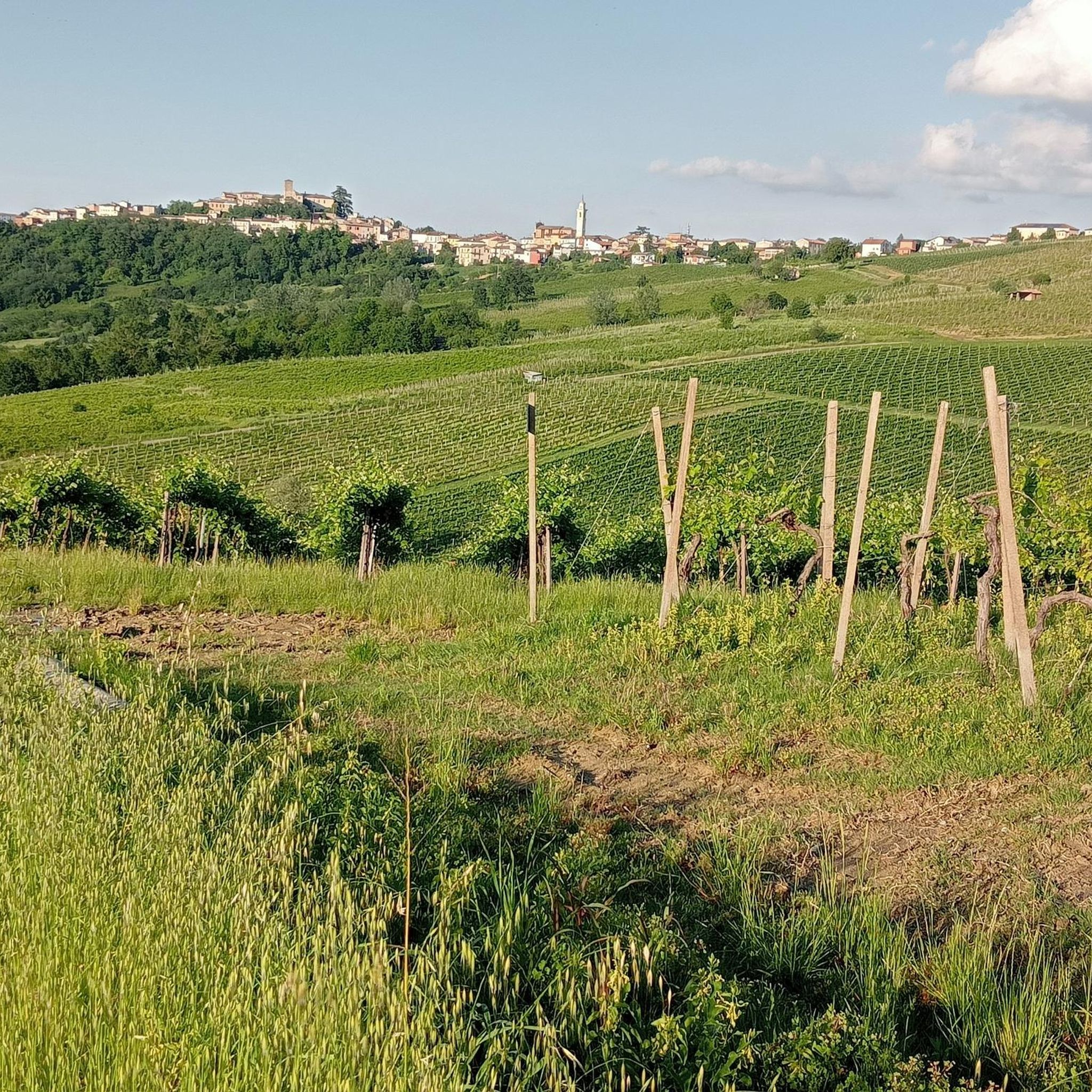
Attractions and places to see around Rovescala are found in a hilly area within the Oltrepò Pavese region of Italy. This village is characterized by scenic roads that wind through expansive vineyards. The area combines historical landmarks with natural beauty, particularly centered around its winemaking tradition. Visitors can explore sites that reflect the region's ancient origins and cultural heritage.
Best attractions and places to see around Rovescala
- The most popular attractions is Montalto Pavese, a settlement that stands in…
Last updated: August 17, 2026
Cicognola Castle and Viewpoint
Highlight • Castle
Translated by Google •
Tip by

Montalto Pavese
Highlight • Settlement
Translated by Google •
Tip by

Sign up now to discover places like this
Get recommendations on the best single tracks, peaks, & plenty of other exciting outdoor places.
Sign up for free
"Little Stelvio" Pavese
Highlight (Segment) • Cycleway
Translated by Google •
Tip by
Little Church of Our Lady of Loreto
Highlight • Religious Site
The rural aedicule from the 15th century with an image of the Virgin of Loreto.
The ancient oratory …
Translated by Google •
Tip by

Rocca of Borgonovo Val Tidone
Highlight • Castle
Piazza Giuseppe Garibaldi, 18, 29011 Borgonovo Val Tidone PC
Translated by Google •
Tip by

Sign up for free to discover even more attractions around Rovescala.
Sign up for free
Already have an account?
Start today with a free account
Your next adventure awaits.
Login or Signup
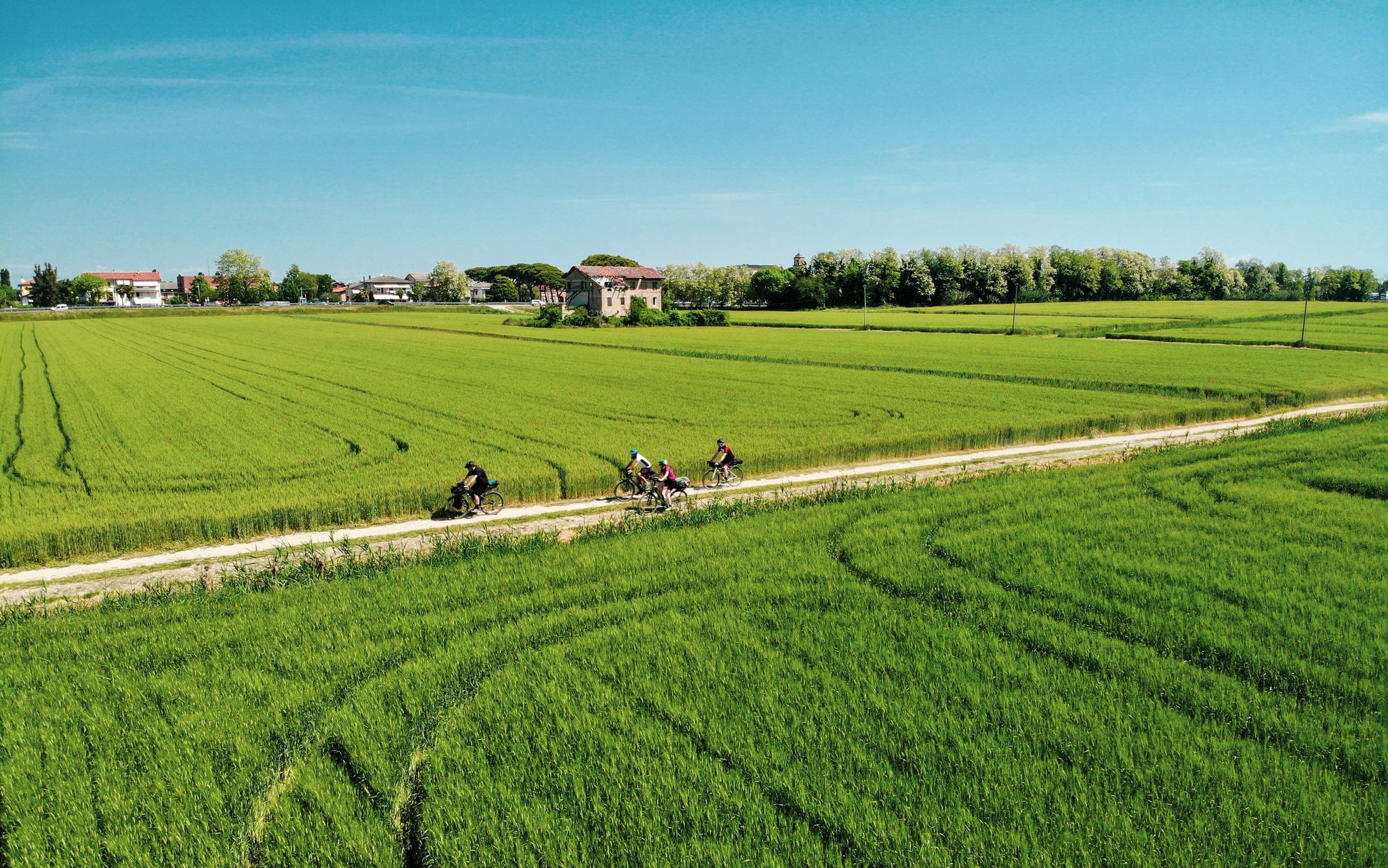
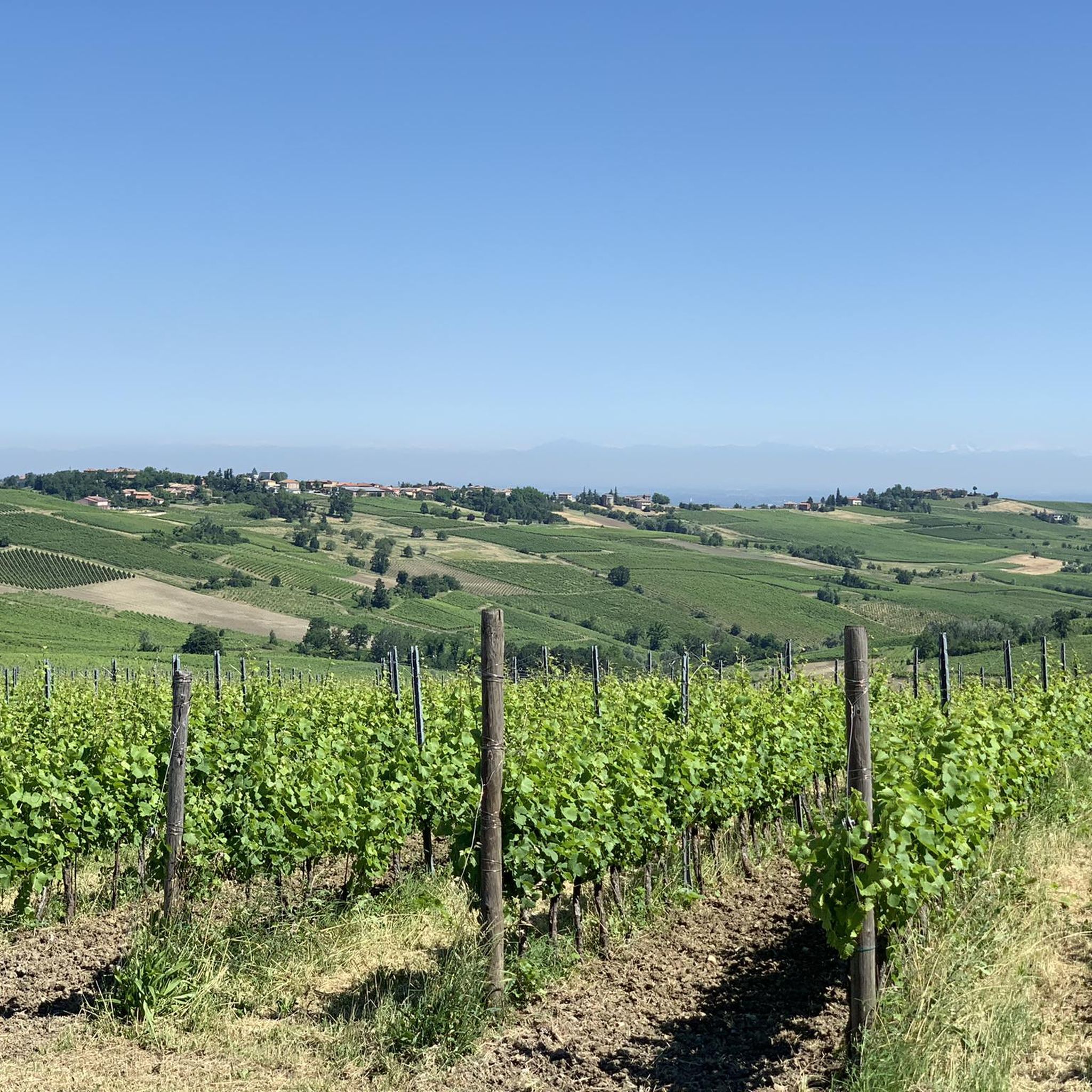
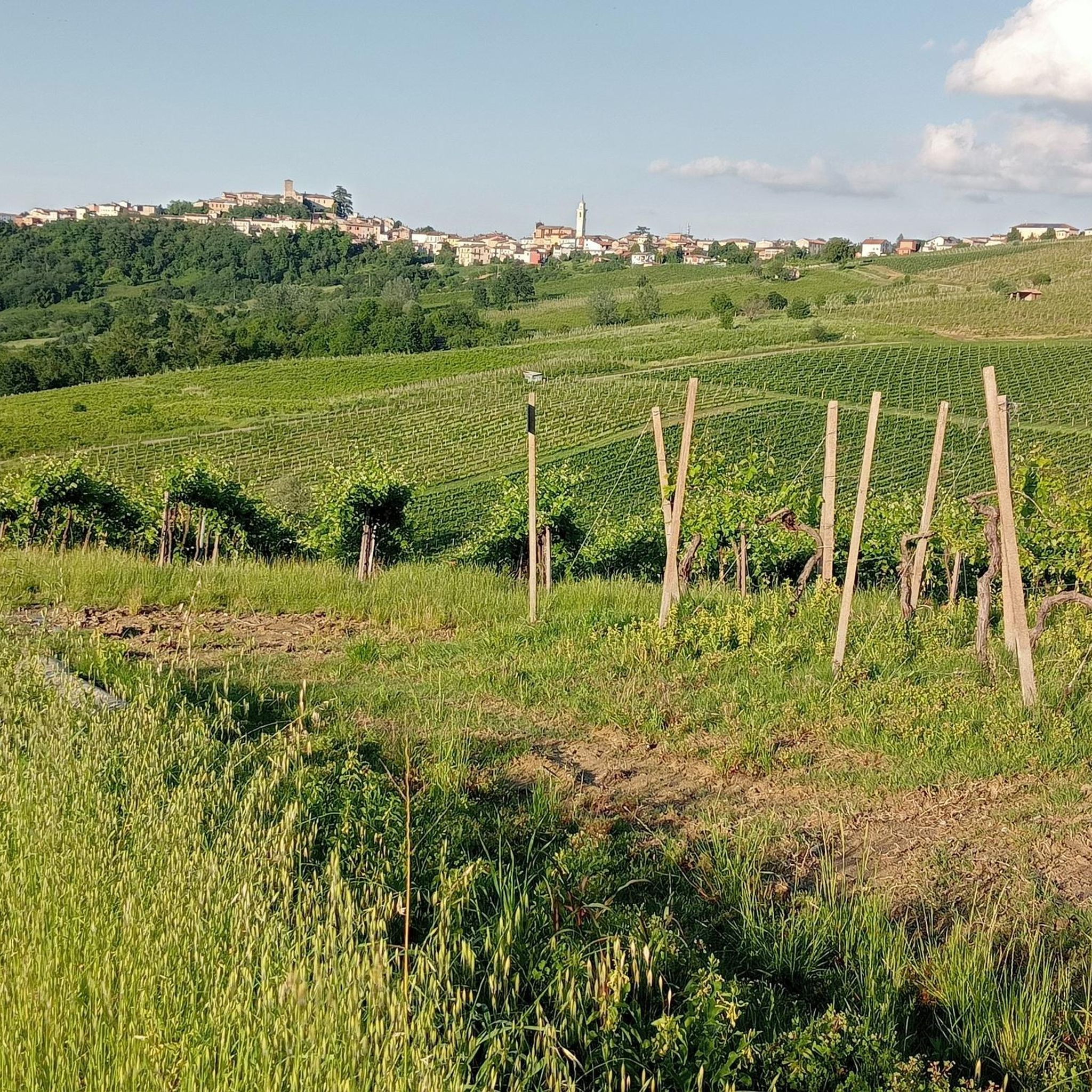

Other adventures around Rovescala

Tips from the Community

The patronage of this shrine, dedicated to the Madonna, refers to the town of Loreto. This is one of the great and important Marian pilgrimage sites in Europe, along with Lourdes in the French Pyrenees and Fatima in Portugal. Unlike the other two places mentioned, however, Loreto is not known for apparitions of the Mother of God. Here, pilgrims can find something very tangible: Mary's childhood home in Nazareth (Israel). Her parents—not mentioned by name in the biblical writings of the New Testament—are mentioned in apocryphal traditions: Saint Anne and Saint Joachim are thus the grandparents of Jesus Christ (their common feast day in the calendar of saints is July 26). Crusaders likely dismantled the venerated building in Nazareth and brought it to Europe when the era of the Christian kingdoms in the Holy Land came to an end towards the end of the 13th century. But this very sober assumption is countered by a much more interesting legend: According to this, four angels carried out the translation and flew the house over the Mediterranean.
0
0

very scenic and fun road near Lake Trebecco
0
0

The Chiesuolo della Madonna di Loreto was built in three successive phases: The rural aedicule from the 15th century with an image of the Virgin of Loreto. The ancient oratory in brick from the 17th century, also dedicated to the Madonna di Loreto. The current church, dating from 1781. Architecture: The church has a single nave with a protiro (covered entrance) and is built of exposed brickwork. Inside there are frescoes and an altarpiece with the Madonna di Loreto. Significance: The Chiesuolo is also called ‘Il Chiesuolo’ and is dedicated to the Madonna of Loreto. It is an important historical testimony and a place of devotion. https://www.lombardiabeniculturali.it/architetture/schede/PV240-01108/
6
0

Montalto Pavese stands in a dominant position on the first hills above Casteggio, the beautiful castle (one of the best preserved in the region) with its Italian garden and its wine production.
23
0

Village above Casteggio with two excellent restaurants and panoramic square
1
0

The Borgonuovo oppidum was founded in 1196 by the Municipality of Piacenza to defend the western border of its territories, equipped with a fortress, towers and city walls with an escarpment and fortified entrances. In the current complex, built entirely of bricks, the fortress and the receptacle can clearly be distinguished. These buildings together with the church and the pilgrims' hospital once formed the village of Calendasco. The body of the fortress has typical elements of fourteenth-century Po Valley castles, such as the sawtooth motif combined with the crowning of small windows with segmental arches. The deep moat, the entrance, once equipped with a drawbridge as can be seen from the recesses of the ravelin, and the pusterla, or small door, with drawbridge access are still visible. To the south is a semicircular tower much higher than the rest of the building; the north-east wing, equipped with a scarp and with a rustic appearance and lack of homogeneity, dates back to a later period. The entrance hall, covered by a cross vault decorated with sixteenth-century frescoes, leads into the courtyard where a portico with three arches is visible. The receptacle, a rustic body with small arched windows and a decorative sawtooth motif, is outside the moat, near the bridge-beater.
0
0
Fortress of Borgonovo Valtidone The Borgonuovo oppidum was founded in 1196 by the Municipality of Piacenza to defend the western border of its territories, equipped with a fortress, towers and city walls with an escarpment and fortified entrances. In the current complex, built entirely of bricks, the fortress and the receptacle can clearly be distinguished. These buildings together with the church and the pilgrims' hospital once formed the village of Calendasco. The body of the fortress has typical elements of fourteenth-century Po Valley castles, such as the sawtooth motif combined with the crowning of small windows with segmental arches. The deep moat, the entrance, once equipped with a drawbridge as can be seen from the recesses of the ravelin, and the pusterla, or small door, with drawbridge access are still visible. To the south is a semicircular tower much higher than the rest of the building; the north-east wing, equipped with a scarp and with a rustic appearance and lack of homogeneity, dates back to a later period. The entrance hall, covered by a cross vault decorated with sixteenth-century frescoes, leads into the courtyard where a portico with three arches is visible. The receptacle, a rustic body with small arched windows and a decorative sawtooth motif, is outside the moat, near the bridge-beater.
0
0

You arrive from Scuropasso, Casteggio or Oliva Gessi. Coming from Pavia, you go up from the Scuropasso valley, via Lirio and Finigeto. Nice climb, longer than the usual low hill climbs, about 6 km. Fairly regular, with a few short stretches of counterslope once you reach the coast. Overview. Very little traffic.
1
0
Frequently Asked Questions
What historical landmarks can I explore in Rovescala?
Rovescala is rich in history. You can visit the Rovescala Castle, which features an original four-story medieval tower integrated into an 18th-century palace, complete with frescoes depicting Bacchus, Diana, and Adonis. The village also has an ancient arch to discover. Additionally, the nearby hamlet of Luzzano is an important archaeological site where 7th-century Lombard tombs were found.
Are there any notable castles or historical sites near Rovescala?
Yes, the region around Rovescala is dotted with historical castles. You can visit Cicognola Castle and Viewpoint, a 13th-century castle with a strategic position offering views of the Scuropasso Valley. Another well-preserved site is the castle at Montalto Pavese, known for its Italian garden. Further afield, the Rocca of Borgonovo Val Tidone, a 12th-century fortress with a moat and frescoes, is also worth exploring.
What natural features define the landscape around Rovescala?
Rovescala is nestled in a hilly area within the Bardonezza stream valley, offering stunning vistas. The region is characterized by expansive vineyards, part of the renowned Oltrepò Pavese winemaking area. Many vineyards are over 100 years old, contributing to the area's picturesque and fertile landscape.
What are the best times to visit Rovescala for cultural events?
For cultural events, consider visiting Rovescala in March. Every Sunday in March, the village hosts the "Spring of Wines" and the "Bonarda Festival," offering opportunities to taste local wines and regional delicacies.
Are there any religious sites or churches to visit?
Yes, at the entrance to Rovescala, you'll find the quaint Chiesa della Madonna di Caravaggio amidst fir trees. Additionally, the Little Church of Our Lady of Loreto, also known as 'Il Chiesuolo', is a historical religious building dating back to the 15th century, featuring frescoes and an altarpiece.
What kind of outdoor activities can I do near Rovescala?
The hilly and vineyard-laden landscape around Rovescala is ideal for various outdoor activities. You can enjoy cycling on scenic roads, including the challenging "Little Stelvio" Pavese cycle way. There are also numerous routes for touring bicycles, road cycling, and running. For more detailed routes, you can explore the guides for Cycling around Rovescala, Road Cycling Routes around Rovescala, and Running Trails around Rovescala.
Are there family-friendly attractions in the Rovescala area?
Yes, several attractions are suitable for families. The Little Church of Our Lady of Loreto is considered family-friendly. Historical sites like the Rocca of Borgonovo Val Tidone, with its impressive architecture and moat, can also be engaging for children. Exploring the scenic roads through vineyards can be a pleasant family activity.
What unique museums are located near Rovescala?
Just a short distance from Rovescala, you can find some unique cultural sites. These include the Corkscrew Museum in Montecalvo Versiggia and the Dallapè Accordion Museum in Stradella, which offer insights into local craftsmanship and traditions.
What do visitors enjoy most about the attractions around Rovescala?
Visitors particularly appreciate the blend of historical sites and natural beauty. The well-preserved castles, such as Montalto Pavese and Cicognola Castle, are highly rated for their historical significance and scenic views. The challenging yet rewarding cycling routes, like the "Little Stelvio" Pavese, are also a favorite among the komoot community.
Can I find good viewpoints for scenic photography in Rovescala?
Absolutely. The hilly setting of Rovescala within the Bardonezza stream valley and its expansive vineyards provide numerous opportunities for scenic photography. The Cicognola Castle and Viewpoint offers strategic views of the Scuropasso Valley, while Montalto Pavese stands in a dominant position with panoramic vistas over the surrounding hills and vineyards.
What is the significance of winemaking in Rovescala?
Winemaking is central to Rovescala's identity and economy. The village is a prime location within the Oltrepò Pavese, an area renowned for its wine production due to its suitable soil and climate, particularly its position on the 45th parallel. The region produces excellent wines such as Bonarda, Pinot Noir, Barbera, Riesling, Buttafuoco, Sangue di Giuda, and Muscatel, with many vineyards being over a century old.
Most popular routes around Rovescala
Most popular attractions around Rovescala

Get inspired with the komoot mobile app


Explore more
Still not found the Highlight you’re looking for? See guides of the top attractions in other regions:
