Attractions and Places To See around Canneto Pavese - Top 20
Best attractions and places to see around Canneto Pavese are found within the Oltrepò Pavese hills, offering panoramic views between the Versa and Scuropasso valleys. This region is characterized by its agricultural traditions, particularly viticulture, and features historical landmarks. Visitors can explore a blend of cultural sites, natural landscapes, and historical structures in this area.
Best attractions and places to see around Canneto Pavese
- The most popular attractions is Montalto Pavese, a settlement that stands in a dominant position…
Last updated: June 24, 2026
Cicognola Castle and Viewpoint
Highlight • Castle
Translated by Google •
Tip by

Montalto Pavese
Highlight • Settlement
Translated by Google •
Tip by

Sign up now to discover places like this
Get recommendations on the best single tracks, peaks, & plenty of other exciting outdoor places.
Sign up for free
Little Church of Our Lady of Loreto
Highlight • Religious Site
The rural aedicule from the 15th century with an image of the Virgin of Loreto.
The ancient oratory …
Translated by Google •
Tip by

Church of San Giacomo della Cerreta
Highlight • Religious Site
Translated by Google •
Tip by
Church of Santa Margherita, Belgioioso
Highlight • Religious Site
Translated by Google •
Tip by
Sign up for free to discover even more attractions around Canneto Pavese.
Sign up for free
Already have an account?
Start today with a free account
Your next adventure awaits.
Login or Signup
Popular around Canneto Pavese
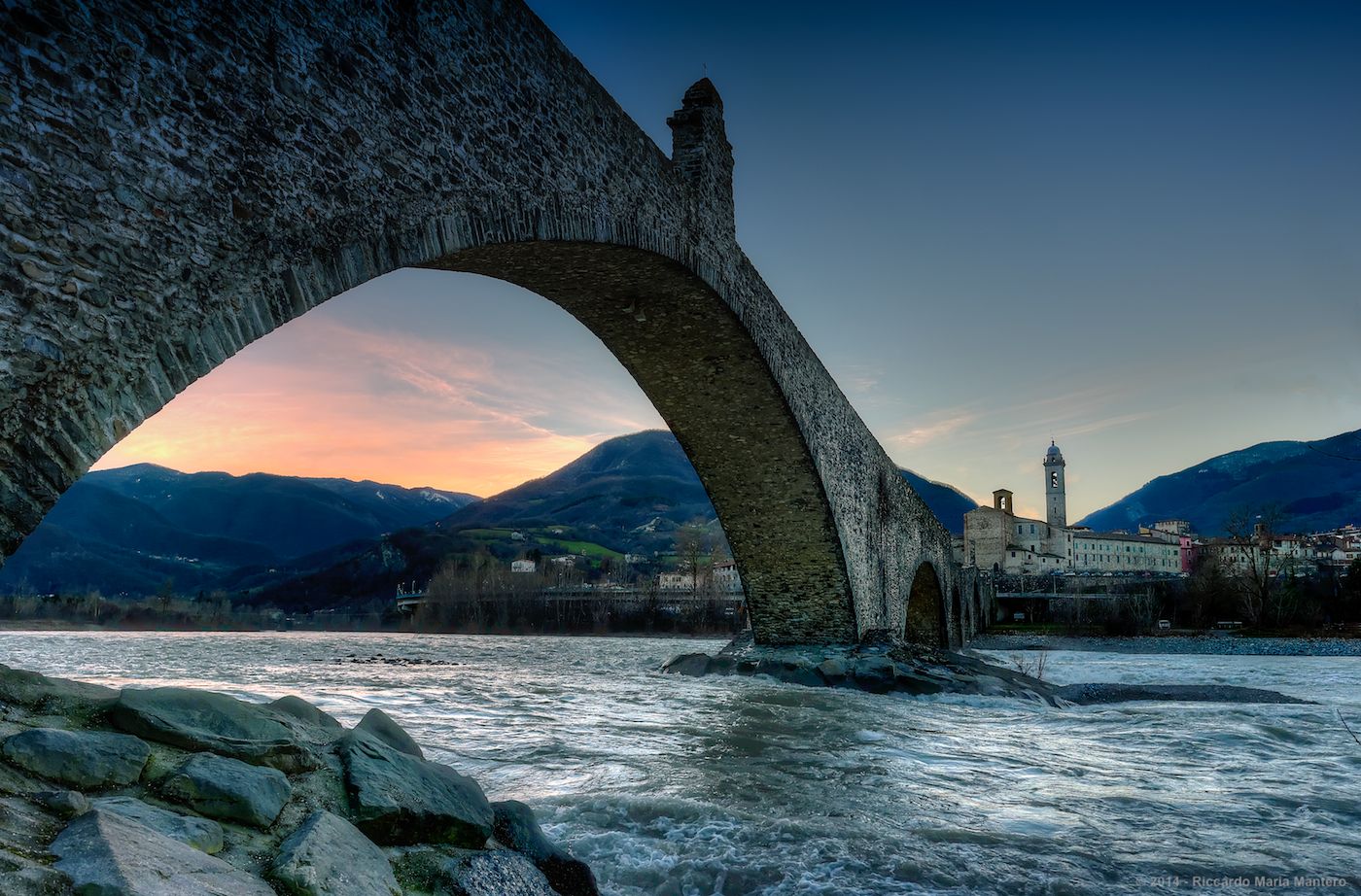
Hike from Milan to the sea – Path of the Celts and Ligurians
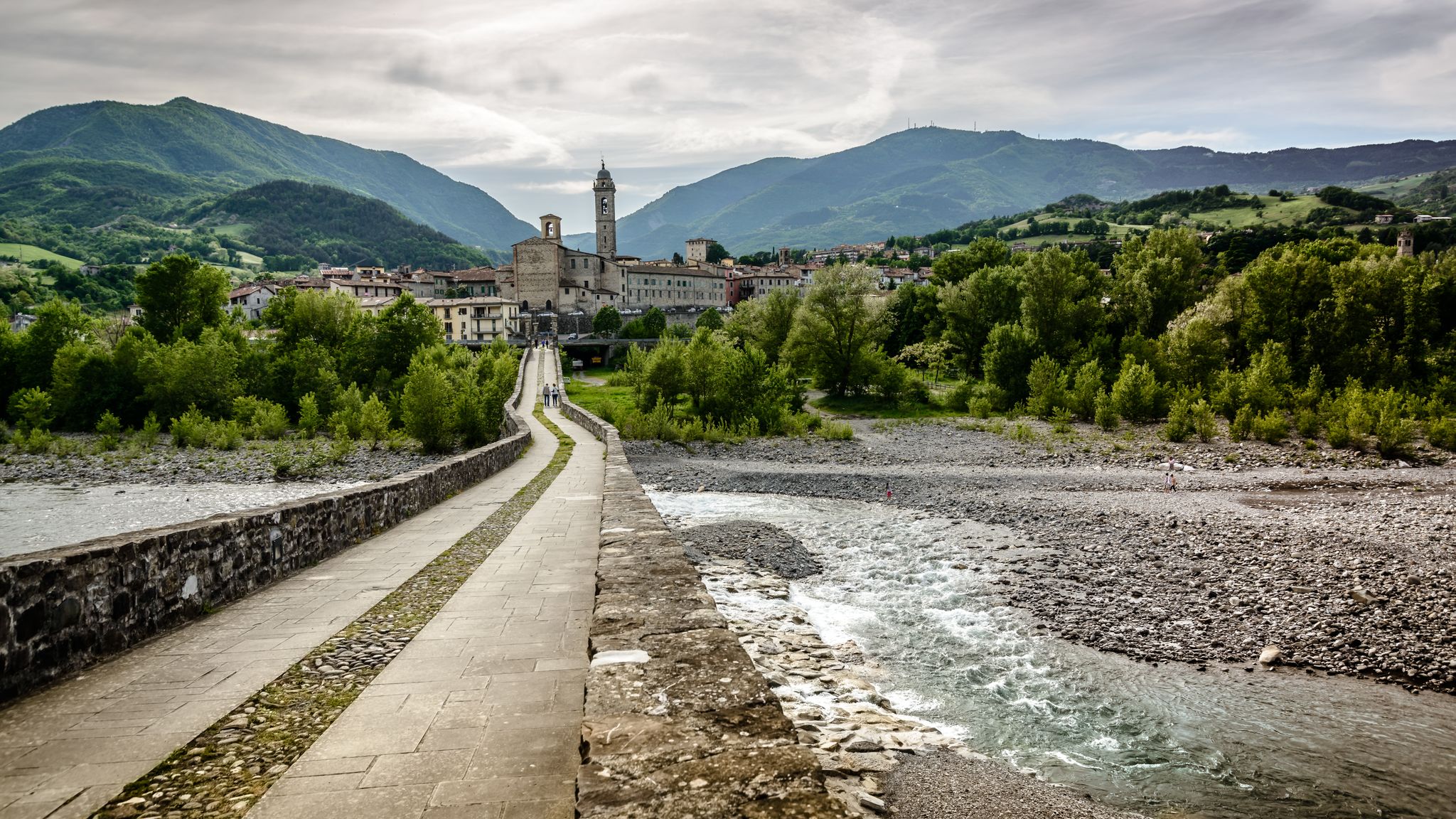
A historic hike from Pavia to Pontremoli – Via degli Abati
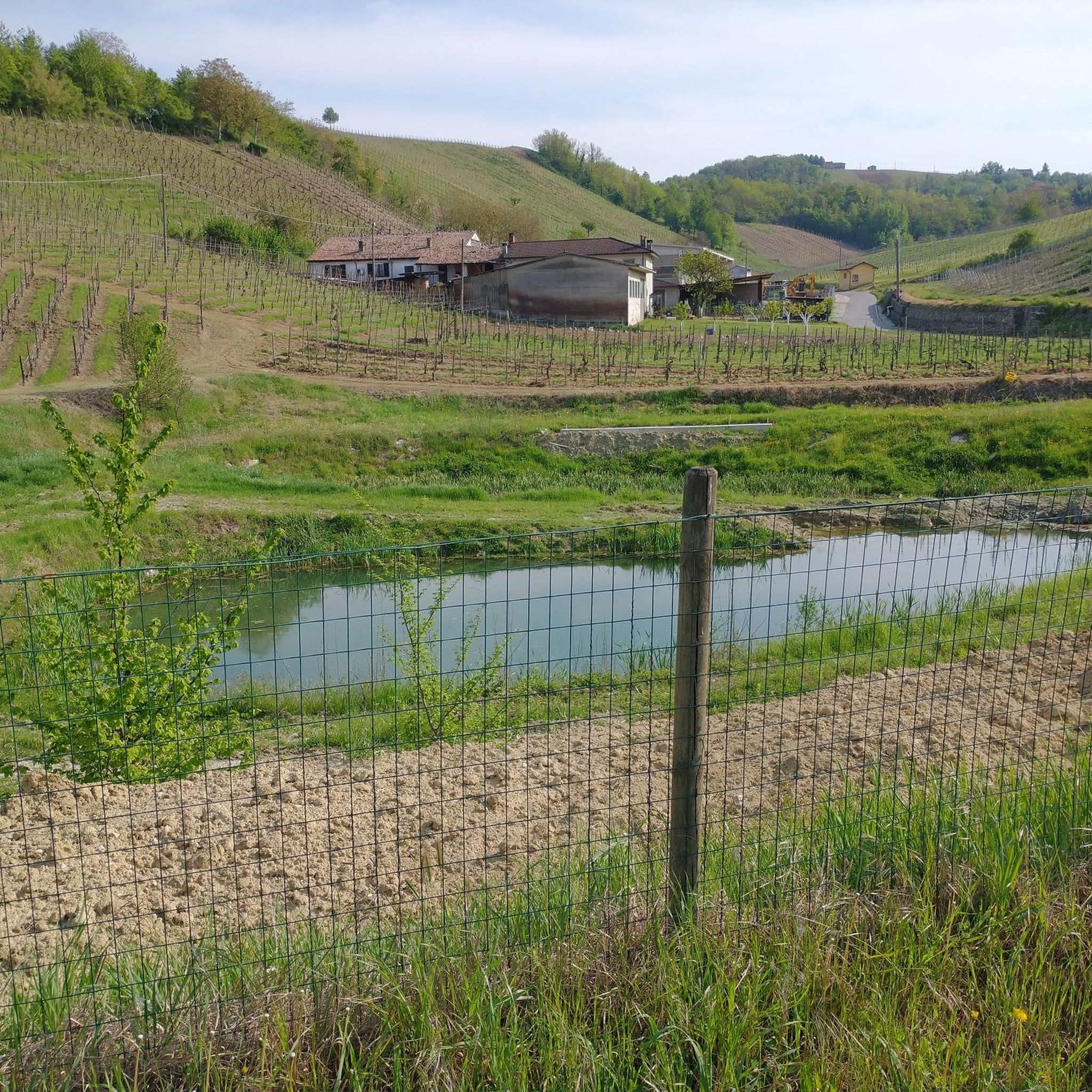
Road Cycling Routes around Canneto Pavese
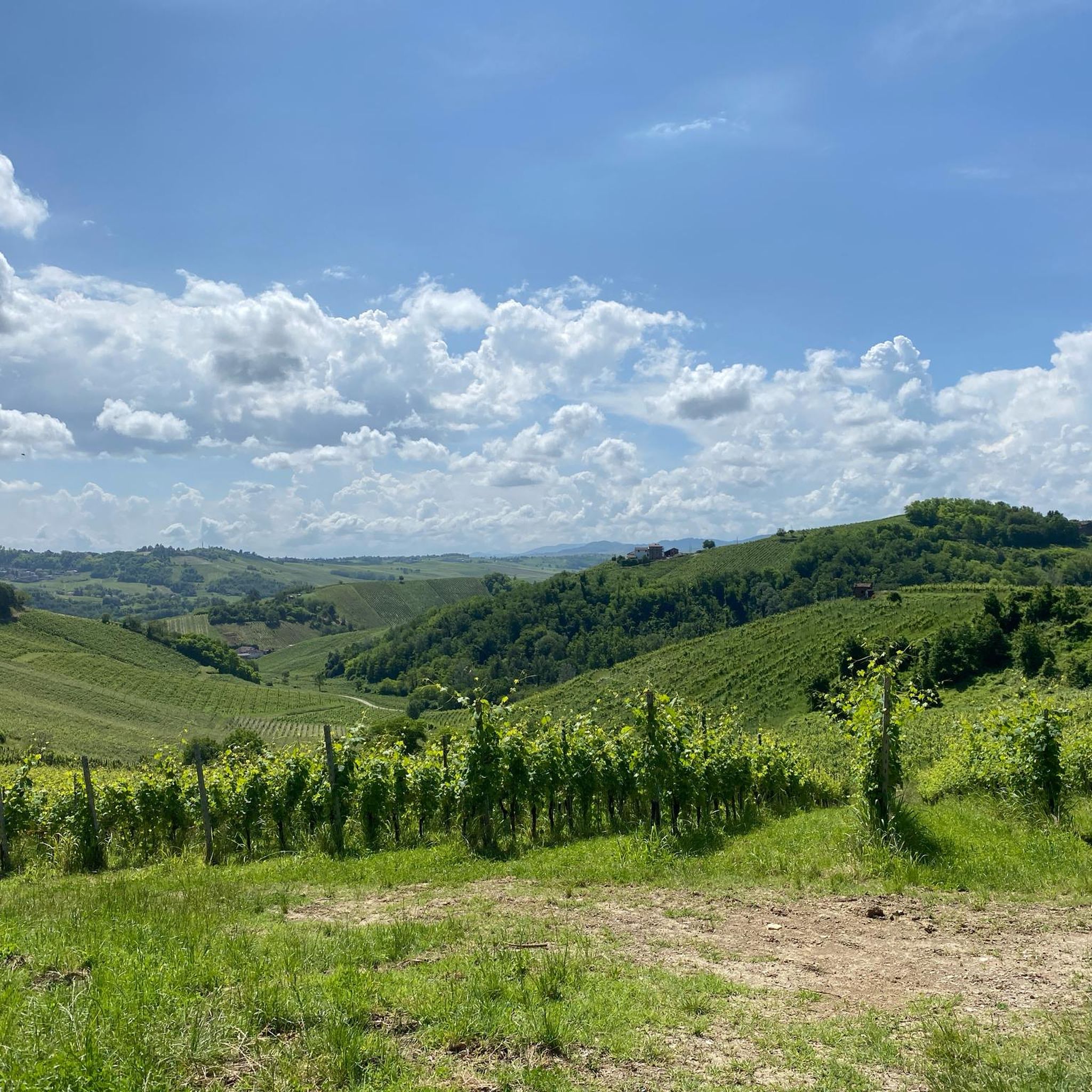
Cycling around Canneto Pavese
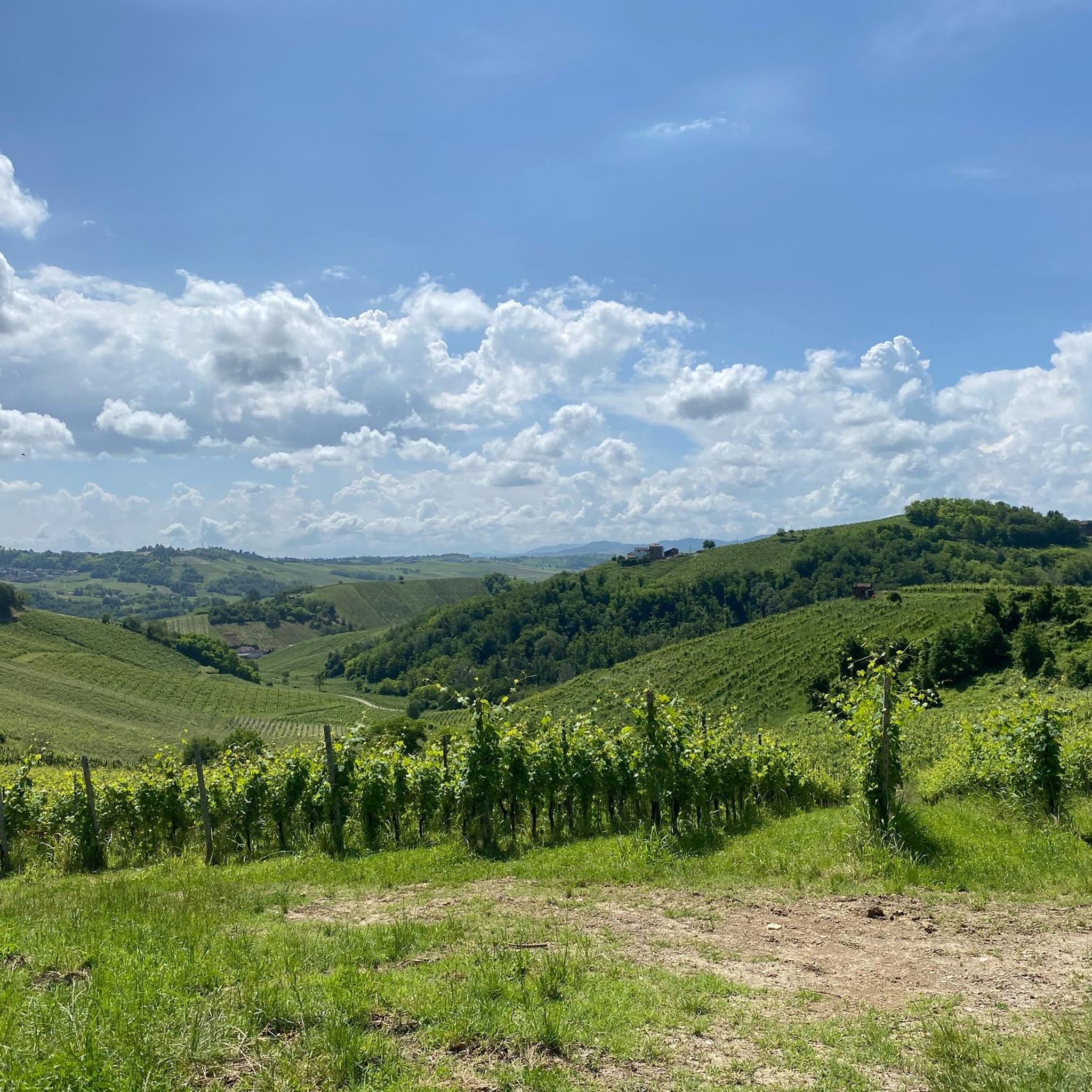
Hiking around Canneto Pavese
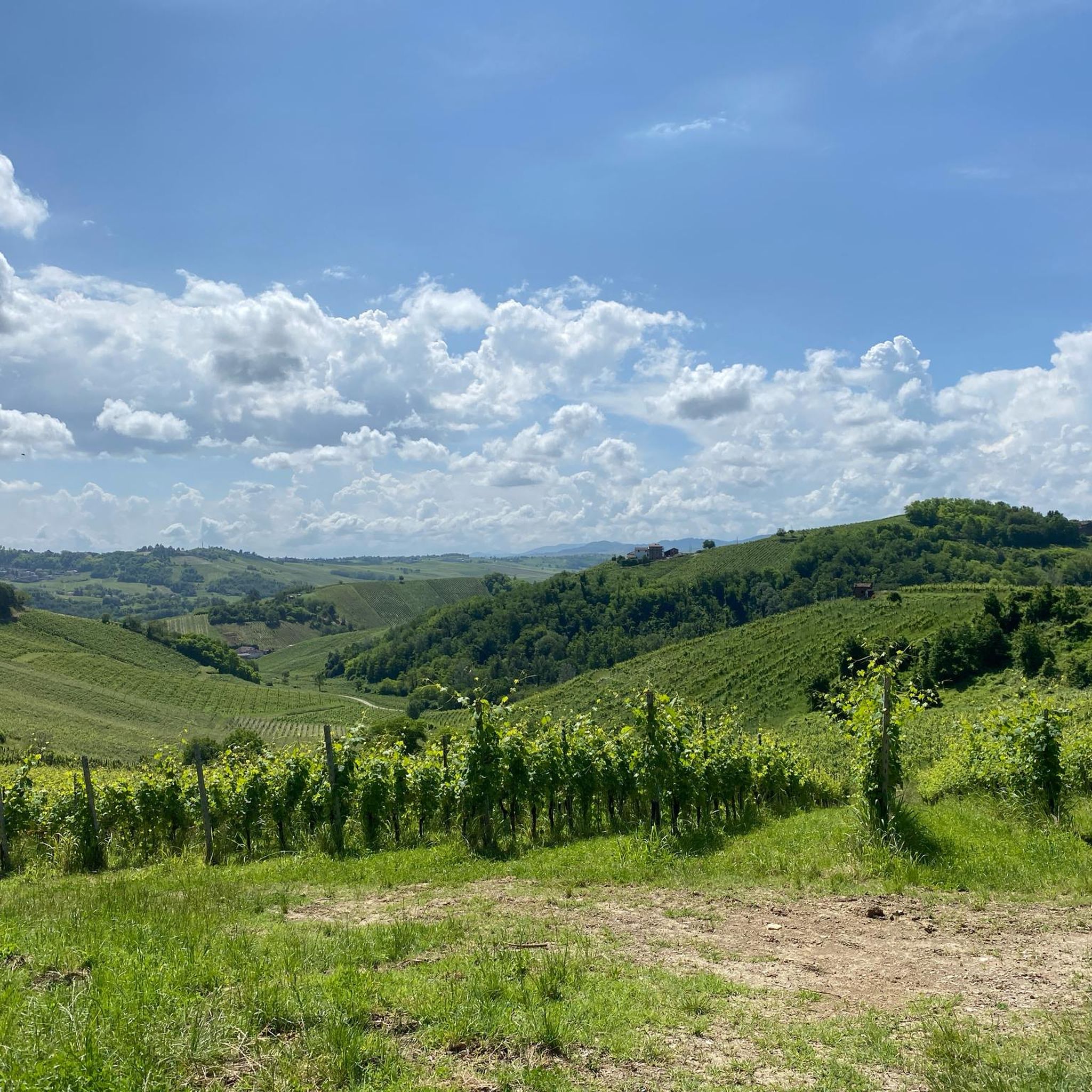
MTB Trails around Canneto Pavese

Gravel biking around Canneto Pavese
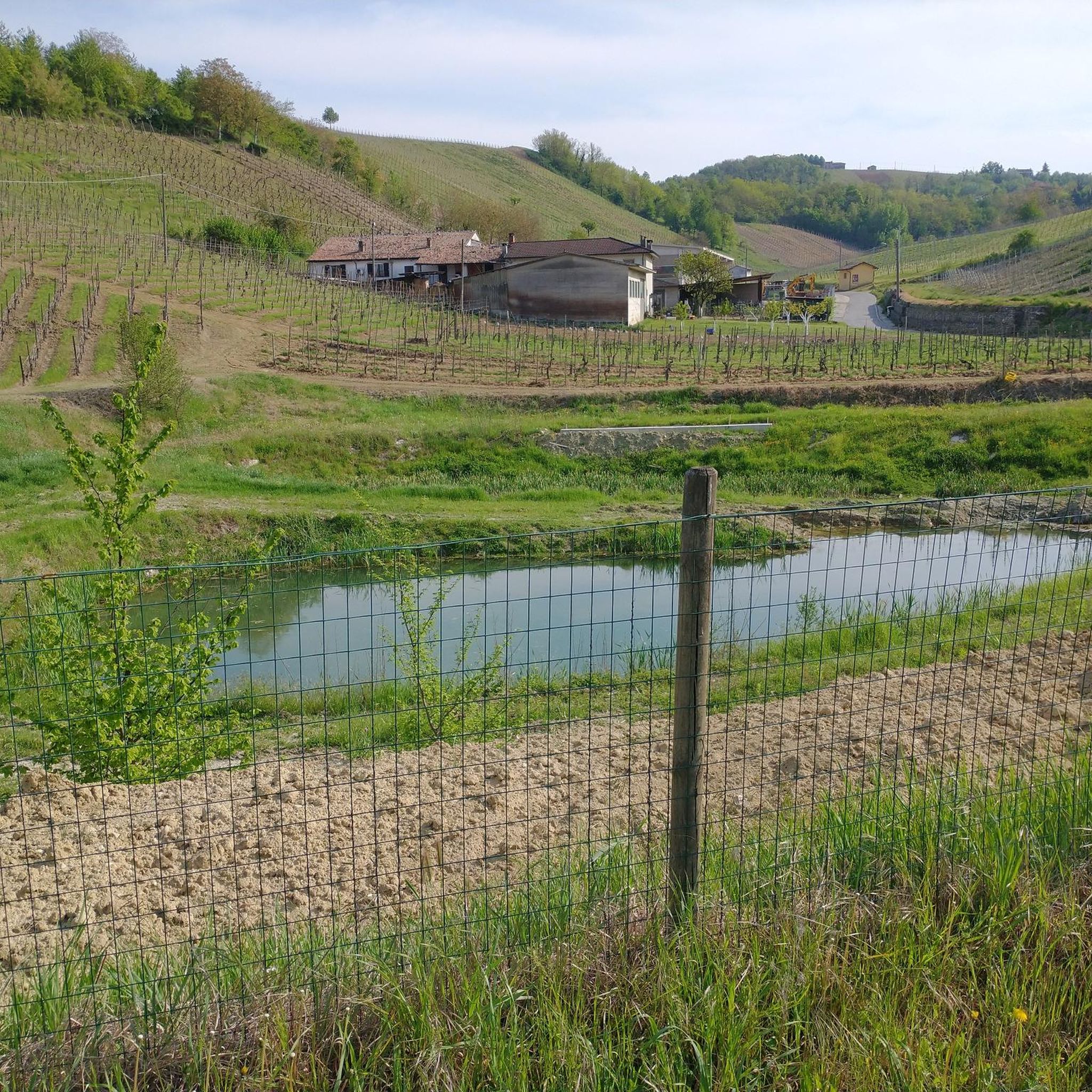
Running Trails around Canneto Pavese


Tips from the Community

The patronage of this shrine, dedicated to the Madonna, refers to the town of Loreto. This is one of the great and important Marian pilgrimage sites in Europe, along with Lourdes in the French Pyrenees and Fatima in Portugal. Unlike the other two places mentioned, however, Loreto is not known for apparitions of the Mother of God. Here, pilgrims can find something very tangible: Mary's childhood home in Nazareth (Israel). Her parents—not mentioned by name in the biblical writings of the New Testament—are mentioned in apocryphal traditions: Saint Anne and Saint Joachim are thus the grandparents of Jesus Christ (their common feast day in the calendar of saints is July 26). Crusaders likely dismantled the venerated building in Nazareth and brought it to Europe when the era of the Christian kingdoms in the Holy Land came to an end towards the end of the 13th century. But this very sober assumption is countered by a much more interesting legend: According to this, four angels carried out the translation and flew the house over the Mediterranean.
0
0

Unfortunately, this church of St. James on the Via Francigena was closed.
1
0

The Chiesuolo della Madonna di Loreto was built in three successive phases: The rural aedicule from the 15th century with an image of the Virgin of Loreto. The ancient oratory in brick from the 17th century, also dedicated to the Madonna di Loreto. The current church, dating from 1781. Architecture: The church has a single nave with a protiro (covered entrance) and is built of exposed brickwork. Inside there are frescoes and an altarpiece with the Madonna di Loreto. Significance: The Chiesuolo is also called ‘Il Chiesuolo’ and is dedicated to the Madonna of Loreto. It is an important historical testimony and a place of devotion. https://www.lombardiabeniculturali.it/architetture/schede/PV240-01108/
6
0

Montalto Pavese stands in a dominant position on the first hills above Casteggio, the beautiful castle (one of the best preserved in the region) with its Italian garden and its wine production.
23
0
Belgioioso is an Italian town of 6,253 inhabitants in the province of Pavia in Lombardy. It is located in the southern Pavese area, in the plain a few kilometers from the left bank of the Po. The hamlets of Santa Margherita and San Giacomo are located on the edge of the terrace overlooking the alluvial valley of the river. The municipality borders the Olona River in the east, near the hamlet of Zagonara. Belgioioso is part of the Union of Terre Viscontee Municipalities of the Lower Pavia area, of which it is a reference center for interest and services.
7
0
In the countryside between Belgioioso and the river Po, near the hamlet of San Giacomo della Cerreta stands the small church of San Giacomo, a destination for pilgrims because it is located on the ancient route of the Via Francigena, to which its name refers to another of the destinations of medieval pilgrims: Santiago de Compostella in Spain. In the past, near San Giacomo della Cerreta, there was the small settlement of Porcaria, whose name refers to the breeding of pigs, documented from the twelfth century and disappeared in the fourteenth century. The church is of Lombard art from the first half of the fifteenth century, it has a single room, entirely painted with votive paintings related to pilgrimages. In addition to the Madonna, Saint Roch and Saint James are repeatedly depicted, both in the guise of pilgrims, carrying a stick and a saddlebag. In the images of St. James, the characteristic shell that pilgrims collected at Cape Finisterre, on the beaches of the Atlantic Ocean, has been added as a sign and reminder of the journey made.
6
0

Village above Casteggio with two excellent restaurants and panoramic square
1
0

You arrive from Scuropasso, Casteggio or Oliva Gessi. Coming from Pavia, you go up from the Scuropasso valley, via Lirio and Finigeto. Nice climb, longer than the usual low hill climbs, about 6 km. Fairly regular, with a few short stretches of counterslope once you reach the coast. Overview. Very little traffic.
1
0
Frequently Asked Questions
What historical landmarks can I explore around Canneto Pavese?
The region offers several historical sites. You can visit the impressive Cicognola Castle and Viewpoint, a 13th-century structure with a defensive past and strategic views over the Scuropasso Valley. Also, explore the Montalto Pavese settlement, featuring a well-preserved castle with an Italian garden. The ancient Church of San Giacomo della Cerreta, located on the Via Francigena, showcases Lombard art and preserved frescoes from the 15th century. Additionally, the ruins of Montuè Castle and the medieval Pozzo di Sant'Antonio offer glimpses into the area's rich history.
Are there any notable religious buildings to visit in the area?
Yes, besides the Church of San Giacomo della Cerreta, you can visit the Little Church of Our Lady of Loreto, also known as 'Il Chiesuolo', which has a history dating back to the 15th century and features frescoes. The Church of Saint Augustine, Spessa Po, with origins in the 14th century and Renaissance renovations, is another significant religious site. The 18th-century Church of Saints Marcellino, Pietro and Erasmo in Canneto Pavese also stands out with its valuable art and 19th-century organ.
What kind of natural features and scenic views can I find near Canneto Pavese?
Canneto Pavese is nestled within the picturesque Oltrepò Pavese hills, offering stunning panoramic views between the Versa and Scuropasso valleys. The village itself is situated in one of the most scenic spots, providing expansive vistas. The surrounding hills are characterized by extensive vineyards, making for beautiful landscapes, especially during growing seasons. Many viewpoints, such as those from Cicognola Castle or Montalto Pavese, allow you to see the Po Valley and even the Alps on clear days.
What outdoor activities are popular around Canneto Pavese?
The Oltrepò Pavese hills are ideal for outdoor enthusiasts. You can enjoy various cycling and mountain biking routes that wind through the vineyards and scenic landscapes. For gravel biking, explore routes like 'Vineyards in Oltrepò Pavese – Golferenzo loop' or 'Montù Beccaria – Vineyards of the Hills loop'. For general cycling, consider 'Montecalvo Versiggia Viewpoint – Lago di Trebecco loop'. Mountain biking trails include 'Narrow Alleyways of Caminata – Montecalvo di Versiggia loop'. You can find more details on these activities in the dedicated guides for gravel biking, cycling, and MTB trails around Canneto Pavese.
Are there any family-friendly attractions or activities?
While specific family-focused attractions are not detailed, the general outdoor environment of Canneto Pavese, with its gentle hills and vineyards, can be suitable for family walks and easy cycling. The Little Church of Our Lady of Loreto and the Church of Saint Augustine, Spessa Po are listed as family-friendly highlights, offering cultural insights in a manageable setting. Exploring the Pietro Delfitto's Murals depicting winemaking can also be an engaging activity for all ages.
What is the best time of year to visit Canneto Pavese for outdoor activities?
The Oltrepò Pavese region, including Canneto Pavese, is particularly beautiful during spring and autumn. These seasons offer pleasant temperatures for hiking, cycling, and exploring the vineyards, which are either blooming or showcasing vibrant fall colors. Summer can also be enjoyable, though it might be warmer, while winter offers a quieter, more serene landscape.
What cultural experiences related to wine can I have in Canneto Pavese?
Canneto Pavese is deeply rooted in viticulture. You can explore the Pietro Delfitto's Murals in Campo Noce, which beautifully depict the stages of winemaking. The area is renowned for its vineyards and local wineries, many of which offer wine tastings, sometimes spontaneously or by appointment. Wine tourism, including guided tours of vineyards and wineries, is a popular activity, allowing you to sample excellent local wines like Buttafuoco.
What local culinary delights should I try in Canneto Pavese?
Beyond the excellent local wines, particularly the Buttafuoco, you should try 'Bata Lavar' (also known as 'Batti Labbro' or 'Raviolo Grande'). This unique local culinary delight is a large agnolotto, typically enjoyed in broth. Its name, meaning 'lip-smacker,' refers to its generous size, making it a memorable local dish.
Are there any cultural centers or art installations in Canneto Pavese?
Yes, the Casa della Cultura e del Vino (House of Culture and Wine) in the heart of Canneto Pavese serves as a cultural center discussing art and artistic craftsmanship. Additionally, the Pietro Delfitto's Murals in Campo Noce are an artistic installation depicting the winemaking process, honoring the region's viticultural heritage.
What do visitors enjoy most about the attractions around Canneto Pavese?
Visitors particularly appreciate the historical significance and strategic views offered by sites like Cicognola Castle, which is noted as one of the most beautiful castles in the Oltrepò. The well-preserved castle and Italian garden at Montalto Pavese also receive high praise. The Church of San Giacomo della Cerreta is valued for its historical testimony and preserved frescoes, especially its connection to the ancient Via Francigena.
Is Canneto Pavese accessible by public transport to reach attractions?
While the region is known for its rural charm and winding roads, public transport options might be limited for reaching all individual attractions directly. It is generally recommended to have a car to explore the various castles, churches, and vineyards scattered across the Oltrepò Pavese hills, allowing for greater flexibility and access to more remote scenic spots.
Most popular routes around Canneto Pavese
Most popular attractions around Canneto Pavese

Get inspired with the komoot mobile app


Explore more
Still not found the Highlight you’re looking for? See guides of the top attractions in other regions:
