Attractions and Places To See around Ziano Piacentino - Top 20
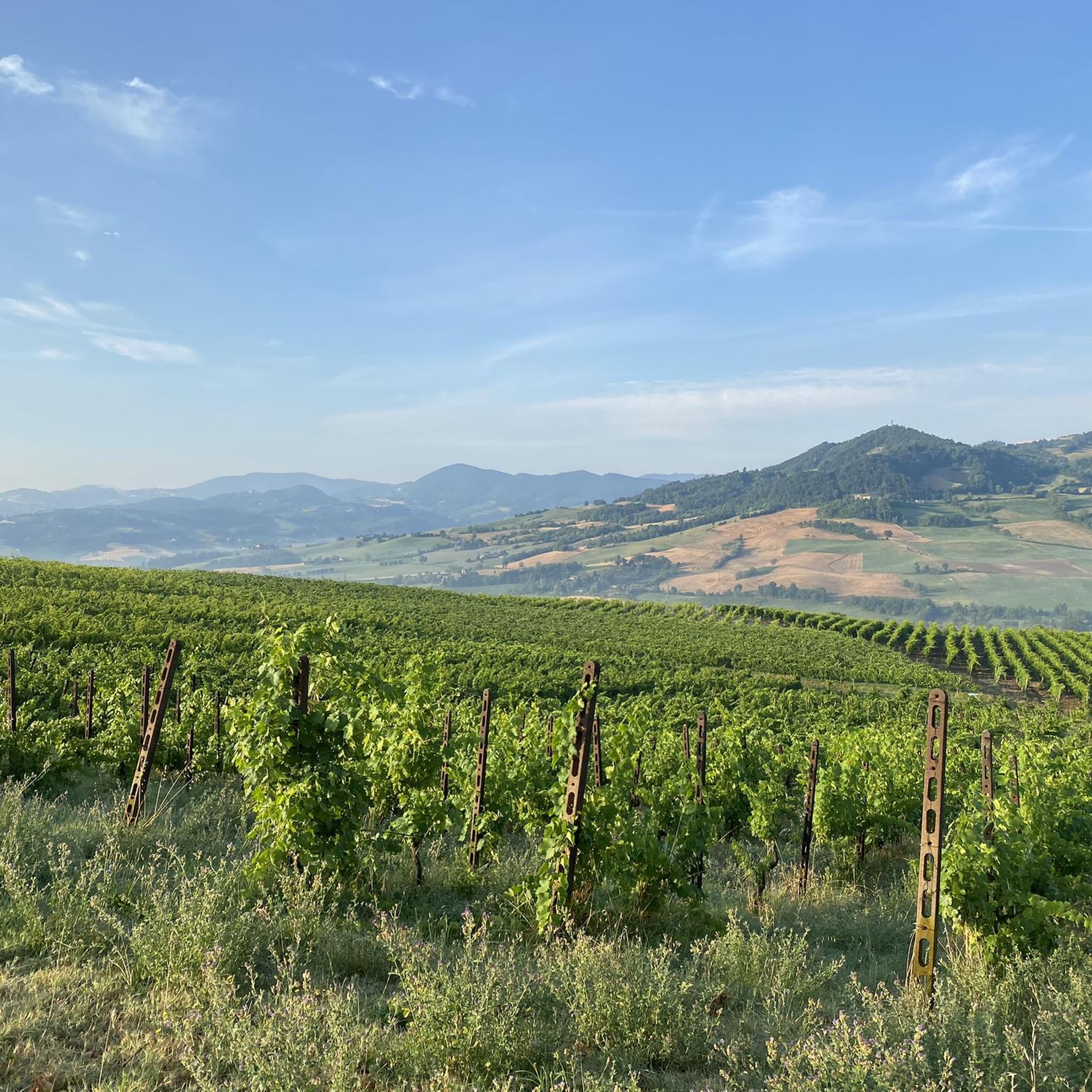
Best attractions and places to see around Ziano Piacentino include a variety of historical, cultural, and natural landmarks. This region, situated in the hills between Piacenza and Pavia, is particularly known for its extensive vineyards and significant wine production. Visitors can explore historical castles, religious sites, and scenic routes for hiking and cycling. The area offers a blend of historical depth and natural beauty, making it ideal for those interested in landmarks, viewpoints, and natural features.
Best attractions and places to see around Ziano Piacentino
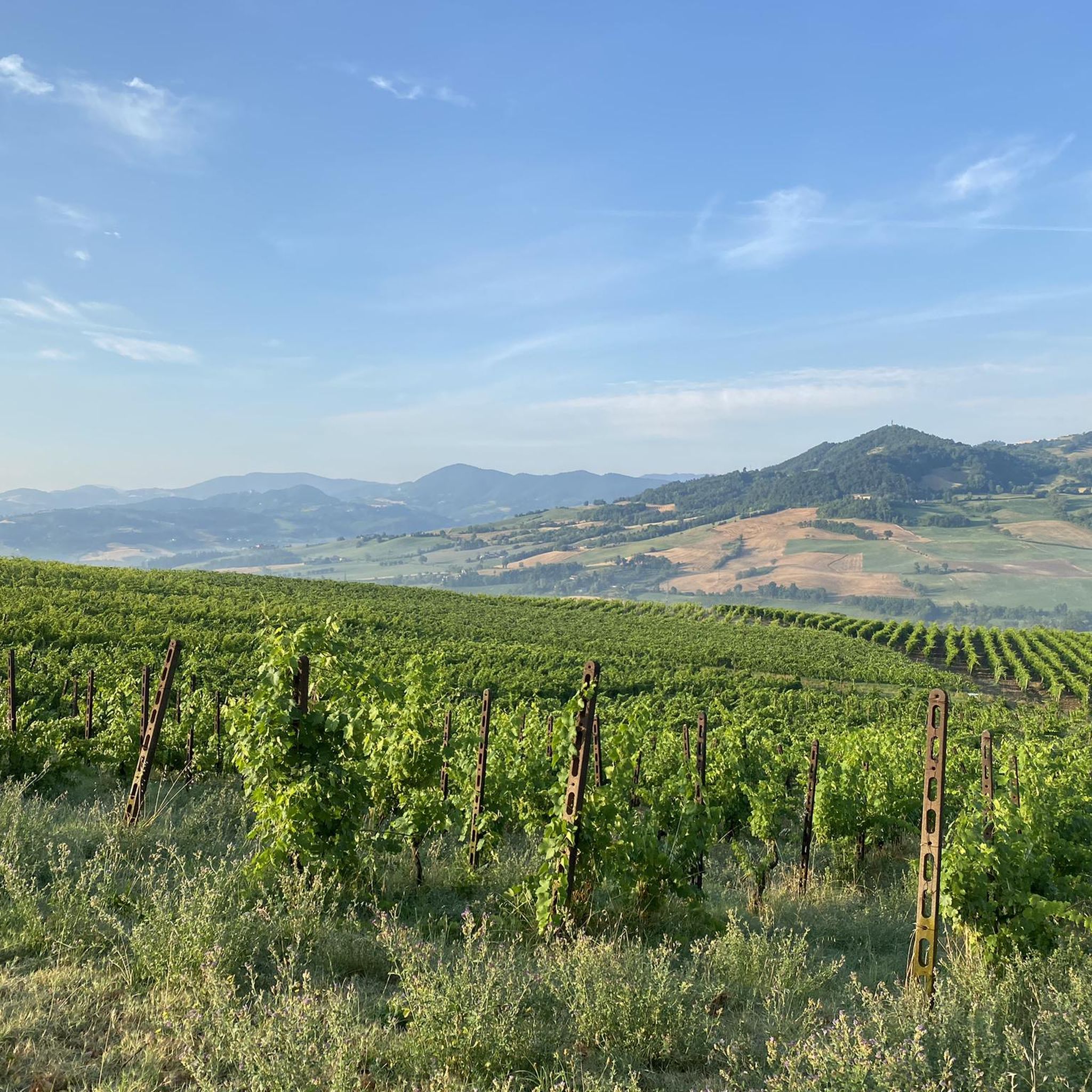
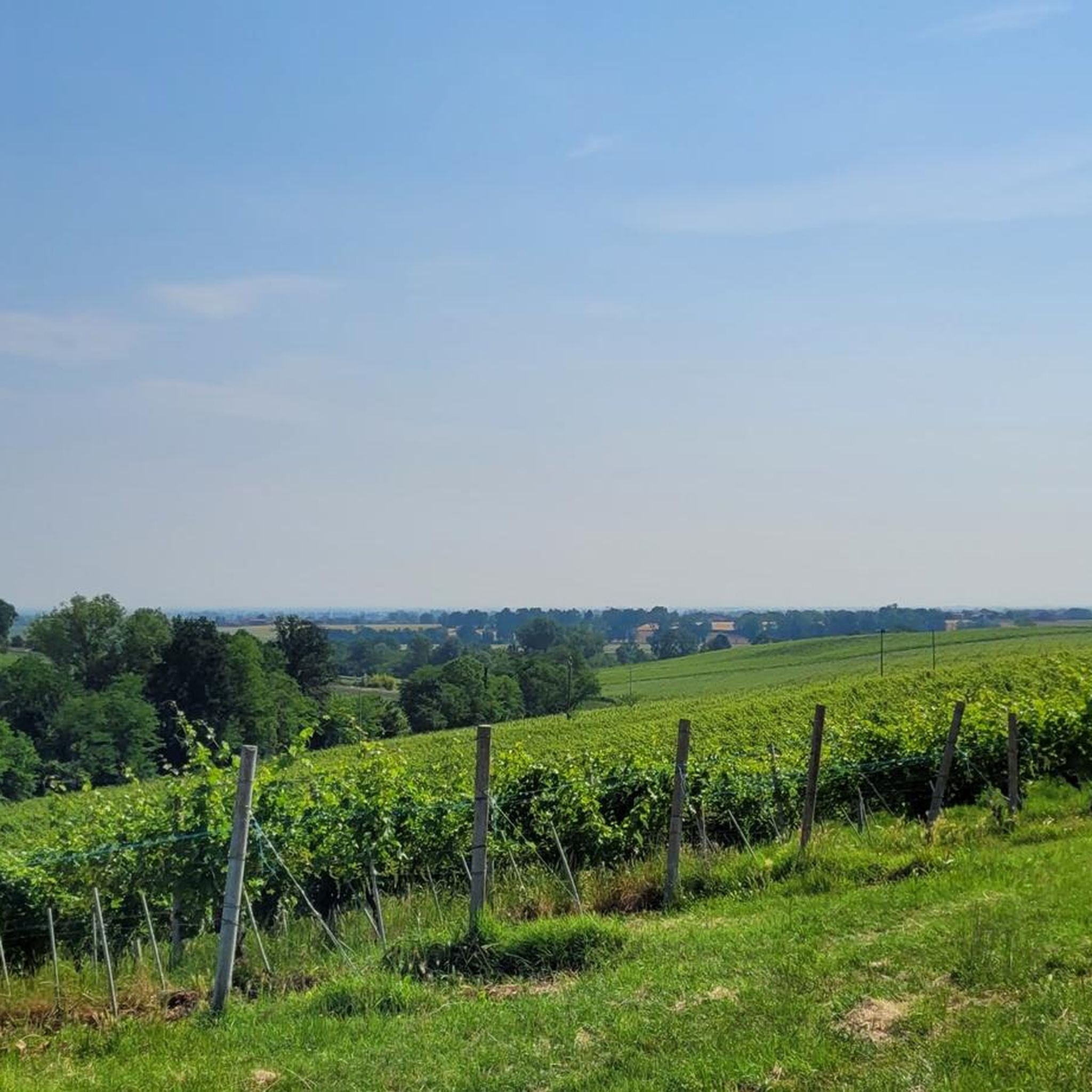
- The most popular attractions is Cicognola Castle and Viewpoint, a castle that was built in the early 13th century. It is situated in a high-altitude, strategic position overlooking the Scuropasso Valley.
- Another must-see spot is "Little Stelvio" Pavese, a cycle way featuring an incredible zigzag road. This climb covers more than 250 meters in altitude over 4 km, with 17 hairpin bends.
- Visitors also love Molato Dam, a man-made monument that creates Lake Trebecco. It provides irrigation to the Val Tidone and offers splendid panoramic views of the artificial lake.
- Ziano Piacentino is known for its historical castles, religious buildings, and extensive vineyards. The region offers a variety of attractions to see and explore, from ancient structures to scenic natural landscapes.
- The attractions around Ziano Piacentino are appreciated by the komoot community, with more than 110 upvotes and 40 photos shared by visitors.
Last updated: July 7, 2026
Cicognola Castle and Viewpoint
Highlight • Castle
Translated by Google •
Tip by

"Little Stelvio" Pavese
Highlight (Segment) • Cycleway
Translated by Google •
Tip by

Sign up now to discover places like this
Get recommendations on the best single tracks, peaks, & plenty of other exciting outdoor places.
Sign up for free
Little Church of Our Lady of Loreto
Highlight • Religious Site
The rural aedicule from the 15th century with an image of the Virgin of Loreto.
The ancient oratory in brick from the 17th century, also dedicated to the Madonna di Loreto.
The current church, dating from 1781.
Architecture: The church has a single nave with a protiro (covered entrance) and is built of exposed brickwork. Inside there are frescoes and an altarpiece with the Madonna di Loreto.
Significance: The Chiesuolo is also called ‘Il Chiesuolo’ and is dedicated to the Madonna of Loreto. It is an important historical testimony and a place of devotion. lombardiabeniculturali.it/architetture/schede/PV240-01108
Translated by Google •
Tip by

Molato Dam
Highlight • Monument
Translated by Google •
Tip by
Rocca of Borgonovo Val Tidone
Highlight • Castle
Piazza Giuseppe Garibaldi, 18, 29011 Borgonovo Val Tidone PC
Translated by Google •
Tip by

Sign up for free to discover even more attractions around Ziano Piacentino.
Sign up for free
Already have an account?
Start today with a free account
Your next adventure awaits.
Login or Signup

Tips from the Community

The patronage of this shrine, dedicated to the Madonna, refers to the town of Loreto. This is one of the great and important Marian pilgrimage sites in Europe, along with Lourdes in the French Pyrenees and Fatima in Portugal. Unlike the other two places mentioned, however, Loreto is not known for apparitions of the Mother of God. Here, pilgrims can find something very tangible: Mary's childhood home in Nazareth (Israel). Her parents—not mentioned by name in the biblical writings of the New Testament—are mentioned in apocryphal traditions: Saint Anne and Saint Joachim are thus the grandparents of Jesus Christ (their common feast day in the calendar of saints is July 26). Crusaders likely dismantled the venerated building in Nazareth and brought it to Europe when the era of the Christian kingdoms in the Holy Land came to an end towards the end of the 13th century. But this very sober assumption is countered by a much more interesting legend: According to this, four angels carried out the translation and flew the house over the Mediterranean.
0
0

very scenic and fun road near Lake Trebecco
0
0

Beautiful ride between the provinces of PV and PC to do not immediately after a day of rain, terrain in parts clay and muddy. At km. 6.40 take the low variant because the one that gives the track is impassable.
0
0

The Chiesuolo della Madonna di Loreto was built in three successive phases: The rural aedicule from the 15th century with an image of the Virgin of Loreto. The ancient oratory in brick from the 17th century, also dedicated to the Madonna di Loreto. The current church, dating from 1781. Architecture: The church has a single nave with a protiro (covered entrance) and is built of exposed brickwork. Inside there are frescoes and an altarpiece with the Madonna di Loreto. Significance: The Chiesuolo is also called ‘Il Chiesuolo’ and is dedicated to the Madonna of Loreto. It is an important historical testimony and a place of devotion. https://www.lombardiabeniculturali.it/architetture/schede/PV240-01108/
6
0

The Borgonuovo oppidum was founded in 1196 by the Municipality of Piacenza to defend the western border of its territories, equipped with a fortress, towers and city walls with an escarpment and fortified entrances. In the current complex, built entirely of bricks, the fortress and the receptacle can clearly be distinguished. These buildings together with the church and the pilgrims' hospital once formed the village of Calendasco. The body of the fortress has typical elements of fourteenth-century Po Valley castles, such as the sawtooth motif combined with the crowning of small windows with segmental arches. The deep moat, the entrance, once equipped with a drawbridge as can be seen from the recesses of the ravelin, and the pusterla, or small door, with drawbridge access are still visible. To the south is a semicircular tower much higher than the rest of the building; the north-east wing, equipped with a scarp and with a rustic appearance and lack of homogeneity, dates back to a later period. The entrance hall, covered by a cross vault decorated with sixteenth-century frescoes, leads into the courtyard where a portico with three arches is visible. The receptacle, a rustic body with small arched windows and a decorative sawtooth motif, is outside the moat, near the bridge-beater.
0
0
Fortress of Borgonovo Valtidone The Borgonuovo oppidum was founded in 1196 by the Municipality of Piacenza to defend the western border of its territories, equipped with a fortress, towers and city walls with an escarpment and fortified entrances. In the current complex, built entirely of bricks, the fortress and the receptacle can clearly be distinguished. These buildings together with the church and the pilgrims' hospital once formed the village of Calendasco. The body of the fortress has typical elements of fourteenth-century Po Valley castles, such as the sawtooth motif combined with the crowning of small windows with segmental arches. The deep moat, the entrance, once equipped with a drawbridge as can be seen from the recesses of the ravelin, and the pusterla, or small door, with drawbridge access are still visible. To the south is a semicircular tower much higher than the rest of the building; the north-east wing, equipped with a scarp and with a rustic appearance and lack of homogeneity, dates back to a later period. The entrance hall, covered by a cross vault decorated with sixteenth-century frescoes, leads into the courtyard where a portico with three arches is visible. The receptacle, a rustic body with small arched windows and a decorative sawtooth motif, is outside the moat, near the bridge-beater.
0
0

Cicognola offers a splendid castle and an equally interesting panoramic point on the hills of the Oltrepò Pavese. Stop in this small town for a break and to admire its beauties.
1
0

Dam built on the Tidone river in the 1920s
1
0
Frequently Asked Questions
What historical sites can I visit in Ziano Piacentino?
Ziano Piacentino and its surroundings are rich in history. You can explore several historical castles, such as the Castle of Montalbo, built in 1138, and the Castle of Vicobarone. The village of Ziano Piacentino itself retains traces of an ancient castle, forming part of its historical core alongside the Church of San Paolo and the Town Hall, which is housed in a 16th-century building. Another significant historical structure is the Cicognola Castle and Viewpoint, a 13th-century castle strategically overlooking the Scuropasso Valley.
Where can I find scenic viewpoints around Ziano Piacentino?
The region offers several beautiful viewpoints, especially given its hilly, vineyard-covered landscape. The Cicognola Castle and Viewpoint provides a high-altitude perspective over the Scuropasso Valley. Additionally, the Molato Dam offers splendid panoramic views of the artificial Lake Trebecco. The extensive vineyards themselves provide picturesque scenery, particularly during autumn.
What kind of outdoor activities can I do near Ziano Piacentino?
The area around Ziano Piacentino is ideal for outdoor enthusiasts. You can enjoy walking, cycling, and running through the scenic vineyards and countryside. For cycling, there are routes like the "Little Stelvio" Pavese, known for its zigzag road and significant altitude gain. You can find various routes for different sports in the area, including those listed in the Cycling around Ziano Piacentino guide.
Are there cycling routes suitable for different skill levels?
Yes, Ziano Piacentino offers cycling routes for various skill levels. For a challenging climb, try the "Little Stelvio" Pavese, which features 17 hairpin bends over 4 km. There are also more moderate and easy routes available, such as those found in the Road Cycling Routes around Ziano Piacentino guide, which includes options like the "Vineyards of Ziano Piacentino – Vicobarone loop".
Can I find running trails in the Ziano Piacentino region?
Absolutely. The rolling hills and vineyards provide excellent terrain for running. You can explore various trails, from moderate to difficult, that take you through the picturesque landscape. For specific routes, refer to the Running Trails around Ziano Piacentino guide, which features options like the "Church of Saint Hilary the Bishop loop" or routes around historical castles.
What are the main cultural attractions in Ziano Piacentino?
Beyond its castles, Ziano Piacentino boasts several cultural sites. Religious buildings include the Church of St. Columbano, home to a masterpiece by Scaramuzza, the Oratory of San Rocco (dating to 1625), and the Shrine of San Lupo. The Little Church of Our Lady of Loreto, built in three phases from the 15th century, is an important historical testimony with frescoes. For a deeper dive into local history, visit the Museo Archeologico della Valtidone in the Municipal Fortress or the Museo della Civiltà Contadina in nearby Vicobarone.
Are there family-friendly attractions in Ziano Piacentino?
Yes, several attractions in the area are suitable for families. The Molato Dam, which creates Lake Trebecco, offers splendid panoramic views that can be enjoyed by all ages. Historical sites like the Rocca of Borgonovo Val Tidone and the Little Church of Our Lady of Loreto also welcome families, providing educational and engaging experiences.
What is Ziano Piacentino known for besides its historical sites?
Ziano Piacentino is primarily renowned for its viticulture. It is situated on gentle hills extensively covered with vineyards, making it one of Italy's most vine-cultivated municipalities and a significant wine producer in Europe. The region is a major destination for wine tourism, offering opportunities to visit local wineries for tastings and tours. Events like "Cantine Aperte" (Open Wineries) and the "Festa dell'Uva" (Grape Festival) celebrate this rich wine heritage.
When is the best time to visit Ziano Piacentino?
The region is beautiful year-round, but autumn is particularly recommended when the vineyards display their most vivid colors, creating a stunning landscape. Late May is also a great time to visit for "Cantine Aperte" (Open Wineries) events, and August for "Calici di Stelle" (Goblets of Stars). The "Festa dell'Uva" (Grape Festival) in September is another significant event celebrating the region's viticultural heritage.
Where can I learn more about the local history and heritage?
To delve deeper into the local history, you can visit the Museo Archeologico della Valtidone, located in the basements of the Municipal Fortress, which houses numerous artifacts from the area's ancient past. Additionally, the Museo della Civiltà Contadina in Vicobarone offers insights into the region's agricultural heritage. The historical castles and churches, such as the Little Church of Our Lady of Loreto, also provide rich historical context.
Are there any unique natural features to see?
Beyond the rolling vineyards, a notable natural feature is Lake Trebecco, an artificial lake created by the Molato Dam. This man-made monument not only provides irrigation but also offers serene water views amidst the hills. The overall landscape of gentle hills and extensive vineyards is a significant natural draw, providing a tranquil and picturesque environment.
Most popular routes around Ziano Piacentino
Most popular attractions around Ziano Piacentino

Get inspired with the komoot mobile app


Explore more
Still not found the Highlight you’re looking for? See guides of the top attractions in other regions:
