The best walks and hikes around Rüthi (SG)
4.6
(1030)
7,506
hikers
20
hikes
Hiking around Rüthi (SG) offers diverse landscapes within the Rhine Valley, situated at the base of the Alpstein mountain range. The region features a mix of terrain, including riverbanks, vineyards, and raised bogs. Trails provide access to alpine views and lower-elevation paths.
Best hiking trails around Rüthi (SG)
- The most popular hiking route is Ober Kamor Stofel – beautiful views loop from Rüthi (Rheintal), a 12.8 miles (20.6 km) trail that takes 7 hours 38 minutes to complete. This difficult route offers extensive panoramic views of the surrounding mountains and valleys.
- Another top favourite among local hikers is View of the Rhine Valley – Alp Kamm loop from Rüthi, a difficult 8.6 miles (13.8 km) path. This trail ascends to provide elevated perspectives over the Rhine Valley and the Alpstein foothills.
- Local hikers also love the Blatten Castle Ruins – Blattenberg Viewpoint loop from Rüthi (Rheintal), a 3.2 miles (5.2 km) trail leading through varied terrain to historical ruins and viewpoints, often completed in about 1 hour 28 minutes.
- Hiking around Rüthi (SG) is defined by the dramatic backdrop of the Alpstein mountain range, the expansive Rhine Valley, and diverse landscapes including vineyards and raised bogs. The network offers options for different ability levels, from easy walks to challenging alpine ascents.
- The routes in Rüthi (SG) are highly rated by the komoot community with an average score of 4.6 stars from over 1000 reviews. More than 7500 hikers have used komoot to explore Rüthi (SG)'s varied terrain.
Last updated: May 3, 2026
4.8
(5)
44
hikers
20.6km
07:38
1,290m
1,290m
Hard hike. Very good fitness required. Mostly accessible paths. Sure-footedness required.
4.9
(9)
39
hikers
13.6km
05:18
920m
920m
Hard hike. Very good fitness required. Mostly accessible paths. Sure-footedness required.

Sign up for free
4.2
(9)
40
hikers
5.16km
01:28
110m
110m
Easy hike. Great for any fitness level. Easily-accessible paths. Suitable for all skill levels.
5.0
(4)
24
hikers
8.56km
02:29
220m
220m
Moderate hike. Good fitness required. Easily-accessible paths. Suitable for all skill levels.
5.0
(2)
21
hikers
8.68km
03:07
480m
480m
Moderate hike. Good fitness required. Mostly accessible paths. Sure-footedness required.
Get access to more routes and recommendations from other explorers.
Sign up for free
Already have an account?
Our route recommendations are based on thousands of hikes, rides, and runs completed by other people on komoot.
Start today with a free account
Your next adventure awaits.
Login or Signup
Other adventures around Rüthi (SG)

Tips from the Community

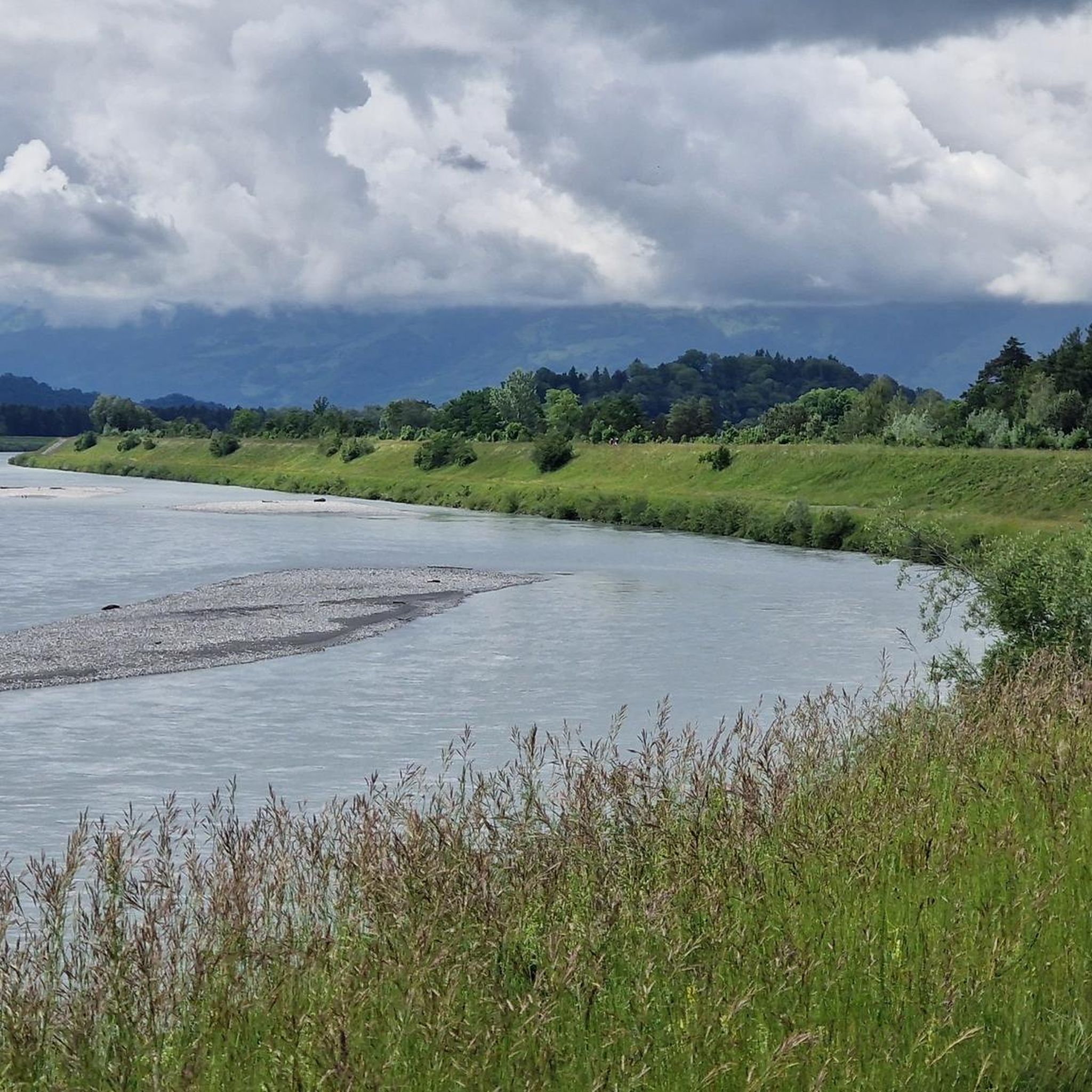
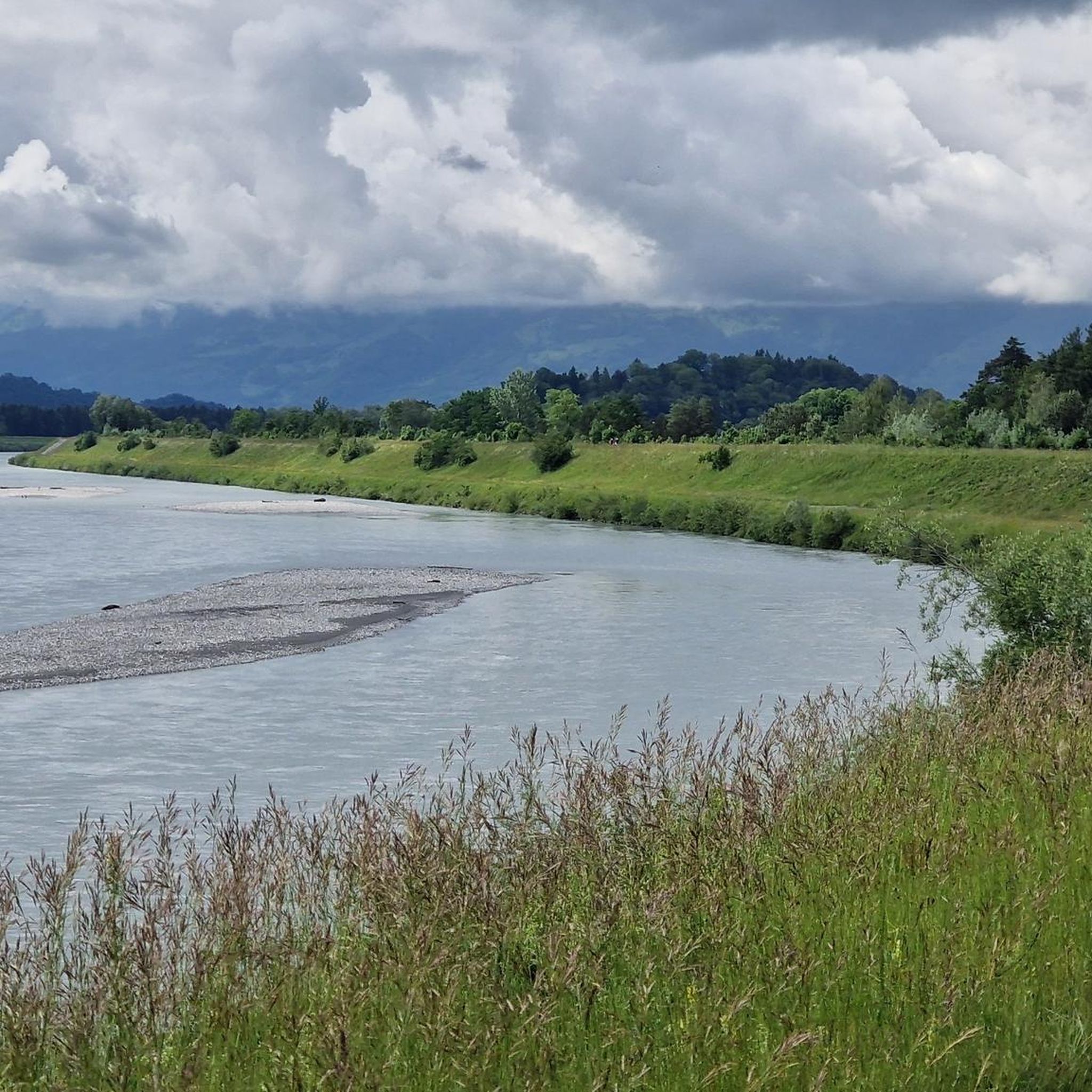
Along the canal through Rüthi, simply beautiful! With a view of the Hoher Kasten.
9
0

Blatten Castle Ruins, Oberriet / Oberriet's Landmark Obert's landmark, once a proud castle fortress, has a rich history. It was built around 1230 by Abbot Berchtold von Falkenstein to defend his property. The castle has seen several landowners and was set on fire in 1799 during the battle for the Blatten ferry. The surviving remains consist of parts of the tower and the castle ramparts, as well as the vaulted cellar. The castle ruins are located in the southernmost part of the municipality of Oberriet on the Blattenberg, idyllically situated on the edge of the forest. On the fitness trail, which runs almost entirely through the forest, you can practice sports in complete harmony with nature. The castle restaurant is open from April to September. Members of the ski club host guests every Sunday and welcome visitors. The hut can be rented by the public from Monday to Saturday. Tours are welcome on Sundays. Text / Source: Municipality of Oberriet https://www.oberriet.ch/sehenswuerdigkeiten/7474
14
0
Blatten Castle Ruins, Oberriet / Oberriet's Landmark Obert's landmark, once a proud castle fortress, has a rich history. It was built around 1230 by Abbot Berchtold von Falkenstein to defend his property. The castle has seen several landowners and was set on fire in 1799 during the battle for the Blatten ferry. The surviving remains consist of parts of the tower and the castle ramparts, as well as the vaulted cellar. The castle ruins are located in the southernmost part of the municipality of Oberriet on the Blattenberg, idyllically situated on the edge of the forest. On the fitness trail, which runs almost entirely through the forest, you can practice sports in complete harmony with nature. The castle restaurant is open from April to September. Members of the ski club host guests every Sunday and welcome visitors. The hut can be rented by the public from Monday to Saturday. Tours are welcome on Sundays. Text / Source: Municipality of Oberriet https://www.oberriet.ch/sehenswuerdigkeiten/7474
10
0
Platten Castle, Oberriet Blatten Castle is a ruined castle in the municipality of Oberriet, in the canton of St. Gallen, Switzerland. The square keep stands not far from the Rhine on a rock south of the municipality of Oberriet. The family was first mentioned in 1170 with Burkardus de Blattûn and in 1229 with Ulricus de Blattenn. As chronicler Christian Kuchimeister reports, the castle was built shortly before 1270 by the Abbot of St. Gallen, Berchtold von Falkenstein, as protection against the Counts of Montfort-Werdenberg, in the territory of the Imperial Court of Kriessern, which, along with the Vogtherrschaft (reign of Thurgau and Zürichgau), had been granted to Heinrich Walter von Ramschwag (Lords of Ramschwag) in 1278 for his assistance to King Rudolf in the Battle of Marchfeld. It was then granted to Ulrich von Ramschwag in 1277. Due to his involvement in the Appenzell War, the castle and the lordship were temporarily confiscated as fiefs. In 1458, Walter Heinrich and Ulrich von Ramschwag sold the castle and estate to Jakob Mangold, a citizen of Constance. In 1486, it was repurchased by Abbot Ulrich Rösch of St. Gallen. From 1637 to 1640, Abbot Pius Reher commissioned renovations. The complex then served as the official residence of the Vögte von Kriessern until 1798. The castle was destroyed in the French War of Independence in 1799. Around 1911, part of the complex was used as a quarry. Plaque commemorating the restoration. The Canton of St. Gallen undertook the initial renovation of the tower. Further restorations were carried out on the tower in 1977 and on the surrounding walls and the remains of the castle gate in 1985. Aerial photograph (2016) The castle ruins are known to the people of the Rhine Valley as Blatten Castle. The grounds of the former castle complex and the interior of the tower (there are no longer any floors) are freely accessible. A later-built wooden building stands on top of the preserved vaulted cellar. This building is operated as a castle restaurant by the Oberriet Ski Club from April to September. Text / Source: Wikipedia https://de.wikipedia.org/wiki/Burg_Blatten
14
0
Platten Castle, Oberriet Blatten Castle is a ruined castle in the municipality of Oberriet, in the canton of St. Gallen, Switzerland. The square keep stands not far from the Rhine on a rock south of the municipality of Oberriet. The family was first mentioned in 1170 with Burkardus de Blattûn and in 1229 with Ulricus de Blattenn. As chronicler Christian Kuchimeister reports, the castle was built shortly before 1270 by the Abbot of St. Gallen, Berchtold von Falkenstein, as protection against the Counts of Montfort-Werdenberg, in the territory of the Imperial Court of Kriessern, which, along with the Vogtherrschaft (reign of Thurgau and Zürichgau), had been granted to Heinrich Walter von Ramschwag (Lords of Ramschwag) in 1278 for his assistance to King Rudolf in the Battle of Marchfeld. It was then granted to Ulrich von Ramschwag in 1277. Due to his involvement in the Appenzell War, the castle and the lordship were temporarily confiscated as fiefs. In 1458, Walter Heinrich and Ulrich von Ramschwag sold the castle and estate to Jakob Mangold, a citizen of Constance. In 1486, it was repurchased by Abbot Ulrich Rösch of St. Gallen. From 1637 to 1640, Abbot Pius Reher commissioned renovations. The complex then served as the official residence of the Vögte von Kriessern until 1798. The castle was destroyed in the French War of Independence in 1799. Around 1911, part of the complex was used as a quarry. Plaque commemorating the restoration. The Canton of St. Gallen undertook the initial renovation of the tower. Further restorations were carried out on the tower in 1977 and on the surrounding walls and the remains of the castle gate in 1985. Aerial photograph (2016) The castle ruins are known to the people of the Rhine Valley as Blatten Castle. The grounds of the former castle complex and the interior of the tower (there are no longer any floors) are freely accessible. A later-built wooden building stands on top of the preserved vaulted cellar. This building is operated as a castle restaurant by the Oberriet Ski Club from April to September. Text / Source: Wikipedia https://de.wikipedia.org/wiki/Burg_Blatten
10
0
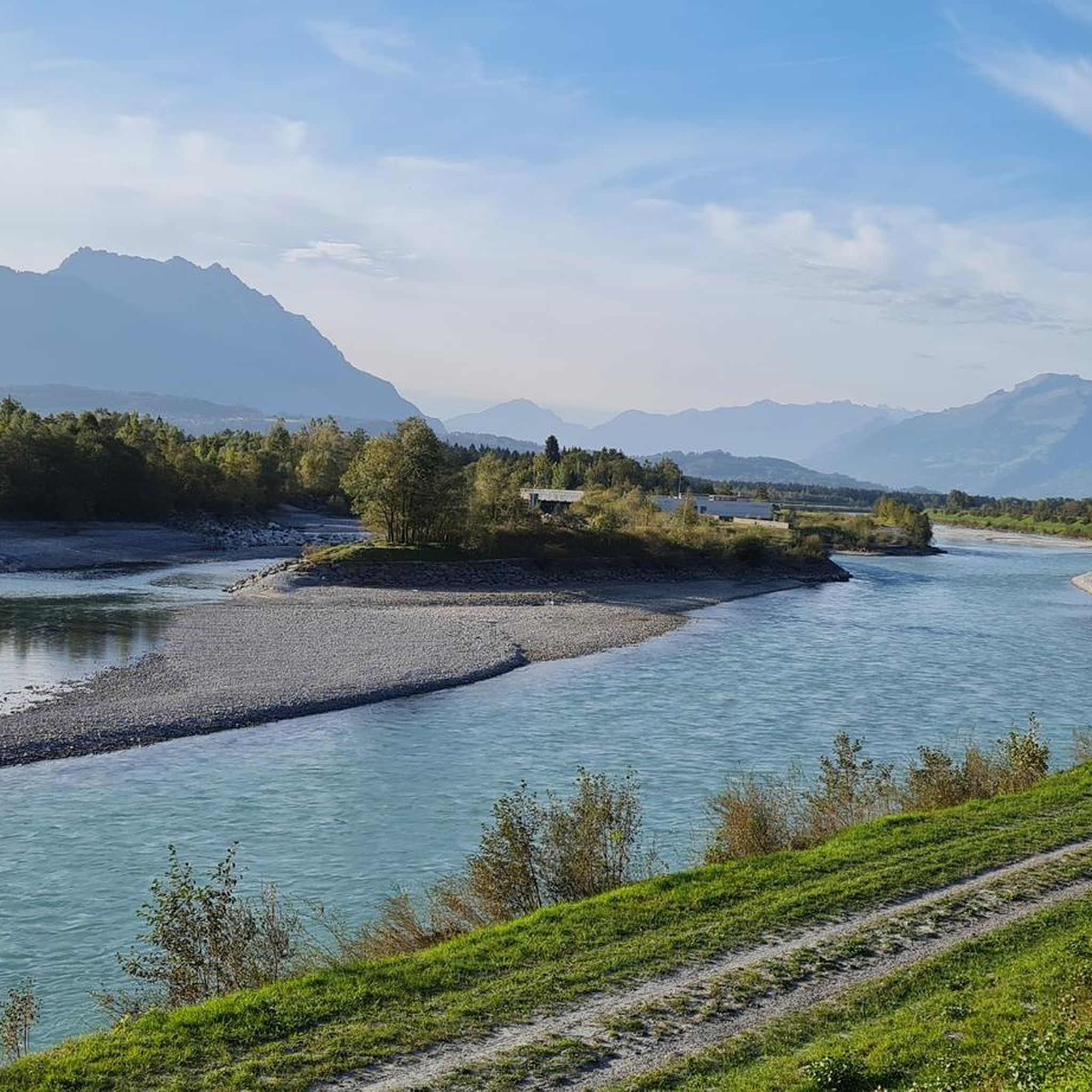
The three power plants in Lienz, Blatten, and Montlingen are still housed in the renovated historic facilities dating back to their founding in 1906. They are located in the idyllic local recreation area along the Rhine Valley Inland Canal – directly on the route of the signposted cycle path in the St. Gallen Rhine Valley, in the municipalities of Lienz, Oberriet, and Montlingen. As an environmentally friendly electricity producer, the SAK is committed to preserving nature, especially in the vicinity of its power plants. Between autumn 2021 and 2025, the SAK will renovate the three inland canal power plants and equip them with new fish upstream and downstream systems. This will allow lake trout from Lake Constance to find their way to the spawning grounds in the upper Rhine Valley. With this commitment, the SAK is proactively helping to ensure the conservation of this fish species. Source: https://www.sak.ch/ueber-sak/standorte/wasserkraftwerke/kw-binnenkanal
8
0

Simple wooden cross with inscription, at the top of the ridge, not directly on the path, but easily accessible.
2
0
Lots of great things, fitness trail, barbecue area and much more...
4
0
Frequently Asked Questions
How many hiking trails are available around Rüthi (SG)?
Rüthi (SG) offers a diverse selection of over 20 hiking trails. These routes cater to various difficulty levels, from easy walks to challenging alpine ascents, ensuring there's something for every hiker.
What kind of landscapes can I expect to see while hiking in Rüthi (SG)?
Hiking in Rüthi (SG) provides a rich tapestry of landscapes. You'll experience the expansive Rhine Valley, the dramatic backdrop of the Alpstein mountain range, and diverse natural features including tranquil riverbanks, picturesque vineyards, and unique raised bogs.
Are there easy hiking trails suitable for beginners in Rüthi (SG)?
Yes, Rüthi (SG) has several easy trails perfect for beginners or those seeking a relaxed walk. An example is the Blatten Castle Ruins – Blattenberg Viewpoint loop from Rüthi (Rheintal), which is 3.2 miles (5.2 km) long and takes about 1 hour 28 minutes, leading through varied terrain to historical ruins and viewpoints.
Can I find challenging hikes with significant elevation gain in Rüthi (SG)?
Absolutely. For experienced hikers looking for a challenge, routes like the Ober Kamor Stofel – beautiful views loop from Rüthi (Rheintal) offer extensive panoramic views and significant elevation gain. This difficult 12.8-mile (20.6 km) trail involves over 1290 meters of ascent.
Are there any hiking routes with waterfalls near Rüthi (SG)?
Yes, you can discover routes that feature waterfalls. Consider the Rüthi Dorf Signpost – Waterfall Near Plona loop from Rüthi (Rheintal), a moderate 5.3-mile (8.6 km) hike that includes a beautiful waterfall along its path.
What are some notable landmarks or attractions I can visit while hiking in Rüthi (SG)?
The region around Rüthi (SG) is rich in natural and historical attractions. You can explore unique natural phenomena like the Kristallhöhle Kobelwald or the Wichenstein Cave Castle Ruin. For historical interest, Wartau Castle is a well-preserved medieval fortress worth visiting. Additionally, the Aescher-Wildkirchli Mountain Inn offers a unique experience.
Are there any circular hiking routes in Rüthi (SG)?
Yes, many of the trails around Rüthi (SG) are designed as circular routes, allowing you to start and end at the same point. Examples include the View of the Rhine Valley – Alp Kamm loop from Rüthi and the Frosen – Alp Kamm loop from Rüthi (Rheintal), both offering distinct experiences.
What do other hikers enjoy most about hiking in Rüthi (SG)?
The hiking trails in Rüthi (SG) are highly rated by the komoot community, with an average score of 4.6 stars from over 1000 reviews. Hikers often praise the diverse terrain, the stunning panoramic views of the Alpstein and Rhine Valley, and the variety of routes available for all skill levels.
Are there family-friendly hiking options in Rüthi (SG)?
Yes, Rüthi (SG) offers family-friendly hiking options. Many of the easier trails are suitable for families, providing accessible paths through scenic areas. An easy, family-friendly day hike can lead to natural wonders like the Crystal Cave and Hirschensprung, as mentioned in regional information.
Is it possible to access hiking trails in Rüthi (SG) using public transport?
Rüthi (SG) is situated in the Rhine Valley, and public transport connections are generally available within the region. While specific trailheads might require a short walk from a bus stop or train station, the area is accessible, making it possible to reach many starting points without a car.
What is the best time of year for hiking in Rüthi (SG)?
The best time for hiking in Rüthi (SG) is typically from spring through autumn. During these seasons, the weather is generally mild, and the landscapes, from vineyards to alpine foothills, are at their most vibrant. Some lower-elevation trails may also be accessible for winter hiking, offering a different, tranquil experience.
Are there any places to eat or drink near the hiking trails in Rüthi (SG)?
Yes, the region offers options for refreshments. You can find local cafes and pubs in Rüthi (SG) itself. Additionally, mountain inns like the Staubern Mountain Inn or the Ebenalp Mountain Inn are located along some of the higher-altitude routes, providing opportunities for a break and a meal with a view.
Most popular routes around Rüthi (SG)
Most popular attractions around Rüthi (SG)

Get inspired with the komoot mobile app


Explore more
Browse the best Hikes in other regions.
