Attractions and Places To See around Verolanuova - Top 20
Best attractions and places to see around Verolanuova include historical architecture, cultural sites, and natural spaces. This municipality in the province of Brescia, Lombardy, is characterized by its blend of historical landmarks and serene natural environments. The area features significant cultural sites like the Basilica Minore of San Lorenzo and the Palazzo Gambara, alongside green spaces such as the Strone River Park and Bosco del Lusignolo. Visitors can explore a variety of landscapes, from historical buildings to riverine parks.
Best…
Last updated: October 10, 2026
Padernello Castle
Highlight • Castle
Translated by Google •
Tip by

San Vigilio Bridge of Padernello
Highlight • Bridge
Translated by Google •
Tip by

Sign up now to discover places like this
Get recommendations on the best single tracks, peaks, & plenty of other exciting outdoor places.
Church of Saints Joseph and Blaise, Robecco d'Oglio
Highlight • Religious Site
Translated by Google •
Tip by

The Oglio River near Pontevico
Highlight • River
Translated by Google •
Tip by

Monticelli d'Oglio Cycle Bridge
Highlight • Bridge
Translated by Google •
Tip by
Sign up for free to discover even more attractions around Verolanuova.
Already have an account?
Start today with a free account
Your next adventure awaits.


Tips from the Community

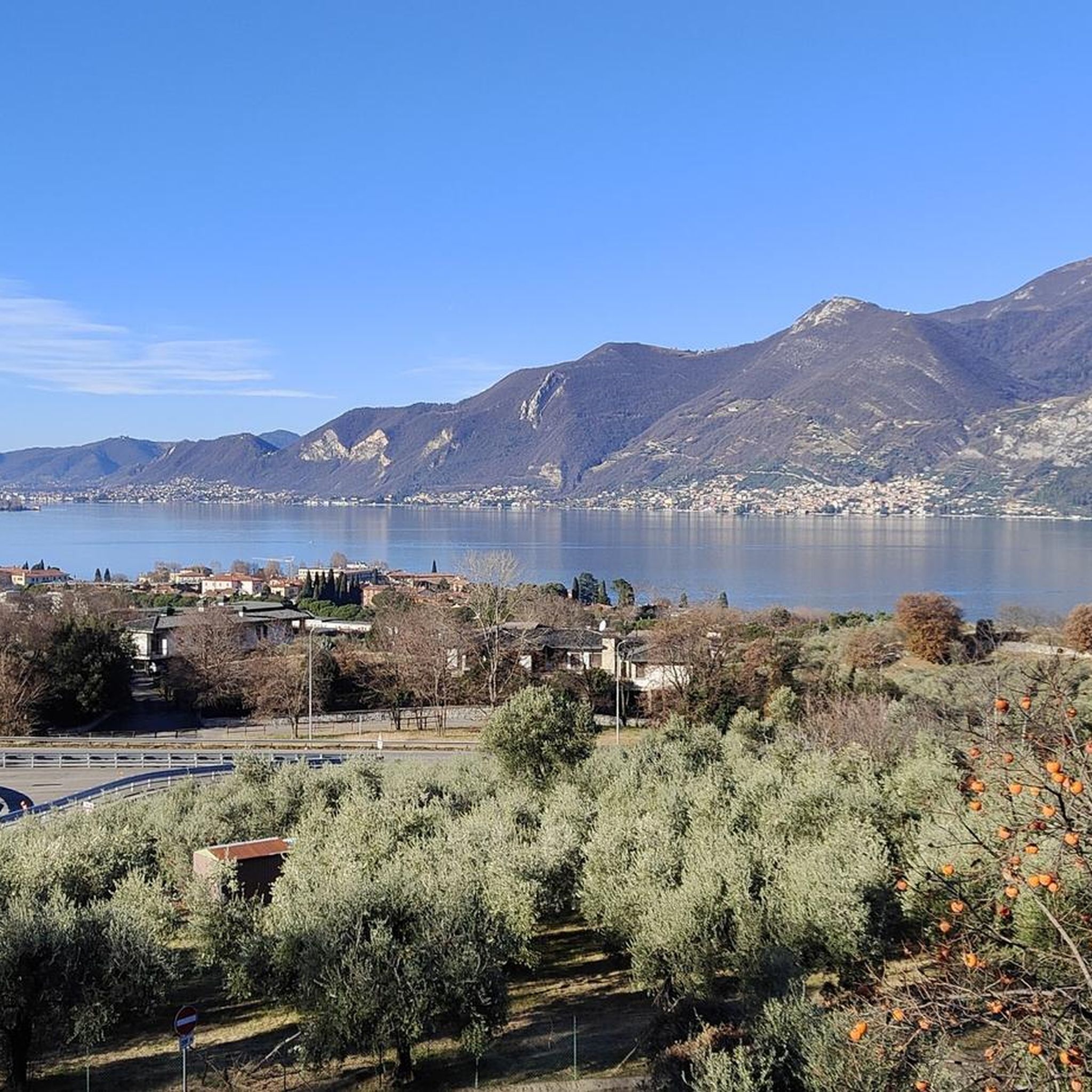
Pontevico is an Italian municipality of about 7,150 inhabitants located at the southern end of the province of Brescia, in Lombardy. The village stands in a historically strategic position along the Oglio river, which marks the natural border with the province of Cremona. The name derives from the Latin Pons Vici, which literally means "bridge of the village". The municipal territory is predominantly flat and includes the hamlets of Bettegno, Campazzo, Chiesuola and Toro. Local economy is historically divided between a strong agricultural vocation and an industrial textile development linked to the Bassa Bresciana district. The center is about 32 kilometers from the provincial capital Brescia and is easily reachable by car via the A21 motorway or by the Brescia-Cremona railway line.
0
0

Pure Gravel ride. With mixed stretches on asphalt to relax a bit. Alternating shade and sun, but I think mid-season is preferable. The stretch of Verolavecchia and Verolanuova is beautiful, with its architectural features. There are fun climbs and descents, for which, however, it's better to have good brakes (as always).
0
0

Always a happy presence and a passage in many of our tours, I think it is one of the most photographed highlights
2
0

Beautiful bell tower that stands out with its white twin of Pontevico
1
0

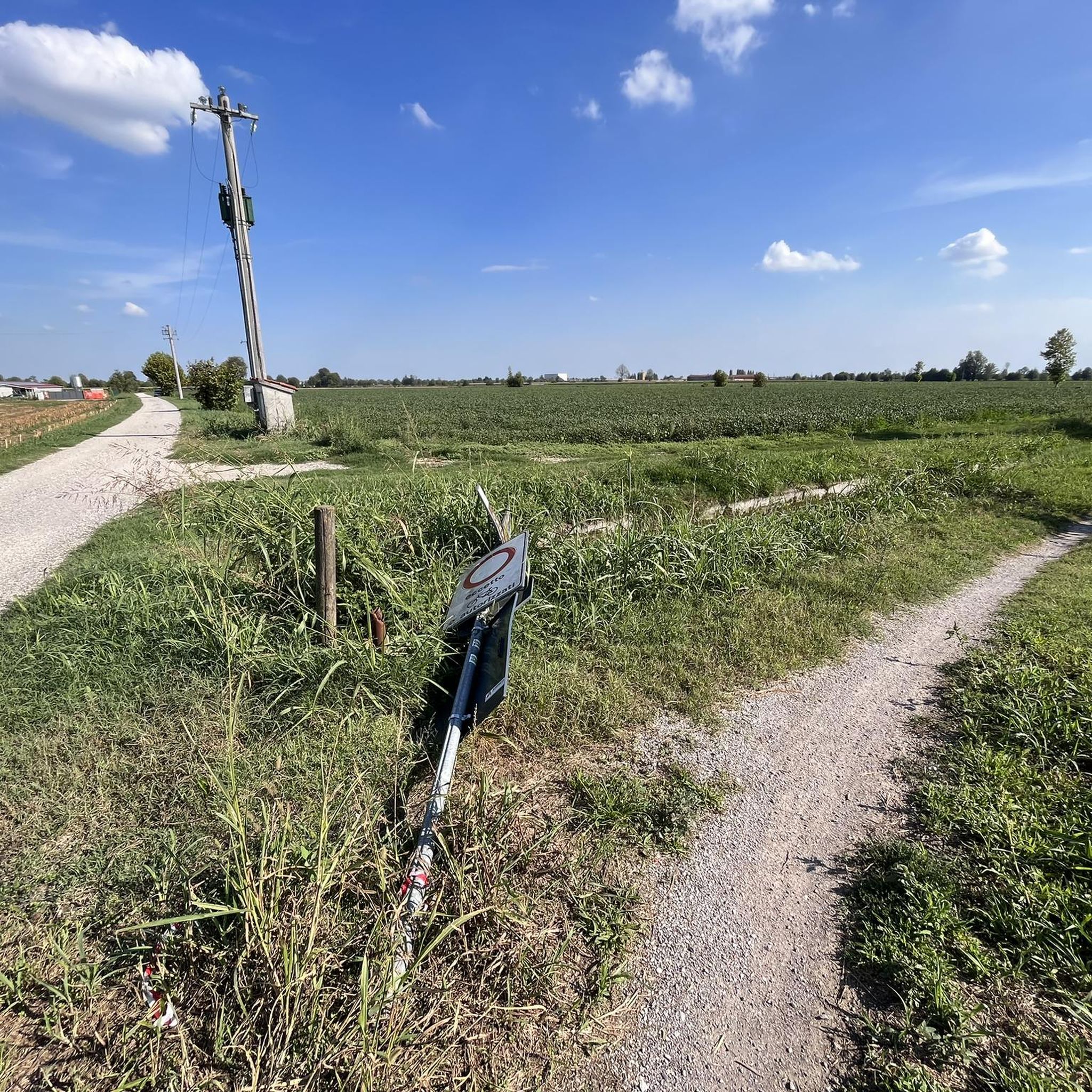
unfortunately the storm made a tree fall on the bridge destroying the last stretch a real shame
1
0

Work of the artist Giuliano Mauri, interpreter of natural art, the San Vigilio Bridge in Padernello is an artistic intertwining of chestnut branches on a small watercourse. Suggestively inserted into the landscape, "it is in constant conversation with time, which colors the days and seasons with changing moods" allowing an authentic dialogue between human beings and nature.
1
0

Padernello Castle is located in the village of the same name in the Borgo San Giacomo area in the province of Brescia. The castle dates back to the 15th century and is surrounded by a moat which makes it fascinating. Access to the structure (130 rooms on a surface area of 4000 m²) is via a still functioning drawbridge. The castle today hosts exhibitions and events.
1
0

Robecco d'Oglio is located in the Oglio valley, has Roman origins and was an important border junction between Cremona and Brescia. Among its monuments are the tower, the church of Saints Giuseppe and Biagio, the Villa Barni della Scala and the remains of the Monasterolo tower. The train station is very convenient and allows you to reach the numerous cycle routes in the area.
2
0
Frequently Asked Questions
What historical and cultural sites can I explore in Verolanuova?
Verolanuova is rich in history. You can visit the Basilica Minore of San Lorenzo, a 17th-century parish church housing monumental paintings by Gianbattista Tiepolo. The Palazzo Gambara, now the City Hall, is another impressive 16th-century building showcasing valuable architectural elements. Don't miss Padernello Castle, a 14th-century structure surrounded by a moat, which now hosts exhibitions and events. The Church of Saints Joseph and Blaise, Robecco d'Oglio, also offers a glimpse into the region's religious heritage.
Are there any natural attractions or parks in Verolanuova for outdoor activities?
Yes, Verolanuova offers several natural spaces. The Strone River Park provides an oasis of tranquility with green meadows and leafy trees, perfect for relaxation, running, or cycling. You can also explore the Bosco del Lusignolo, a green oasis with a cycle path winding through various trees and home to local wildlife. The majestic Cedar of Verolanuova, located in the park of Palazzo Gambara, is a significant natural landmark in the town's center.
What unique architectural features can I find near Verolanuova?
A truly unique architectural feature is the San Vigilio Bridge of Padernello. This distinctive bridge is constructed solely from intertwined logs, offering an artistic and natural intertwining of chestnut branches over a small watercourse. It's a testament to natural art and provides an authentic dialogue between humans and nature.
What outdoor activities are popular around Verolanuova?
The area around Verolanuova is excellent for various outdoor activities. Cycling is very popular, with routes like the 'Bosco del Lusignolo – Strone River Park loop' for MTB enthusiasts. Road cyclists can enjoy the 'Soncino and Padernello Castle Loop', while gravel bikers might explore the 'Padernello Castle – Bridge over the Oglio River loop'. You can find more details on these and other routes in the MTB Trails around Verolanuova, Road Cycling Routes around Verolanuova, and Gravel biking around Verolanuova guides.
Are there family-friendly attractions or activities suitable for kids in Verolanuova?
Many attractions in Verolanuova are suitable for families. Children will enjoy exploring the historic Padernello Castle with its moat and drawbridge. The Strone River Park and Bosco del Lusignolo offer pleasant environments for walks, picnics, and cycling, allowing kids to enjoy nature and spot local wildlife like hares and birds.
What is the best time to visit Verolanuova for outdoor activities?
The spring and autumn months generally offer the most pleasant weather for outdoor activities in Verolanuova, with mild temperatures ideal for cycling, walking, and exploring historical sites. Summer can be warm, but the river parks and wooded areas provide shade for cooler excursions. Winter offers a different charm, though some outdoor activities might be less accessible depending on conditions.
Where can I see significant art in Verolanuova?
The Basilica Minore of San Lorenzo is a must-visit for art enthusiasts. It proudly houses two monumental paintings by the renowned Venetian artist Gianbattista Tiepolo: "Manna falling from the sky" and "Melchisedech's sacrifice," both dating from around 1740. These works are significant artistic treasures within the region. For more information on Tiepolo's works in the area, you can visit visitbrescia.it.
Are there any hidden gems or less-known historical sites to discover?
Beyond the main attractions, consider visiting Castel Merlino, the Gambara family's first residence, originally a 14th-century structure. While remodeled, you can still see remnants of its drawbridge and original east face. The Church of the Framework (Chiesa della Disciplina), which once served as the town's parish, also holds historical significance, including the tomb of Count Nicholas Gambara.
What do visitors enjoy most about the attractions around Verolanuova?
Visitors particularly appreciate the blend of history and nature. The serene atmosphere of the Strone River Park is highly valued by runners and cyclists. The unique construction of the San Vigilio Bridge of Padernello is often highlighted for its artistic charm. The historical depth of sites like Padernello Castle, with its well-preserved moat, also receives much praise for its fascinating history and events.
Can I find easy walking or cycling paths near Verolanuova's attractions?
Yes, both the Strone River Park and the Bosco del Lusignolo offer relatively easy and pleasant paths suitable for walking and cycling. The cycle path through Bosco del Lusignolo is described as suitable for amateurs looking for a relaxing environment. The Strone River Park is also popular with runners and cyclists, providing flat, accessible terrain for leisurely activities.
What is the significance of the Gambara family in Verolanuova?
The Gambara family played a significant role in Verolanuova's history. Their influence is evident in several key landmarks. The impressive Palazzo Gambara, now the City Hall, was their residence. Castel Merlino was their first home, and the Piazza della Libertà reflects their influence on the town's urban structure, showcasing Verolanuova as a small capital under their sway. The Church of the Framework also contains the tomb of Count Nicholas Gambara.
Most popular routes around Verolanuova
Most popular attractions around Verolanuova

Get inspired with the komoot mobile app


Explore more
Still not found the Highlight you’re looking for? See guides of the top attractions in other regions:
