Top 20 Huts and Cabins around Bienno
Best huts around Bienno provide access to the Val Camonica region's Alpine landscape, offering diverse experiences for outdoor enthusiasts. This charming Italian village serves as a base for exploring mountain huts, ranging from well-equipped refuges to basic bivouacs. The area features a mix of comfortable structures with dining options and more rustic accommodations. Visitors can find various trails leading to and from these mountain shelters, set amidst green surroundings and offering alpine views.
Best huts around Bienno
- The most popular…
Last updated: May 19, 2026
Campione Hut
Highlight • Mountain Hut
Translated by Google •
Tip by

Passo Crocedomini
Highlight • Mountain Pass
Translated by Google •
Tip by

Sign up now to discover places like this
Get recommendations on the best single tracks, peaks, & plenty of other exciting outdoor places.
Sign up for free
San Fermo Hut
Highlight • Mountain Hut
Translated by Google •
Tip by

Tita Secchi Hut
Highlight • Mountain Hut
Translated by Google •
Tip by

Rifugio Laeng
Highlight • Mountain Hut
Translated by Google •
Tip by
Sign up for free to discover even more huts and cabins around Bienno.
Sign up for free
Already have an account?
Start today with a free account
Your next adventure awaits.
Login or Signup
Popular around Bienno
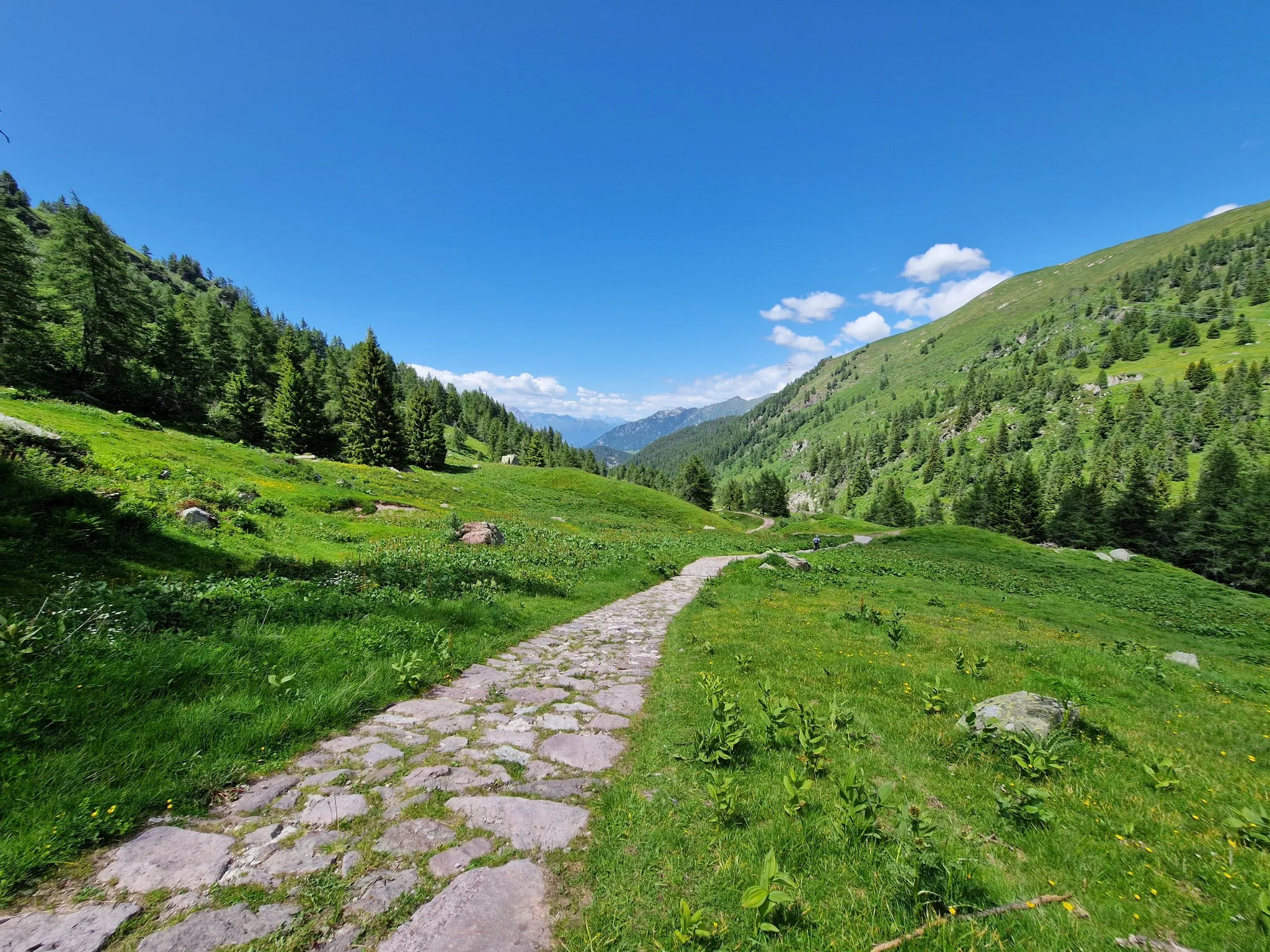
Adventure in Val Camonica – CamminaForeste in Lombardia part 3
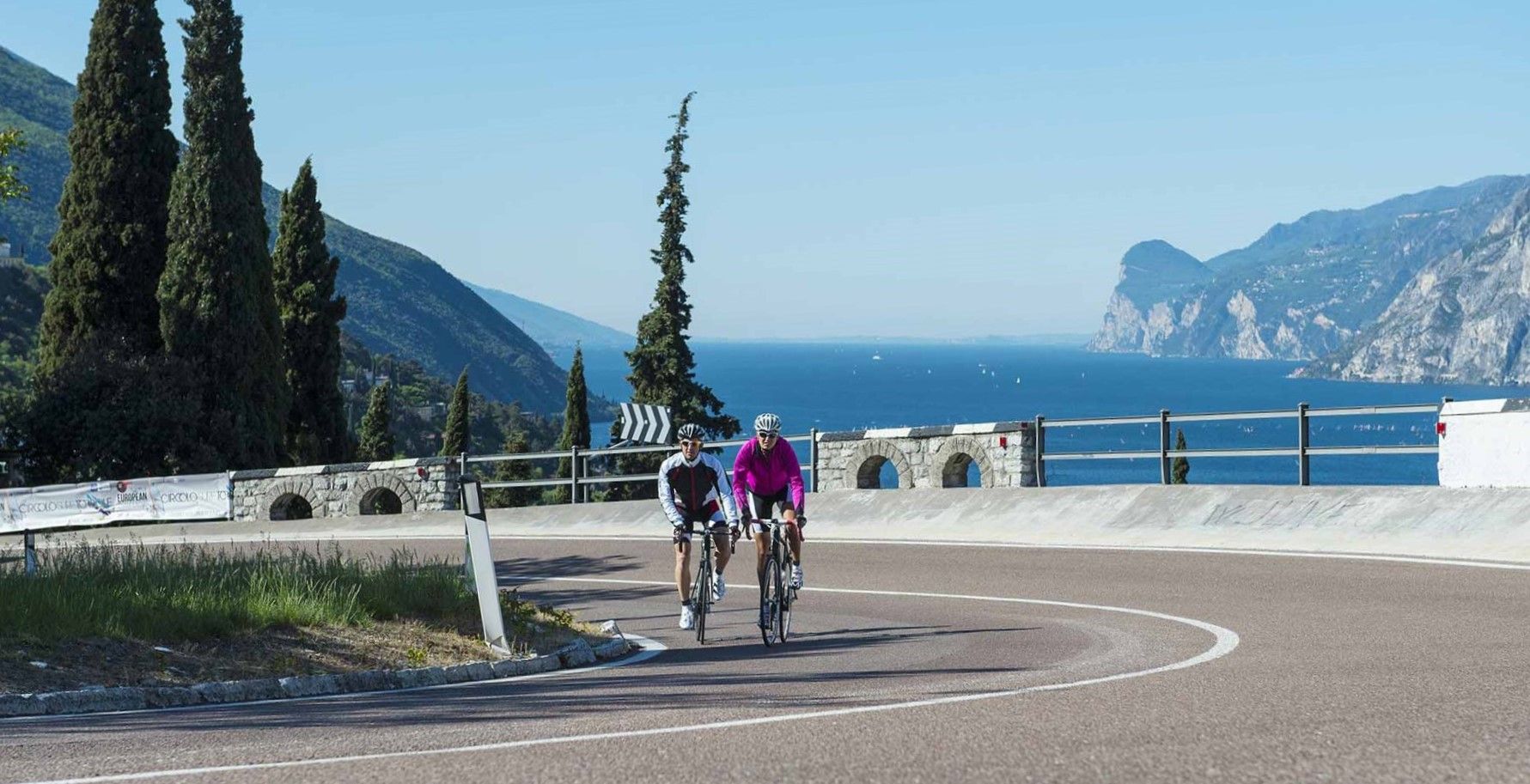
Lakeside paradises and great climbs – seven rides between Lakes Garda and Iseo
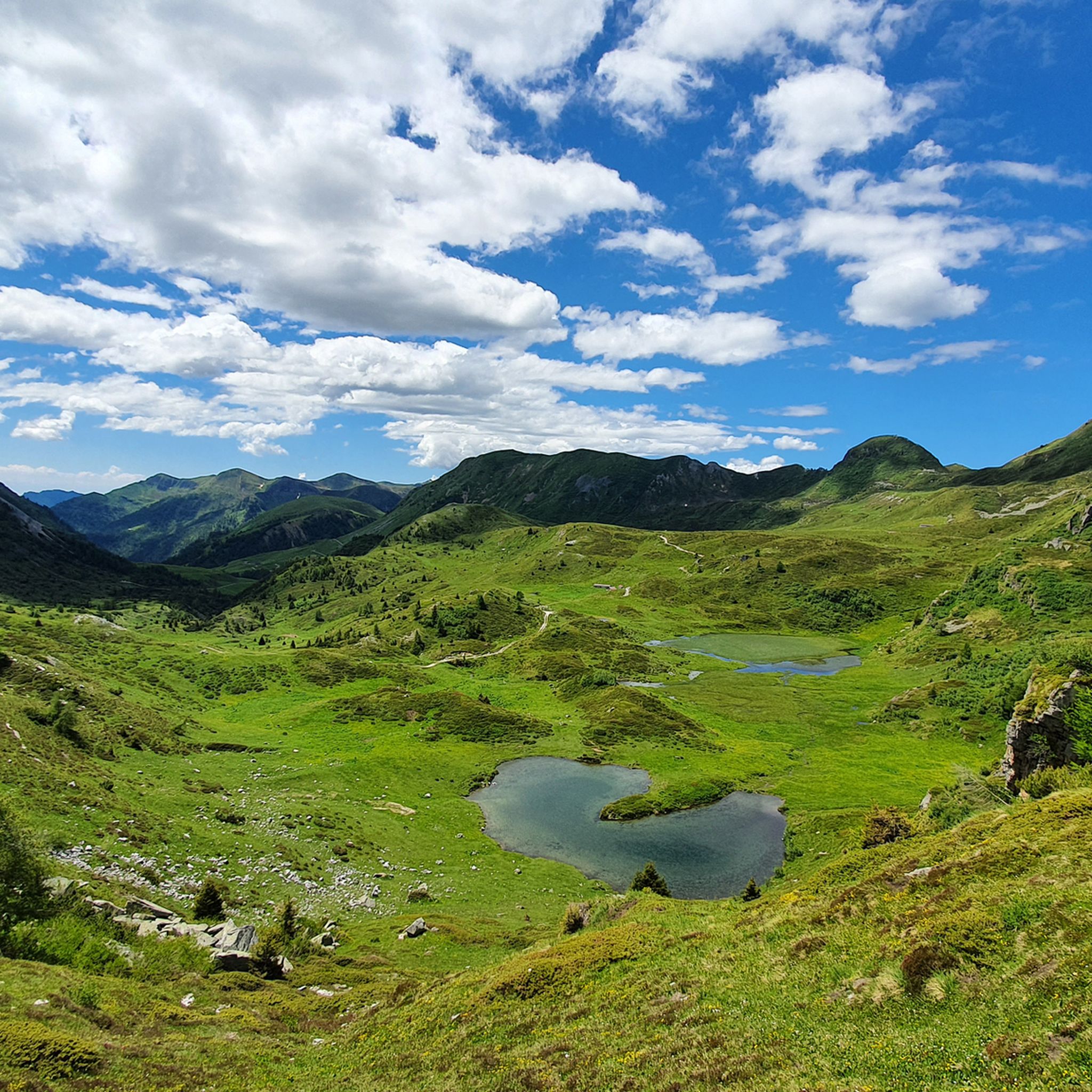
Hiking around Bienno
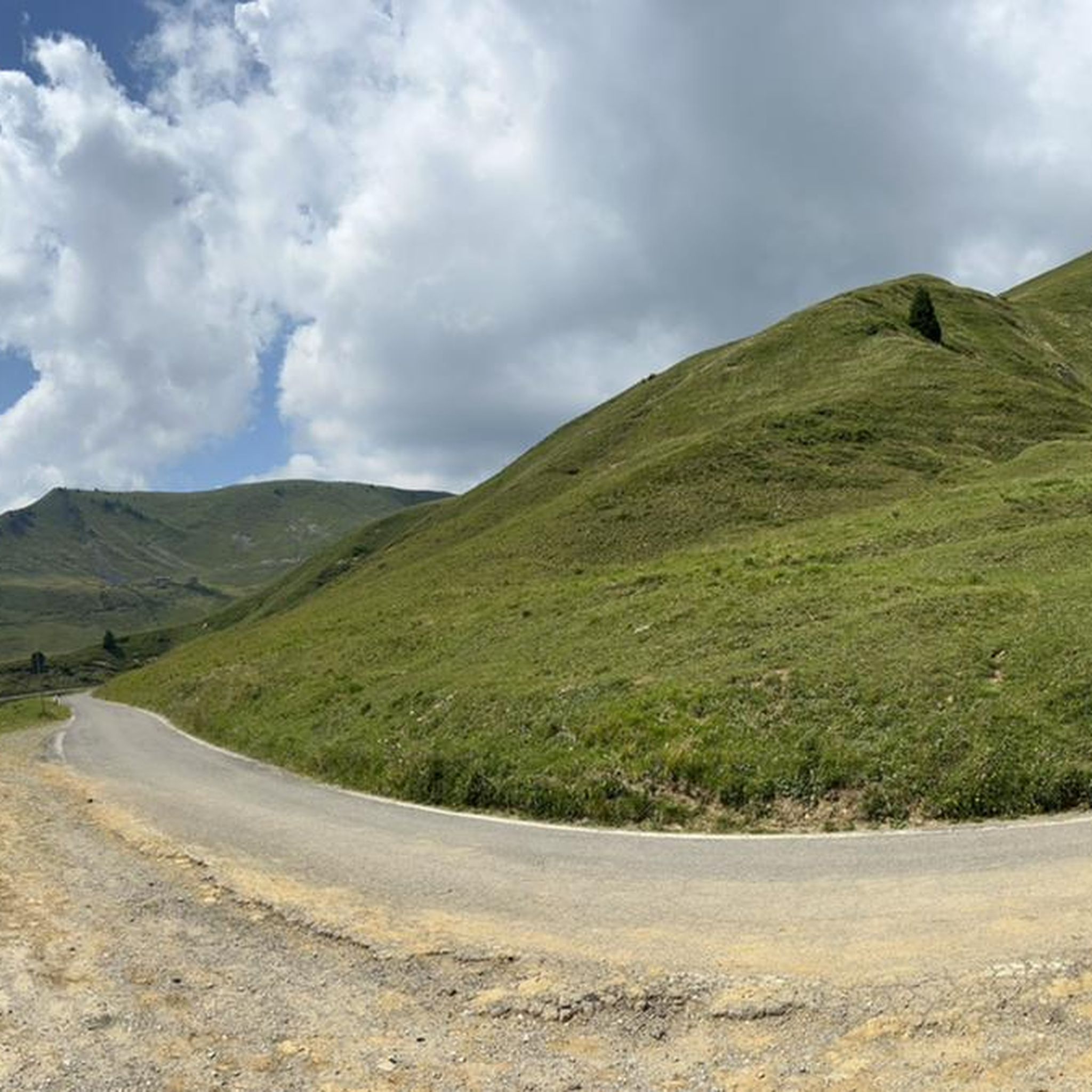
Road Cycling Routes around Bienno
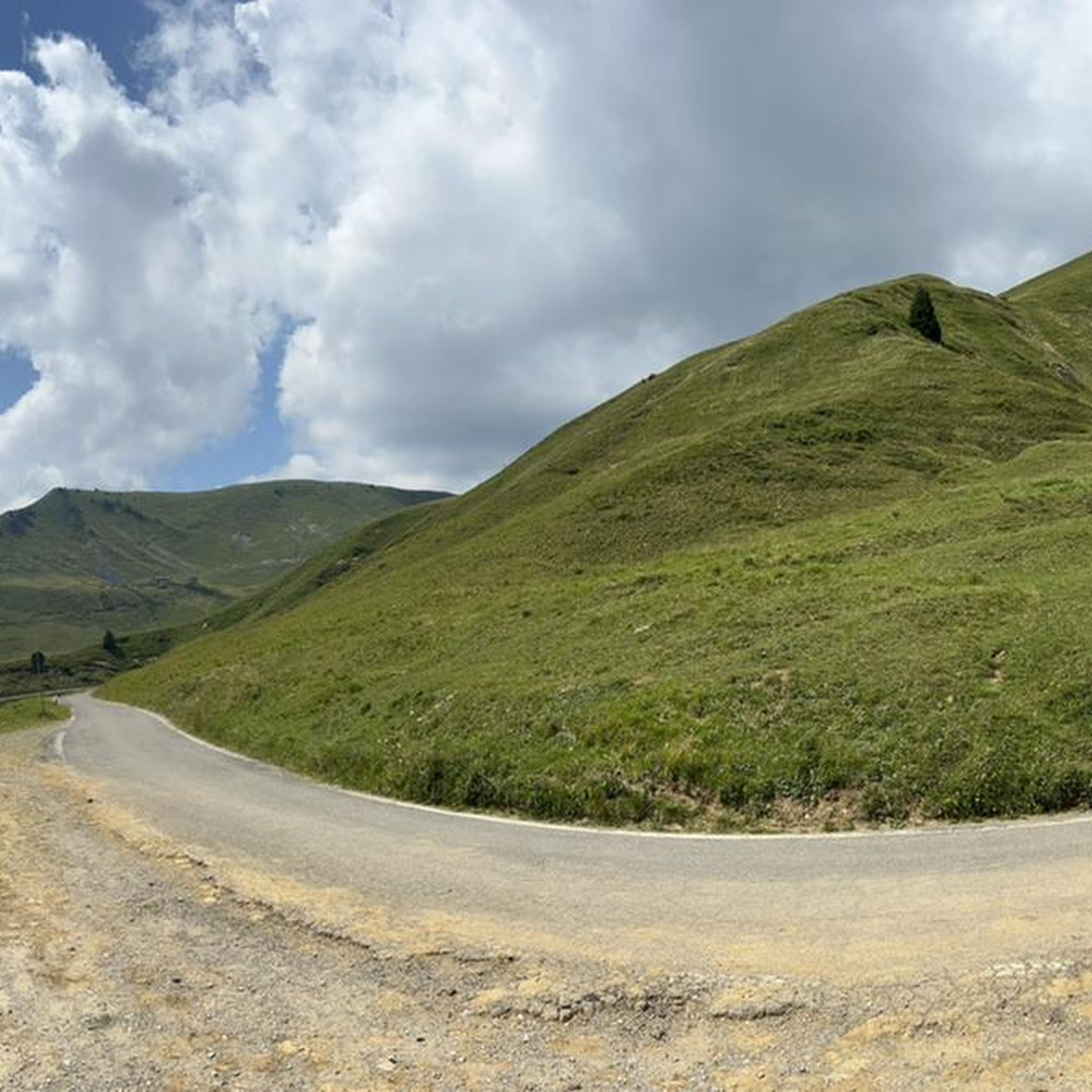
MTB Trails around Bienno
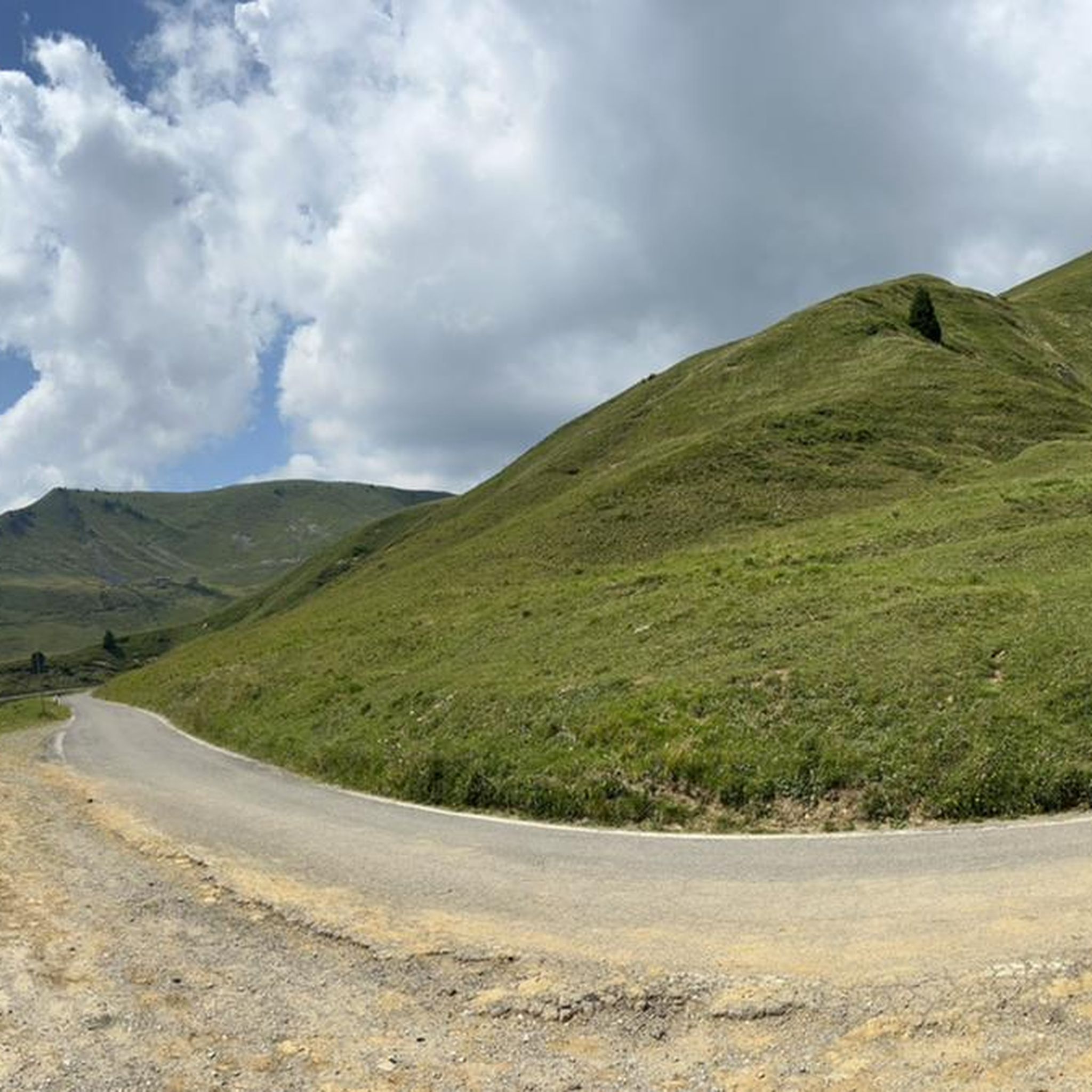
Cycling around Bienno
Gravel biking around Bienno
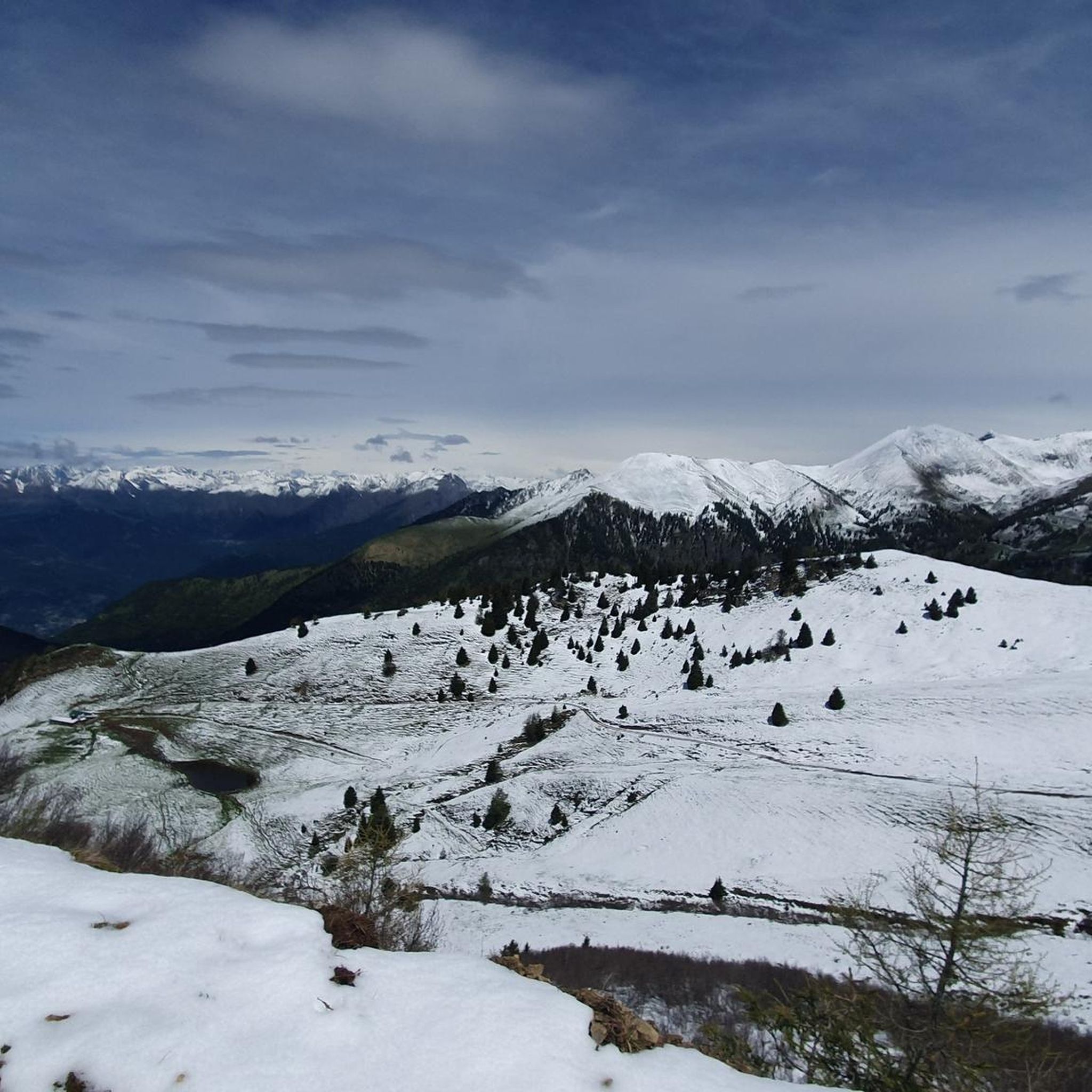
Running Trails around Bienno

Mountain Hikes around Bienno


Tips from the Community

🏔️ Rifugio Gualtiero Laeng — Conca di Varicla, Borno Rifugio Laeng (1760 m) is one of the two refuges in the Pizzo Camino group, along with San Fermo. It is located in the splendid Conca di Varicla, a bright, open environment rich in rare botanical species. It is an essential, silent place, managed with a spirit of solidarity by volunteers from Operazione Mato Grosso. 📜 Identity and history Dedicated to Gualtiero (Walther) Laeng, a mountaineer and scholar who in 1909 officially reported the Camunian rock carvings. It stands where Rifugio Coppellotti once was, destroyed by the Germans in 1944 as retaliation. It is owned by CAI Cedegolo and entirely managed by OMG volunteers, who donate the proceeds to missions in Latin America. 🏡 Refuge characteristics Altitude: 1760 m Management: Operazione Mato Grosso Beds: 12 in dormitory + 5 in winter room Opening hours: July–August: daily June and September: weekends Dining room: about 30 seats Refuge phone: 338 238 1283 Email: rifugiolaeng@gmail.com 🚶♂️ Main accesses From Borno – Path 82 / 82a ⏱️ 2h20’ ⬆️ 750 m Difficulty: E (Hiking) Classic itinerary: road towards Lago di Lova → deviation onto 82 → final climb on 82a. From Villa di Lozio – Path 136 ⏱️ 2h15’ ⬆️ 800 m Difficulty: E (Hiking) Steeper climb in the upper part, passing through Malga Varicla. 🌄 Environment and panoramas The refuge is framed by the limestone walls of Pizzo Camino and Cima Moren, with a view that embraces the entire basin. The area is known for its botanical richness: rare flowers, bright meadows, light-colored rocks that reflect the light. 🔗 Connections and itineraries Sentiero Alto 82 → Rifugio San Fermo ⏱️ 1h30’ Difficulty: E/EE (Hiking/Difficult Hiking) Panoramic stretch, with ups and downs and some passages over rocky sections. Pizzo Camino (2491 m) – Path 82a ⏱️ 2h from the basin Difficulty: EE (Difficult Hiking) Exposed sections and loose scree: helmet and a sure footing recommended.
0
0


The refuge is located at 1940m, on the border between Val Camonica and Val di Scalve. Amazing cuisine with typical dishes and homemade desserts.
0
0

Superb refreshment point between Val di Scalve and Valcamonica. Tasted a few dishes and cakes, really well kept!
0
0

The little church of S. Fermo was built around the 16th century on the pre-existing hermitage, which, according to tradition and legend, dates back to the time of Charlemagne and his conquest of Valcamonica. Although I did not have archaeological analysis equipment with me on my various visits, I can say with some certainty that the terracotta floor can be dated back, for its components and shapes, to the 16th/17th century. S. Fermo is one of the three brothers who dedicated themselves to prayer and penance: Glisente, Fermo and Caterina. Glisente (the eldest of the brothers) placed his base on the current Colma di S. Glisente - the underground church is interesting; Fermo, at the base of the Corna di S. Fermo; Caterina just above Lozio, on the path that gives access to the Concarena. The altarpiece of the little church depicts the two brothers in military uniform. Tradition and legend tell that Glisente and Fermo were knights and dignitaries of Charlemagne's army, who then, after the siege of Povia (773-774 AD, today's Pavia and seat of the Lombard kingdom Desiderio) retired to a hermit's life, disgusted by the blood and carnage, imitated by his sister Caterina. Fermo survived the death of his two brothers for many years, thanks to the help of an eagle and a bear, who supplied him with wood, honey beans, food and game. The three brothers used to communicate with each other with bonfires in the evening. In memory of this legend, starting from the Rifugio S. Fermo and following the ridge that leads to the Passo di Varicla, the traditional torchlight procession takes place in the second week of August, which then descends to Borno.
1
0

A famous pass in the Brescian Pre-Alps, the Crocedomini has a very long history (it is said that Emperor Frederick Barbarossa passed through here in the 12th century) and is almost 1,900 meters above sea level. It represents a real challenge for those who decide to tackle it by bicycle: from Bagolino it is a 22 kilometer climb at an average 5%, while the Breno side is even harder, around 20 kilometers at an average 7.5%. You can also get to Crocedomini in a third way, that is, through the splendid partly dirt road (very simple gravel) that comes from the south, from the Maniva pass.
4
0

Tough route, with steep dirt climbs ... some short pushing sections ... beautiful panorama
0
0
Frequently Asked Questions
What types of mountain huts can I find around Bienno?
The Bienno area offers a diverse range of mountain accommodations, from well-equipped refuges (rifugi) with dining options and beds to more basic bivouacs (bivacchi) for intrepid adventurers. Examples include the comfortable Campione Hut, known for its food and amenities, and the rustic Tita Secchi Hut, a wooden bivouac with basic facilities.
Are there family-friendly huts or walks near Bienno?
Yes, several huts cater to families. Campione Hut is noted as a classic destination for an easy walk and good food, suitable for families. Baita Fontaneto also welcomes families and nature lovers, offering a panoramic meadow and an alpine botanical garden. Rifugio Campione provides amenities like a children's play area and is a starting point for panoramic walks suitable for families in summer.
Which huts offer panoramic views around Bienno?
Many huts in the region boast remarkable views. San Fermo Hut offers an exceptional panorama spanning from Val di Scalve to the mountains of Valle Camonica. The Tita Secchi Hut, located near Lago della Vacca, provides impressive panoramic views, especially from its balcony. Rifugio Valdaione is immersed in green surroundings and offers beautiful alpine vistas.
What kind of local cuisine can I expect at the huts?
Huts around Bienno often specialize in traditional mountain cuisine and local specialties. Baita Fontaneto offers traditional mountain cuisine, local specialties, and homemade desserts. Campione Hut is known for its genuine dishes and homemade desserts, while San Fermo Hut is praised for its delicious food. Rifugio Campolungo operates as an agritourism in summer, producing local cheeses during the 'monticazione' period.
Are there huts with historical significance or unique features?
Yes, the region has huts with interesting history. The Tita Secchi Hut is a characteristic bivouac dedicated to the memory of the partisan Tita Secchi, located near ruins of WWI defense lines. Rifugio Campolungo has historical significance with several Iron Age mines nearby. San Fermo Hut is next to a small seventeenth-century church dedicated to the hermit saint.
What outdoor activities can I do near the huts around Bienno?
The huts serve as excellent bases for various outdoor activities. You can enjoy hiking, trail running, and cycling. For running, explore routes like the 'Passo di Val Fredda – Passo della Vacca loop from Passo di Crocedomini' or the 'Fiume Oglio loop from Bienno' found in the Running Trails around Bienno guide. Cyclists can tackle challenging routes such as the 'Rifugio Passo Crocedomini – Passo Crocedomini loop from Campolaro' from the Cycling around Bienno guide. Mountain biking enthusiasts can find trails like the 'Croce Domini Pass – View of Corna Bianca loop from Campolaro' in the MTB Trails around Bienno guide. The area near Tita Secchi Hut also offers rock climbing walls.
When is the best time to visit the huts around Bienno?
Most huts are typically open during the warmer months. Rifugio Valdaione is usually open from June to mid-September. In summer, many huts like Rifugio Campione are ideal for panoramic walks, while in winter, they become popular for snowshoeing and ski mountaineering due to low difficulty and minimal avalanche risk. The Tita Secchi Hut (bivouac) is accessible all year round.
Are there huts that are easily accessible or have parking?
Some huts offer easier access. Rifugio Bazena provides parking and is located near Passo Crocedomini, making it a strategic point for exploring by car or on foot. Campione Hut is easily reachable from both Schilpario and Ono San Pietro. While public transport access can be limited in mountain areas, many huts are designed to be reached via hiking trails.
Which huts are good for wildlife observation or nature immersion?
Rifugio Campolungo is immersed in dense nature with larch and mountain pine trees, and its surrounding woods are home to various animal species, including bears, roe deer, deer, chamois, foxes, and black grouse. Rifugio Valdaione is also set in green surroundings, offering beautiful alpine views and nearby 'malghe' (alpine dairies) where you can purchase local products.
What are the highest altitude huts or bivouacs in the area?
The Tita Secchi Hut (bivouac) is located at 2,367 meters above sea level, near Lago della Vacca, within the Adamello Regional Park. Campione Hut is situated at 1,950 meters above sea level, offering a high-altitude experience. Rifugio Valdaione is at 1,600 meters, providing comfortable stays amidst alpine views.
Can I find huts that offer accommodation for longer stays?
Yes, some huts are well-equipped for longer visits. Rifugio Bazena offers fifteen rooms, some with private bathrooms, a dining room, a bar, and a breakfast room, making it suitable for extended stays. It also has a 'colonia' space with bunk beds and a kitchen for self-management, catering to groups.
Are there any huts known for their unique natural surroundings or geological interest?
The area around the Tita Secchi Hut is particularly fascinating for geology and botany enthusiasts, featuring rocks from different eras. Rifugio Campolungo is surrounded by dense nature, including larch and mountain pine trees, and is an ideal destination for nature enthusiasts.
Most popular routes around Bienno
Most popular attractions around Bienno

Get inspired with the komoot mobile app


Explore more
Find more beautiful huts and cabins around Bienno by checking out the top ones in these nearby places:
