The best walks and hikes around Rühstädt
4.5
(470)
2,041
hikers
19
hikes
Hiking around Rühstädt offers trails through the UNESCO Biosphere Reserve River Landscape Elbe-Brandenburg, characterized by expansive floodplains, alluvial forests, and diverse wet habitats. The terrain is generally flat, with routes often following the Elbe dyke and exploring the confluence of the Elbe and Havel rivers. This protected area provides opportunities to observe wildlife, particularly the white stork, in its natural environment.
Best hiking trails around Rühstädt
- The most popular hiking route is Grumbkow Obelisk – Stork Village Rühstädt loop from…
Last updated: April 30, 2026
4.7
(27)
90
hikers
Moderate hike. Good fitness required. Easily-accessible paths. Suitable for all skill levels.
4.7
(16)
58
hikers
Moderate hike. Good fitness required. Easily-accessible paths. Suitable for all skill levels.

Sign up for free
4.3
(11)
34
hikers
Hard hike. Very good fitness required. Easily-accessible paths. Suitable for all skill levels.
4.7
(9)
37
hikers
Easy hike. Great for any fitness level. Easily-accessible paths. Suitable for all skill levels.
5.0
(5)
11
hikers
Hard hike. Very good fitness required. Easily-accessible paths. Suitable for all skill levels.
Get access to more routes and recommendations from other explorers.
Sign up for free
Already have an account?
Our route recommendations are based on thousands of hikes, rides, and runs completed by other people on komoot.
Start today with a free account
Your next adventure awaits.
Login or Signup
Popular around Rühstädt


Tips from the Community

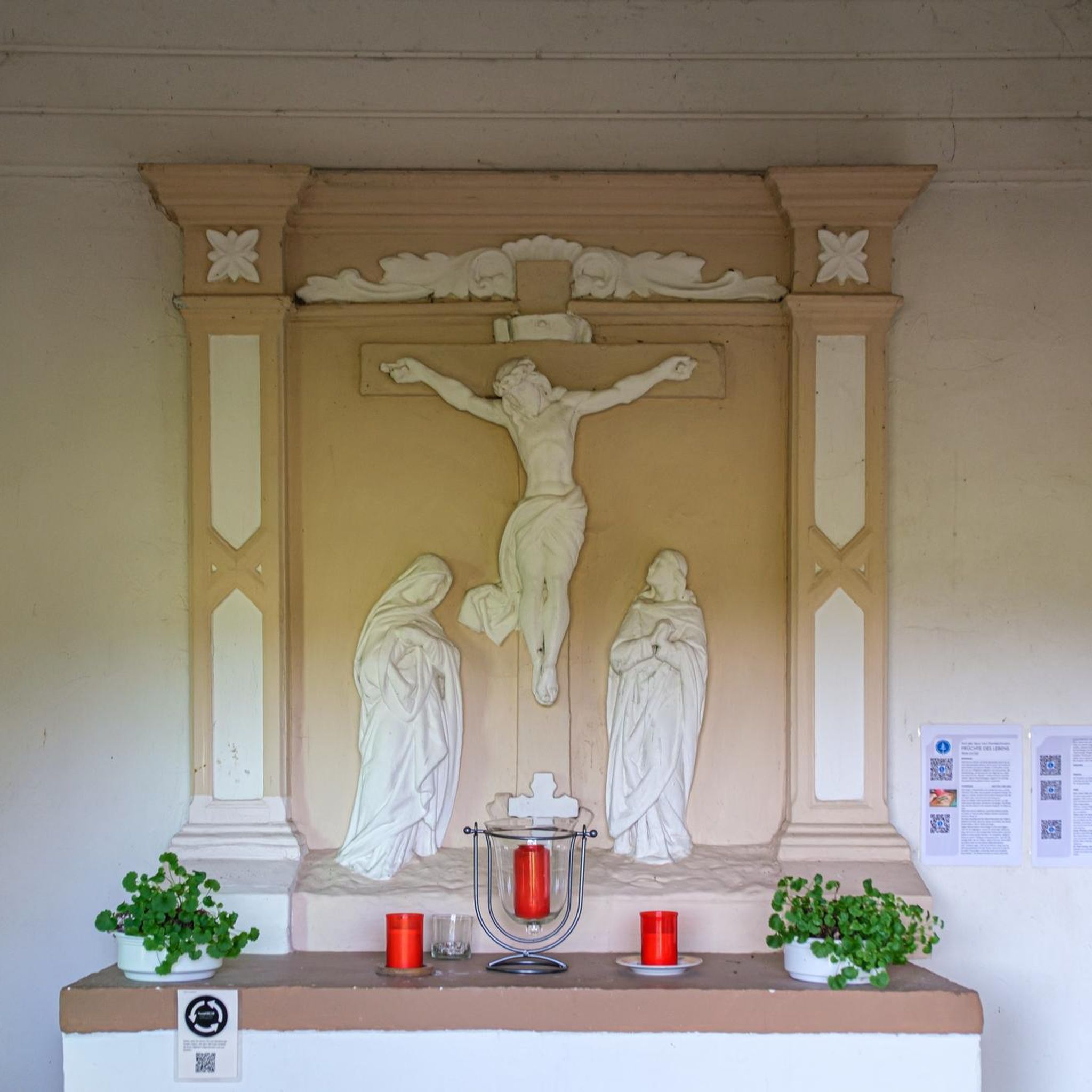
The village church of Rühstädt, also known as Quitzow Church, dates back to the 15th century. It was built under the influence of the noble von Quitzow family, who shaped the village for a long time. The original late Gothic brick building with a semicircular apse was remodeled in the Baroque style in the 18th century and a striking west tower was added. Important furnishings have been preserved inside, including a late Gothic carved altarpiece, several tombstones of the von Quitzow family, and a historic organ from 1738. A late Gothic mural of the Last Judgment in the apse is particularly noteworthy. Today, the church is a listed building and part of the Open Churches Initiative, meaning it is often open to visitors.
1
0
The observation tower on the Elbe Cycle Path near Bälow is situated in the heart of the Elbe floodplains and offers a panoramic view of the river landscape, dikes, and meadows of the Prignitz region. It primarily serves as a rest stop and viewpoint for cyclists on the Elbe Cycle Path, as well as an observation point for the diverse birdlife of the Elbe River Landscape Biosphere Reserve. From the elevated platform, numerous water birds and meadow birds can be observed, especially during migration seasons, thus combining landscape observation with a nature experience.
0
0

The Gnevsdorf Weir is located at the end of the approximately 10km stretch on the island between the receiving waters and the Elbe River. It has been passable again since 2024. Impressive engineering.
2
0

Nice place to take a break and unwind
0
0
A very impressive place with beautiful buildings
0
0

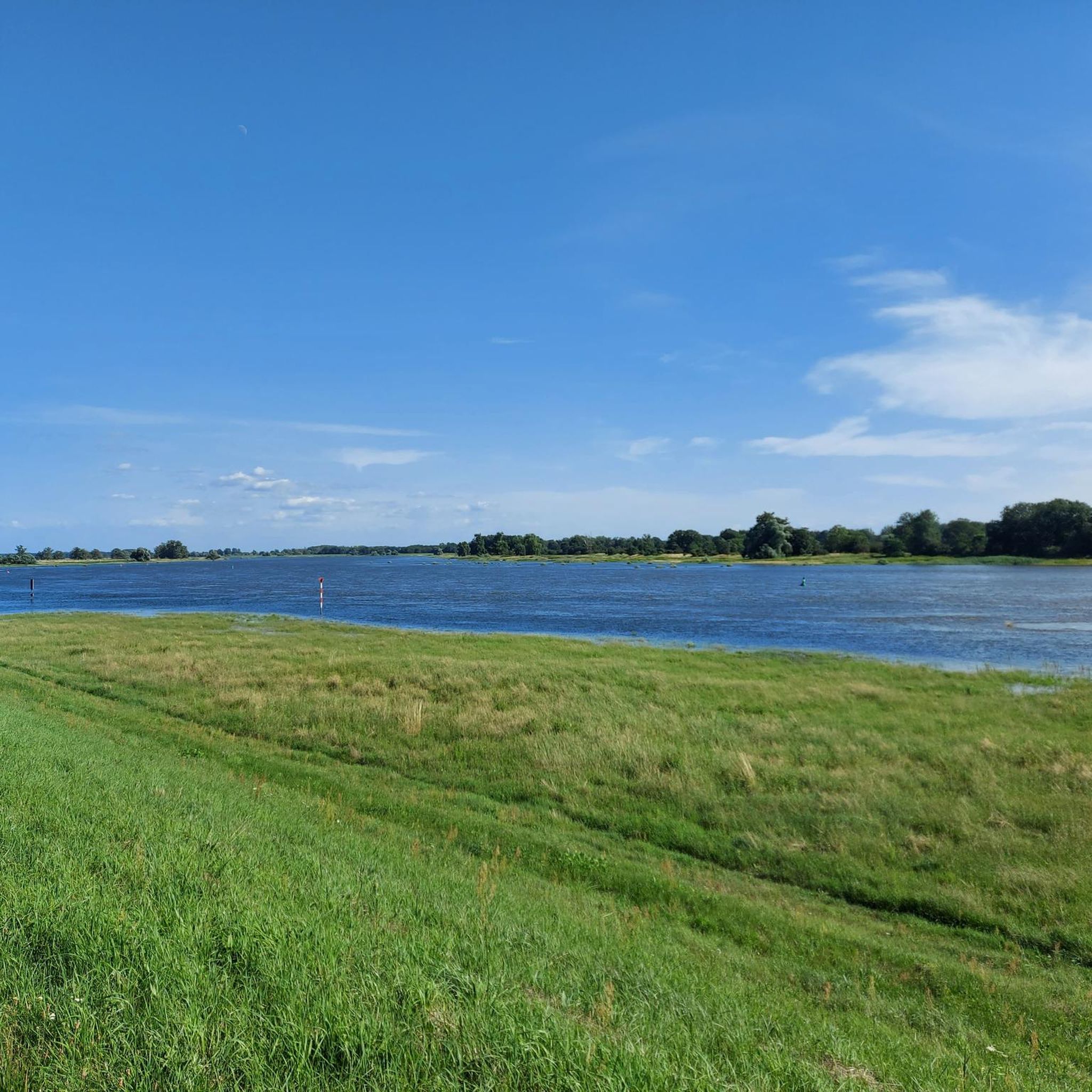
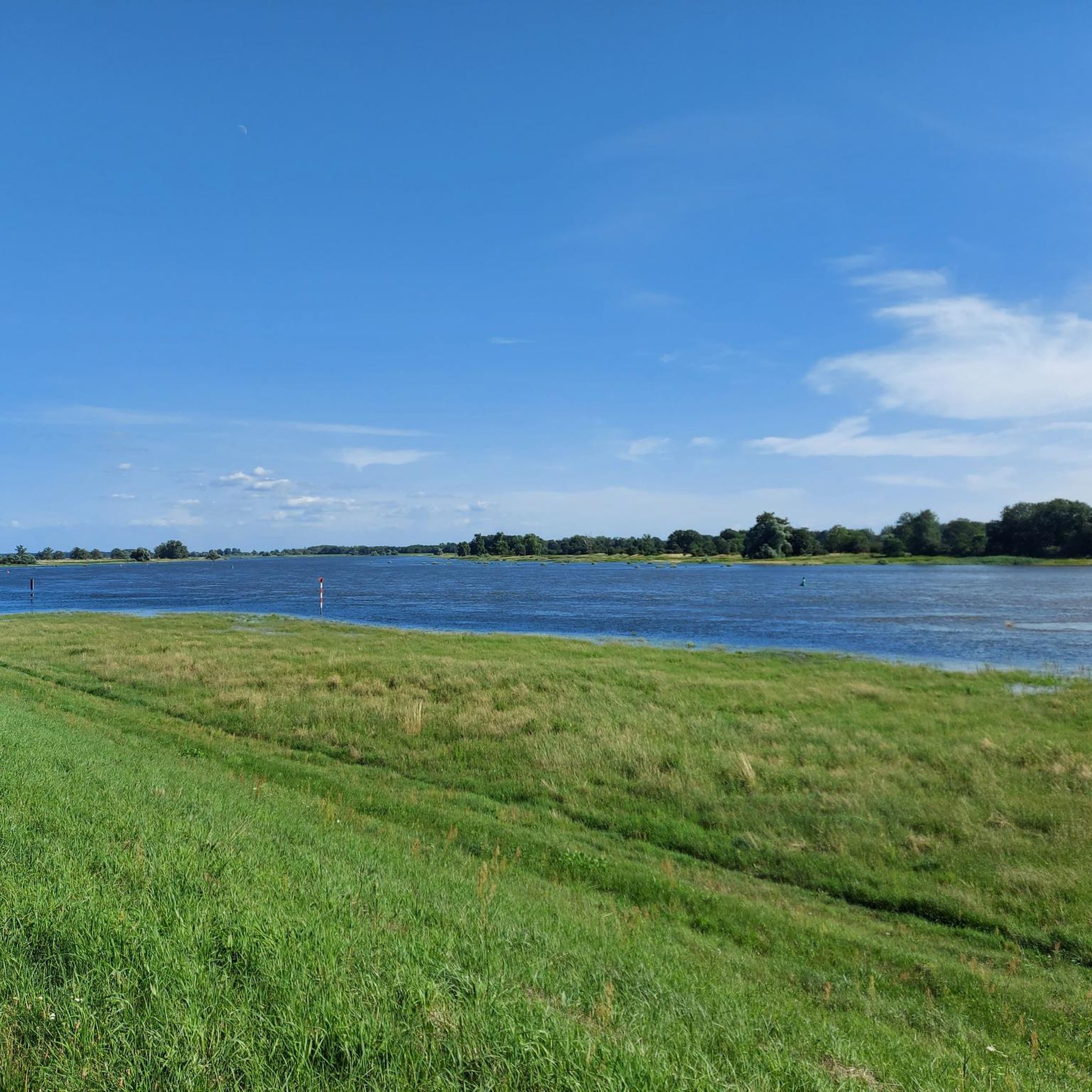
The Havel flows into the Elbe 20 kilometers north of Havelberg. A complex system of rivers and canals regulates the water level during floods.
1
0

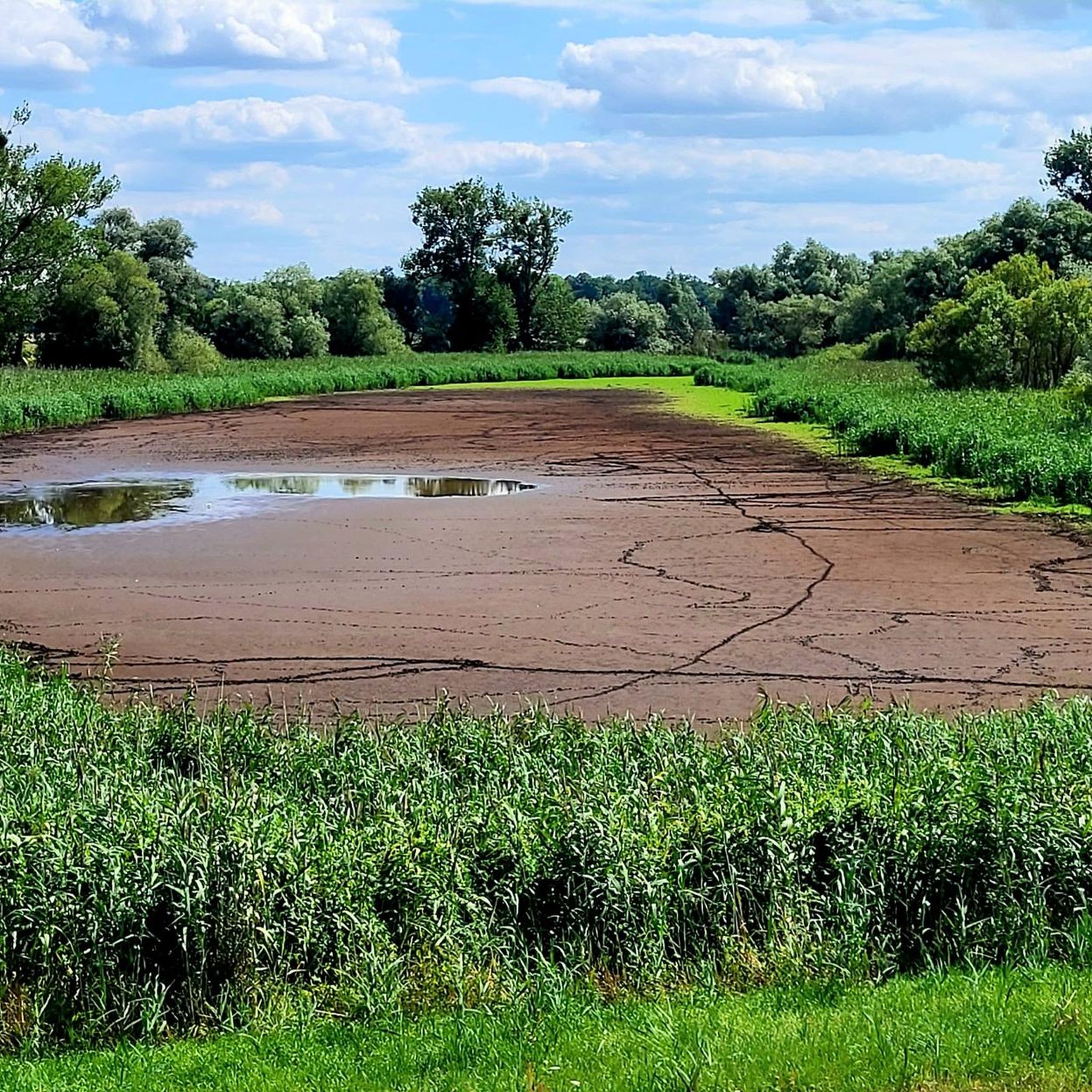
Since the Elbe fluctuates much more than the Havel, there is another weir directly at the mouth of the receiving water. It has no function during high water, but when the Elbe is low it prevents the Havel from draining.
2
0

An interesting tour through the beautiful half-timbered town
0
0
Frequently Asked Questions
What kind of terrain can I expect on hiking trails around Rühstädt?
The hiking trails in Rühstädt are predominantly flat and even, making them accessible for a wide range of hikers. You'll often find yourself walking along the Elbe dyke and through expansive floodplains, which are characteristic of the UNESCO Biosphere Reserve River Landscape Elbe-Brandenburg. The terrain is generally easy to navigate, with some routes exploring the unique hydrological landscape where the Havel meets the Elbe.
Are there many easy hiking trails suitable for beginners or casual walkers?
Yes, Rühstädt offers a good selection of easy hiking trails. Out of the 19 available routes, 11 are classified as easy. An example is the Havel Confluence With the Elbe – Stork Village Rühstädt loop from Rühstädt, which is 4.1 miles (6.6 km) long and typically takes about 1 hour 41 minutes to complete. These trails are perfect for enjoying the serene landscape without significant elevation changes.
What unique natural features or landmarks can I see while hiking in Rühstädt?
Rühstädt is famous as a 'European Stork Village,' so you'll have ample opportunities to observe white storks, especially from April to August. The Rühstädt Castle / Castle Hotel & Castle Garden offers a pleasant walk with notable flora. You can also explore the unique confluence of the Elbe and Havel rivers, and the extensive Elbe floodplains. For a specific viewpoint, the Walter Fritze Stork View provides an elevated perspective for observing stork nests.
Is Rühstädt a good destination for family-friendly hikes?
Absolutely. Many of the trails around Rühstädt are described as flat and even, making them ideal for families with children. The accessible terrain along the Elbe dyke and through the floodplains allows for enjoyable walks for all ages. The opportunity to observe storks and other wildlife adds an exciting element for younger hikers.
Can I bring my dog on the hiking trails in Rühstädt?
Yes, Rühstädt's natural landscape is generally dog-friendly. However, as the area is part of the UNESCO Biosphere Reserve River Landscape Elbe-Brandenburg, it's crucial to keep dogs on a leash to protect the local wildlife, especially during nesting seasons for birds like the white stork. Always ensure your dog is under control and respect local signage regarding pet regulations.
What is the best time of year to go hiking in Rühstädt?
The best time to hike in Rühstädt is generally from spring to late summer (April to August). This period offers the highest chance to observe the famous white storks, as they are nesting and foraging in the meadows. The weather is also typically pleasant for outdoor activities. While autumn offers beautiful colors, and winter can be serene, the stork observation is a highlight of the warmer months.
Are there any circular hiking routes available in Rühstädt?
Yes, Rühstädt features several circular hiking routes that allow you to start and end in the same location. A popular option is the Grumbkow Obelisk – Stork Village Rühstädt loop from Rühstädt, which guides you through the village and along the Elbe dyke. Another is the Havel Confluence With the Elbe – Stork Village Rühstädt loop from Rühstädt, exploring the unique river landscape.
Where can I find parking for hiking trails in Rühstädt?
Parking is generally available in and around the village of Rühstädt, especially near the visitor center, which serves as a common starting point for many trails, including the Rühstädt Elbe Dyke Circuit. Specific parking information for individual trailheads can often be found on detailed route descriptions.
What do other hikers enjoy most about hiking in Rühstädt?
The area is highly rated by the komoot community, with an average score of 4.5 stars from over 160 reviews. Reviewers often praise the serene and expansive river landscape, the unique opportunity to observe white storks, and the generally flat and accessible paths that make for relaxing and enjoyable walks.
Are there any visitor centers or information points in Rühstädt?
Yes, the NABU Visitor Center Rühstädt is an excellent resource. It provides extensive information about white storks and the local wildlife, including live broadcasts from stork nests. You can find more information about the visitor center at Brandenburg Tourism.
Are there any challenging hiking routes for experienced hikers?
While Rühstädt is known for its flat terrain, there are a couple of more challenging routes for those seeking longer distances. For example, the Stork Village Rühstädt – Havel Confluence With the Elbe loop from Rühstädt is a difficult 16-mile (25.7 km) trail that takes approximately 6 hours 30 minutes to complete, offering a longer exploration of the region's unique landscapes.
Are there places to eat or stay overnight in Rühstädt?
Rühstädt, as a recognized 'European Stork Village,' offers some local amenities. You can find cafes and restaurants within the village, often providing traditional regional cuisine. For accommodation, there are guesthouses and potentially a castle hotel, such as the one associated with Rühstädt Castle, providing options for an overnight stay.
Most popular routes around Rühstädt
Most popular attractions around Rühstädt

Get inspired with the komoot mobile app


Explore more
Browse the best Hikes in other regions.
