The 14 Most Amazing Peaks around Sgonico / Zgonik
Mountain peaks around Sgonico / Zgonik are characterized by the unique Karst Plateau, a region known for its distinctive topography of hills and geological formations. The area's highest point is Monte Lanaro, reaching an elevation of 544 meters above sea level. This landscape features phenomena such as sinkholes and caves, shaped by soluble bedrock. Visitors can explore this environment through numerous hiking trails.
Best mountain peaks around Sgonico / Zgonik
- The most popular mountain peaks is Monte Lanaro summit,…
Last updated: October 4, 2026
National Shrine of Mary, Mother and Queen of Monte Grisa
Highlight • Religious Site
Translated by Google •
Tip by

Monte Lanaro summit
Highlight • Summit
Translated by Google •
Tip by

Sign up now to discover places like this
Get recommendations on the best single tracks, peaks, & plenty of other exciting outdoor places.
Trstelj
Highlight • Viewpoint
Translated by Google •
Tip by

Monte San Leonardo Summit and Ruins
Highlight • Summit
Translated by Google •
Tip by

Vedetta Scipio Slataper Viewpoint
Highlight • Viewpoint
Translated by Google •
Tip by
Sign up for free to discover even more peaks around Sgonico / Zgonik.
Already have an account?
Start today with a free account
Your next adventure awaits.

Tips from the Community

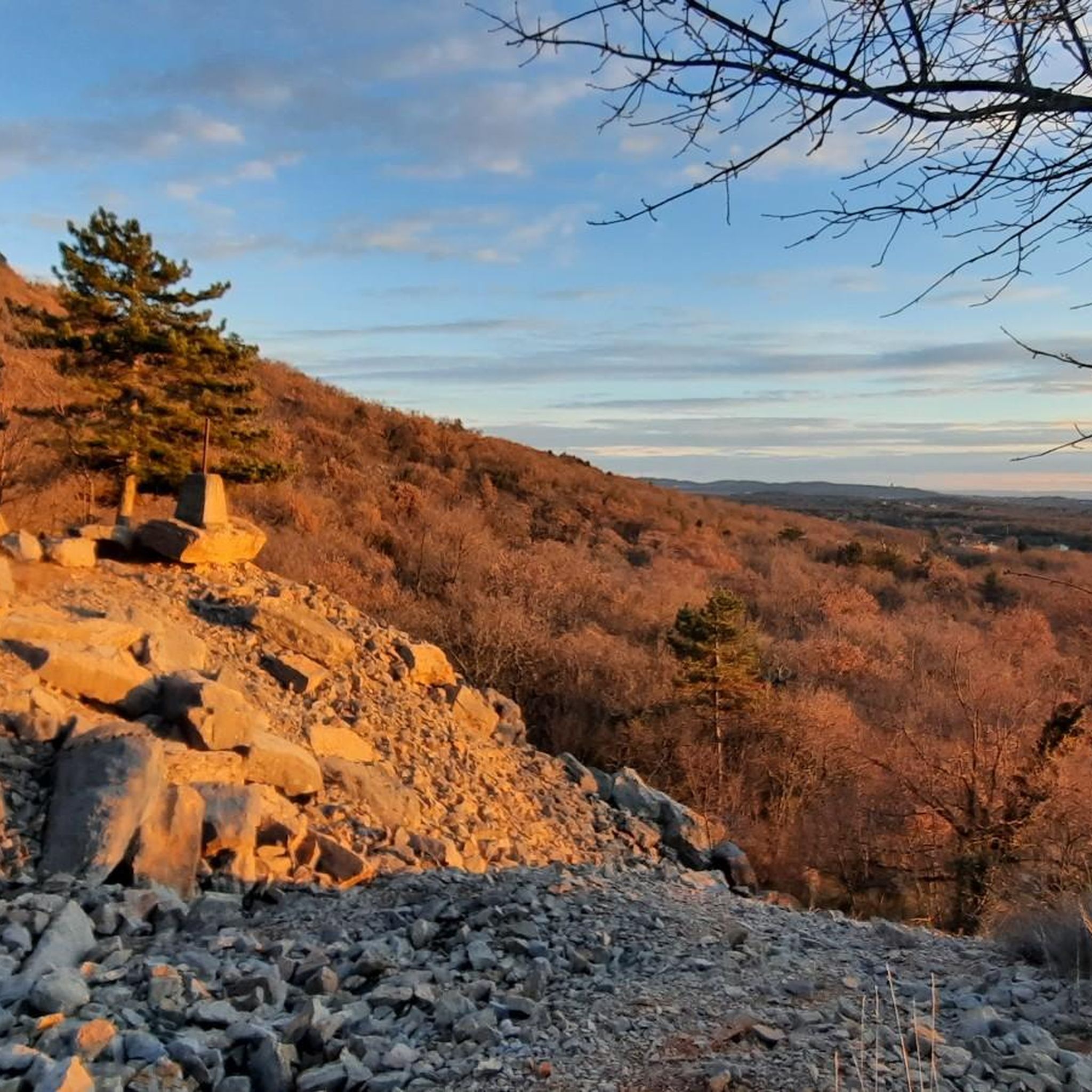
At the summit of Monte San Leonardo (≈399–400 m above sea level) are the remains of a small church dedicated to San Leonardo, commonly attributed to a medieval period (Romanesque-Byzantine style, possibly 10th–12th century), but the first known documentary mentions date back to 1525. It was already in ruins by the 19th century and, according to some local sources, was further damaged or razed to the ground during the First World War to prevent it from serving as a reference point for observation posts and artillery.
0
0

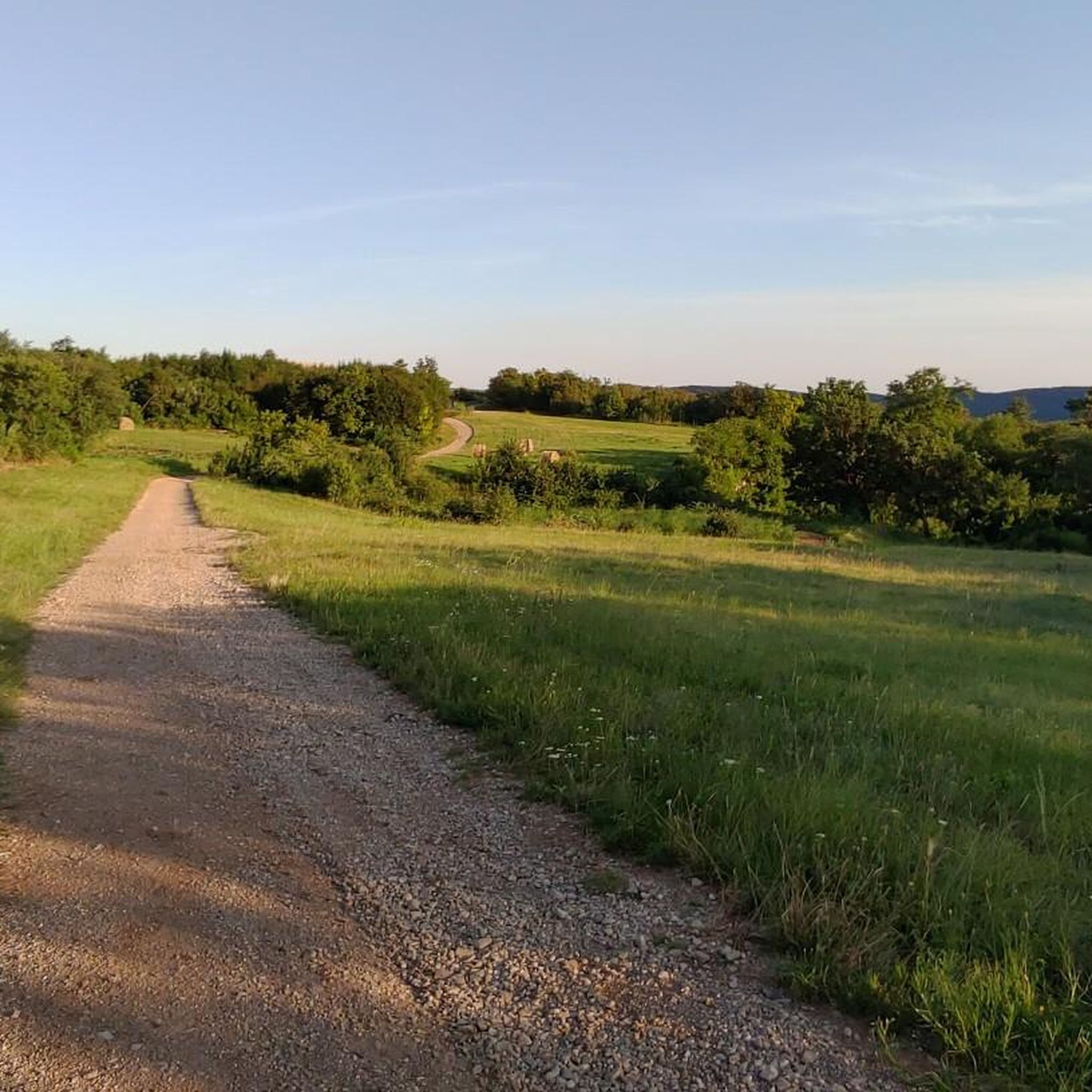
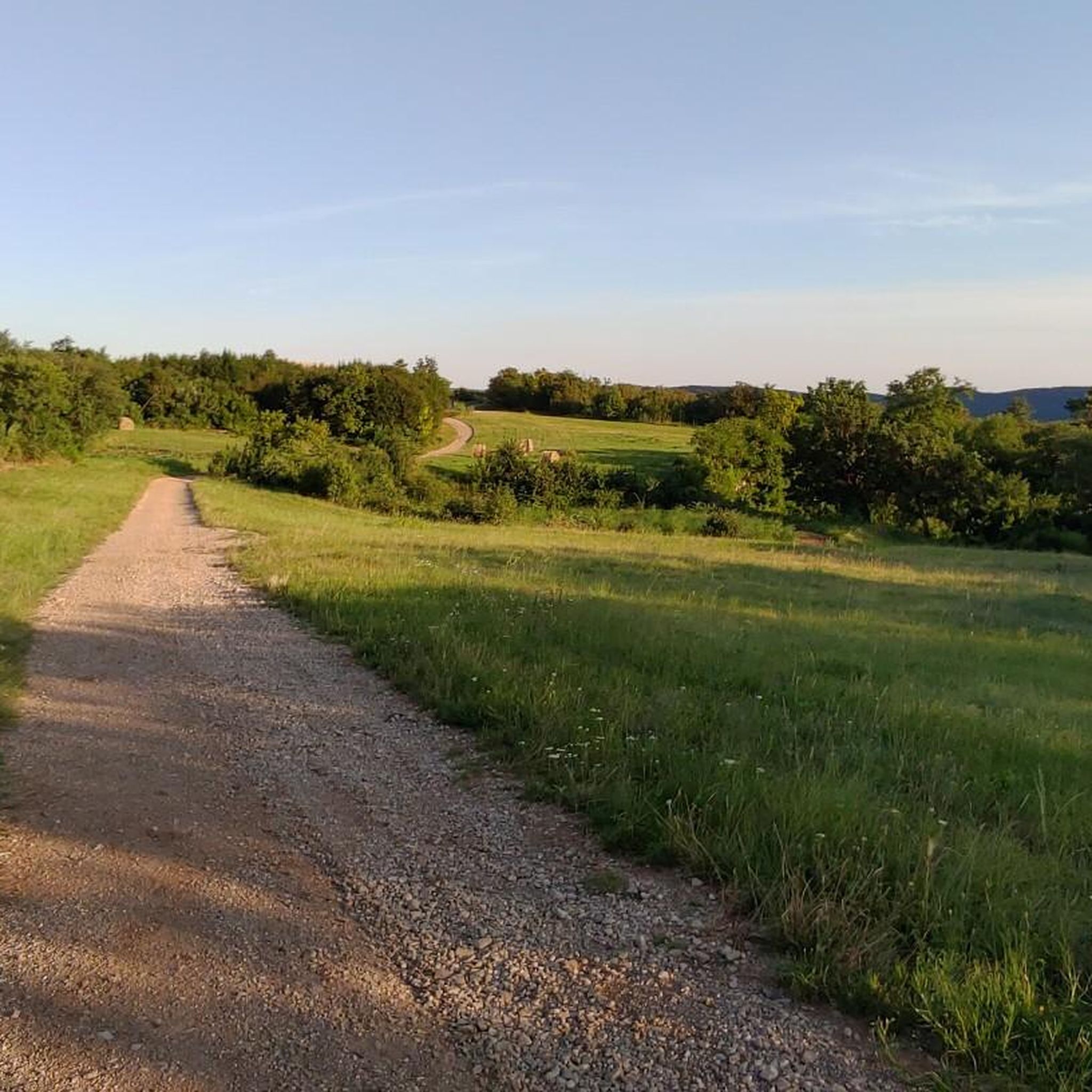
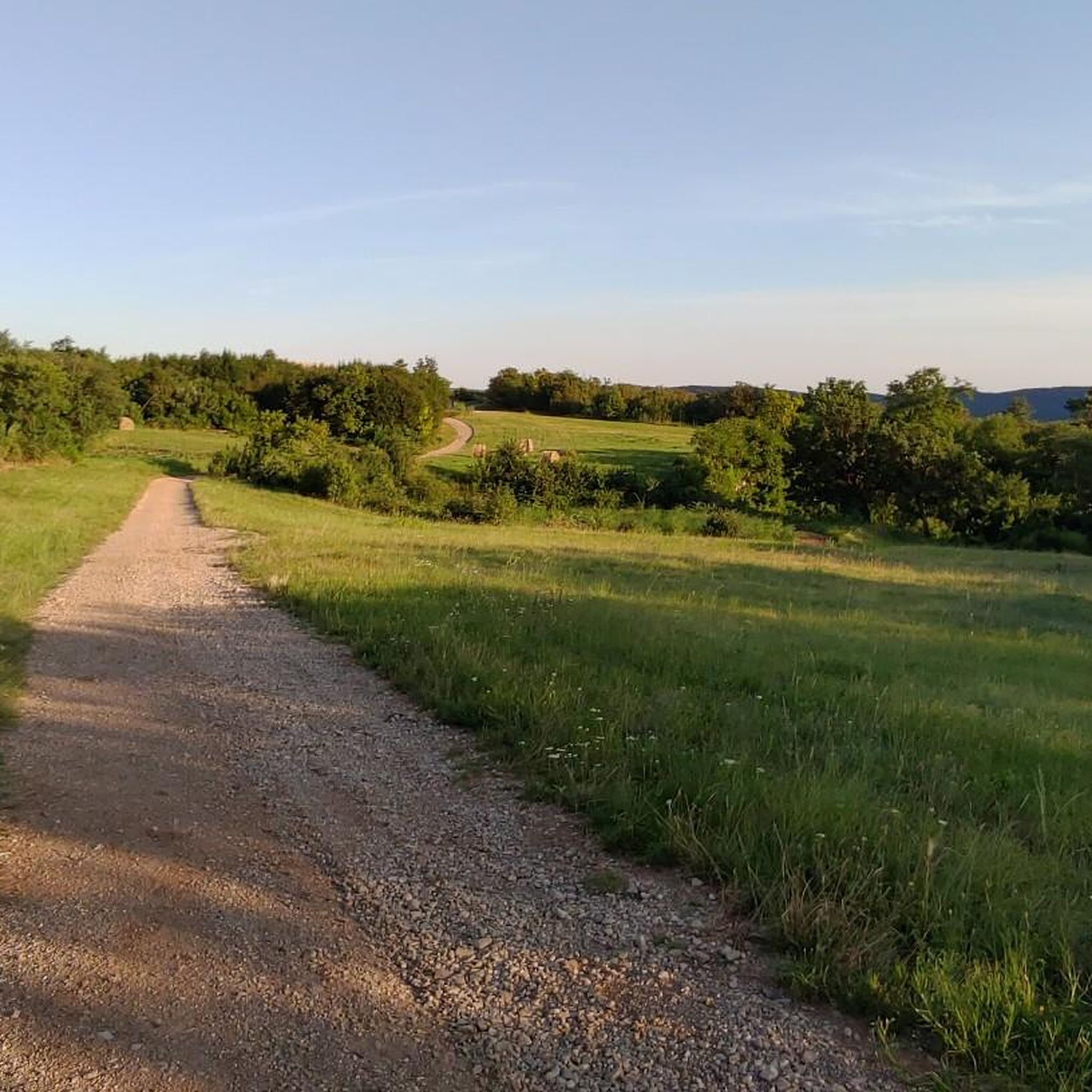
After the steep climb that starts from the village of Samatorza you reach the remains of the church of San Leonardo from which you can enjoy a 360 degree view that ranges from the Gulf of Trieste to the Alps.
0
0

On clear days the view across the horizon is magnificent.
0
0

The 360° panorama repays the effort
0
0

Extraordinary panoramic point, there is a paved road, but also more or less challenging paths. Excellent at sunset.
0
0

Beautiful panoramic views, stretching from Istria to the Carnic Alps, at least on a clear day. To the east, the Pleša, considered the southernmost mountain in the Eastern Alps, is clearly visible.
0
0
Frequently Asked Questions
What is the highest point in the Sgonico / Zgonik area?
The highest point within the Sgonico / Zgonik municipality is Monte Lanaro summit, reaching an elevation of 544 meters (1,785 feet) above sea level. It is part of the Monte Lanaro Nature Reserve and offers a wide, panoramic 360° view of the Trieste and Slovenian Karst.
What kind of landscape can I expect when visiting the mountain peaks around Sgonico / Zgonik?
The Sgonico / Zgonik area is situated on the unique Karst Plateau, known for its distinctive karst topography. You'll encounter a landscape shaped by soluble bedrock, featuring phenomena such as sinkholes (dolines), caves, and underground rivers, rather than towering mountains. This environment offers unique geological formations and diverse flora.
Are there any notable viewpoints among the peaks in Sgonico / Zgonik?
Yes, several peaks offer excellent panoramic views. Trstelj, at 643 meters, provides a wide view of the Slovenian Karst, the Gulf of Trieste, the Vipava Valley, and the Gorizia Collio. The National Shrine of Mary, Mother and Queen of Monte Grisa also offers breathtaking views of the Gulf of Trieste. Additionally, Monte Orsario / Veliki Medvejk Observation Platform is known for its very nice 360° views.
What are some popular hiking trails near the peaks in Sgonico / Zgonik?
The region offers numerous hiking trails to explore the Karst landscape. Popular options include the Gemina Karst Trail, the Monte Lanaro Ridge Trail, and the Sentiero dei Poeti cultural trail. These trails vary in difficulty and offer different perspectives of the unique Karst environment.
Are there family-friendly options for exploring the peaks around Sgonico / Zgonik?
While some trails can be challenging, the general Karst landscape offers opportunities for family-friendly walks. The National Shrine of Mary, Mother and Queen of Monte Grisa is considered family-friendly and serves as a starting point for many trekking paths. The nearby Trieste Karst Nature Trail from Gabrovizza is a moderate option that could be suitable for families.
What unique natural features can I explore besides the peaks themselves?
Beyond the elevated points, the region is famous for its karst phenomena. The Grotta Gigante, recognized as the largest tourist cave in the world, is a significant geological feature near Sgonico, offering an impressive underground experience. The Botanical Garden "Carsiana" also showcases the unique biodiversity of the Karst flora, including a large sinkhole and natural wells.
Are there any historical or cultural sites associated with the peaks in Sgonico / Zgonik?
Yes, the National Shrine of Mary, Mother and Queen of Monte Grisa is a prominent religious building and viewpoint. Additionally, Monte San Leonardo Summit and Ruins features the remains of a Romanesque-Byzantine church, offering a glimpse into the area's history. The Sentiero dei Poeti cultural trail also connects historical and cultural points of interest.
What is the best time of year to hike the peaks around Sgonico / Zgonik?
The Karst climate generally makes spring and autumn ideal for hiking, with milder temperatures and pleasant conditions. Summer can be warm, but many trails offer shade. Winter hiking is possible, but some routes might be more challenging due to colder temperatures or occasional snow, especially at higher elevations like Monte Lanaro.
How can I access the mountain peaks and trails around Sgonico / Zgonik?
Access to the peaks and trails often involves driving to trailheads where parking is available. For example, the National Shrine of Monte Grisa is a common starting point with parking. Public transport options may be limited for direct access to all trailheads, so checking local bus schedules for Sgonico / Zgonik and surrounding villages is recommended for specific routes.
What are the difficulty levels of hiking trails around Sgonico / Zgonik peaks?
Hiking trails in the Sgonico / Zgonik area range from easy to difficult. For instance, the Gemina Karst Trail and Trieste Karst Nature Trail are generally moderate. The Monte Lanaro Ridge Trail and Monte San Leonardo Summit are considered more challenging, often involving steep sections and rocky terrain.
What kind of wildlife might I encounter on the trails around Sgonico / Zgonik?
The Karst region is home to diverse wildlife. On trails, especially in less populated areas like around Trstelj, it's common to encounter roe deer. The unique forest cover of the Monte Lanaro Nature Reserve, with its oak and turkey oak woods, also supports various bird species and other small mammals characteristic of the Karst ecosystem.
What do visitors particularly enjoy about the peaks and trails in Sgonico / Zgonik?
Visitors frequently highlight the stunning 360° panoramic views from summits like Monte Lanaro and Trstelj, which extend across the Karst, the Gulf of Trieste, and into Slovenia. The unique geological formations, the tranquility of nature, and the opportunity to explore diverse landscapes, from forests to karst scrub, are also highly appreciated.
Are there any circular hiking routes around the peaks in Sgonico / Zgonik?
Yes, there are several circular routes available for hikers. For example, you can find a Monte Lanaro summit loop from Sgonico / Zgonik, which is also suitable for running. These loops offer a great way to experience the diverse scenery and return to your starting point without retracing steps.
Most popular routes around Sgonico / Zgonik
Most popular attractions around Sgonico / Zgonik

Get inspired with the komoot mobile app


Explore more
See even more amazing summits around Sgonico / Zgonik with these guides:
