Attractions and Places To See around Cordovado - Top 20
Best attractions and places to see around Cordovado include a rich tapestry of historical, cultural, and natural sites within this medieval village in Friuli-Venezia Giulia, Italy. Recognized for its well-preserved architecture, Cordovado offers a serene escape. The area features ancient fortifications, noble residences, and significant religious buildings. Its tranquil countryside, vineyards, and parks provide opportunities for outdoor exploration.
Best attractions and places to see around Cordovado
- The most popular attractions is Gate of Sesto al Reghena, a man-made monument that serves as a beautiful entrance to the village of Sesto al Reghena. This historical site is part of a village founded in the 8th century, known for its Benedictine abbey.
- Another must-see spot is San Vito al Tagliamento, a settlement rich in history and natural and artistic beauty. Visitors can expect a city with significant historical and cultural value, featuring a beautiful main square.
- Visitors also love Villa Kechler, a historical site and late 16th-century residence. This villa, once belonging to the Venetian Manin family, features neoclassical sculptures and a park closed by city walls.
- Cordovado is known for its historical sites, religious buildings, and natural features. The area offers a variety of attractions to see and explore, from medieval architecture to tranquil parks and waterways.
- The attractions around Cordovado are appreciated by the komoot community, with over 200 upvotes and more than 200 photos shared by visitors.
Last updated: June 22, 2026
Gate of Sesto al Reghena
Highlight • Monument
it.m.wikipedia.org/wiki/Sesto_al_Reghena
Translated by Google •
Tip by

Historic Center of Portogruaro
Highlight • Historical Site
Translated by Google •
Tip by
Sign up now to discover places like this
Get recommendations on the best single tracks, peaks, & plenty of other exciting outdoor places.
Sign up for free
Villa Kechler
Highlight • Historical Site
Translated by Google •
Tip by

San Vito al Tagliamento
Highlight • Settlement
Translated by Google •
Tip by
Alvisopoli
Highlight • Settlement

Sign up for free to discover even more attractions around Cordovado.
Sign up for free
Already have an account?
Start today with a free account
Your next adventure awaits.
Login or Signup

Tips from the Community

The historic center of Portogruaro, defined as the "little Venice of the mainland", develops elegantly along the banks of the Lemene river. The beating heart is Piazza della Repubblica, where the characteristic pillars of the Gothic brick Town Hall and the unusual leaning bell tower of the Cathedral of Sant'Andrea stand out. Strolling under the long medieval and Renaissance arcades, you can admire frescoed palaces in Venetian style that testify to the city's glorious commercial past. One of the most evocative views is offered by the Mulini di Sant'Andrea, located right in the city center, where the water wheels still turn above waters populated by swans. Here, wrought iron bridges and weeping willows create a romantic atmosphere that harmoniously combines monumental architecture with river vitality.
1
0

A very interesting 17th-century settlement. In the 19th century, Count Alvise Mocenigo decided to build an "ideal city" bearing his name. Unlike similar projects, Mocenigo designed a settlement with infrastructure intended to make the community self-sufficient. Therefore, in addition to traditional agriculture (which was expanded by introducing innovative techniques, for example in rice and sugar beet cultivation), he attempted to integrate an industrial sector (particularly the textile industry) that could draw on locally produced resources. The landscape was thus reshaped and reclaimed, alternating dry areas with humid soils, regulated by an efficient canal system that is still in operation today. In terms of urban planning, buildings were erected for residential purposes (the low farmhouses can still be seen today) and for industrial purposes (bakery, rice mill, blast furnace, mill). Added to this were cultural activities with the founding of a famous printing house, which operated in Alvisopoli until 1814 before being moved to Venice. Source: Wikipedia
1
0
Villa Kechler was probably built at the end of the 16th century by the powerful Manin family. It was sold in the middle of the following century to complete the far more ambitious project of Villa di Passariano. The village of San Martino slowly grew around the villa. In the 19th century, the villa was acquired by the Kechler family, who then decided to open a silk mill in the western barchessa. The villa consists of a central section with a large Venetian-style manor house featuring a central hall, four side rooms, a double staircase, and three central windows in the center of the façade. Two lower buildings are located on either side. Two long, completely independent red barns (barchesse) line the large garden decorated with neoclassical statues, while the extensive park extends behind the house to the north. In 1975, the villa was remodeled and restored by the architect Edgardo Pinto Guerra, allowing it to be divided into two independent living units for two small families of the same extended family.
1
0

Portogruaro, a characteristic town of medieval origin, crossed by the Lemene river.
0
0

The beautiful main square of San Vito al Tagliamento.
14
0
Beautiful city with historical and cultural value, absolutely worth a visit.
20
0
San Vito al Tagliamento is a city rich in history and natural and artistic beauty that is definitely worth a visit.
21
0
Abbey and village absolutely worth visiting for the historical importance and the charm of the small village.
15
0
Frequently Asked Questions
What historical sites can I explore in Cordovado?
Cordovado is rich in history, offering a well-preserved Medieval Walled Village with narrow streets and ancient fortifications. You can visit the San Giovanni Archway, dating back to the 12th century, and explore the Castle of Cordovado, which includes noble residences like Villa Freschi Piccolomini and Palazzo Agricola within its fortified area. The village also features other historical palaces such as Palazzo Ridolfi and Palazzo Beccaris Nonis.
Are there any significant religious buildings to visit in the Cordovado area?
Yes, Cordovado boasts several notable religious sites. Just outside the village walls is the 17th-century Santuario della Madonna delle Grazie, a jewel of Baroque art. The Cathedral of St. Andrew is an ancient parish church with Romanesque architecture and 15th-century frescoes. Other churches include the 14th-century Church of San Girolamo and the Oratory of Santa Caterina with its 15th-century frescoes. The Church of Saint Anthony the Abbot of Versutta is the oldest rural church in the area, with foundations from the 10th-11th century.
What natural attractions are there to enjoy around Cordovado?
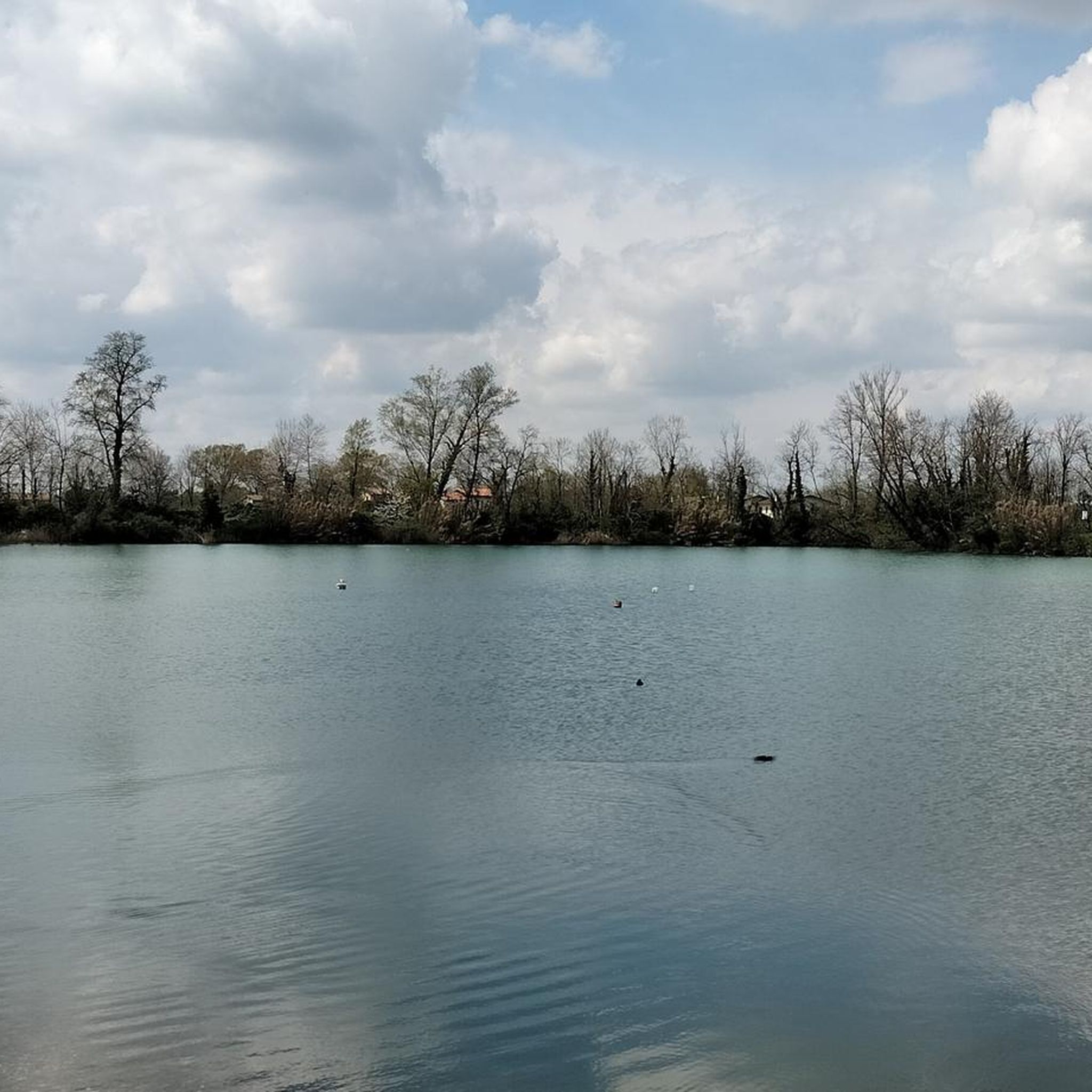
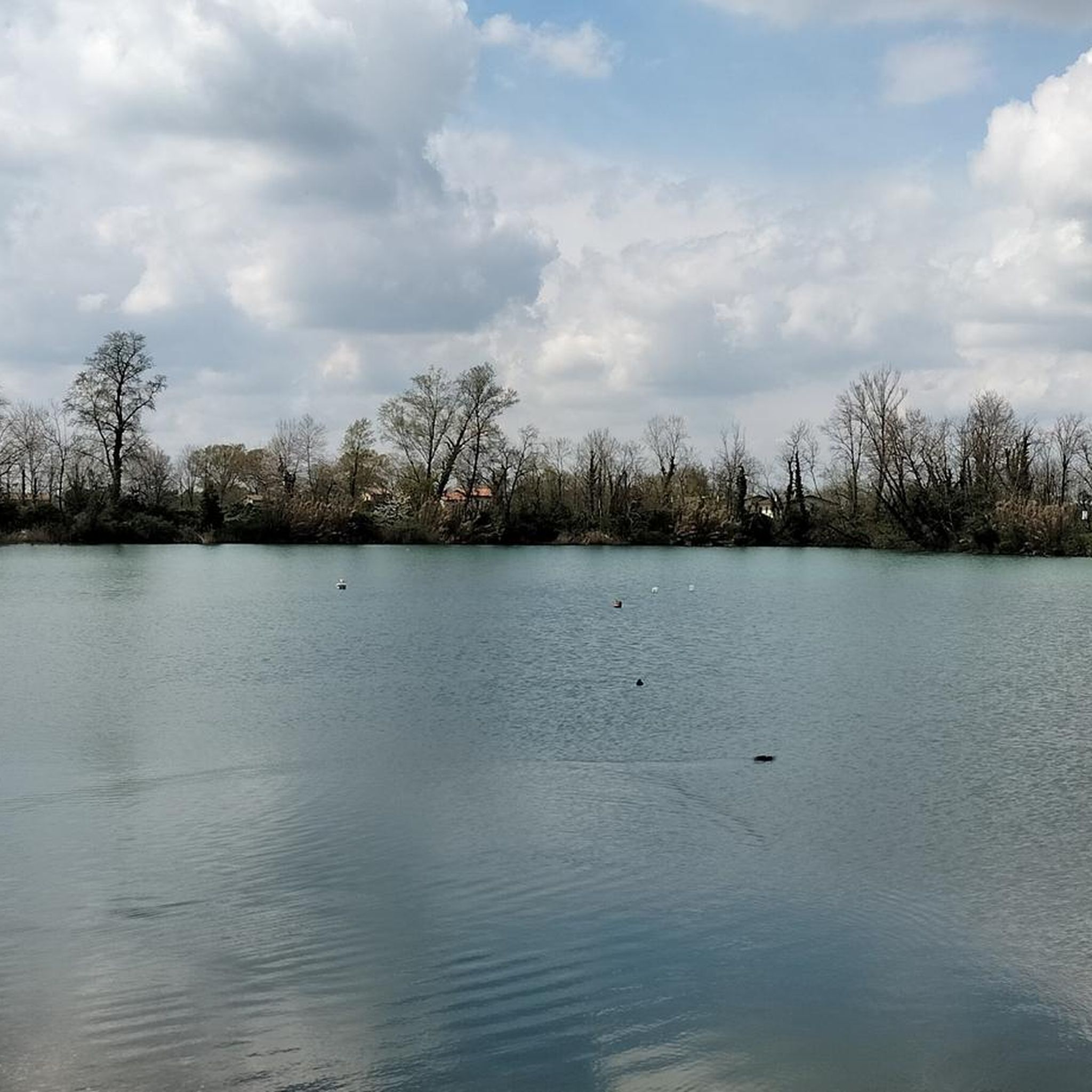
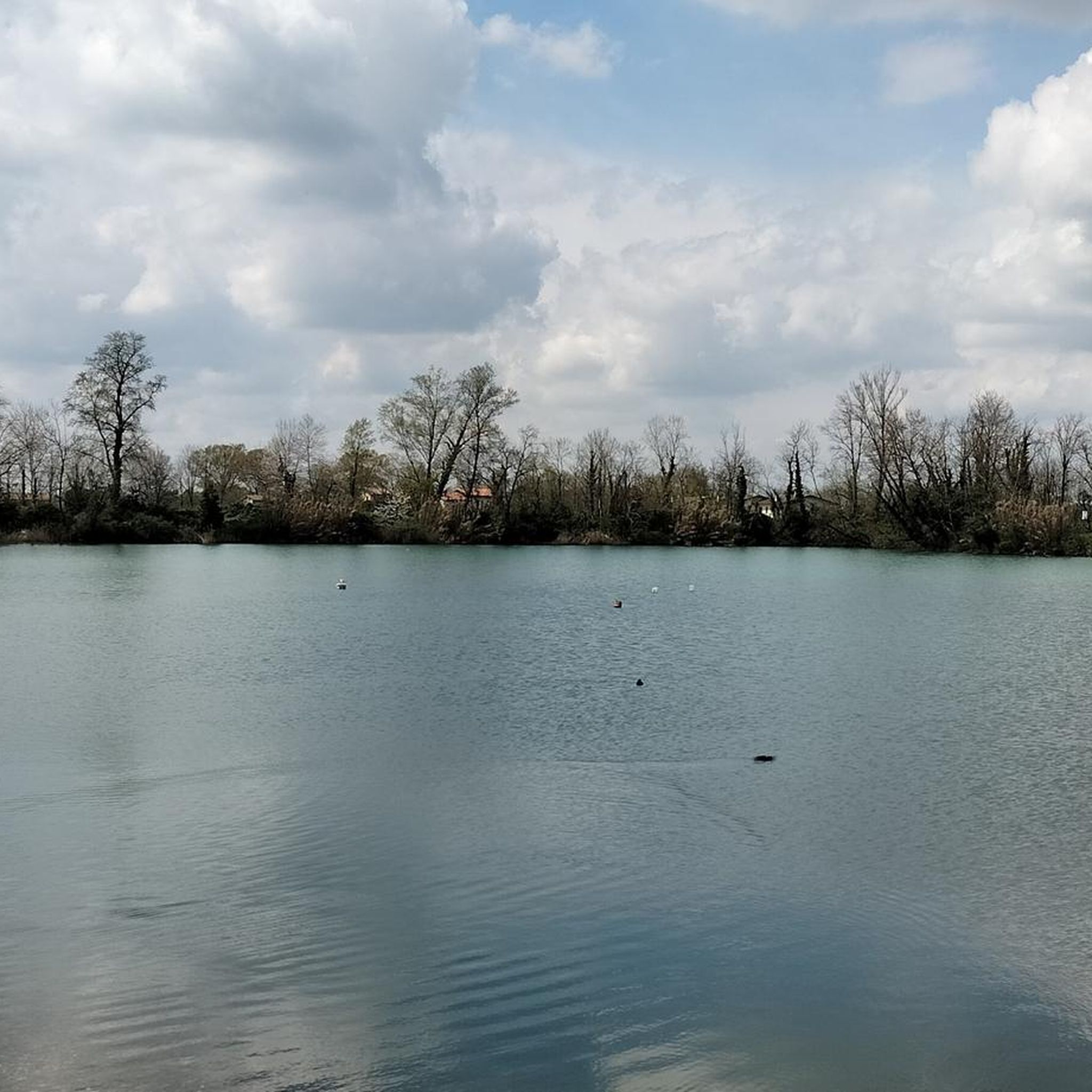
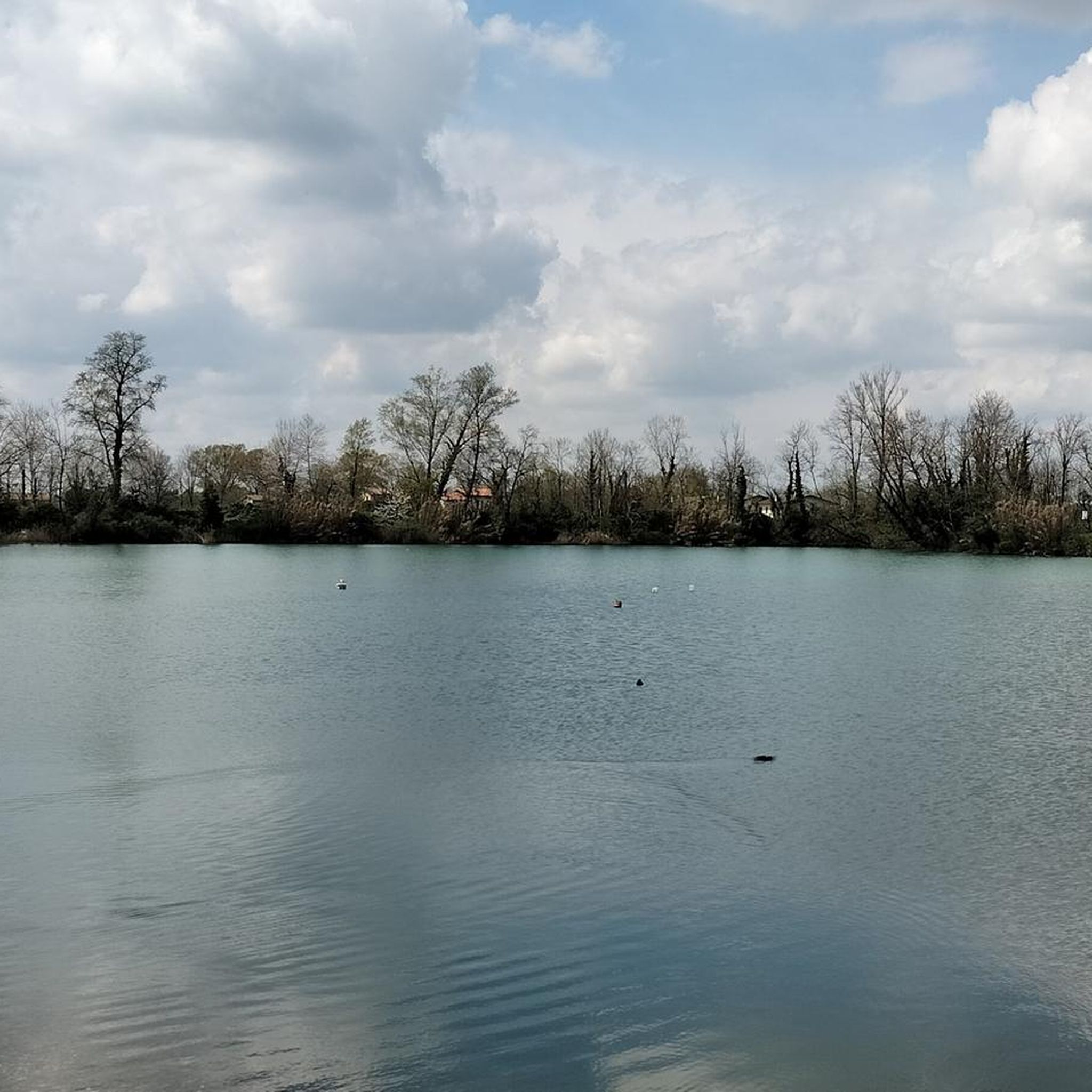
The region around Cordovado offers beautiful natural features. You can explore the tranquil surrounding countryside, vineyards, and farmland. The Parco del Castello provides romantic, English-style green spaces with sculpted hills and centuries-old trees. For a unique spot, visit the Fontana di Venchiaredo, known for its spring pools, or the artificial Lake ex-Bellomo, used for fishing.
What outdoor activities are popular around Cordovado?
The tranquil countryside around Cordovado is ideal for various outdoor activities. You can enjoy walking and cycling through vineyards and farmlands. Fishing is popular at Lake ex-Bellomo. For more structured routes, explore the many gravel biking, running, and road cycling routes available, which take you through scenic landscapes and past historical sites.
Are there family-friendly attractions in Cordovado?
Yes, several attractions around Cordovado are suitable for families. The historic center of Cordovado itself is a charming place to explore on foot. The Gate of Sesto al Reghena and the village of Sesto al Reghena offer historical insights. Villa Kechler, with its park, can also be an interesting visit. Many of the historical sites and natural areas are enjoyable for all ages.
When is the best time to visit Cordovado for outdoor activities?
The best time to visit Cordovado for outdoor activities is generally during the spring and autumn months when the weather is mild and pleasant for walking, cycling, and exploring the countryside. Summers can be warm, but still enjoyable, especially in the early mornings or late afternoons. Winter offers a different charm, though some outdoor activities might be less comfortable.
What is the literary significance of Cordovado?
Cordovado holds a special place in Italian literature, having inspired renowned writers like Ippolito Nievo and Pier Paolo Pasolini. The village celebrates these connections through the 'Ippolito Nievo' Literary Park. The Church of Saint Anthony the Abbot of Versutta is also a significant literary site linked to Pasolini's work and life.
What local events or cultural experiences can I find in Cordovado?
Cordovado hosts the annual Palio dei Rioni, a historical re-enactment held on the first Sunday of September, celebrating the town's heritage. Visitors can also indulge in local food and wine tastings, experiencing Friulian specialties such as *frico*, prosciutto, polenta-based dishes, and regional wines.
Is Cordovado accessible for visitors with mobility needs?
While the medieval village with its narrow streets might present some challenges, certain attractions are more accessible. The San Giovanni Archway is noted as wheelchair accessible. It's advisable to check specific accessibility details for individual sites before visiting.
What do visitors particularly enjoy about the attractions around Cordovado?
Visitors appreciate the rich history and cultural value of the area, particularly the well-preserved medieval architecture and the serene atmosphere. The beautiful main square of San Vito al Tagliamento and the historical significance of the Gate of Sesto al Reghena are often highlighted. The tranquil parks and surrounding countryside also offer a peaceful escape.
Are there specific cycling routes recommended around Cordovado?
Yes, Cordovado is a great starting point for various cycling adventures. You can find several road cycling routes, including an easy 24 km loop to the Historic Centre of Portogruaro, and more challenging rides like the 130 km Spilimbergo loop. For those who prefer off-road, there are also gravel biking routes that explore the wider region.
Can I find running trails around Cordovado?
Absolutely! Cordovado offers several scenic running trails. You can enjoy moderate loops like the 8 km Lago di Venchiaredo loop or the 9 km Medieval Village of Cordovado loop, both starting from Cordovado itself. For longer distances, there's a more challenging 20 km loop connecting Lago di Venchiaredo and Lago Paker. Explore these and more on the running trails around Cordovado guide.
Most popular routes around Cordovado
Most popular attractions around Cordovado

Get inspired with the komoot mobile app


Explore more
Still not found the Highlight you’re looking for? See guides of the top attractions in other regions:
