The best mountain hikes around Barcis
4.3
(8)
60
hikers
10
hikes
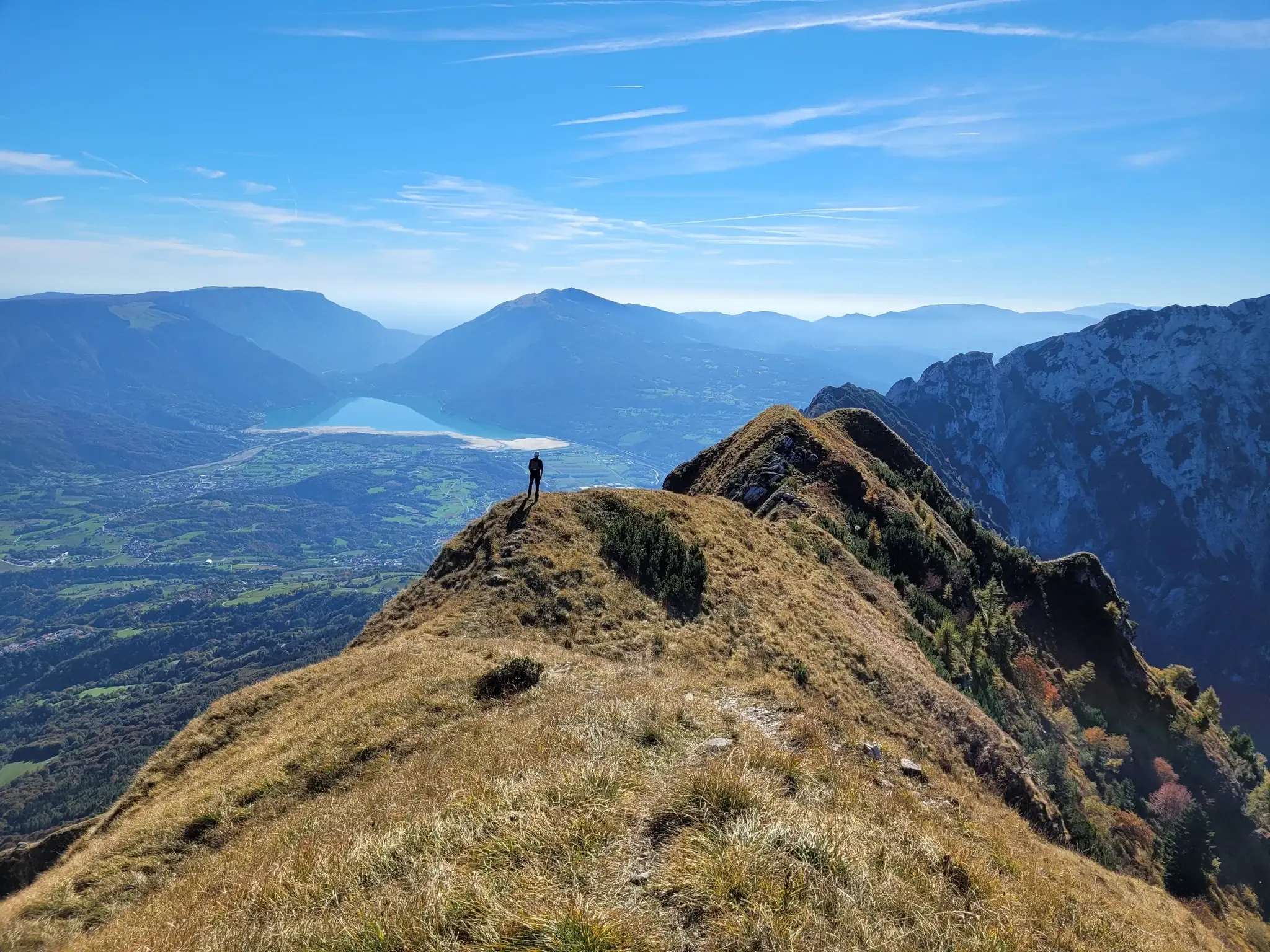
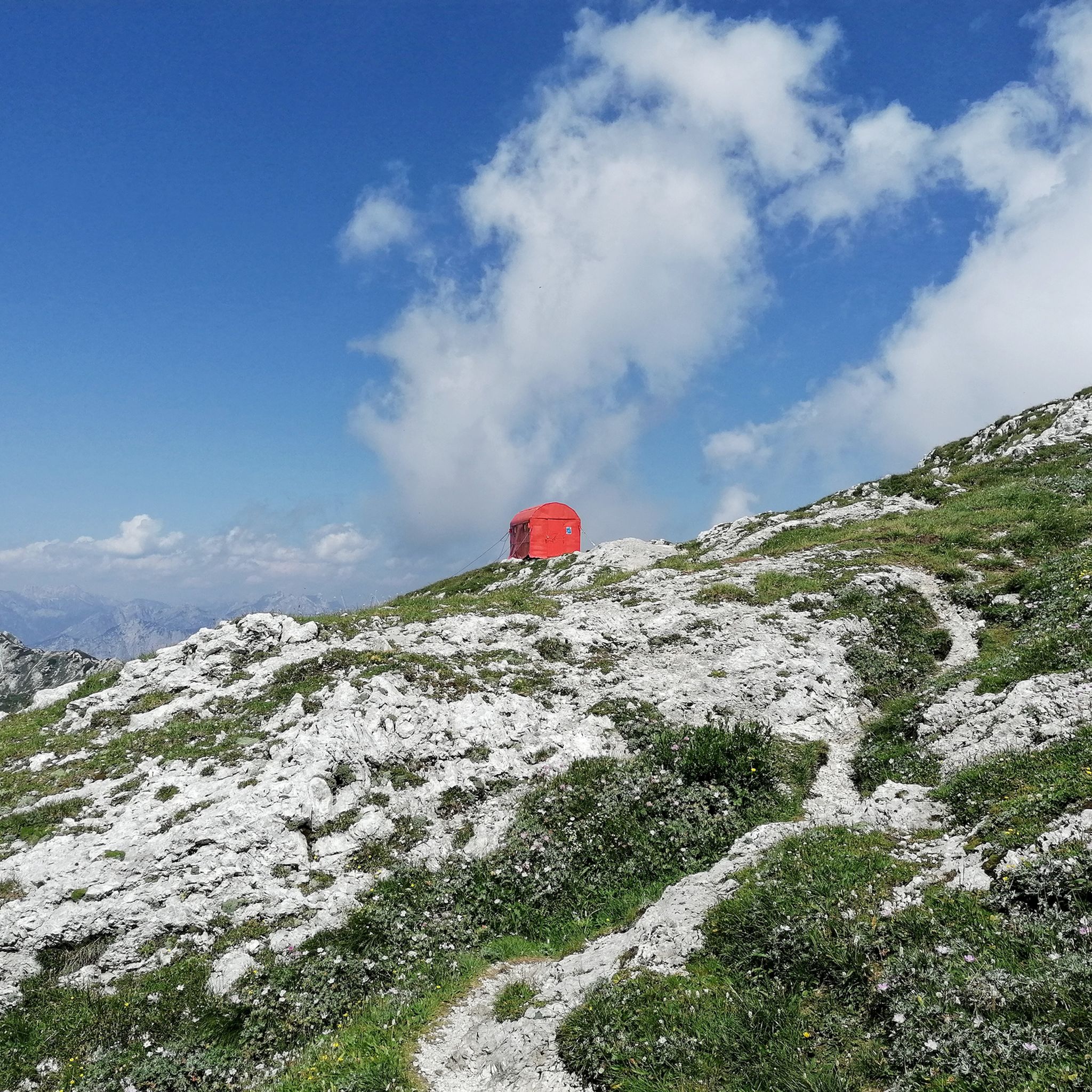
Mountaineering routes around Barcis are situated within the rugged landscape of the Friulian Dolomites, characterized by imposing limestone peaks, deep valleys, and dense coniferous forests. The region features significant elevation changes, offering challenging ascents and panoramic views. Rivers and alpine meadows also punctuate the terrain, providing varied environments for exploration.
Best mountaineering routes around Barcis
- The most popular mountaineering route is Cima dei Furlani – Cimon del Cavallo loop from Piancavallo / Plancjaval, a 5.0 miles (8.0 km) trail…
Last updated: September 25, 2026
3.0
(1)
15
hikers
7.98km
06:41
910m
910m
Hard mountaineering route. Very good fitness required. Sure-footedness, sturdy shoes and alpine experience required.
5.0
(2)
10
hikers
6.81km
04:50
970m
970m
Hard mountaineering route. Very good fitness required. Sure-footedness, sturdy shoes and alpine experience required.

8
hikers
9.44km
06:32
1,360m
1,360m
Hard mountaineering route. Very good fitness required. Sure-footedness, sturdy shoes and alpine experience required.
3.0
(1)
8
hikers
11.8km
04:22
790m
790m
Moderate mountaineering route. Good fitness required. Easily-accessible paths. Suitable for all skill levels.
4.5
(2)
8
hikers
10.1km
05:04
830m
830m
Hard mountaineering route. Very good fitness required. Sure-footedness, sturdy shoes and alpine experience required.
Get access to more routes and recommendations from other explorers.
Already have an account?
Our route recommendations are based on thousands of hikes, rides, and runs completed by other people on komoot.
Start today with a free account
Your next adventure awaits.

Other adventures around Barcis

Tips from the Community

The highest peak of the Rondoi
0
0


The Rifugio Pradut, at 1,450 m, is open all year round depending on weather conditions, offers typical local cuisine and overnight accommodation for hikers. Excellent starting point for ascents to Cimon del Pradut. For up-to-date information: https://www.facebook.com/angelograva.pradut/
2
0

Col Nudo, at 2472m, is the highest peak in the Alpago group. The name comes from the fact that it is one of the few peaks in Alpago not covered by "loppa" (i.e. grass). The climb requires good training. The most complex section to travel is the ridge that connects Cima Laste to the top of Col Nudo. At a certain point the path on the ridge is interrupted by a rock jump. To get around it, you need to go down towards the south-west and down-climb another rock jump (lower and easier) and then return to the ridge. Halfway there is a point where it becomes very sharp and exposed. The passage requires a fearlessness and a steady step. Once at the top you can admire an incredible 360° panorama.
2
0

The little bridge leads to the hamlet of Lesis
0
0

From the top you can enjoy a beautiful view, from a particular perspective on Claut.
0
1

Beautiful refuge, tastefully restored structure. Insane panorama on the valley below. Perfect for a stop or as a base.
2
0

Beautiful via ferrata to get to Cima Manera!
0
0
Frequently Asked Questions
Are there any easy mountaineering routes suitable for beginners in Barcis?
Mountaineering routes around Barcis are generally categorized as moderate to difficult, with no easy routes available. The terrain features significant elevation changes, limestone peaks, and deep valleys, requiring a good level of fitness and experience. For those new to mountaineering, it's advisable to gain experience on less challenging trails elsewhere before attempting routes in this region.
What kind of distances and elevation gains can I expect on mountaineering routes in Barcis?
The mountaineering routes in Barcis typically range from approximately 6.8 km to 11.9 km in distance. You should prepare for significant elevation gains, often between 760 meters and over 1000 meters, as seen on routes like the Monte Raut – Forcella Capra loop from Forcella di Pala Barzana, which features over 1090 meters of ascent.
When is the best time of year for mountaineering in Barcis?
The optimal time for mountaineering in Barcis is typically from late spring to early autumn (May to October). During these months, trails are generally free of snow, and weather conditions are more stable, offering better visibility and safer passage through the alpine terrain. Always check local weather forecasts before heading out.
Are there circular mountaineering routes available in Barcis?
Yes, many of the mountaineering routes in Barcis are designed as loops, allowing you to start and finish at the same point. For example, the Cima delle Vacche loop from Tambre offers a challenging circular journey through the landscape.
What are some notable viewpoints or natural attractions along the mountaineering routes in Barcis?
The region offers breathtaking panoramic views and unique natural features. You might encounter highlights such as the First Viewpoint (Skywalk del Dint), which provides expansive vistas. Other natural monuments like the Sasson della Madonna or mountain passes like Clautana Pass can also be found in the vicinity of these routes, offering additional points of interest.
Is winter mountaineering advisable in Barcis?
Winter mountaineering in Barcis is only recommended for experienced individuals equipped with appropriate gear, such as crampons, ice axes, and avalanche safety equipment. The Friulian Dolomites experience significant snowfall, leading to challenging conditions, potential avalanche risks, and difficult navigation. Always consult local mountain guides and check current conditions before attempting winter ascents.
Are the mountaineering routes in Barcis dog-friendly?
While many trails in the Friulian Dolomites permit dogs, the challenging nature of mountaineering routes in Barcis, with their steep ascents, rocky terrain, and potential exposure, may not be suitable for all dogs. Consider your dog's fitness and experience, and always keep them on a leash, especially in protected areas or near wildlife. Check specific route regulations for any restrictions.
What should I pack for a mountaineering trip in Barcis?
Given the challenging terrain and variable alpine weather, essential packing includes sturdy mountaineering boots, layered clothing suitable for changing conditions, waterproof and windproof outerwear, a map and compass (or GPS device), sufficient water and high-energy snacks, a first-aid kit, and sun protection. Depending on the route and season, a helmet, via ferrata set, or trekking poles may also be necessary.
Are there any permits required for mountaineering in Barcis?
Generally, no specific permits are required for day mountaineering trips on established routes in the Barcis area. However, always respect local regulations, especially if you are entering protected natural park areas. For overnight stays in mountain huts or specific climbing activities, it's advisable to check with local authorities or hut managers for any necessary bookings or permits.
How can I find parking for mountaineering trailheads around Barcis?
Parking availability varies by trailhead. Many popular starting points for mountaineering routes, such as those near Piancavallo or Area pic-nic, often have designated parking areas. It's recommended to research the specific trailhead for your chosen route in advance to confirm parking options and any potential fees. Arriving early, especially on weekends, can help secure a spot.
What do other mountaineers enjoy the most about mountaineering in Barcis?
The area is highly rated by the komoot community, with an average score of 4.5 stars. Reviewers often praise the dramatic limestone peaks, the sense of wilderness, and the challenging yet rewarding ascents that offer expansive views of the Friulian Dolomites. The varied terrain, from dense forests to high mountain passes, also contributes to a memorable experience.
Are there any less-trafficked or 'hidden gem' mountaineering routes in Barcis?
While routes like the Monte Messer loop from Casera Pian Formosa are well-regarded, the entire Barcis region offers a sense of rugged exploration. For a potentially quieter experience, consider exploring routes that venture deeper into the less-frequented valleys and ridges of the Friulian Dolomites, where you can often find solitude amidst stunning natural beauty.
Most popular attractions around Barcis

Get inspired with the komoot mobile app


Explore more
Browse the best Mountain Hikes & Routes in other regions.
