The best walks and hikes around Zoppola
4.0
(343)
2,450
hikers
366
hikes
Hiking around Zoppola offers accessible trails primarily situated within the Friuli-Venezia Giulia plain, characterized by flat countryside and wooded areas. The region features minimal elevation changes, making it suitable for a range of abilities. While Zoppola itself is largely flat, its proximity to the Tagliamento river suggests potential riparian landscapes. The broader Friuli-Venezia Giulia region provides access to more varied natural features, including mountains and forests, for those seeking more challenging hikes.
Best hiking trails in Zoppola
- The most popular…
Last updated: August 28, 2026
2
hikers
13.6km
03:26
20m
20m
Moderate hike. Good fitness required. Easily-accessible paths. Suitable for all skill levels.
4.3
(33)
148
hikers
Moderate hike. Good fitness required. Easily-accessible paths. Suitable for all skill levels.

Sign up for free
4.4
(5)
13
hikers
Easy hike. Great for any fitness level. Easily-accessible paths. Suitable for all skill levels.
4.6
(5)
21
hikers
21.6km
05:27
30m
30m
Hard hike. Very good fitness required. Easily-accessible paths. Suitable for all skill levels.
4.2
(5)
10
hikers
Moderate hike. Good fitness required. Easily-accessible paths. Suitable for all skill levels.
Get access to more routes and recommendations from other explorers.
Sign up for free
Already have an account?
Our route recommendations are based on thousands of hikes, rides, and runs completed by other people on komoot.
Start today with a free account
Your next adventure awaits.
Login or Signup

Tips from the Community

Very large public park, pay attention if you are on a bike due to the presence of many people with dogs or simply walking or running.
0
0

The Archpriest's Church of the Holy Cross and the Blessed Virgin of the Rosary Built in the final decades of the 19th century, the archpriest's church is located in the heart of the village, not far from Pasolini's maternal home. The building is particularly notable for its twin bell towers flanking the façade, both with four single-lancet windows and two clocks. The interior houses numerous works by 20th-century Friulian artists, including numerous frescoes.
24
0

The building structure was constructed in late Romanesque style starting in 1449, furnished over the course of the following century, and rebuilt in the Neo-Gothic style at the end of the 19th century, replacing numerous wooden elements with marble and adding a new façade. The church houses a perfectly functioning 16th-century organ, the only one still in existence in Italy from the famous Venetian Renaissance tradition.
1
0
Valvasone Castle is the heart of the village, which once hosted two popes and even Napoleon during his conquest of Friuli. It was built in the 13th century as a defensive structure and today resembles more of a palace. The castle can be visited on certain weekdays. It houses one of the smallest historic theaters in Italy, with only around 50 seats.
1
0
The municipality of Valvasone Arzene is listed among the most beautiful towns in Italy thanks to the excellent state of preservation of its historic center, which boasts several stately homes dating from the 14th to 17th centuries. The most important architectural feature is the castle, surrounded by a moat and the old city walls. Also worth seeing is an old mill, which still retains its 15th-century wheel.
3
0

Valvasone Castle is the central nucleus of the village of the same name, now listed among the "Most Beautiful Villages in Italy." Built in the 13th century on pre-existing late-ancient structures, the castle belonged to the ancient and noble Valvasone family.
0
0

Large green area, of late-Romantic imprint, designed according to the compositional canons of the "English garden" with an avenue of thick holm oaks, Atlas cedars and magnolias. The horse chestnuts in front of the main entrance are among the oldest specimens of this elegant garden. Since November 2010 it has housed the Museo Itinerario della Rosa Antica (MIRA) which winds around the pond and is enriched by a collection of ornamental grasses. Rest areas allow you to admire the flowers and the pond. The Galvani Park, 350 meters from the center, with activities dedicated to art, the large central lawn, also home to concerts, open-air cinema, folk events, the rose garden and the inclusive play area, is considered the green living room of the city.
0
0

The castle of Torre was built in the Middle Ages where the complex of the large Roman villa once stood. The oldest part of the fortification is represented by a square-based tower, characterized by mighty walls, probably built in the second half of the 13th century by the Patriarch of Aquileia, who initially entrusted it to the ancient House of the Lords of Prata. Long the object of contention between the nobles of Porcia, the Count of Gorizia and the Carraresi, in 1391 the Patriarch of Aquileia, Giovanni di Moravia, granted the castle of Torre to Giovannino di Ragogna. After the first half of the 15th century, with the Venetian conquest of Friuli, the castle was transformed into a noble residence and was involved in a vast program of architectural and artistic interventions including the fresco decoration with the Annunciation on the ground floor, attributed to Gianfrancesco da Tolmezzo (1450-1511). The staircase leading to the main floor and the loggia were probably built during the second half of the seventeenth century. Between the end of the seventeenth century and the beginning of the eighteenth century, the fresco depicting the main protagonists of the defense of Vienna from the siege of the Turks in 1683 was created in the vault of the ground floor of the tower-keep, probably to commemorate the participation of a member of the Ragogna family in the clash. Various additions and structural modifications were made to the building during the eighteenth and nineteenth centuries. At the end of the nineteenth century, in the southern sector of the castle, the old loggia building was demolished and a new building was built, which was placed against the northern wall of the main tower. In 1926, the building was replaced with the one that still exists today. In 1970, the Count of Ragogna died, leaving the Castello di Torre as an inheritance to the Friuli Venezia Giulia Region; in the end, after various testamentary events, the building came to the Municipality of Pordenone. After a careful restoration that took place in the early 2000s, since 2006 it has been home to the Archaeological Museum of Western Friuli.
0
0
Frequently Asked Questions
How many hiking trails are available around Zoppola, and what are their typical difficulty levels?
There are over 200 hiking routes around Zoppola, offering a wide range of experiences. The terrain is primarily characterized by flat countryside and wooded areas with minimal elevation changes. You'll find a good mix of options, with 122 easy trails, 80 moderate routes, and a few more challenging hikes for those seeking a greater adventure.
Are there family-friendly hiking options in Zoppola?
Yes, Zoppola is well-suited for family-friendly hikes due to its generally flat countryside and minimal elevation changes. Many routes wind through peaceful fields and young woods, offering gentle outdoor experiences. Consider the Valvasone Castle – Valvasone loop from Valvasone Arzene / Voleson Darzin, which is an easy 4.9-mile (7.8 km) trail that takes you through the countryside and past historical sites, perfect for a family outing.
What kind of natural features can I expect to see on hikes around Zoppola?
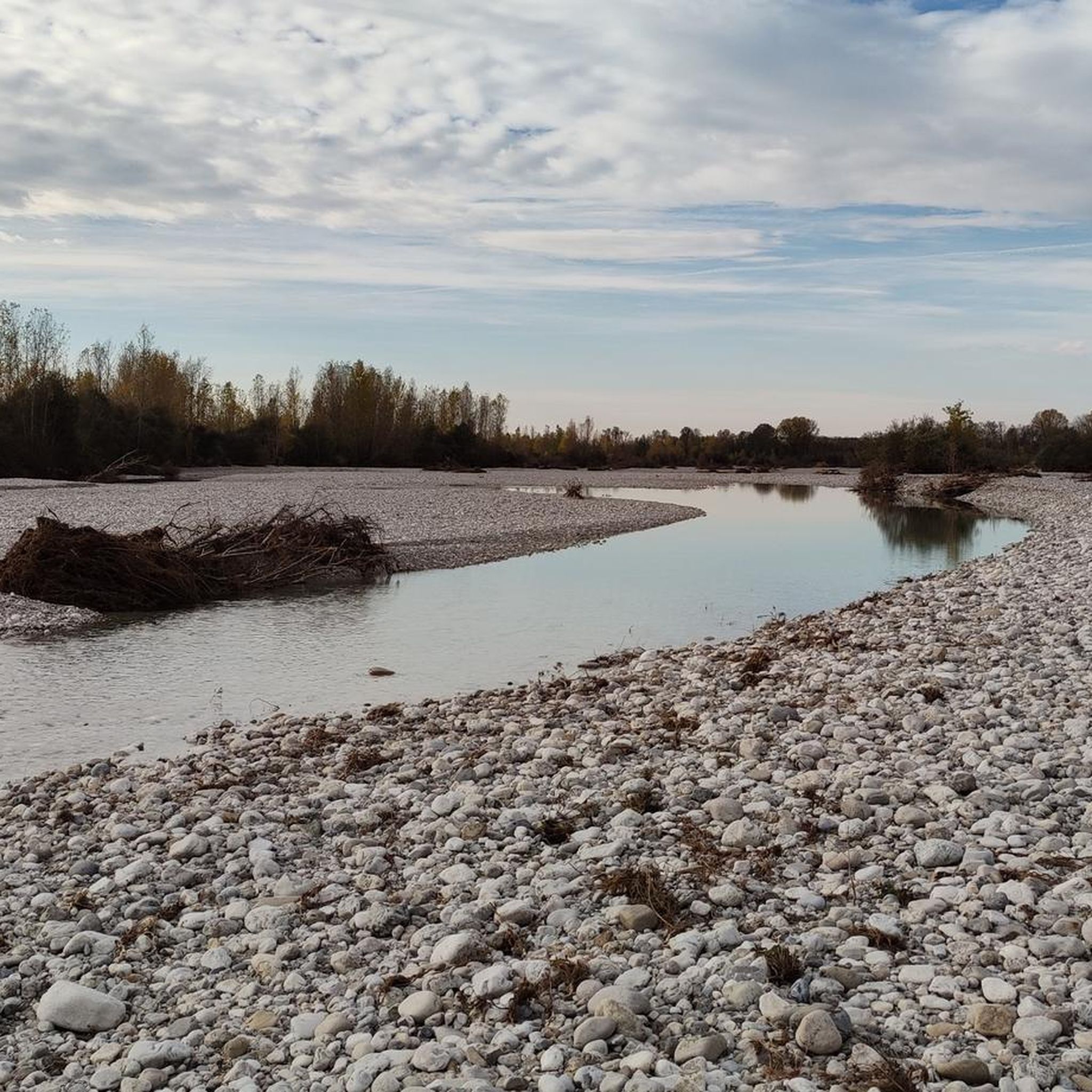
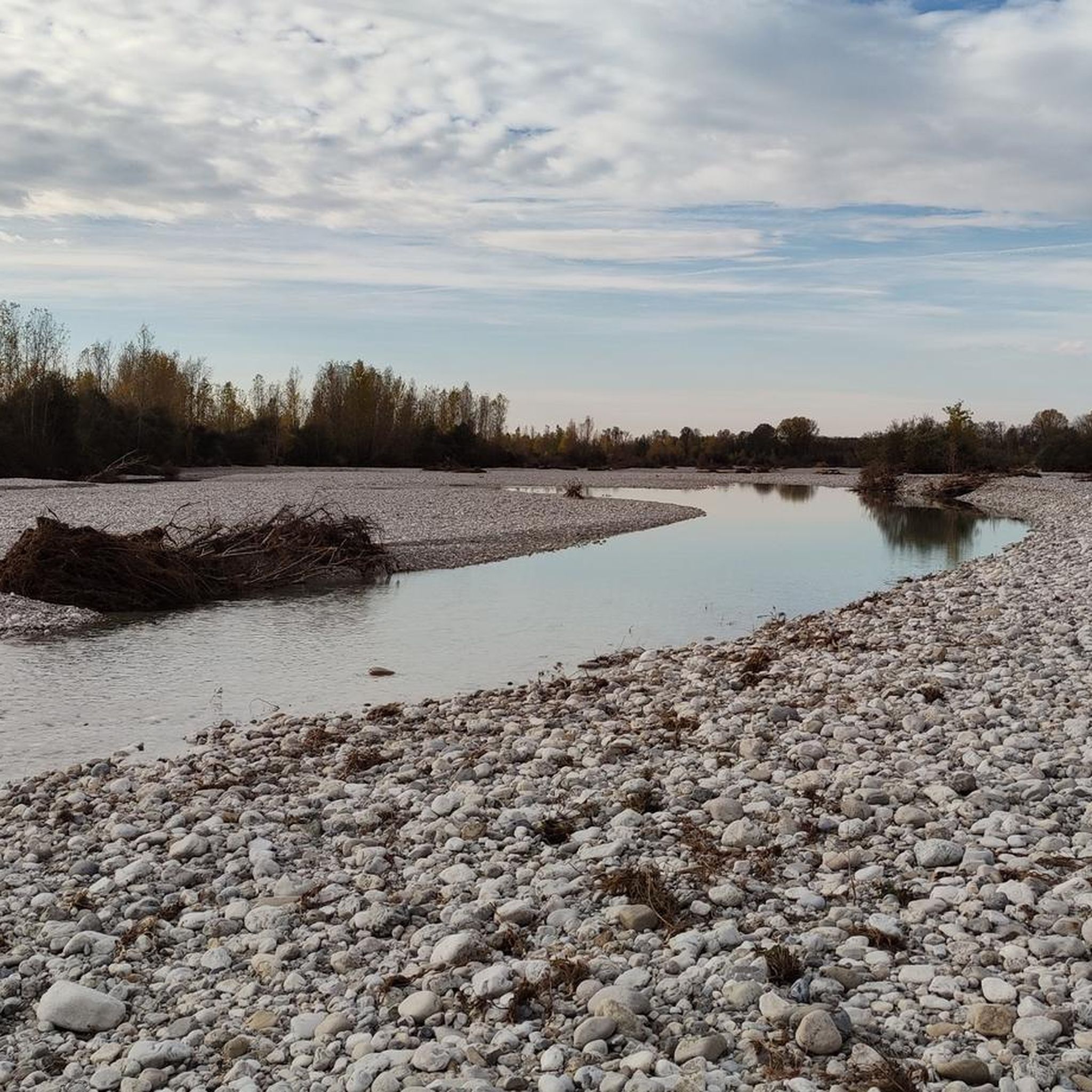
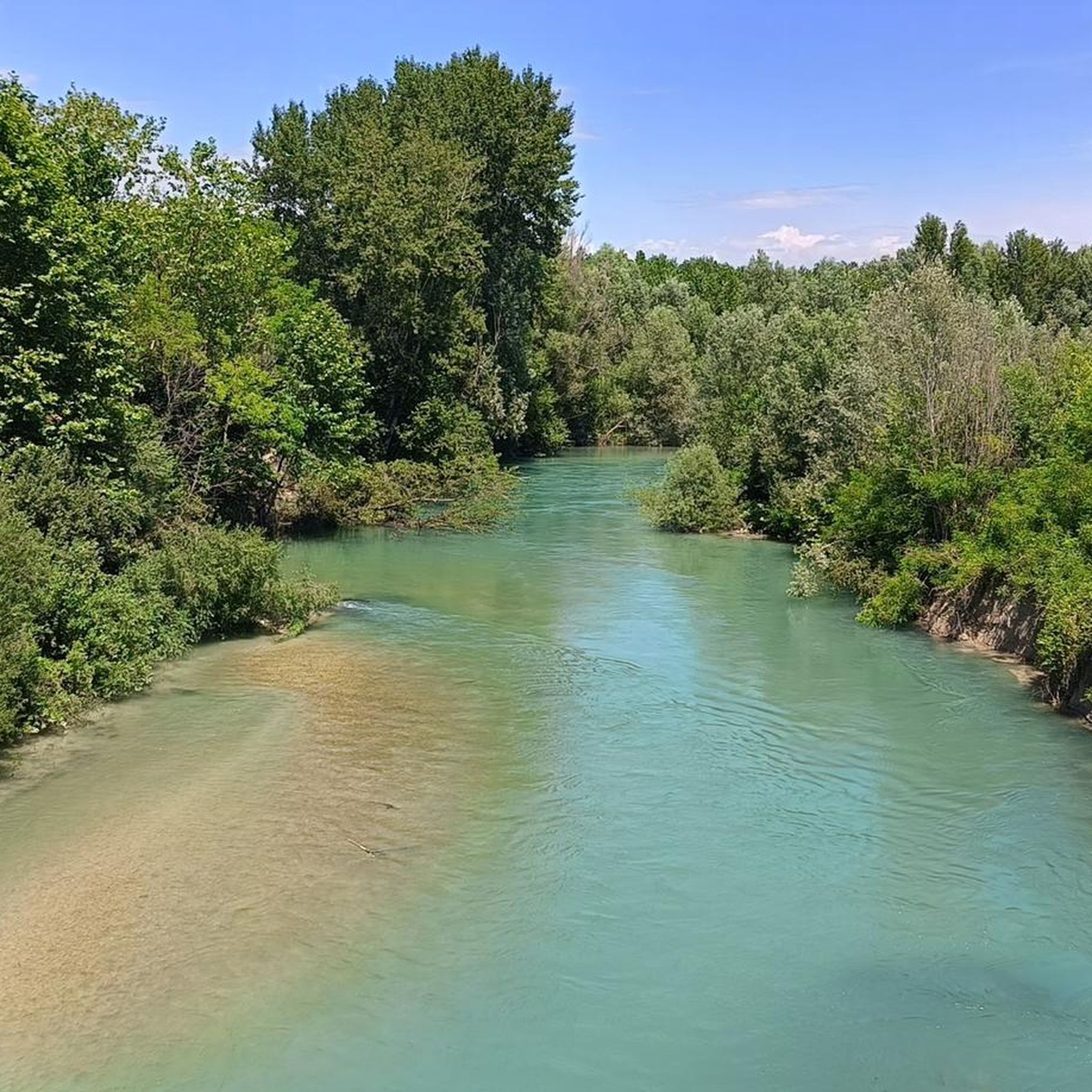
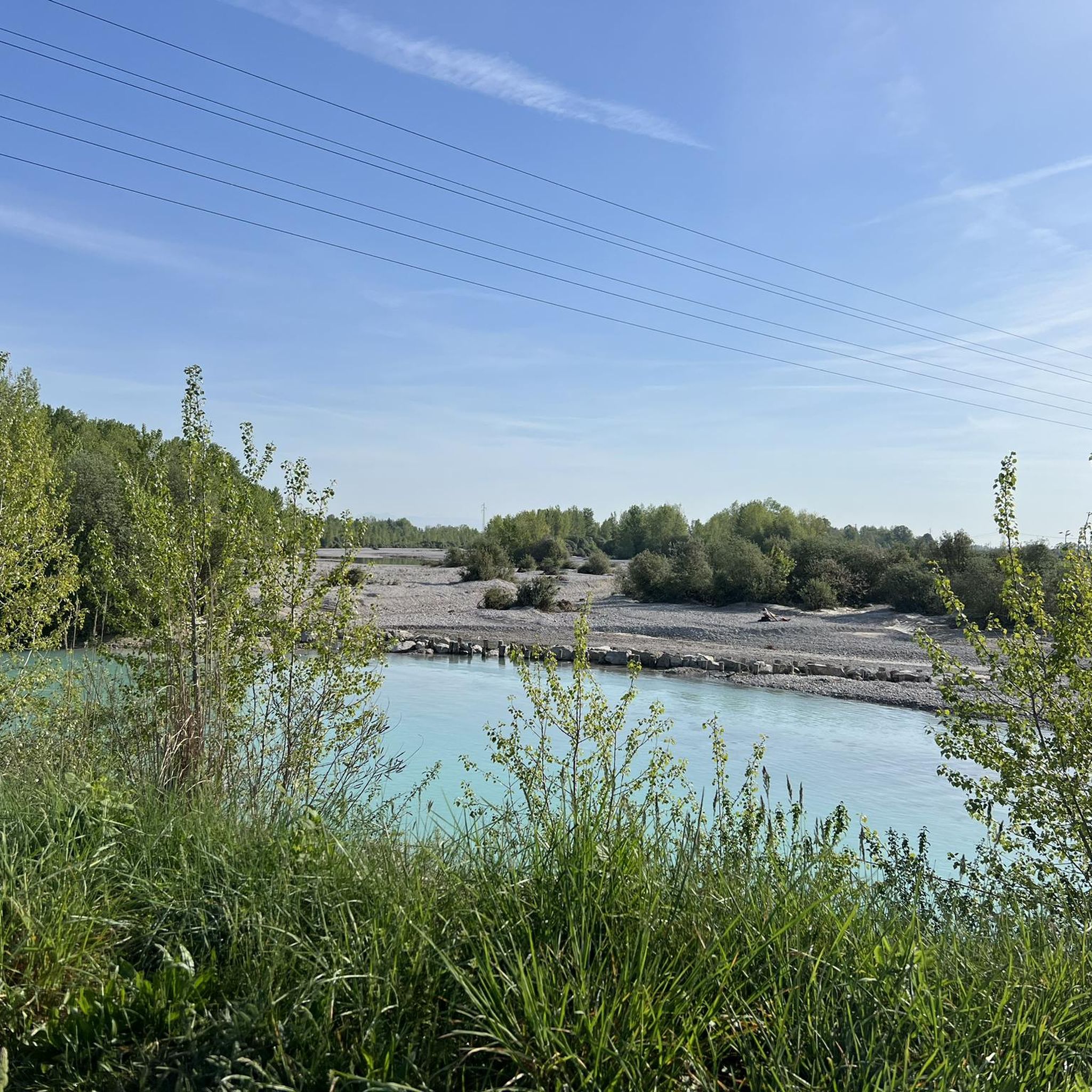
Hikes around Zoppola often lead through expansive agricultural lands, peaceful young woods, and along waterways like the Fiumetto stream. While Zoppola itself is flatter, the broader Pordenone province offers access to more dramatic landscapes, including Dolomite peaks and serene emerald lakes for those willing to venture further. You can also explore riparian landscapes near the Tagliamento river.
Are there any historical landmarks or points of interest along the trails?
Absolutely! Zoppola's trails often weave through or lead to points of historical and cultural interest. You can explore routes that retrace ancient paths, such as the historic pilgrimage path of the Romea Strata Trail: Stage RSIT08. Many paths also guide hikers past historical castles and natural springs. Don't miss the impressive Zoppola Castle, or the charming medieval village of Valvasone with its well-preserved architecture and Valvasone Castle.
What do other hikers enjoy most about hiking in Zoppola?
The hiking routes in Zoppola are highly rated by the komoot community, with an average score of 4.1 stars from over 240 reviews. Hikers often praise the accessibility of the trails, the peaceful flat countryside, and the opportunities to combine physical activity with cultural exploration, especially when passing by historical sites and charming villages.
Are there any circular hiking routes in the Zoppola area?
Yes, there are several circular routes available. A popular choice is the Noncello River Sluice Gates – Parco del Seminario loop from Pordenone / Pordenon, a moderate 6.5-mile (10.5 km) path that explores green areas along the Noncello river. Another option is the View of the Meduna riverbed – Sentiero dell'Arnàr Trailhead loop from Natura 2000 - Risorgive del Vinchiaruzzo, which offers a scenic 11.2 km (6.9 miles) loop.
What is the best time of year to go hiking in Zoppola?
Zoppola offers accessible routes that can be enjoyed year-round, particularly the trails through woods and countryside. The region's rich biodiversity, especially in nearby areas like the Armentara Meadows, makes spring a beautiful time to visit with blooming flowers. Autumn also provides pleasant temperatures and colorful foliage. Even in winter, the flatter trails can be suitable for a peaceful walk.
Are dogs allowed on the hiking trails around Zoppola?
While specific regulations can vary by trail or protected area, generally, dogs are welcome on many of the hiking trails around Zoppola, especially on the more open countryside and woodland paths. It's always a good practice to keep your dog on a leash and ensure you clean up after them to maintain the natural environment for everyone.
Are there any lakes or ponds to visit near the hiking trails?
Yes, the Zoppola area is home to several beautiful lakes and ponds that can be incorporated into your hiking plans. You might consider visiting Lake Burida, the Pond in Villa Galvani Park, or the Laghetto delle Risorgive di Porcia. These spots offer serene natural environments and can be lovely additions to your walk.
Is public transport available to reach trailheads in Zoppola?
Zoppola is located in a region where public transport options might be more limited for direct access to every trailhead compared to major urban centers. While some routes might be accessible from local bus stops in Zoppola or nearby towns like Pordenone, having a car often provides more flexibility to reach various starting points, especially for trails further afield in the countryside or towards the mountainous regions.
Are there any trails that offer views of rivers or waterways?
Yes, several trails in the area provide scenic views of rivers and waterways. The View of the Meduna riverbed – Sentiero dell'Arnàr Trailhead loop from Pasch / Pasc is a great option, offering glimpses of the Meduna riverbed. Additionally, routes near the Fiumetto stream and the Noncello river, such as the Noncello River Sluice Gates – Parco del Seminario loop from Pordenone / Pordenon, allow you to explore green areas along these water bodies.
Most popular attractions around Zoppola

Get inspired with the komoot mobile app


Explore more
Browse the best Hikes in other regions.
