The 8 Most Amazing Peaks around San Canzian D'Isonzo
Best mountain peaks around San Canzian D'Isonzo are found within the broader Friuli-Venezia Giulia region, as San Canzian D'Isonzo itself is characterized by the Isonzo River delta and a floodplain environment with minimal elevation changes. The Province of Gorizia, where San Canzian D'Isonzo is located, offers mountains with historical significance, particularly from World War I. These areas provide diverse landscapes, from the Karst region's limestone formations to the higher peaks of the Julian and Carnic Alps further afield.
Best mountain…
Last updated: June 24, 2026
Summit 3 of Monte San Michele
Highlight • Viewpoint
Translated by Google •
Tip by

Monte San Michele and World War I Open-Air Museum
Highlight • Historical Site
Tip by

Sign up now to discover places like this
Get recommendations on the best single tracks, peaks, & plenty of other exciting outdoor places.
Sign up for free
Monte Cosichi
Highlight • Summit
Translated by Google •
Tip by

Monte Kremenjak Border Viewpoint
Highlight • Viewpoint
Detailed description of the itinerary: isontinoinbici.it/ValichiDelCarso/mtb-carso-vallone-kremenjak-nova-vas.html
Photo Gallery: photos.app.goo.gl/wkVf9vi2vseroihM9
This …
Translated by Google •
Tip by

View of the Gulf of Monfalcone
Highlight • Viewpoint
Translated by Google •
Tip by
Sign up for free to discover even more peaks around San Canzian D'Isonzo.
Sign up for free
Already have an account?
Start today with a free account
Your next adventure awaits.
Login or Signup
Tips from the Community

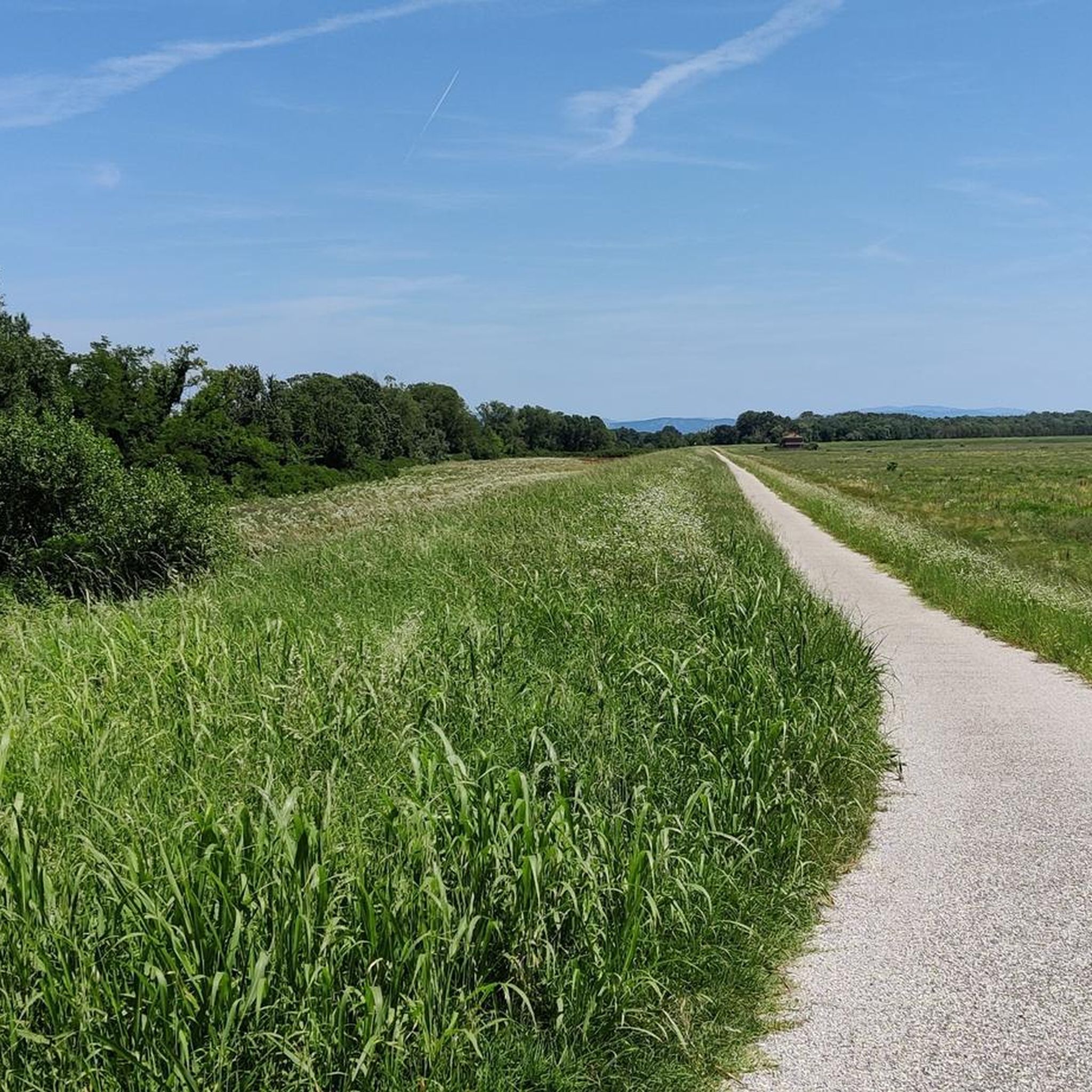
Panoramic view of the Gulf of Panzano.
1
0
A beautiful museum where you can admire and study historical artifacts to understand life in the trenches.
0
0

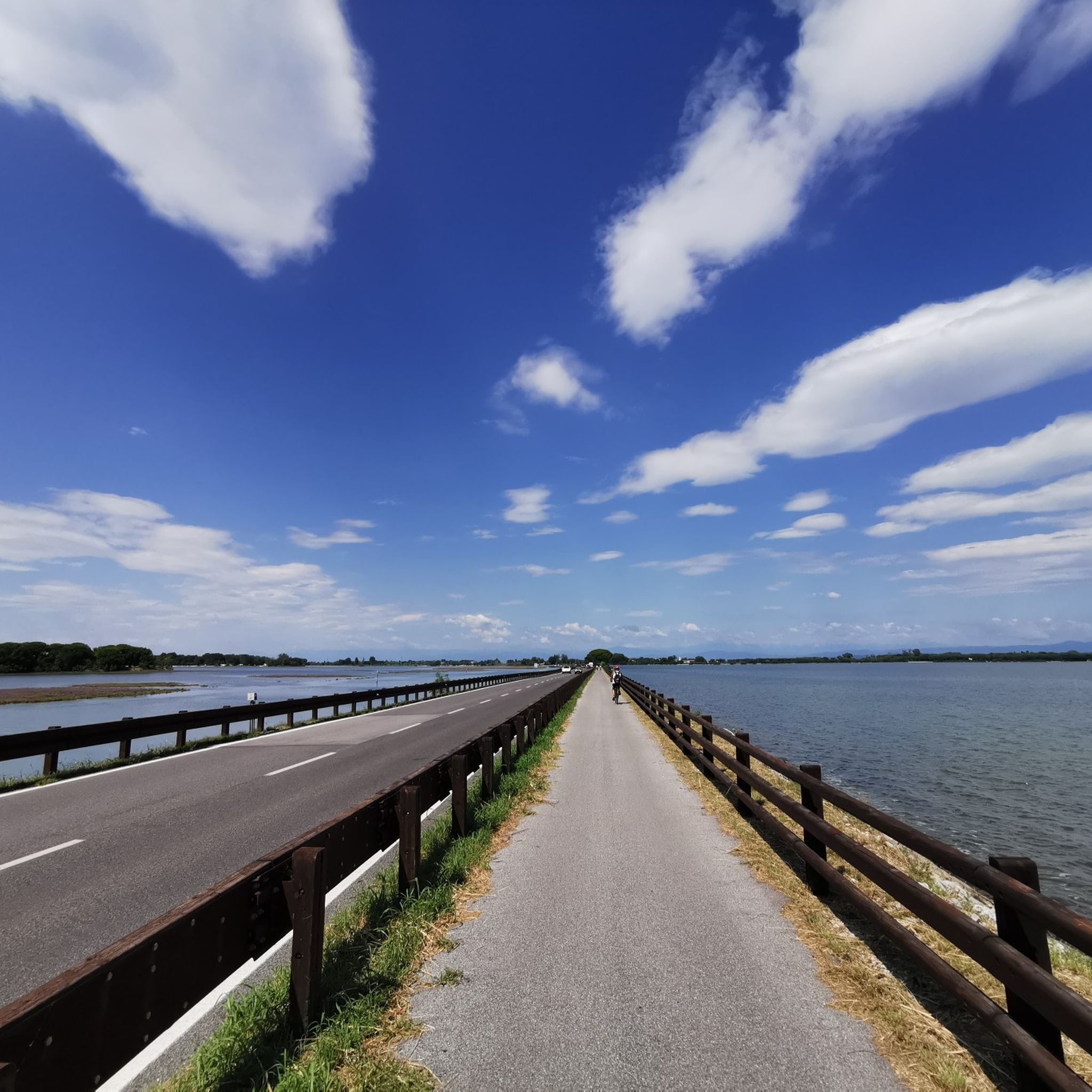
Kremenjak is a particularly panoramic Karst pass as it is a lookout point located on a "peak" at an altitude of 235, like the nearby Spik, which can be reached via paths.
0
0

The museum has recently been re-arranged and equipped with multimedia stations. The museum guides make the narration of the battles of the Carso compelling.
0
0

Mount Cosici (Cosich)/Košnik is a marginal hill of the Doberdò del Lago/Doberdob Karst on which the first line of Austro-Hungarian resistance was based from June 1915 to August 1916, when Italian troops occupied it as part of the Sixth Battle of the Isonzo. During that abundant year it was bloodily attacked several times by the Italians (west and south sides), without success. The remains of the Austro-Hungarian fortifications, however, are largely surmounted by the vestiges of the trenches, shelters and artillery positions built by the Royal Italian Army after the occupation, between August 1916 and October 1917. The place is of great historical and landscape interest. Text: Marco Pascoli
0
0
Mount Cosici (Cosich)/Košnik is a marginal hill of the Doberdò del Lago Karst on which the first line of Austro-Hungarian resistance was based from June 1915 to August 1916, when Italian troops occupied it as part of the Sixth Battle of the Isonzo. During that abundant year it was bloodily attacked several times by the Italians (west and south sides), without success. The remains of the Austro-Hungarian fortifications, however, are largely surmounted by the vestiges of the trenches, shelters and artillery positions built by the Royal Italian Army after the occupation, between August 1916 and October 1917. The place is of great historical and landscape interest. Text: Marco Pascoli
0
0
The descent towards the Northeast is fun and technical for XC, it has a couple of slightly technical passages on rocks, pay attention in case of wet ground
0
0

A fairly well-kept panoramic area, although with a series of works in progress
1
0
Frequently Asked Questions
What kind of mountain peaks can I expect to find near San Canzian D'Isonzo?
While San Canzian D'Isonzo itself is in a river delta, the broader region offers diverse mountain experiences. You'll find historically significant peaks in the Province of Gorizia, particularly from World War I, such as Monte San Michele and Monte Sabotino. Further afield in Friuli-Venezia Giulia, you can explore the higher elevations of the Julian and Carnic Alps, including challenging peaks like Monte Cogliàns, and the unique landscapes of the Dolomiti Friulane.
Are there mountain peaks near San Canzian D'Isonzo with historical significance?
Yes, the mountains in the Province of Gorizia are rich in history, especially related to World War I. Peaks like Monte San Michele and World War I Open-Air Museum, Monte Cosichi, and Monte Sabotino feature remnants of fortifications, trenches, and open-air museums detailing the Isonzo battles. The Monte Kremenjak Border Viewpoint also offers historical context regarding the Italy-Slovenia border.
Which mountain peaks offer the best views near San Canzian D'Isonzo?
For extensive views over the Isonzo valley and beyond, consider Summit 3 of Monte San Michele, which even has a wind rose to identify historical locations. Monte Sabotino, the highest peak in the Province of Gorizia, provides panoramic vistas over Gorizia, Nova Gorica, the Soča Valley, and the Julian Alps. Further north, Monte Matajur in the Julian Alps also offers breathtaking views.
Are there family-friendly mountain trails or peaks suitable for beginners?
Many of the historical sites in the Karst region, such as parts of Monte San Michele, offer paths suitable for various activity levels, including some that are considered family-friendly. While specific 'easy' routes to summits are not detailed, the general terrain of the Karst region allows for accessible walks. For more challenging options, the higher peaks of the Julian and Carnic Alps are available.
What outdoor activities can I do near these mountain peaks?
Beyond exploring the peaks themselves, the region around San Canzian D'Isonzo offers various outdoor activities. You can find numerous cycling routes, including gravel biking, that incorporate views of the mountains and historical sites. For example, the 'Vipava River Cycle Path – Summit 3 of Monte San Michele loop' is a challenging gravel route. There are also hiking opportunities, though many are closer to the Isonzo River delta. You can explore more options on the Hiking around San Canzian D'Isonzo or Cycling around San Canzian D'Isonzo guide pages.
Which mountain is the highest in the Friuli-Venezia Giulia region?
The highest peak in the Friuli-Venezia Giulia region is Monte Cogliàns (Hohe Warte) in the Carnic Alps, standing at 2,781 meters. It offers a challenging but rewarding hike with panoramic views.
What is unique about the Dolomiti Friulane?
The Dolomiti Friulane, located in the western part of the region, are a UNESCO World Heritage site. They are renowned for their unique and beautiful landscape, characterized by distinctive high Dolomite peaks and long, narrow valleys. A highly recommended hike in this area is to the Campanile di Val Montanaia.
Can I find information about World War I battles on the mountain peaks?
Absolutely. The Karst region, particularly around Gorizia, served as a significant battleground during World War I. Peaks like Monte San Michele, Monte Cosichi, Monte Calvario, and Monte Sabotino are essentially open-air museums. You'll find preserved trenches, fortifications, and interpretive panels detailing the fierce Isonzo battles. Monte Sei Busi – Fortifications at Elevation 118 is another site of undisputed historical value.
What do visitors enjoy most about the mountain peaks near San Canzian D'Isonzo?
Visitors frequently appreciate the combination of stunning panoramas and profound historical significance. The ability to retrace the steps of history while enjoying expansive views over the Isonzo valley, the Julian Alps, and even the Adriatic Sea is a major draw. The varied terrain, from dirt roads to more technical paths, also offers something for different skill levels.
Are there any specific routes for gravel biking that include mountain peaks?
Yes, the region offers gravel biking routes that incorporate mountain peaks and historical sites. For instance, the 'Vipava River Cycle Path – Summit 3 of Monte San Michele loop from Ronchi dei Legionari Nord' is a challenging gravel route that takes you past Summit 3 of Monte San Michele. You can find more gravel biking options on the Gravel biking around San Canzian D'Isonzo guide page.
Which mountain is considered the most prominent in Friuli-Venezia Giulia?
Col Nudo, with an elevation of 2,471 meters, is noted as the most prominent mountain in Friuli-Venezia Giulia.
Most popular routes around San Canzian D'Isonzo
Most popular attractions around San Canzian D'Isonzo

Get inspired with the komoot mobile app


Explore more
See even more amazing summits around San Canzian D'Isonzo with these guides:
