The 12 Most Amazing Peaks around Ronchi Dei Legionari
Best mountain peaks around Ronchi Dei Legionari are characterized by a unique Karst landscape, offering elevated areas and historical sites rather than traditional towering peaks. This region in Friuli Venezia Giulia is known for its significant World War I history, with many trails traversing battlefields and fortifications. Visitors can find engaging hikes with panoramic views of the surrounding plains and the Adriatic Sea. The area provides accessible walks suitable for various fitness levels, focusing on history, geology, and scenic vistas.
…Last updated: May 20, 2026
Summit 3 of Monte San Michele
Highlight • Viewpoint
Translated by Google •
Tip by

Monte San Michele and World War I Open-Air Museum
Highlight • Historical Site
Tip by

Sign up now to discover places like this
Get recommendations on the best single tracks, peaks, & plenty of other exciting outdoor places.
Sign up for free
Monte Cosichi
Highlight • Summit
Translated by Google •
Tip by

Monte Kremenjak Border Viewpoint
Highlight • Viewpoint
Detailed description of the itinerary: isontinoinbici.it/ValichiDelCarso/mtb-carso-vallone-kremenjak-nova-vas.html
Photo Gallery: photos.app.goo.gl/wkVf9vi2vseroihM9
This …
Translated by Google •
Tip by

Mount Ermada Summit
Highlight • Summit
Translated by Google •
Tip by

Sign up for free to discover even more peaks around Ronchi Dei Legionari.
Sign up for free
Already have an account?
Start today with a free account
Your next adventure awaits.
Login or Signup
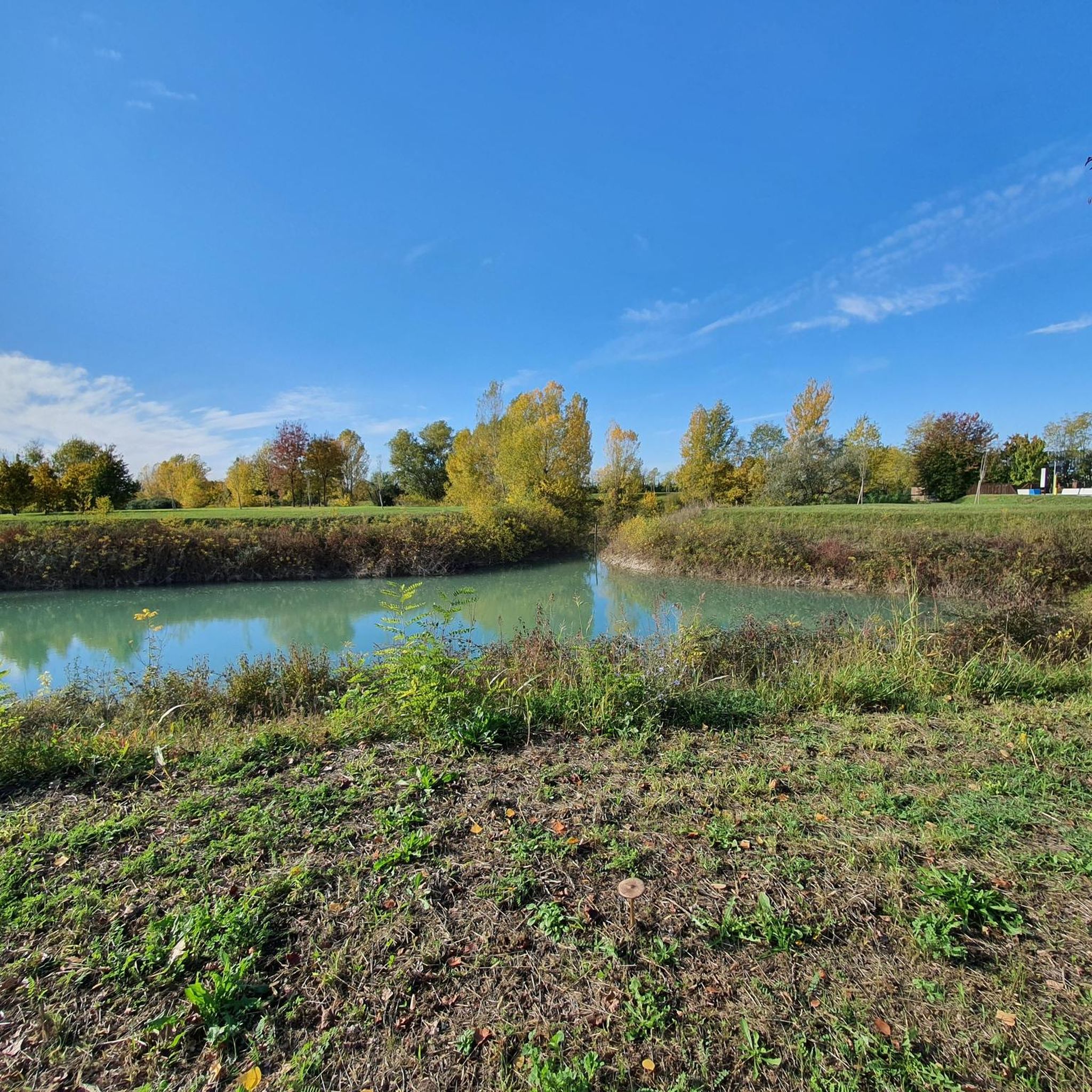
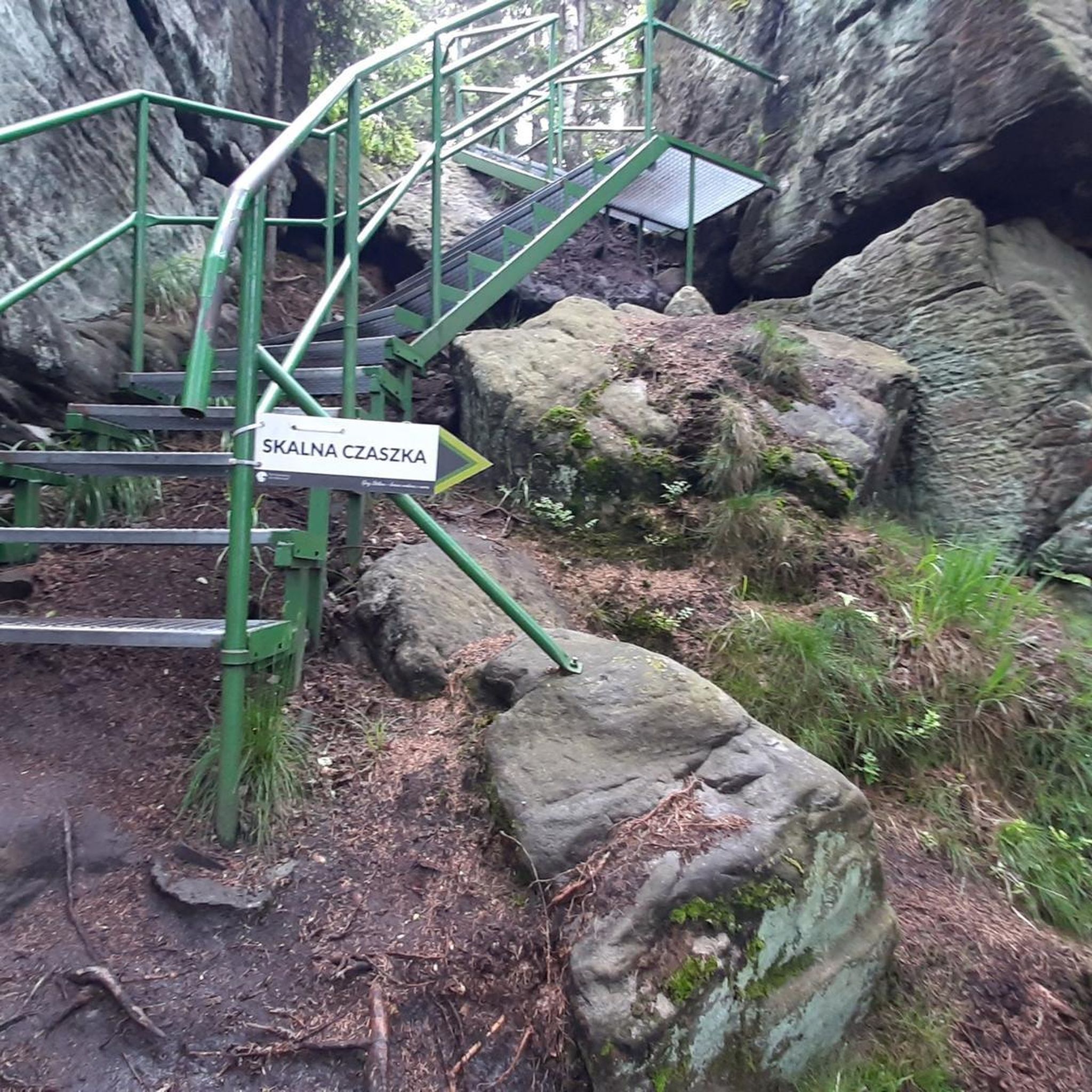
Tips from the Community

A beautiful museum where you can admire and study historical artifacts to understand life in the trenches.
0
0

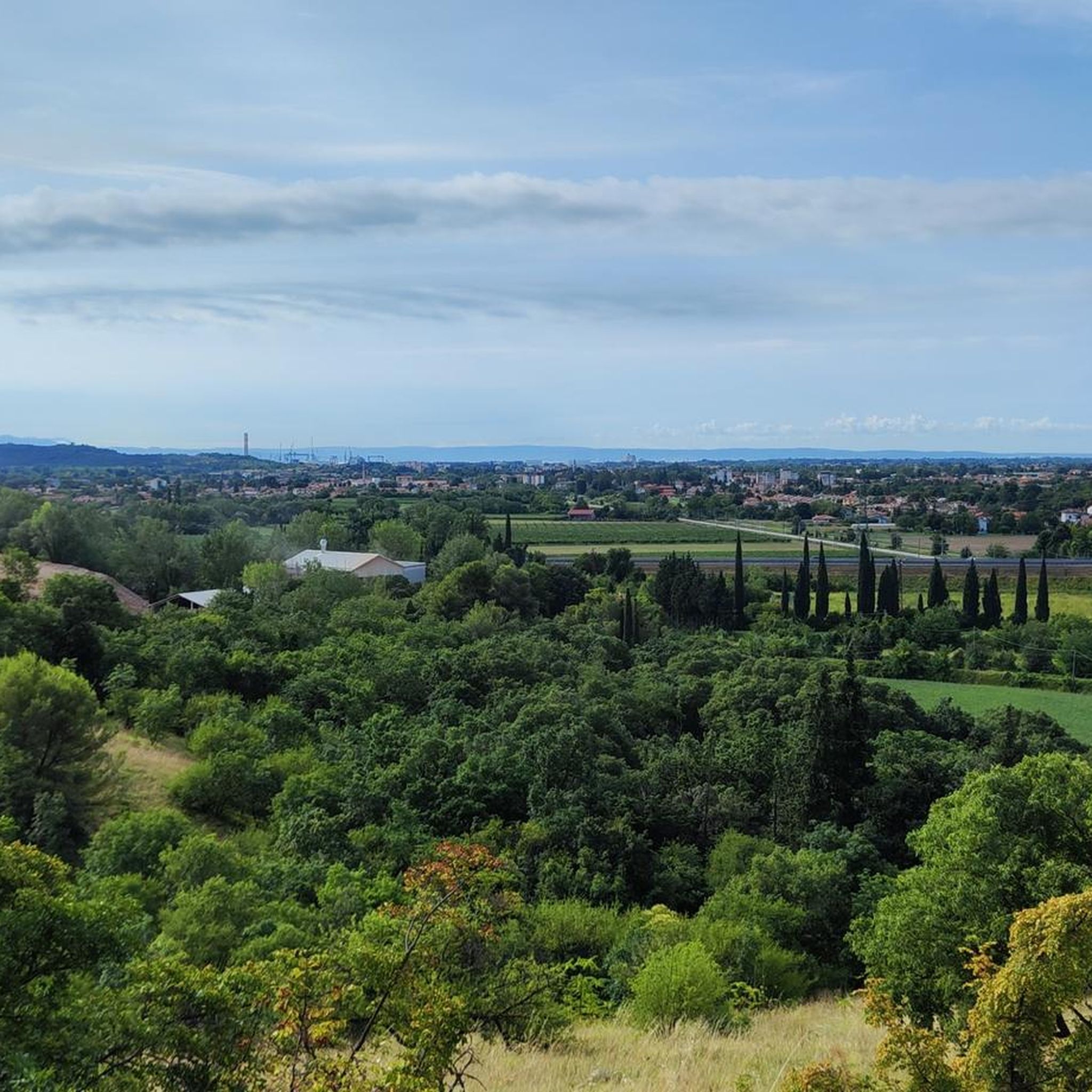
Kremenjak is a particularly panoramic Karst pass as it is a lookout point located on a "peak" at an altitude of 235, like the nearby Spik, which can be reached via paths.
0
0

The museum has recently been re-arranged and equipped with multimedia stations. The museum guides make the narration of the battles of the Carso compelling.
0
0

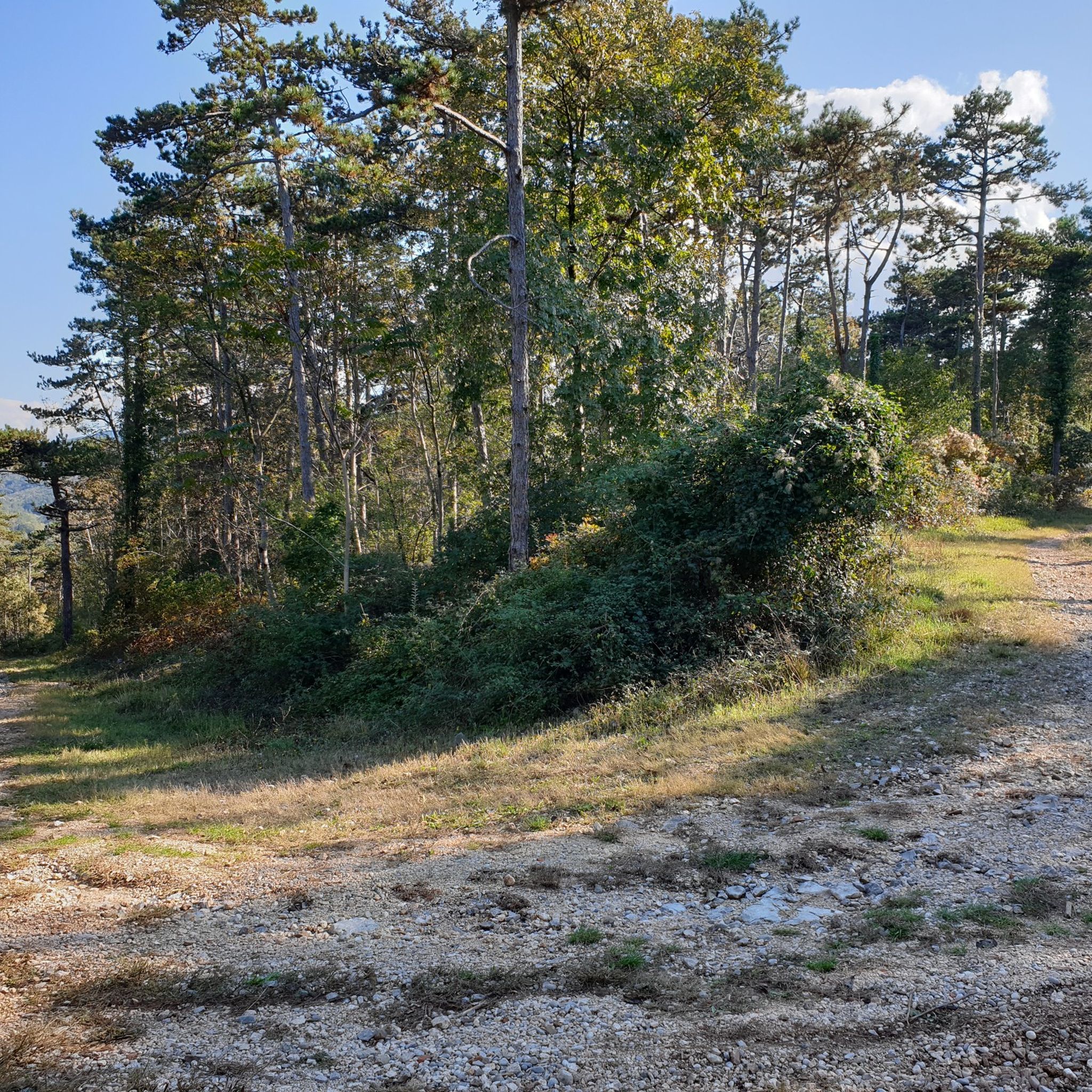
Mount Cosici (Cosich)/Košnik is a marginal hill of the Doberdò del Lago/Doberdob Karst on which the first line of Austro-Hungarian resistance was based from June 1915 to August 1916, when Italian troops occupied it as part of the Sixth Battle of the Isonzo. During that abundant year it was bloodily attacked several times by the Italians (west and south sides), without success. The remains of the Austro-Hungarian fortifications, however, are largely surmounted by the vestiges of the trenches, shelters and artillery positions built by the Royal Italian Army after the occupation, between August 1916 and October 1917. The place is of great historical and landscape interest. Text: Marco Pascoli
0
0
Mount Cosici (Cosich)/Košnik is a marginal hill of the Doberdò del Lago Karst on which the first line of Austro-Hungarian resistance was based from June 1915 to August 1916, when Italian troops occupied it as part of the Sixth Battle of the Isonzo. During that abundant year it was bloodily attacked several times by the Italians (west and south sides), without success. The remains of the Austro-Hungarian fortifications, however, are largely surmounted by the vestiges of the trenches, shelters and artillery positions built by the Royal Italian Army after the occupation, between August 1916 and October 1917. The place is of great historical and landscape interest. Text: Marco Pascoli
0
0
The descent towards the Northeast is fun and technical for XC, it has a couple of slightly technical passages on rocks, pay attention in case of wet ground
0
0

A fairly well-kept panoramic area, although with a series of works in progress
1
0
The Karst not only offers a wonderful and varied Nature, but it is a real stratification of History and Suffering from the Neolithic to today: not only the First World War but also the border between two worlds, the one under NATO influence and therefore American, and that of the Warsaw Pact and therefore USSR. This is witnessed by the various bunkers of the arrest infantry on Italian territory and the various border control huts on Slovenian territory, then Yugoslavian.
0
0
Frequently Asked Questions
What kind of 'mountain peaks' can I expect around Ronchi Dei Legionari?
The elevated areas and 'mounts' around Ronchi Dei Legionari are characterized by a unique Karst landscape, rather than traditional towering alpine peaks. They are primarily known for their historical significance, especially related to World War I, and distinct natural features. You'll find engaging hikes with panoramic views and a rich historical context, suitable for various fitness levels.
What historical sites can I explore on the peaks near Ronchi Dei Legionari?
Many elevated areas are deeply connected to World War I. For instance, Monte San Michele and World War I Open-Air Museum offers a panorama and serves as an open-air museum. Monte Cosichi was a key site for Austro-Hungarian resistance, with visible remains of fortifications and trenches. Trails like the Monte Sei Busi - Redipuglia loop also incorporate WWI trenches and artillery bunkers.
Are there family-friendly hiking options among the peaks?
Yes, many trails in the region are accessible for various fitness levels, including families. The Monte Sei Busi - Redipuglia – Artillery Bunker loop is generally considered easy. The Karst Stone Wall Path from Monte sopra Selz is also an easy gravel trail, offering a mix of nature and history suitable for family walks.
What are some of the most popular viewpoints in the area?
Visitors highly appreciate Summit 3 of Monte San Michele, which offers a suggestive observation point overlooking the Isonzo valley and historical locations from the Battles on the Soča. Monte San Michele and World War I Open-Air Museum also provides a beautiful panorama. Additionally, Mount Ermada Summit offers views of the Monfalcone plain and the Gulf of Trieste.
What kind of natural features will I encounter on these trails?
The region's distinctive Karst topography is a prominent feature, characterized by rocky terrain, sinkholes, and unique geological formations. You might also encounter wild horses on trails like the Karst Stone Wall Path from Monte sopra Selz, adding to the natural beauty.
Can I find easy hiking trails near Ronchi Dei Legionari?
Absolutely. For easy walks, consider the Monte Sei Busi - Redipuglia – Artillery Bunker loop, which is about 4.5 km long and offers historical insights. The Karst Stone Wall Path from Monte sopra Selz is another easy gravel trail featuring unique Karst terrain and WWI trenches. For more options, explore the Hiking around Ronchi Dei Legionari guide.
Are there any circular hiking routes available?
Yes, several routes offer circular paths. Examples include the Monte Sei Busi - Redipuglia – Artillery Bunker loop and the Bersaglieri Valley – Artillery Bunker loop. These allow you to start and end at the same point, often incorporating historical sites and scenic views. You can find more circular routes in the Hiking around Ronchi Dei Legionari guide.
What other outdoor activities can I do near these peaks?
Beyond hiking, the area offers opportunities for gravel biking and running. You can find various routes, from moderate to difficult, that explore the Karst landscape, historical sites, and scenic views. Check out the Gravel biking around Ronchi Dei Legionari guide and the Running Trails around Ronchi Dei Legionari guide for detailed routes.
What do visitors enjoy most about the peaks around Ronchi Dei Legionari?
Visitors particularly appreciate the unique combination of rich World War I history and the distinctive Karst landscape. The opportunity to walk through battlefields, explore trenches and bunkers, and enjoy panoramic views of the Isonzo valley and the Adriatic Sea makes for a compelling experience. The accessibility of many trails also makes it enjoyable for a wide range of visitors.
Is it possible to see the Dolomites or Julian Alps from Ronchi Dei Legionari?
Ronchi Dei Legionari is situated in the Friuli Venezia Giulia region, which is characterized by its Karst landscape. While the region is part of Italy, it is not directly within the Dolomites or Julian Alps. The elevated areas here offer views of the surrounding plains and the Adriatic Sea, but not the high alpine peaks of the Dolomites or Julian Alps.
Are there any border viewpoints among the peaks?
Yes, Monte Kremenjak Border Viewpoint is a notable spot. This area straddles the boundary line between Italy and Slovenia, offering a unique perspective on the historical border region and the Karst territory. It's a place where you can literally cross the border multiple times on paths and dirt roads.
Most popular routes around Ronchi Dei Legionari
Most popular attractions around Ronchi Dei Legionari

Get inspired with the komoot mobile app


Explore more
See even more amazing summits around Ronchi Dei Legionari with these guides:
