The best cycling routes around San Giorgio Di Nogaro
4.3
(2430)
15,562
riders
25
rides
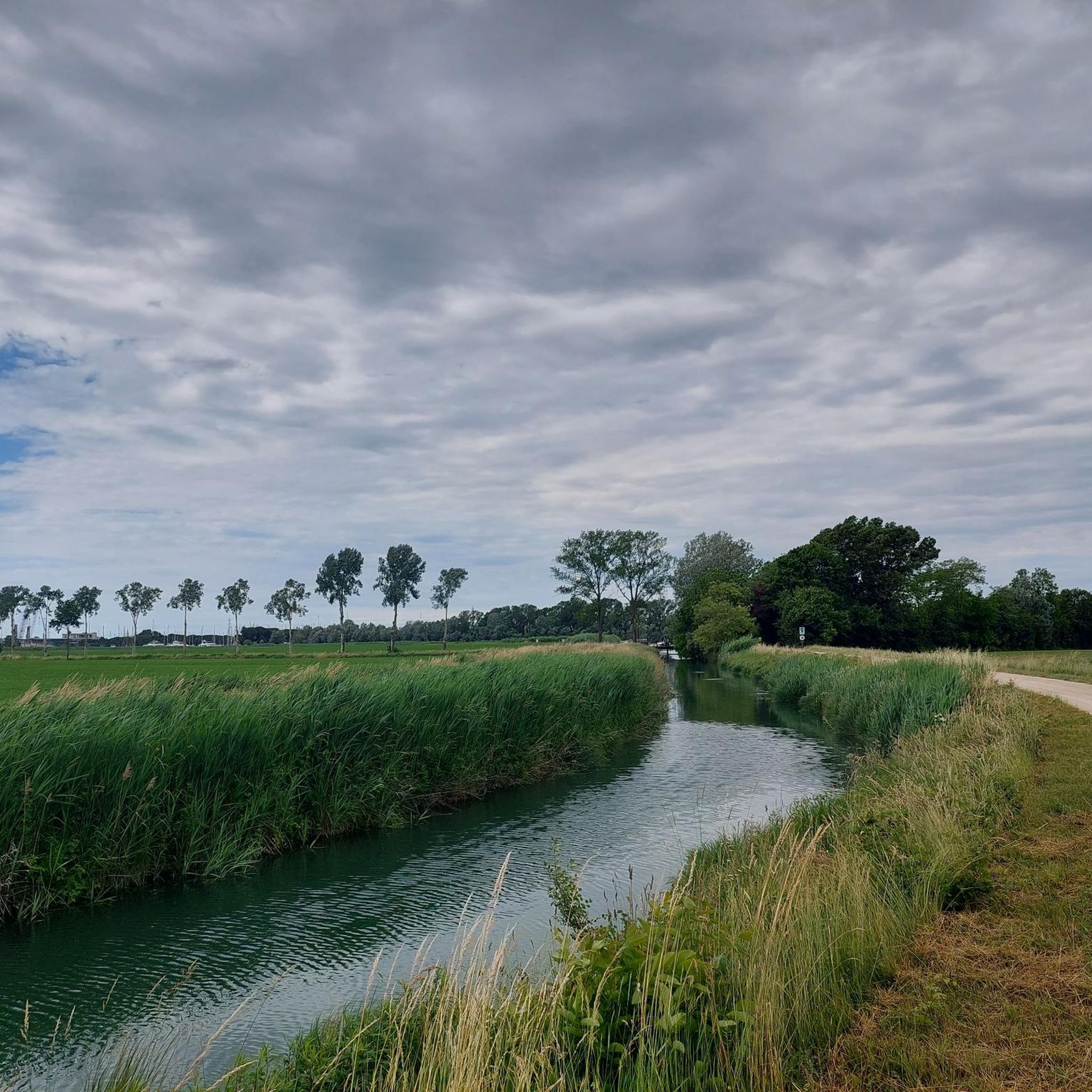
Touring cycling routes around San Giorgio Di Nogaro are primarily characterized by the flat terrain of the Bassa Friulana (Lower Friulian Plain), making them accessible for various fitness levels. The region features well-paved surfaces and dedicated cycleways that traverse rural and riverside settings. It is intimately connected to the Marano Lagoon and the mouth of the Corno River, offering serene natural environments.
Best touring cycling routes around San Giorgio Di Nogaro
- The most popular touring cycling route is Marano Lagunare…
Last updated: July 5, 2026
4.1
(13)
96
riders
Moderate bike ride. Good fitness required. Mostly paved surfaces. Suitable for all skill levels.
4.0
(3)
23
riders
Moderate bike ride. Good fitness required. Mostly paved surfaces. Suitable for all skill levels.

Sign up for free
5.0
(1)
11
riders
Easy bike ride. Great for any fitness level. Mostly paved surfaces. Suitable for all skill levels.
7
riders
Moderate bike ride. Good fitness required. Mostly paved surfaces. Suitable for all skill levels.
3.0
(1)
10
riders
23.9km
01:21
30m
30m
Easy bike ride. Great for any fitness level. Mostly paved surfaces. Suitable for all skill levels.
Get access to more routes and recommendations from other explorers.
Sign up for free
Already have an account?
Our route recommendations are based on thousands of hikes, rides, and runs completed by other people on komoot.
Start today with a free account
Your next adventure awaits.
Login or Signup
Tips from the Community

All paved. We thank cycle tourism
0
0

Cycling along the walls of the Star City of Palmanopva is always a great ride
0
0

The biotope offers wonderful cycling on a single-track trail. The surface varies, ranging from loamy sand to grass to short gravel sections. In some places, the route is double-tracked.
1
0
The “Chiesa di San Floriano” is dedicated to the martyr St. Florian and is impressive due to the small bell tower to the right of the church, which is considerably lower than the church itself.
1
0
The first mention of the village of Torviscosa dates back to 1278, when it was known as Zuino. The surrounding area was rich in water due to numerous springs and threatened to become swampy without adequate canalization. The Counts of Savorgnan, who owned these lands from 1344 to 1818, therefore initiated the first reclamation measures at the end of the 17th century. On the drained land, only the tower of a medieval castle remained standing, which is why the village was renamed Torre di Zuino. Later, other buildings were added, and in 1727, the church of Santa Maria Assunta was added. Until 1915, the village was the last Italian town before the border with Austria-Hungary, a fact commemorated by a plaque on the outskirts of the village. Today, the industrial town of Torviscosa is a planned town built during the heyday of Italian fascism. It was founded in 1937 by Franco Marinotti and takes its name from the pre-war period (Torre) and the processed textile fibers (Viscosa). The totalitarian regimes that shaped much of Europe in the middle decades of the 20th century had a significant impact on urban design. These regimes founded or rebuilt cities, often drawing on the most modern architectural and urban design projects of the time. The oldest part of the industrial complexes included buildings intended for various purposes, all with red brick facades. The desire to organize civilian life based on the same rules that exist in factories was translated into urban planning by a clear separation of residential areas according to professional categories. The houses of the managers, the residences for employees and technicians, and the residential buildings for industrial workers were located in different areas of the main town, while the outskirts of the municipality were reserved for agricultural workers. Even today, the planning and construction of that time are omnipresent and barely altered throughout the city. On the outskirts, buildings and houses have been constructed in keeping with modern times. In terms of social life, the city feels like a mixture of Disneyland, the film A Clockwork Orange, and film studios like Universal Studios. Sources: https://de.wikipedia.org/wiki/Fabrikstadt_Torviscosa, https://grado.it/de/reisetipps/umgebung/torviscosa
0
0
The first mention of Torviscosa dates back to 1278, when it was known as Zuino. The surrounding area was rich in water due to numerous springs and threatened to become marshy without proper drainage. The Counts of Savorgnan, who owned these lands from 1344 to 1818, therefore initiated the first land reclamation measures at the end of the 17th century. Only the tower of a medieval castle remained standing on the drained land, which is why the village was renamed Torre di Zuino. Later, other buildings were added, and in 1727 the Church of Santa Maria Assunta was built. Until 1915, the village was the last Italian town before the border with Austria-Hungary, a fact commemorated today by a plaque on the outskirts of the town. The modern industrial city of Torviscosa is a planned city built during the heyday of Italian Fascism. It was founded in 1937 by Franco Marinotti and takes its name from the pre-war era (Torre) and processed textile fibers (Viscosa). The totalitarian regimes that dominated much of Europe in the mid-20th century had a significant impact on urban planning. These regimes founded or rebuilt cities, often drawing on the most modern architectural and urban design projects of the time. The oldest part of the industrial complex comprised buildings for various purposes, all sharing red brick facades. The desire to organize civic life according to the same rules that existed in the factory was translated into a clear separation of residential areas based on occupational categories in the urban planning. The houses of managers, residences for employees and technicians, and housing for factory workers were located in different areas of the main town, while the outskirts of the municipality were reserved for agricultural laborers. ... Even today, the original planning and construction methods are omnipresent in the city and remain largely unchanged. On the city's outskirts, buildings and houses have been erected in a more modern style. In terms of social life, the city resembles a blend of Disneyland, the film A Clockwork Orange, and film studios like Universal Studios. Sources: https://de.wikipedia.org/wiki/Fabrikstadt_Torviscosa, https://grado.it/de/reisetipps/umgebung/torviscosa
1
0
The first mention of the village of Torviscosa dates back to 1278, when it was known as Zuino. The surrounding area was rich in water due to numerous springs and threatened to become swampy without adequate canalization. The Counts of Savorgnan, who owned these lands from 1344 to 1818, therefore initiated the first reclamation measures at the end of the 17th century. On the drained land, only the tower of a medieval castle remained standing, which is why the village was renamed Torre di Zuino. Later, other buildings were added, and in 1727, the church of Santa Maria Assunta was added. Until 1915, the village was the last Italian town before the border with Austria-Hungary, a fact commemorated by a plaque on the outskirts of the village. Today, the industrial town of Torviscosa is a planned town built during the heyday of Italian fascism. It was founded in 1937 by Franco Marinotti and takes its name from the pre-war period (Torre) and the processed textile fibers (Viscosa). The totalitarian regimes that shaped much of Europe in the middle decades of the 20th century had a significant impact on urban design. These regimes founded or rebuilt cities, often drawing on the most modern architectural and urban design projects of the time. The oldest part of the industrial complexes included buildings intended for various purposes, all with red brick facades. The desire to organize civilian life based on the same rules that exist in factories was translated into urban planning by a clear separation of residential areas according to professional categories. The houses of the managers, the residences for employees and technicians, and the residential buildings for industrial workers were located in different areas of the main town, while the outskirts of the municipality were reserved for agricultural workers. Even today, the planning and construction of that time are omnipresent and barely altered throughout the city. On the outskirts, buildings and houses have been constructed in keeping with modern times. In terms of social life, the city feels like a mixture of Disneyland, the film A Clockwork Orange, and film studios like Universal Studios. Sources: https://de.wikipedia.org/wiki/Fabrikstadt_Torviscosa, https://grado.it/de/reisetipps/umgebung/torviscosa
0
0
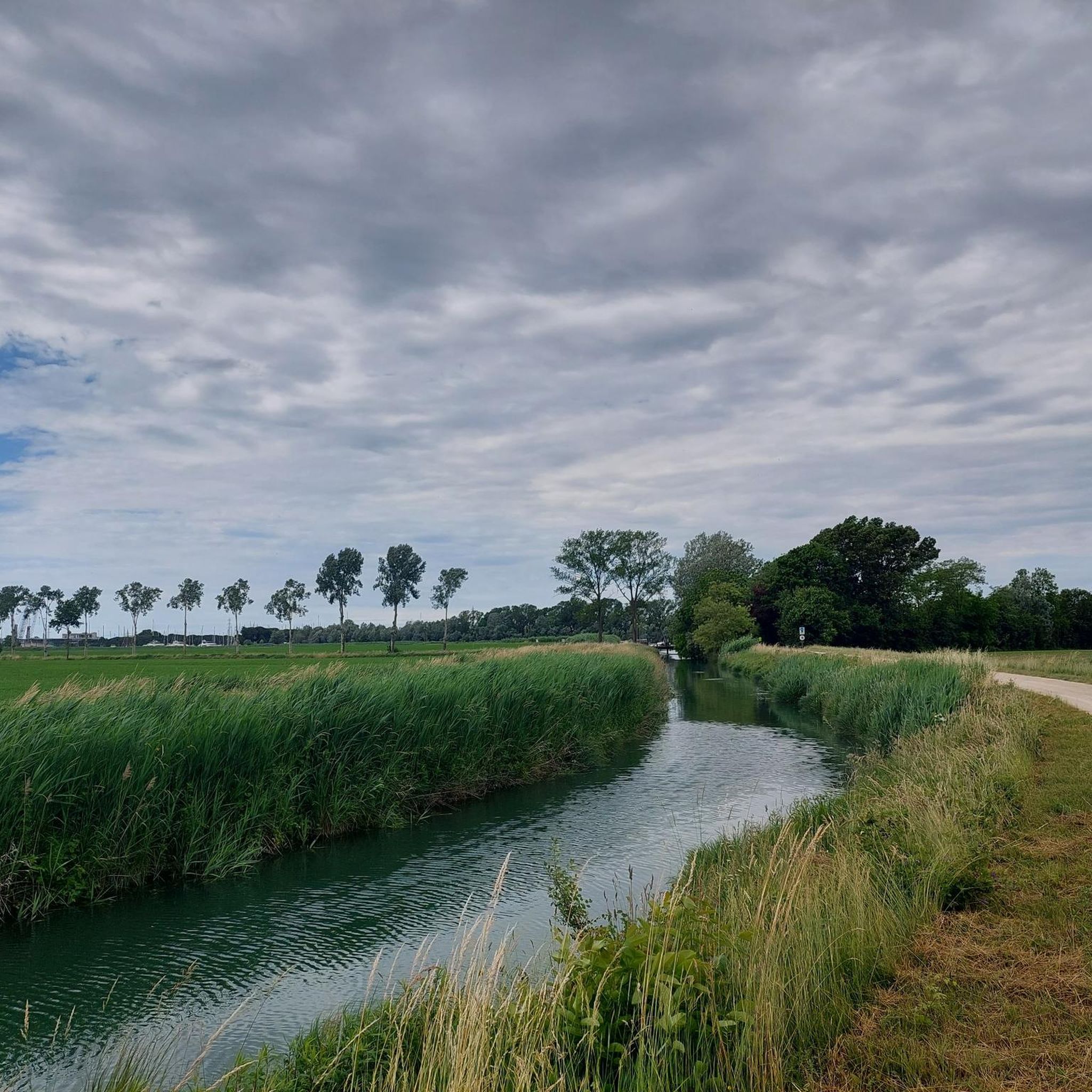
A classic, well-preserved canal bridge over a wide canal.
0
0
Frequently Asked Questions
How many touring cycling routes are available around San Giorgio di Nogaro?
There are over 25 touring cycling routes around San Giorgio di Nogaro, offering a variety of options for different preferences and fitness levels. These routes are highly rated by the komoot community, with an average score of 4.2 stars from over 120 reviews.
What is the typical terrain like for touring cycling in San Giorgio di Nogaro?
The terrain around San Giorgio di Nogaro is predominantly flat, characteristic of the Bassa Friulana (Lower Friulian Plain). This makes the routes accessible and enjoyable for various fitness levels, with mostly well-paved surfaces and dedicated cycleways.
Are there easy touring cycling routes suitable for beginners or families?
Yes, many routes are considered easy and ideal for beginners or families. For instance, the La Colomba loop from San Giorgio di Nogaro is an easy 19.3 km path that winds through tranquil rural landscapes, perfect for a relaxed ride.
Can I find longer touring cycling routes for more extensive rides?
Absolutely. For those seeking a longer journey, routes like the Summit 3 of Monte San Michele – Bridge over the Isonzo River loop from San Giorgio di Nogaro offer a moderate challenge, covering over 66 km with some elevation gain, providing a more extensive touring experience.
Are there any circular touring cycling routes in the area?
Yes, many routes are designed as loops, allowing you to start and end in the same location. A great example is the Marano Lagunare – Marano loop from San Giorgio di Nogaro, an easy 26.1 km route offering views of the Marano Lagoon.
What natural features can I expect to see along the touring cycling routes?
The routes often connect to the tranquil Marano Lagoon and follow the Corno River, offering serene coastal and fluvial scenery. You might also encounter highlights such as the Ariis river area or the Stella River in Precenicco, providing opportunities to appreciate local flora and fauna.
Are there historical landmarks or cultural attractions accessible by bike?
Yes, the region is rich in history. You can cycle to the unique star-shaped fortress city of Palmanova, a UNESCO World Heritage Site, via routes like the Bastions of Palmanova – Old City Gate of Palmanova loop from San Giorgio di Nogaro. The ancient Roman colony of Aquileia, another UNESCO site, is also within cycling distance.
What is the best time of year to go touring cycling in San Giorgio di Nogaro?
The flat terrain makes cycling enjoyable for much of the year. Late April is noted for its scenic beauty with tree plantations. Generally, spring and autumn offer pleasant temperatures for touring, avoiding the peak heat of summer while still enjoying the natural surroundings.
Are there routes that pass through villages or offer opportunities to explore local life?
Many routes traverse rural settings and connect to charming villages. For example, the Church in Villanova – Torviscosa loop from San Giorgio di Nogaro takes you through areas like Torviscosa, allowing a glimpse into local life and architecture.
What do other touring cyclists enjoy the most about touring cycling in San Giorgio di Nogaro?
The komoot community highly rates the touring cycling experience in San Giorgio di Nogaro, with an average score of 4.2 stars. Reviewers often praise the region's flat, accessible terrain, the well-maintained cycle paths, and the serene natural environments of the Marano Lagoon and Corno River.
Are there any specific natural reserves or protected areas to explore by bike?
Yes, the area includes natural highlights such as the Selva d'Arvonchi Nature Reserve and the Trail on the Lagoon Embankment (Natura 2000 - Laguna di Marano e Grado). These offer opportunities to experience the local ecosystem and birdlife.
Most popular routes around San Giorgio Di Nogaro
Most popular attractions around San Giorgio Di Nogaro

Get inspired with the komoot mobile app


Explore more
Browse the best Cycling routes in other regions.
