Attractions and Places To See around Villa Vicentina - Top 20
Best attractions and places to see around Villa Vicentina include a tranquil, pastoral setting in the Province of Udine, Italy. This locality is recognized for its historical landmark, Villa Ciardi, the former summer residence of Elisa Bonaparte Baciocchi, Napoleon's sister. The area serves as a gateway to significant regional sites, offering a blend of cultural, natural, and historical points of interest. Visitors can explore ancient Roman ruins, scenic cycle paths, and important ecological reserves in the surrounding region.
Best attractions…
Last updated: July 6, 2026
Lagoon Cycle Path between Aquileia and Grado
Highlight (Segment) • Cycleway
Translated by Google •
Tip by

Alpe‑Adria Cycle Path at Terzo d'Aquileia
Highlight (Segment) • Cycleway
Translated by Google •
Tip by

Sign up now to discover places like this
Get recommendations on the best single tracks, peaks, & plenty of other exciting outdoor places.
Sign up for free
Roman Forum of Aquileia
Highlight • Historical Site
Translated by Google •
Tip by

Basilica of Saint Mary of the Assumption and Aquileia Archaeological Area
Highlight • Religious Site
Translated by Google •
Tip by
Bridge Over the Isonzo River
Highlight • Bridge
Translated by Google •
Tip by

Sign up for free to discover even more attractions around Villa Vicentina.
Sign up for free
Already have an account?
Start today with a free account
Your next adventure awaits.
Login or Signup
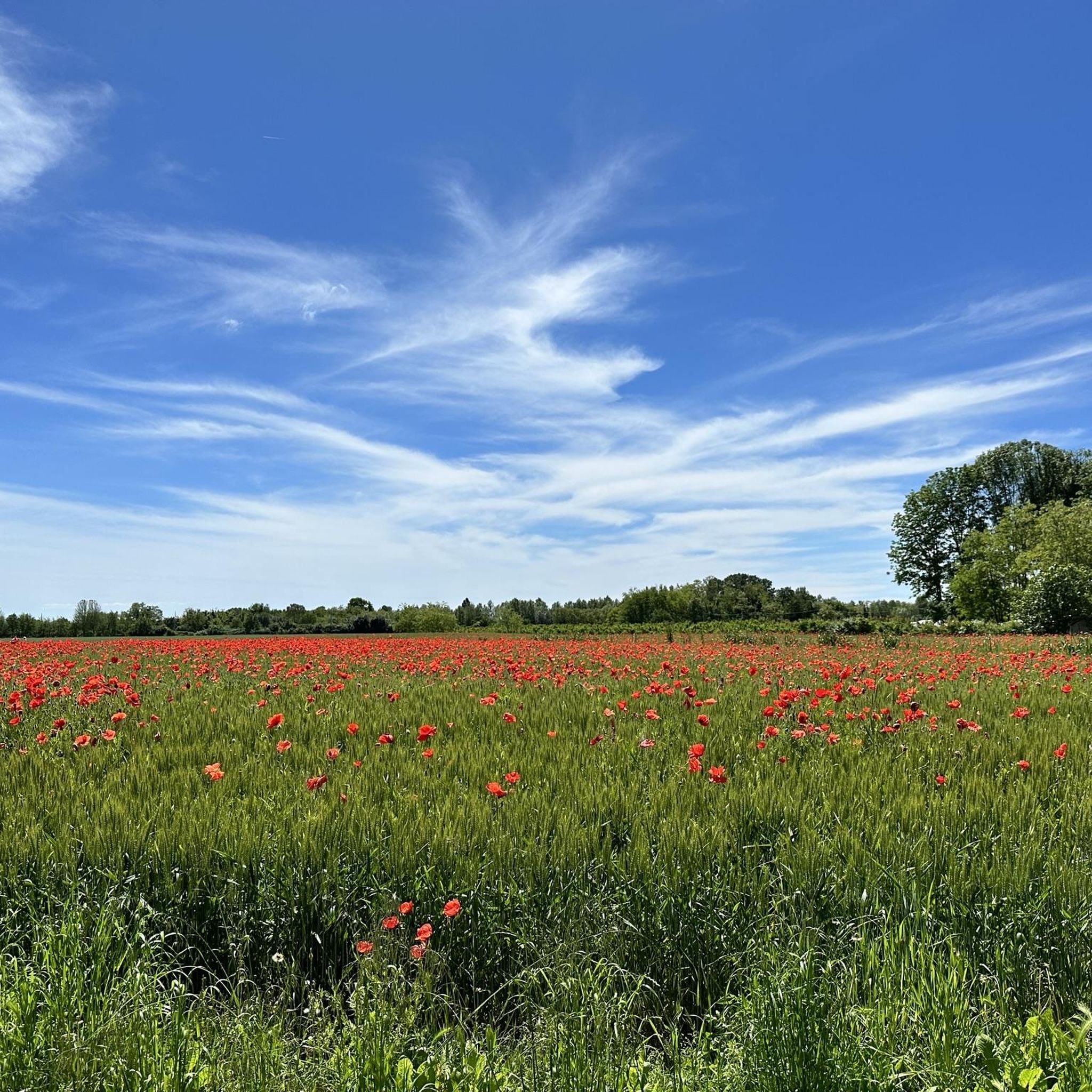
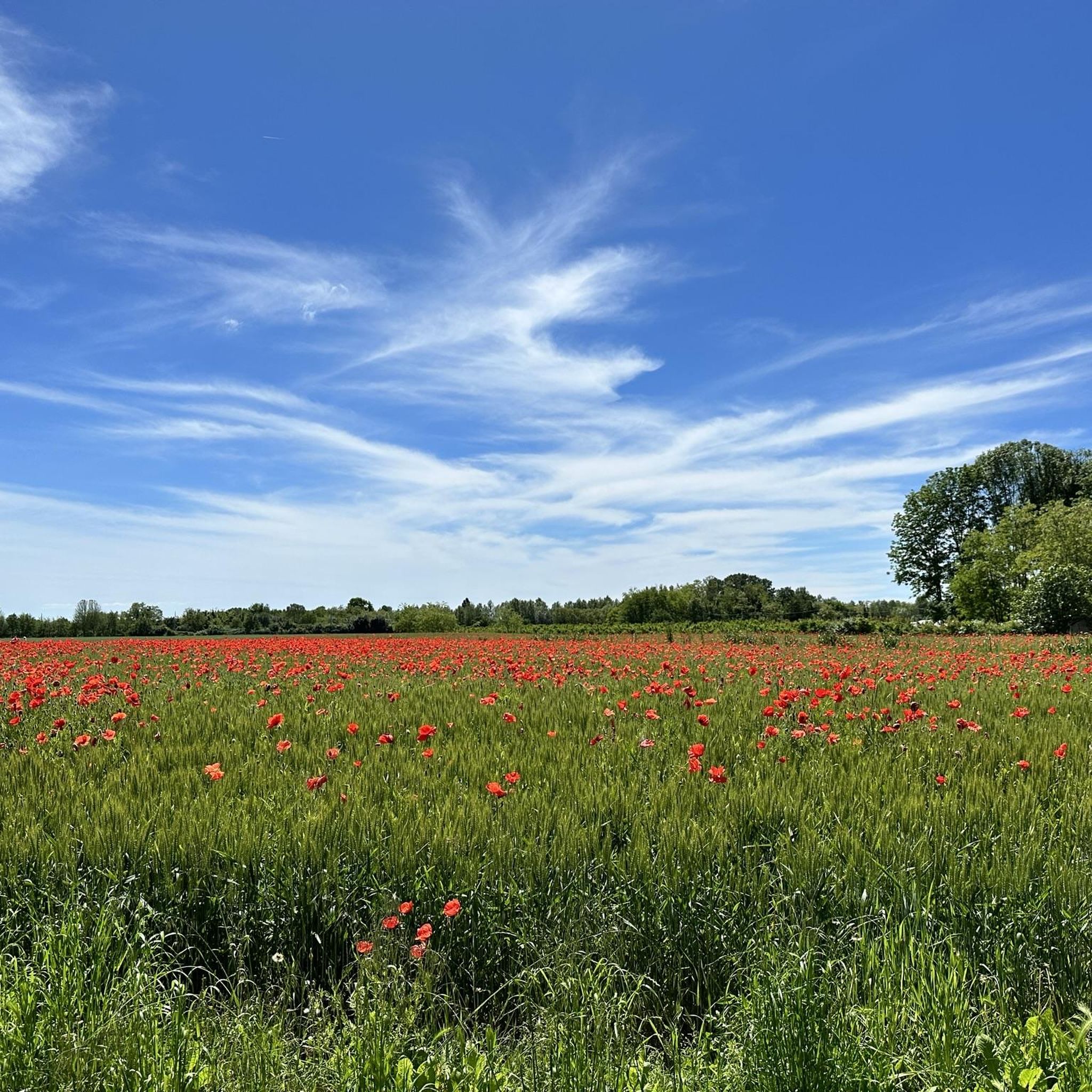
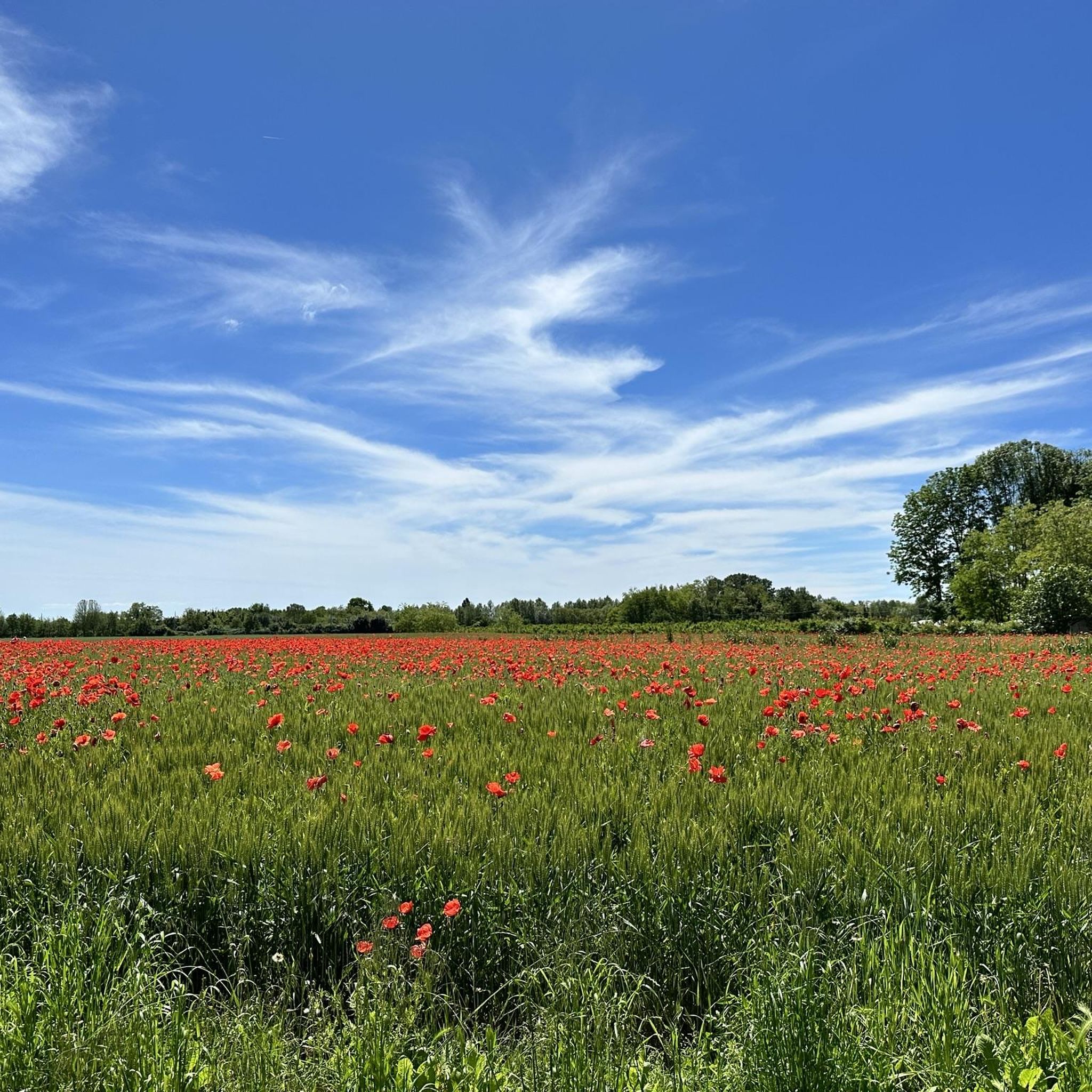
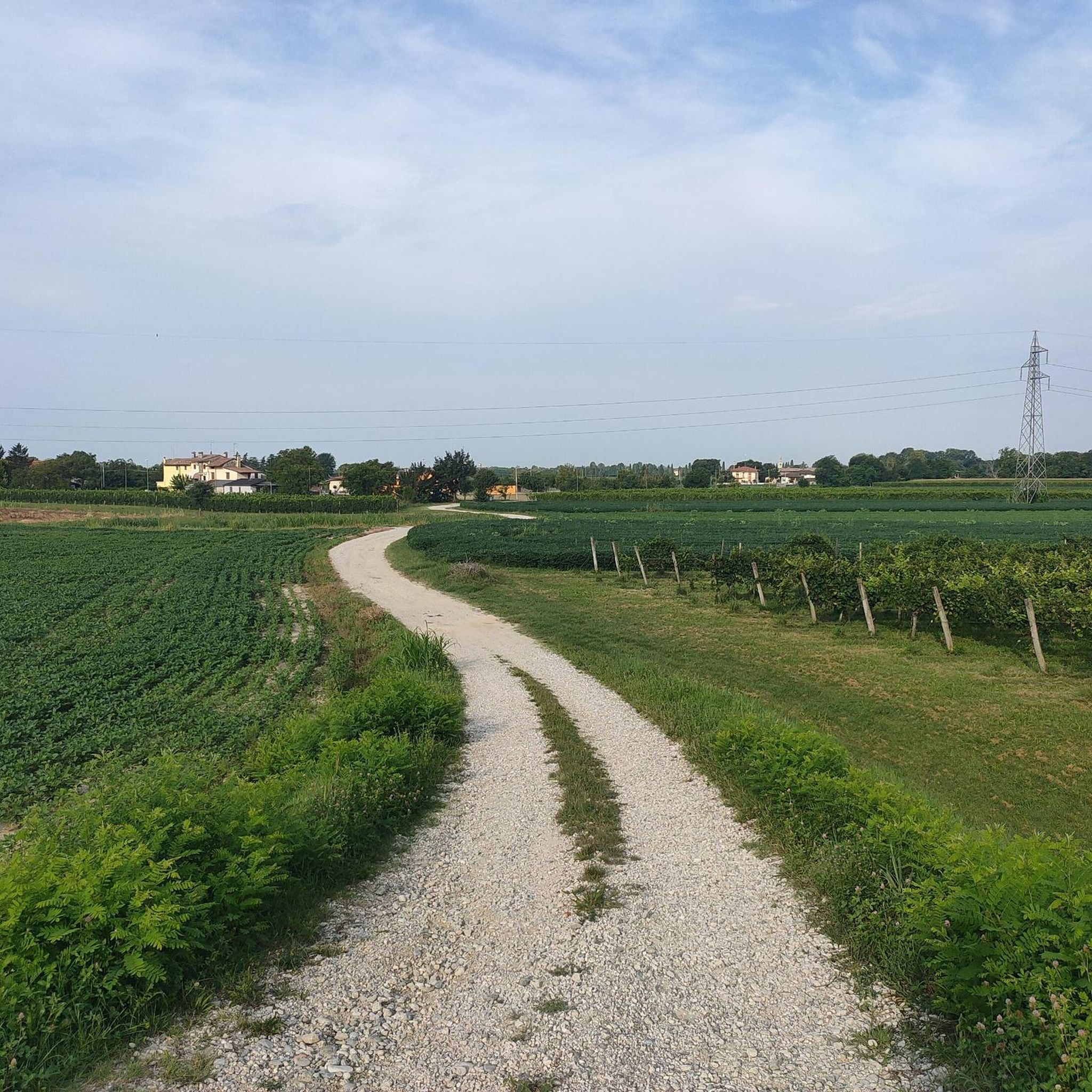

Tips from the Community

Wonderful river, with an even more beautiful water color
3
0

The Roman Forum is located on the cycle path through Aquileia
5
0

Ruins from Roman times. They are clearly visible from the FVG1 cycle path and can be visited free of charge during the day.
4
0

The Roman Forum of Aquileia was the center of the town's public life, functioning as a market, administrative center and meeting place for the inhabitants. Today, you can explore the remains of the Roman Forum, including the partially reconstructed basilica and the remains of various other buildings. These ruins offer a glimpse into the daily life and architecture of ancient Roman civilization.
5
0

The Basilica Santa Maria Assunta is the largest and most admired monument of ancient Aquileia. What we see today is the result of various renovations and expansions carried out over the centuries, which however have not compromised the solemnity of the building and the charm that it still exerts on visitors. The true jewel of the basilica is the floor mosaic, which covered the two large worship halls built in the early 4th century. The mosaic in the southern hall, which corresponds to the current basilica, with its 750 m2 is the largest in the Western Christian world. For almost a third of its extension it is dedicated to the story of Jonah and is surprising for the richness and precision of the details. The north hall instead corresponds to the current crypt of the excavations: some of the surviving mosaics, visible around the foundations of the bell tower built at the beginning of the 11th century, are particularly accurate and still mysterious in their symbolism. The crypt of the frescoes, however, dates back to the 9th century and is decorated with images from the 12th century which present a singular union between the Christian arts of the East and the West. In the period April-September it is possible to climb the bell tower, over 70 meters high, which offers a view over the entire city and the surrounding plain up to the sea. The basilica complex also includes the baptistery and its south hall.
9
0

With Salzburg as the starting point, the Alps as the stage point and Grado on the Adriatic as the destination, the cycle path connects extremely beautiful and popular holiday destinations. Because of this and the fact that high Alpine passes are bridged by train through the Tauern lock and are therefore no longer necessary, the cycle path has been a popular transalp since it opened in 2012, as it is not particularly difficult in terms of technology and fitness.
8
0
If you like Roman remains you should stop here. Can be visited without admission.
5
0

It deserves for the diversity of the places crossed
3
0
Frequently Asked Questions
What historical sites can I explore near Villa Vicentina?
The region is rich in history. You can visit the Aquileia Archaeological Area, a major city of the Roman Empire, where you'll find the remains of the Roman city, including the Forum and an important early Christian floor mosaic from the 4th century within the medieval cathedral. Another significant historical landmark is Villa Ciardi, the former summer residence of Elisa Bonaparte Baciocchi, Napoleon's sister, located directly in Villa Vicentina. Further afield, the solemn Military Memorial Redipuglia and the impressive star-shaped City Fortress of Palmanova offer insights into different historical periods.
Are there any family-friendly activities or attractions in the area?
Yes, several attractions are suitable for families. The Lagoon Cycle Path between Aquileia and Grado is a great option for a scenic bike ride, offering sea air and opportunities for bird watching. Exploring the Aquileia Archaeological Area and its museums can also be an educational and engaging experience for all ages, with its open-air ruins and fascinating mosaics.
Where can I experience nature and wildlife near Villa Vicentina?
For nature lovers, the Grado Lagoon is a must-visit. It's known for its lush flora and fauna, including over 150 different bird species, especially migratory birds in spring and autumn. You can also find various species of mussels, fish, and shrimp. The Riserva Naturale della Foce dell'Isonzo (Isonzo River Mouth Nature Reserve) is another significant ecological site offering opportunities for nature observation.
What cycling opportunities are available around Villa Vicentina?
The area is excellent for cycling. The Lagoon Cycle Path between Aquileia and Grado offers a beautiful route through the Grado lagoon, allowing you to breathe the sea air. The Alpe‑Adria Cycle Path also passes through the region at Terzo d'Aquileia, connecting popular holiday destinations. For more detailed routes, you can explore guides like Gravel biking around Villa Vicentina or Road Cycling Routes around Villa Vicentina.
Are there hiking trails near Villa Vicentina?
Yes, there are several hiking opportunities. You can find trails that explore the historical landscapes and natural beauty of the area. For example, the 'Celestial Way Stage 1: Aquileia to Aiello del Friuli' is a longer, more challenging hike, while shorter options like the 'Basilica of Aquileia loop' offer a moderate experience. You can find more hiking routes in the Hiking around Villa Vicentina guide.
What is the best time to visit Villa Vicentina and its surrounding attractions?
The region is generally pleasant to visit during spring and autumn when the weather is mild, making it ideal for cycling and exploring historical sites. Spring and autumn are also excellent for bird watching in the Grado Lagoon as many migratory birds rest there. Summer can be warm, but still enjoyable, especially for coastal activities and early morning explorations. Winter offers a quieter experience, though some outdoor activities might be less accessible.
What are some notable viewpoints in the area?
For scenic vistas, the Bridge Over the Isonzo River offers beautiful views of the river and its surroundings. Additionally, the Lagoon Cycle Path between Aquileia and Grado provides expansive views of the salty lagoon, its islands, and the sea air, especially from benches along the route.
Can I visit the Roman Forum of Aquileia?
Absolutely. The Roman Forum of Aquileia was the center of the town's public life, serving as a market, administrative center, and meeting place. Today, you can explore the remains, including a partially reconstructed basilica and other buildings, offering a glimpse into ancient Roman civilization. It's a very interesting site and worth a stop, especially if you're cycling through the area.
What makes the Basilica of Saint Mary of the Assumption in Aquileia special?
The Basilica of Saint Mary of the Assumption is renowned for housing the most important early Christian floor mosaic in Italy, dating from the beginning of the 4th century. This mosaic, covering 750 m², is the largest in the Western Christian world and features intricate details, including the story of Jonah. The complex also includes a baptistery and a bell tower, which offers panoramic views over the city and plain up to the sea during certain periods.
What is the significance of the Grado Lagoon's Barbana island?
Barbana is one of the largest islands in the Grado Lagoon and is home to a pilgrimage church with a statue of the Madonna and Child. It is the destination of an annual pilgrimage by Grado fishermen, known as the 'Perdon de Barbana,' held on the first Sunday in July. The island also offers restaurants for those looking to rest in an extraordinary ambiance.
What are some unique architectural sites near Villa Vicentina?
Beyond the Roman ruins of Aquileia, the City Fortress of Palmanova stands out with its unique Renaissance military architecture. This impressive star-shaped fortified town is a remarkable example of a planned city from the late 16th century, offering a distinct architectural experience.
Most popular routes around Villa Vicentina

Get inspired with the komoot mobile app


Explore more
Still not found the Highlight you’re looking for? See guides of the top attractions in other regions:
