The 20 Most Amazing Peaks around Montenars
Best mountain peaks around Montenars are found in the Friuli-Venezia Giulia region of Italy, offering diverse hiking experiences. This area, part of the Julian Pre-Alps, provides views over the Friulian plain and the Adriatic Sea. The landscape features a mix of accessible peaks and more challenging ascents, alongside natural attractions like streams and historical sites. Montenars serves as a starting point for exploring these varied mountain environments.
Best mountain peaks around Montenars
- The most popular mountain peaks is Mount Brancot…
Last updated: May 19, 2026
Monte San Simeone
Highlight • Summit
Translated by Google •
Tip by

Monte di Buia
Highlight • Settlement
Translated by Google •
Tip by

Sign up now to discover places like this
Get recommendations on the best single tracks, peaks, & plenty of other exciting outdoor places.
Sign up for free
Mount Campeon
Highlight • Summit
Translated by Google •
Tip by

Mount Brancot
Highlight • Summit
Translated by Google •
Tip by

Monte Stella Summit
Highlight • Summit
Translated by Google •
Tip by
Sign up for free to discover even more peaks around Montenars.
Sign up for free
Already have an account?
Start today with a free account
Your next adventure awaits.
Login or Signup

Tips from the Community

Beautiful view from Monte Campeon; well-deserved reward after the climb
1
0

The church sits enthroned on the summit of Monte Buja. The buildings on Monte Buja resemble a small medieval fortress and have evidently been lovingly preserved and restored. Those who enjoy typical Italian mountain villages will find what they're looking for up here. The functioning water station is particularly valuable for cyclists.
0
0

Throughout the area there are remains of artifacts from the Great War.
0
0

Top of Mount Brancot with view of the Tagliamento and Gemona
1
0

A place that deserves a small detour to enjoy the splendid panorama
0
0

The climb to the summit of Monte Brancot offers an experience rich in history and nature, with the ruins of the castle and the small church of San Michele along the way. The vegetation changes with the altitude, and the final stretch offers breathtaking views. A non-technical but challenging excursion, best enjoyed in cooler seasons.
2
1

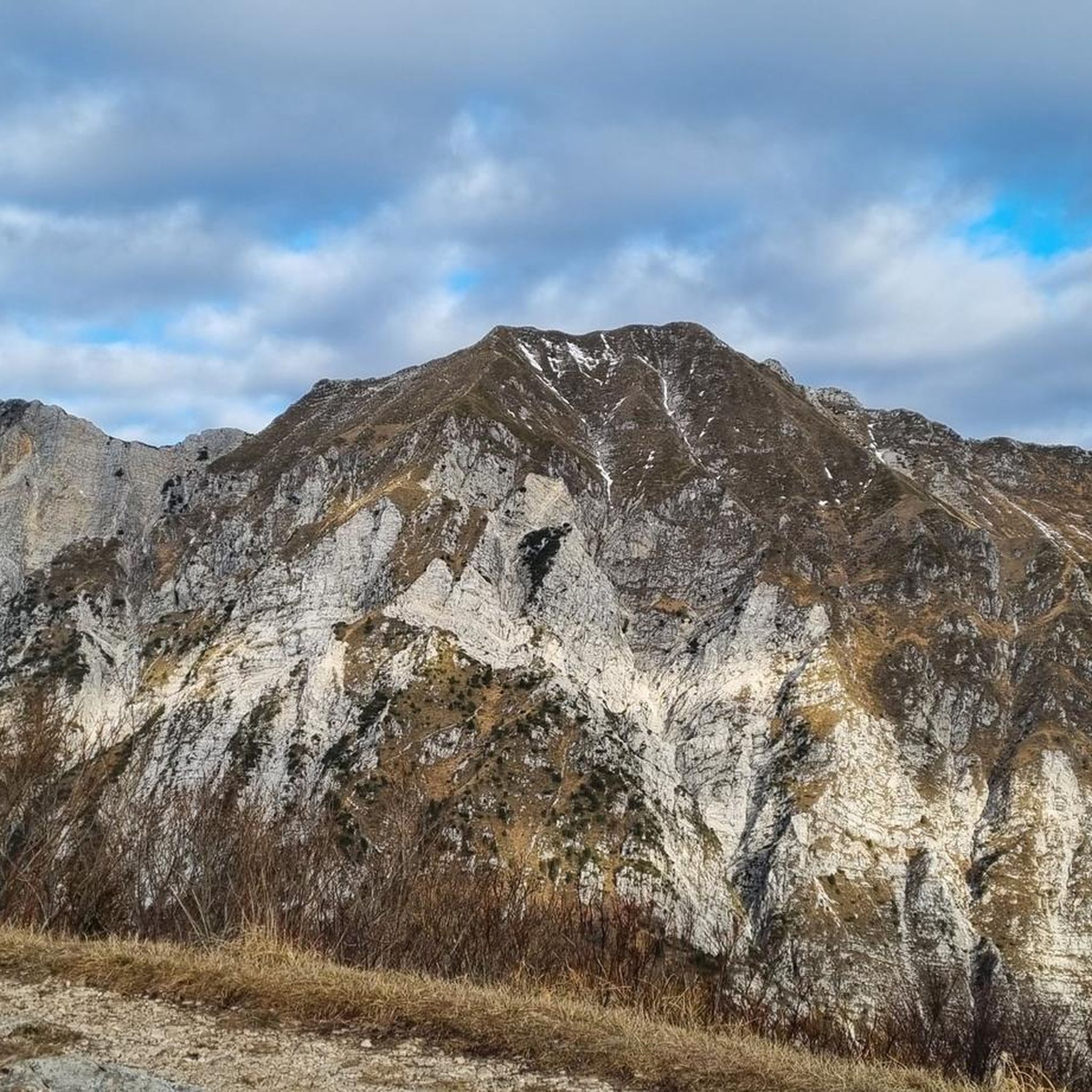
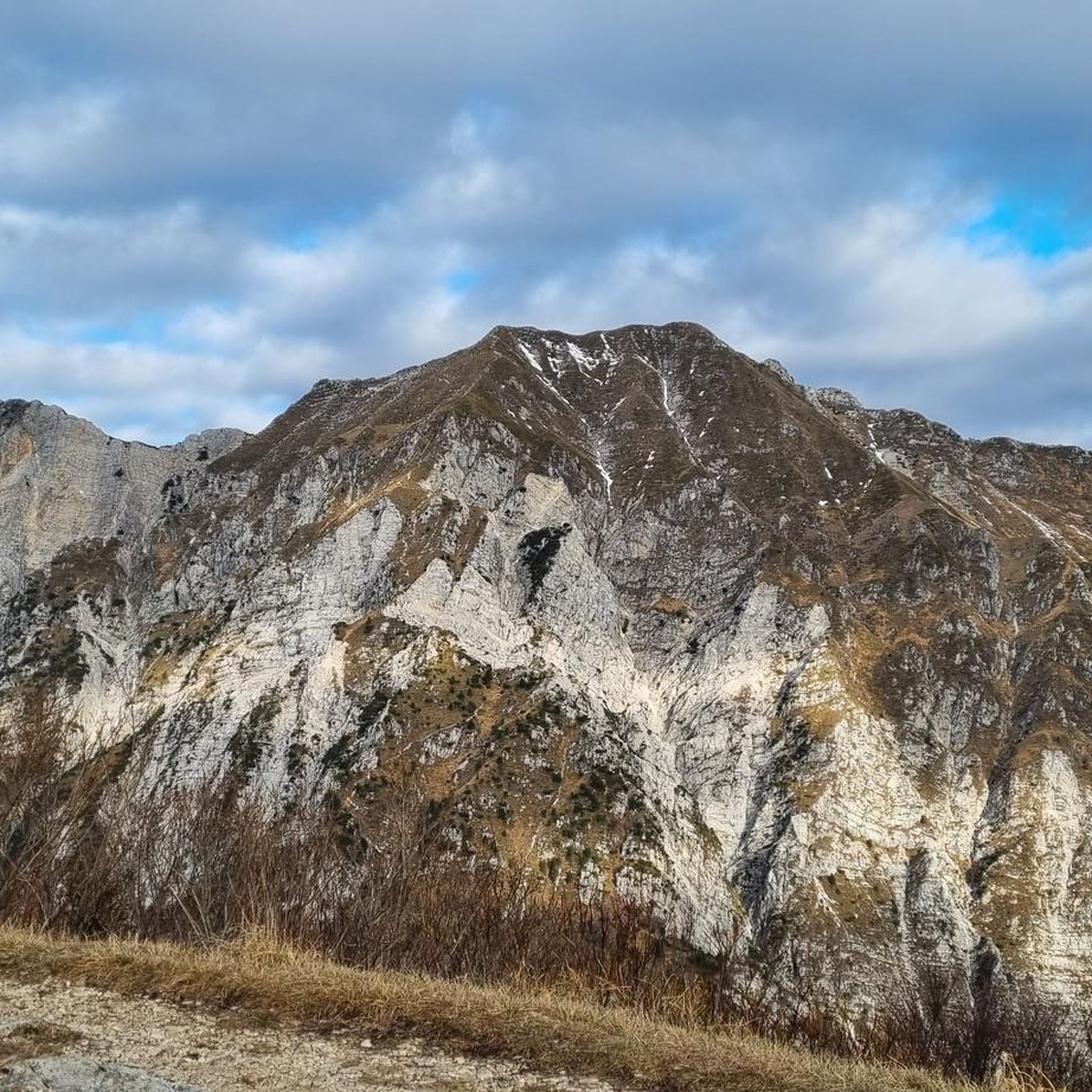
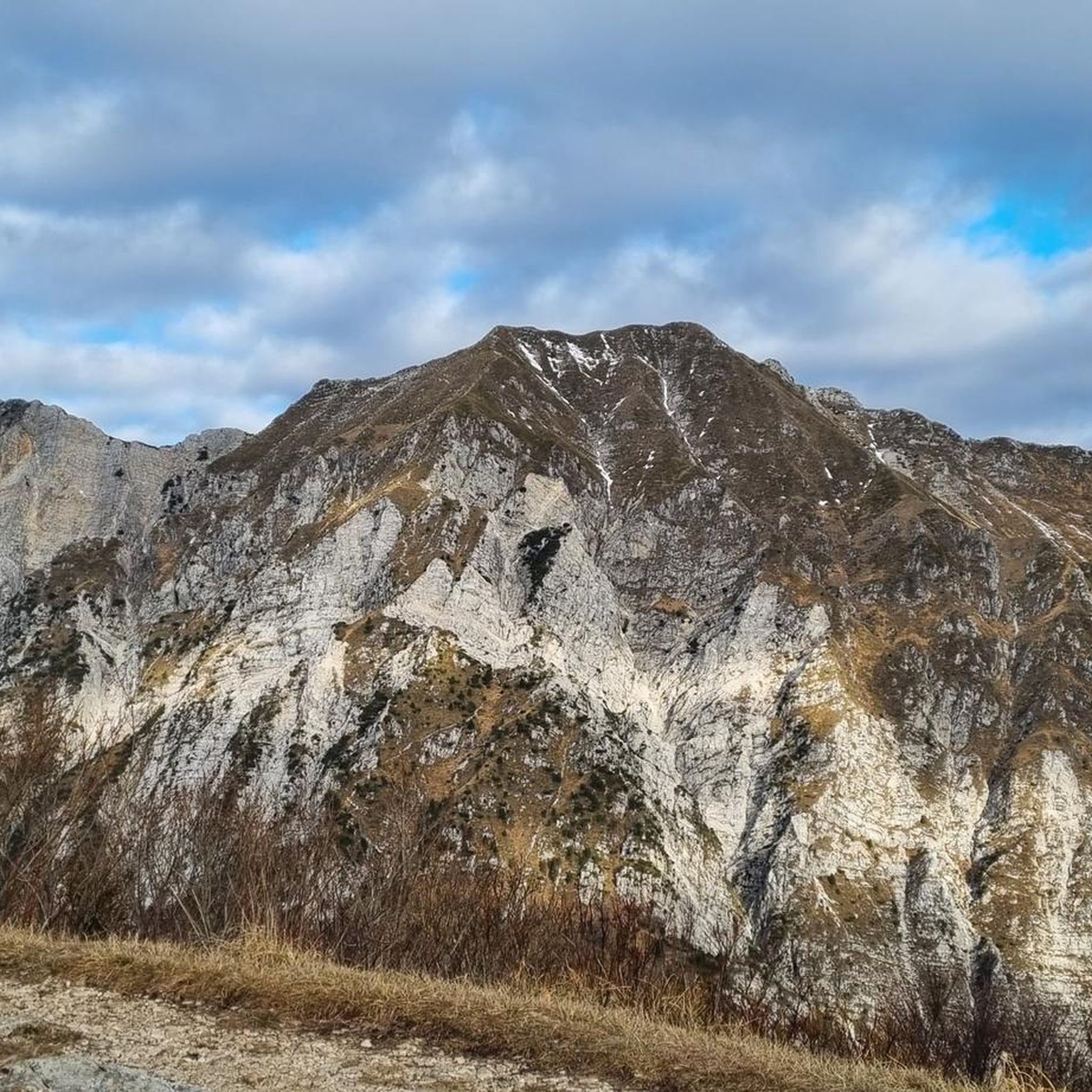
Monte San Simeone, or Mont Sant Simeon in Friulian, is the highest point (1505 m) of a double rock massif at the northernmost foothills of the Friulian plain near Gemona del Friuli. It rises an impressive 1300 m above the plain. This peripheral location means that the ascent offers beautiful views of the plain around Udine, as well as wonderful panoramas over the Tagliamento and the Julian Alps. The mountain massif is surrounded by the Tagliamento to the north and east, and to the west it drops steeply to Lago di Cavazzo. The two halves of the mountain massif are separated by a deep cut. The SP 36 runs over this from Bordano in the east to Interneppo in the west. At the highest point of this road - called Sella di Interneppo - an old, reasonably asphalted or concrete military road branches off to Monte San Simeone. However, it ends at an altitude of 1215 m near the small Chiesa San Simeone. Anyone who wants to go further up towards the summit will probably have to use a mountain bike. For fans of winding routes, this ascent is an absolute must, as there are 24 neatly stacked bends on the east side of the mountain. In some places there is so little space for the road in the steeply sloping walls that the bends had to be led through a total of nine short tunnels. In the area of the forepeak near the small chapel there are another three bends before the concrete track ends in a clearing. In total there are 27 bends to be negotiated. If you add the two bends on the SP 36 - regardless of whether you are coming from Bordano or Interneppo - there are 29 bends for an ascent of around 1000 m, a density that not even the Stelvio Pass can offer. The section of bends runs largely through sparse forest, so there is at least some shade even when the temperature is high.
5
0

Frequently Asked Questions
What are some of the most panoramic mountain peaks around Montenars?
For expansive views, Monte Cuarnan offers 360-degree panoramas stretching across the Friulian plain, the Tagliamento river, and the distant Adriatic Sea. Another excellent choice is Mount Brancot, known for its breathtaking panorama of the Tagliamento valley. Additionally, Monte Stella Summit provides magnificent views of the high Val Torre and the plain, sometimes extending to the sea on clear days.
Are there historical sites or landmarks to discover on the mountain peaks near Montenars?
Yes, several peaks offer historical insights. On Monte Cuarnan, you'll find the Chiesetta del Redentore (Redeemer's Church), a monument with early 20th-century historical significance. The Monte Faeit and Monte Champion ridge features fortifications and cannon positions from around 1909. Mount Brancot includes the ruins of a castle and the unique San Michele dei Pagani church built into a rock face. The Orvenco Stream Educational Trail also passes by historical remnants like an ancient mill and the ruins of Ravistagno Castle.
What are some recommended hiking trails for different skill levels around Montenars?
For a moderately challenging experience, the "Sentiero Naturalistico Monte Faeit" guides hikers through natural, geomorphological, and historical points of interest, often starting from Artegna. The Orvenco Stream Educational Trail is a challenging 7.3-mile route with stunning waterfalls and emerald pools. For more experienced hikers, Monte Chiampon offers a steeper and more challenging ascent with magnificent views. You can find more detailed routes, including moderate and difficult options, in the Hiking around Montenars guide.
Are there any family-friendly hiking options near Montenars?
While many trails require appropriate footwear and physical preparation, shorter, less demanding options exist. For example, a route to Monte Cuarnan from Malga Cuarnan is suitable for different fitness levels. The "Sentiero Naturalistico Monte Faeit" can be adapted for families, especially if focusing on specific sections. Always check the specific trail details for elevation and distance to ensure it matches your family's capabilities.
Can I find challenging day hikes in the Montenars area?
Absolutely. Monte Chiampon (1709m), situated north of Monte Cuarnan, is a more challenging ascent recommended for experienced hikers. The trails to its summit are steeper and offer magnificent views. Additionally, the Orvenco Stream Educational Trail is described as a challenging 7.3-mile route. For mountaineering enthusiasts, routes like "Monte Ruscie – Monte Musi Cima Ovest loop from Tanatcason" are available, as detailed in the Mountain Hikes around Montenars guide.
What natural features can I expect to see on trails around Montenars?
The region is rich in natural beauty. You can expect diverse landscapes, from dense forests to open panoramic ridges. The Orvenco Stream Educational Trail is particularly notable for its stunning waterfalls and emerald pools. Many trails offer views of the winding Tagliamento river and the Friulian plain. The "Sentiero Naturalistico Monte Faeit" highlights natural and geomorphological points of interest, including the picturesque Tulin waterfall.
What is the best time of year to hike the mountain peaks near Montenars?
The cooler seasons are generally recommended for hiking in the Montenars area, especially for more challenging excursions like Mount Brancot, where the vegetation changes with altitude. Spring and autumn offer pleasant temperatures and vibrant scenery, while summer can be hot, making early morning hikes preferable. Always check local weather conditions before heading out.
How can I access the trailheads for mountain peaks around Montenars?
Many trails start directly from Montenars or nearby villages like Artegna. For Monte Cuarnan, routes can begin from Borgo Jouf in Montenars, with a shorter option from Malga Cuarnan. The "Sentiero Naturalistico Monte Faeit" often starts from Artegna. While specific parking details for every trailhead are not provided, Montenars serves as a good starting point for exploring the surrounding peaks.
Are there any unique or 'hidden gem' mountain experiences near Montenars?
The Orvenco Stream Educational Trail offers a unique immersive experience into the local ecosystem and history, with its waterfalls, emerald pools, and historical remnants. While not a peak, it's a significant natural attraction. For a less demanding but equally rewarding experience, Cuc de Cros is a spectacular vantage point on the slopes of Monte Cuarnan, easily reachable from Montenars.
What other outdoor activities can I do near the mountain peaks of Montenars?
Besides hiking and mountaineering, the Montenars area is popular for cycling. Monte Chiastellirs / Roccoli di Montenars is a notable ascent particularly popular among cyclists. Mount Brancot is also known as a hike-and-fly route for paragliding enthusiasts. You can explore various cycling routes, including those around Artegna, in the Cycling around Montenars guide.
Are there any specific regulations or permits needed for hiking in the Montenars mountains?
Generally, hiking in the Julian Pre-Alps around Montenars does not require specific permits for access to trails. However, it's always advisable to respect local regulations, stay on marked paths, and be mindful of private property. For specific protected areas or activities, it's best to check with local tourist information centers or park authorities for any updated requirements.
Where can I find accommodation or places to eat near the mountain peaks of Montenars?
Montenars itself, as a municipality, offers options for accommodation and dining. Nearby towns and villages in the Friuli-Venezia Giulia region will also have various restaurants, cafes, and pubs where you can refuel after your hikes. Look for agriturismi (farm stays) or local trattorias for authentic regional cuisine.
What makes Monte Cuarnan a popular choice for hikers?
Monte Cuarnan (1372m) is highly regarded as one of the most accessible yet panoramic peaks in the Julian Pre-Alps. Its popularity stems from the expansive 360-degree views it offers, encompassing the Friulian plain, the Tagliamento river, and the Adriatic Sea. The presence of the historic Chiesetta del Redentore at its summit adds cultural interest, and various trails, including options from Borgo Jouf or Malga Cuarnan, cater to different fitness levels.
What is the 'Sentiero Naturalistico Monte Faeit' and what does it offer?
The "Sentiero Naturalistico Monte Faeit" (Monte Faeit Naturalistic Trail) is a dedicated path established in 1989 that guides hikers through the natural, geomorphological, and historical points of interest on Monte Faeit and Monte Champion. It offers a moderate hiking experience, often starting from Artegna, and includes highlights like the picturesque Tulin waterfall. Historically, the area also features fortifications from the early 20th century.
Most popular routes around Montenars
Most popular attractions around Montenars

Get inspired with the komoot mobile app


Explore more
See even more amazing summits around Montenars with these guides:
