The best mountain hikes around Dogna
4.8
(59)
740
hikers
18
hikes
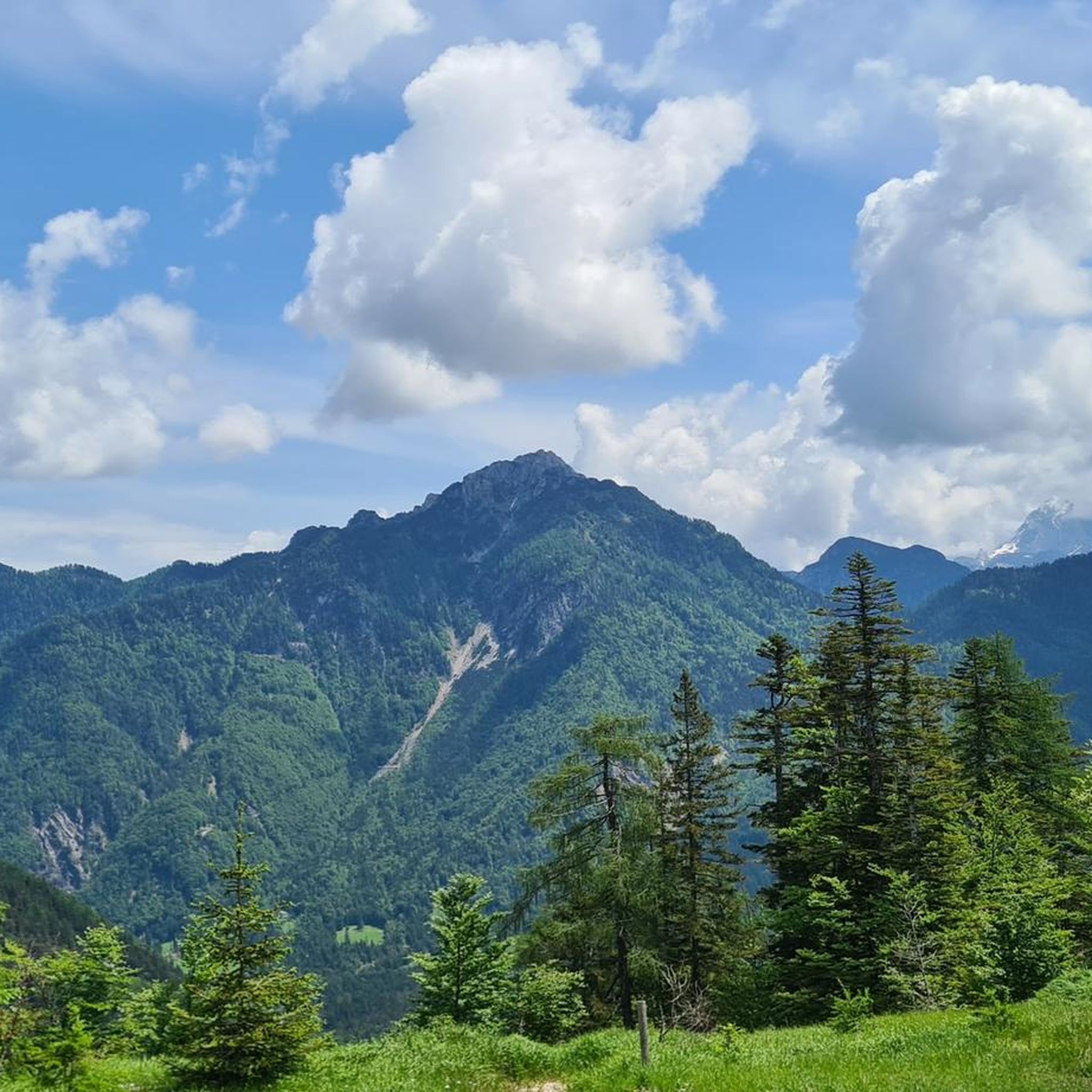
Mountaineering around Dogna, situated in Italy's Julian Alps, offers access to rugged terrain and dramatic landscapes. The region is characterized by towering limestone and dolomite cliffs, deep gorges, and glacial basins, particularly around the Jôf di Montasio and Jof di Dogna peaks. Val Dogna itself is a prominent U-shaped valley, surrounded by pristine larch and fir forests. This area provides a diverse environment for alpine ascents and challenging mountaineering routes.
Best mountaineering routes around Dogna
- The most popular mountaineering route…
Last updated: August 29, 2026
5.0
(10)
136
hikers
11.3km
07:33
1,190m
1,190m
Hard mountaineering route. Very good fitness required. Sure-footedness, sturdy shoes and alpine experience required.
4.6
(8)
114
hikers
9.93km
04:57
860m
860m
Hard mountaineering route. Good fitness required. Sure-footedness, sturdy shoes and alpine experience required.

Sign up for free
5.0
(2)
54
hikers
12.8km
08:38
1,290m
1,290m
Hard mountaineering route. Very good fitness required. Sure-footedness, sturdy shoes and alpine experience required.
4.6
(7)
31
hikers
Hard mountaineering route. Good fitness required. Sure-footedness, sturdy shoes and alpine experience required.
27
hikers
14.1km
07:00
1,330m
1,330m
Hard mountaineering route. Very good fitness required. Sure-footedness, sturdy shoes and alpine experience required.
Get access to more routes and recommendations from other explorers.
Sign up for free
Already have an account?
Our route recommendations are based on thousands of hikes, rides, and runs completed by other people on komoot.
Start today with a free account
Your next adventure awaits.
Login or Signup
Other adventures around Dogna

Tips from the Community

Magnificent 360-degree views from up here. The trail is moderately difficult, but not suitable for beginners. The summit is large enough to comfortably accommodate 15 hikers, but it gets very busy in the summer months, so consider setting off very early in the morning. It's a great place to stop for lunch mid-hike.
0
0

Easily accessible from the Brazza Hut in two hours, the descent is doable in one hour. A very good serpentine route with a gentle gradient. If you want to get up close and personal with the Alpine ibex and marmots, you have to go up here! Pure nature!
0
0


The Rifugio Giacomo di Brazzà is located on the Montasio Plateau, in the Julian Alps. It offers typical Friulian cuisine and overnight accommodation, can be reached from Sella Nevea, and is the starting point for the Sentiero Attrezzato Ceria-Merlone. It is open from mid-June to the end of September, and to check the openings on weekends during the rest of the year, I recommend consulting the refuge page: https://www.facebook.com/rifugiodibrazza/
2
0

…at the summit you can expect good Italian cuisine
2
0
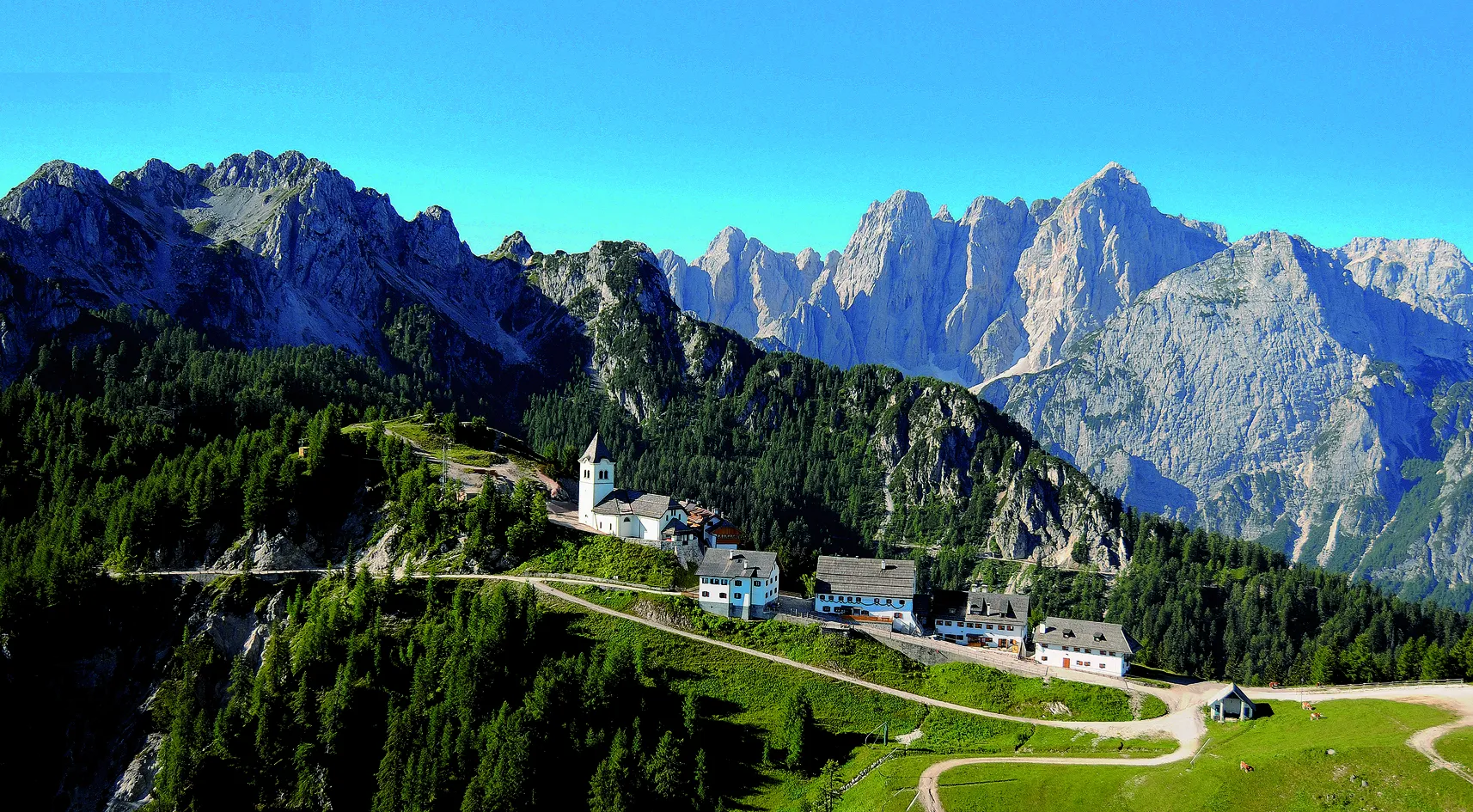
...the penitential path to Monte Lussari is rightly named 👨⚖️! But when you reach your destination, typical Italian cuisine awaits you! 🍷🍝😋
2
0
…a great destination! Very good restaurants await you 😋
3
0
...a mountain with great views! 👀📸
1
0
Frequently Asked Questions
How many mountaineering routes are available around Dogna?
Dogna offers a substantial network for mountaineers, with over 25 challenging routes available. The region is known for its steep and rugged terrain, making it ideal for those seeking demanding alpine ascents.
What kind of terrain can I expect on mountaineering routes in Dogna?
The terrain around Dogna is characterized by the dramatic limestone and dolomite cliffs of the Julian Alps. You'll encounter deep gorges, U-shaped valleys, and extensive larch and fir forests. Routes often involve exposed sections, scrambles, and can be quite demanding, reflecting the alpine nature of the region.
Are there any family-friendly mountaineering options in Dogna?
While many routes in Dogna are rated as difficult, the region does offer a diverse trail network. For families, it's best to look for easier walks through the pristine forests and meadows in the Val Dogna itself, rather than the high alpine mountaineering ascents. Always check the specific route details for elevation gain and technical sections before heading out with children.
Can I bring my dog on the mountaineering trails in Dogna?
Generally, dogs are permitted on trails in the Julian Alps, but it's crucial to keep them on a leash, especially in areas with livestock or protected wildlife. Given the challenging and sometimes exposed nature of mountaineering routes in Dogna, ensure your dog is fit and accustomed to such terrain. Always carry enough water for both you and your pet.
Are there any routes that include historical sites?
Yes, many routes in Dogna incorporate historical World War I sites, offering a unique blend of natural beauty and cultural interest. A notable example is the Jôf di Somdogna WWI Summit Trail (CAI 610), which leads to historical trenches and provides panoramic views. The "Linea dei Plans" is another significant fortified defensive line with military roads, tunnels, and bridges.
What are some notable viewpoints or landmarks I can see along the trails?
The Dogna area boasts spectacular viewpoints. Sella Bieliga (1,480 m) and Sella Somdogna (1,392 m) offer breathtaking vistas of the surrounding Julian Alps. You can also find highlights such as the Monte Lussari Pilgrimage Village and Sanctuary or the Panoramic terrace with “Sky Plate”, which provide stunning perspectives of the mountainous landscape.
Are there any technical or advanced mountaineering routes, such as via ferratas?
Absolutely. Dogna is known for its challenging alpine ascents. The Jôf di Montasio, the second-highest mountain in the Julian Alps, offers multiple climbing routes, including challenging rock climbing and via ferratas. For instance, the Montasio via ferrata ladder – Jôf di Montasio summit loop from Malga Montasio includes the Pipan Ladder, a 60m steel structure requiring ferrata equipment. The Findenegg Couloir route also involves exposed sections.
What is the best time of year for mountaineering in Dogna?
The best time for mountaineering in Dogna is typically from late spring to early autumn (June to September) when the weather is more stable and snow has largely melted from higher elevations. Always check local weather forecasts and trail conditions, as alpine environments can change rapidly. Winter offers ice climbing opportunities for experienced climbers, but requires specialized equipment and expertise.
Are there any circular mountaineering routes in Dogna?
Yes, Dogna offers several excellent circular mountaineering routes. A popular choice is the Cima di Terrarossa loop from Il Cuelat, which provides a challenging and rewarding experience through varied alpine scenery. Another option is the Jôf di Montasio summit – Cima di Terrarossa loop from Il Cuelat, offering extensive views of the high Julian Alps.
Where can I find parking for the mountaineering trailheads?
Specific parking information varies by trailhead. For routes starting from Il Cuelat, you'll typically find designated parking areas. For routes like the Montasio via ferrata ladder – Jôf di Montasio summit loop, parking is available near Malga Montasio. It's always advisable to check the route description on komoot for precise parking details before your trip.
Is public transport available to reach the trailheads in Dogna?
While public transport options might be limited directly to all high-alpine trailheads in Dogna, some regional bus services connect to the main villages in the Val Dogna. For specific trailhead access, a private vehicle is often the most convenient option. Always research local bus schedules in advance if you plan to rely on public transport.
Do I need any special permits for mountaineering in the Dogna area?
Generally, no specific permits are required for hiking and mountaineering on established trails in the Julian Alps around Dogna. However, if you plan to engage in highly technical climbing or access certain protected areas, it's always wise to check with local authorities or mountain guide associations for any specific regulations or requirements that might apply.
What do other mountaineers say about the routes in Dogna?
The mountaineering routes around Dogna are highly rated by the komoot community, with an average score of 4.8 stars from over 70 reviews. Reviewers often praise the dramatic landscapes, the challenging nature of the ascents, and the pristine wilderness of the Julian Alps. Many appreciate the well-marked trails and the rewarding panoramic views from the summits.
Are there any routes that feature water elements like ponds or streams?
Yes, the glacial activity in the Julian Alps has left its mark with several water features. The Somdogna Pond, of glacial origin, is a notable example supporting rich vegetation. Crystal-clear rivers also carve picturesque gorges throughout the region. While not explicitly a 'waterfall route', you'll encounter streams and potentially small cascades along many trails, especially during spring melt.
Most popular attractions around Dogna

Get inspired with the komoot mobile app


Explore more
Browse the best Mountain Hikes & Routes in other regions.
