Attractions and Places To See around Castiglione A Casauria - Top 20
Best attractions and places to see around Castiglione A Casauria include historical landmarks and natural features within the Abruzzo region of Italy. The area is situated within the Gran Sasso e Monti della Laga National Park, offering diverse landscapes. Castiglione A Casauria is known for its medieval village structure and cultural sites. Visitors can explore ancient buildings and natural points of interest.
Best attractions and places to see around Castiglione A Casauria
- The most popular attractions is Lake Capodacqua,…
Last updated: August 16, 2026
San Valentino Martire Church
Highlight • Religious Site
Translated by Google •
Tip by

Capestrano Castle
Highlight • Castle
Translated by Google •
Tip by

Sign up now to discover places like this
Get recommendations on the best single tracks, peaks, & plenty of other exciting outdoor places.
Sign up for free
Church of San Tommaso Becket
Highlight • Religious Site
Translated by Google •
Tip by

Eddy Merckx Monument in Roccamorice
Highlight • Monument
Translated by Google •
Tip by
Lake Capodacqua
Highlight • Lake
Translated by Google •
Tip by

Sign up for free to discover even more attractions around Castiglione A Casauria.
Sign up for free
Already have an account?
Start today with a free account
Your next adventure awaits.
Login or Signup
Tips from the Community

The Piccolomini Castle, which overlooks the town center and today also houses the Town Hall. It is located right on the main square, which is why it is so distinctive in the village's panorama. It is a structure with medieval origins, built on the remains of a previous fortification, of which the central prismatic tower still remains. The current appearance is the result of various interventions by the noble families who owned it over time, particularly the Acquaviva, Piccolomini, and Medici families; the fifteenth-century configuration is generally attributed to 1485, while the interior was restored in 1924.
0
0

The history of the Monument to Eddy Merckx, located in Roccamorice on the ramps leading to the Blockhaus, is a story that inextricably links the Belgian champion to the Maiella massif, celebrating both sporting glory and human generosity. Its roots lie in a day that changed the history of mountains in cycling: the stage of the 1970 Giro d'Italia, the first time the corsa rosa challenged the summit of the Blockhaus. On that occasion, a young Merckx – soon known as the "Cannibal" – achieved an epic feat, leaving all his rivals behind and securing a victory that became legendary. But it was a gesture that followed the victory to cement the community's affection: it is said that Merckx, immediately after the triumph, left the prize money he won to charity. To honor this double legacy, sporting and moral, and in view of the centenary of the Giro d'Italia, the municipality of Roccamorice promoted the initiative for a monument. The work was carried out by the local artisan Fra
1
0
The Cathedral of Saints Valentine and Damian (real name) in San Valentino in Abruzzo Citeriore (PE) is not only the spiritual center of the village, but also a tangible testimony to its millennia-old history. Its roots date back to around the year 1000, when the village, initially known as Castrum Petrae, became the burial place (and subsequent transfer of the bodies) of the Holy Martyrs Valentine and Damian, elevating the site to a pilgrimage destination and decreeing its name change. The current building is the result of a long process of destruction and rebirth, typical of Abruzzo towns. The most crucial moment was the great Maiella earthquake of 1706, which devastated much of the area and necessitated almost complete reconstruction. It was following this earthquake that the church took on its most distinctive character. The interior, in fact, is a magnificent example of sumptuous 18th-century Baroque, the result of restoration work carried out between 1777 and 1791. Here, the wide single nave unfolds beneath a richly decorated barrel vault, punctuated by pilasters with Corinthian capitals, creating an atmosphere of great elegance and sumptuousness. In stark contrast to this interior grace, the exterior boasts a powerful salient façade flanked by twin bell towers. This end block was added only more recently (between 1920 and 1931), designed by architect Antonio Liberi, giving the cathedral the monumental appearance we know today. Guardian of the remains of the patron saints and a symbol of the village's resilience after natural disasters, the cathedral perfectly embodies the faith and history of San Valentino in Abruzzo Citeriore.
0
0

lovely lunch here. you have to book on a Sunday
0
0

Antonio Piccolomini was a lover of military art and the arts in general, he left memories of himself in various places in Abruzzo having been invested as Count, Baron and Marquis...
0
0
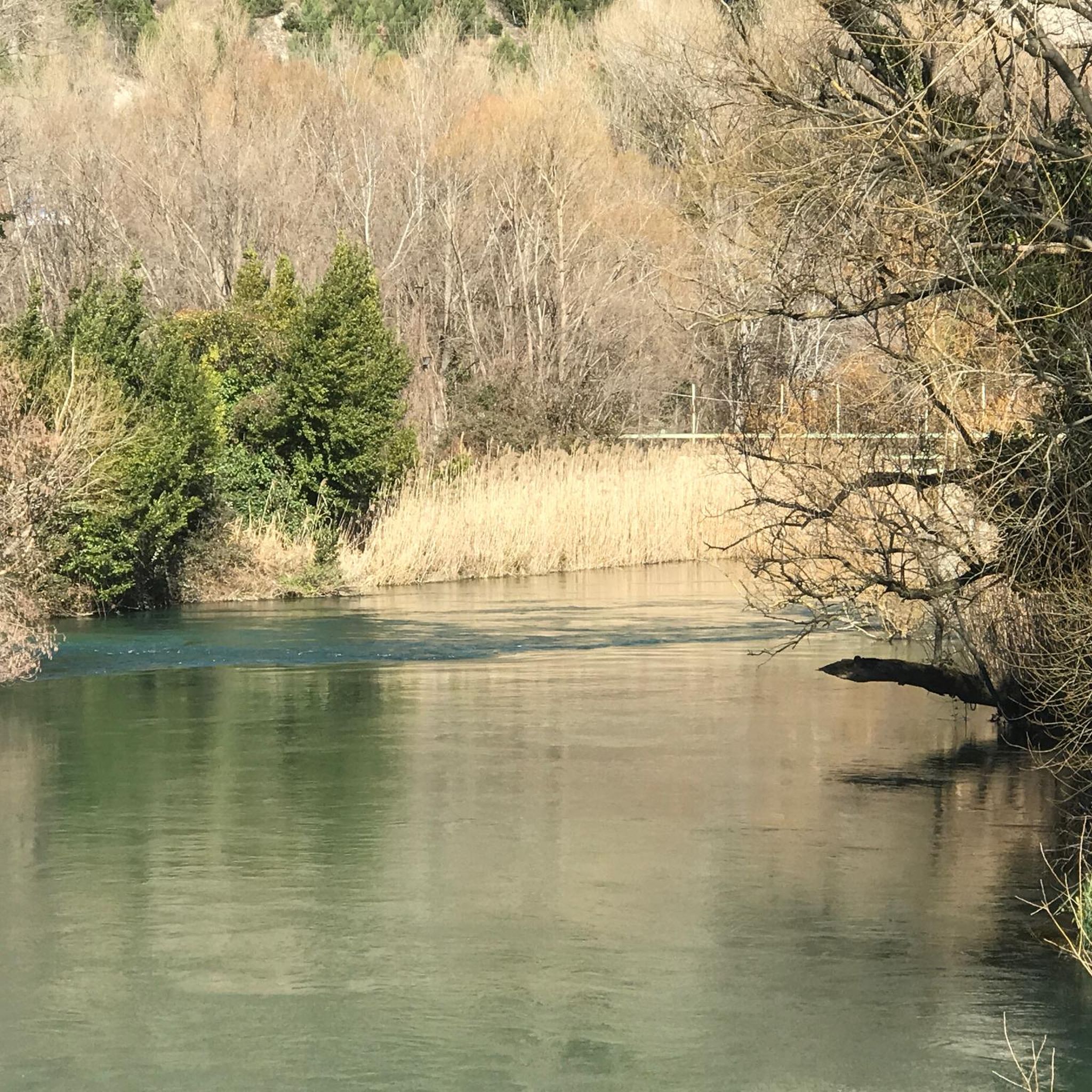
The environmental protection provided by the park prohibits snorkeling and even just bathing, the only activity allowed is the diving organized by the Atlantide diving school, the only holder of the authorizations for guided diving and which manages the lake and guarantees a lower impact on the tranquility of the fauna that comes to winter in the lake during migrations.
0
0
The church of San Tommaso, of the natural pink color of the local stone, is located in the heart of the Majella National Park, in the hamlet of San Tommaso.
0
0
It is one of the gates of the Maiella National Park
0
0
Frequently Asked Questions
What historical and cultural sites can I visit in Castiglione A Casauria?
Castiglione A Casauria is rich in history. You can explore the impressive Abbey of San Clemente a Casauria, a significant medieval monument founded in 871. The village also features the historic Palazzo de Petris-Fraggianni and the ancient fortified town center with its medieval layout. Don't miss the artistic portal of the Ex-Church of St. Francis or the San Valentino Martire Church, which dates back to around the year 1000 and boasts 18th-century Baroque interiors. Another notable religious site is the Church of San Tommaso Becket, known for its Byzantine-influenced sculptures.
Are there natural attractions or scenic viewpoints in the area?
Absolutely. Castiglione A Casauria is nestled within the Gran Sasso e Monti della Laga National Park, offering stunning landscapes. A popular natural feature is Lake Capodacqua, a picturesque artificial lake fed by springs. For expansive views of the Apennine peaks, seek out the various Scenic Viewpoints around the region, such as those near Sale or along the climb to Passo San Leonardo.
What outdoor activities can I do near Castiglione A Casauria?
The region offers diverse outdoor activities, especially within the Gran Sasso e Monti della Laga National Park. You can find numerous routes for cycling, mountain biking, and gravel biking. For specific routes and more details, check out the MTB Trails around Castiglione A Casauria, Cycling around Castiglione A Casauria, and Gravel biking around Castiglione A Casauria guides.
Are there family-friendly attractions or activities in Castiglione A Casauria?
Yes, several attractions are suitable for families. The San Valentino Martire Church and the Church of San Tommaso Becket are both listed as family-friendly historical sites. Natural spots like Lake Capodacqua offer a pleasant environment, and many Scenic Viewpoints are easily accessible for all ages to enjoy the panoramic vistas.
Can I go hiking near Castiglione A Casauria?
While specific hiking trails are not detailed in the immediate vicinity of the attractions, the surrounding Gran Sasso e Monti della Laga National Park provides ample opportunities for hiking. You can find various routes for different skill levels, often offering panoramic views. For detailed routes, consider exploring the cycling and MTB guides, as many paths can be adapted for hiking.
What is the significance of the Abbey of San Clemente a Casauria?
The Abbey of San Clemente a Casauria is a cornerstone of the region's history. Founded in 871 by Emperor Louis II, it is one of the most important medieval monuments in Abruzzo. It showcases remarkable Romanesque Gothic architecture, including an intricately carved portal, an ornate cloister, and an Antiquarium. It also houses significant religious furnishings and a marble reliquary.
Is it possible to swim in Lake Capodacqua?
For environmental protection, swimming in Lake Capodacqua is generally prohibited. However, organized diving is permitted through authorized schools, offering a unique way to experience this natural gem.
What local products or delicacies is Castiglione A Casauria known for?
Castiglione A Casauria is renowned for its culinary traditions. The village is surrounded by ancient vineyards and is a center for the production of Moscatello di Castiglione, a sweet, natural dessert wine made from an ancient Malvasia grape. The area is also known for its traditional donuts, with a festival dedicated to them.
What is the Eddy Merckx Monument in Roccamorice?
The Eddy Merckx Monument in Roccamorice is a statue dedicated to the legendary cyclist Eddy Merckx. It commemorates his victory in the Blockhaus stage of the Giro d'Italia in 1967, marking the first time the race arrived at Blockhaus. It's a significant spot for cycling enthusiasts.
What kind of architecture can I expect to see in the historic town center?
The historic town center of Castiglione A Casauria is an ancient fortified settlement with a distinct medieval character. You'll find narrow cobblestone streets, small palaces, balconies, and intricate stone decorations crafted by local stonemasons. The urban structure retains houses and walls that enclose the fortified historic core, offering a journey back in time.
Are there any art centers in Castiglione A Casauria?
Yes, for those interested in art, the Dedalo Art Center serves as a printmaking center and art gallery within the village, offering a cultural experience beyond historical landmarks.
Most popular routes around Castiglione A Casauria
Most popular attractions around Castiglione A Casauria

Get inspired with the komoot mobile app


Explore more
Still not found the Highlight you’re looking for? See guides of the top attractions in other regions:
