The best road cycling routes around Ponte San Nicolò
4.4
(508)
17,370
riders
328
rides
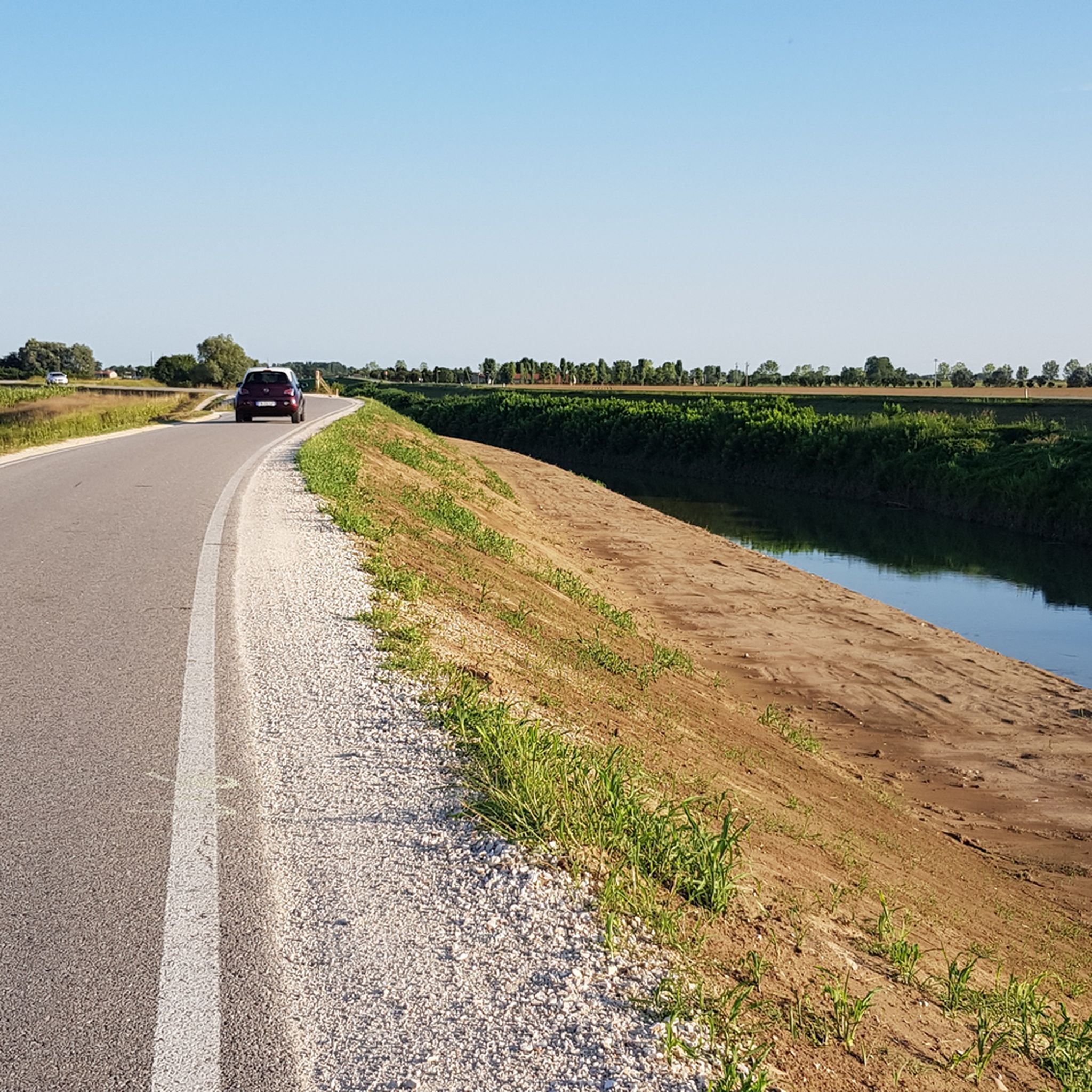
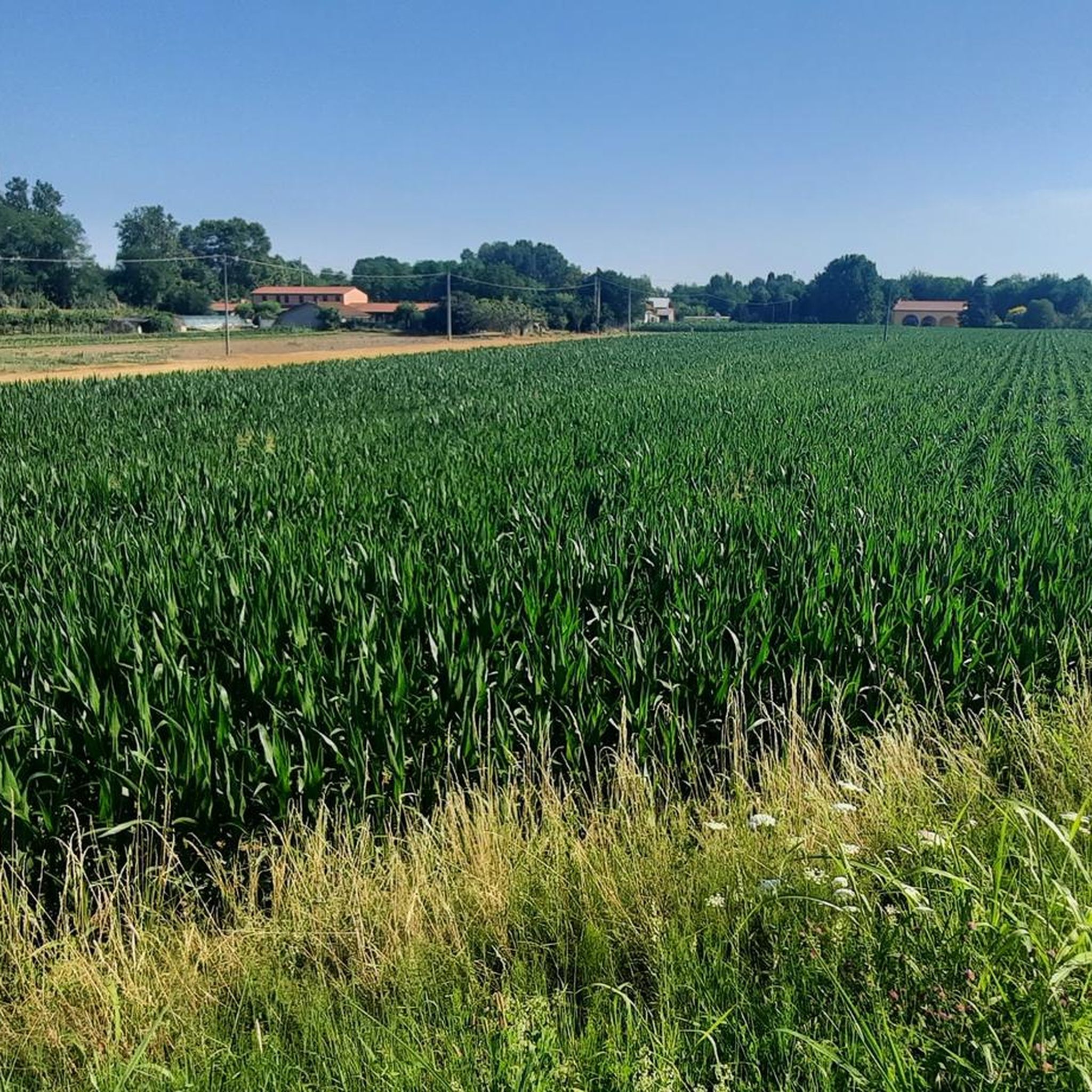
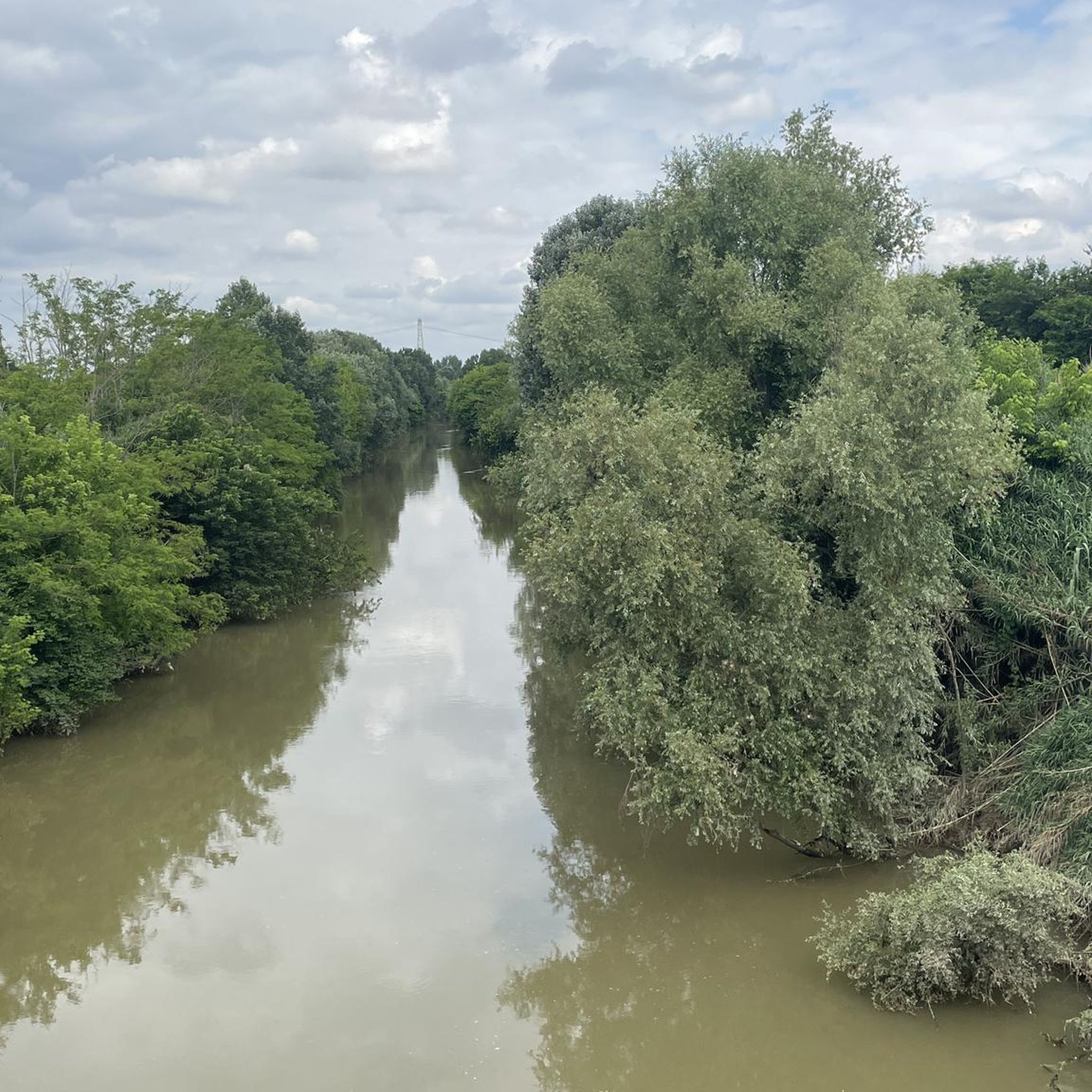
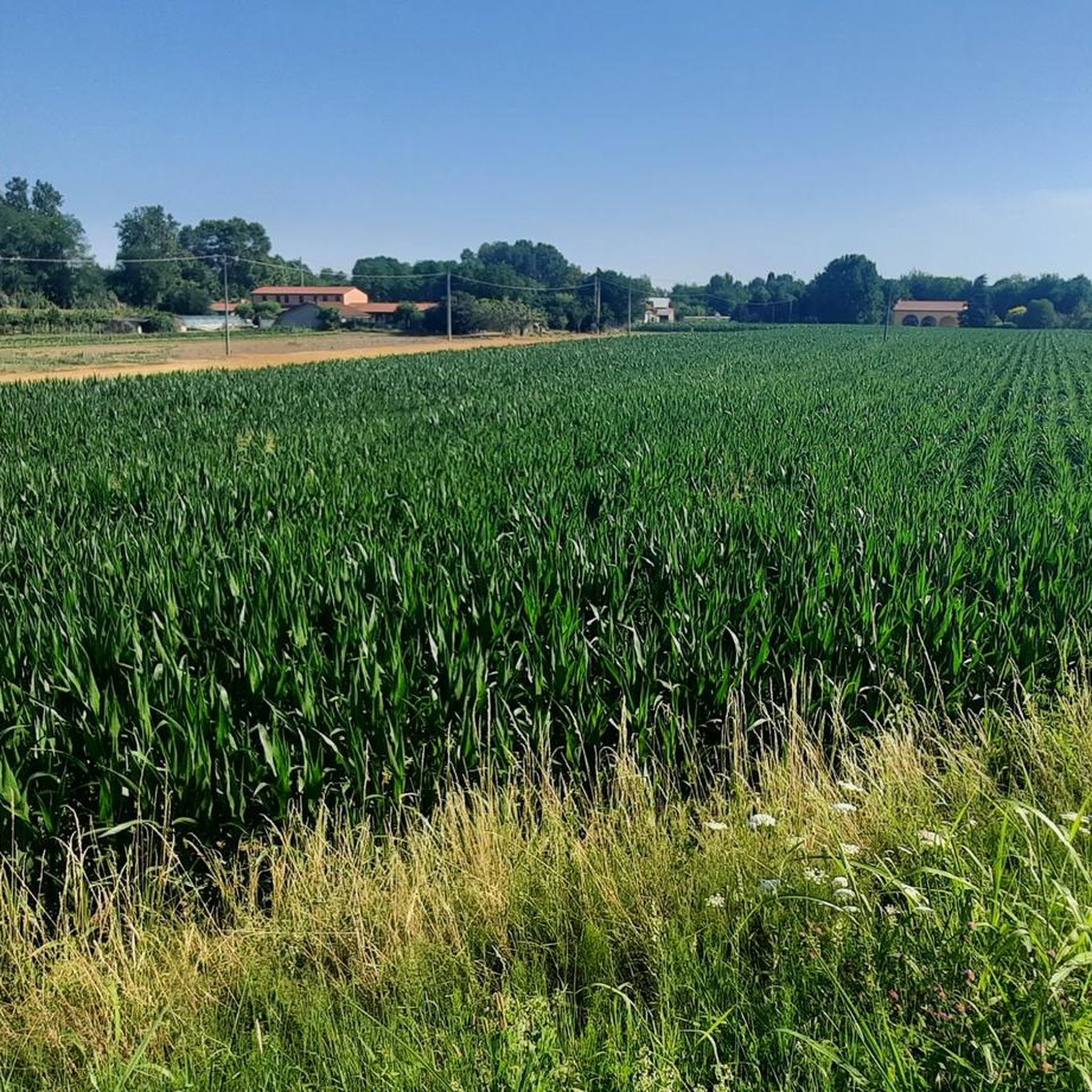
Road cycling around Ponte San Nicolò, located in the Province of Padua, Italy, is characterized by a predominantly flat landscape with an average elevation of 8 meters above sea level. The region features significant natural elements such as the Brenta River and the Roncajette canal, a stretch of the Bacchiglione River, which often define the routes. While generally flat, some routes incorporate minor elevation changes. The area provides access to a network of routes suitable for road cycling.
Best road…
Last updated: May 30, 2026
5.0
(1)
106
riders
Easy road ride. Great for any fitness level. Mostly well-paved surfaces and easy to ride.
4.3
(3)
34
riders
21.0km
00:47
20m
20m
Easy road ride. Great for any fitness level. Mostly well-paved surfaces and easy to ride.

Sign up for free
27
riders
21.2km
00:55
40m
40m
Easy road ride. Great for any fitness level. Mostly well-paved surfaces and easy to ride.
11
riders
Moderate road ride. Great for any fitness level. Some segments of this route may be unpaved and difficult to ride.
11
riders
77.6km
03:09
260m
260m
Moderate road ride. Good fitness required. Mostly well-paved surfaces and easy to ride.
Get access to more routes and recommendations from other explorers.
Sign up for free
Already have an account?
Our route recommendations are based on thousands of hikes, rides, and runs completed by other people on komoot.
Start today with a free account
Your next adventure awaits.
Login or Signup

Tips from the Community

It is a 15th-century building in the Venetian Gothic style. The palace is located in the center of the village
0
0

Located on viale Italia in Bovolenta, the Monument to the Fallen is a work of great emotional impact created by sculptor Rocco Mozzato and inaugurated in 1923. The sculptural group in Carrara marble and trachyte depicts the Motherland as a woman holding up a laurel wreath, flanked by a victorious soldier with a flag and a child symbolizing the future and rebirth. Unlike many contemporary works, it does not list individual names but celebrates the collective sacrifice of the soldiers from Bovolenta in the Great War through patriotic inscriptions. Since 2003, the site has also hosted a plaque in memory of Giorgio Perlasca, adding a further layer of civic and historical value to the place.
0
0

Tugboat Pavia
0
0

Basilica of Saint Anthony of Padua / Basilica of Saint Anthony, Padua The Basilica of Saint Anthony, known as "the Saint," is the city's most important religious center and attracts thousands of pilgrims every year, especially on June 13, the saint's feast day. The basilica was built in 1232 to protect the tomb of the Franciscan friar Anthony, who died in Padua in 1231. The large building presents a complex structure with a fusion of styles: Romanesque elements in the façade, Gothic elements in the ambulatory, Byzantine elements in the eight domes covered with lead, and Moorish elements in two tiers. The Church of Saint Anthony holds numerous reminders of the Carrara Signoria. In 1350, Cardinal Guido de Boulogne came to the cathedral to acknowledge the saint's miracle and was greeted by Jacopo II da Carrara and Bishop Hildebrand. Members of the Carraresi family, such as the Lupi di Soragna and the Conti, chose the basilica as the site for their own mausoleums. The Chapel of the Black Madonna now stands on the site of the earlier church, dedicated to Santa Maria, Mother of the Lord. The polychrome Madonna is by Rinaldino di Francia and dates from 1396. Rinaldino is also likely the artist of the shield bearing the portrait of Stefano da Carrara, now in the city museums. A funerary monument to Raffaele Fulgioso, a renowned jurist from the University of Padua, is located to the left of the chapel. The Chapel of Blessed Luca reveals even closer ties to the Carraresi family: it was built between 1380 and 1382 by Naimerio and Manfredino Conti, executing the will of Fina Buzzaccarini. They commissioned Giusto de'Menabuoi, a painter from the Carraresi court, to create the frescoes. The stories of Saints Philip and James, arranged on the chapel walls, reveal a surprising new sense of spaciousness. In the center, within the lunette, are portraits of the patrons: Saint Anthony, Blessed Luke, Saint Francis, and Saint Louis of Toulouse, as they are presented to the Virgin. Text / Source: Turismo Padova https://www.padua.info/de/padua/was-zu-sehen-ist/details/basilica-di-santantonio
15
0

It's beautiful but it makes a mess when you ride a bike through it.
0
0

Ancient water mill located in the village of Pontemanco in the Due Carrare area.
1
0

A real eye-catcher at Christmas time! Almost life-sized nativity figures on several boats. And the scene is also movable with Christmas carols to sing along to!
1
0

The best thing about this place is ultra-original name. Even Caffe Commercio across the road can't beat it.
0
0
Frequently Asked Questions
How many road cycling routes are available around Ponte San Nicolò?
There are over 320 road cycling routes available around Ponte San Nicolò, catering to various skill levels. You'll find a wide selection, with more than 90 routes rated as easy and over 200 as moderate.
What is the typical terrain like for road cycling in the Ponte San Nicolò area?
The terrain around Ponte San Nicolò is predominantly flat, with an average elevation of 8 meters above sea level. Routes often follow river embankments and canals, offering smooth rides. While generally flat, some routes may include minor elevation changes, particularly those venturing towards the Euganean Hills.
Are there road cycling routes suitable for beginners or families in Ponte San Nicolò?
Yes, many routes are ideal for beginners and families due to the flat landscape. For example, the Wandering loop from Legnaro is an easy 13.0-mile (21.0 km) trail through agricultural areas. Another great option is the Wandering – Pontelongo loop from Legnaro, an easy 23.3-mile (37.5 km) path that traverses flat terrain alongside canals.
What kind of natural features can I expect to see while cycling near Ponte San Nicolò?
You'll frequently encounter the Brenta River and the Roncajette canal, a stretch of the Bacchiglione River, which define many routes. The area is characterized by agricultural fields and waterways. The Horse Trail (Brenta River Trail), for instance, offers scenic rides through vegetation and under tree cover along the Brenta River.
What are some notable landmarks or attractions along road cycling routes in the region?
Many routes offer access to cultural and historical sites. You could cycle towards Padua's historical center to see attractions like Piazza dei Signori or the Basilica of Saint Anthony. Closer to the routes, you might pass by the impressive Villa Pisani in Stra, known as the 'queen of Venetian villas', or the Villa Giovannelli Colonna.
Are there any circular road cycling routes available?
Yes, many of the road cycling routes around Ponte San Nicolò are designed as loops, allowing you to start and end at the same point. Examples include the popular Roncaglia-Bovolenta Embankment – Bovolenta Town Center loop from Voltabarozzo and the Prato della Valle loop from Legnaro.
What is the best time of year for road cycling in Ponte San Nicolò?
The region is generally pleasant for cycling for much of the year. Spring and autumn offer mild temperatures and beautiful scenery, making them ideal. Summer can be warm, but the flat terrain and riverine paths can still be enjoyable, especially in the mornings or late afternoons.
What do other road cyclists enjoy most about cycling in Ponte San Nicolò?
The area is highly rated by the komoot community, with an average score of 4.4 stars from over 500 reviews. Cyclists often praise the flat, well-maintained routes along rivers and canals, the ease of access to historical towns, and the overall peacefulness of the agricultural landscapes.
Are there any more challenging road cycling routes for experienced riders?
While much of the area is flat, more experienced riders can find routes that incorporate greater distances or venture towards the nearby Euganean Hills for more elevation. An example of a moderate route is the Praglia Abbey – Villa–Teolo Scenic Climb loop from Legnaro, which includes over 230 meters of elevation gain.
Can I find places to eat or get refreshments along the cycling routes?
Yes, many routes pass through or near small towns and villages where you can find cafes, restaurants, and shops to refuel. The region's strong cycling culture means amenities are generally accessible, especially in larger centers like Padua or towns along the Brenta Riviera.
Is parking available for cyclists at trailheads in Ponte San Nicolò?
Parking is generally available in and around Ponte San Nicolò, particularly in town centers or near popular starting points for routes. Many local communities are accustomed to cyclists, so you can often find suitable spots to park your vehicle before heading out on your ride.
Are there any specific trails that offer good viewpoints?
While the landscape is largely flat, routes along the Brenta River and its canals offer picturesque views of the waterways and surrounding countryside. Cycling towards the Euganean Hills, even on the flatter approaches, can provide broader vistas of the Veneto plain.
Most popular routes around Ponte San Nicolò
Most popular attractions around Ponte San Nicolò

Get inspired with the komoot mobile app


Explore more
Browse the best Road cycling routes in other regions.
