Top 20 Castles around Tscherms - Cermes
Best castles around Tscherms - Cermes are located in South Tyrol, Italy, a region known for its historical architecture and scenic landscapes. The area features a mix of medieval and Renaissance castles, often set amidst vineyards and offering views of the Etsch Valley. These historical sites provide insight into centuries of regional history and architectural evolution. The castles are integrated into the natural environment, making them accessible for exploration.
Best castles around Tscherms - Cermes
- The most popular castles is…
Last updated: June 24, 2026
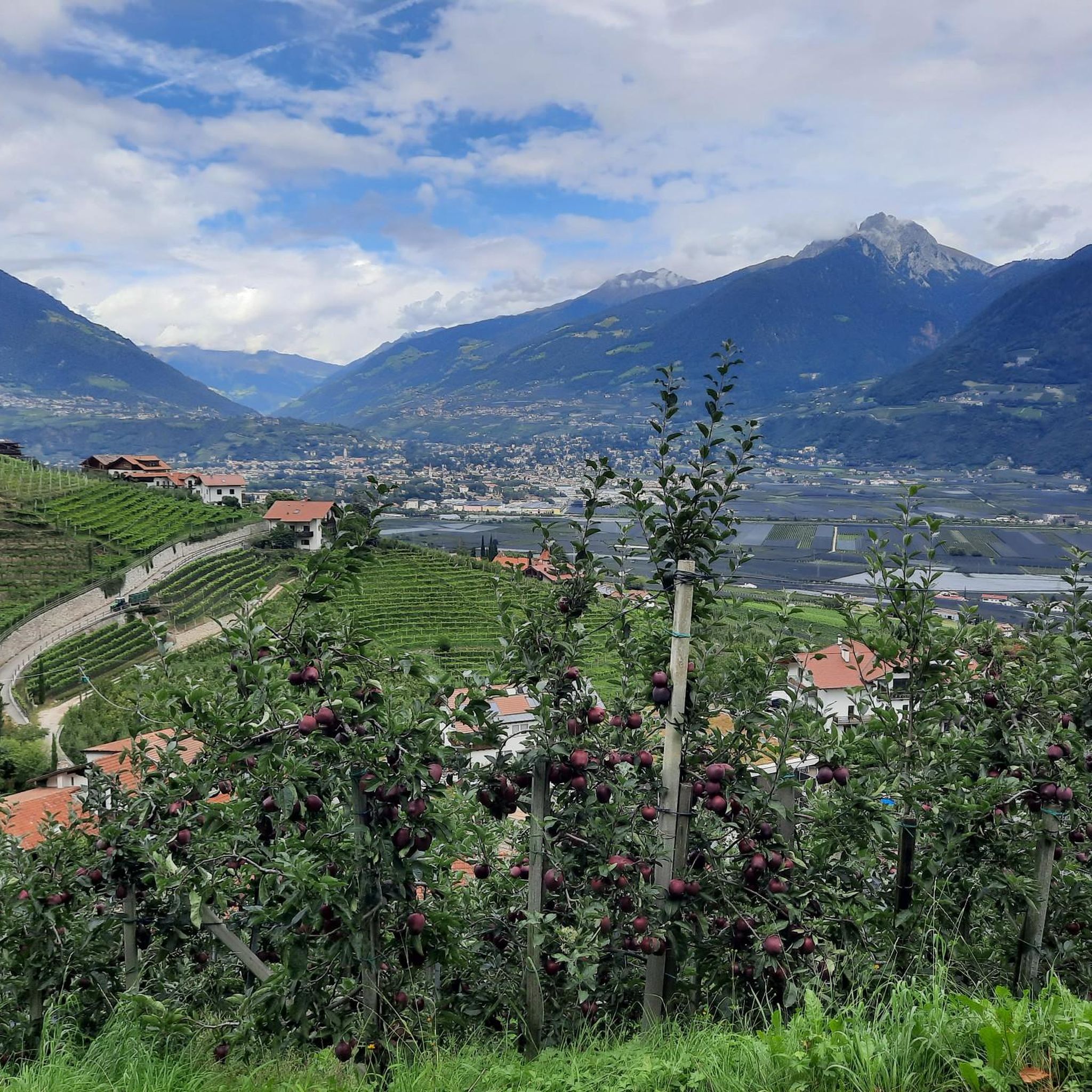
View of Schloss Tirol, Brunnenburg and vineyards from Dorf Tirol
Highlight • Viewpoint
to the Brunnenburg.
Welcome to Tirol Castle, the residential castle of the Counts of Tyrol. The castle gave the state of …
Translated by Google •
Tip by

View of Tirolo Castle
Highlight • Viewpoint
Translated by Google •
Tip by

Sign up now to discover places like this
Get recommendations on the best single tracks, peaks, & plenty of other exciting outdoor places.
Sign up for free
Brunnenburg Castle
Highlight • Castle
Translated by Google •
Tip by
Schenna Village
Highlight • Settlement
There is, among other things, a tourist office with a very competent advice around
the holidays.
Address: Erzherzog-Johann-Platz, …
Translated by Google •
Tip by

Tyrol Castle (Schloss Tirol)
Highlight • Castle
Translated by Google •
Tip by

Sign up for free to discover even more castles around Tscherms - Cermes.
Sign up for free
Already have an account?
Start today with a free account
Your next adventure awaits.
Login or Signup
Popular around Tscherms - Cermes
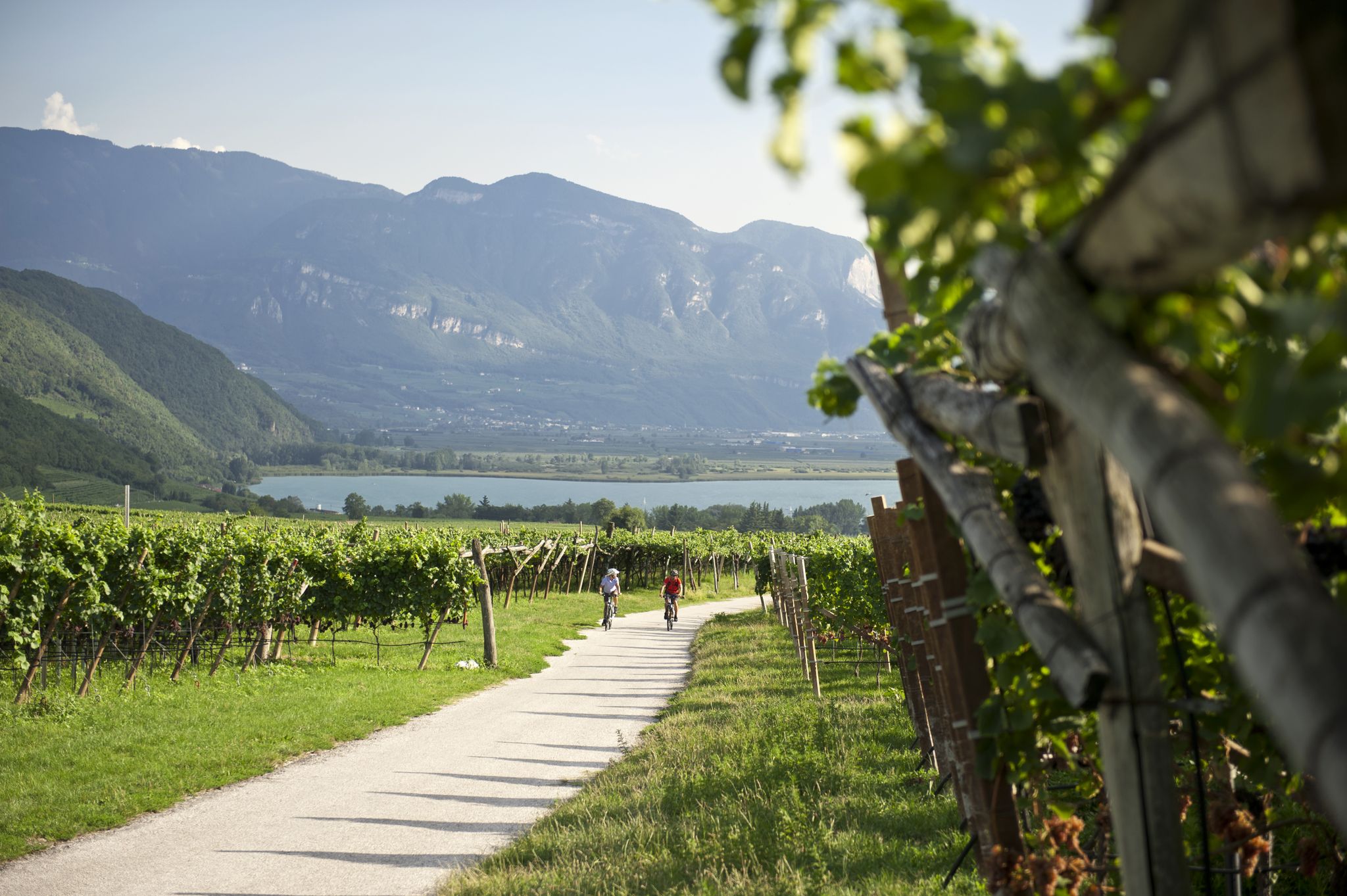
Road cycling through the vineyards of Alto Adige
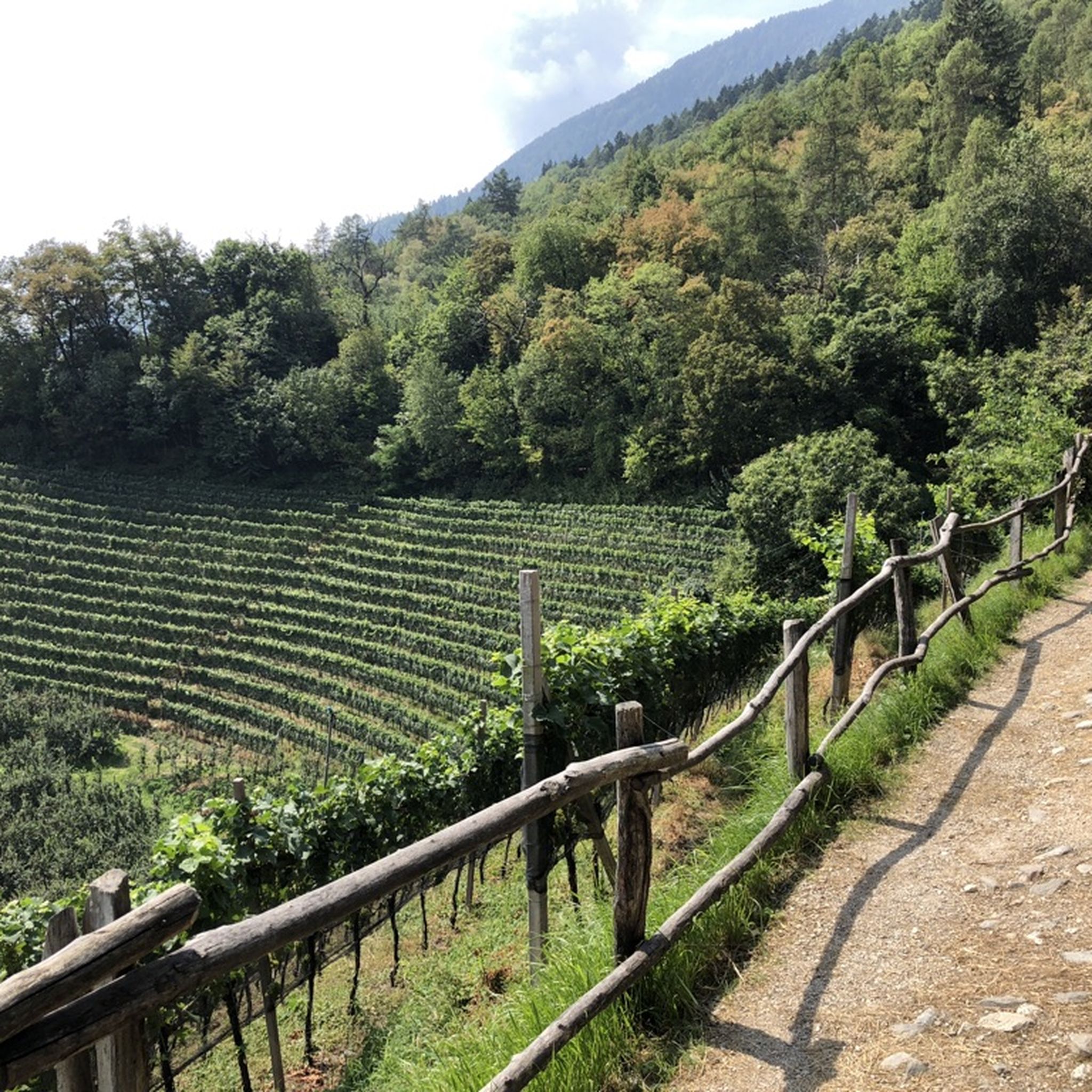
Hiking around Tscherms - Cermes
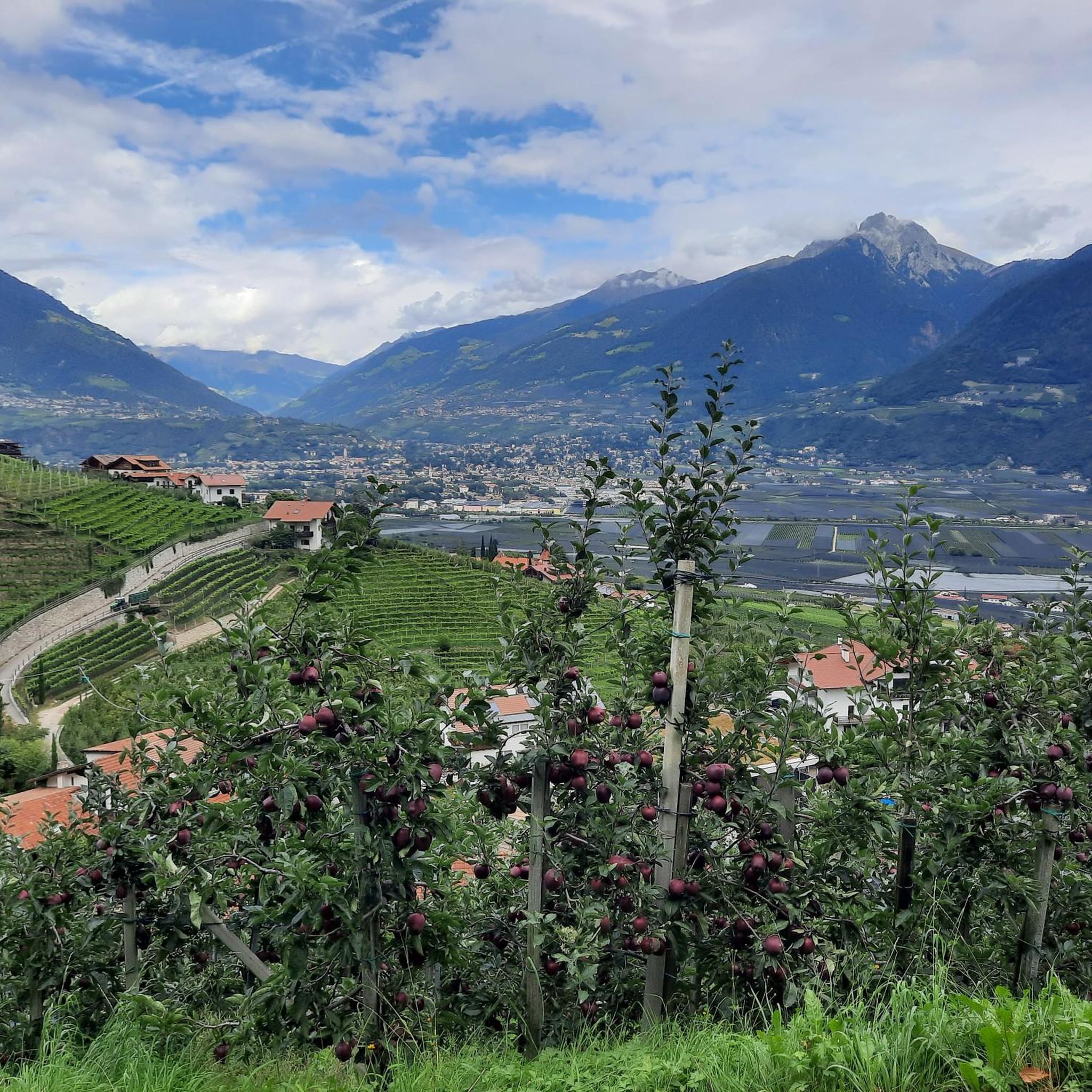
MTB Trails around Tscherms - Cermes
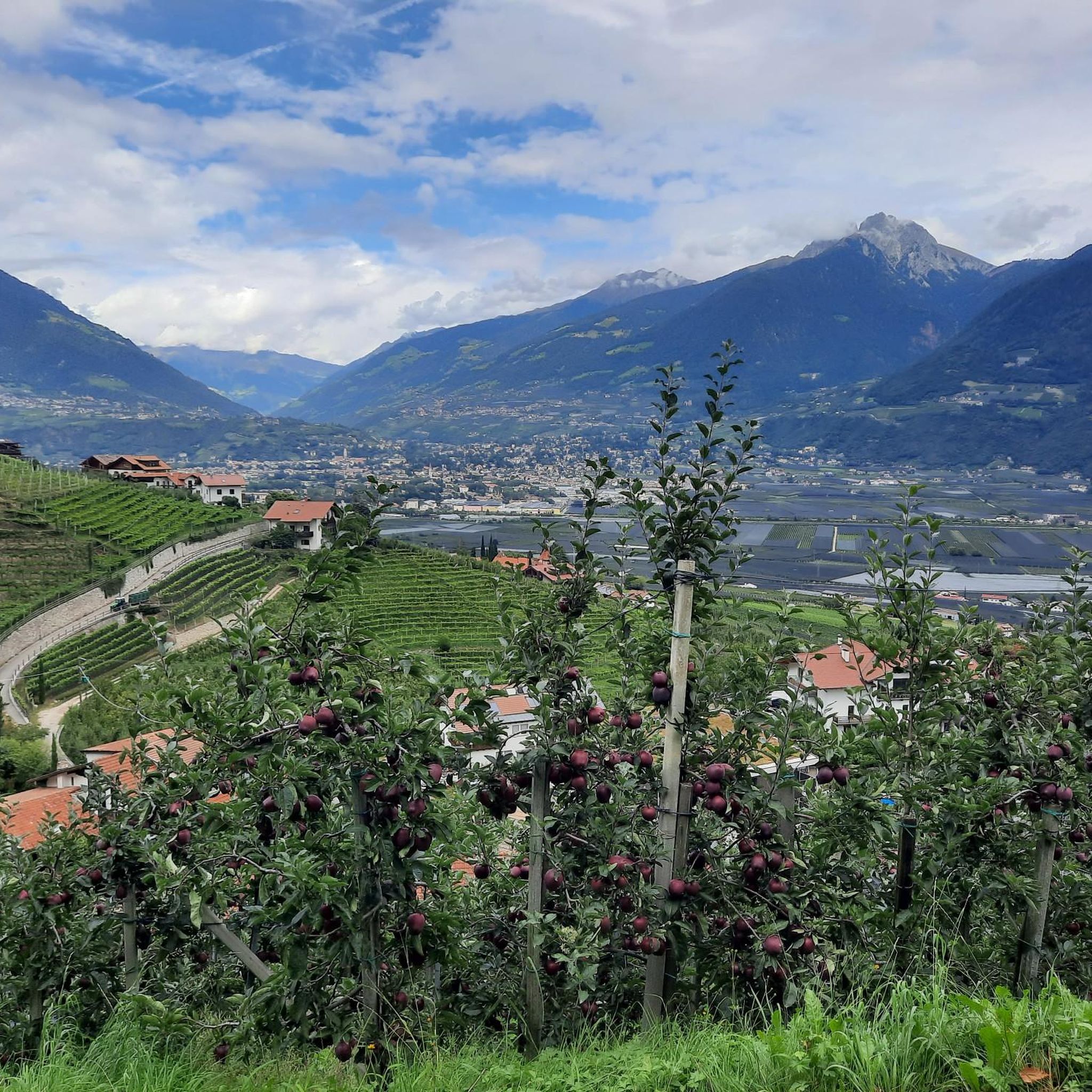
Cycling around Tscherms - Cermes
Road Cycling Routes around Tscherms - Cermes

Gravel biking around Tscherms - Cermes
Running Trails around Tscherms - Cermes

Mountain Hikes around Tscherms - Cermes
Other adventures around Tscherms - Cermes

Tips from the Community

In 1903 he sold the castle to the entrepreneur Karl Schwickert from Pforzheim, who had it rebuilt. After his death in 1927, the castle fell into disrepair again until the de Rachewiltz family took up residence there and over time turned the castle into a center for cultural encounters. The American poet Ezra Pound completed his life's work, the Cantos, here from 1958 to 1962. Source: https://www.brunnenburg.net/de/willkommen-auf-der-brunnenburg/sagengeschichte/
13
0
The Brunneburg was built in 1250 by Wilhelm Tarant on a glacial rubble cone below Tyrol Castle. In 1356 the princely administrator of the Bishopric of Trent, Heinrich von Bopfingen, acquired it; he was pastor of Tyrol, envoy of Ludwig of Brandenburg and until 1359 also governor of Tyrol. In 1421 it was acquired by Ulrich Putsch, chaplain of Duke Frederick with his empty pockets, who later became a patron of art and science as Bishop of Brixen. In 1457 the castle came into the possession of Hans Kripp. It belonged to this Hall family for three and a half centuries. In 1705, Gregor Hofer built a house with a barn and gate at the foot of the castle rock using the “high wall tips” that still existed from the ruins. In 1884 the Brunnenburggut came into the hands of the mayor of Dorf Tirol, Michael Sonnenburger. Source:https://www.brunnenburg.net/de/willkommen-auf-der-brunnenburg/sagengeschichte/
13
0
Here you can see the Tyrol Castle as well to the Brunnenburg. Welcome to Tirol Castle, the residential castle of the Counts of Tyrol. The castle gave the state of Tyrol its name. Aspects of the country's history and rulership are combined here in a clear way. From the outer bailey of Tyrol Castle you have an impressive view of the Etsch Valley and the Vinschgau. Here you will feel like you have been transported back to a distant time when the Counts of Tyrol were the masters of this area. Source: https://www.schlosstirol.it/
15
0
In 1903 he sold the castle to the entrepreneur Karl Schwickert from Pforzheim, who had it rebuilt. After his death in 1927, the castle fell into disrepair again until the de Rachewiltz family took up residence there and over time turned the castle into a center for cultural encounters. The American poet Ezra Pound completed his life's work, the Cantos, here from 1958 to 1962. Source: https://www.brunnenburg.net/de/willkommen-auf-der-brunnenburg/sagengeschichte/
8
0
The Brunneburg was built in 1250 by Wilhelm Tarant on a glacial rubble cone below Tyrol Castle. In 1356 the princely administrator of the Bishopric of Trent, Heinrich von Bopfingen, acquired it; he was pastor of Tyrol, envoy of Ludwig of Brandenburg and until 1359 also governor of Tyrol. In 1421 it was acquired by Ulrich Putsch, chaplain of Duke Frederick with his empty pockets, who later became a patron of art and science as Bishop of Brixen. In 1457 the castle came into the possession of Hans Kripp. It belonged to this Hall family for three and a half centuries. In 1705, Gregor Hofer built a house with a barn and gate at the foot of the castle rock using the “high wall tips” that still existed from the ruins. In 1884 the Brunnenburggut came into the hands of the mayor of Dorf Tirol, Michael Sonnenburger. Source: https://www.brunnenburg.net/de/willkommen-auf-der-brunnenburg/sagengeschichte/
11
0

Wilhelm Tarant built the Brunnenburg around 1250 on a glacial rubble cone below Schloss Tirol. It got its name from the nearby spring. The castle, which fell into ruin over the centuries, was reborn at the beginning of the 20th century, and this is how the visitor encounters it today. The former residence of the American poet Ezra Pound (1885 to 1972) now houses the agricultural museum, which gives an insight into the life of South Tyrolean farmers and mountain farmers and into old trades.
3
0
Schenna is an Italian municipality with 2916 inhabitants in South Tyrol. It is about three kilometers north-east of Meran and about 25 kilometers north-west of Bozen, just opposite Dord Tirol. Worth seeing is the castle and the church with the mausoleum. From here you can hike wonderfully to Meran.
9
0

Must have been. Magnificent views as far as the eye can see
6
0
Frequently Asked Questions
What are some of the most historically significant castles in the Tscherms - Cermes area?
The region boasts several castles with rich histories. Tyrol Castle (Schloss Tirol) is the ancestral seat of the Counts of Tyrol and now a museum detailing South Tyrolean history. Brunnenburg Castle, built in 1250, later became a center for cultural encounters and an agricultural museum. Beyond these, Lebenberg Castle, a 13th-century fortress, showcases architectural evolution from the Middle Ages to Rococo, while Fahlburg Castle is a stunning example of Renaissance architecture, significant for its role in Tyrolean history writing.
Are there any castles that offer guided tours or public access?
Yes, several castles offer public access or guided tours. Lebenberg Castle, though privately owned, provides guided tours allowing visitors to explore its furnished interiors and Rococo gardens. Fahlburg Castle, still owned by the von Brandis family, also offers guided tours upon request and parts of it are accessible to the public. Tyrol Castle (Schloss Tirol) operates as a museum, welcoming visitors to its complex.
Which castles are particularly family-friendly?
Many castles in the area are considered family-friendly. Tyrol Castle (Schloss Tirol) is well-preserved and easy to walk, offering engaging historical exhibits. Brunnenburg Castle, with its agricultural museum, can also be an interesting visit for families. Additionally, the View of Schloss Tirol, Brunnenburg and vineyards from Dorf Tirol is a great spot for families to enjoy panoramic views.
What kind of views can I expect from the castles or nearby viewpoints?
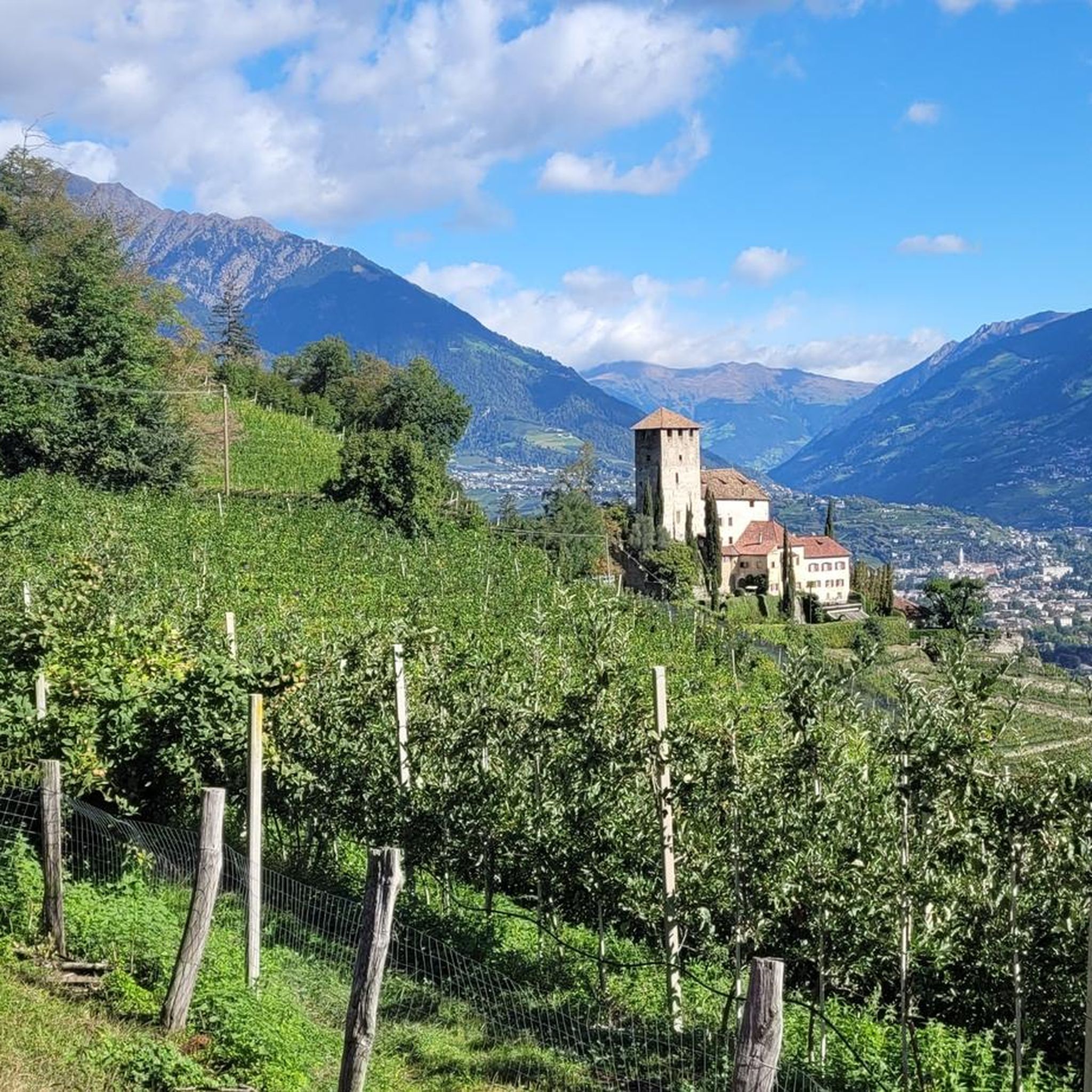
The castles and surrounding viewpoints offer spectacular vistas. From View of Tirolo Castle, you get panoramic views of the Meraner valley and Tyrol Castle. The outer bailey of Tyrol Castle (Schloss Tirol) itself provides an impressive view of the Etsch Valley and Vinschgau. Lebenberg Castle, perched high above Tscherms, offers distant views of its 24-meter-high keep against vineyard slopes.
Are there opportunities for outdoor activities like cycling or mountain biking near the castles?
Yes, the region around Tscherms - Cermes is excellent for outdoor activities. You can find numerous routes for cycling and mountain biking. For gravel biking, explore routes like the Naturnser Alm loop. Cycling enthusiasts can enjoy easy routes such as the View of Trauttmansdorff Castle – Via Gries, Lana town center loop. Mountain bikers have options like the View of Merano Valley – Lebenberg Castle loop. You can find more details on these activities in the Cycling around Tscherms - Cermes, Gravel biking around Tscherms - Cermes, and MTB Trails around Tscherms - Cermes guides.
What is the best time of year to visit the castles in Tscherms - Cermes?
The region's castles are generally enjoyable throughout the warmer months, from spring to autumn, when the weather is pleasant for exploring and the surrounding vineyards are lush. Some castles may have seasonal opening hours, so it's always best to check in advance. Winter visits can offer a different, quieter experience, though some facilities might be closed.
What do visitors enjoy most about the castles around Tscherms - Cermes?
Visitors frequently praise the impressive panoramic views, the well-preserved historical architecture, and the sense of stepping back in time. The blend of medieval and Renaissance structures set amidst scenic landscapes, often with views of the Etsch Valley, is highly appreciated. The komoot community has shared over 600 photos and given more than 3000 upvotes, highlighting the visual appeal and historical depth of these sites.
Are there any castles that are particularly known for their architecture or unique features?
Lebenberg Castle is renowned for its architectural journey from the 13th century through Rococo, featuring a hall of mirrors, a Gothic chapel, and a Napoleonic Hall. Fahlburg Castle stands out as one of South Tyrol's most beautiful Renaissance castles, preserving original paneling, masonry heaters, and ceiling paintings. Tyrol Castle (Schloss Tirol) is noted for its well-maintained complex and impressive outdoor and defense facilities.
Can I find cafes or restaurants near the castles?
Yes, several castles and nearby villages offer dining options. Tyrol Castle (Schloss Tirol) has a cafe and restaurant on-site. The village of Schenna, with its own castle, also boasts many restaurants. You'll often find cafes and eateries in the towns and villages surrounding the castles, perfect for a break during your explorations.
How long should I plan for a visit to a castle?
The duration of a visit can vary depending on the castle and your interest. For a comprehensive tour of a larger castle like Lebenberg or Tyrol Castle (Schloss Tirol), which functions as a museum, you might want to allocate 2-3 hours. Smaller castles or viewpoints might only require 1-1.5 hours. If you plan to combine a castle visit with a walk or a meal, extend your time accordingly.
Are there any circular walks that include castles?
While specific circular walks directly encompassing multiple castles might require some planning, many routes in the area offer views of castles or pass by them. For instance, the View of Schloss Tirol, Brunnenburg and vineyards from Dorf Tirol is part of a scenic area ideal for walks that offer glimpses of both Tyrol Castle and Brunnenburg Castle. You can explore various hiking and walking routes in the region through guides like Castles around Tscherms - Cermes to find paths that suit your preferences.
What kind of natural features can I see around the castles?
The castles are nestled in a region rich with natural beauty. You'll often find them surrounded by lush vineyards, offering picturesque views of the Etsch Valley and the surrounding mountains. Many castles are perched on hills, providing excellent vantage points over the landscape. The area is characterized by its scenic blend of historical architecture and alpine-Mediterranean nature.
Most popular routes around Tscherms - Cermes
Most popular attractions around Tscherms - Cermes

Get inspired with the komoot mobile app


Explore more
Looking for the best castles somewhere else? Discover other guides around Tscherms - Cermes:
