Top 11 Castles around Urtijëi - St. Ulrich In Gröden - Ortisei
Castles around Urtijëi - St. Ulrich In Gröden - Ortisei are situated within the Val Gardena valley, a region known for its Dolomites hiking and skiing. This area combines a picturesque village atmosphere with a rich historical past. The valley's strategic location has led to the construction of various fortifications over centuries. These historical sites offer insights into the region's medieval heritage and cultural development.
Best castles around Urtijëi - St. Ulrich In Gröden - Ortisei
- The most popular castles…
Last updated: July 1, 2026
Ruins of Castelvecchio (Salegg Castle)
Highlight • Castle
Hidden under a thick rock is a small area with seating (for children) and a thick book with short stories and legends from the area to read aloud.
Translated by Google •
Tip by

Ruins of Wolkenstein Castle
Highlight • Castle
Translated by Google •
Tip by

Sign up now to discover places like this
Get recommendations on the best single tracks, peaks, & plenty of other exciting outdoor places.
Sign up for free
Salegg Castle Ruins
Highlight • Castle
Translated by Google •
Tip by

Fischburg Castle (Ciastel de Gherdëina)
Highlight • Castle
Showing Translation
Tip by

Trostburg Castle
Highlight • Castle
Translated by Google •
Tip by

Sign up for free to discover even more castles around Urtijëi - St. Ulrich In Gröden - Ortisei.
Sign up for free
Already have an account?
Start today with a free account
Your next adventure awaits.
Login or Signup
Popular around Urtijëi - St. Ulrich In Gröden - Ortisei
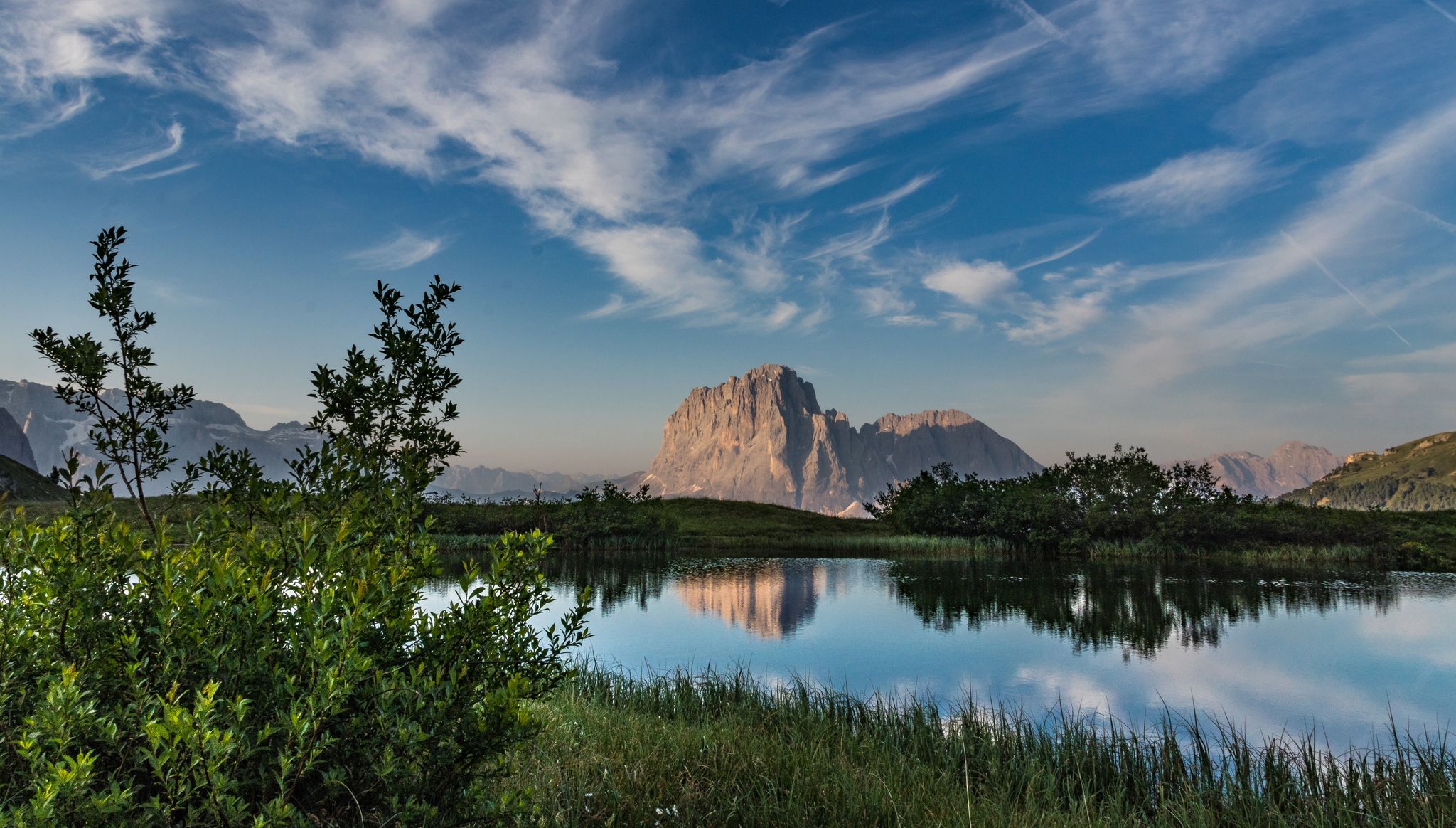
Secret Dolomites - beautiful spring in Val Gardena
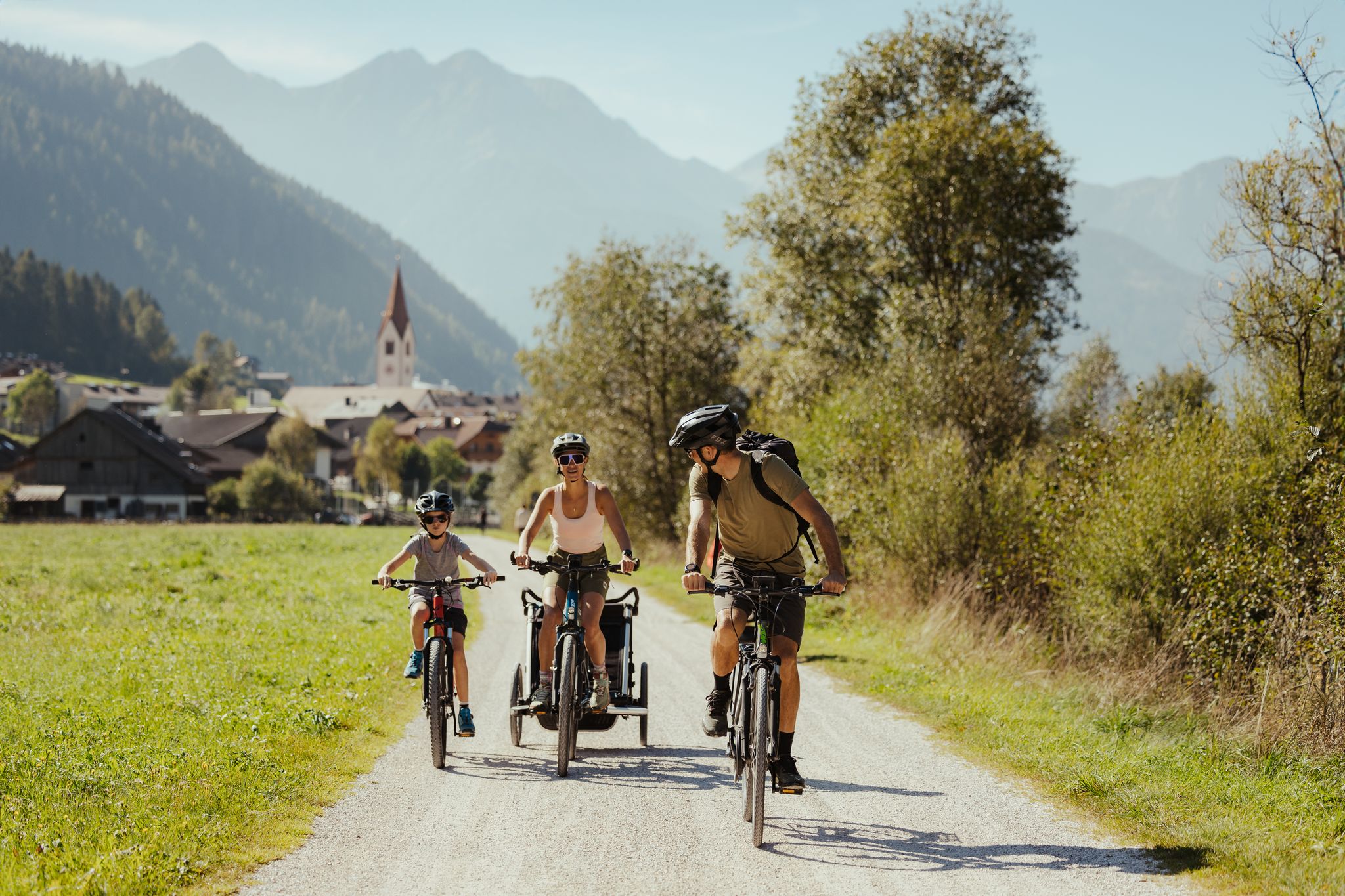
Great food, great fun and action – varied family cycling in South Tyrol
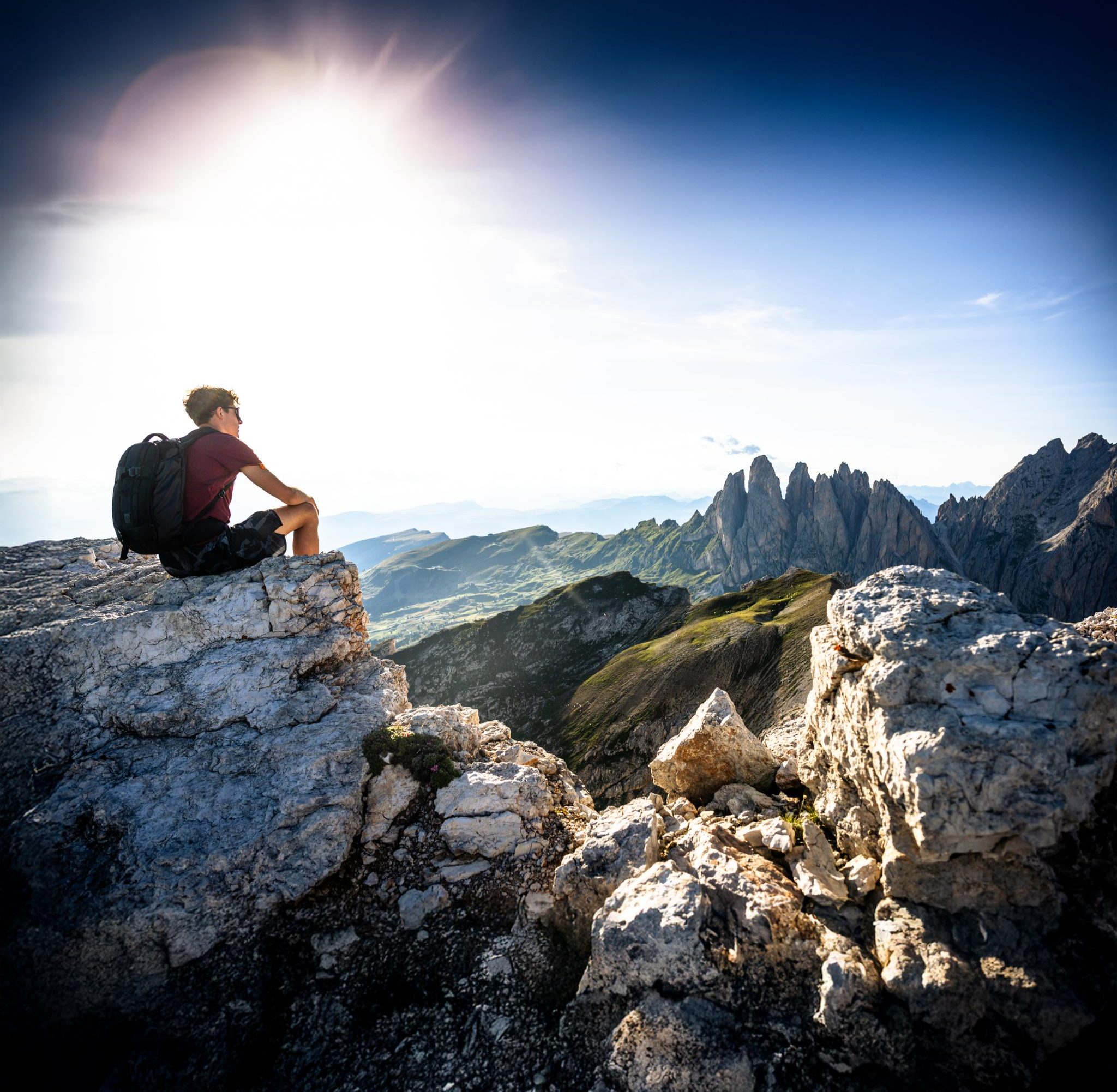
Secret Dolomites – spring hiking in Val Gardena
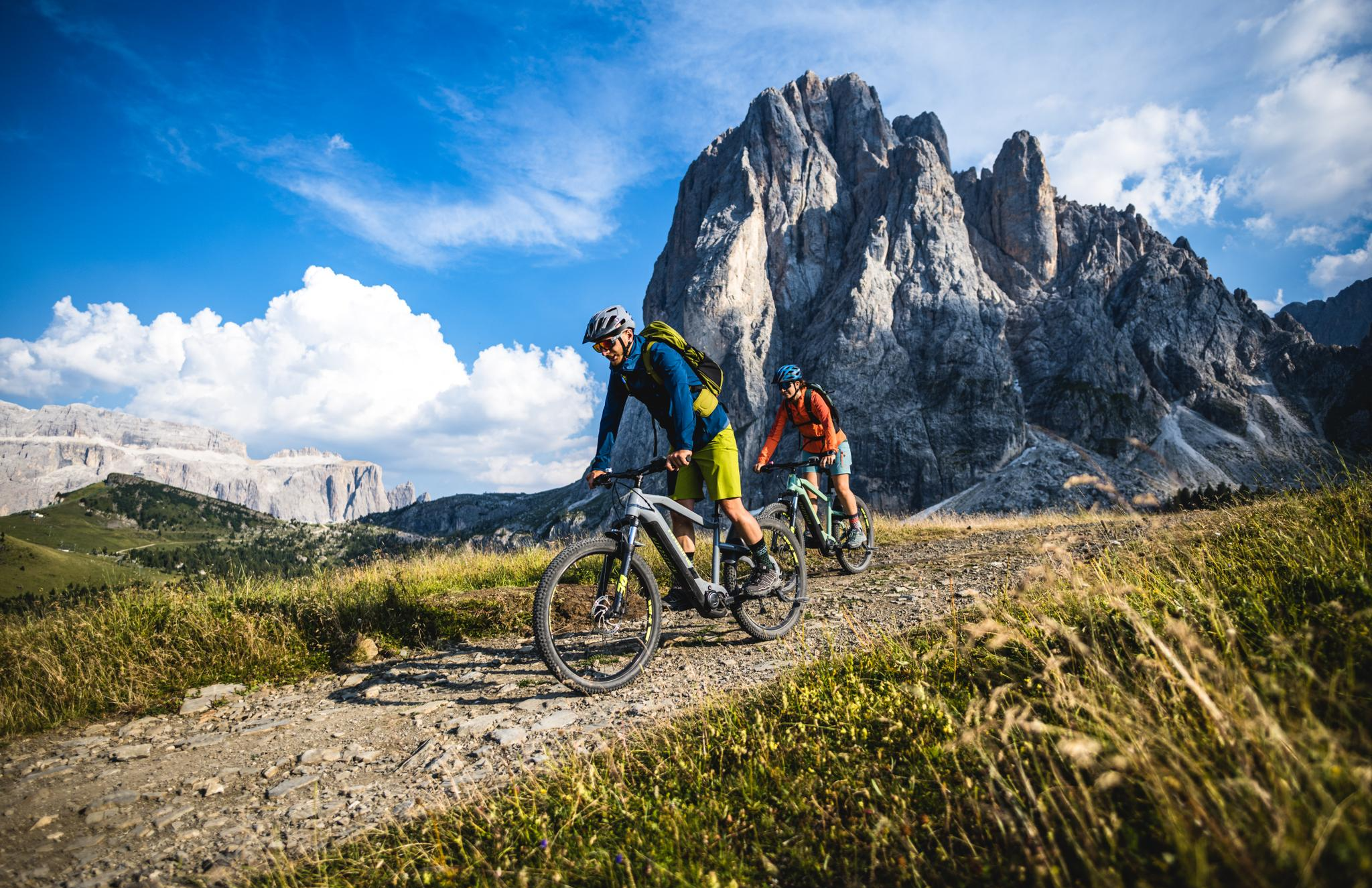
Secret Dolomites – spring cycling in Val Gardena
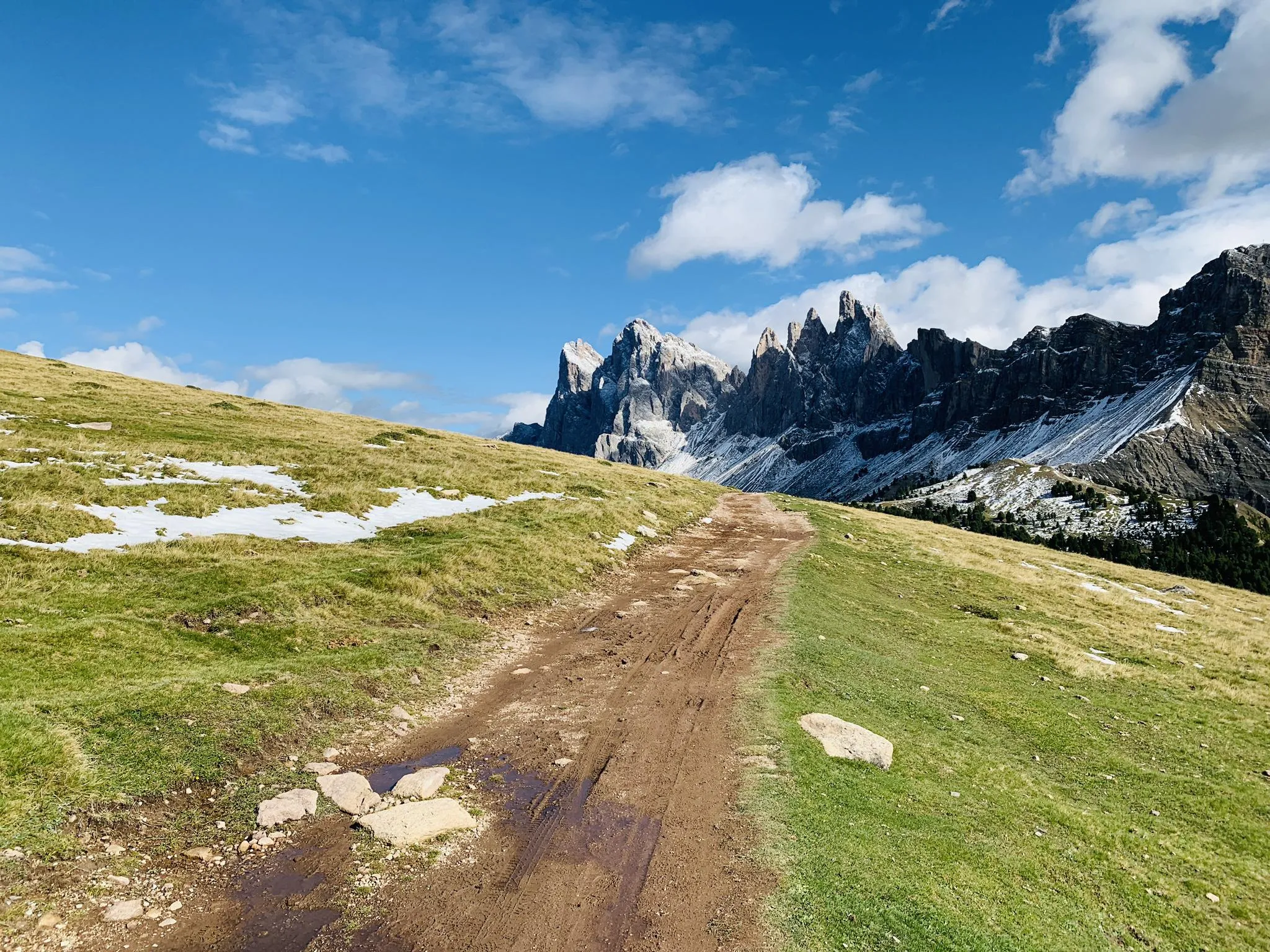
Between gorges and peaks – Dolomites UNESCO Geotrail
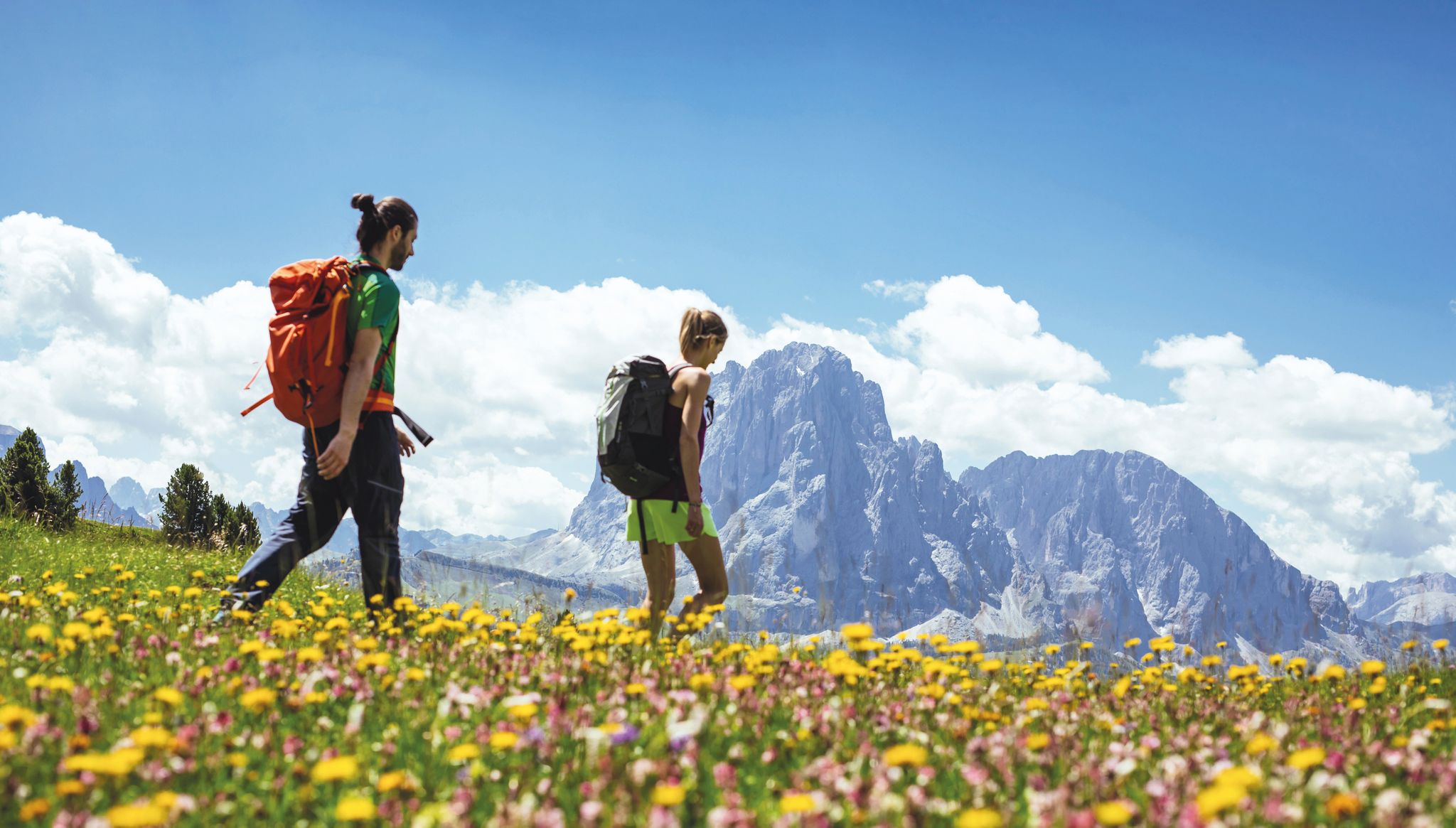
Hiking in Val Gardena – Dolomites
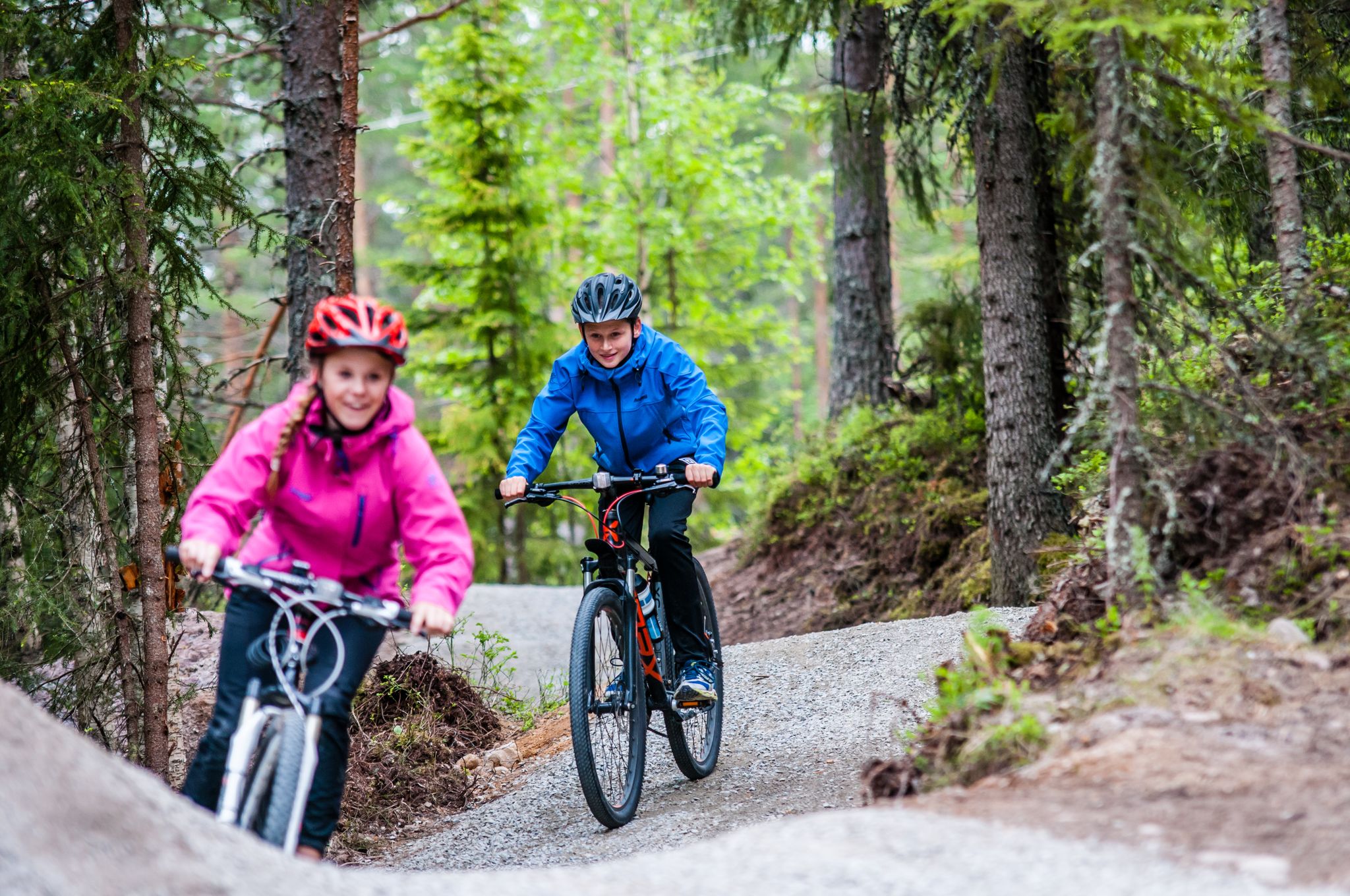
Mountainbiking the alps with the kids
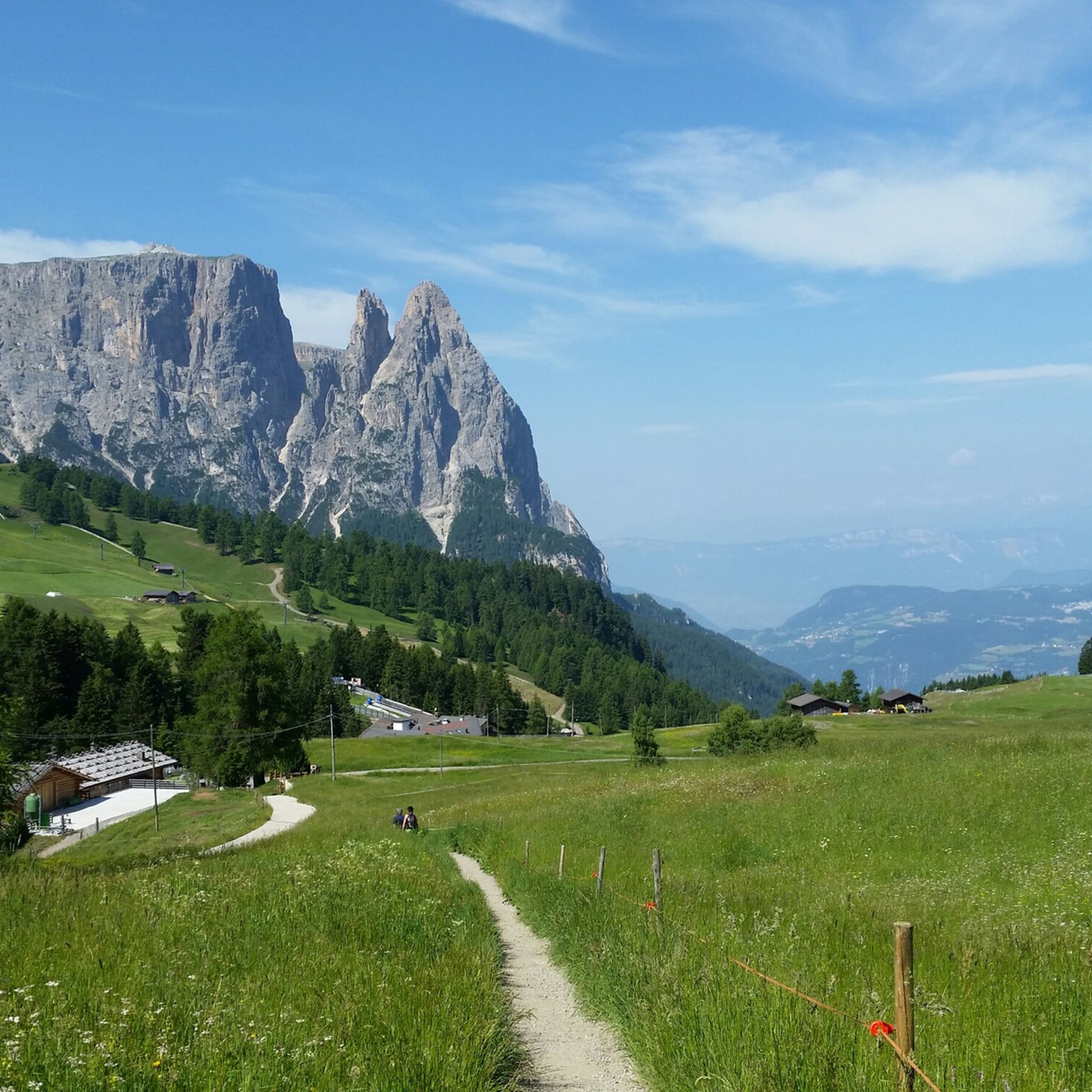
Hiking around Urtijëi - St. Ulrich In Gröden - Ortisei
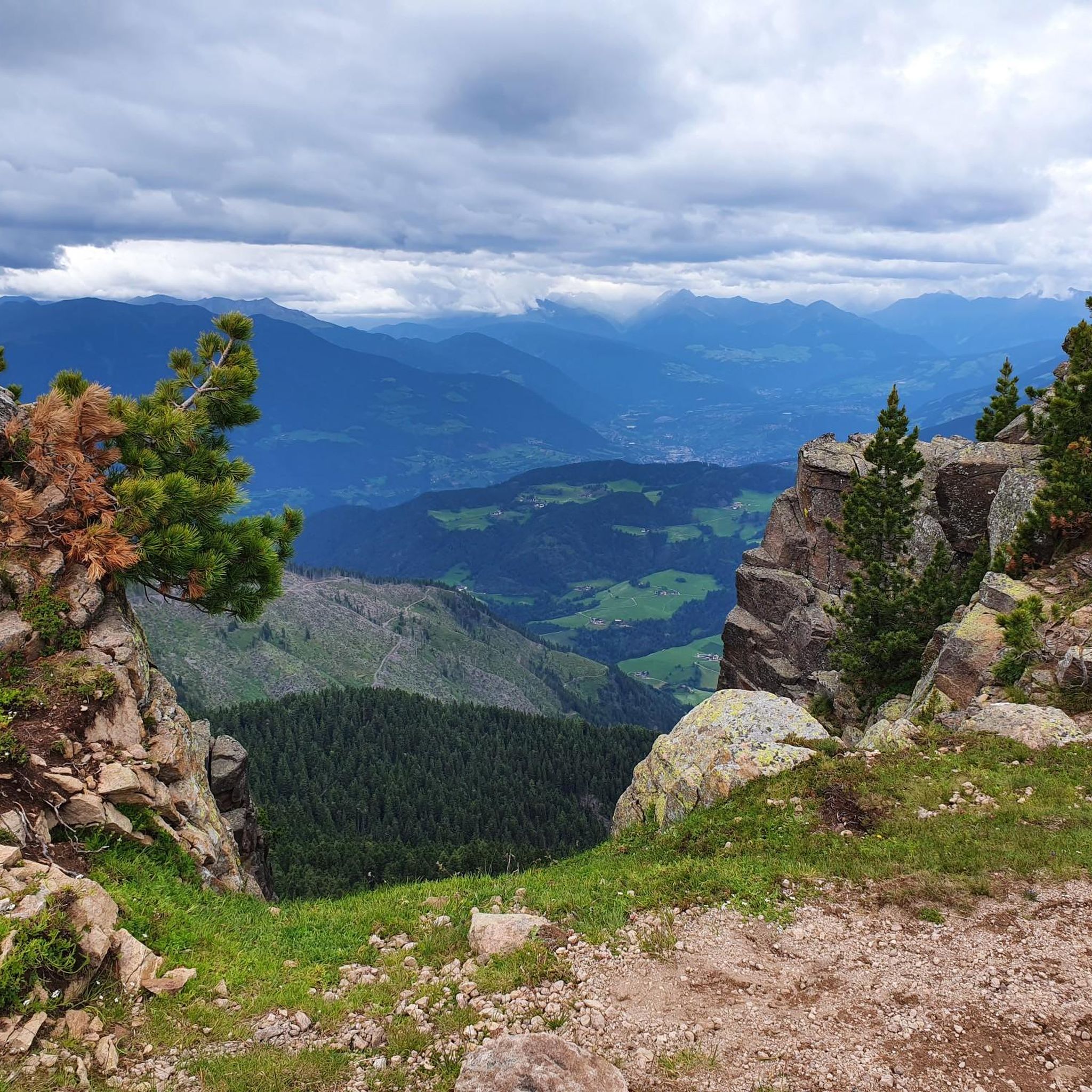
MTB Trails around Urtijëi - St. Ulrich In Gröden - Ortisei
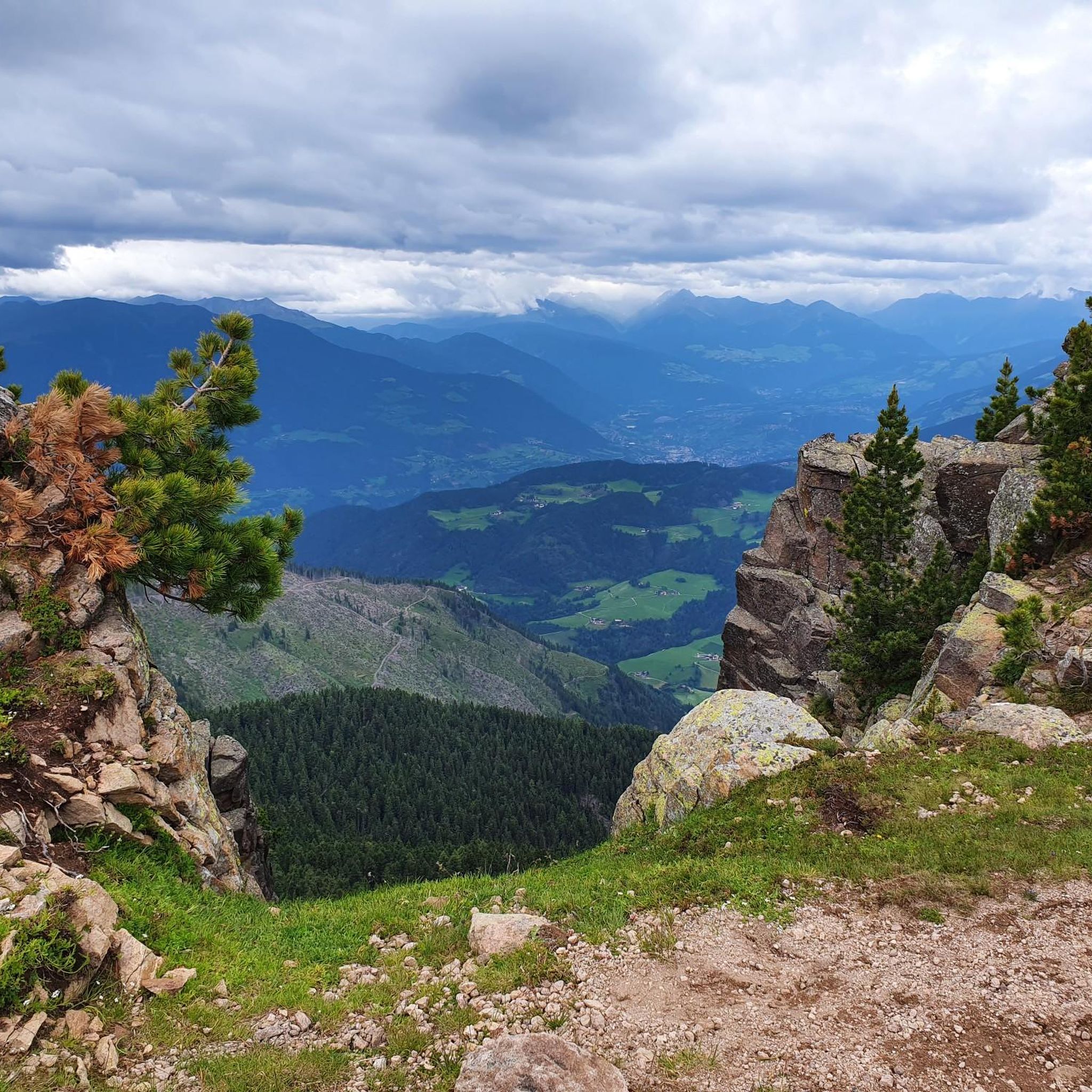
Road Cycling Routes around Urtijëi - St. Ulrich In Gröden - Ortisei
Other adventures around Urtijëi - St. Ulrich In Gröden - Ortisei


Tips from the Community

Beautiful romantic 🏰. Some scenes from Roman Polanski's "Dance of the Vampires" were even filmed here.
8
0

The ruins are located at the confluence of the Vallunga and Val Gardena valleys, over 1,600 meters high in the Stevia rock face, in the Puez Group of the Dolomites. The small castle served an important strategic function, guarding the crossing over the Gardena Pass into Val Badia.
13
0


On the left side of the Val Gardena stream, between Selva and St. Christina, the Fischburg (Ladin Ciastel de Gherdëina) stands enthroned, surrounded by numerous fish ponds, which gave the castle its name. The castle was built between 1622 and 1641 by Engelhard Dietrich von Wolkenstein-Trostburg as a summer residence and hunting lodge, even though the monumental building exudes medieval defensiveness. The castle was equipped more with hunting weapons than with military weapons. Fishing equipment was also found - obvious, considering the nearby fish ponds. At the end of the 18th century, the castle gradually fell into disrepair, and in 1826 part of the inventory was auctioned off. In the middle of the 19th century, Count Leopold von Wolkenstein-Trostburg donated the Fischburg to the municipality of St. Christina, which wanted to build a home for the elderly and the poor here. In 1926, the castle was sold to Baron Carlo Franchetti from Venice, who renovated the castle inside and out and equipped it with furnishings purchased in South Tyrol and Val Gardena. The castle is still owned by this Venetian family today and is not accessible. https://www.valgardena-groeden.com/de/highlights/burgen-schloesser/fischburg/
3
0

Beautiful old castle, which unfortunately cannot be visited. It is privately owned
4
0

Beautiful old castle that unfortunately cannot be visited
5
0

In the Langental, also called Vallunga, is the ancestral castle of the Tyrolean noble family Wolkenstein-Trostburg. It is located in a somewhat unusual position at over 1,600 m above sea level, high in the rock face of the Stevia, a 2,555 m high mountain in the Puez group in the Dolomites. The position suggests that it was used to guard the crossing over the Gardena Pass into the Gadertal. The castle dates back to the 13th century. After initially falling into disrepair, it became the property of Randolt von Villanders, an ancestor of the Wolkenstein family, from whom the famous minstrel Oswald von Wolkenstein would later descend. The well-known poet and composer led an adventurous life and is said to have often resided in the castle in the Stevia wall during the summer months. In the 15th century, the castle was stormed by the Venetians, in the 16th century it was rebuilt before finally being left to decay. Today, the south-facing wall and the castle courtyard are still preserved.
2
0
On the left side of the valley of the Gröden stream, between Selva and St. Christina, the Fischburg (Ladin Ciastel de Gherdëina) stands enthroned, surrounded by numerous fish ponds, which gave the castle its name. The castle was built between 1622 and 1641 by Engelhard Dietrich von Wolkenstein-Trostburg as a summer residence and hunting lodge, even though the monumental building exudes medieval defensiveness. The castle was equipped more with hunting weapons than with military weapons. Fishing equipment was also found - obvious, considering the nearby fish ponds. At the end of the 18th century, the castle gradually fell into disrepair, and in 1826 part of the inventory was auctioned off. In the middle of the 19th century, Leopold Count von Wolkenstein-Trostburg donated the Fischburg to the municipality of St. Christina, which wanted to build a home for the elderly and the poor here. In 1926 the castle was sold to Baron Carlo Franchetti from Venice, who renovated the castle inside and out and equipped it with furnishings purchased in South Tyrol and Val Gardena. Today the castle is still owned by this Venetian family and is not accessible.
4
0
Frequently Asked Questions
What types of castles can I expect to find around Urtijëi?
The region around Urtijëi offers a diverse range of historical sites, from well-preserved fortresses like Trostburg Castle to dramatic ruins such as Ruins of Wolkenstein Castle, and even privately owned summer residences like Fischburg Castle.
Are there any family-friendly castles to visit in the area?
Yes, Ruins of Castelvecchio (Salegg Castle) is particularly family-friendly. It offers a short detour from the Oswald-Von-Wolkenstein-Weg, which is designed to be playful for children. There's even a hidden area with seating and a book of local stories and legends.
Which castles offer a significant historical experience?
For a deep dive into history, Trostburg Castle is highly recommended. This beautifully preserved 12th-century fortress now houses the South Tyrolean Castle Museum and was the childhood home of the celebrated poet Oswald von Wolkenstein. The Ruins of Wolkenstein Castle also offer a tangible connection to medieval history and prominent figures like Count Wolkenstein.
Can I visit the interior of all castles?
No, not all castles are open for interior visits. For example, Fischburg Castle is privately owned and can only be admired from the exterior. Trostburg Castle, however, offers guided tours of its interior rooms as it hosts a museum.
What is the best way to reach the castles around Urtijëi?
Access varies by castle. Some, like the Ruins of Wolkenstein Castle, require a short, steep path from areas like the Carabinieri training center in Vallunga. Others, like Ruins of Castelvecchio (Salegg Castle), are accessible via hiking trails such as the Oswald-Von-Wolkenstein-Weg. For Fischburg Castle, access in winter is only from St. Cristina, as other trails may lead to ski slopes.
Are there hiking opportunities near these castles?
Yes, many castles are integrated into or near hiking trails. The Ruins of Castelvecchio (Salegg Castle) are a detour from the Oswald-Von-Wolkenstein-Weg. The Ruins of Wolkenstein Castle are a scenic hiking destination. You can find various hiking routes in the area by exploring the Hiking around Urtijëi - St. Ulrich In Gröden - Ortisei guide.
What is the best season to visit the castles in Val Gardena?
While castles can be visited year-round, the warmer months (spring to autumn) are generally best for exploring the ruins and enjoying the surrounding hiking trails. Winter visits can be picturesque, but some access paths, like those to Fischburg Castle, might be limited due to snow or ski slopes.
Are there any castles with dining options or accommodations nearby?
Friedburg Castle Kollmann, originally a customs station, now houses a restaurant and hotel, offering a unique historical setting for dining or an overnight stay.
What kind of views can I expect from the castle locations?
Many castle sites offer impressive views of the Val Gardena valley and the Dolomites. The Ruins of Wolkenstein Castle, perched high in the Stevia rock face, provide dramatic vistas. Trostburg Castle also offers beautiful views of the Isarco River valley.
Are there any archaeological sites related to castles in the area?
Yes, the remains of Stetteneck Castle were unearthed in the summer of 2000 on the Collina del Pincan in Val D'Anna. While not a grand standing structure, it offers a historical curiosity and a chance to witness ongoing archaeological efforts to uncover its 13th-century story.
What other outdoor activities can I combine with a castle visit?
The Val Gardena valley is excellent for outdoor activities. Besides hiking, you can find numerous running trails, such as those listed in the Running Trails around Urtijëi - St. Ulrich In Gröden - Ortisei guide, or explore mountain hikes detailed in the Mountain Hikes around Urtijëi - St. Ulrich In Gröden - Ortisei guide.
How long should I allocate for visiting a castle?
The time needed varies. For ruins like Ruins of Castelvecchio (Salegg Castle), a short detour might be enough. For a more comprehensive experience, such as a guided tour at Trostburg Castle, you might want to allocate 1-2 hours, plus travel time.
Most popular routes around Urtijëi - St. Ulrich In Gröden - Ortisei
Most popular attractions around Urtijëi - St. Ulrich In Gröden - Ortisei

Get inspired with the komoot mobile app


Explore more
Looking for the best castles somewhere else? Discover other guides around Urtijëi - St. Ulrich In Gröden - Ortisei:
