The best cycling routes around Rosenfeld
4.3
(144)
626
riders
56
rides
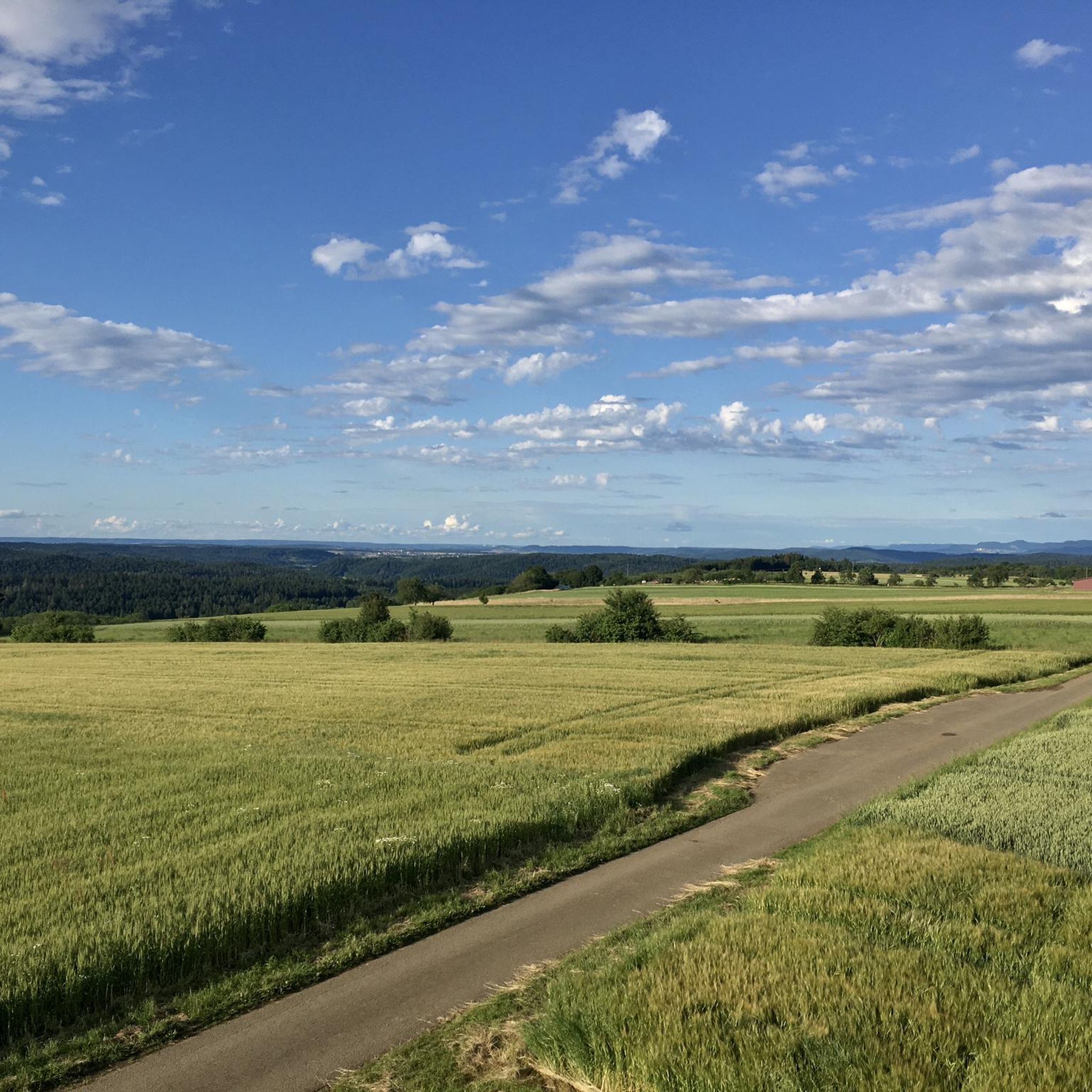
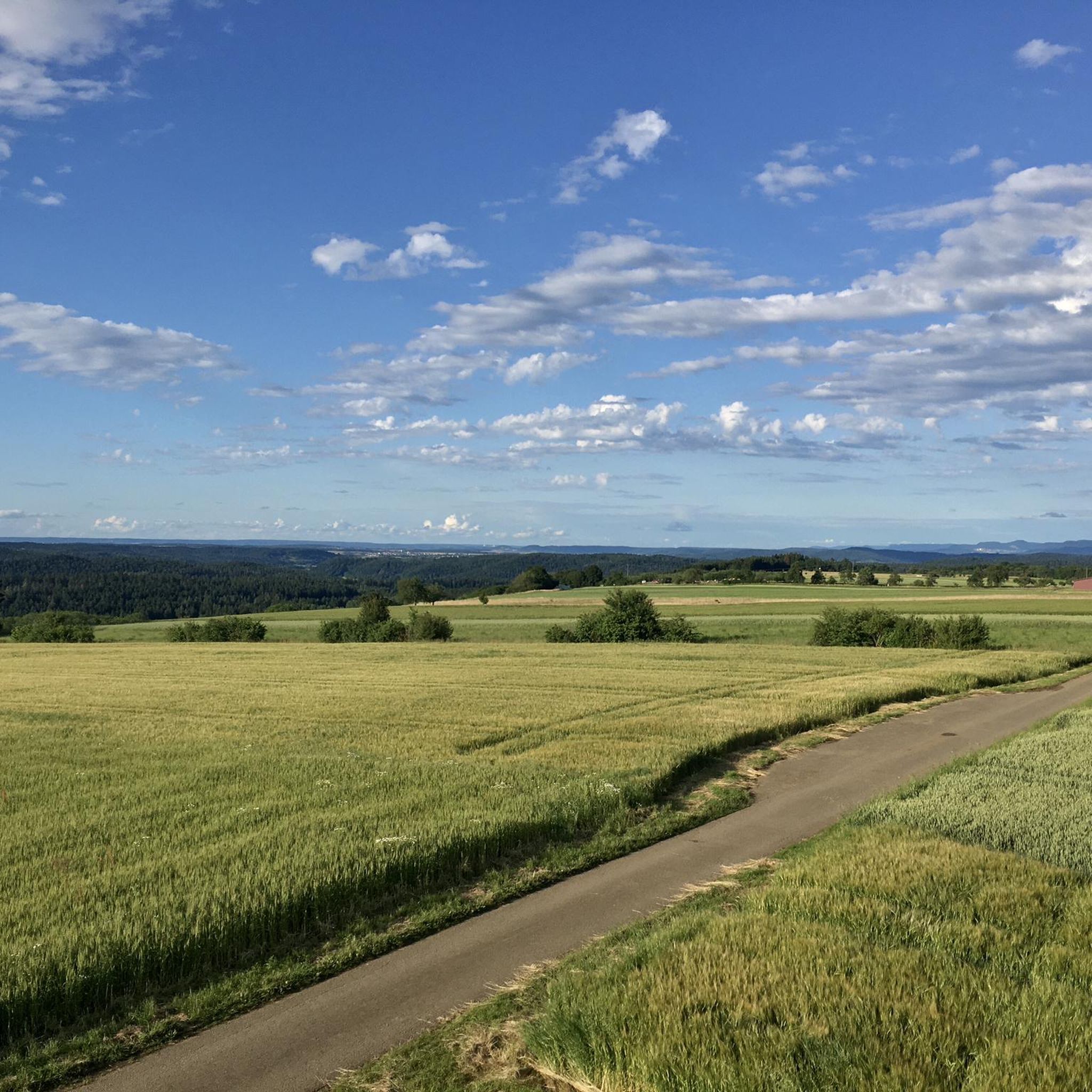
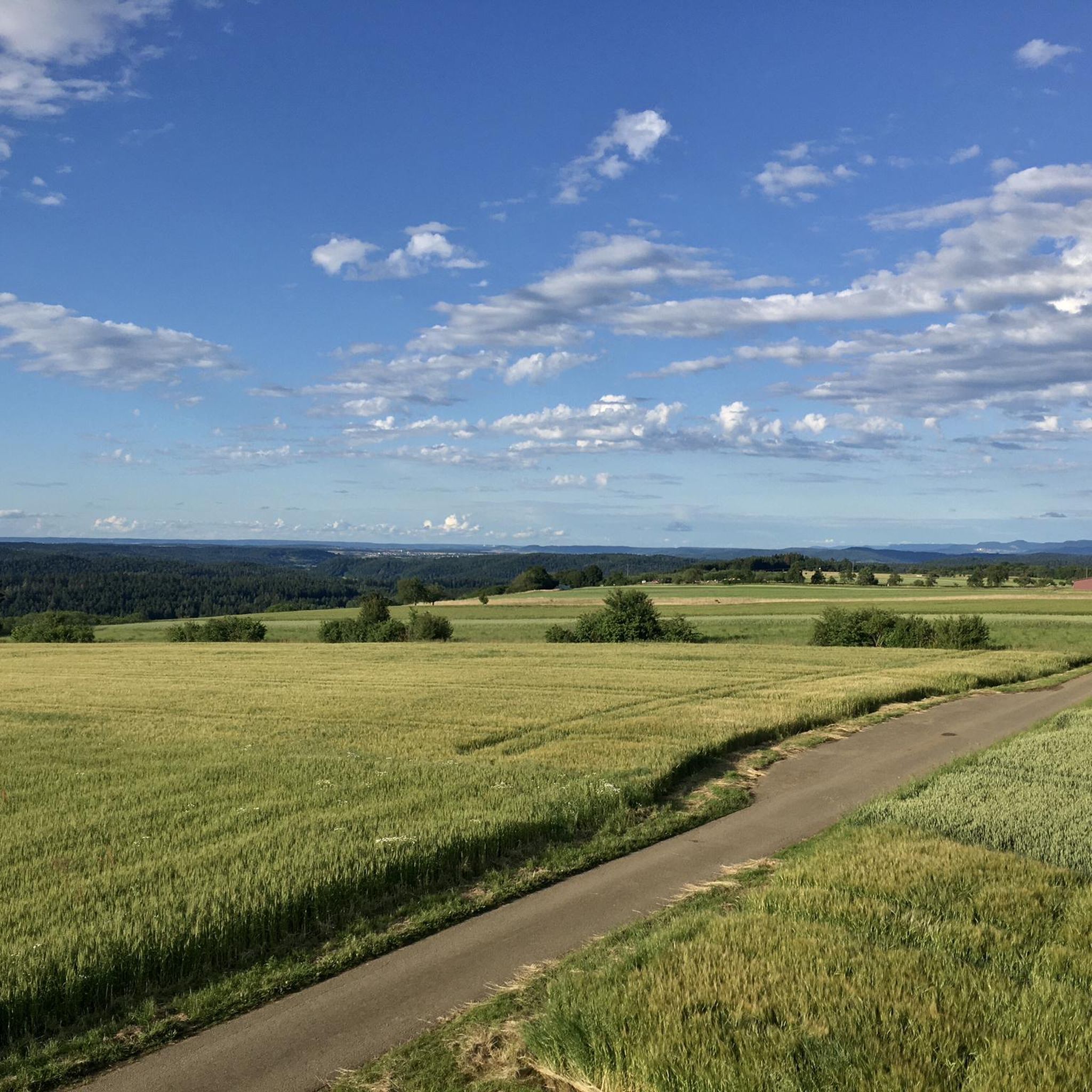
Touring cycling routes around Rosenfeld feature a diverse landscape characterized by rolling hills, historic old towns, and idyllic villages. The terrain includes a mix of predominantly paved paths, with some sections on forest roads and fine gravel, providing varied surfaces for cyclists. Routes often lead through areas with varying inclines, offering views of the surrounding mountain ranges, including the Swabian Jura and the distant Black Forest. This region, part of the Little Heuberg, provides a scenic backdrop for outdoor pursuits.
Best touring cycling routes around Rosenfeld
- The most popular touring cycling route is Slate Experience Dormettingen – Schömberg Reservoir loop from Rosenfeld, a 21.2 miles (34.1 km) trail that takes 2 hours 19 minutes to complete. This moderate route explores the area around the Slate Experience and Schömberg Reservoir.
- Another top favourite among local touring cyclists is View of Kloster Kirchberg – View of Altoberndorf loop from Immerland, a difficult 34.1 miles (54.9 km) path. This route offers views of Kloster Kirchberg and passes by Bernstein Monastery.
- Local touring cyclists also love the All Saints' Church, Brittheim – Climbing Wall loop from Rosenfeld, a 11.3 miles (18.3 km) trail leading through varied terrain, often completed in about 1 hour 8 minutes.
- Touring cycling around Rosenfeld is defined by rolling hills, historic old towns, and idyllic villages. The network offers options for various ability levels, from moderate to difficult routes.
- The routes in Rosenfeld are highly rated by the komoot community with an average score of 4.3 stars from over 80 reviews. More than 500 touring cyclists have used komoot to explore Rosenfeld's varied terrain.
Last updated: July 5, 2026
4.8
(39)
87
riders
38.3km
02:30
290m
290m
Moderate bike ride. Good fitness required. Mostly paved surfaces. Suitable for all skill levels.
4.5
(13)
62
riders
Moderate bike ride. Good fitness required. Mostly paved surfaces. Suitable for all skill levels.

Sign up for free
4.5
(4)
32
riders
54.8km
03:37
630m
630m
Hard bike ride. Very good fitness required. Mostly paved surfaces. Suitable for all skill levels.
4.8
(17)
51
riders
35.3km
02:14
350m
350m
Moderate bike ride. Good fitness required. Mostly paved surfaces. Suitable for all skill levels.
4.8
(12)
34
riders
17.8km
01:05
140m
140m
Easy bike ride. Great for any fitness level. Mostly paved surfaces. Suitable for all skill levels.
Get access to more routes and recommendations from other explorers.
Sign up for free
Already have an account?
Our route recommendations are based on thousands of hikes, rides, and runs completed by other people on komoot.
Start today with a free account
Your next adventure awaits.
Login or Signup
Tips from the Community

Beautiful area with a great view. Always worth a visit!
1
0

The Schlichemtalsperre (also known as Schömberger Stausee, mostly just called Stausee locally) east of Schömberg in Baden-Württemberg dams the Schlichem, a tributary of the Neckar coming from the Swabian Jura. The 90.6 ha Schömberger Stausee mit Palmbühl nature reserve surrounds the Schlichemtalsperre. The approximately 1.35 km long and initially narrow reservoir, which widens to about 175 m towards the end and has an area of 10.4 ha at 643.8 m above sea level (NHN), begins at the hamlet of Untere Säge and extends to the old town center of Schömberg. It has a catchment area of about 33.5 km², to which the Schlichem, already over 11 km long at its mouth, contributes almost 90%. The watercourses Hölzlegraben from the forest to the right of the lake and Scheubühlgraben and Räßentälebach from the left, which are up to 1.2 km long, flow into it from the sides. From the Vorsee forebay near the Untere Säge, a fish ladder leads to the reservoir. There is also the only bridge over the lake that can be walked and driven on. The Schlichem Viaduct can only be used by the railway. The Schlichemtalsperre was built between 1940 and 1944. The Portlandzementwerk Rudolf Rohrbach KG (today Holcim (Süddeutschland) GmbH) in neighboring Dotternhausen, which was the builder of the dam, initially used it for cooling water and electricity generation. An outdoor swimming pool built in 1935 was flooded. After the Second World War, the facility was taken over by the state of Württemberg-Hohenzollern in 1948. The reservoir was renovated from 1975 to 1983. The dam structure is an earth dam, and the hydropower plant within it has a capacity of 60 kW. There is a forebay called Vorsee, which was built from 1975 to 1977. Source: https://de.wikipedia.org/wiki/Schlichemtalsperre
1
0
The Schlichemtalsperre (also Schömberger Stausee, usually just called Stausee locally) east of Schömberg in Baden-Württemberg dams the Schlichem, a tributary of the Neckar coming from the Swabian Jura. The 90.6-hectare Schömberger Stausee mit Palmbühl landscape protection area surrounds the Schlichemtalsperre. The approximately 1.35 km long and initially narrow reservoir, which widens to about 175 m towards the end, with an area of 10.4 hectares at 643.8 m above sea level, begins at the hamlet of Untere Säge and extends to the old town center of Schömberg. It has a catchment area of approximately 33.5 km², to which the Schlichem, which is already over 11 km long at the inflow, contributes almost 90%. The Hölzlegraben from the forest to the right of the lake and the Scheubühlgraben and Räßentälebach from the left flow into it. From the Vorsee forebay near the Untere Säge, a fish ladder leads to the reservoir. There is also the only bridge over the lake that can be walked and driven on. The Schlichem Viaduct can only be used by the railway. The Schlichemtalsperre was built between 1940 and 1944. The Portlandzementwerk Rudolf Rohrbach KG (today Holcim (Süddeutschland) GmbH) based in neighboring Dotternhausen, which was the client for the dam, initially used it for cooling water and electricity generation. An outdoor swimming pool built in 1935 was flooded. After the Second World War, the facility was taken over by the state of Württemberg-Hohenzollern in 1948. The reservoir was renovated from 1975 to 1983. The dam is an earth dam, and the hydropower plant within it has a capacity of 60 kW. There is a forebay, the Vorsee, which was built from 1975 to 1977. Source: https://de.wikipedia.org/wiki/Schlichemtalsperre
3
0

Just past Weildorf, directly on the road to Empfingen, cyclists can discover this meadow. In summer it is green and inviting. The trees provide shade.
3
0

The monastery complex can be viewed from the road.
5
0
Turmstüble Brittheim Snack bar with beer garden and panoramic view - Rosenfeld-Brittheim - Zollernalbkreis
4
0

The cozy "Turmstüble" at the Brittheim water tower, with its beautiful beer garden, is open in summer from Wednesday to Saturday from 2:30 p.m., and on Sundays and public holidays from 11:30 a.m.
25
0
The church lies southwest of the town center, where the main road forks. The surrounding cemetery, with its high wall, is no longer in use. It is a simple hall church, built in 1525, with galleries built along its length. A pointed, slender tent roof covers the tower, which stands on the west side. Its basement, formerly barrel-vaulted, belongs to an earlier building dating back to the Middle Ages.
17
0
Frequently Asked Questions
How many touring cycling routes are available around Rosenfeld?
There are over 60 touring cycling routes available around Rosenfeld, offering a diverse range of experiences for cyclists. These routes are highly rated by the komoot community, with an average score of 4.3 stars from over 90 reviews.
What kind of terrain can I expect on touring cycling routes in Rosenfeld?
The routes around Rosenfeld feature a mix of predominantly paved paths, with some sections on forest roads and fine gravel. You'll encounter varied inclines, from rolling hills to more challenging sections, especially when connecting to wider networks like the Hohenzollern-Radweg.
Are there any long-distance cycling routes connected to Rosenfeld?
Yes, Rosenfeld is part of wider cycling networks. Notably, the Hohenzollern-Radweg, a 272-kilometer long-distance cycle path, traverses the region, offering opportunities to explore the Schönbuch Nature Park and the Swabian Alb further afield.
What scenic viewpoints can I find along the cycling routes?
Many routes offer breathtaking vistas. The "Rosenfelder Radrunde" provides impressive views of the surrounding mountain range, including Plettenberg, Lochen, Schafberg, and the distant Black Forest. The "Rosen-Tour" also offers beautiful outlooks, including views of Hohenzollern Castle. For specific routes with great views, consider the View of the Swabian Jura – Zollern Castle Balingen loop from Rosenfeld.
Are there historical sites or cultural attractions to visit while cycling?
Absolutely. The historic Old Town of Rosenfeld itself is a starting point for several tours, featuring architectural gems like the 1581 Fruchtkasten and the 1429 Ursulahaus. Along the routes, you can find attractions such as the Zollernalb Observatory, traditional guesthouses, and the Rose and Sculpture Garden. You can also explore nearby castles like Oberhohenberg Observation Platform (Hohenberg Castle) or Glatt Water Castle, and even some fascinating caves like Wenzelstein and the Wenzelstein Cave.
Which routes offer views of Hohenzollern Castle?
The "Rosen-Tour" is known for providing beautiful outlooks, including views of Hohenzollern Castle. Additionally, the View of the Swabian Jura – Zollern Castle Balingen loop from Rosenfeld also offers glimpses of the impressive Zollern Castle Balingen.
Are there any routes known for seasonal blossoms?
Yes, the "Rosen-Tour" lives up to its name, showcasing blooming roses, particularly in June. In spring, cyclists can also enjoy fruit tree blossoms, such as apple blossoms on the Erlaheim fruit educational path, and lilac blossoms in May, creating a vibrant and fragrant cycling experience.
Are there family-friendly cycling routes in Rosenfeld?
Rosenfeld offers a variety of routes, including 18 easy tours suitable for families or those seeking a more relaxed ride. These routes often feature predominantly paved paths and less challenging inclines, making them enjoyable for all ages.
What are the options for parking when cycling in Rosenfeld?
Parking is generally available in and around Rosenfeld, especially near the historic Old Town which serves as a common starting point for many tours. Specific parking information for individual trailheads can often be found within the komoot tour details.
Are there any circular touring cycling routes in Rosenfeld?
Yes, many of the touring cycling routes around Rosenfeld are designed as loops, allowing you to start and end in the same location. Examples include the popular Slate Experience Dormettingen – Schömberg Reservoir loop from Rosenfeld and the View of Kloster Kirchberg – Bernstein Monastery loop from Heiligenzimmern.
Can I find cafes or pubs along the cycling routes in Rosenfeld?
Yes, several routes pass through idyllic villages and the historic Old Town where you can find traditional guesthouses like Gasthaus Lamm and Gasthaus Sonne, as well as cafes such as Café Mahl in the Ursulahaus, perfect for a refreshment stop during your ride.
What is the best time of year for touring cycling in Rosenfeld?
The region is particularly popular during June and August. Spring offers beautiful fruit tree and lilac blossoms, while June is ideal for seeing roses in bloom. The varied terrain makes it enjoyable across different seasons, though specific conditions might vary.
Most popular routes around Rosenfeld
Most popular attractions around Rosenfeld

Get inspired with the komoot mobile app


Explore more
Browse the best Cycling routes in other regions.
