The best road cycling routes around Grumolo Delle Abbadesse
4.3
(349)
11,347
riders
145
rides
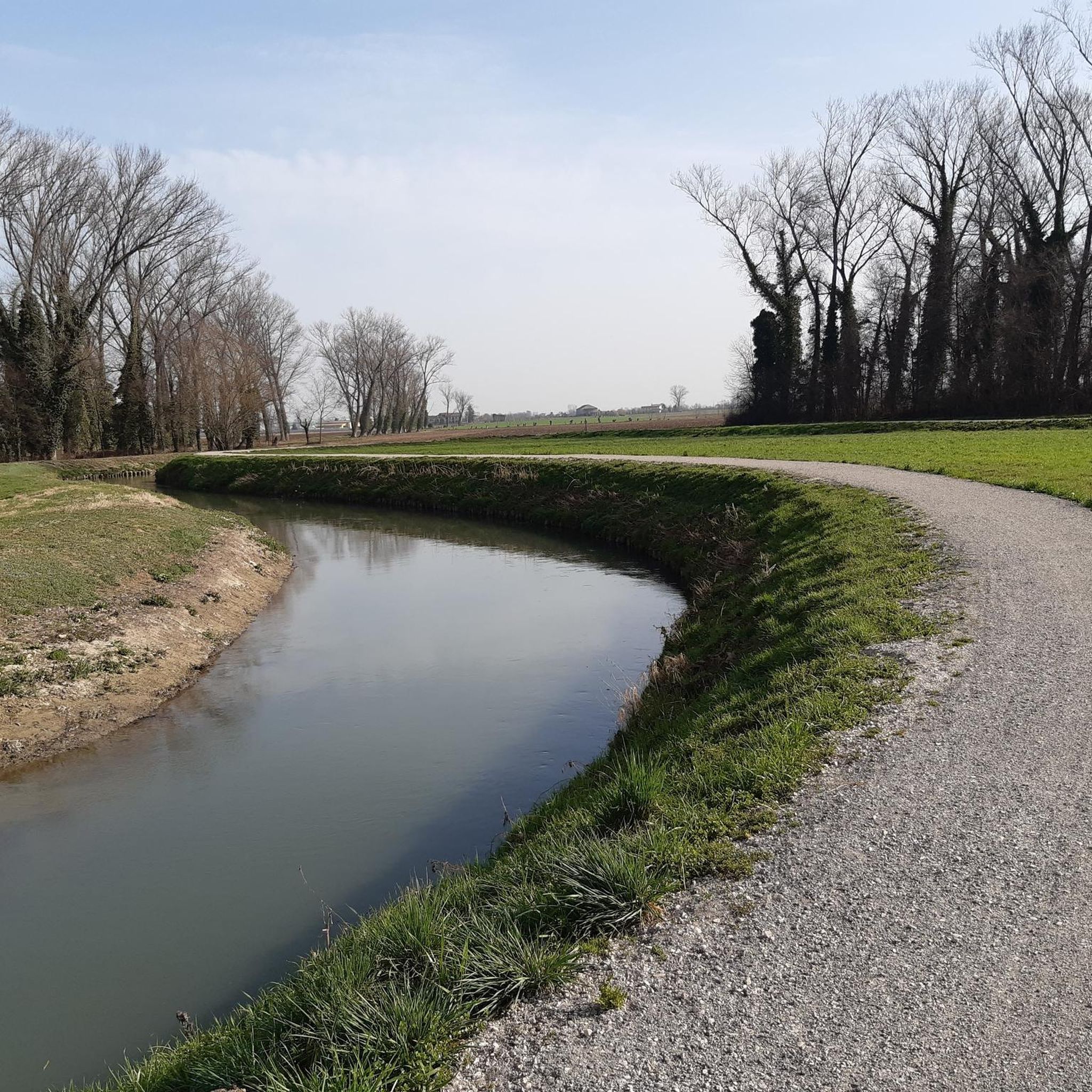
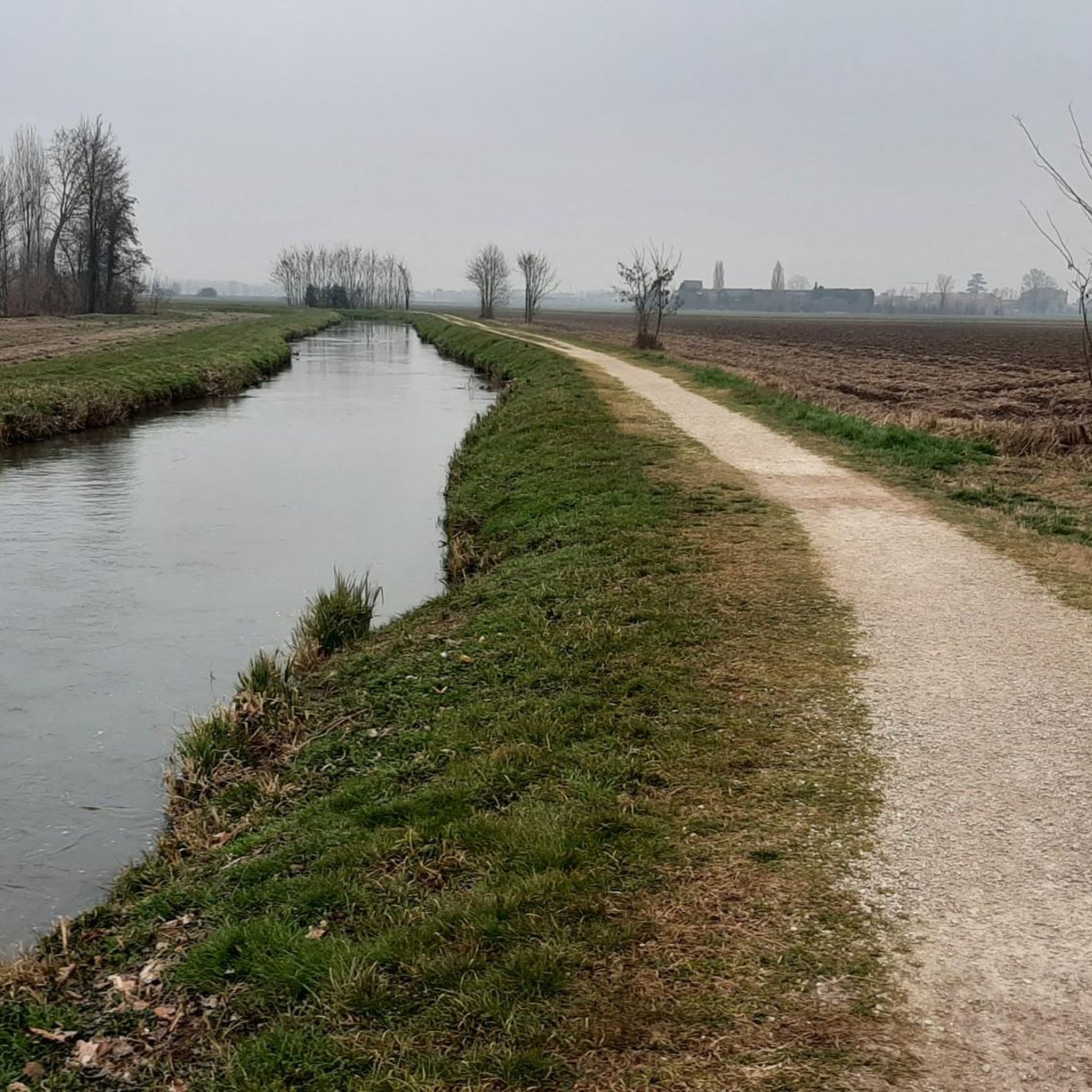
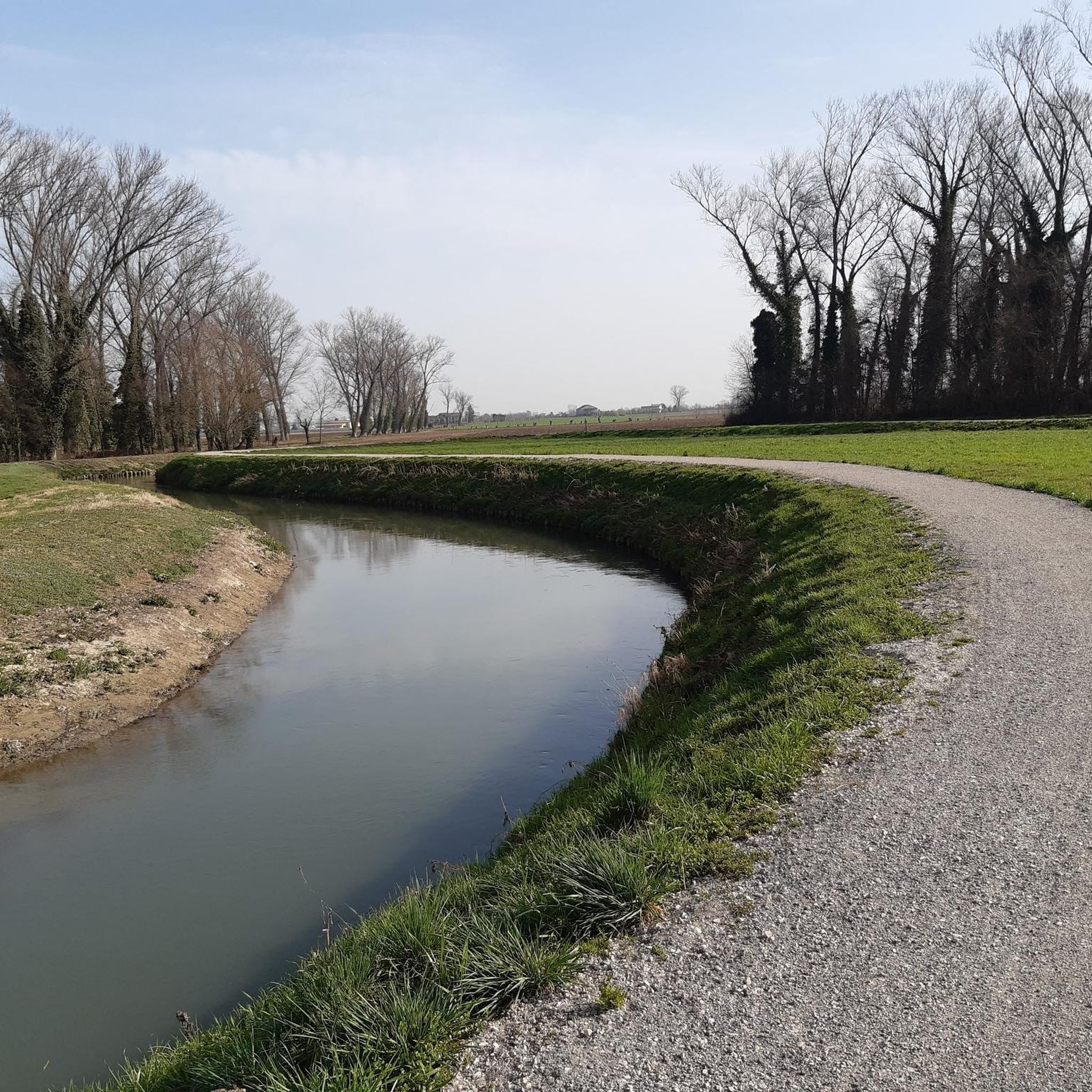
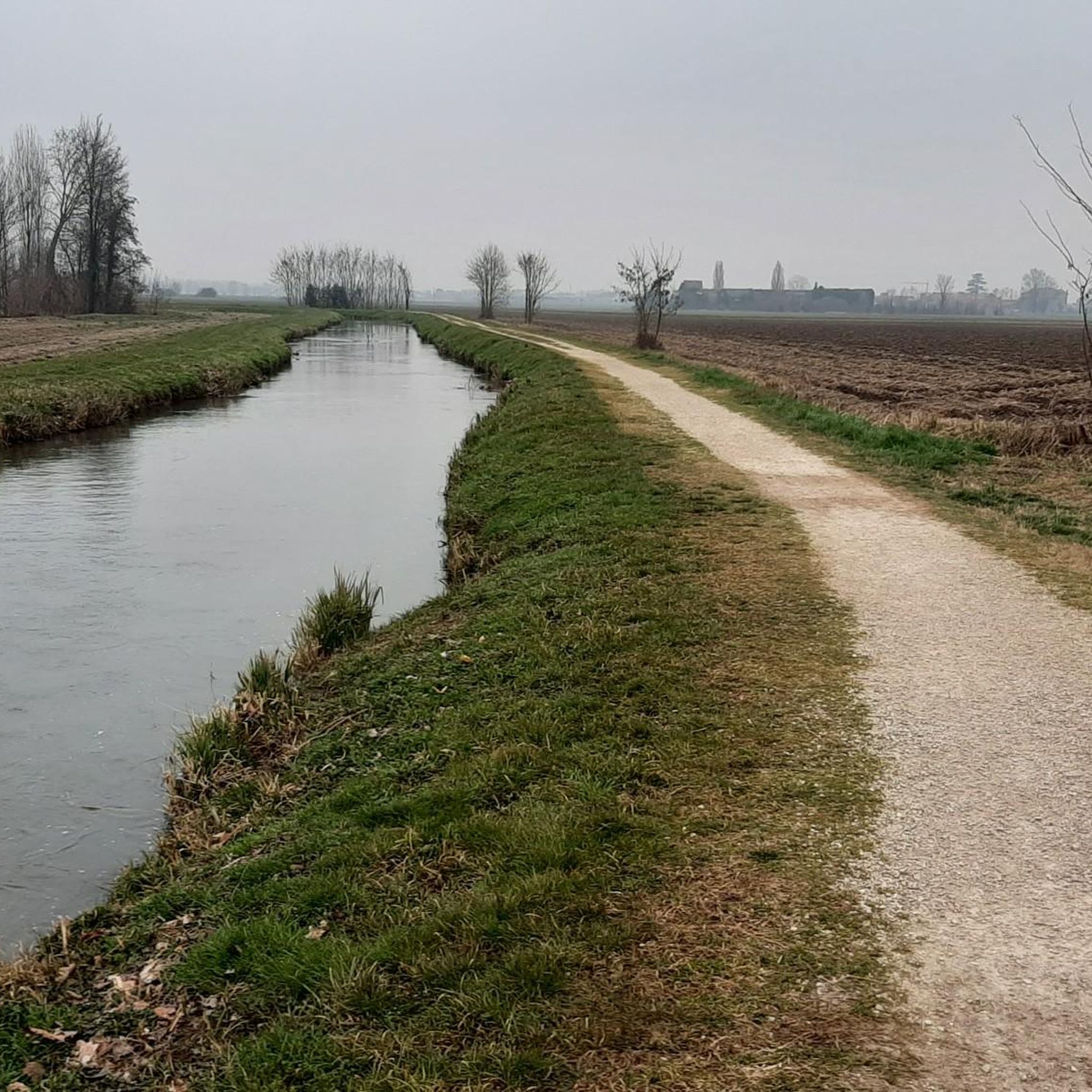
Road cycling routes around Grumolo Delle Abbadesse are situated in the Central Padan Plain, characterized by a predominantly flat to gently rolling terrain. The landscape features extensive agricultural areas, including historic rice paddies and a network of canals, providing a unique backdrop for cycling. While the immediate vicinity is flat, the Pre-Alps and Berici Hills form a distant backdrop, offering varied ascents within reach for those seeking more challenging terrain. The region is crisscrossed by rivers like the Tesina and…
Last updated: July 12, 2026
4.6
(5)
158
riders
40.3km
01:48
310m
310m
Moderate road ride. Good fitness required. Mostly well-paved surfaces and easy to ride.
39
riders
91.0km
03:47
450m
450m
Moderate road ride. Good fitness required. Some segments of this route may be unpaved and difficult to ride.

Sign up for free
33
riders
76.4km
04:00
1,200m
1,200m
Hard road ride. Very good fitness required. Mostly well-paved surfaces and easy to ride.
41
riders
64.4km
02:54
510m
510m
Moderate road ride. Good fitness required. Some segments of this route may be unpaved and difficult to ride.
29
riders
99.1km
04:28
860m
860m
Moderate road ride. Good fitness required. Some segments of this route may be unpaved and difficult to ride.
Get access to more routes and recommendations from other explorers.
Sign up for free
Already have an account?
Our route recommendations are based on thousands of hikes, rides, and runs completed by other people on komoot.
Start today with a free account
Your next adventure awaits.
Login or Signup

Tips from the Community

The climb leading from Torreglia to Castelnuovo is one of the most famous, scenic, and challenging ascents in the Euganean Hills, very popular with cyclists. The route winds for about four kilometers and is characterized by an average gradient of around eight percent, but it hides very steep ramps that reach peaks close to twenty percent. The road, initially immersed among vineyards and foothill villages, climbs rapidly with severe gradients, tackling several spectacular hairpin bends. As you gain altitude, the vegetation becomes denser, regularly opening up to breathtaking panoramic views that stretch over the Padan Plain and the surrounding hills. Reaching the summit at Castelnuovo rewards cyclists' efforts with a splendid view of Monte Venda and represents a strategic junction for continuing towards other Euganean itineraries.
1
0
The Villa Barbarigo Pizzoni Ardemani in Valsanzibio di Galzignano Terme is a Baroque masterpiece from the 17th century, world-renowned for its extraordinary historic garden, considered among the most important and intact in Europe. Designed by architect Luigi Bernini, the complex was created at the behest of the noble Venetian Barbarigo family as a solemn vow to God for having escaped the terrible plague of 1631. The park is not a simple ornamental work, but a true allegorical and spiritual path of purification. The visitor is invited to experience a journey of salvation that unfolds through scenic fountains, streams, fishponds, and over seventy statues rich in symbolism. The central and iconic element of the garden is the monumental labyrinth of centuries-old boxwood, one of the oldest and largest in the world, symbolizing the difficulties and redemption of the human soul.
0
0

It is the best-known image of the very famous villa.
0
0

It is a 15th-century building in the Venetian Gothic style. The palace is located in the center of the village
0
0

The Diana Portal in Valsanzibio is the monumental entrance to the Garden of Villa Barbarigo, a symbol of spirituality and power, designed in the 17th century by Luigi Bernini. Located in the heart of the Historic Garden of Villa Barbarigo in Valsanzibio (Padua), the Diana Portal—also known as Diana's Pavilion—was the main waterway access to the noble estate during the 17th and 18th centuries. This majestic portal is not only a Baroque architectural masterpiece, but also represents the beginning of the allegorical path of purification and salvation commissioned by Saint Gregory Barbarigo. https://www.valsanzibiogiardino.com/it/portfolio-item/portale-diana/
2
0

The Basilica of Santa Maria di Monte Berico is an important Roman Catholic pilgrimage church located on the hill of Monte Berico. Its origins date back to two apparitions of the Virgin Mary, which are said to have appeared to the peasant woman Vincenza Pasini in 1426 and 1428 during a plague epidemic. Mary promised to spare the town if a church were built there, which the population immediately did. The original Gothic church was completed in just three months. The current basilica was built between 1688 and 1703 according to plans by Carlo Borella in the Baroque style, with the Gothic structure incorporated into the new building. The façade was redesigned in the Neo-Gothic style in 1860. Particularly striking are the three symmetrical Baroque façades with 42 figures of saints and three bas-reliefs by Orazio Marinali, as well as the bell tower by Antonio Piovene, erected in 1825. Access from the city is via a 700-meter-long staircase with 150 arches, symbolizing the 15 mysteries of the Rosary and 150 Hail Marys. The basilica is an important center of Marian devotion, attracting numerous pilgrims, and was elevated to a minor basilica by Pope Pius X in 1904.
1
0

This is Piazza dei Signori
0
0

A very beautiful and quiet cycling route leading north out of the hills. Densely wooded – perfect for rides on hot days.
1
0
Frequently Asked Questions
How many road cycling routes are available in Grumolo Delle Abbadesse, and what are their difficulty levels?
There are over 140 road cycling routes around Grumolo Delle Abbadesse. You'll find a good mix, with about 30 easy routes, nearly 100 moderate routes, and around 20 more challenging options for experienced cyclists.
What kind of terrain can I expect when road cycling around Grumolo Delle Abbadesse?
The region is primarily characterized by a flat to gently rolling terrain, part of the Central Padan Plain. You'll cycle through extensive agricultural areas, including historic rice paddies and a network of canals. While the immediate vicinity is flat, the Pre-Alps and Berici Hills provide a picturesque backdrop, offering varied ascents within reach for those seeking more challenging rides.
What notable landmarks or natural features can I discover along the road cycling routes?
Many routes offer glimpses of the region's rich heritage and natural beauty. You might pass by the UNESCO World Heritage site Villa Chiericati, or the historic Riseria della Abbadesse (Rice Mill). Natural features include the network of canals, rivers like the Tesina and Brenta, and distant views of the Pre-Alps and Berici Hills. Some routes also lead near natural monuments like Dente di Attila or offer views of the Euganean Hills.
Are there any routes that pass by lakes or significant water bodies?
Yes, some routes will take you near beautiful lakes. For instance, you can find routes that lead to Lake Fimon, offering scenic views and a tranquil cycling experience along its shores.
When is the best time of year to go road cycling in Grumolo Delle Abbadesse?
The region's lush, fertile landscape, particularly the rice paddies, is most vibrant from spring through early autumn. These seasons generally offer pleasant temperatures for cycling. Spring brings blooming fields, while summer and early autumn provide warm, stable weather, ideal for enjoying the extensive network of routes.
Are there any family-friendly road cycling options in the area?
Absolutely. The predominantly flat terrain and dedicated bike paths, such as sections of the 'Piar Path' and the Treviso Ostiglia route, make Grumolo Delle Abbadesse suitable for family cycling. These paths often provide safe and scenic options away from heavy vehicular traffic, perfect for a leisurely ride with children.
What do other road cyclists enjoy most about cycling in Grumolo Delle Abbadesse?
The area is highly rated by the komoot community, with an average score of 4.4 stars from over 320 reviews. Cyclists often praise the unique experience of riding through historic rice paddies and along canals, the well-maintained asphalted surfaces, and the picturesque backdrop of the Pre-Alps and Berici Hills. The variety of routes, from flat agricultural plains to more challenging climbs, is also frequently highlighted.
Can you recommend a moderate-difficulty route that showcases the Venetian countryside?
For a moderate ride that offers views of the Venetian countryside, consider the Palazzo Contarini – Vicenza-Noventa Cycle Path loop from Lerino. This 56-mile (90.2 km) route follows well-maintained cycle paths and provides a great experience of the local landscape.
Are there any challenging routes for experienced road cyclists?
Yes, for those seeking a challenge, the region offers routes with significant elevation gain. A good option is the View of Lapio from Villabalzana – View of the Raposso Valley loop from Lerino. This 47.4-mile (76.2 km) trail leads through varied terrain and includes substantial climbs.
What is a good route for exploring cultural landmarks?
To combine cycling with cultural exploration, try the Villa La Rotonda – Piazza dei Signori loop from Lerino. This 28.2-mile (45.4 km) route passes by significant cultural landmarks, allowing you to enjoy both the ride and the historical sights.
Are there any long-distance routes for endurance training?
For longer rides, the Unfinished – Brendola–Perarolo Climb loop from Lerino is an excellent choice. This moderate 99-mile (159.4 km) route offers a substantial distance and some climbing, ideal for endurance training.
What are the typical road conditions like in Grumolo Delle Abbadesse?
The routes are generally on mostly asphalted surfaces, with some featuring well-maintained unpaved sections that add variety. The dedicated bike paths ensure a smoother and safer experience, connecting various points of interest and natural areas.
Most popular routes around Grumolo Delle Abbadesse
Most popular attractions around Grumolo Delle Abbadesse

Get inspired with the komoot mobile app


Explore more
Browse the best Road cycling routes in other regions.
