The best road cycling routes around Bariano
4.1
(212)
5,697
riders
32
rides
Road cycling around Bariano, situated in Lombardy, Italy, offers diverse landscapes primarily characterized by charming lowlands and riverine scenery. The region features mostly paved surfaces, providing varied elevation gains suitable for different skill levels. While predominantly flat roads are common, the area also allows access to more demanding terrain in the pre-Alps and lakes for longer excursions. Cyclists can find routes that traverse agricultural areas and offer views of the Serio River.
Best road cycling routes around Bariano
- The most…
Last updated: October 2, 2026
3.7
(3)
55
riders
Moderate road ride. Good fitness required. Mostly well-paved surfaces and easy to ride.
2.0
(1)
31
riders
Moderate road ride. Good fitness required. Some segments of this route may be unpaved and difficult to ride.

5.0
(2)
21
riders
Moderate road ride. Good fitness required. Some segments of this route may be unpaved and difficult to ride.
5.0
(1)
17
riders
77.4km
03:41
140m
140m
Moderate road ride. Good fitness required. Some segments of this route may be unpaved and difficult to ride.
18
riders
56.8km
02:20
230m
230m
Moderate road ride. Good fitness required. Mostly well-paved surfaces and easy to ride.
Get access to more routes and recommendations from other explorers.
Already have an account?
Our route recommendations are based on thousands of hikes, rides, and runs completed by other people on komoot.
Start today with a free account
Your next adventure awaits.

Tips from the Community

The Cathedral with the Clock Tower occupies the east side of Piazza della Vittoria, and the facades of houses and palaces frame its facade. The square, as a civic and religious center, as we see it today, was formed in different periods. The construction site of the Duomo was organized according to the methods of the time, i.e. by tracing the perimeter directly on the ground and then starting with the construction of the apse area. The so-called "stepped" facade suggests the division of the internal space, in which the central nave is higher and wider than the two side aisles. In the center of the facade, in the upper part, is the aedicule containing a bronze copy of the statue of San Bassiano, the original in copper and gold patina is kept inside the main nave of the cathedral. The central part of the facade is occupied by the rose window which, besides being a typically decorative element, allows for good internal lighting.
0
0
Around the rose window and the slopes of the roof, the decoration with interwoven arches and polychrome majolica cups of Byzantine derivation is to be observed. Below the rose window, two Renaissance stone windows have been created. The "candelabra" columns and the side coats of arms refer to the motifs of humanistic culture. The most characteristic element of this facade is the protiron. In the lunette above the portal are depicted the Redeemer, the crowned Madonna, and Saint Bassiano imploring. On the pilasters of the horizontal architrave are depicted Adam and Eve and, below, two other figures that recall the vices of man. The portal is framed by spiral columns, and the decorations surrounding the portal arch consist of naturalistic decorative motifs derived from the Lombard school, with shoots, spirals, and aquatic plant leaves. Finally, the small roof that frames and shelters the portal is supported by stylophoric lions.
0
0

Sarnico is a town that deserves to be visited
0
0

Beautiful bridge to Napoleon Bonaparte
2
0

not far from the bridge over the Serio
1
0

Very well preserved castle. Worth seeing.
1
0
Fortress, stately home, granary, farmhouse, monument. How many other buildings can boast of having survived the centuries, adapting to the passage of time? This is the story of the Visconti Castle of Pagazzano; indeed, different uses and needs make up its history. There are still those who remember how, as a child, they accompanied their grandfather to buy seeds inside the castle and even in its very rooms. Here, within its walls, the poet Petrarch stayed as a guest several times. And within its walls, a very young Francesco Bernardino Visconti, known to all as "the Unnamed," grew up, entrusted to his uncle, the archpriest Galeazzo Visconti, in 1595. Today, it hosts conferences, theater and music festivals, sculpture symposia, and educational workshops.
1
0
beautiful, worth stopping and visiting
0
0
Frequently Asked Questions
What types of road cycling routes can I find around Bariano?
Bariano, located in Lombardy, offers a variety of road cycling routes. You'll find mostly paved surfaces with diverse elevation gains, ranging from predominantly flat roads ideal for casual rides through charming lowlands and riverine scenery, to more demanding routes that can access the pre-Alps for challenging climbs. The area features routes that traverse agricultural lands and offer views of the Serio River.
How many road cycling routes are available in the Bariano area?
There are over 25 road cycling routes available around Bariano, catering to various skill levels. This includes 7 easy routes, 18 moderate routes, and 2 difficult routes, ensuring options for both beginners and experienced cyclists.
Are there any challenging road cycling routes near Bariano?
Yes, for experienced cyclists seeking a challenge, there are difficult routes available. One notable option is the Martesana Cycle Path – Martesana Canal Cycle Path loop from Morengo-Bariano, which is a long-distance path offering a demanding cycling experience.
What kind of natural features can I expect to see along the road cycling routes?
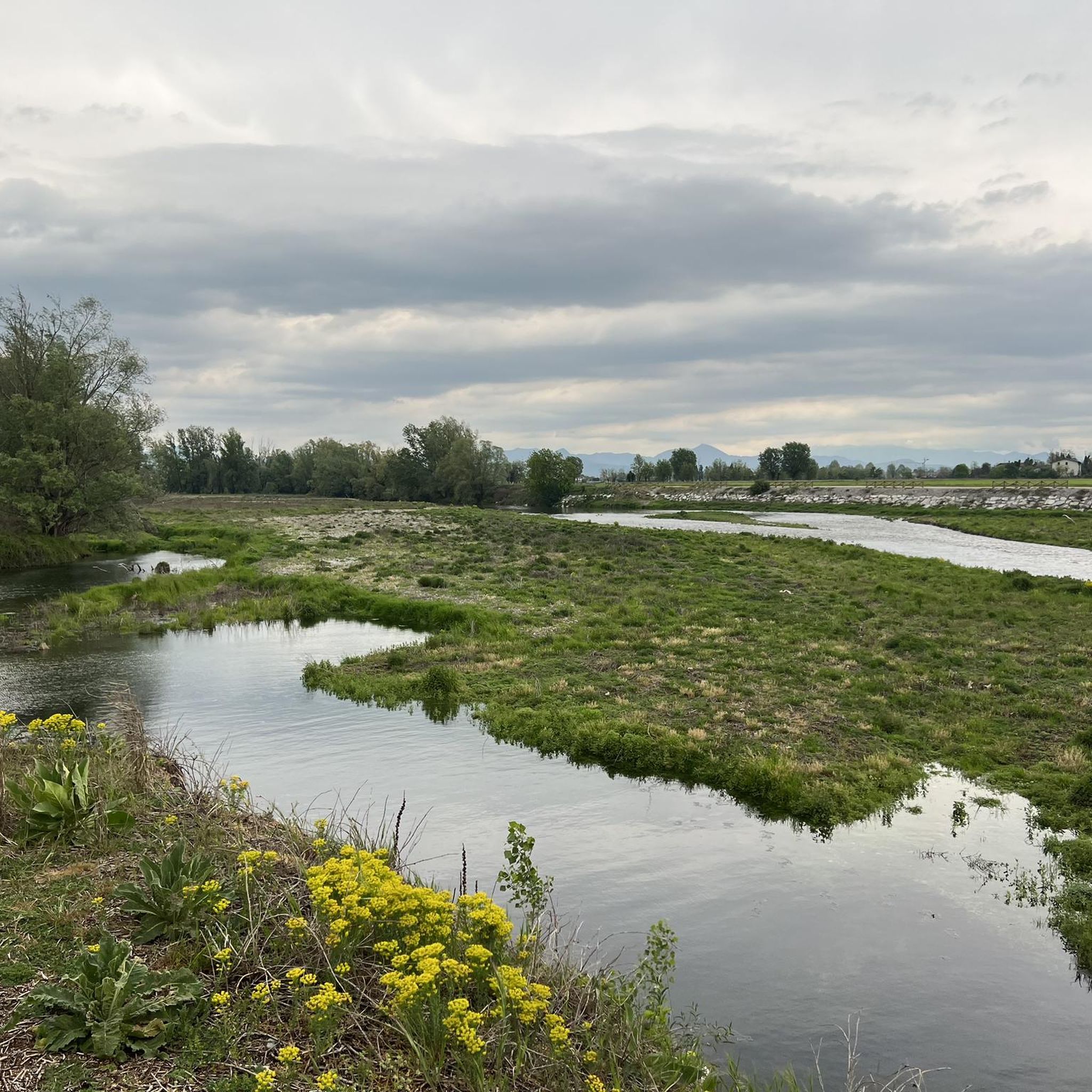
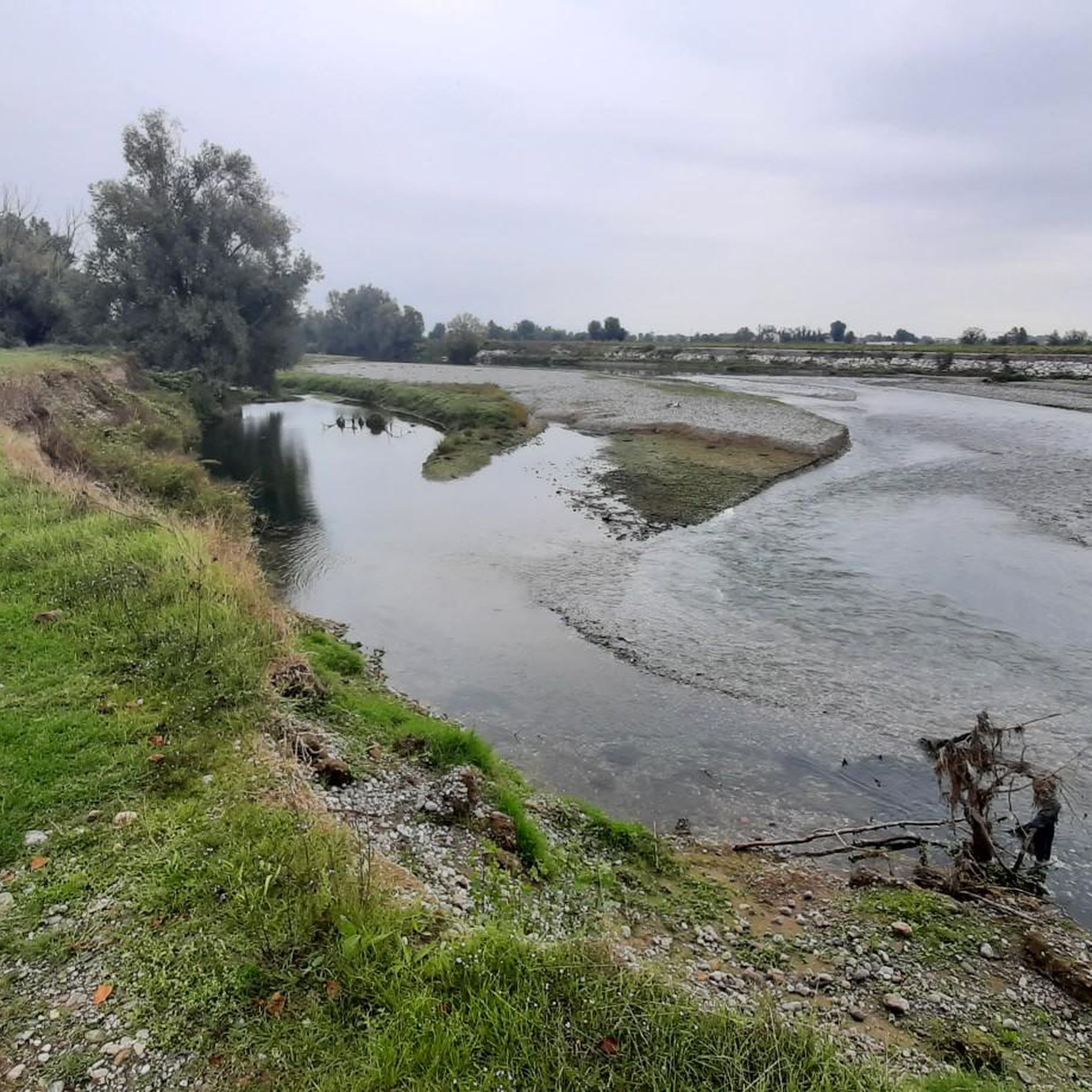
The region around Bariano is characterized by its charming lowlands and riverine scenery, particularly along the Serio River. You can expect picturesque views of the riverbed and adjacent woodlands. Natural highlights include the Fontanile Quarantina and the View of the Steep Banks of the Serio River. The broader Lombardy region also features diverse landscapes, including parks and natural reserves.
Are there historical landmarks or attractions along the cycling paths?
Yes, several routes pass by significant historical landmarks. For instance, the Sanctuary of Caravaggio – Lodi Cathedral loop from Morengo-Bariano leads through historical sites. You can also explore nearby castles such as the well-preserved Castello di Pagazzano and the Visconti Fortress of Romano di Lombardia.
What is the best season for road cycling in Bariano?
Lombardy generally offers pleasant cycling conditions for much of the year. Spring and autumn typically provide mild temperatures and beautiful scenery, making them ideal for road cycling. Summer can be warm, but early mornings or late afternoons are often suitable. Winter cycling is possible, though cooler temperatures and potential for rain or fog should be considered.
Are there family-friendly road cycling options around Bariano?
While specific 'family-friendly' routes are not explicitly detailed, the presence of 7 easy and 18 moderate routes suggests that many paths with lower elevation gains and paved surfaces would be suitable for families. Routes through lowlands and along riverine scenery often provide a more relaxed cycling experience.
What do other cyclists say about road cycling in Bariano?
The road cycling routes around Bariano are highly regarded by the komoot community, with an average score of 4.6 stars from over 20 reviews. Cyclists often praise the varied terrain, from flat scenic rides to more challenging options, and the opportunity to explore historical landmarks and natural beauty.
Are there any circular road cycling routes available?
Yes, many of the routes around Bariano are designed as loops, allowing you to start and end your ride in the same location. Examples include the Sarnico Lakeside Promenade – Sarnico Liberty Architecture loop from Morengo-Bariano and the Sanctuary of Caravaggio – Caravaggio–Masano Cycle Path loop from Morengo-Bariano.
Where can I find places to rest or get refreshments along the routes?
While specific cafes or pubs are not listed for each route, the region's towns and villages, including Bariano itself, offer various amenities. The Cappella della Madonna del Carpeneto, located on the Serio park cycle path, provides a shaded resting spot with a fountain, ideal for a break during your ride.
Is public transport accessible for cyclists in the Bariano area?
Bariano is situated in Lombardy, a well-connected region. While specific public transport options for cyclists directly to trailheads are not detailed, regional trains and buses often accommodate bicycles, especially outside of peak hours. It's advisable to check local transport provider websites for specific policies and schedules regarding bicycle carriage.
Are there any permits required for cycling on the routes around Bariano?
Generally, no special permits are required for road cycling on public roads and designated cycle paths around Bariano. However, if you plan to cycle through specific natural reserves or private estates, it's always best to check for any local regulations or access requirements beforehand.
Most popular attractions around Bariano

Get inspired with the komoot mobile app


Explore more
Browse the best Road cycling routes in other regions.
