The best road cycling routes around Fornovo San Giovanni
4.0
(198)
5,141
riders
333
rides
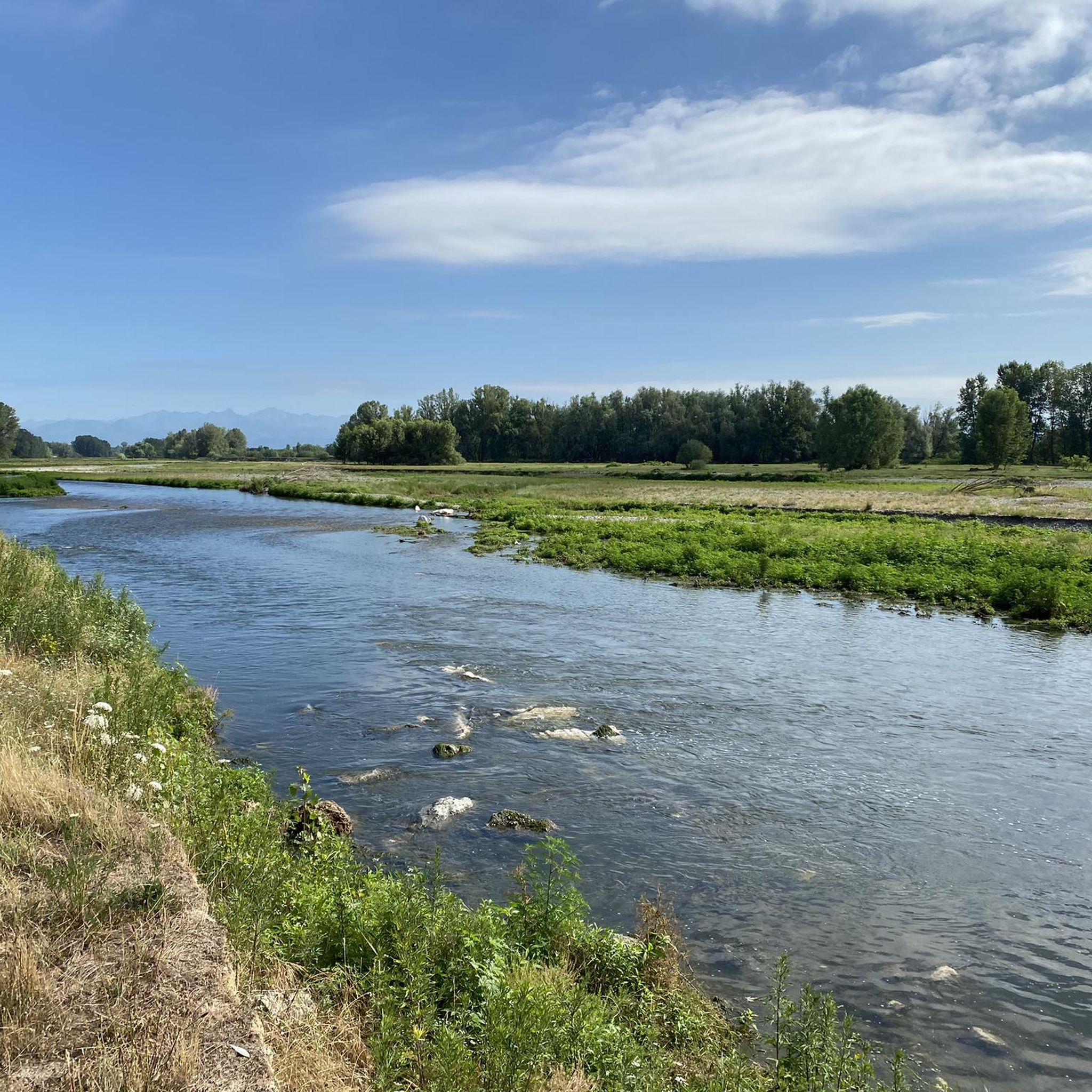
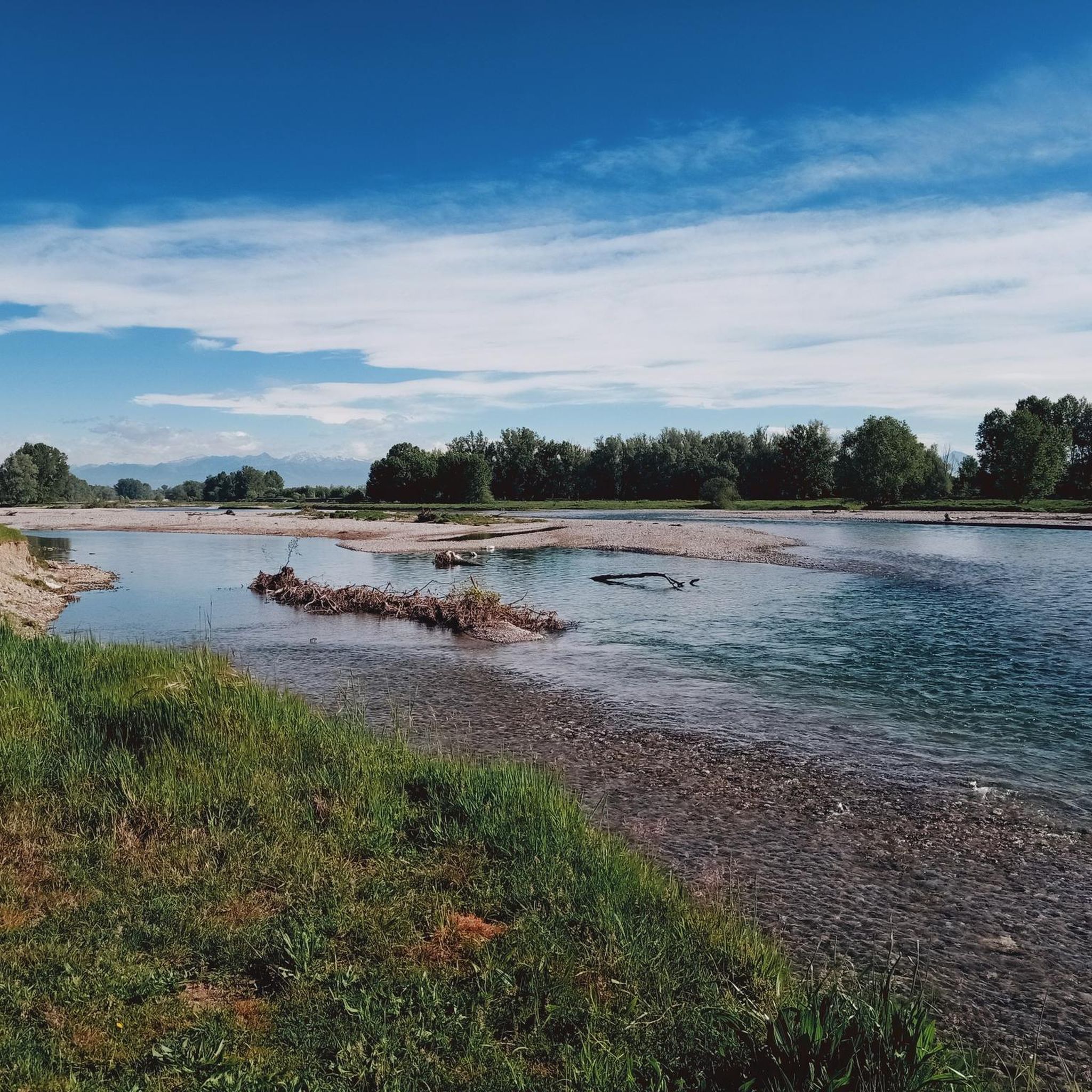
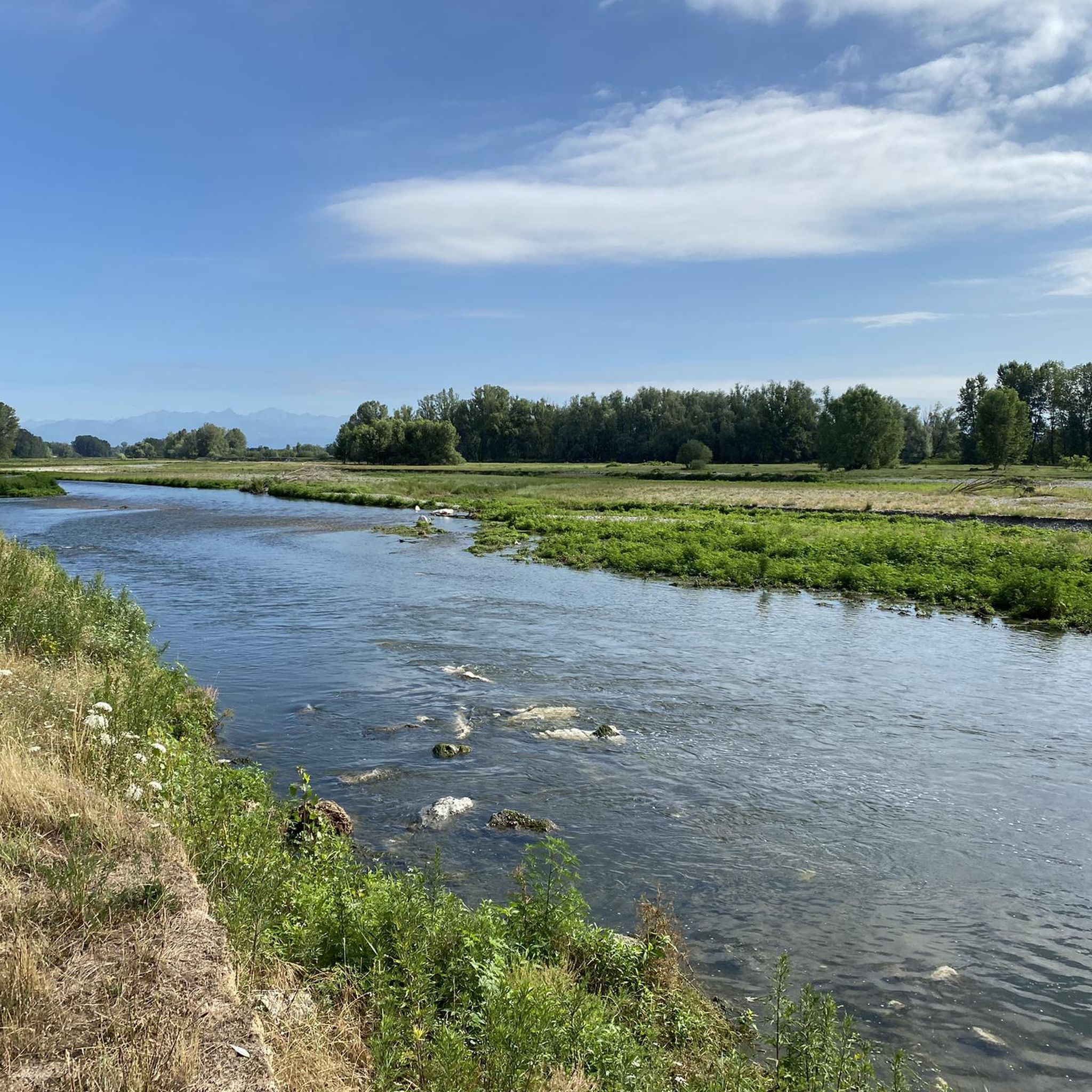
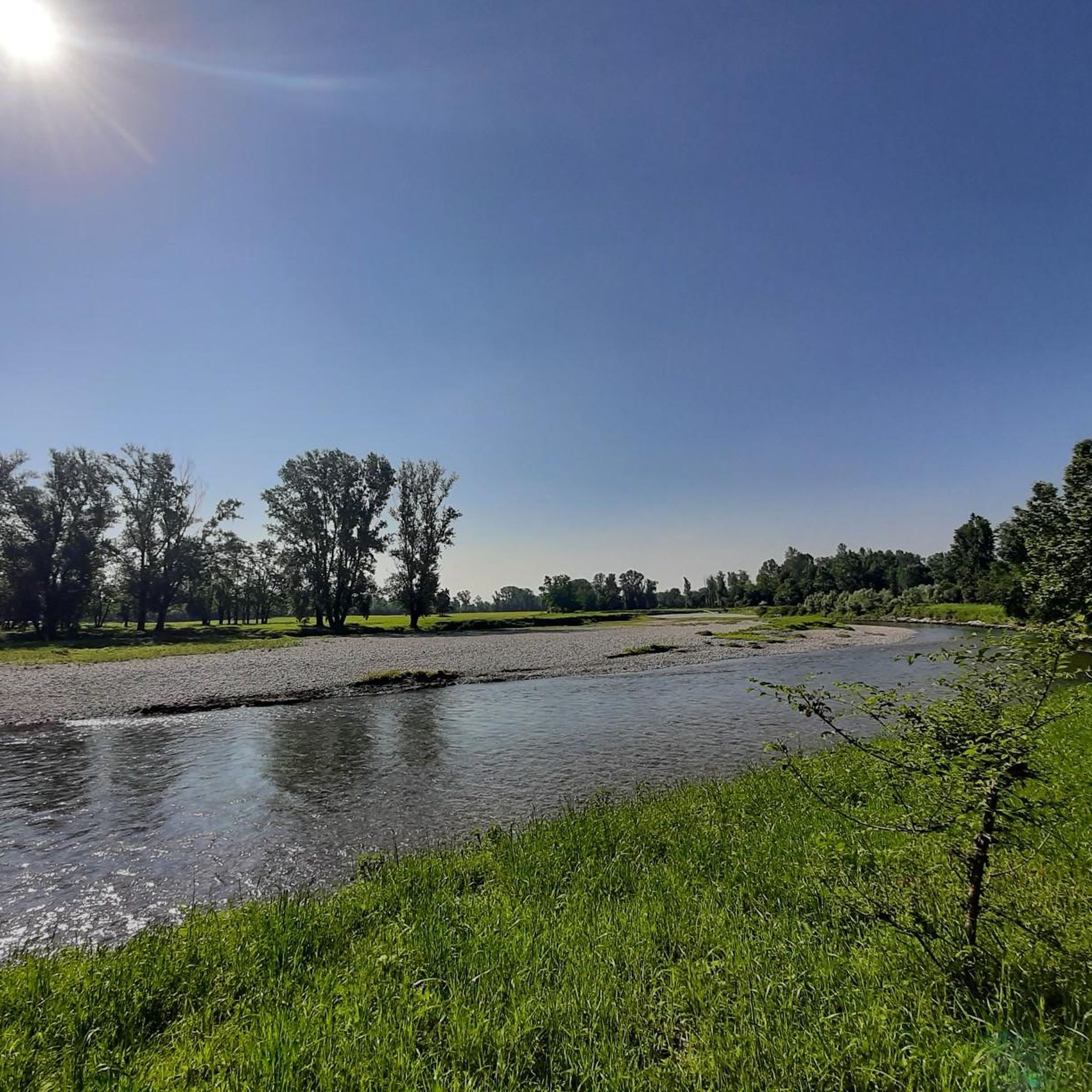
Road cycling routes around Fornovo San Giovanni are characterized by flat and water-rich agricultural landscapes within the Gera d'Adda region. The terrain features a network of irrigation ditches and springs, alongside the Serio River, which is accompanied by a dedicated park. Cyclists can navigate through historical agricultural farmhouses, offering scenic backdrops for relaxed rides. The area's gentle topography makes it suitable for road cycling with minimal elevation changes.
Best road cycling routes around Fornovo San Giovanni
- The most popular road…
Last updated: May 17, 2026
3.5
(4)
61
riders
Moderate road ride. Good fitness required. Mostly well-paved surfaces and easy to ride.
5.0
(2)
38
riders
197km
08:34
500m
500m
Hard road ride. Very good fitness required. Some segments of this route may be unpaved and difficult to ride.

Sign up for free
25
riders
60.6km
02:26
100m
100m
Moderate road ride. Good fitness required. Mostly well-paved surfaces and easy to ride.
19
riders
Easy road ride. Great for any fitness level. Mostly well-paved surfaces and easy to ride.
5.0
(1)
18
riders
77.3km
03:40
140m
140m
Moderate road ride. Good fitness required. Some segments of this route may be unpaved and difficult to ride.
Get access to more routes and recommendations from other explorers.
Sign up for free
Already have an account?
Our route recommendations are based on thousands of hikes, rides, and runs completed by other people on komoot.
Start today with a free account
Your next adventure awaits.
Login or Signup

Tips from the Community

The Adda River is the fourth longest watercourse in Italy with its 313 kilometers and is entirely within the Lombardy region. It represents one of the main left tributaries of the Po River and has a very large hydrographic basin that covers about a third of the regional territory.
0
0
The Naviglio della Martesana is perhaps the least known among the ancient artificial canals that connect Milan to the great Lombard rivers. It originates from the Adda river in Concesa, a hamlet of Trezzo d’Adda, crosses the sub-region of Martesana, northeast of the provincial capital, and once in the city, it goes underground beneath via Melchiorre Gioia, near Cassina de’ Pomm. It measures approximately 38 km in length, with a width varying from 9 to 18 meters. However, in the past, the Naviglio della Martesana continued in the open air all the way to the center, where a system of locks centered on the Conca dell’Incoronata connected it to the short Naviglio di S. Marco and the urban network of the Navigli. The lock was inaugurated in 1496, utilizing lock gates designed by Leonardo da Vinci. The canal had been opened in 1471, under Francesco Sforza. By connecting it to the other Navigli, Leonardo laid the foundations for realizing a dream of the Sforza family: to travel by water from the Ticino river, and therefore from Lake Maggiore, to the Adda river.
1
0
Naviglio della Martesana is perhaps the least known of the ancient artificial canals connecting Milan to the great Lombard rivers. It originates from the Adda in Concesa, a hamlet of Trezzo d’Adda, crosses the Martesana sub-region, northeast of the provincial capital, and once in the city, it plunges underground beneath Via Melchiorre Gioia, at the height of Cassina de’ Pomm. It measures approximately 38 km in length, with a width varying from 9 to 18 meters. However, once upon a time, the Naviglio della Martesana continued in the open air all the way to the center, where a lock system centered on the Conca dell’Incoronata connected it to the short Naviglio di S. Marco and the urban network of the Navigli. The lock was inaugurated in 1496, utilizing lock gates designed by Leonardo da Vinci. The canal had been opened in 1471, under Francesco Sforza. By connecting it to the other Navigli, Leonardo laid the foundations for realizing a dream of the Sforzas: to travel by water from the Ticino, and therefore from Lake Maggiore, all the way to the Adda.
1
0
The route runs alongside the Naviglio della Martesana, perhaps the least known among the ancient artificial canals connecting Milan to the great Lombard rivers. It originates from the Adda river in Concesa, a hamlet of Trezzo d’Adda, crosses the Martesana sub-region, north-east of the provincial capital, and once in the city, it plunges underground beneath via Melchiorre Gioia, near Cassina de’ Pomm. It measures approximately 38 km in length, with a width varying from 9 to 18 meters. However, at one time, the Naviglio della Martesana continued in the open air right into the center, where a system of locks centered on the Conca dell’Incoronata connected it to the short Naviglio di S. Marco and the urban ring of the Navigli. The lock was inaugurated in 1496, utilizing lock gates designed by Leonardo da Vinci. The canal had been opened in 1471, under Francesco Sforza. By connecting it to the other Navigli,
3
0
The construction of the Naviglio Piccolo, later called della Martesana, was initiated by Francesco Sforza in 1475 to move along the route "machinery, oil presses, spinning mills, paper mills". It originates from the Adda river, on the right bank, below the Castle of Trezzo and reaches Milan at Cascina de' Pomm, ending up buried at San Marco. The Naviglio della Martesana, definitively completed in 1496 under the guidance of Ludovico il Moro, flows from Trezzo sull’Adda to Milan for a total length of 38 km. The route runs alongside the ancient Roman road that crossed the Adda with two branches: at Vaprio and at Cassano. Concurrently with the improvement of the agricultural structure thanks to irrigation, a notable flourishing of stately villas occurred in the Baroque era. The irrigational function of the Martesana marks the clear boundary between the dry plain to the north and the irrigated plain to the south.
1
0
The construction of the Naviglio Piccolo, later known as the Martesana, was started by Francesco Sforza in 1475 to transport along the route "grinding stones, oil presses, spinning mills, paper mills". It originates from the Adda, on the right bank, below the Castle of Trezzo and reaches Milan at Cascina de' Pomm, ending buried at San Marco. The Naviglio della Martesana, definitively completed in 1496 under the guidance of Ludovico il Moro, flows from Trezzo sull’Adda to Milan for a total length of 38 km. The route runs alongside the ancient Roman road that crossed the Adda with two branches: at Vaprio and at Cassano. Concurrently with the improvement of the agricultural structure thanks to irrigation, a notable flourishing of stately villas occurred in the Baroque era. The irrigation function of the Martesana marks the clear boundary between the dry plain, to the north, and the irrigated plain, to the south.
3
0

Sarnico is a town that deserves to be visited
0
0

Just past the Martesana section near the Adriano neighborhood, there's a bit of new, smooth pavement. This bike path is always beautiful as you leave Milan.
1
0
Frequently Asked Questions
What is the typical terrain like for road cycling in Fornovo San Giovanni?
Road cycling in Fornovo San Giovanni is characterized by its flat and water-rich agricultural landscapes. You'll find a network of irrigation ditches and springs, along with the Serio River and its accompanying park. The gentle topography means routes have minimal elevation changes, making them ideal for relaxed rides through scenic rural settings and historical agricultural farmhouses.
Are there road cycling routes suitable for different skill levels?
Yes, Fornovo San Giovanni offers routes for various abilities. While the area is generally flat, you can find options ranging from easy, leisurely rides to longer, more challenging routes. There are over 110 easy routes, more than 200 moderate routes, and a few more difficult options for experienced cyclists.
What natural features can I expect to see while cycling in the region?
The region is rich in waterways and green spaces. You'll cycle alongside a network of 'rogge and risorgive' (irrigation ditches and springs) and the Serio River. The landscape is dominated by verdant agricultural scenery, including historical farmhouses and a recently renovated mill, providing a picturesque backdrop for your rides. You might also encounter natural highlights such as Fontanile Quarantina or the San Giovanni Spring.
Are there any historical landmarks or points of interest along the road cycling routes?
Yes, beyond the charming agricultural farmhouses, the area around Fornovo San Giovanni features several historical points of interest. You can explore nearby castles such as Castello di Pagazzano or the Visconti Fortress of Romano di Lombardia. Some routes also pass by cultural landmarks like the Sanctuary of Caravaggio.
What is the best time of year for road cycling in Fornovo San Giovanni?
Given the flat and agricultural nature of the region, spring and autumn are generally the most pleasant seasons for road cycling. The weather is typically mild, and the landscapes are vibrant with either blooming fields or autumnal colors, making for comfortable and scenic rides. Summer can also be enjoyable, especially during early mornings or late afternoons to avoid the midday heat.
Are there family-friendly road cycling routes in Fornovo San Giovanni?
Absolutely. The predominantly flat terrain and numerous easy routes make Fornovo San Giovanni an excellent destination for family cycling. Routes like the Navigli della Melotta – Vacchelli Canal at Sunrise loop from Fara Olivana con Sola, which is 27.9 miles (44.9 km) long with minimal elevation, are particularly suitable for families looking for a relaxed ride through canals and agricultural fields.
What do other road cyclists enjoy most about cycling in Fornovo San Giovanni?
The area is highly rated by the komoot community, with an average score of 4.2 stars from over 170 reviews. Reviewers often praise the tranquil agricultural scenery, the well-maintained paths along waterways, and the overall relaxed atmosphere for cycling. Many appreciate the opportunity to explore the region's unique blend of natural beauty and historical charm on two wheels.
Can I find circular road cycling routes in this area?
Yes, many of the road cycling routes around Fornovo San Giovanni are designed as loops, allowing you to start and end in the same location. Examples include the popular Sarnico Lakeside Promenade – Sarnico Liberty Architecture loop from Morengo-Bariano or the Sanctuary of Caravaggio – Lodi Cathedral loop from Morengo-Bariano, offering diverse scenery within a circular format.
Are there any long-distance road cycling routes for endurance training?
While many routes are moderate, there are options for longer rides. For instance, the Martesana Cycle Path – Martesana Canal Cycle Path loop from Morengo-Bariano is a challenging 121.8 miles (196.1 km) route with over 500 meters of elevation gain, suitable for cyclists looking for a significant endurance challenge.
What kind of views can I expect on the road cycling routes?
The routes offer picturesque views of the flat, verdant agricultural plains, often stretching to the horizon. You'll frequently ride alongside tranquil canals and irrigation ditches, with glimpses of historical farmhouses and the Serio River. The open landscape provides a sense of peace and allows for expansive views of the rural environment.
Are there routes that pass by the Sanctuary of Caravaggio?
Yes, the Sanctuary of Caravaggio is a notable landmark in the region and is featured on several road cycling routes. A popular option is the Sanctuary of Caravaggio – Caravaggio–Masano Cycle Path loop from Morengo-Bariano, which allows you to visit this significant site while enjoying a moderate ride.
How many road cycling routes are available in Fornovo San Giovanni?
There are over 340 road cycling routes available around Fornovo San Giovanni, offering a wide variety of options for different distances, durations, and difficulty levels. This extensive network ensures there's always a new path to explore.
Most popular routes around Fornovo San Giovanni
Most popular attractions around Fornovo San Giovanni

Get inspired with the komoot mobile app


Explore more
Browse the best Road cycling routes in other regions.
