The best walks and hikes around Rodeberg
4.6
(4743)
16,851
hikers
83
hikes
Hiking around Rodeberg offers diverse landscapes across two distinct regions: the rolling hills and lush forests of Heuvelland in Belgium, and the extensive woodlands and varied terrain near Hainich National Park in Thuringia, Germany. The Belgian Rodeberg features spring forests like Hellegatbos and panoramic views over the Douve Valley. In Germany, the area is characterized by ancient forests, ridges, and floodplains, with the "Rode" being one of the highest hills in the Hainich region. This combination provides a range of…
Last updated: October 4, 2026
4.7
(19)
42
hikers
Moderate hike. Good fitness required. Easily-accessible paths. Suitable for all skill levels.
4.8
(17)
46
hikers
12.8km
03:40
300m
300m
Moderate hike. Good fitness required. Easily-accessible paths. Suitable for all skill levels.

5.0
(6)
40
hikers
5.94km
01:35
60m
60m
Easy hike. Great for any fitness level. Easily-accessible paths. Suitable for all skill levels.
5.0
(4)
21
hikers
Moderate hike. Good fitness required. Easily-accessible paths. Suitable for all skill levels.
4.0
(6)
17
hikers
12.0km
03:12
130m
130m
Moderate hike. Good fitness required. Easily-accessible paths. Suitable for all skill levels.
Get access to more routes and recommendations from other explorers.
Already have an account?
Our route recommendations are based on thousands of hikes, rides, and runs completed by other people on komoot.
Start today with a free account
Your next adventure awaits.


Tips from the Community

Very nice resting place without shade.
5
0
The carrier of the monastery ensemble is Evangelische Heimstätte Kloster Zella e.V., which also markets offerings for pilgrims, the use of the monastery for weddings, cultural events, and other public and church formats. Source: Wikipedia
4
0
Great stamp point, many thanks to the volunteer fire department.
4
0

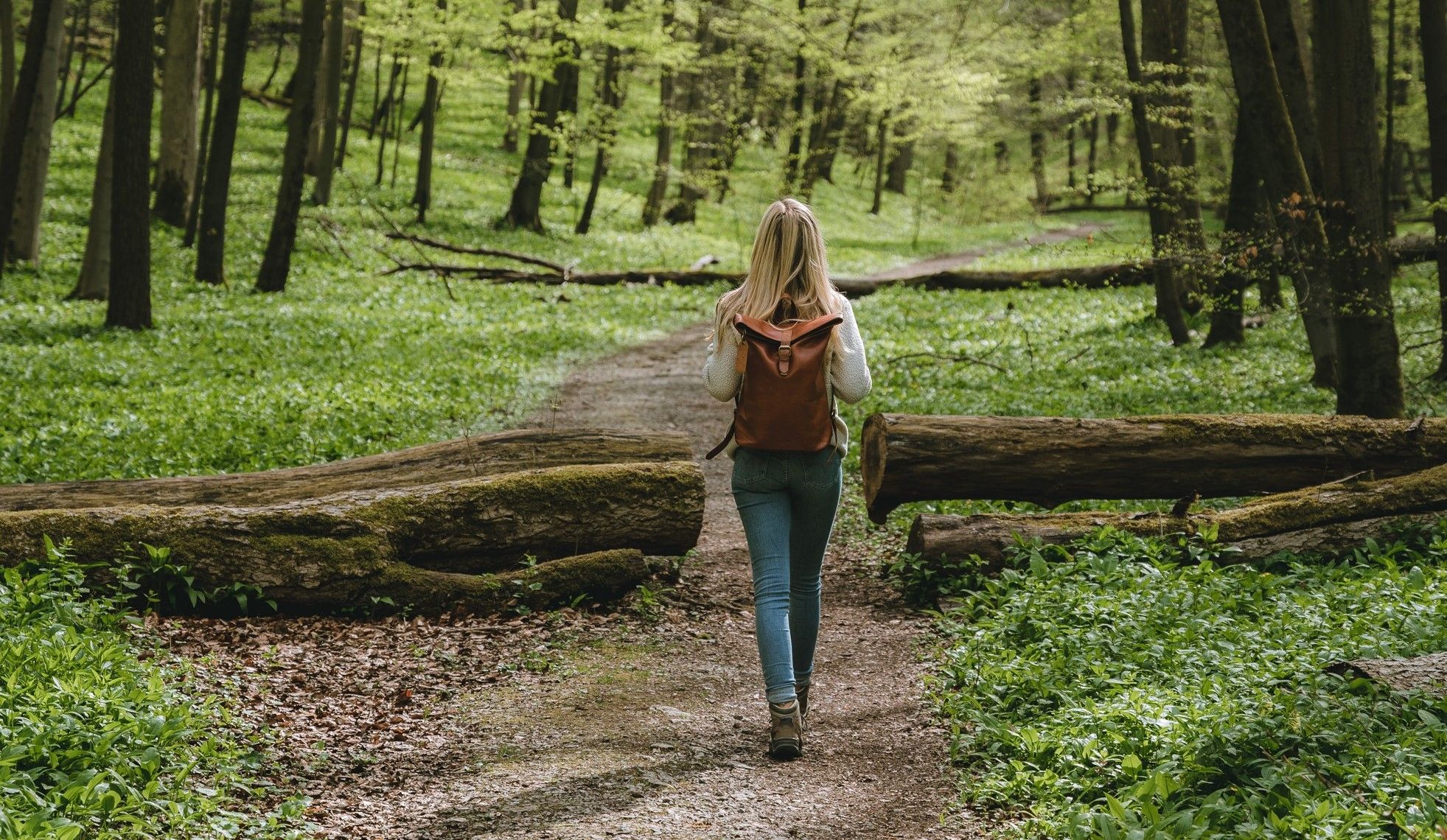
Directly below the Försterquelle spring, a small forest clearing opens up, the so-called Försterwiese (Forest Meadow). It's especially worth seeing in spring, when the wild garlic blooms and the meadow flowers are in full bloom.
1
0
A spring, especially in Thuringia, is the name given to an artesian spring that is frequently found in the karst-like Muschelkalk areas of the Thuringian Basin. The term originates from the Middle High German word sprinc (High German: spring) and is also used in English to describe a well or spring. Thuringian springs are usually the source of water that has seeped into the ground elsewhere. This water sometimes flows for several kilometers through underground cracks and resurfaces at low-lying geological faults. (Excerpt from Wikipedia). A very natural and shady rest area is located in the immediate vicinity of the Försterquelle.
1
0
The three stone slabs are impossible to miss and are located directly on the slope of the path.
0
0
From here, you can only see the castle in winter, when the forest is leafless. In summer, you can't see the castle for the trees 😉 You should rather look for Bischofstein Castle near Lengenfeld from the viewpoints (Stein and Schranne).
0
0
Frequently Asked Questions
How many hiking trails are available in Rodeberg?
There are over 80 hiking trails in the Rodeberg region, offering a wide range of options for all skill levels. You'll find everything from easy strolls to more challenging routes through diverse landscapes.
What kind of terrain can I expect on hikes around Rodeberg?
The Rodeberg region offers varied terrain depending on whether you're in Belgium or Germany. In the Belgian Heuvelland, expect rolling hills, lush spring forests like the Hellegatbos, and panoramic views over the Douve Valley. Near Germany's Hainich National Park, you'll encounter ancient, primeval-like forests, magnificent ridges, and fertile floodplains.
Are there easy hiking options in Rodeberg?
Yes, Rodeberg offers many easy hiking options. For instance, the Günther Eiche – Schäfersbrunnen Rest Area loop from Dörnaer Platz is an easy 3.7-mile (5.9 km) trail through woodlands, perfect for a relaxed outing. Overall, 43 of the 82 available routes are classified as easy.
Are there any circular hiking routes in Rodeberg?
Yes, many of the trails in Rodeberg are circular, allowing you to start and end at the same point. An example is the Faulunger Schranne Viewpoint – Kloster Zella loop from Kloster Zella, a moderate 8.0-mile (12.8 km) path that explores the area around Kloster Zella.
Can I bring my dog on the hiking trails in Rodeberg?
Generally, dogs are welcome on many hiking trails in Rodeberg. However, it's always recommended to keep them on a leash, especially in nature reserves, agricultural areas, or near livestock. Always check local signage for specific restrictions.
Are there family-friendly hikes suitable for children in Rodeberg?
Yes, the Rodeberg area provides several family-friendly options. In the Belgian Rodeberg, the Speelberg De Kosmos offers a play forest and play mountain. Many of the easier, shorter trails are also suitable for families with children, allowing them to enjoy nature safely.
What natural features or landmarks can I see while hiking in Rodeberg?
While hiking in Rodeberg, you can discover various natural features and landmarks. In Belgium, explore the spring forests of Hellegatbos and enjoy panoramic views from the Rodeberg itself, or spot the Lijstermolen windmill. In Germany, near Hainich National Park, you'll find ancient forests and diverse landscapes. You can also explore natural monuments like the Werratal Cliffs Near Frankenroda and Falken or visit the Hünenteich lake.
Where can I find parking for hiking trails in Rodeberg?
Parking is generally available at common starting points for hiking trails in Rodeberg. Specific parking areas are often indicated near trailheads, especially for popular routes or attractions. For example, routes like the View from Faulunger Stein – Faulunger Schranne Viewpoint loop from Struth typically have designated parking nearby.
Is public transport available to reach hiking areas in Rodeberg?
Public transport options to reach hiking areas in Rodeberg can vary. In the Belgian Heuvelland, local bus services might connect to villages near trailheads. In the German Rodeberg, especially near Hainich National Park, public transport might be less frequent, so checking local bus schedules or regional train connections in advance is advisable.
What do other hikers say about their experience in Rodeberg?
The hiking experiences in Rodeberg are highly rated by the komoot community, with an average score of 4.7 stars from over 600 reviews. Hikers often praise the diverse landscapes, from rolling hills and dense forests to scenic viewpoints, and appreciate the well-maintained network of trails suitable for various ability levels.
Are there any caves or grottoes to explore near Rodeberg?
Yes, the Rodeberg area features several interesting caves and grottoes. You can visit the Menschenhöhle or explore religious grottoes such as Ölberg Grotto and Mariengrotte Faulungen, which offer unique points of interest along your hikes.
Are there any long-distance hiking trails that pass through Rodeberg?
Yes, particularly in the German Rodeberg region, you'll find long-distance hiking trails. The area is part of or serves as a starting point for routes like the Rennstieg in the Hainich and sections of the Hainichlandweg, which offers almost 130 km of trails. These cater to multi-day excursions as well as day hikes.
When is the best time of year to go hiking in Rodeberg?
The best time to hike in Rodeberg largely depends on your preferences. Spring (April-May) is beautiful, especially in the Belgian Rodeberg, when the spring forests like Hellegatbos are carpeted with wildflowers. Summer (June-August) offers warm weather for longer days on the trails. Autumn (September-October) brings vibrant foliage, particularly in the German Hainich forests. Winters can be cold, but offer serene, quiet landscapes for those prepared for the conditions.
Most popular routes around Rodeberg
Most popular attractions around Rodeberg

Get inspired with the komoot mobile app


Explore more
Browse the best Hikes in other regions.
